
As the weather warms across Canada, people begin spending more time outdoors and meeting friends for relaxed late-morning meals. Brunch menus also change with the season, moving away from heavy winter dishes toward fresher, lighter options. Restaurants introduce new ideas while keeping familiar favourites that diners love. Local ingredients, global flavours, and changing lifestyles all shape what appears on the table. Social media and travel trends also influence what Canadians want to try next. Here are 18 brunch trends Canadians are seeing everywhere this spring.
Savoury Pancakes Taking Centre Stage

Across Canada, brunch menus are shifting toward hearty, savoury comfort foods. Pancakes are no longer limited to sweet toppings and syrup. Restaurants now serve versions packed with cheese, corn, spinach, or green onions. Some kitchens add smoked salmon, shredded chicken, or mushrooms for extra depth. Potato-based pancakes also remain popular in colder regions. These dishes feel filling enough for late mornings or early afternoons. Many plates arrive with poached eggs, sour cream, or tangy yogurt sauces. Diners appreciate a balanced, non-sugary option. The flavours often reflect global influences while staying approachable. Savoury pancakes work well for people wanting something warm and satisfying. This trend is visible in both urban brunch spots and smaller community cafés this spring.
Maple-Infused Everything

Spring in Canada overlaps with maple harvesting season, making maple flavours especially visible. Restaurants use fresh syrup in far more than breakfast staples. You might notice maple brushed onto bacon, sausages, or roasted vegetables. Some cafés swirl maple into butter or cream cheese spreads. Maple-sweetened lattes and cold brews are also appearing more often. Because the ingredient is local, many menus highlight its origin proudly. Quebec remains the largest producer, though other provinces contribute as well. Diners often view maple as both traditional and seasonal. Its mild sweetness pairs easily with salty or savoury foods. Chefs use that flexibility to build balanced dishes. Instead of dominating the plate, maple now adds subtle depth across multiple brunch items during the Canadian spring season.
Elevated Breakfast Sandwiches
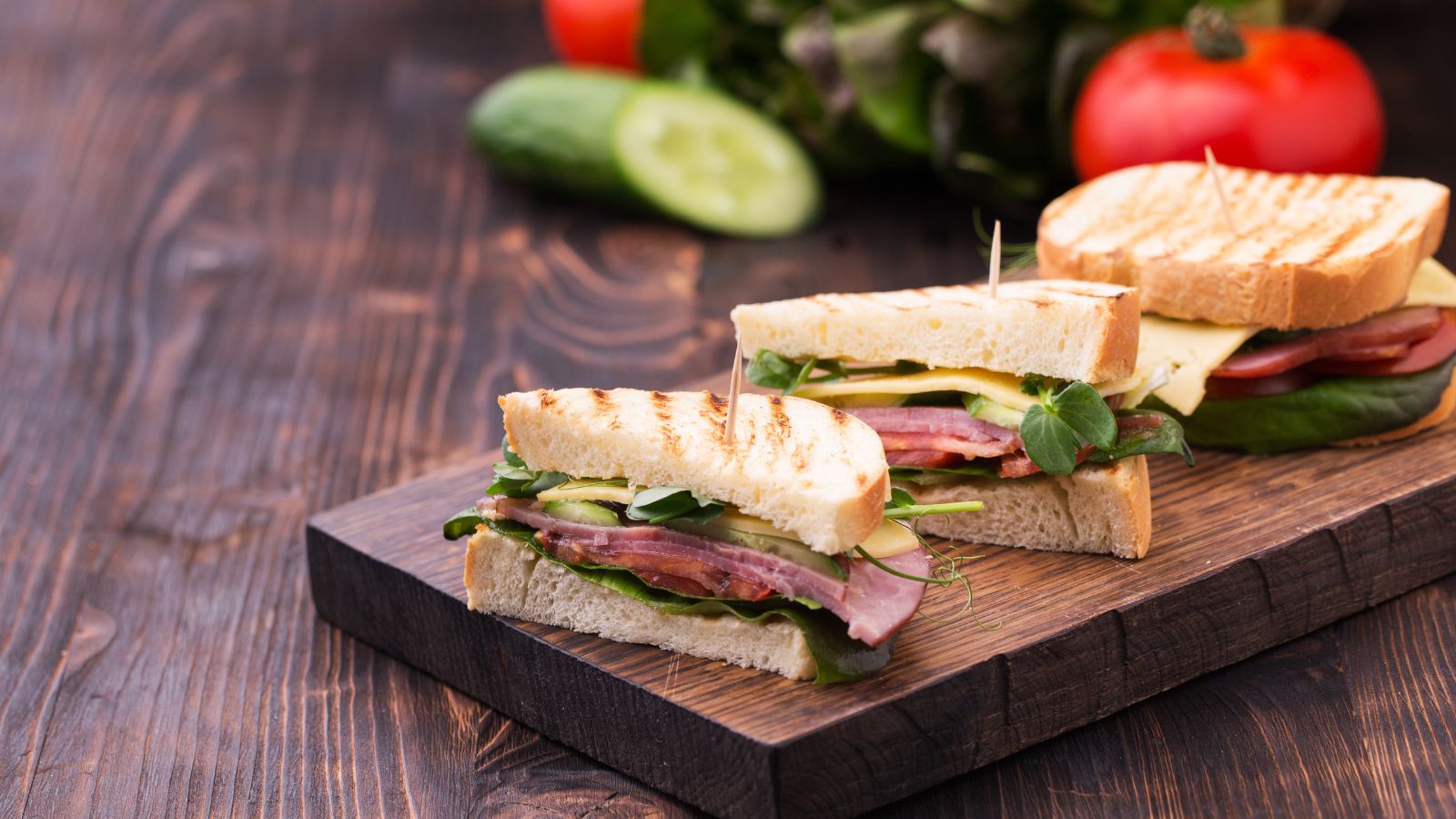
A quick sandwich used to be the simplest item on a brunch menu. That perception is changing across Canadian cities. Bakeries now supply fresh breads such as brioche, focaccia, or sourdough buns. Inside, fillings go beyond basic eggs and cheese. Peameal bacon, smoked turkey, or grilled vegetables are common upgrades. Some restaurants include house-made sauces or herb spreads. Eggs are often cooked to order instead of being pre-made. These details improve texture and flavour noticeably. The result feels closer to a composed dish than fast food. Many people choose these sandwiches for convenience without sacrificing quality. They travel well and remain satisfying for hours. This balance explains why premium breakfast sandwiches continue gaining popularity across cafés and casual restaurants nationwide.
Plant-Based Brunch Plates
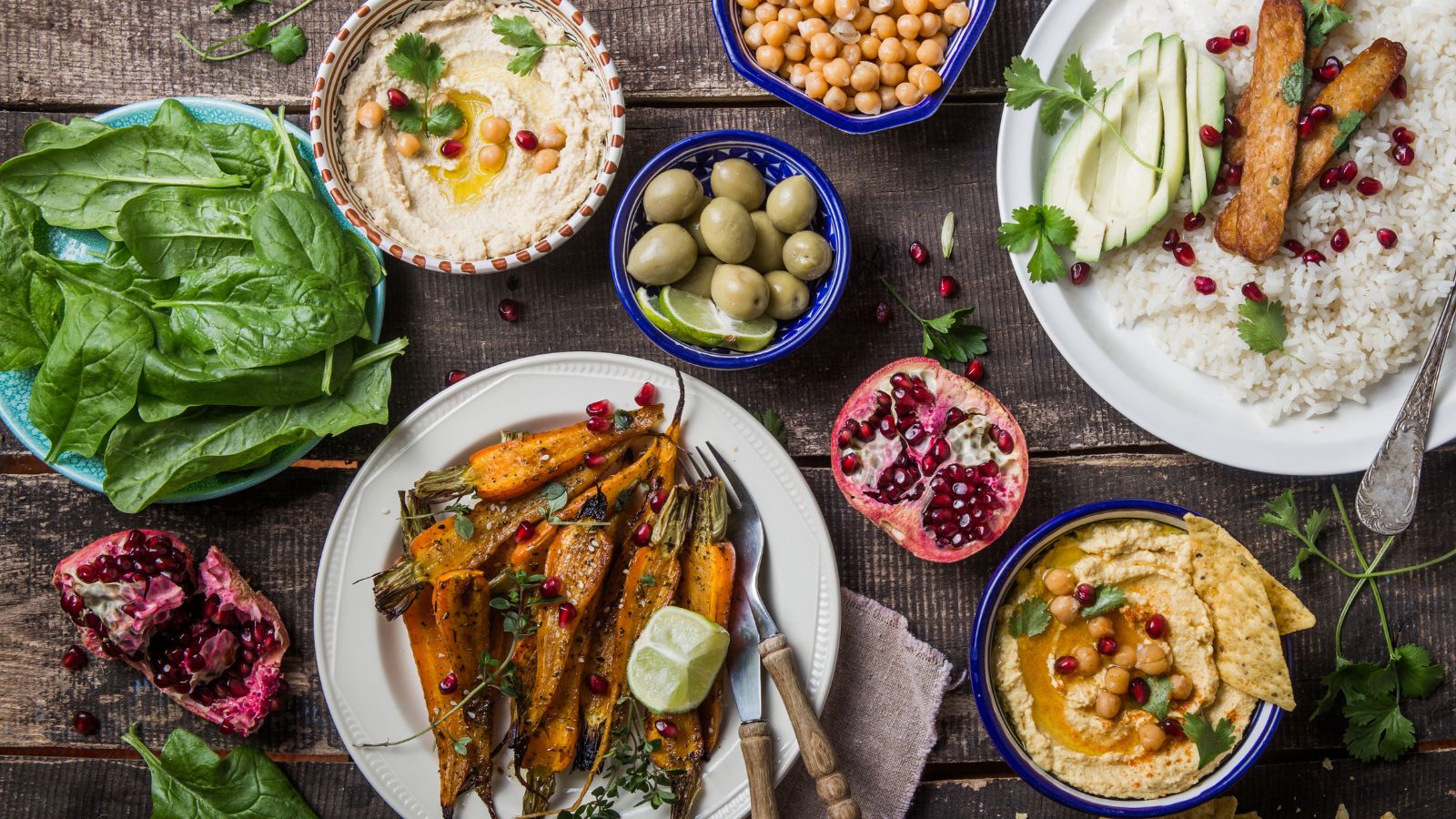
Plant-focused meals are becoming normal rather than niche in Canada. Brunch menus reflect this shift clearly. Instead of imitation meats, chefs build dishes around vegetables and grains. Tofu scrambles with spices mimic the texture of eggs without copying them exactly. Roasted sweet potatoes, lentils, or beans add substance. Sauces made from cashews or tahini provide richness. Seasonal produce keeps these plates colourful and varied. Many diners choose them for lighter digestion or environmental reasons. Restaurants also benefit because plant ingredients store well and adapt easily. These meals appeal to both strict vegans and curious eaters. Offering satisfying meat-free options broadens the customer base. As awareness grows, plant-based brunch plates are expected to remain a standard feature across Canada.
Seafood-Forward Morning Dishes
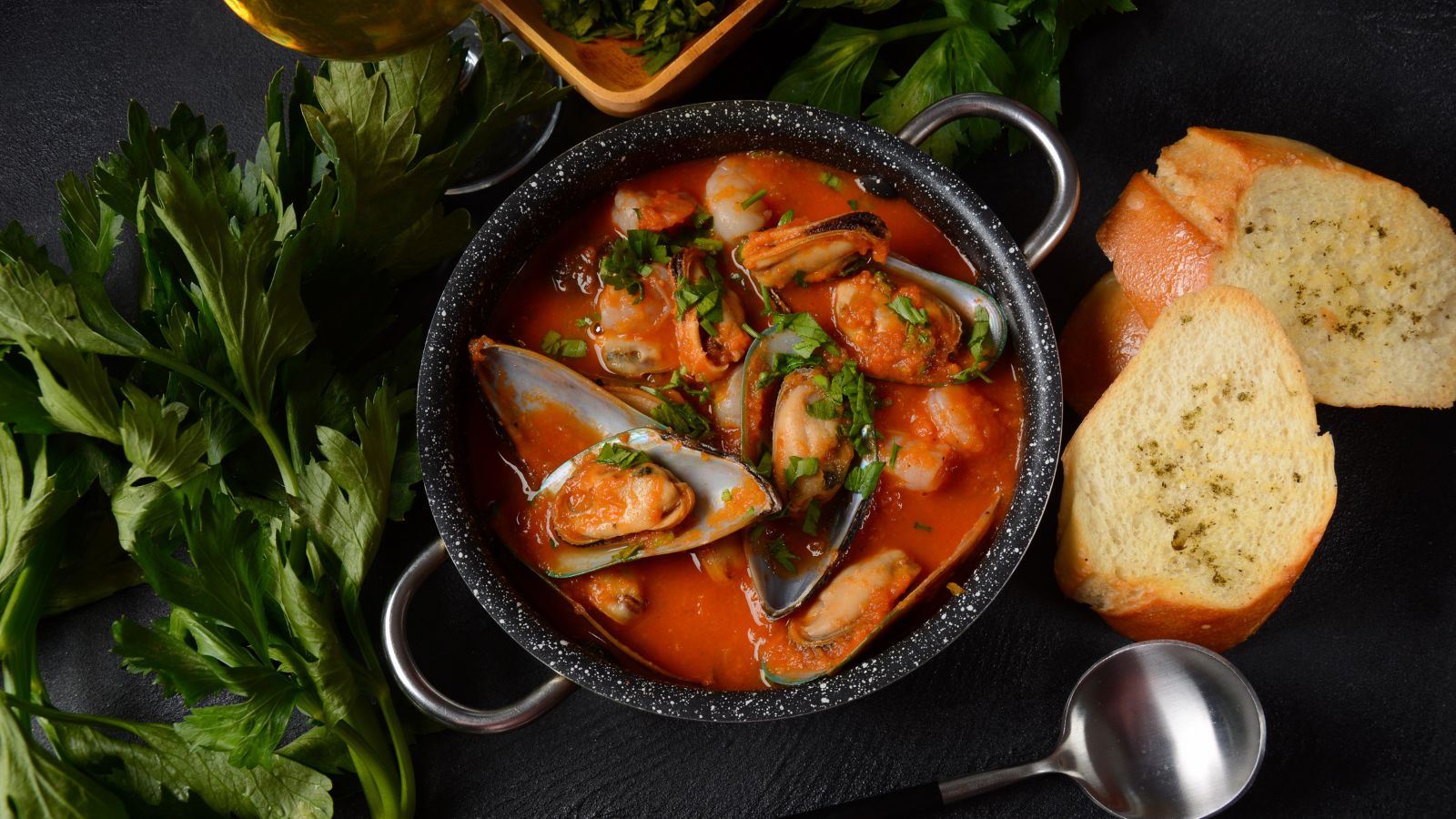
Canada’s long coastline influences brunch trends in subtle ways. Seafood is moving into morning menus more often this spring. Smoked salmon remains the most familiar option, especially on bagels or toast. However, chefs are expanding beyond that classic preparation. You may see crab cakes with eggs or shrimp served over grits. Coastal cities highlight fresh catches whenever possible. Lighter seafood dishes feel appropriate for daytime meals. They also pair well with citrus, herbs, and creamy sauces. Many diners view seafood as a treat rather than everyday food. Serving it at brunch creates a sense of occasion. Restaurants benefit from offering something distinctive. This approach connects local geography with dining habits, making seafood a natural addition to Canadian brunch culture.
Turkish Eggs Gaining Popularity
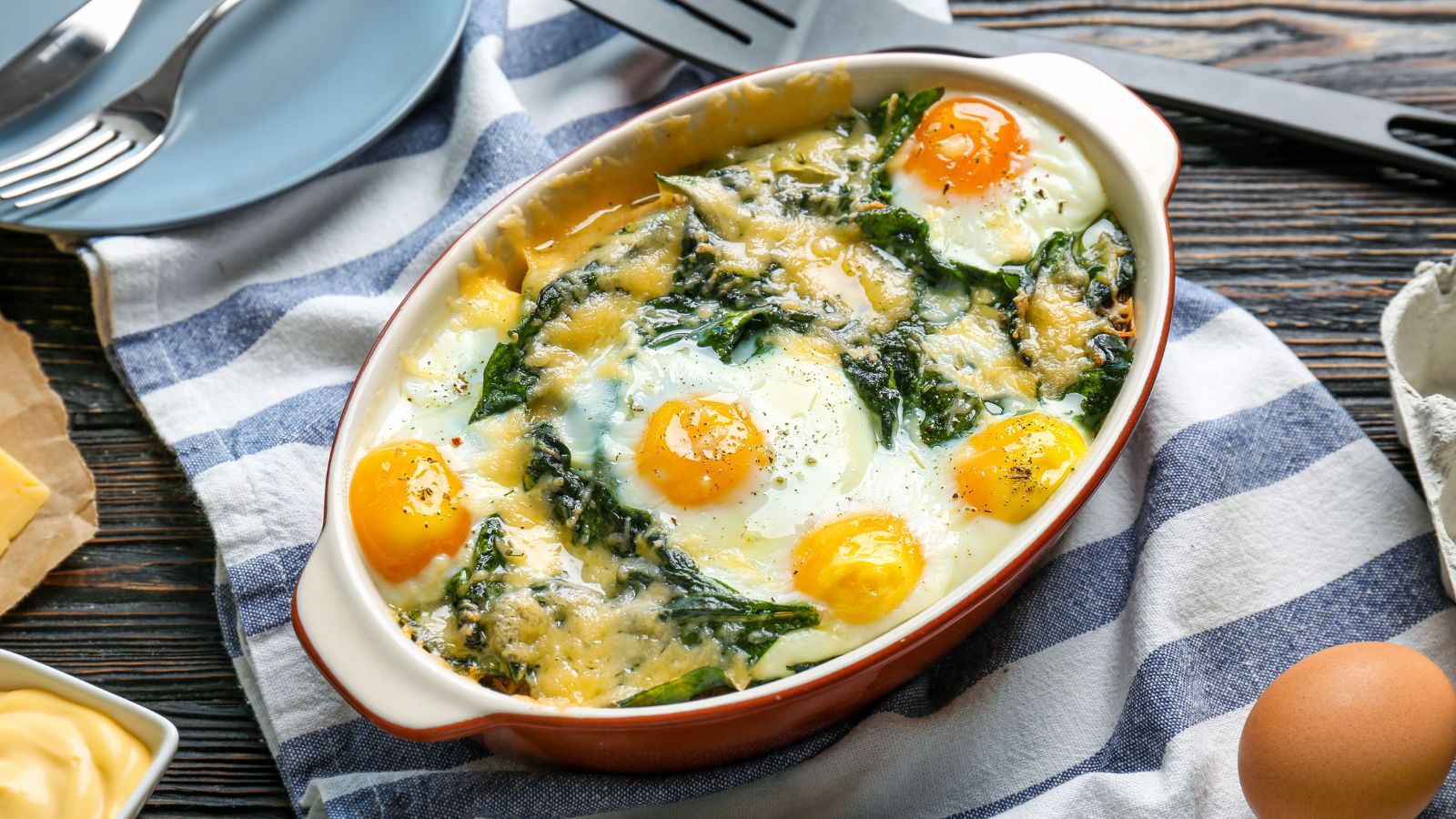
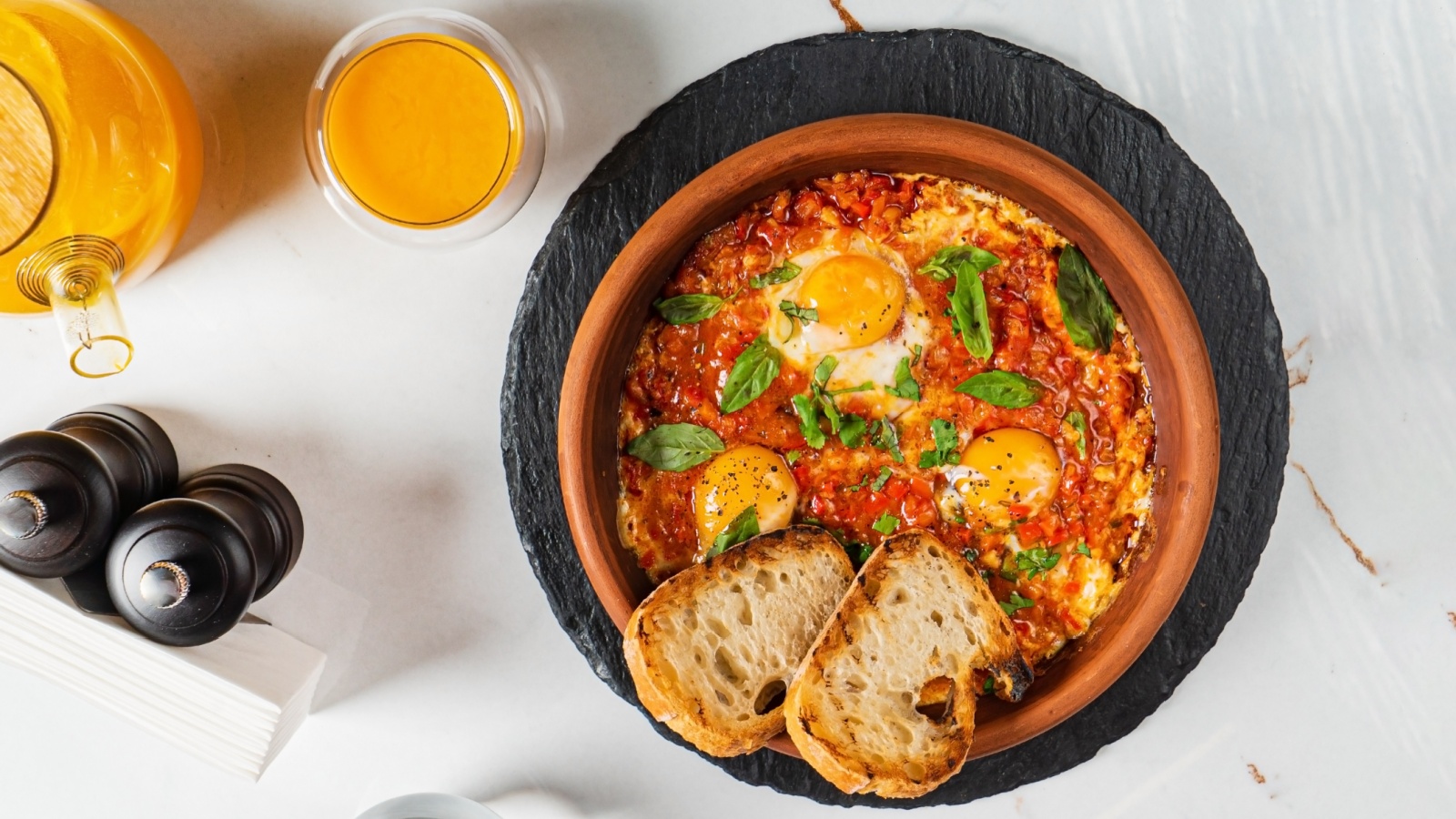
Turkish eggs, often called cilbir, are appearing on Canadian brunch menus more frequently. The dish combines poached eggs with garlicky yogurt and warm spiced butter. Served with bread, it becomes rich yet comforting. Diners enjoy the contrast between cool yogurt and hot eggs. Chili oil or paprika butter adds gentle heat without overpowering the dish. Many restaurants present it in shallow bowls for easy dipping. The recipe uses simple ingredients but delivers a strong flavour. Social media exposure has helped introduce it to a wider audience. People looking for something new often choose it first. It feels different from standard egg preparations yet remains approachable. As global dishes continue influencing Canadian dining, Turkish eggs are becoming a recognizable brunch option.
Artisanal Toasts with Local Toppings

Toast has evolved into a showcase for regional ingredients across Canada. Thick slices of sourdough or multigrain bread form the base. Toppings vary widely depending on local produce availability. In coastal areas, smoked fish or seaweed blends may appear. Prairie regions might feature honey, seeds, or roasted vegetables. Fresh cheeses and herb spreads are also common. Presentation often looks simple but is carefully arranged. These toasts appeal to diners seeking lighter meals. They also allow restaurants to change menus frequently without major cost. Highlighting local foods supports nearby farmers and producers. Customers increasingly value that connection. Artisanal toast offers flexibility, freshness, and visual appeal. This combination explains why it continues spreading across brunch menus nationwide during spring.
Ube and Purple Treats on Menus

Bright purple desserts and pastries are catching attention in Canadian cafés. Many feature ube, a purple yam popular in Filipino cuisine. Its mild sweetness works well in pancakes, waffles, and baked goods. The colour alone draws curious customers. Food trends often spread through social media, and these dishes photograph well. Some bakeries use ube in croissants or doughnuts for a twist on classics. The flavour pairs nicely with coconut or vanilla. Canada’s diverse population influences these menu additions. Introducing ingredients from different cultures keeps dining scenes dynamic. People enjoy trying something unfamiliar yet approachable. Purple treats offer novelty without extreme flavours. As global influences continue shaping Canadian food culture, ube-based brunch items are likely to remain visible.
Zero-Proof Brunch Cocktails

Not everyone wants alcohol at midday, yet many still enjoy festive drinks. Zero-proof cocktails fill that gap across Canadian brunch spots. These beverages mimic classic cocktails using juices, herbs, and sparkling water. Some include alcohol free spirits that replicate familiar flavours. Presentation remains just as polished as traditional drinks. Garnishes like citrus slices or fresh mint add visual appeal. This trend aligns with growing interest in mindful drinking. Groups with mixed preferences can dine together comfortably. Restaurants benefit by expanding beverage sales without relying solely on alcohol. Flavour combinations range from fruity to bitter or herbal. Zero-proof options also suit family-friendly settings. As attitudes toward alcohol evolve, these drinks are becoming a permanent brunch feature.
Espresso Drinks with Creative Twists
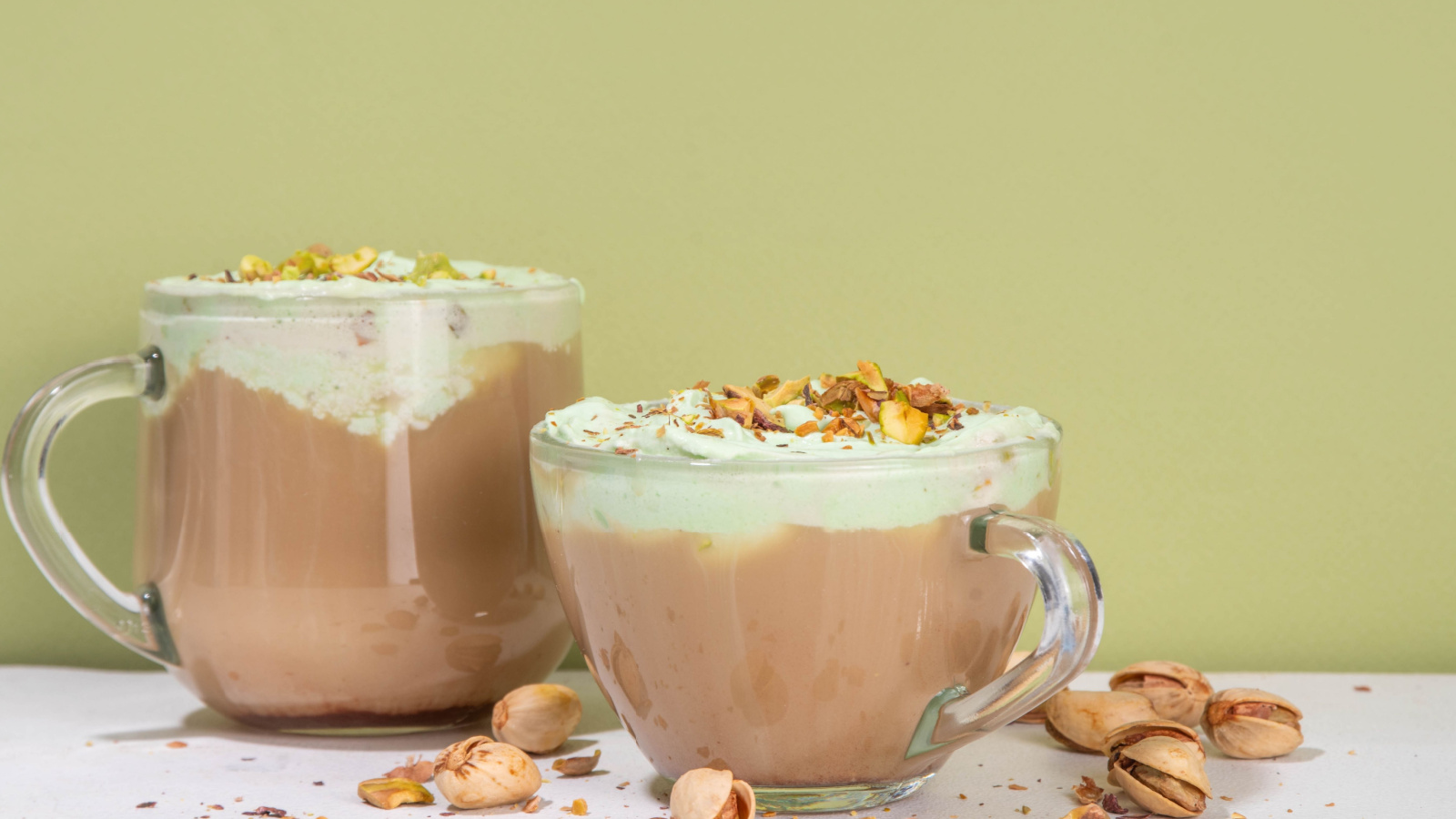
Coffee culture remains strong across Canada, especially during brunch hours. Cafés are experimenting with flavours and preparation methods. You might find espresso mixed with citrus, spices, or flavoured syrups. Cold foam toppings and layered drinks add texture. Some beverages combine espresso with tonic water for a refreshing option. Others incorporate chocolate, maple, or seasonal fruits. These variations appeal to customers seeking something different from plain coffee. Skilled baristas treat drinks as crafted items rather than routine orders. Social media visibility also drives experimentation. Unique beverages attract attention and repeat visits. Despite the creativity, strong espresso remains the base. This balance keeps drinks familiar yet interesting. Creative coffee options continue shaping brunch experiences across Canadian cities this spring.
Farm-to-Table Egg Dishes
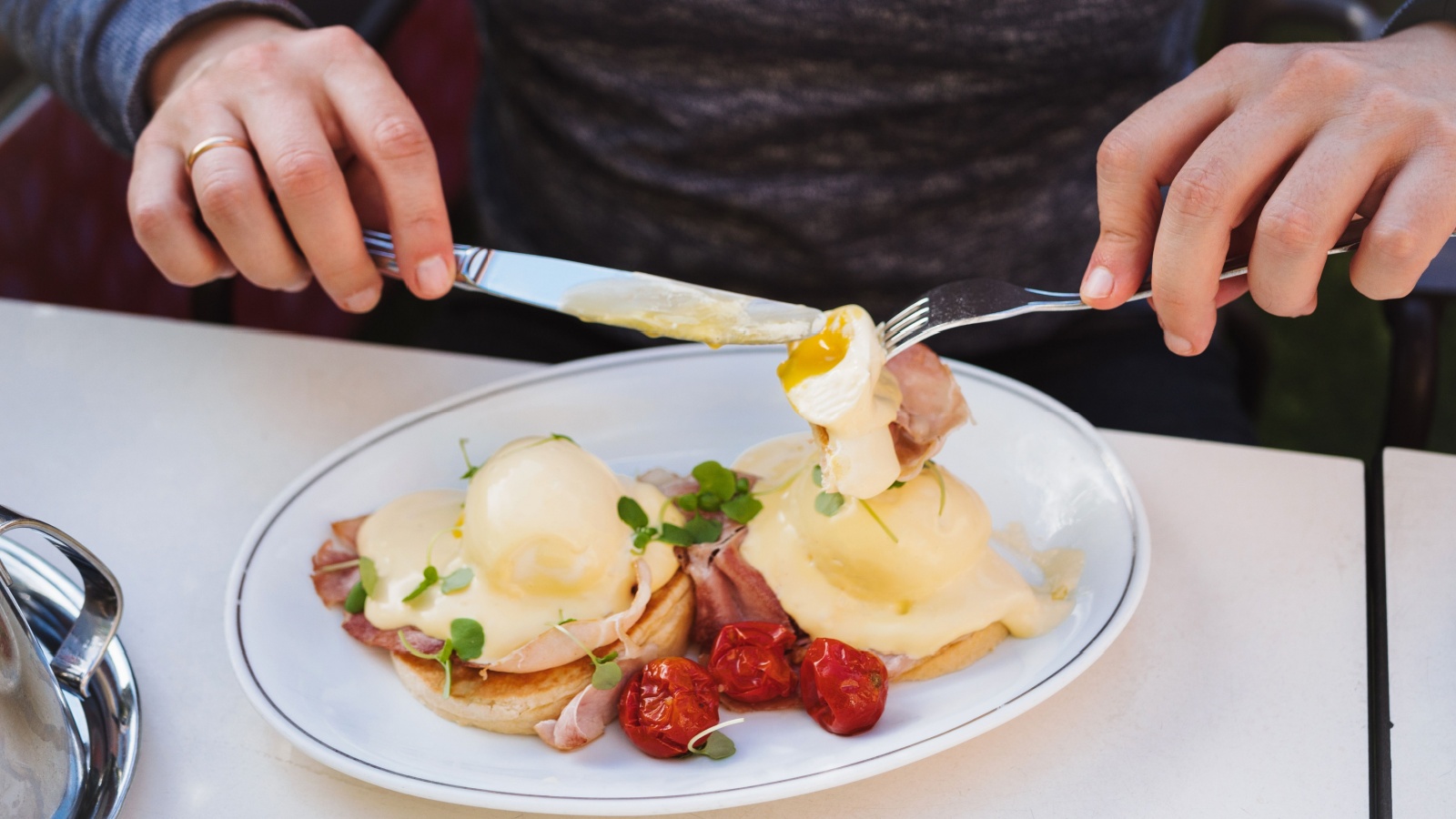
Egg-based meals remain a cornerstone of brunch, but sourcing matters more now. Many Canadian restaurants highlight eggs from nearby farms. Free-range or pasture-raised options often appear on menus. Diners associate local sourcing with freshness and ethical practices. Simple preparations allow the quality to stand out. Soft scrambled eggs, omelettes, or baked dishes are common. Seasonal vegetables frequently accompany them. This approach supports regional agriculture while reducing transport distance. Restaurants also build relationships with specific producers. Customers appreciate knowing where their food originates. Farm-to-table eggs fit the broader movement toward transparency in dining. As awareness grows, locally sourced ingredients continue influencing menu decisions across Canada’s brunch scene.
Butter Boards and Shareable Starters

Sharing plates are becoming more common during relaxed weekend brunches. Butter boards represent one playful example. Softened butter is spread across a wooden board and topped creatively. Herbs, honey, nuts, or spices add variety. Guests scoop portions with bread or crackers. The format encourages conversation and group participation. It also looks appealing on the table. Restaurants favour items that suit multiple diners at once. Shareable starters help extend the meal without heavy portions. They work well for celebrations or casual gatherings alike. While simple in concept, presentation makes them memorable. Butter boards reflect a broader shift toward communal dining experiences. This style continues gaining traction in Canadian brunch settings.
Sweet and Spicy Flavor Pairings
Combining sweetness with heat is becoming increasingly common on brunch menus. Canadian chefs experiment with ingredients like chili oil, hot honey, or spicy sauces. These elements contrast nicely with waffles, eggs, or meats. The balance keeps dishes from feeling overly sugary. Many diners enjoy flavours that evolve with each bite. Sweet and spicy combinations also reflect global culinary influences. Asian and Latin cuisines have long used similar contrasts. Introducing them into brunch feels natural rather than forced. Restaurants often apply the pairing sparingly for broader appeal. Too much heat could overpower morning dishes. When done carefully, the result feels lively and memorable. This trend shows how familiar foods can gain new character through simple adjustments.
Regional Canadian Cheeses in Brunch
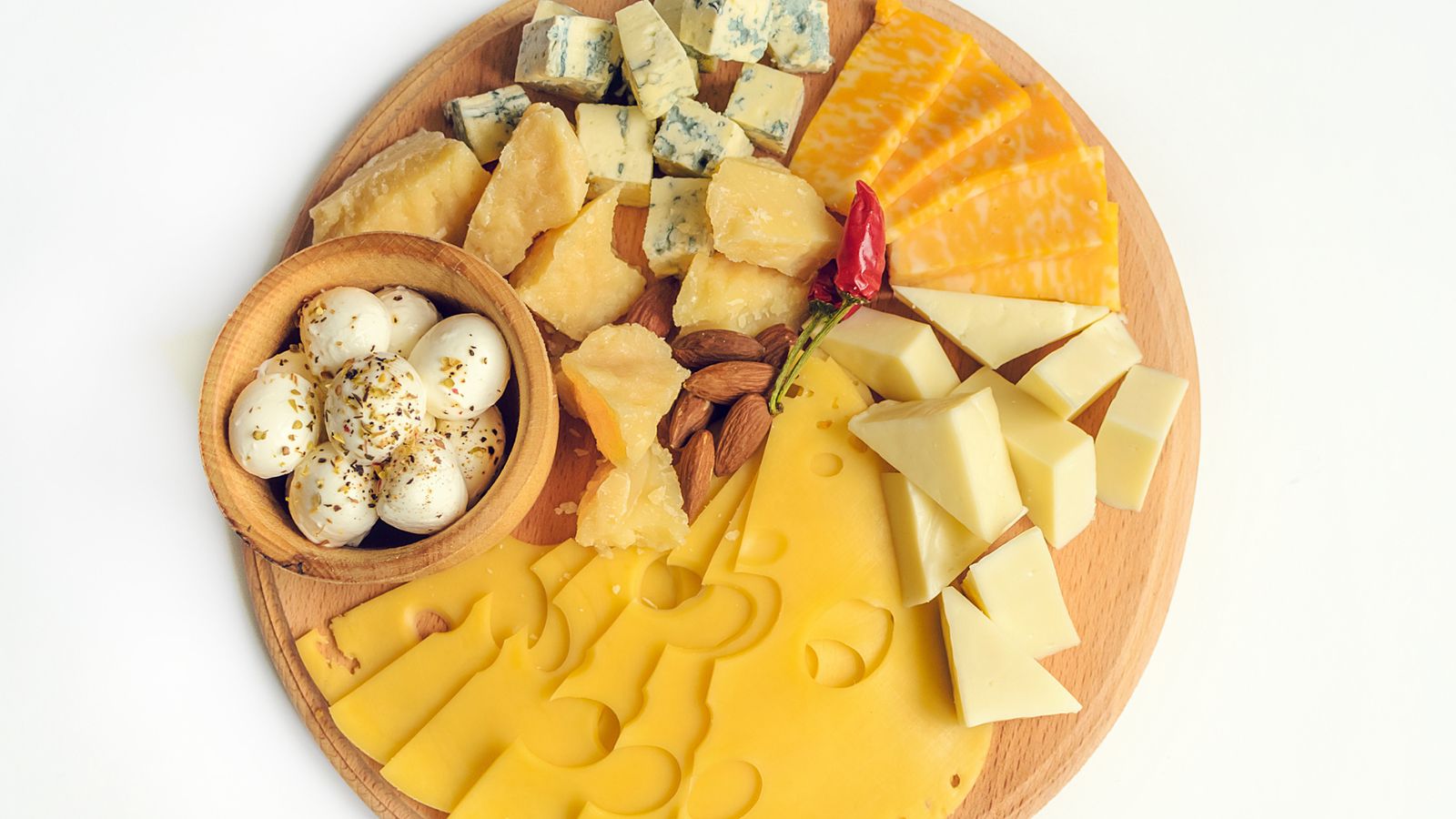
Canada produces a wide variety of artisanal cheeses, many of which are gaining recognition locally. Brunch menus increasingly showcase these products. Soft cheeses spread easily on toast or pastries. Aged varieties pair well with eggs or potatoes. Provinces like Quebec and Ontario lead in specialty production. Featuring regional cheeses supports domestic dairy industries. Diners often enjoy discovering new flavours close to home. Restaurants sometimes mention the producer to highlight authenticity. Cheese boards designed for morning hours are also appearing. They offer a savoury alternative to sweet dishes. Using local cheese adds depth without complicated preparation. As interest in regional foods grows, Canadian cheeses continue to become central components of brunch plates.
Loaded Breakfast Potatoes

Potatoes remain one of the most dependable comfort foods in Canada. Brunch versions are becoming more elaborate this spring. Instead of plain hash browns, kitchens add toppings and sauces. Cheese, herbs, sautéed onions, or peppers are common additions. Some plates include bacon bits or plant-based alternatives. Crispy textures contrast with soft interiors, making them satisfying. Potatoes also absorb flavours from accompanying ingredients. They can serve as a base for eggs or meats. Many diners appreciate familiar foods prepared in new ways. Restaurants benefit because potatoes are affordable and versatile. Presentation elevates a simple ingredient into a standout dish. Loaded breakfast potatoes continue appearing on menus from casual diners to upscale establishments.
Croissant-Based Creations

Croissants provide a rich base for both sweet and savoury brunch dishes. Canadian bakeries produce high-quality versions daily. Restaurants transform them into sandwiches, French toast, or bread pudding. The buttery layers add flavour without needing heavy toppings. Fillings range from ham and cheese to fruit compotes. Some cafés slice croissants open and toast them lightly for extra texture. Their popularity reflects growing appreciation for artisanal baking. Croissant dishes feel indulgent yet familiar. They also photograph well, attracting social media attention. Using pastries instead of regular bread differentiates menus easily. This approach bridges bakery culture with restaurant dining. Croissant-based creations remain a reliable draw for brunch crowds across Canada.
Brunch Charcuterie Boards

Charcuterie boards are no longer limited to evening gatherings. Many Canadian restaurants now offer brunch versions. Instead of cured meats alone, boards include eggs, cheeses, fruits, and breads. Sweet items like pastries or jams may appear alongside savoury components. This variety allows diners to customize each bite. Groups often prefer sharing rather than ordering separate dishes. Presentation emphasizes abundance without excessive portions. Local products frequently take centre stage. Featuring regional meats or cheeses adds authenticity. These boards suit leisurely meals where conversation matters as much as food. They also reduce pressure on kitchens during busy hours. Brunch charcuterie boards combine flexibility with visual appeal, making them increasingly popular across the country.
Dessert-Inspired Morning Plates

Some diners treat brunch as an opportunity for indulgence. Dessert-inspired dishes cater to that mindset. Pancakes, waffles, or French toast arrive topped with creams, sauces, or chocolate. Portions remain suitable for daytime dining, not overwhelming. Fruit often balances the sweetness. Canadian maple products frequently appear on these plates as well. The goal is comfort rather than extravagance. Many people order these items for special outings or celebrations. Restaurants benefit because such dishes photograph attractively. Social media exposure encourages others to visit. Despite their sweetness, they still function as full meals. Dessert-style brunch options provide a playful contrast to savoury offerings. This trend highlights the relaxed, treat-focused nature of weekend dining across Canada.
22 Groceries to Grab Now—Before another Price Shock Hits Canada

Food prices in Canada have been steadily climbing, and another spike could make your grocery bill feel like a mortgage payment. According to Statistics Canada, food inflation remains about 3.7% higher than last year, with essentials like bread, dairy, and fresh produce leading the surge. Some items are expected to rise even further due to transportation costs, droughts, and import tariffs. Here are 22 groceries to grab now before another price shock hits Canada.
22 Groceries to Grab Now—Before another Price Shock Hits Canada
