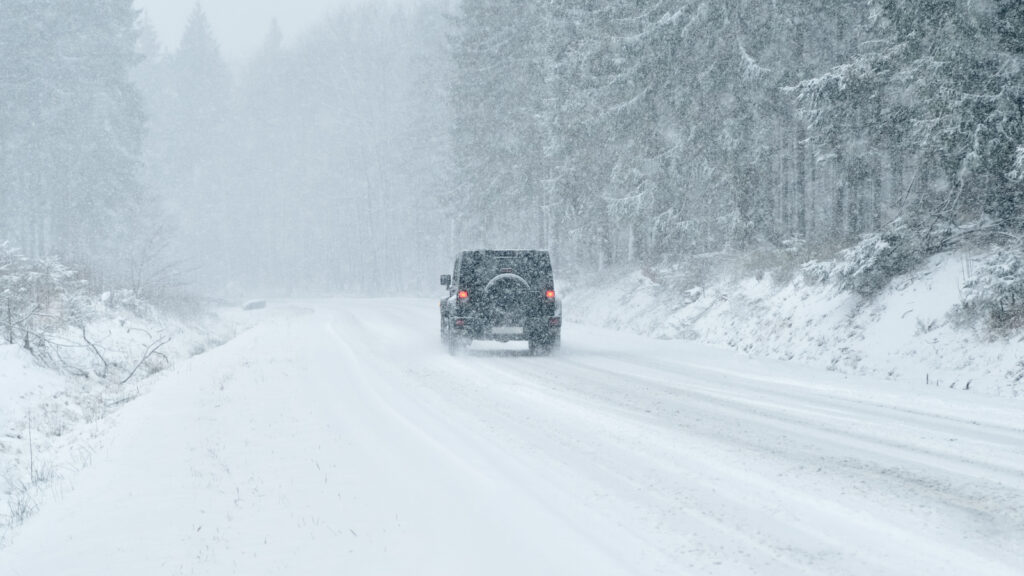
Spring often brings a sense of relief after a long Canadian winter. Roads begin to clear, temperatures rise, and many drivers return to their regular travel routines. However, winter driving conditions often leave behind hidden vehicle wear and changing road hazards. Snow, salt, potholes, and freezing temperatures can affect vehicles more than many drivers realize. When spring arrives, some drivers forget to adjust their habits or inspect their vehicles. Small maintenance issues or driving mistakes can quickly lead to unexpected repair costs. Taking a few simple precautions can help avoid these problems. Here are 18 spring driving habits Canadians often forget after winter, and sometimes end up paying for later.
Forgetting to Remove Winter Emergency Gear From the Vehicle
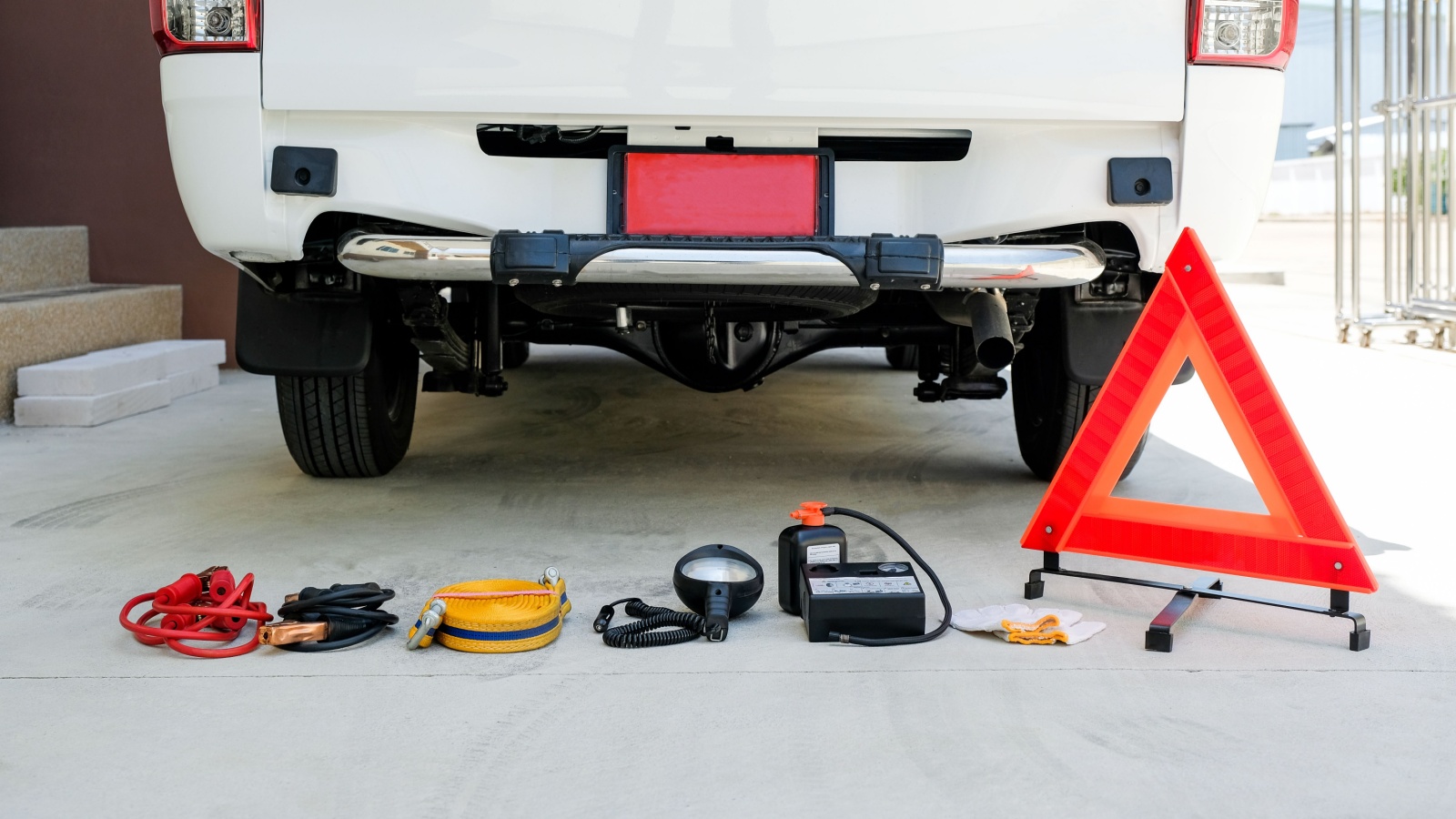
Many Canadians keep emergency supplies in their vehicles during winter. Items such as snow brushes, small shovels, sandbags, and heavy blankets help drivers handle snow and ice conditions. When spring arrives, some drivers forget to remove these items. Carrying unnecessary winter gear adds extra weight to the vehicle. This weight can slightly reduce fuel efficiency during everyday driving. Organizing the vehicle for the new season helps create more space and comfort. Some items, such as first aid kits and flashlights, should remain in the car year-round. However, bulky winter-specific gear can often be stored at home once winter weather has fully passed.
Ignoring Pothole Damage That Appears After Snow Melt

Potholes often appear on Canadian roads once winter snow begins to melt. Freezing temperatures cause water to expand inside pavement cracks. When the ice melts, the road surface weakens and breaks apart. Vehicles driving over potholes may experience sudden impacts. These impacts can damage tires, wheels, and suspension components. Some drivers ignore minor vehicle vibrations after hitting potholes. However, these vibrations may signal alignment or suspension issues. Inspecting the vehicle after major pothole impacts helps prevent further damage. Repairing small problems early can reduce larger repair costs later. Spring is a common time for pothole-related vehicle repairs.
Delaying Tire Pressure Checks After Temperature Changes

Temperature changes during spring can affect tire pressure significantly. Cold air reduces tire pressure, while warmer temperatures increase it. After winter ends, many drivers forget to check their tires again. Incorrect tire pressure can affect vehicle handling and braking performance. Underinflated tires also increase fuel consumption and tire wear. Checking tire pressure regularly helps maintain safe driving conditions. Many vehicles include recommended pressure levels inside the driver’s door frame. Using a simple tire pressure gauge takes only a few minutes. Maintaining correct pressure helps tires last longer and improves overall driving safety.
Forgetting to Replace Worn Winter Wiper Blades
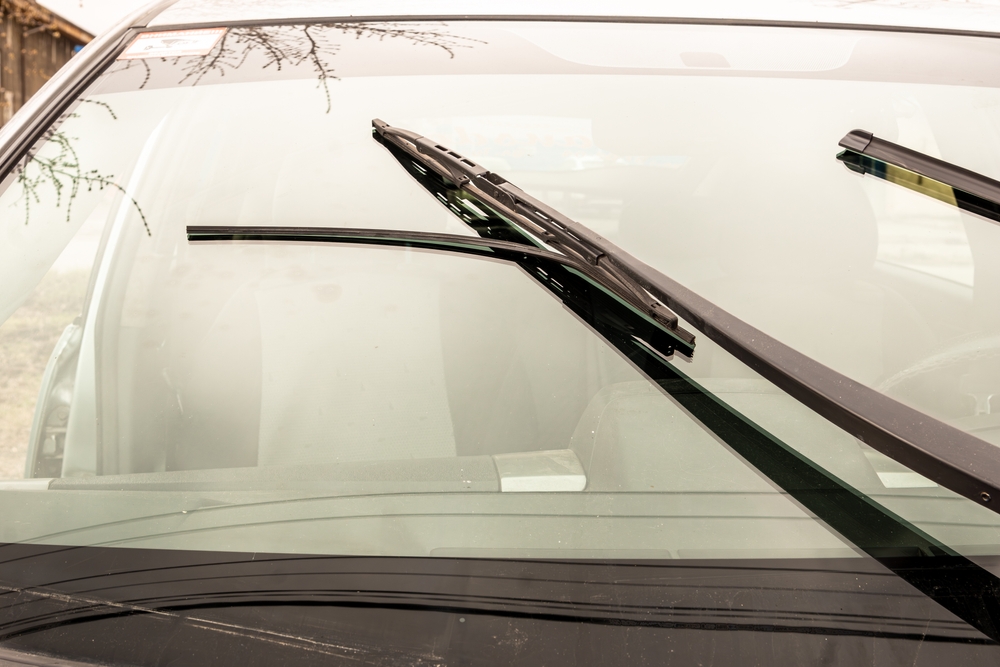
Winter weather can wear down windshield wiper blades quickly. Ice, snow, and road salt place extra stress on the rubber edges. By spring, many wiper blades become cracked or uneven. Worn blades often leave streaks on the windshield during rain. Reduced visibility can create safety risks while driving. Some drivers continue using damaged blades without noticing the problem. Replacing wiper blades at the start of spring improves windshield clarity. New blades remove water more effectively during rainstorms. Maintaining clear visibility is an important part of safe spring driving.
Ignoring Brake Wear After Heavy Winter Driving
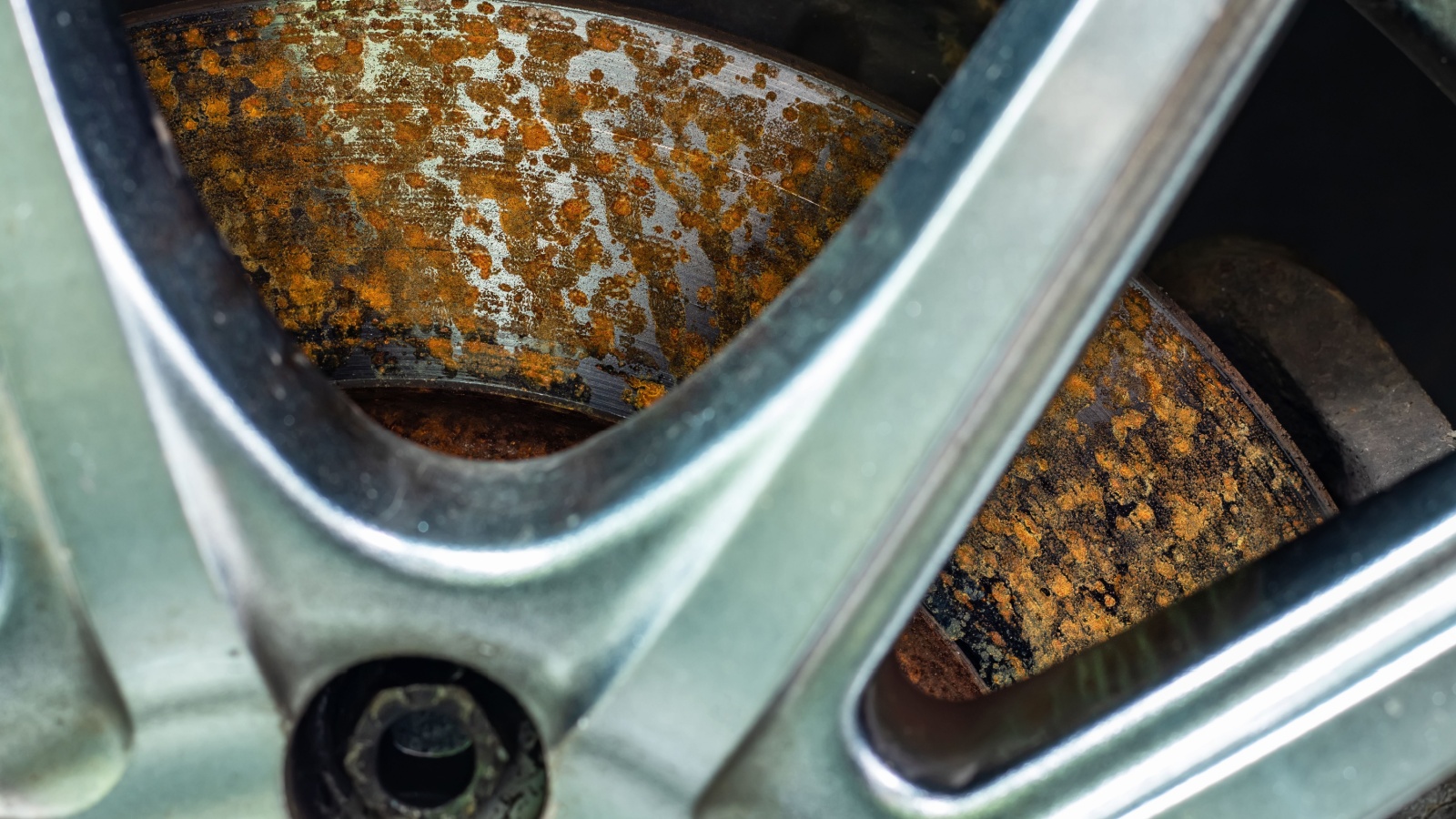
Winter driving conditions often place extra strain on vehicle brakes. Slippery roads require more careful braking and frequent adjustments. Salt and moisture can also affect brake components over time. When spring arrives, some drivers forget to inspect their braking system. Worn brake pads or unusual noises may appear after winter use. Ignoring these signs can lead to reduced braking performance. Scheduling a simple brake inspection helps identify problems early. Mechanics can check pads, rotors, and brake fluid levels during routine service. Maintaining strong brakes improves safety during everyday driving.
Not Washing Winter Salt From the Vehicle Undercarriage
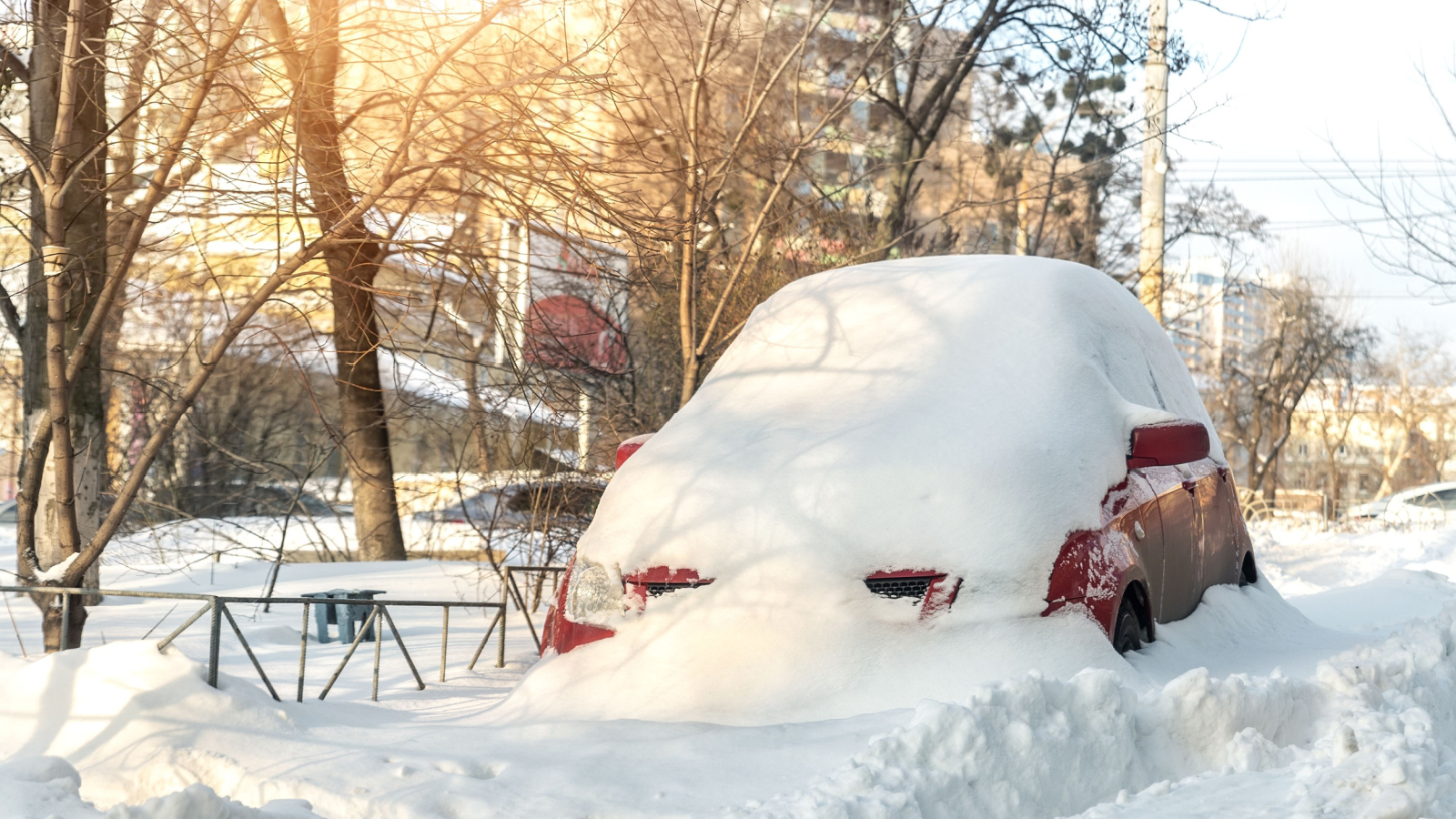
Road salt helps keep Canadian roads safer during winter storms. However, salt can cause corrosion on vehicles over time. Salt often collects on the undercarriage, wheel wells, and suspension components. If it remains on the vehicle through spring, rust may begin forming. Many drivers wash the visible parts of their car but ignore the underside. A thorough car wash that includes undercarriage cleaning helps remove this residue. Removing salt early helps protect metal parts from corrosion. Regular cleaning during spring can extend the lifespan of many vehicle components.
Forgetting to Refill Windshield Washer Fluid for Spring Roads
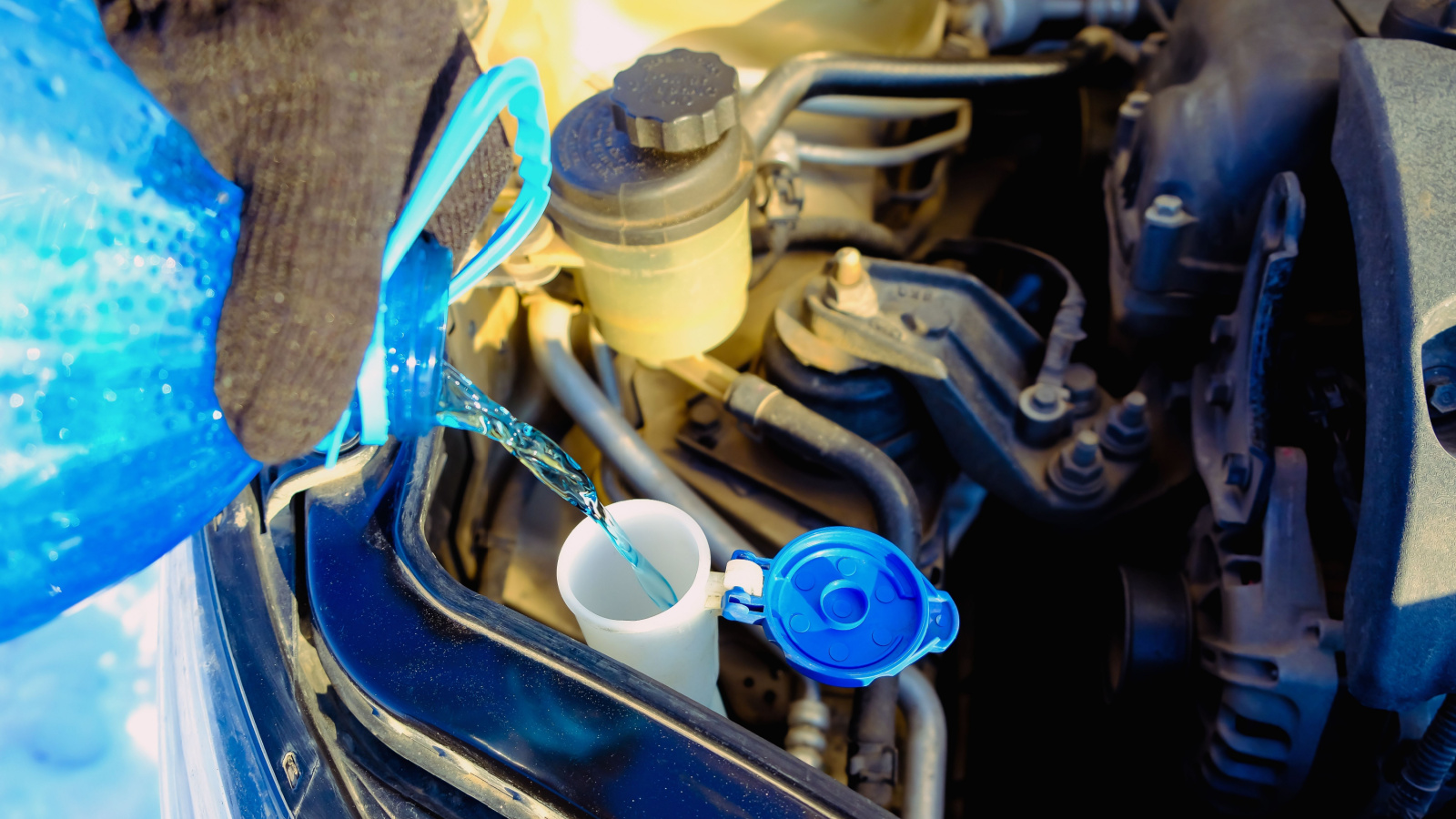
Spring roads across Canada often carry mud, slush, and leftover salt from winter driving. Vehicles traveling ahead can splash dirty water onto windshields quickly. Without enough washer fluid, drivers may struggle to clear their view properly. Some Canadians forget to refill the washer reservoir after winter ends. Many assume it is only needed during snowstorms. However, spring driving conditions often require frequent windshield cleaning. Dirty windshields can reduce visibility during rain or when sunlight reflects off mud streaks. Keeping the washer reservoir full helps maintain clear sight while driving. Carrying an extra bottle of washer fluid in the vehicle can also be helpful during longer road trips in early spring.
Ignoring Tire Tread Wear After the Winter Season

Winter driving conditions can cause faster tire wear than many drivers expect. Snow, ice, salt, and rough road surfaces all place extra stress on tires. By the time spring arrives, some tires may have lost significant tread depth. Many Canadians continue using their tires without checking their condition. Worn tread reduces traction, especially during spring rainstorms. Poor traction increases the risk of hydroplaning on wet roads. Inspecting tire tread early in spring helps identify when replacement may be needed. Drivers can also rotate their tires to improve wear patterns. Maintaining healthy tread helps improve vehicle control, braking distance, and overall safety during wet spring driving conditions.
Driving Too Fast on Wet Spring Roads
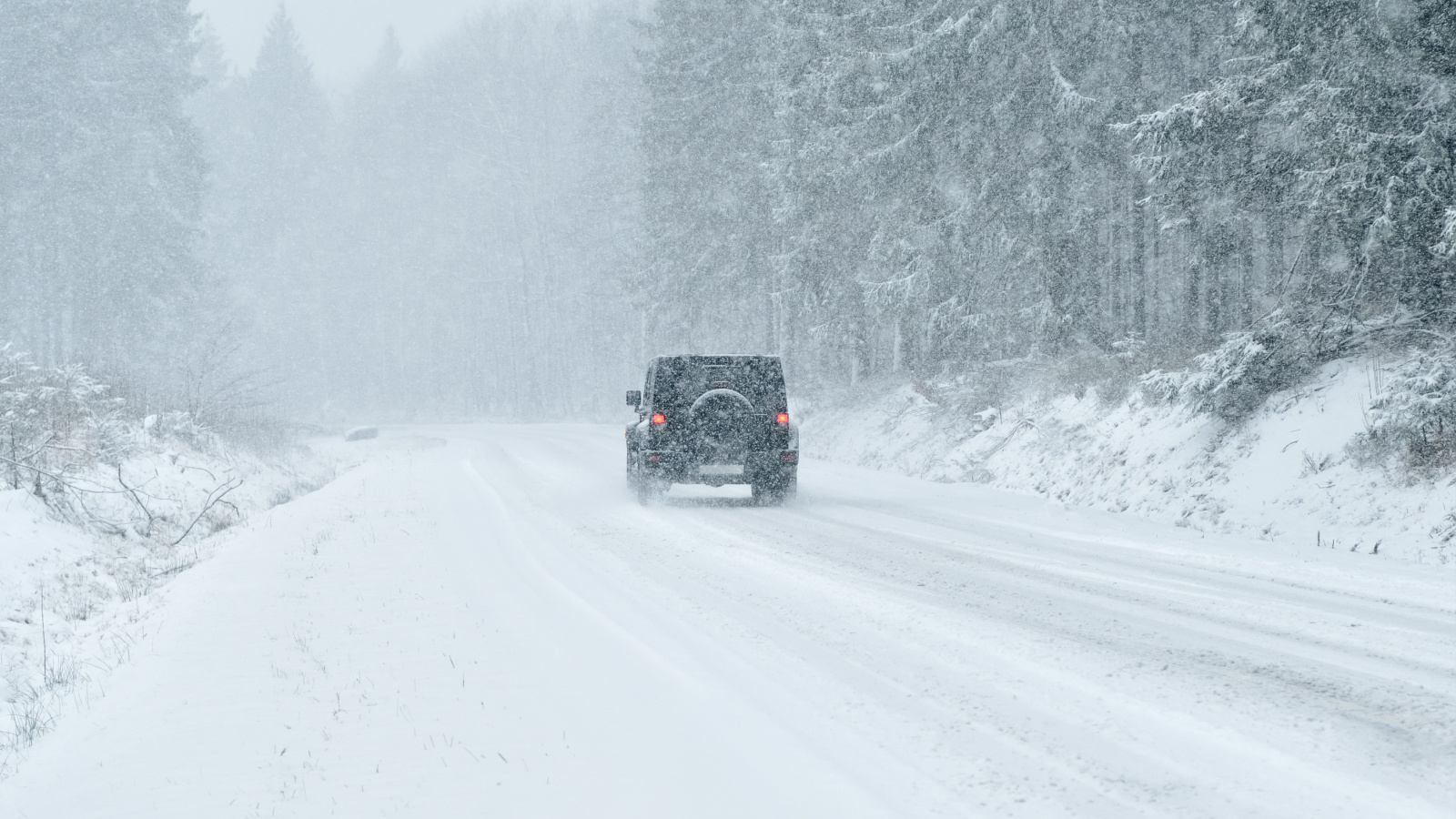
Spring often brings frequent rain and melting snow across many Canadian regions. Wet roads reduce tire grip and increase stopping distance. Some drivers continue driving at winter or summer speeds without adjusting for these conditions. Water on the road can cause vehicles to lose traction more easily. Hydroplaning may occur when tires cannot push water away fast enough. Slowing down helps maintain better control of the vehicle. Increasing following distance also allows more time to react if traffic slows suddenly. Careful driving during rainstorms improves safety for everyone on the road. Adjusting speed for wet conditions is one of the simplest ways to prevent accidents.
Forgetting to Check Car Batteries After Cold Weather

Cold winter temperatures place extra strain on vehicle batteries. During winter, batteries must work harder to start engines in freezing conditions. By spring, some batteries may already be weakened from months of heavy use. Many drivers forget to test their battery once warmer weather arrives. A weak battery may still work temporarily, but could fail unexpectedly later. Simple battery tests can quickly identify whether replacement is needed. Many service centers offer quick battery inspections during routine maintenance visits. Checking battery condition during spring helps prevent sudden breakdowns. Reliable battery performance is especially important for daily commuting and longer road trips.
Ignoring Mud and Debris on Rural Spring Roads
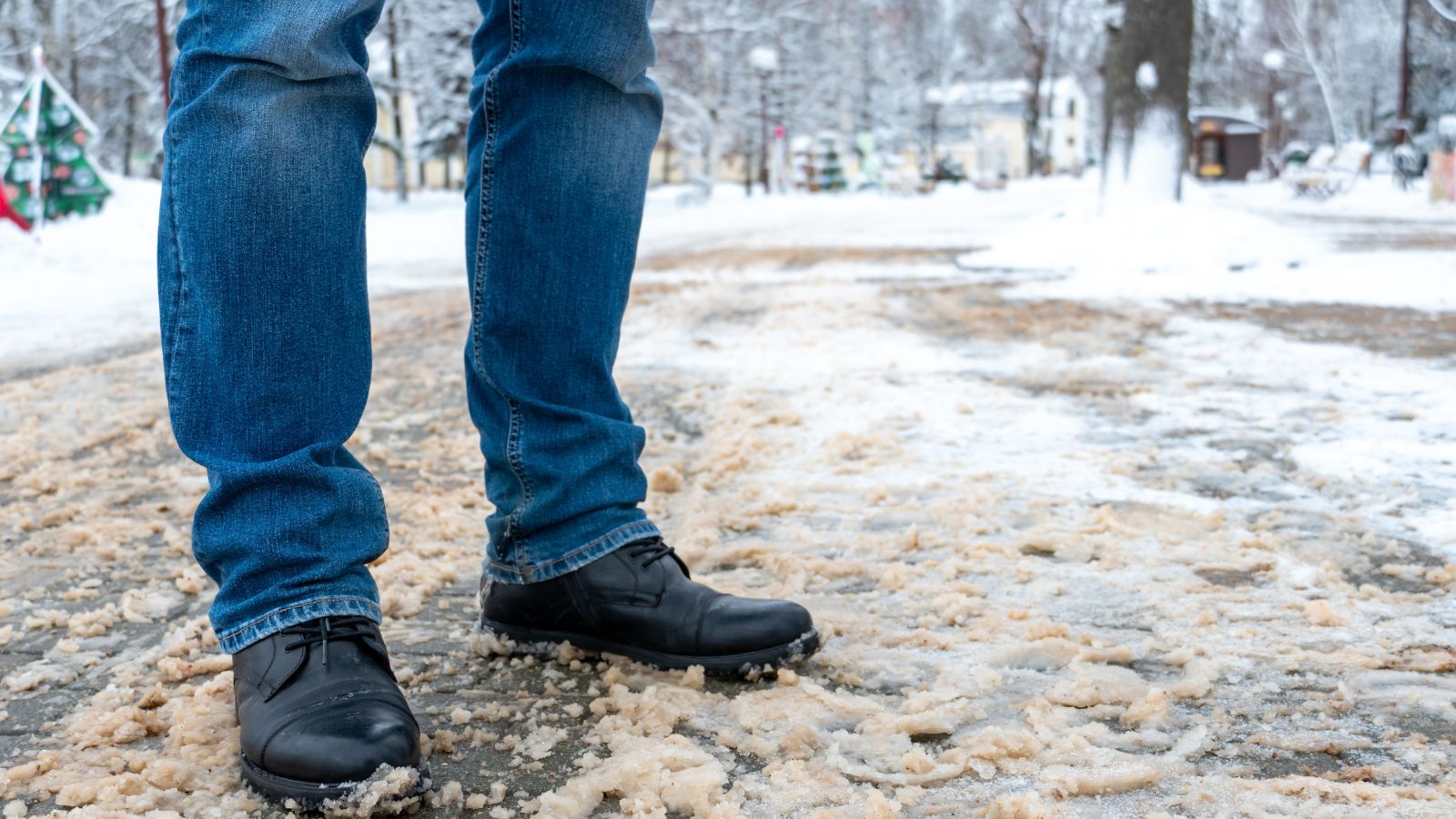
Spring melt often creates muddy conditions on rural and gravel roads across Canada. Snow runoff can carry dirt, sand, and debris onto road surfaces. Drivers traveling through these areas may encounter slippery patches or uneven terrain. Mud can reduce tire traction and affect vehicle control. Some drivers underestimate these hazards and maintain higher speeds. Driving carefully through muddy sections helps prevent sliding or loss of control. Debris such as small rocks may also damage windshields or tires. Slowing down and staying alert helps drivers navigate these changing conditions safely. Rural roads often require extra caution during early spring travel.
Not Checking Air Filters After Winter Driving
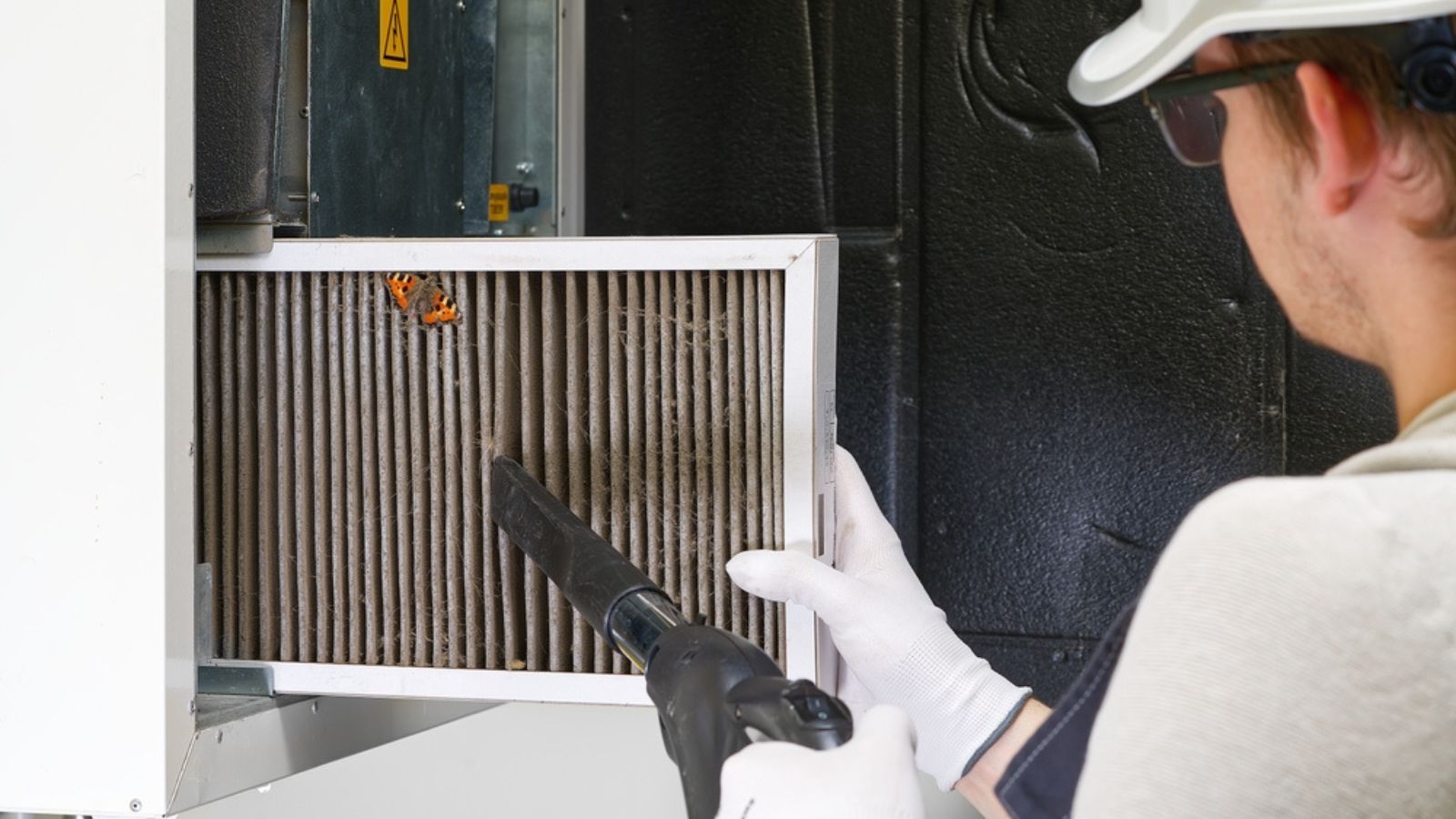
Winter driving conditions can expose vehicles to large amounts of dirt, salt, and debris. These materials may gradually clog the engine air filter during the colder months. By the time spring arrives, the filter may be partially blocked. Many drivers overlook this simple maintenance step after winter. A clogged air filter reduces airflow to the engine and can affect fuel efficiency. The engine may also work harder to perform normally. Checking the air filter during spring maintenance helps prevent these problems. Replacing a dirty filter is inexpensive and takes little time. Clean air filters help engines run smoothly and maintain better fuel economy during everyday driving.
Forgetting to Clean Headlights and Taillights After Winter

Winter driving often leaves vehicles covered in salt, dirt, and road grime. While many drivers wash their cars during spring, headlights and taillights are sometimes overlooked. Dirt buildup on these lights can reduce brightness and visibility. Headlights may appear dim during cloudy or rainy conditions. Taillights covered with grime can also make it harder for other drivers to see braking signals. Cleaning these lights improves visibility and helps other drivers react quickly. A simple wipe during a car wash can make a noticeable difference. Clear headlights and taillights help maintain safer driving conditions, especially during spring rainstorms or evening travel.
Ignoring Suspension Damage From Winter Potholes
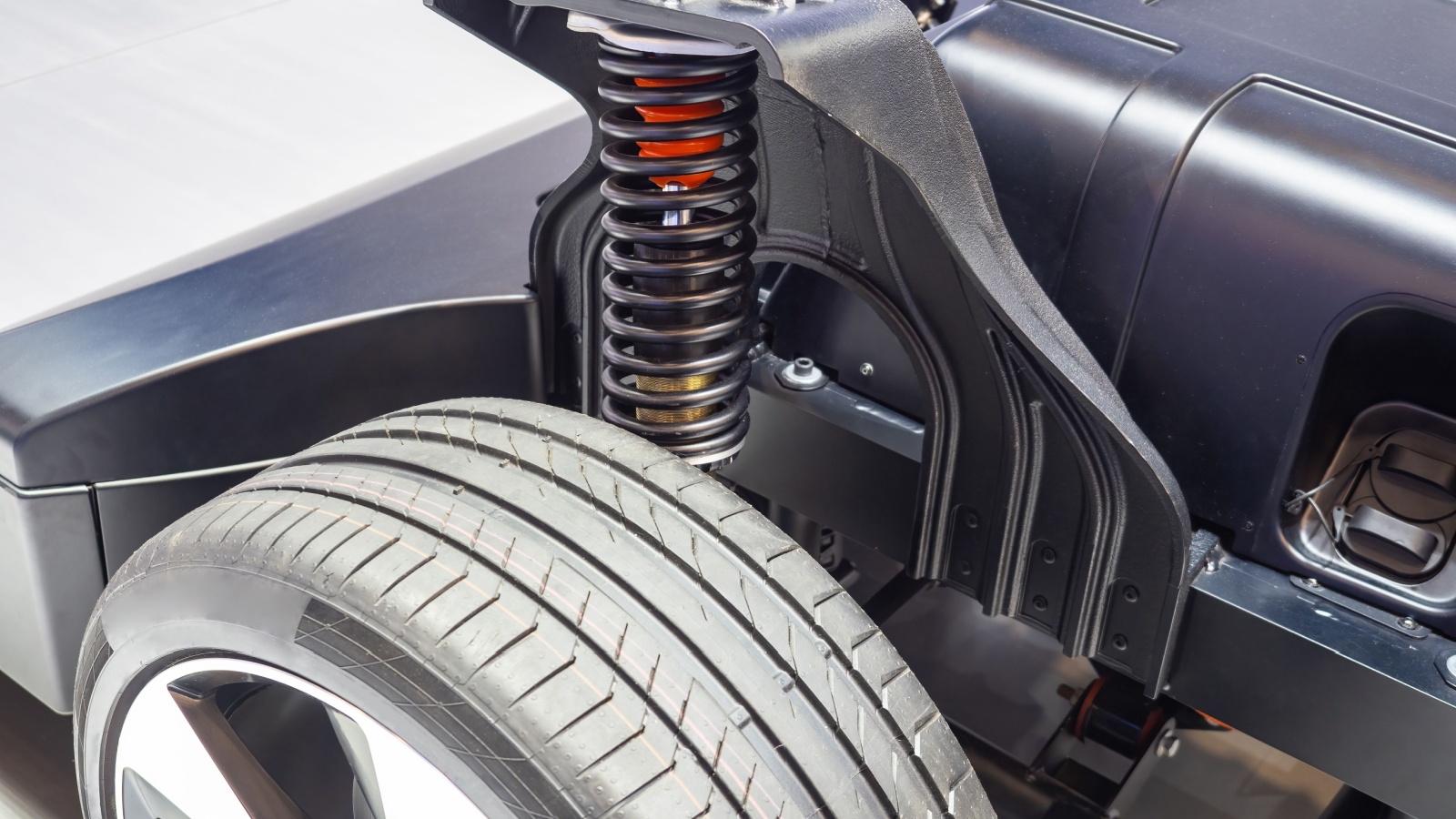
Canadian winters often leave roads damaged with potholes once the snow melts. Vehicles that hit these potholes may experience stress on suspension components. Shocks, struts, and other parts absorb the impact but can wear down over time. Some drivers ignore small changes in how their vehicle handles after winter. Signs such as uneven steering or unusual vibrations may indicate suspension problems. These issues can worsen if left untreated. Inspecting suspension components during spring maintenance helps identify damage early. Proper suspension performance improves vehicle control and comfort. Addressingpothole-relatedd damage early can prevent larger repair costs later.
Not Adjusting Driving Habits for Spring Rainstorms

Spring weather often brings frequent rain across many Canadian regions. Wet roads require different driving habits than dry conditions. Some drivers continue driving at the same speeds they used during winter or summer. However, rain reduces tire grip and increases stopping distance. Hydroplaning can occur if tires cannot clear water from the road surface. Slowing down and maintaining a greater distance from other vehicles helps improve safety. Drivers should also use headlights during heavy rain for better visibility. Adjusting driving behavior for rainy conditions helps prevent accidents and allows vehicles to maintain better traction.
Forgetting to Inspect Tire Alignment After Winter Roads

Winter roads can affect vehicle alignment more than many drivers realize. Potholes, ice ruts, and rough pavement may gradually shift wheel alignment. After several months of winter driving, the vehicle may begin pulling slightly to one side. Uneven tire wear is another common sign of alignment problems. Some drivers ignore these early warning signs. However, poor alignment can reduce tire lifespan and affect steering control. Checking alignment during spring vehicle inspections helps correct these issues. Proper alignment improves handling and helps tires wear evenly. This simple adjustment can extend tire life and improve overall driving comfort.
Ignoring Small Windshield Cracks Caused by Winter Debris

Winter roads often contain loose gravel, salt, and small stones. These materials can strike windshields and create small chips or cracks. Many drivers ignore these minor marks once winter ends. However, temperature changes during spring can cause cracks to spread. Rain and road vibrations may also worsen the damage. A small chip can quickly become a large crack across the windshield. Repairing chips early is usually simple and inexpensive. Many repair services can fix small damage before replacement becomes necessary. Addressing windshield damage early helps maintain clear visibility and prevents more costly repairs later.
Delaying Seasonal Vehicle Maintenance After Winter
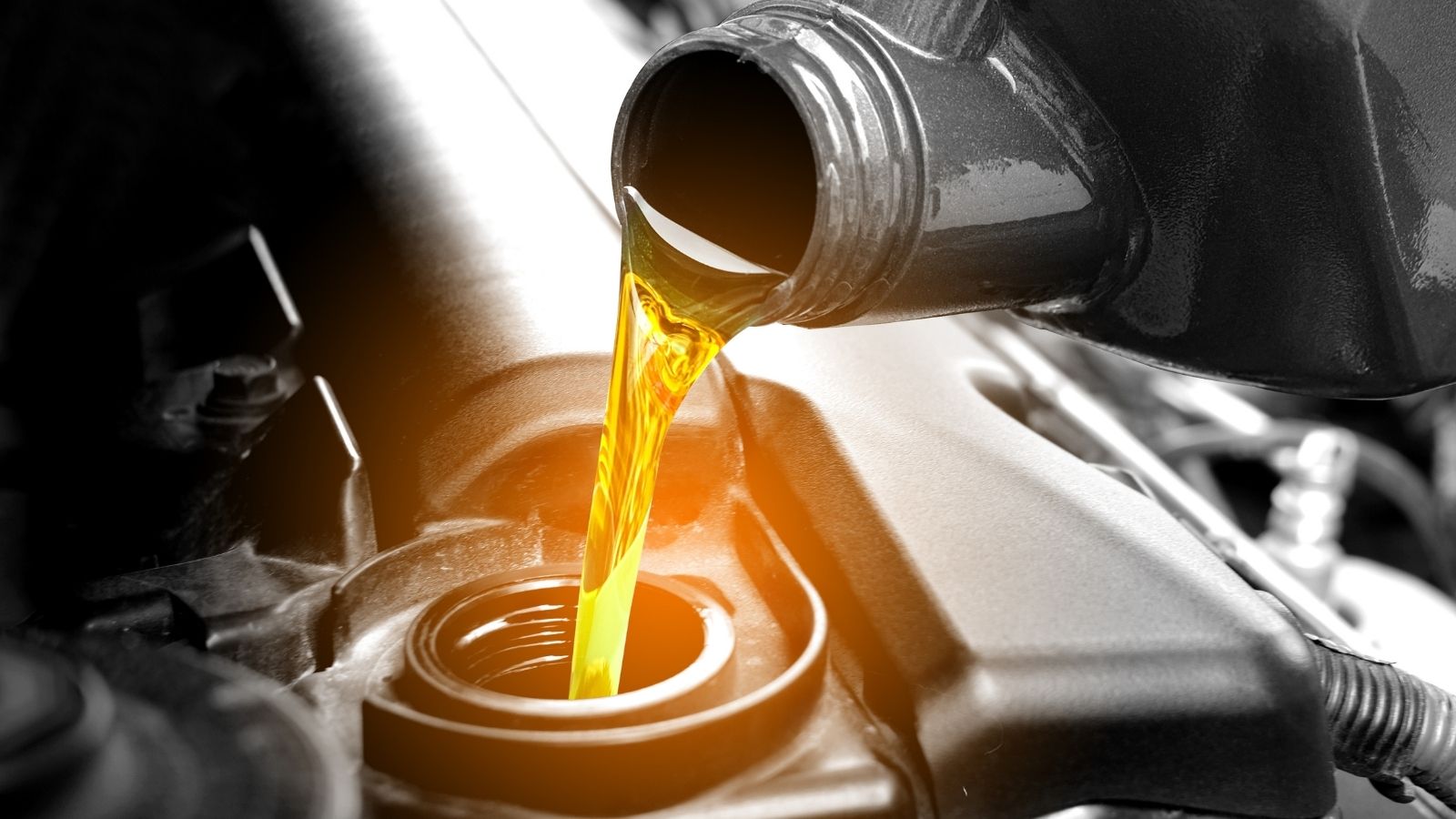
Winter driving places extra stress on many vehicle systems. Cold temperatures, road salt, and rough conditions can affect tires, brakes, and fluids. When spring arrives, some drivers delay routine maintenance checks. However, this is one of the best times to inspect the vehicle thoroughly. Mechanics can examine brakes, suspension components, filters, and fluid levels. Oil changes and tire rotations are also common spring services. Completing maintenance early helps identify wear from winter driving. Addressing these issues promptly improves reliability for the upcoming warmer months. Regular maintenance also helps prevent unexpected repairs during spring and summer travel.
22 Groceries to Grab Now—Before another Price Shock Hits Canada

Food prices in Canada have been steadily climbing, and another spike could make your grocery bill feel like a mortgage payment. According to Statistics Canada, food inflation remains about 3.7% higher than last year, with essentials like bread, dairy, and fresh produce leading the surge. Some items are expected to rise even further due to transportation costs, droughts, and import tariffs. Here are 22 groceries to grab now before another price shock hits Canada.
22 Groceries to Grab Now—Before another Price Shock Hits Canada
