Spring often inspires Canadians to refresh their homes and gardens. Garden centres and plant stores become busy as temperatures rise. Many people buy new plants hoping to brighten indoor spaces. Social media also encourages the trend of decorating homes with greenery. However, not every plant survives once it reaches the house. Some plants need very specific light, water, or temperature conditions. Canadian homes sometimes create challenges for certain species. Dry indoor air, limited sunlight, or overwatering often cause problems. New plant owners also make mistakes as they learn proper care routines. As a result, some popular plants rarely last long. Despite this, people continue buying them every spring. Here are 14 plants Canadians keep buying in spring and accidentally killing.
Lavender Plants
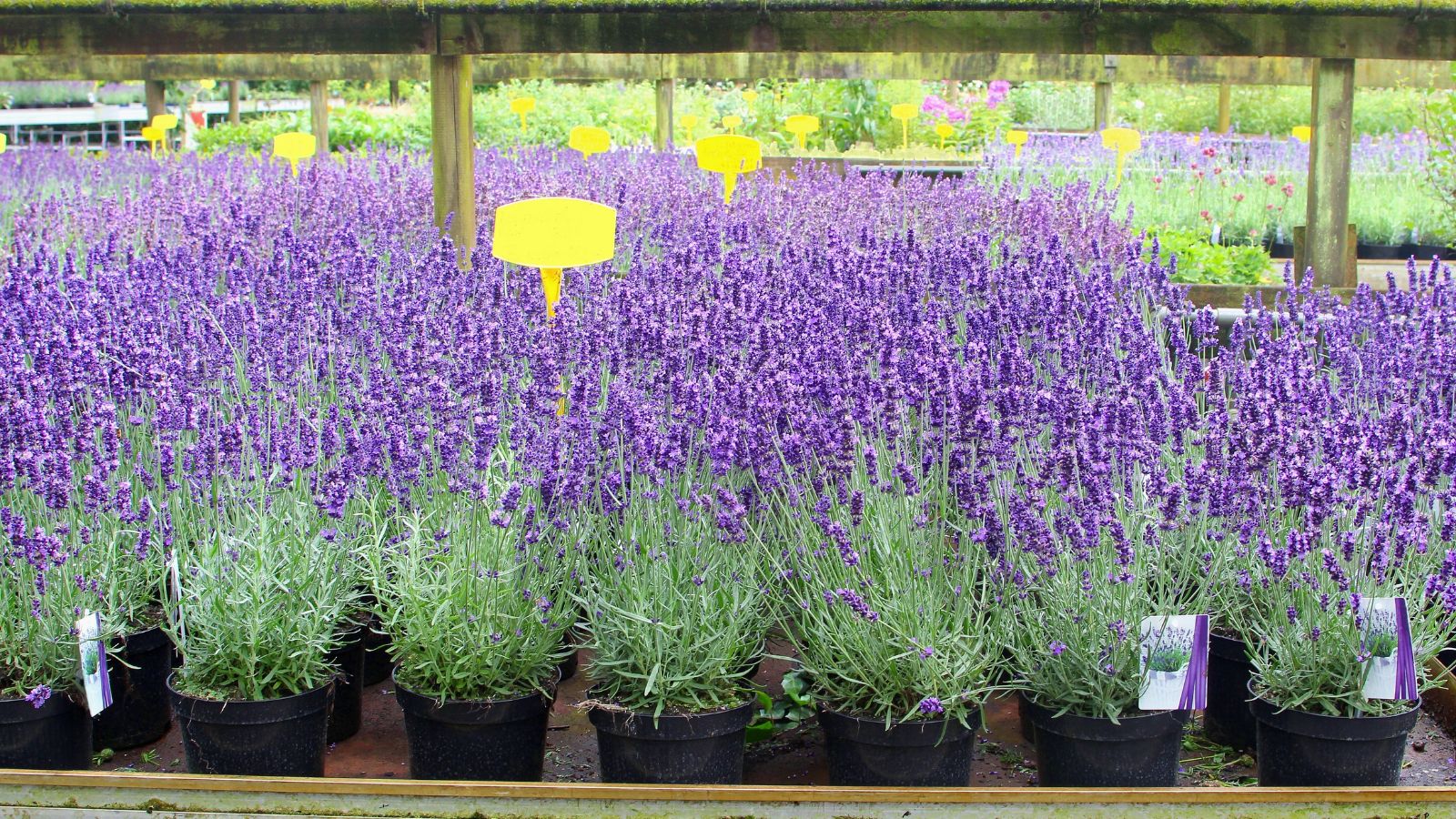
Lavender plants often appear in garden centres every spring. Many Canadians buy them because of their pleasant fragrance. The purple flowers also add colour to balconies or windowsills. However, lavender can be difficult to grow indoors. The plant requires strong sunlight for several hours daily. Many Canadian homes do not provide enough natural light. Lavender also needs well drained soil to stay healthy. Overwatering often causes root problems. Some owners water the plant too frequently. Indoor humidity can also affect the plant’s growth. Lavender prefers dry air and good air circulation. Without these conditions, the plant weakens quickly. People continue buying lavender each spring because the flowers look attractive. Unfortunately, many plants struggle to survive beyond a few months indoors.
Basil Herb Plants

Basil remains one of the most popular herbs sold during spring. Many Canadians buy basil plants for kitchen use. Fresh leaves work well in pasta, salads, and sauces. Grocery stores often sell small basil pots near the produce sections. These plants look healthy when purchased. However, basil needs consistent care to survive. The plant requires strong sunlight every day. Many indoor spaces lack enough direct light. Basil also needs regular watering, but not soaked soil. Beginners often water too little or too much. The small pots used in stores can restrict root growth. Repotting usually helps the plant survive longer. Without proper care, the leaves begin turning yellow. Even with these challenges, basil remains a common spring purchase for home cooks.
Orchid Houseplants

Orchids attract buyers because of their elegant flowers. Garden centres often display orchids in bright colours during spring. Many Canadians place them in living rooms or offices. The flowers can last several weeks when conditions remain stable. However, orchids require careful watering routines. Their roots should not remain soaked in water. Many owners accidentally overwater them. Orchids also prefer indirect sunlight rather than direct sunlight. Some homes provide either too much or too little light. Temperature changes can also stress the plant. Orchids grow best in warm and stable environments. Once the flowers fall, people often believe the plant has died. In reality, the orchid may simply need rest before blooming again. Despite their reputation, orchids remain challenging for beginners.
Peace Lily Plants
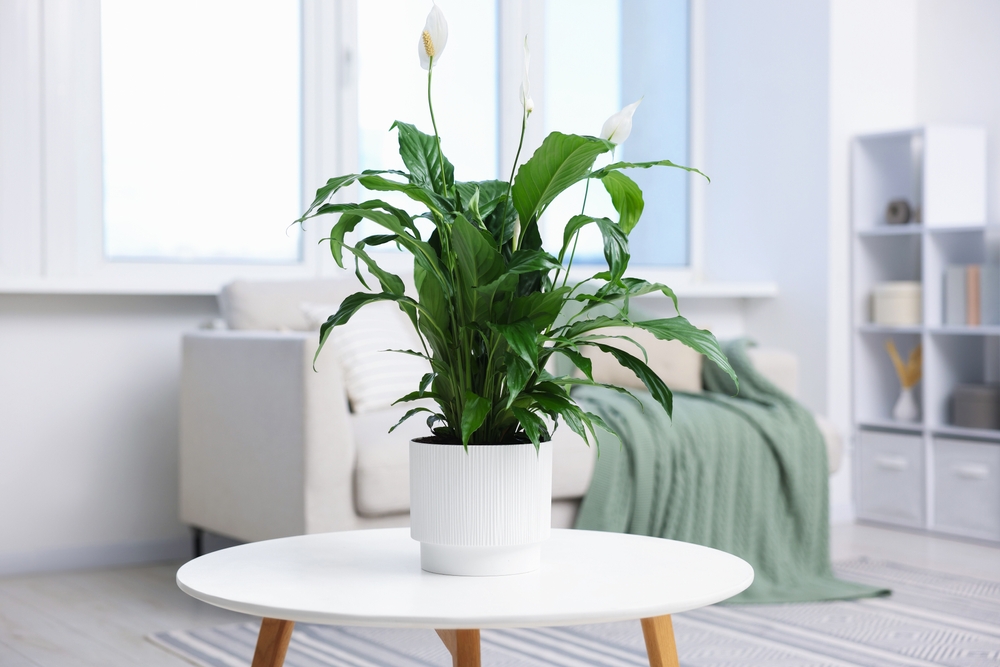
Peace lilies appear in many Canadian homes as decorative plants. Their dark green leaves and white flowers look elegant indoors. Many people believe peace lilies require very little care. However, the plant still needs specific growing conditions. Peace lilies prefer bright but indirect sunlight. Too much direct light can damage their leaves. Overwatering also causes common problems. The roots may rot when the soil stays wet for too long. Some owners water the plant daily by mistake. Peace lilies also react strongly to dry indoor air. Canadian heating systems often reduce humidity during colder months. The plant may droop or develop brown leaf edges. Even with these challenges, peace lilies remain popular houseplants.
Snake Plants
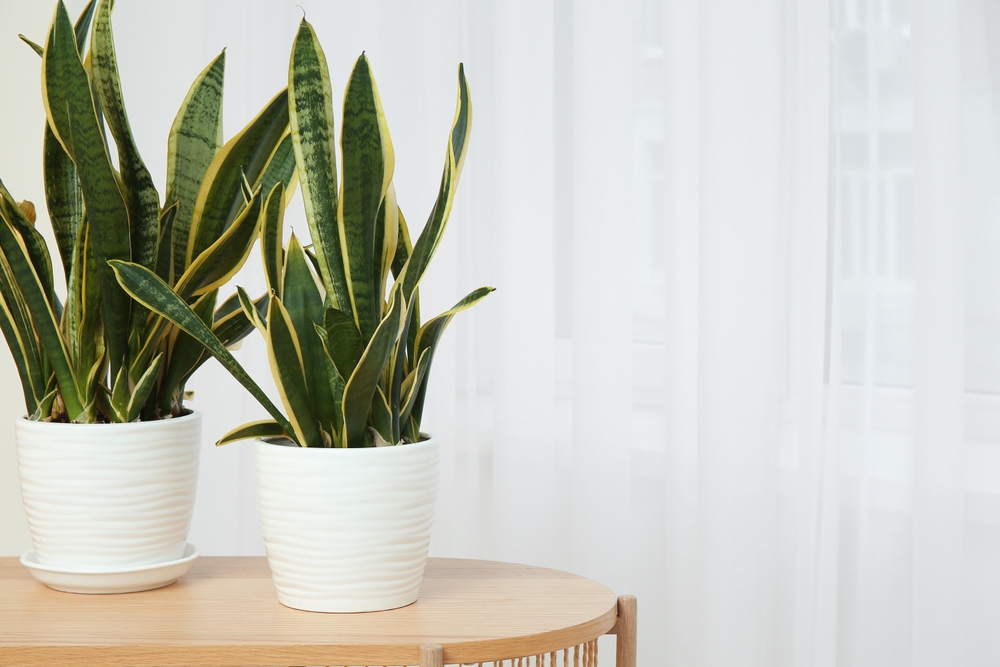
Snake plants often receive a reputation as easy houseplants. Their tall, upright leaves make them popular for modern interiors. Many Canadians buy them expecting very little maintenance. Snake plants can tolerate lower light than many plants. However, watering mistakes still cause problems. Some owners water the plant too frequently. Snake plants store water in their thick leaves. Excess moisture can damage their roots quickly. The plant also grows slowly indoors. People sometimes believe it is unhealthy because growth appears limited. Cold temperatures near windows can also stress the plant. Despite these issues, snake plants remain widely sold each spring.
Fiddle Leaf Fig Trees
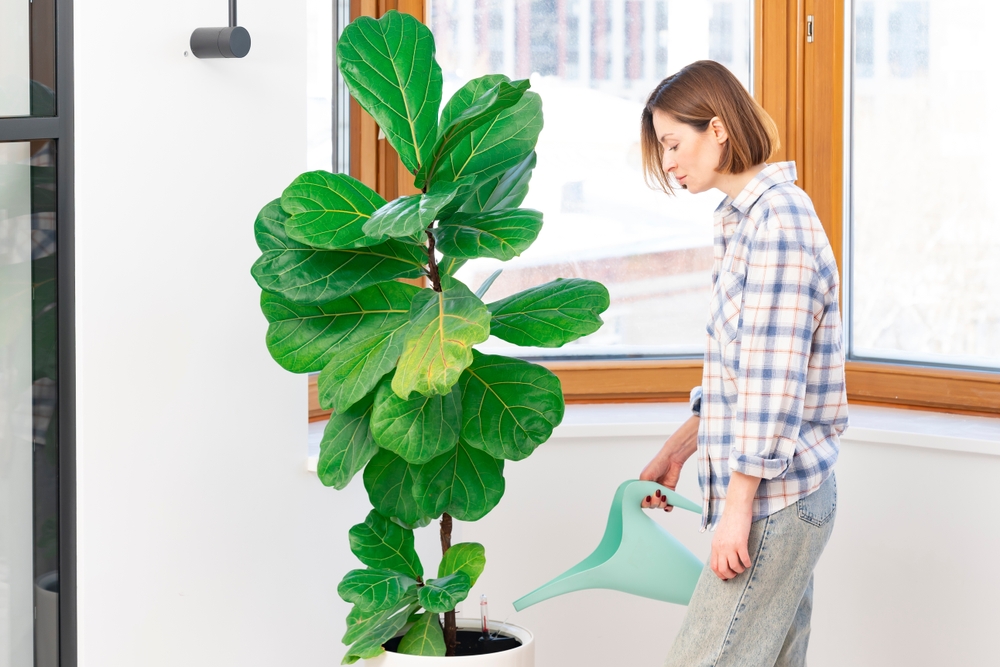
Fiddle leaf fig trees have become very popular indoor plants. Their large, glossy leaves attract many home decorators. Canadian plant stores often display them prominently during spring. However, these trees require stable conditions. Sudden changes in temperature or light can affect their growth. Fiddle leaf figs prefer bright indirect sunlight. Many homes provide uneven light during the day. The plant also dislikes frequent movement. Rotating or relocating the plant can cause leaf drop. Watering routines must remain consistent as well. Too much or too little water can damage the plant. Brown spots often appear on leaves when problems occur. Even experienced plant owners sometimes struggle with this species.
Succulent Plants
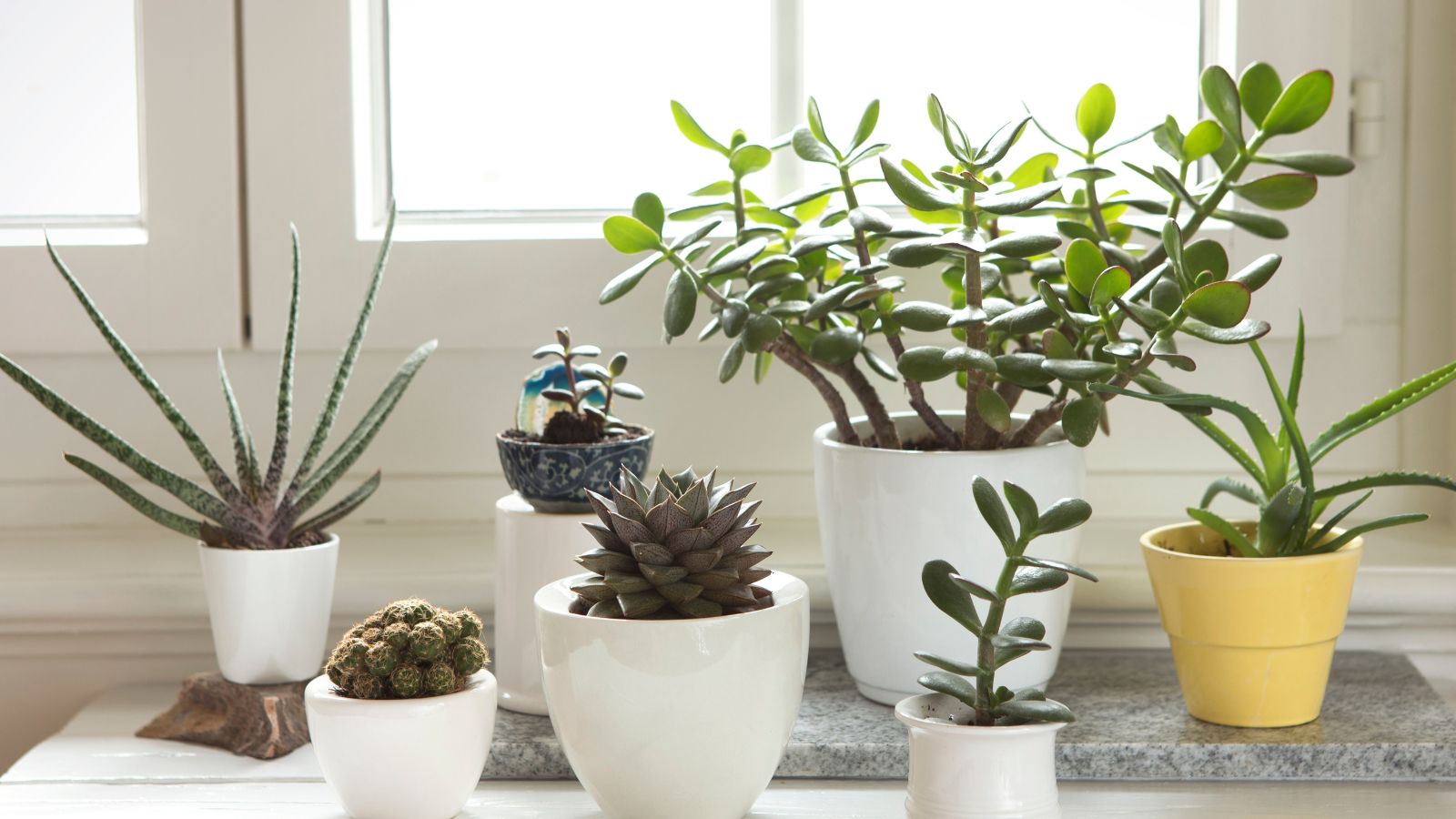
Succulents appear small, colourful, and easy to manage. Many Canadians buy them for desks, shelves, or windowsills. The plants store water in thick leaves. This allows them to survive dry conditions for longer periods. However, beginners often misunderstand succulent care. Overwatering remains the most common mistake. These plants prefer dry soil between watering sessions. Small decorative pots sometimes lack proper drainage holes. Without drainage, the roots remain wet for too long. Succulents also need bright sunlight to stay healthy. Many indoor spaces do not provide enough light. The plants may stretch and lose their compact shape. Even though they look simple, succulents still require careful attention.
Mint Herb Plants
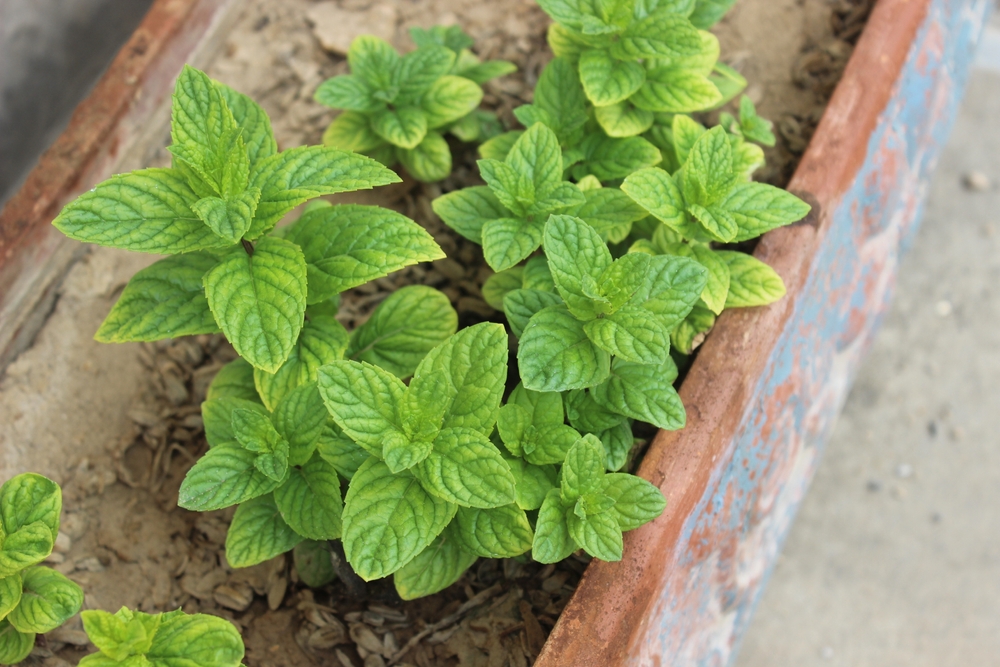
Mint plants grow quickly and produce strong aromas. Many Canadians buy mint for tea, desserts, and cooking. Garden centres often sell mint plants during the spring months. The herb appears easy to grow in small pots. However, mint spreads rapidly once planted outdoors. It can take over garden beds if not controlled. Indoors, mint may struggle with limited sunlight. The plant prefers several hours of bright light daily. Soil must stay slightly moist but not soaked. Beginners sometimes forget regular watering. Mint leaves may wilt or turn pale when conditions change. Despite these challenges, mint remains a popular herb purchased every spring.
Aloe Vera Plants
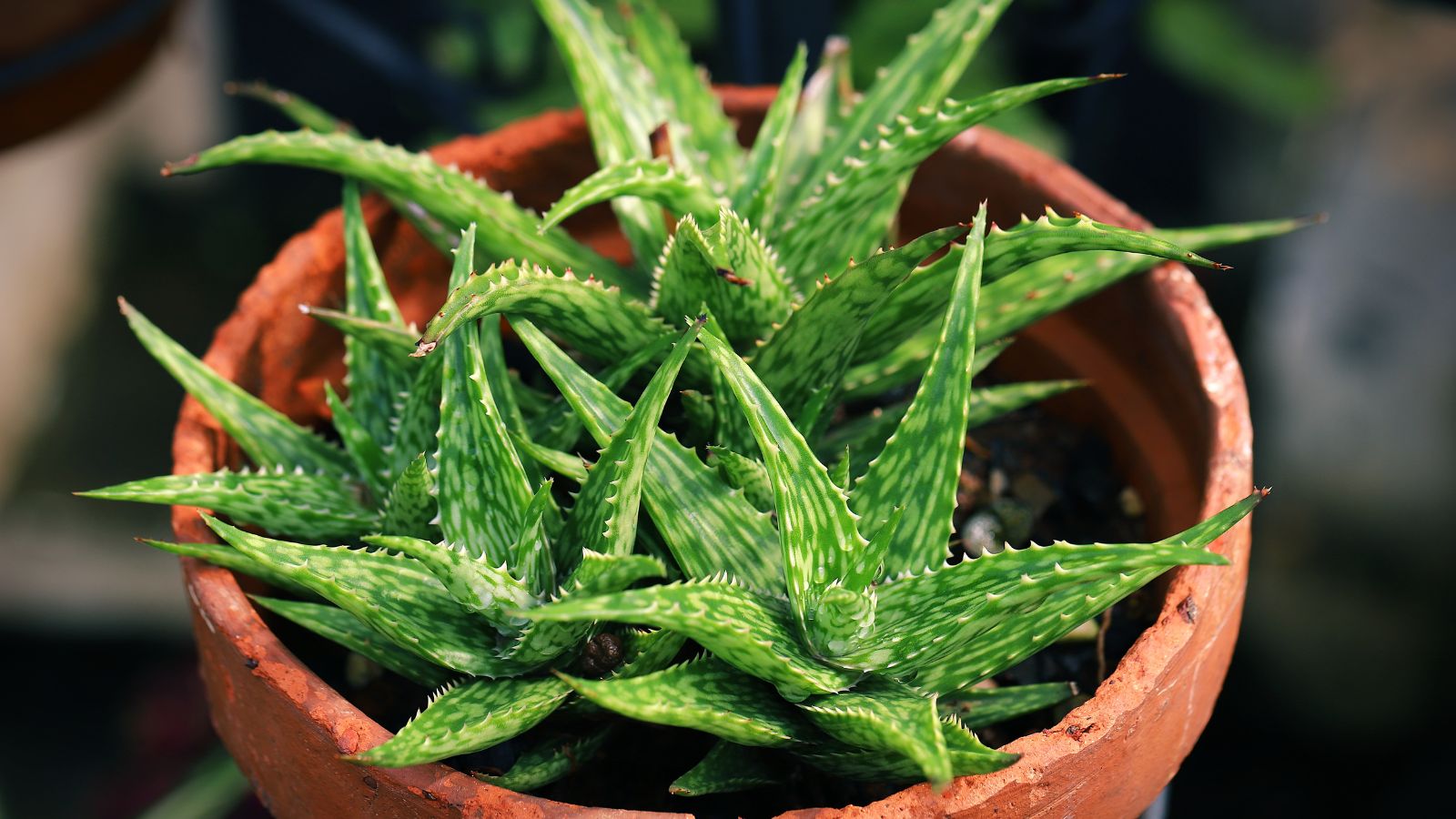
Aloe vera plants attract buyers for both decoration and practical use. The gel inside the leaves can soothe minor skin irritation. Many Canadians keep aloe plants near sunny windows. The plant belongs to the succulent family. It prefers dry soil and bright sunlight. Overwatering remains the most common problem. Aloe roots easily rot when the soil stays wet. Some owners water the plant on a fixed schedule. Aloe usually needs water only after the soil dries completely. The plant also dislikes cold temperatures. Winter drafts near windows may weaken it. When conditions become poor, the leaves turn soft or brown. Even with simple care requirements, aloe plants still struggle in many homes.
Fern Houseplants

Ferns often appear lush and attractive in garden stores. Their soft green leaves create a natural indoor look. Many Canadians buy ferns to decorate their living spaces. However, ferns require higher humidity than most homes provide. Indoor heating systems often create dry air conditions. This environment can cause leaves to dry out quickly. Ferns also need consistent watering. The soil should remain moist but not waterlogged. Too much sunlight can damage the delicate leaves. Ferns prefer indirect light instead. When conditions change, the leaves may turn brown or fall. Despite these care needs, ferns remain popular spring purchases.
Rosemary Herb Plants
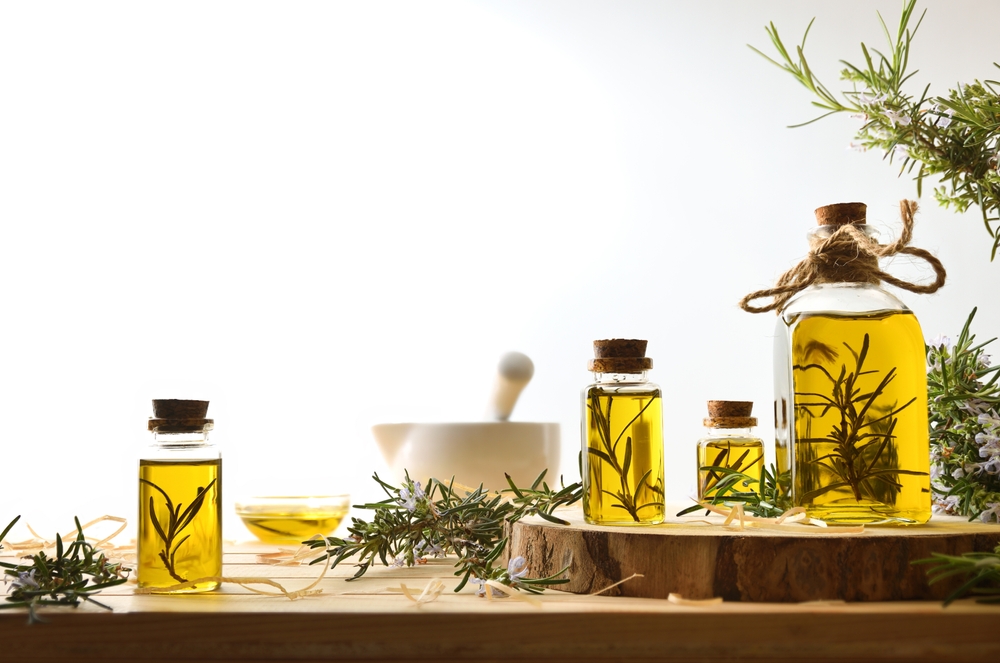
Rosemary plants attract buyers because of their strong aroma. The herb works well in many cooking recipes. Canadians often buy rosemary during the spring gardening season. However, rosemary prefers very specific growing conditions. The plant needs bright sunlight for several hours daily. Many indoor kitchens lack enough light. Rosemary also requires well-drained soil. Excess moisture can damage the roots. Some owners water the plant too often. Cold temperatures can also slow its growth. Rosemary usually grows better outdoors than indoors. Without enough sunlight, the plant becomes weak and pale. Even experienced gardeners sometimes struggle with rosemary indoors.
Pothos Indoor Plants
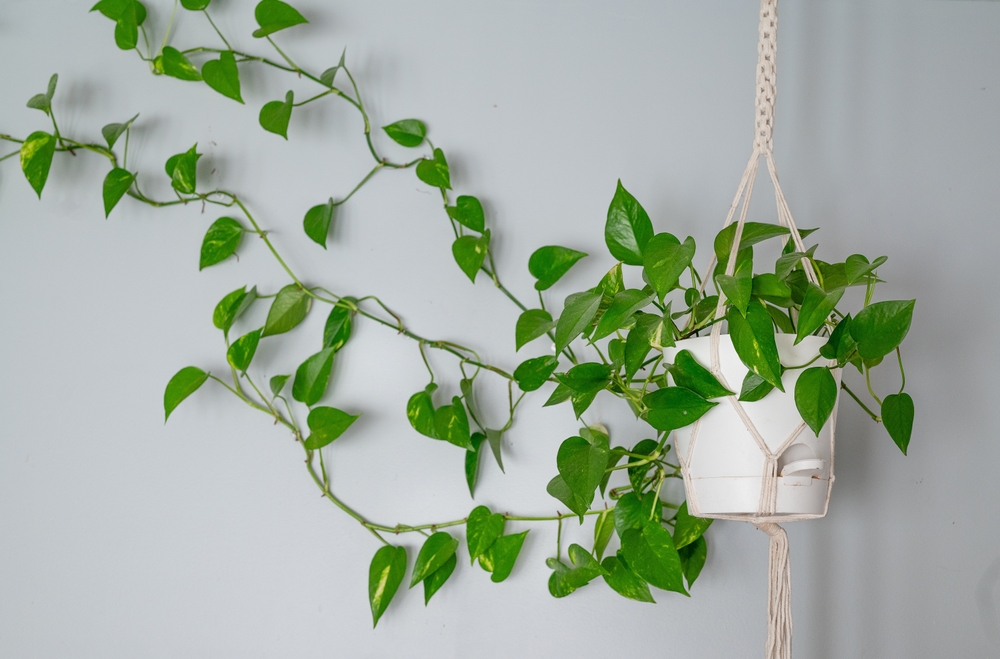
Pothos plants appear in many Canadian homes because they grow quickly. The trailing vines look attractive on shelves or hanging pots. Many people believe pothos plants require very little care. The plant can tolerate moderate indoor lighting. However, watering mistakes still occur frequently. Some owners forget to water the plant for long periods. Others water it too often. Both situations can cause yellowing leaves. Pothos also grows slowly in darker rooms. People may believe the plant is unhealthy. Despite these issues, pothos remains a beginner-friendly plant. Its resilience keeps it popular during spring plant shopping.
Monstera Deliciosa Plants
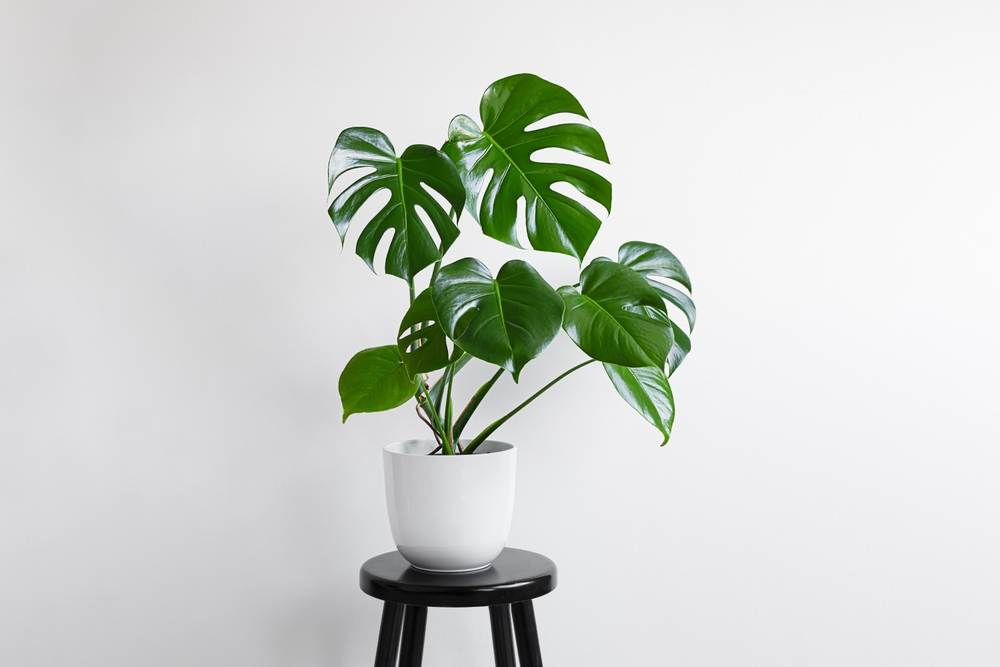
Monstera plants have become fashionable indoor plants. Their large leaves develop natural holes as they mature. Canadian plant stores often sell young Monstera during spring. However, the plant needs space to grow properly. Large leaves require bright indirect sunlight. Dark indoor corners can significantly slow growth. Monstera also prefer consistent watering routines. Soil should dry slightly before watering again. Some owners water the plant too frequently. The plant may also need support as it grows taller. Without support, the stems can bend or break. Even with these challenges, Monstera remains one of the most purchased indoor plants.
Spider Plants
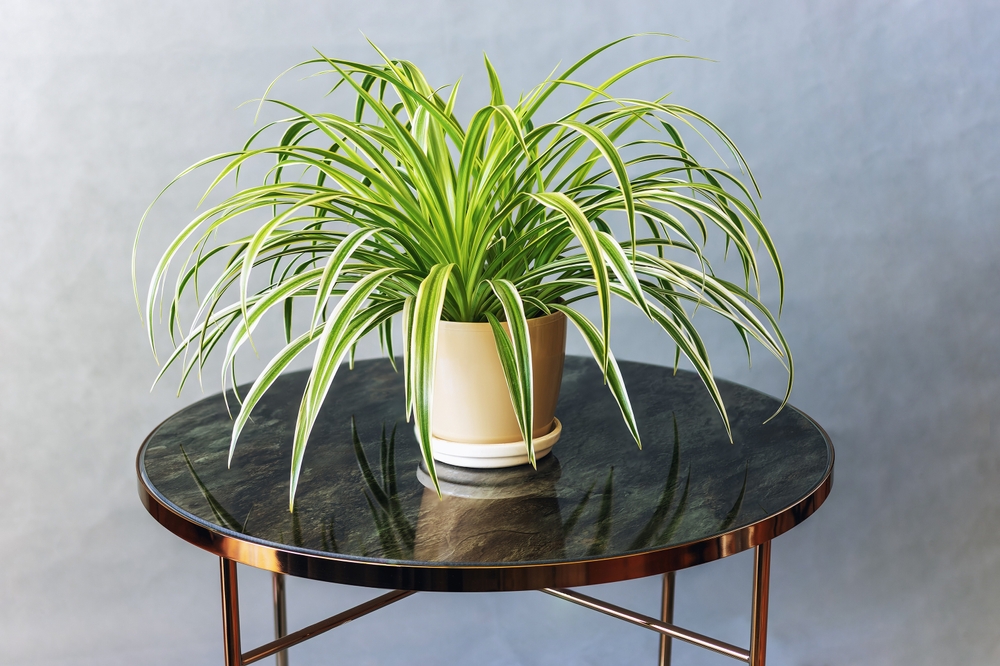
Spider plants often appear in homes because they reproduce easily. The plant produces small offshoots called plantlets. Many Canadians place spider plants on shelves or in hanging baskets. The long leaves create an attractive shape indoors. However, spider plants still require balanced care. Too much water can damage their roots. On the other hand, extremely dry soil also affects growth. Tap water minerals sometimes cause brown leaf tips. The plant prefers bright but indirect sunlight. Dark rooms may slow its growth. Despite these small challenges, spider plants remain popular with beginners. Their ability to produce new plantlets keeps them interesting to grow.
19 Things Canadians Don’t Realize the CRA Can See About Their Online Income

Earning money online feels simple and informal for many Canadians. Freelancing, selling products, and digital services often start as side projects. The problem appears at tax time. Many people underestimate how much information the CRA can access. Online platforms, banks, and payment processors create detailed records automatically. These records do not disappear once money hits an account. Small gaps in reporting add up quickly.
Here are 19 things Canadians don’t realize the CRA can see about their online income.
