
Most Canadians never experience a full tax audit, but the Canada Revenue Agency regularly reviews tax returns to ensure accuracy and compliance. Certain patterns or unusual entries can attract additional scrutiny because they appear inconsistent with typical reporting behaviour. As tax systems become increasingly automated, data-matching and digital-verification tools enable the CRA to identify irregularities more efficiently than ever. This means some mistakes or aggressive deductions are more likely to trigger reviews in recent years. Here are 17 CRA “Audit Triggers” that get Canadians flagged more often in 2026.
Large Charitable Donation Claims

Claiming unusually large charitable donations relative to income can attract attention from the CRA. While legitimate donations are encouraged and provide valuable tax credits, extremely high claims may appear unusual during automated screening processes. For example, if a taxpayer with moderate income claims donations that represent a significant percentage of total earnings, the return may receive additional review. The CRA may request receipts or supporting documentation to verify the donation. Canadians should always keep official charitable receipts issued by registered organizations because these documents may be required if the claim is examined. Accurate reporting of donation amounts and the organization’s registration details also helps prevent problems.
Repeated Business Losses from Self-Employment

Self-employed Canadians sometimes report business losses for several consecutive years. While new businesses may take time to become profitable, the CRA may review returns that consistently show losses without evidence of genuine profit potential. If a taxpayer reports expenses year after year without generating revenue, the agency may question whether the activity qualifies as a legitimate business. Canadians running side businesses or freelance operations should maintain clear financial records showing revenue, expenses, and business intent. Demonstrating efforts to grow the business and generate income helps show that the activity is legitimate. Proper bookkeeping and organized records can significantly reduce problems if the CRA reviews the return.
Unreported Income from Online Platforms

The growth of digital platforms has created new sources of income for many Canadians. Activities such as selling items online, freelance work, ride sharing, or content creation can generate earnings that must be reported for tax purposes. The CRA increasingly receives information from third-party platforms and payment processors, allowing it to compare reported income with data from other sources. If a taxpayer receives income through digital platforms but fails to report it accurately, the discrepancy may trigger an investigation. Canadians earning money online should carefully track payments and report them as required.
Excessive Home Office Expense Claims

Home office deductions became more common during the pandemic years and remain widely used by Canadians who work remotely. However, claiming unusually high home office expenses relative to income can raise questions during a tax review. The CRA expects taxpayers to calculate workspace expenses accurately based on the proportion of the home used for work purposes. Overstating square footage or including personal household expenses may lead to scrutiny. Canadians claiming home office deductions should keep documentation such as utility bills, rent statements, and calculations showing how the claim was determined.
Large Medical Expense Claims

Medical expenses can provide valuable tax credits for Canadians, especially when dealing with significant health costs. However, unusually large medical expense claims may be subject to additional verification by the CRA. When medical expenses appear high relative to reported income, the agency may request receipts and supporting documentation. Canadians should keep records for prescription costs, dental procedures, hospital expenses, and other eligible medical services. These receipts may be required if the CRA requests verification. Accurate reporting and clear documentation help ensure the claim is processed smoothly.
Rental Property Losses

Canadians who own rental properties sometimes report losses when expenses exceed rental income. While legitimate losses can occur, repeated or unusually large losses may trigger review. The CRA may examine whether expenses were calculated correctly and whether the property is being operated as a genuine rental business. Overstated maintenance costs or personal expenses incorrectly claimed as rental deductions can lead to problems. Canadians with rental properties should maintain clear financial records, including receipts for repairs, mortgage interest statements, and rental agreements.
Claiming Unusually High Vehicle Expenses

Vehicle expenses are commonly claimed by self-employed Canadians and small business owners. However, unusually high claims relative to reported income may raise questions during a CRA review. The agency expects taxpayers to track business-related driving carefully and separate it from personal use. Claiming nearly all vehicle expenses as business costs without detailed mileage logs can trigger scrutiny. Canadians should maintain accurate records showing dates, distances, and purposes of business travel. Keeping fuel receipts, maintenance invoices, and insurance documents can also help support the claim if verification is required.
Large Capital Gains Not Matching Financial Records

Canadians reporting large capital gains from investments or property sales may also attract additional scrutiny if the figures do not align with information reported by financial institutions. The CRA receives detailed tax slips, such as T5 and T5008 forms, directly from banks and brokerage firms. If the amounts reported on a tax return differ significantly from these records, automated systems may flag the discrepancy. Canadians should carefully review investment statements and tax slips before filing their returns to ensure all capital gains are reported accurately. Correct reporting reduces the likelihood of follow-up inquiries.
Failing to Report Foreign Income

Many Canadians earn income outside Canada through investments, remote work, or international business activities. The CRA requires taxpayers to report worldwide income, even if the money was earned in another country. Failing to declare foreign income can easily trigger a review because financial institutions and international agreements allow tax authorities to exchange information across borders. If a Canadian receives interest from foreign bank accounts or income from overseas contracts, the amounts must be reported on the tax return. Canadians who own foreign assets above certain thresholds may also need to complete additional forms, such as the T1135 Foreign Income Verification Statement. When foreign income appears in international reporting systems but does not appear on a tax return, automated matching tools may flag the discrepancy.
Claiming Personal Expenses as Business Deductions
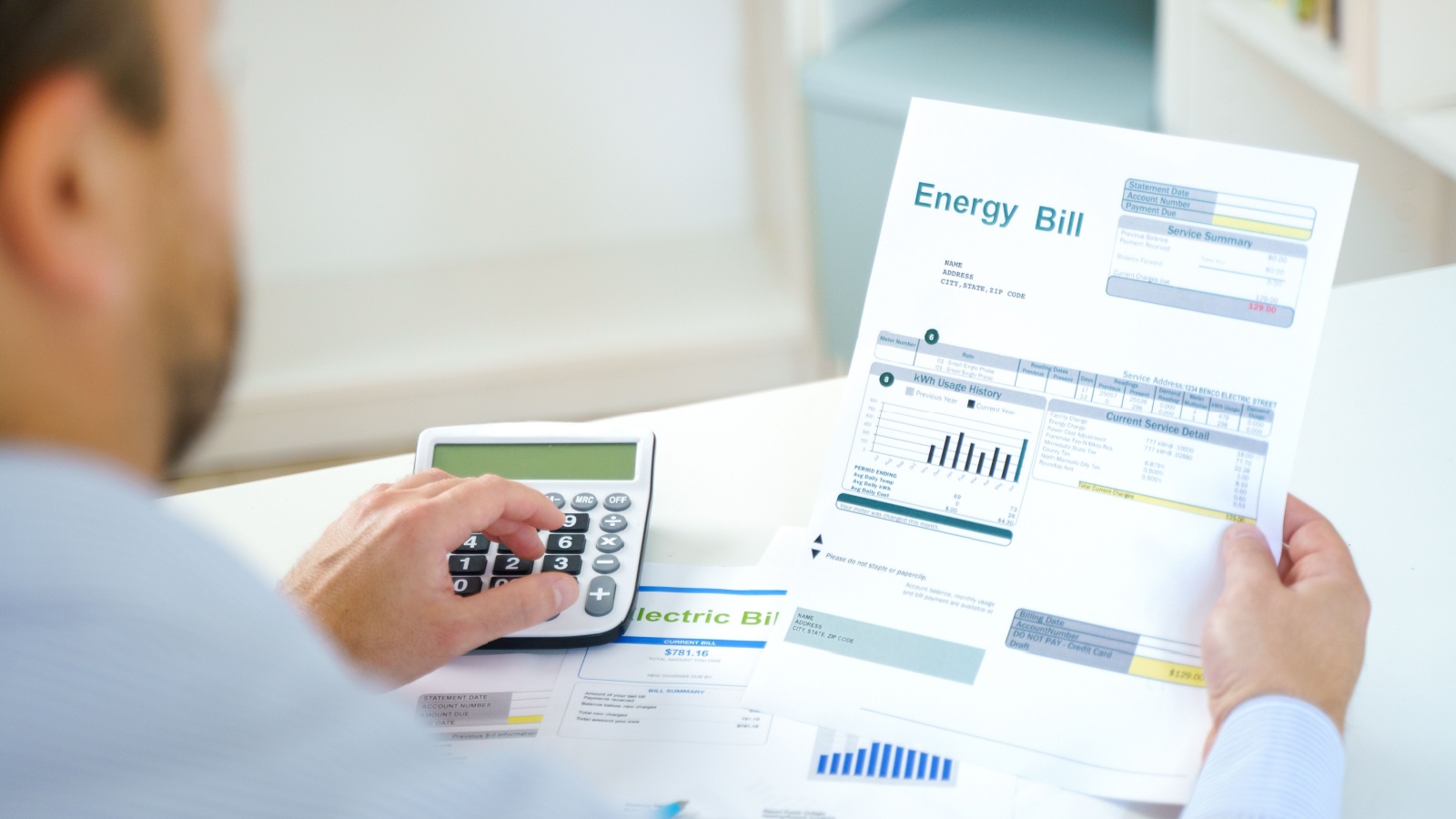
Self-employed Canadians and small business owners often deduct legitimate business expenses from their income. However, claiming personal costs as business deductions can quickly attract scrutiny from the CRA. Examples might include travel, meals, electronics, or home expenses that are primarily used for personal purposes rather than business activities. If expenses appear unusually high or inconsistent with the nature of the business, the tax return may be reviewed more closely. Canadians should ensure that every expense claimed is directly related to earning business income. Maintaining organized receipts and records helps demonstrate that the deductions are legitimate.
Frequent Amendments to Previous Tax Returns

The CRA allows Canadians to adjust previously filed tax returns when mistakes are discovered. However, repeatedly amending returns may draw attention because it can signal inconsistent reporting or attempts to maximize deductions after the fact. Canadians who frequently revise past returns might experience additional verification requests from the CRA. While correcting legitimate errors is entirely acceptable, large adjustments involving new deductions or changes in income may be examined more closely. Taxpayers should review their returns carefully before filing to reduce the need for later corrections. Maintaining organized financial records throughout the year can help ensure that the initial tax return is accurate.
Discrepancies Between Reported Income and Lifestyle

The CRA sometimes reviews tax returns when a taxpayer’s reported income appears inconsistent with their visible lifestyle or major purchases. For example, significant property purchases, luxury vehicles, or other high-value expenses may raise questions if the declared income seems insufficient to support them. The agency may compare information from property records, financial institutions, and other sources to identify inconsistencies. Canadians who legitimately receive funds from inheritances, gifts, or investments should ensure those sources are properly documented if necessary. Accurate reporting of income and maintaining financial records helps prevent misunderstandings if the CRA reviews the situation.
Large Cash-Based Businesses

Businesses that operate primarily through cash transactions may receive additional scrutiny from tax authorities. Industries such as restaurants, salons, and small retail operations often handle significant cash payments. Because cash transactions are harder to trace electronically, the CRA may review returns to ensure income is being reported accurately. Canadians running cash-based businesses should maintain detailed accounting records that show all revenue and expenses. Using proper bookkeeping systems and regularly depositing income into business accounts help demonstrate transparency.
Claiming the Same Dependants Across Multiple Returns

Tax credits for dependents, children, or other family members must be reported carefully to avoid duplication. When two taxpayers attempt to claim the same dependent on separate tax returns, the CRA’s automated systems may detect the overlap. This situation sometimes occurs after family separations or misunderstandings about who qualifies to claim certain credits. When duplicate claims appear, the agency may review both returns and request clarification. Canadians should confirm eligibility rules for dependent-related credits and coordinate with other family members when necessary. Clear communication and accurate reporting can prevent these types of conflicts from triggering a review.
Large Refunds Compared to Previous Years

A tax refund that is significantly larger than refunds from previous years may also attract attention from the CRA. Large changes in deductions, income levels, or tax credits can sometimes trigger automated review processes. For example, if a taxpayer suddenly claims substantial deductions that were not present in earlier returns, the system may flag the return for verification. Canadians should ensure that any major changes in their tax filings are supported by accurate documentation. When refunds are based on legitimate deductions or credits, keeping clear records helps resolve questions quickly if they arise.
Missing Tax Slips
The CRA receives copies of tax slips such as T4, T5, and T3 forms directly from employers and financial institutions. When a taxpayer files a return that does not include income reported on these slips, automated systems may detect the mismatch. Missing tax slips are one of the most common reasons the CRA adjusts tax returns after they are filed. Canadians should wait until all expected slips are received before submitting their returns. Reviewing the information available through the CRA’s online tax account can also help confirm that no slips are missing. Ensuring that all income sources are reported correctly reduces the risk of a reassessment.
Consistently Filing Taxes Late

Repeatedly filing tax returns after the deadline can sometimes draw the CRA’s attention, particularly if the delays occur for multiple consecutive years. Late filing may suggest disorganization or difficulty maintaining accurate records. While occasional delays may happen, consistent late filing can increase the likelihood of additional scrutiny. Canadians who file their taxes on time demonstrate compliance and reduce the chance of triggering review procedures. Setting reminders, organizing financial documents throughout the year, and using reliable tax preparation services can help ensure that returns are submitted before the deadline.
19 Things Canadians Don’t Realize the CRA Can See About Their Online Income

Earning money online feels simple and informal for many Canadians. Freelancing, selling products, and digital services often start as side projects. The problem appears at tax time. Many people underestimate how much information the CRA can access. Online platforms, banks, and payment processors create detailed records automatically. These records do not disappear once money hits an account. Small gaps in reporting add up quickly.
Here are 19 things Canadians don’t realize the CRA can see about their online income.
