
Many Canadians have noticed that grocery bills and everyday purchases feel more expensive, even when prices appear unchanged. This is often due to “shrinkflation,” where products become smaller while maintaining similar price points. Instead of raising prices directly, companies reduce portion sizes, weights, or quantities to manage costs. The change can be subtle, which makes it easy to overlook during routine shopping trips. From pantry staples to household essentials, shrinkflation is affecting a wide range of products across Canada. Here are 21 everyday items Canadians are quietly getting less of right now.
Potato Chips

Potato chip bags across Canada have noticeably reduced in size over the past few years. Many brands now include more air and fewer chips inside each package, while prices remain similar or even higher than before. Canadians often notice the difference when comparing older packaging sizes with newer versions on store shelves. Snack companies frequently adjust the weight of each bag by small amounts, which may not be obvious at first glance. Over time, these small reductions add up and result in significantly less product for the same price. Many shoppers feel disappointed when opening a bag that appears full but contains fewer chips than expected.
Chocolate Bars

Chocolate bars have quietly shrunk in size while maintaining familiar packaging and branding. Canadians often find that bars feel thinner or lighter than they used to be. Some brands have reduced the number of segments or slightly altered the shape to use less chocolate without changing the price dramatically. These changes are often subtle enough that consumers do not immediately notice them. Over time, however, regular buyers begin to recognize that they are receiving less product for the same cost. Shrinkflation in chocolate products has become especially noticeable as ingredient costs such as cocoa continue to rise.
Breakfast Cereal
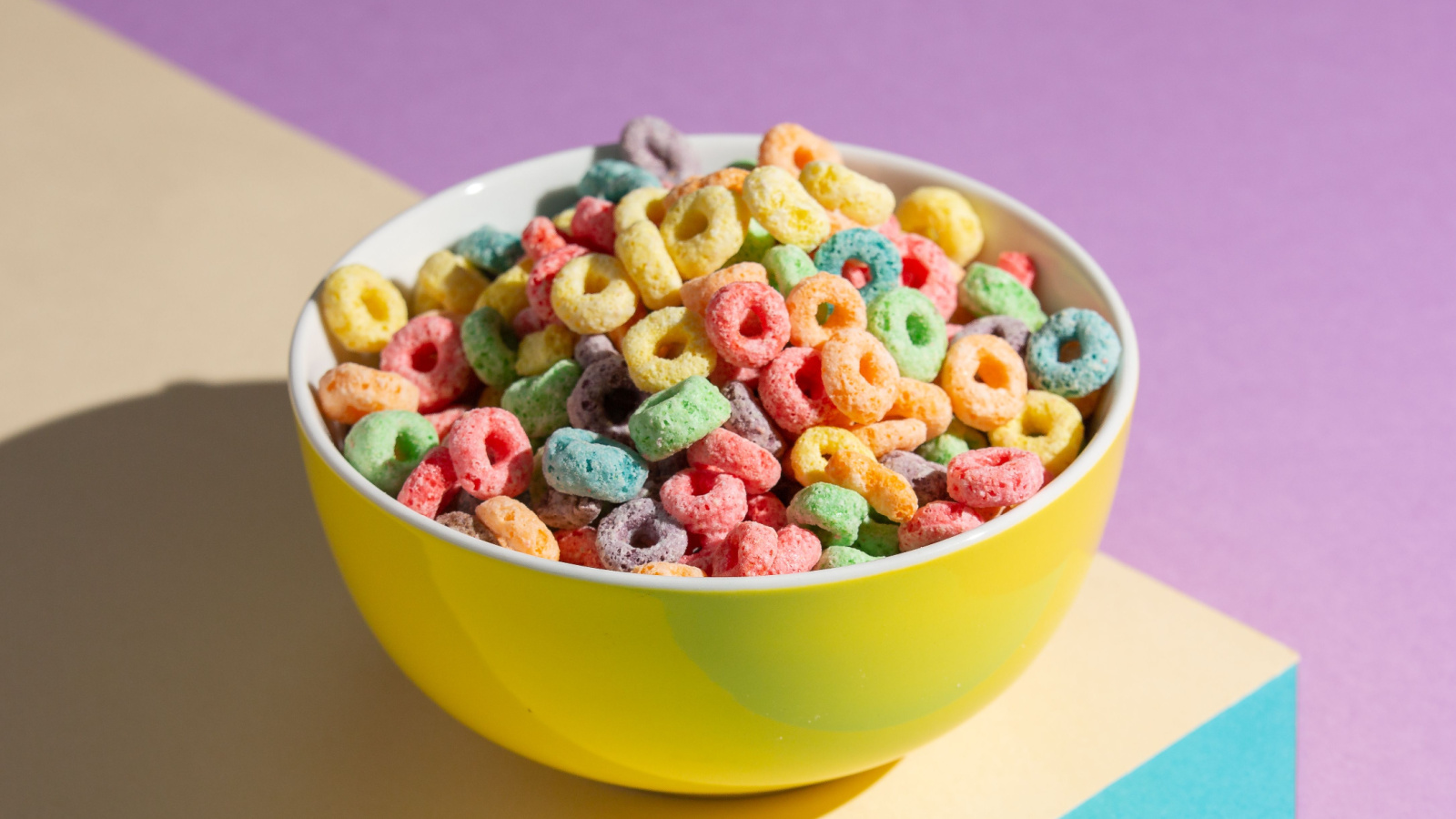
Breakfast cereal boxes may appear the same size on store shelves, but the contents inside have often decreased. Many Canadian brands have reduced the weight of cereal while keeping packaging dimensions similar. This creates the impression that nothing has changed, even though the quantity inside has been reduced. Canadians sometimes notice that cereal boxes feel lighter or run out faster than expected. Companies may also slightly increase prices at the same time, which compounds the effect. Because cereal is a staple item for many households, these changes become noticeable over repeated purchases.
Ice Cream Tubs

Ice cream containers in Canada have gradually shrunk over time. What was once a standard size has been replaced by slightly smaller tubs, often without obvious labeling changes. Canadians may notice that containers no longer last as long as they used to, especially in larger households. Some brands have reduced volumes from traditional sizes while keeping similar packaging shapes. These changes allow companies to manage production costs while avoiding noticeable price increases. For consumers, however, it means paying similar prices for smaller portions of a popular treat.
Coffee Grounds
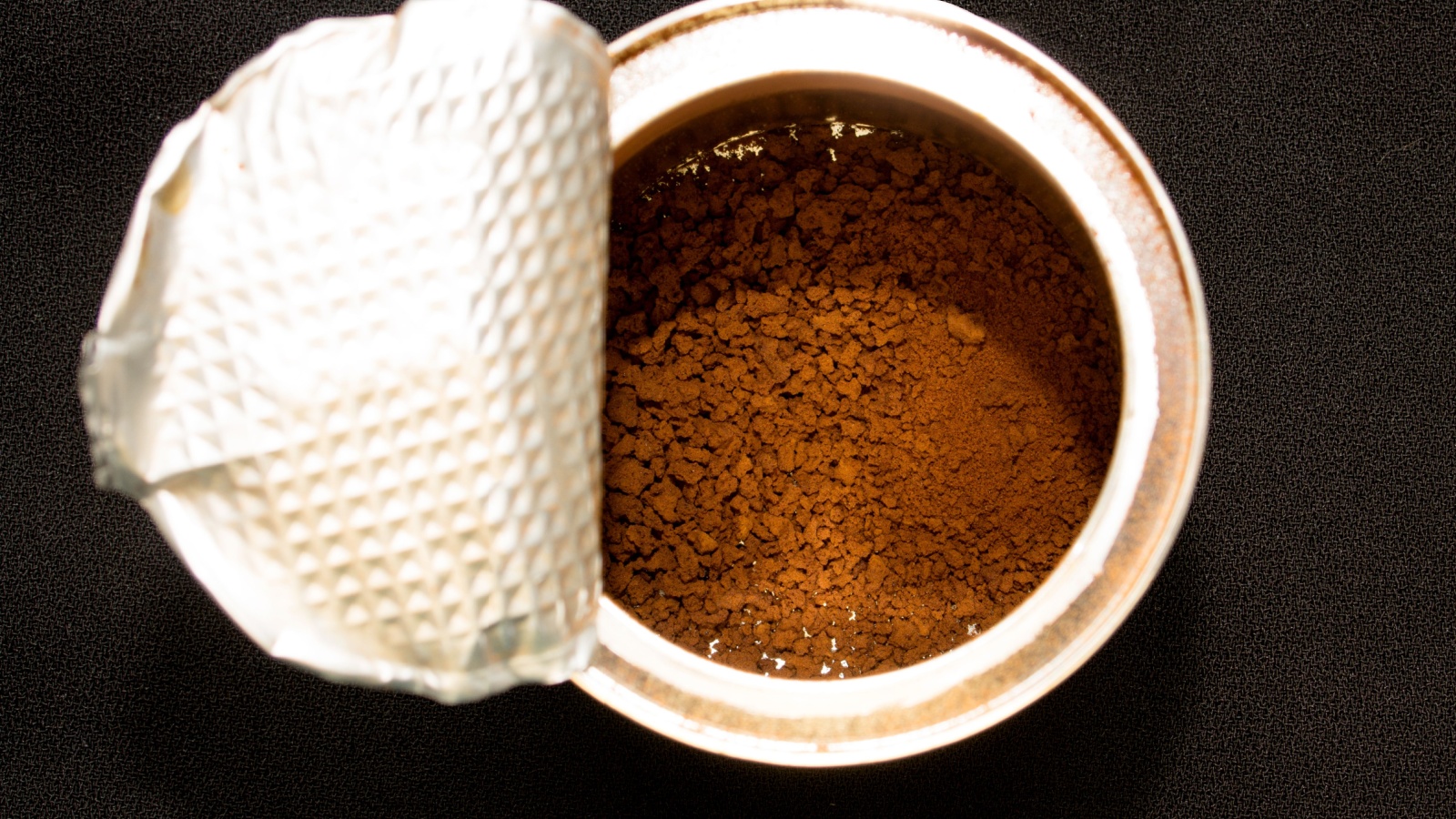
Ground coffee packages have also experienced shrinkflation in Canadian grocery stores. Many brands have reduced the weight of coffee bags or containers while maintaining similar packaging designs. Canadians who brew coffee daily may notice that packages run out faster than before. The price per package often remains the same or increases slightly, which means the cost per cup rises over time. Because coffee is a daily habit for many Canadians, even small reductions in quantity can have a noticeable impact on monthly grocery spending.
Yogurt Cups

Single-serve yogurt cups and multi-pack containers have quietly decreased in size across Canada. Many products now contain fewer grams per serving than previous versions. Canadians may notice that yogurt portions feel smaller or less filling than before. In some cases, packaging remains unchanged, which makes the reduction less obvious at first. Over time, however, regular buyers begin to recognize the pattern. Shrinkflation in yogurt products often occurs alongside slight price increases, which means consumers pay more for less product overall.
Toilet Paper Rolls

Toilet paper has become one of the most commonly discussed examples of shrinkflation in Canada. While the number of rolls in a package may remain the same, each roll often contains fewer sheets than before. Canadians may not notice the change immediately because packaging highlights roll counts rather than sheet numbers. Over time, however, households find themselves replacing rolls more frequently. This results in higher long-term costs even if the initial purchase price appears unchanged. The reduction in sheet count per roll is a subtle but impactful change for everyday household expenses.
Packaged Bread
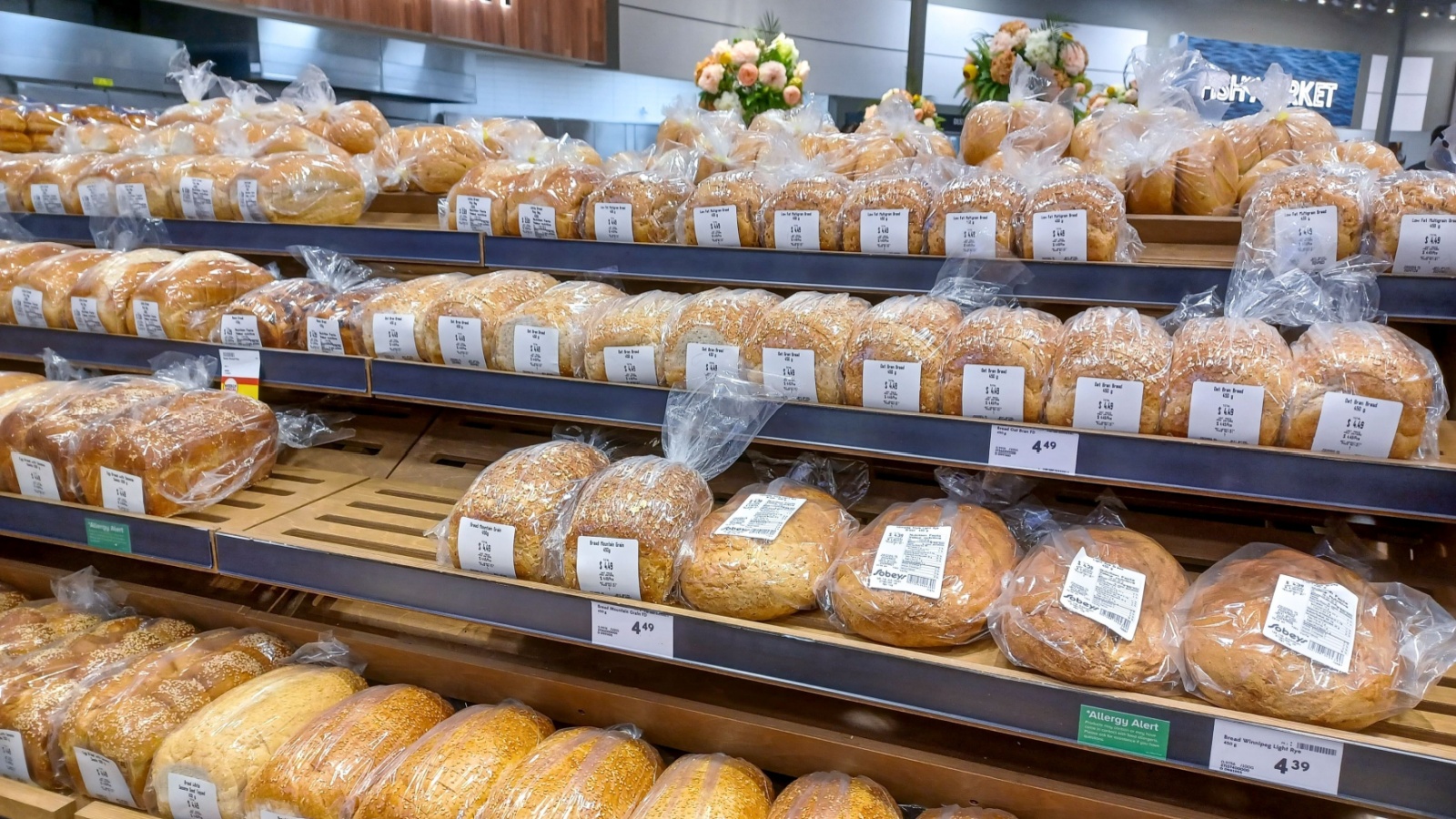
Loaves of packaged bread have also experienced gradual size reductions. Some brands have reduced the weight of each loaf or slightly decreased slice thickness. Canadians may notice that bread seems to run out faster or that slices feel smaller than expected. Packaging often remains similar, which makes the change difficult to detect at first. Because bread is a staple product in many households, even small reductions can have a noticeable impact over time. Consumers may find themselves purchasing bread more frequently than before.
Frozen Pizza
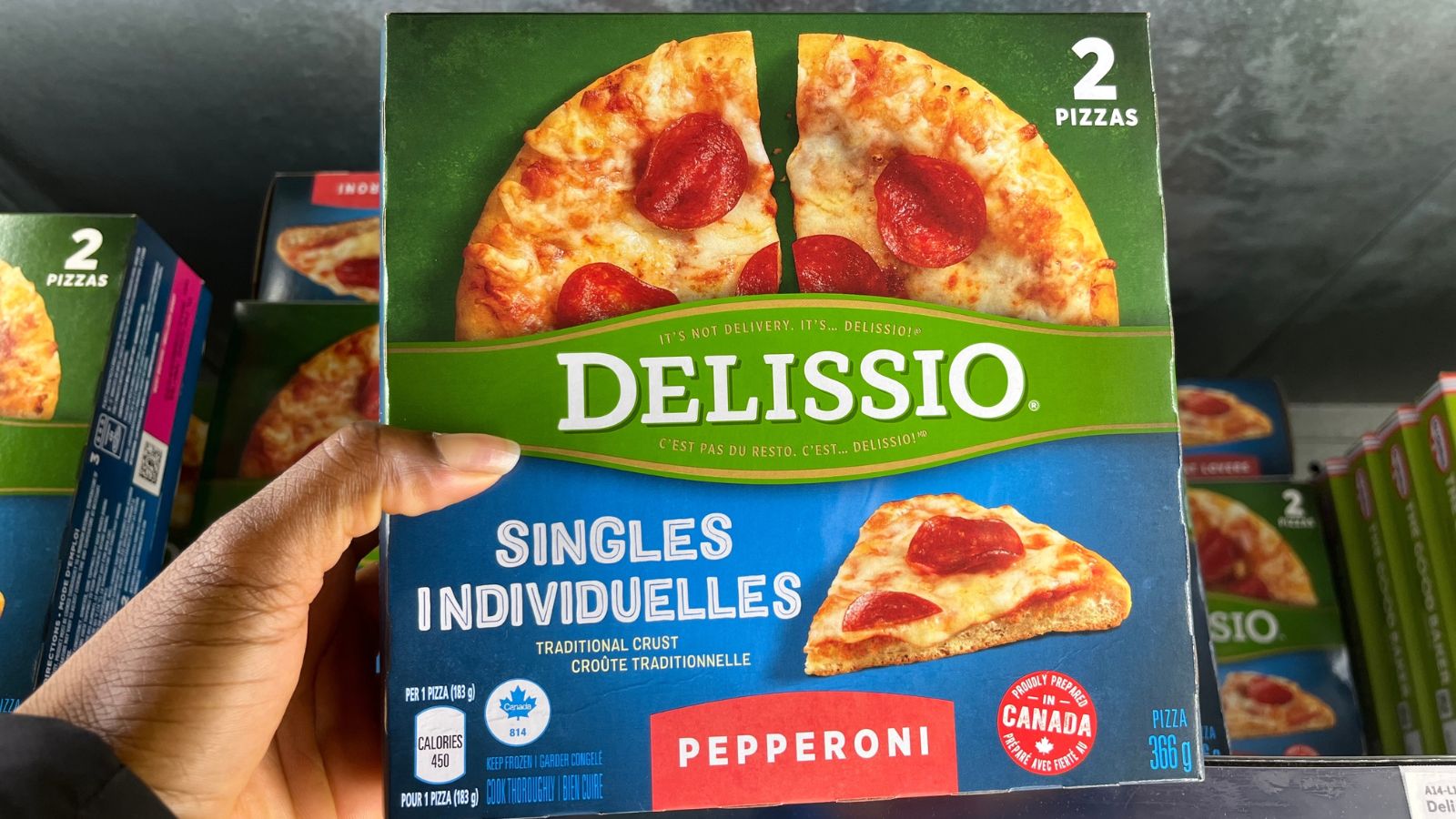
Frozen pizzas have quietly shrunk in diameter or thickness while retaining the same packaging. Canadians sometimes notice that pizzas appear smaller when taken out of the box or that the crusts feel thinner. These changes allow manufacturers to reduce ingredient usage without significantly altering the product’s appearance on store shelves. Over time, however, consumers recognize that portion sizes have decreased. For families who rely on frozen meals for convenience, this can mean needing to purchase additional items to feel satisfied.
Snack Bars and Granola Bars
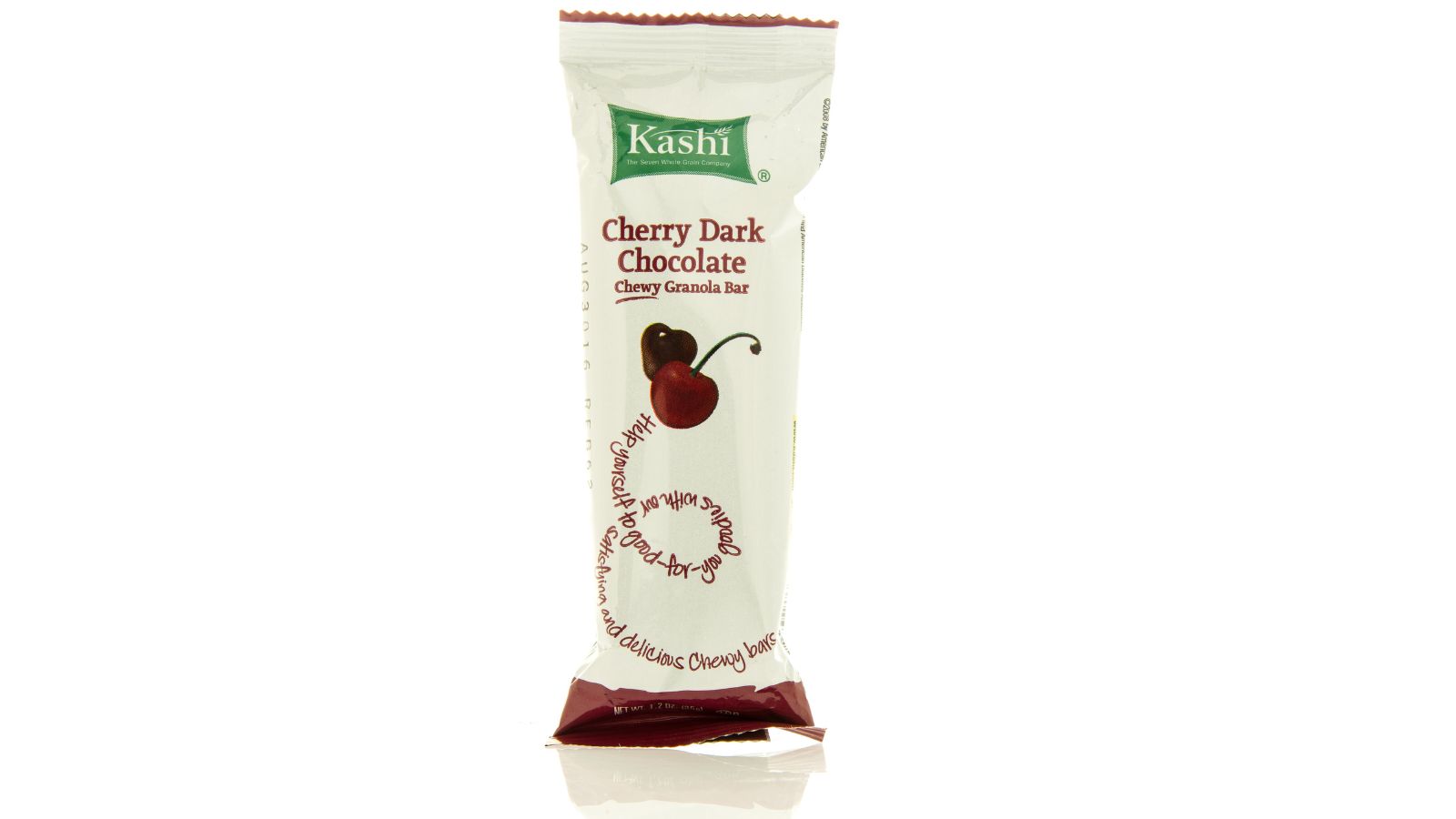
Snack bars and granola bars have gradually decreased in size across Canadian grocery stores. Individual bars may be slightly shorter or thinner than previous versions. Multi-pack boxes may also contain fewer bars while maintaining similar packaging dimensions. Canadians who regularly purchase these products for lunches or quick snacks often notice that portions feel less filling. Because these changes happen gradually, they can be difficult to detect at first. Over time, however, consumers realize they are receiving less product for the same price.
Juice Bottles

Juice bottles and cartons have also been affected by shrinkflation. Many brands have reduced the volume of juice while keeping packaging shapes similar. Canadians may notice that bottles feel lighter or empty more quickly than expected. Price tags often remain unchanged, which increases the cost per serving. Because juice is commonly purchased for families, these changes can add up over time. Consumers may find themselves buying juice more frequently without realizing the quantity has decreased.
Cheese Blocks

Cheese blocks in Canada have quietly decreased in size while maintaining similar packaging designs that make the change difficult to notice immediately. Many brands have reduced the weight of their standard blocks by small increments, which may seem insignificant at first but becomes noticeable over repeated purchases. Canadians often realize the difference when slicing cheese for sandwiches or cooking, as the block runs out sooner than expected. The price per package often remains the same or increases slightly, meaning the cost per gram rises over time. Because cheese is a staple in many Canadian households, these small reductions can significantly impact grocery spending across weeks and months.
Butter Packages

Butter has also experienced noticeable shrinkflation across Canada, particularly as dairy prices continue to fluctuate. While many packages still appear similar in size, some brands have reduced the total weight or slightly altered portion sizes within the packaging. Canadians who bake or cook regularly often notice these changes first because recipes rely on precise measurements. When butter packages shrink, it can affect portion planning and require adjustments during cooking. The price per package often remains steady or increases, which results in higher costs per gram.
Laundry Detergent Bottles

Laundry detergent bottles have undergone subtle changes that reduce the number of loads they can handle. While packaging may advertise the same number of washes, the concentration or volume inside the bottle may be adjusted. Canadians often notice that detergent runs out faster than expected, especially in larger households with frequent laundry needs. Some products compensate by increasing concentration, but not all brands clearly communicate these changes. As a result, consumers may use the same amount per load without realizing the formula has changed.
Shampoo and Conditioner Bottles

Personal care products such as shampoo and conditioner have also been affected by shrinkflation. Many bottles appear the same size, but the actual volume inside has decreased slightly. Canadians often notice that products run out more quickly, particularly in households where multiple people use the same items. Some brands redesign packaging to appear larger or more premium, which can make volume reductions less obvious. The price, however, often remains the same or increases. Over time, this leads to higher spending on everyday hygiene products.
Dish Soap Bottles
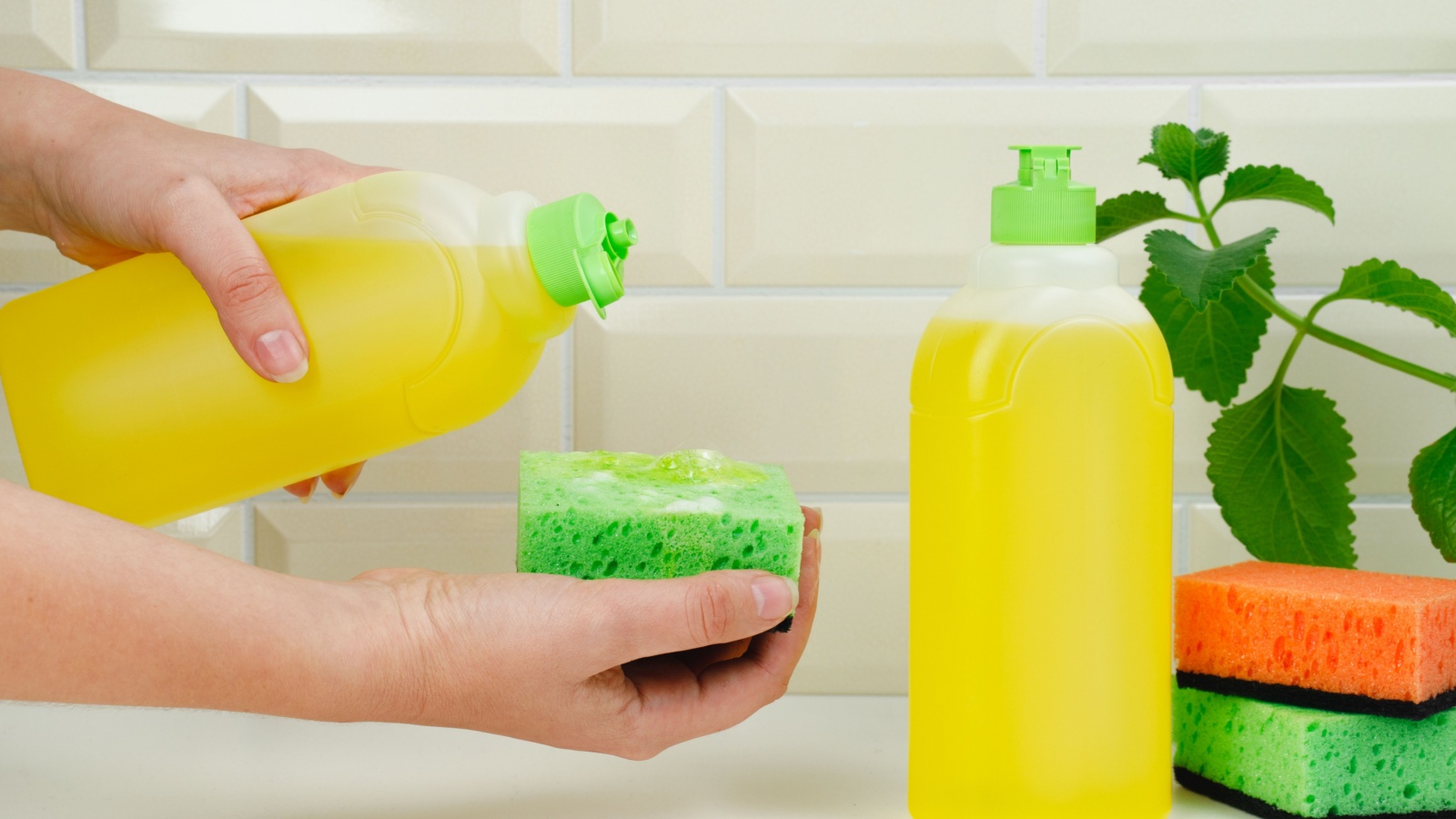
Dish soap is another household essential that has quietly shrunk in Canada. Bottles may look similar in size, but the actual liquid volume inside has been reduced by small amounts. Canadians often notice that bottles empty faster than before, especially in homes where dishes are washed frequently. Some brands promote concentrated formulas, which can justify smaller quantities, but not all reductions are clearly explained. The price per bottle typically remains steady, which increases the cost per use over time. Because dish soap is used daily, even minor reductions can lead to more frequent purchases.
Frozen Vegetables
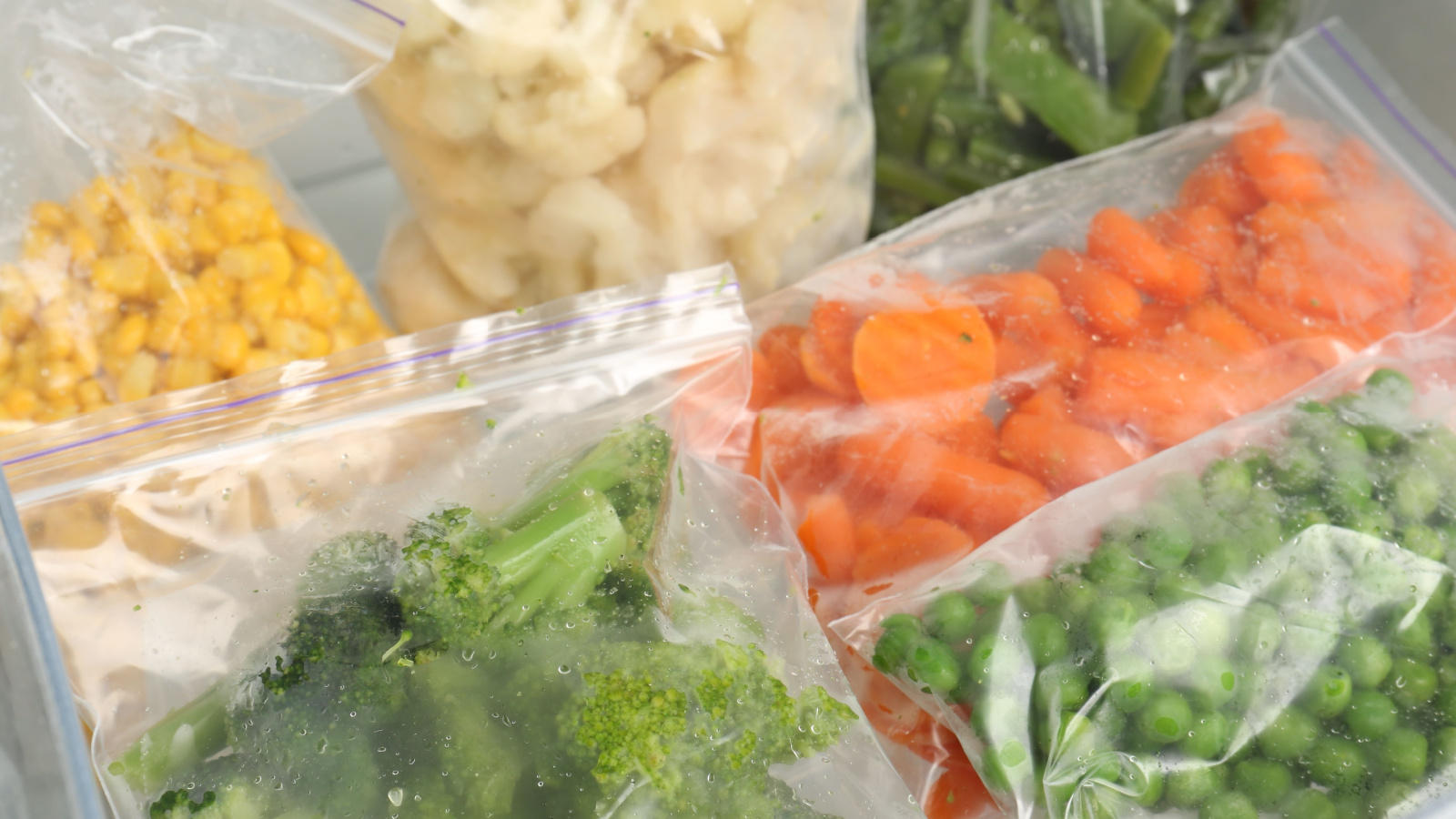
Frozen vegetables have also been affected by shrinkflation, with many packages containing slightly less product than before. Bags may appear the same size, but the weight listed on the label has been reduced. Canadians often notice that bags no longer stretch as far when preparing meals, especially for families. Because frozen vegetables are considered a cost-effective and healthy option, many households rely on them regularly. The gradual reduction in quantity means consumers may need to purchase additional bags to prepare the same meals.
Crackers and Biscuits
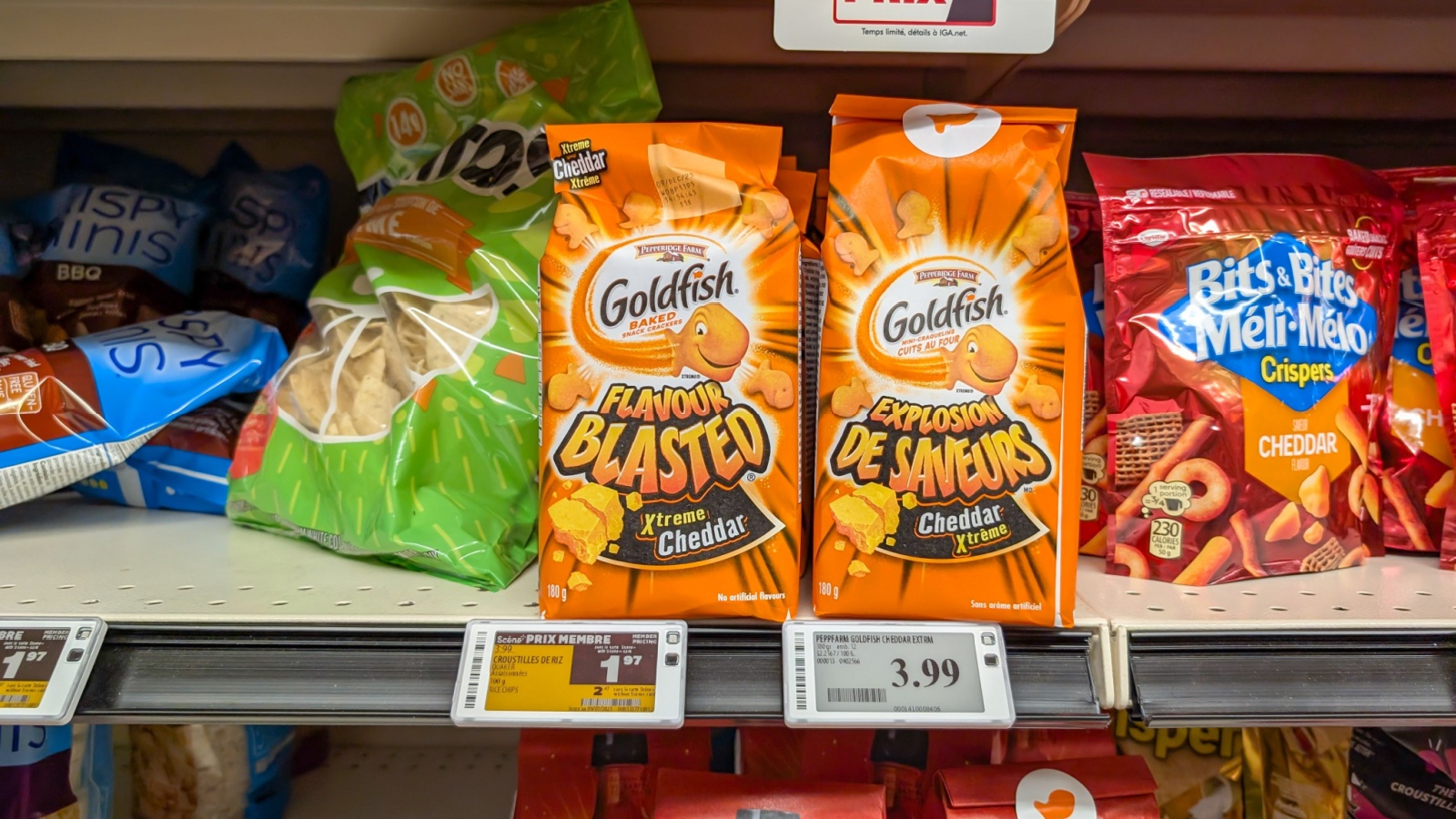
Crackers and biscuits are another category where shrinkflation is noticeable across Canadian grocery stores. Boxes often contain fewer crackers or smaller stacks than previous versions. Canadians may notice more empty space inside packaging or thinner portions within each sleeve. Because these products are commonly used for snacks or entertaining, reduced quantities can become apparent quickly. The price per box often remains similar, which increases the cost per serving. Over time, households may need to purchase more boxes to maintain the same snack supply. The subtle nature of these changes allows them to go unnoticed initially, but repeated purchases reveal the pattern.
Ice Cream Bars and Multipacks

Multipacks of ice cream bars and frozen treats have also shrunk in Canada. Packages may contain fewer bars or smaller individual portions than before. Canadians often notice that boxes run out faster, especially in households with children. Some brands reduce the size of each bar while keeping the package size unchanged, which makes the change less obvious. The price per box often remains steady, leading to higher costs per serving. Because these products are often purchased for convenience or treats, consumers may not immediately compare sizes. Over time, however, the reduced portions become noticeable during regular use.
Cleaning Wipes Containers

Cleaning wipes have become a household staple, especially in recent years, but many containers now include fewer wipes than earlier versions. Packaging may look identical, but the count per container has decreased slightly. Canadians often realize the difference when containers run out sooner than expected during routine cleaning. Because wipes are used for multiple purposes, such as kitchen surfaces, bathrooms, and quick cleanups, reduced quantities can have a noticeable impact. The price per container typically remains unchanged, which increases the cost per wipe. Over time, households may need to purchase cleaning supplies more frequently.
Pet Food Bags
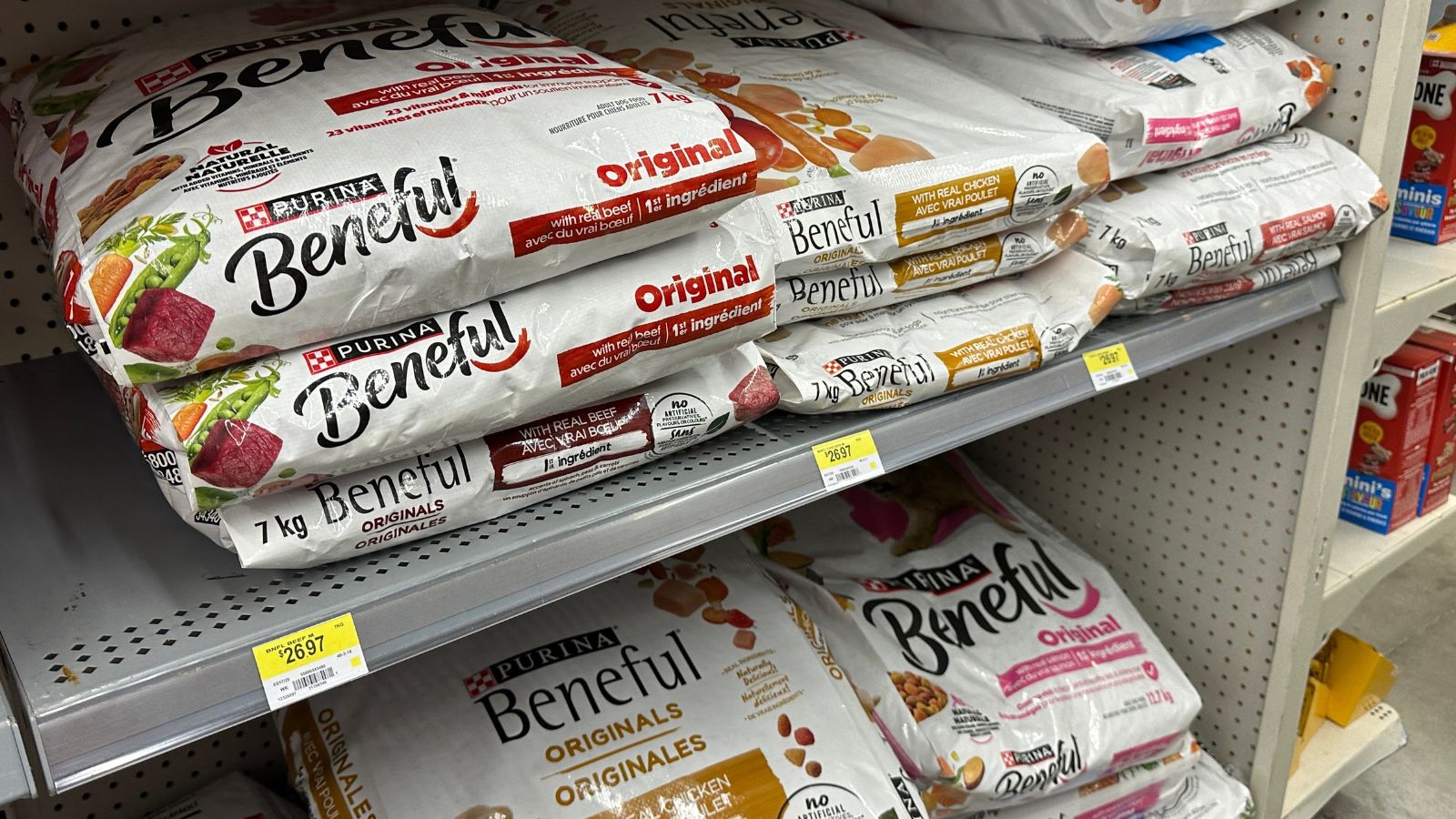
Pet food is another category where Canadians are quietly receiving less product for the same price. Bags of dry food have gradually decreased in weight while maintaining similar packaging sizes. Pet owners often notice that bags do not last as long as they used to, especially in homes with larger animals. Because pet food is a necessary and recurring expense, these changes can significantly affect monthly budgets. Some brands attempt to offset reductions by highlighting improved ingredients or formulations, but the overall quantity still decreases. Canadians who track their pet feeding routines may notice the change more quickly than others.
19 Things Canadians Don’t Realize the CRA Can See About Their Online Income

Earning money online feels simple and informal for many Canadians. Freelancing, selling products, and digital services often start as side projects. The problem appears at tax time. Many people underestimate how much information the CRA can access. Online platforms, banks, and payment processors create detailed records automatically. These records do not disappear once money hits an account. Small gaps in reporting add up quickly.
Here are 19 things Canadians don’t realize the CRA can see about their online income.
