
Bringing souvenirs back from a trip feels like the best way to hold onto memories, but not every item is allowed across the Canadian border. The Canada Border Services Agency enforces strict rules to protect public health, wildlife, agriculture, and national security. Many travellers unknowingly pack items that seem harmless but can lead to confiscation, fines, or delays during inspection. As travel increases in 2026, awareness around restricted goods has become more important than ever. Here are 20 travel souvenirs that could get you fined at the Canadian border.
Fresh Fruits and Vegetables

Fresh fruits and vegetables are among the most commonly confiscated items at the Canadian border. Travellers often bring back produce from international markets without realizing that these items can carry pests, bacteria, or plant diseases. Even small quantities, such as a single apple or a few mangoes, can trigger inspection. The Canadian Food Inspection Agency enforces strict agricultural rules to protect local crops and ecosystems. If produce is not declared or permitted, it can be seized and may result in fines.
Raw Meat and Poultry

Raw meat and poultry products are heavily regulated upon entry into Canada due to concerns about animal diseases and contamination. Travellers sometimes bring back specialty meats or local delicacies from international destinations, but these items are often prohibited or restricted. Even vacuum-sealed or packaged meat may be subject to inspection depending on its origin and current import rules. The risk lies in the potential spread of diseases such as foot-and-mouth disease, which could severely impact Canadian agriculture. Border officers frequently confiscate undeclared or restricted meat products, and fines may apply.
Dairy Products from Certain Countries

Dairy products such as cheese, milk, and butter may seem like harmless souvenirs, especially from countries known for specialty cheeses. However, many dairy items are restricted at the Canadian border due to health and safety regulations. Products from certain regions may carry bacteria or fail to meet Canadian import standards. While some commercially packaged dairy products may be allowed in limited quantities, others can be seized during inspection. Homemade or unlabelled dairy items are particularly likely to be confiscated because their origin and processing cannot be verified.
Plants, Seeds, and Soil

Plants, seeds, and soil are strictly regulated at the Canadian border because they can introduce invasive species or harmful organisms. Travellers sometimes bring back seeds or small plants as souvenirs from gardens or markets, not realizing the potential environmental risk. Soil attached to plants or shoes can also carry pests that threaten Canadian ecosystems. Border officers take these risks seriously and may confiscate such items immediately. In some cases, fines may apply if the items are not declared. Canadians interested in gardening souvenirs should consider purchasing seeds from approved Canadian suppliers instead.
Firewood

Firewood is another item that Canadians are often surprised to learn is restricted at the border. Wood can carry insects, larvae, and diseases that are not visible to the naked eye. These organisms can spread quickly when introduced into new environments, causing significant ecological damage. Travellers who bring firewood for camping trips may have it confiscated during inspection. Even wood that appears clean and dry can still pose risks. Canadian authorities enforce these restrictions to prevent the spread of invasive species such as the emerald ash borer. To avoid complications, travellers should purchase firewood locally at their destination rather than transporting it across borders.
Alcohol Beyond Duty Free Limits

Alcohol is a common souvenir, but Canadians must follow strict limits when bringing it back into the country. Duty-free allowances apply only after a minimum period outside Canada, and exceeding these limits can result in taxes, duties, or confiscation. Travellers sometimes assume they can bring back multiple bottles without declaring them, but this can lead to penalties. Border officers expect all alcohol to be declared accurately. Even when amounts are within limits, certain products may still be subject to provincial regulations. Canadians should review current duty-free allowances before travelling to avoid surprises.
Tobacco Products Over the Limit

Tobacco products such as cigarettes, cigars, and loose tobacco are also subject to strict limits at the Canadian border. Travellers who exceed these limits without declaring the items may face fines or have the products seized. Even within allowed quantities, products must meet Canadian packaging and labeling requirements. Some tobacco products purchased abroad may not comply with these standards, which can lead to confiscation. Canadians should be aware that duty free limits vary depending on travel duration. Accurately declaring tobacco products is essential to avoid penalties. As regulations continue to evolve, travellers should stay informed about current limits before returning to Canada.
Cannabis and Cannabis Products

Cannabis is legal in Canada, but bringing cannabis across international borders is strictly prohibited. This applies even when travelling to or from countries where cannabis is also legal. Travellers who attempt to bring cannabis into Canada may face serious legal consequences, including fines and potential criminal charges. This includes all forms of cannabis, such as dried flower, edibles, oils, and concentrates. Canadians sometimes assume that legalization allows cross-border transport, but this is not the case. Border officers treat cannabis as a controlled substance under federal law. The safest approach is to avoid travelling with cannabis entirely. Purchasing legal products within Canada after returning is the only compliant option.
Counterfeit Designer Goods

Counterfeit goods such as imitation handbags, watches, and clothing may be seized at the Canadian border. Even if the items were purchased knowingly or unknowingly, they violate intellectual property laws. Border officers are trained to identify fake products that imitate well-known brands. Canadians who bring counterfeit items risk confiscation and potential fines. Some travellers purchase these goods as inexpensive souvenirs, not realizing the legal implications. The enforcement of intellectual property rights has become stricter in recent years.
Cultural Artifacts and Antiquities

Cultural artifacts and historical items may be restricted when entering Canada, especially if they originate from protected regions or heritage sites. Travellers sometimes purchase antiques or souvenirs without proper documentation, which can lead to confiscation. These items may be subject to international agreements that protect cultural heritage. Border officers may require proof of legal export from the country of origin. Without proper documentation, the items may be seized for further investigation. Canadians should exercise caution when purchasing antiques or cultural objects abroad. Ensuring that items are legally obtained and properly documented helps prevent issues at the border.
Wildlife Products Without Permits
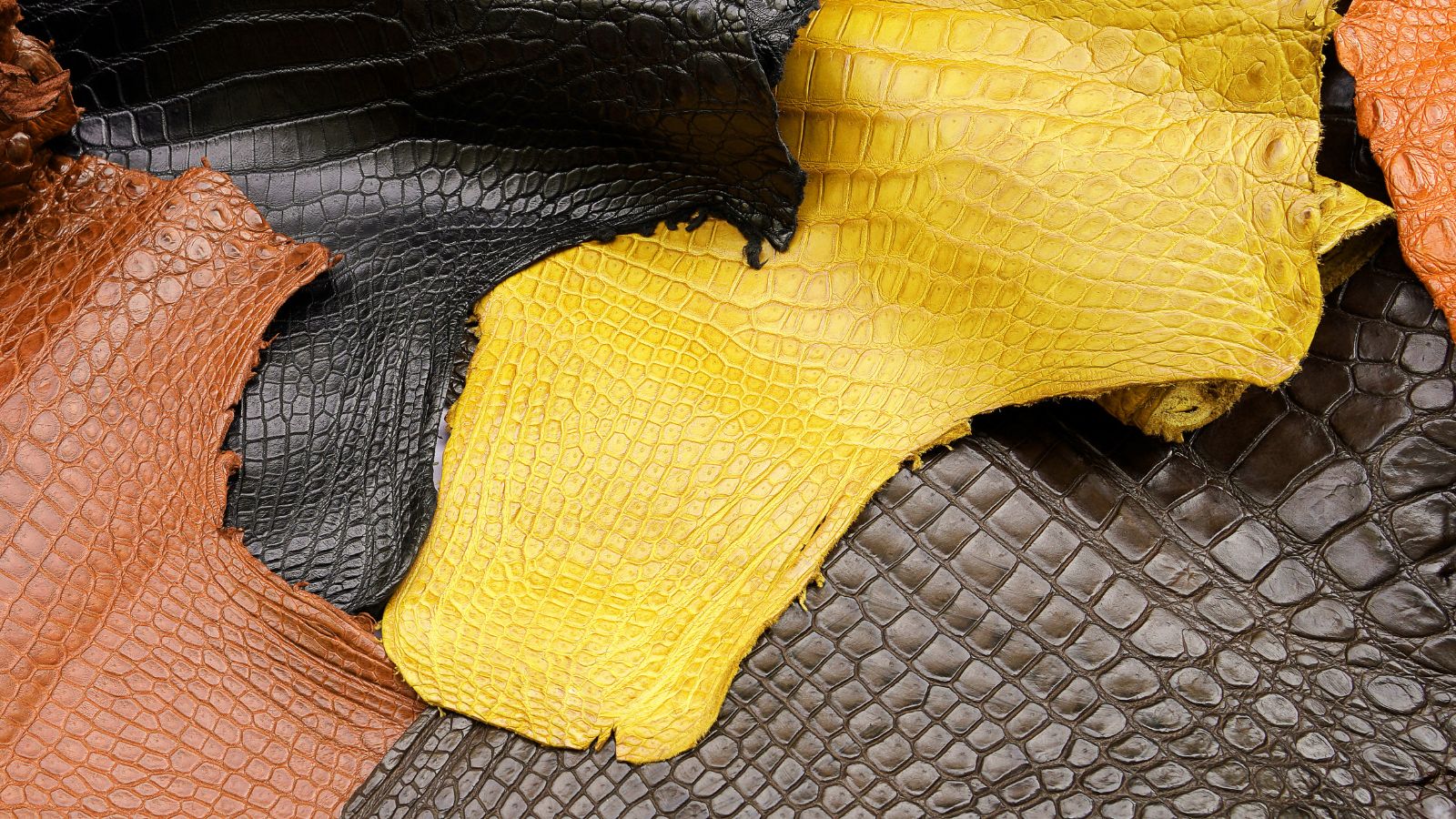
Wildlife products such as ivory carvings, exotic leather goods, coral jewelry, or items made from protected animal species are strictly regulated at the Canadian border. Many of these items fall under international agreements such as CITES, which control the trade of endangered species. Canadians may purchase souvenirs abroad without realizing that these materials require permits to cross borders legally. Even small items such as bracelets or decorative pieces can be seized if proper documentation is not provided. Border officers carefully inspect products that appear to contain animal materials, especially those sourced from exotic regions. Fines may apply if travellers fail to declare such items or cannot prove their legal origin.
Certain Shells and Coral

Seashells and coral pieces collected from beaches or purchased in coastal markets may seem like harmless souvenirs, but they can be restricted when entering Canada. Some shells and coral species are protected due to environmental concerns and international conservation laws. Canadians often collect these items casually during vacations without considering the legal implications. Border officers may confiscate shells or coral that cannot be clearly identified or documented. Even small quantities can trigger inspection if they fall under protected categories. Canadians should avoid collecting natural items from beaches unless they are certain it is permitted.
Traditional Medicines Containing Animal Products

Traditional medicines purchased abroad can sometimes contain ingredients derived from animals or plants that are restricted in Canada. Products used in alternative or herbal treatments may include substances from endangered species or unregulated sources. Canadians often buy these items without understanding their contents or legal status. Border officers may inspect such products closely, especially if the labeling is unclear or incomplete. If the ingredients cannot be verified or are prohibited, the items may be confiscated. In some cases, fines may apply. Canadians should exercise caution when purchasing traditional medicines and ensure that all ingredients comply with Canadian regulations.
Unlabeled or Homemade Food Products

Homemade food items such as baked goods, sauces, or preserved products are often brought back as gifts or souvenirs. However, these items can raise concerns at the Canadian border because their ingredients and preparation methods are not clearly documented. Border officers may not be able to determine whether the food contains restricted ingredients such as meat or dairy. As a result, these products are often confiscated during inspection. Canadians may also face fines if they fail to declare them. Packaged food with clear labeling is generally easier to assess and may be permitted in some cases. To avoid issues, travellers should limit the amount of homemade food they bring and always declare it.
Prescription Drugs Without Proper Documentation

Prescription medications can be brought into Canada for personal use, but they must meet specific requirements. Travellers who carry medications without original packaging or proper documentation may face delays or confiscation. Border officers need to verify that the medication is legally prescribed and intended for personal use. Unlabeled pill containers or large quantities can raise suspicion. Canadians should always carry medications in their original packaging with clear labels from a pharmacy. A copy of the prescription or a doctor’s note can also help avoid complications. Bringing medications from certain countries may involve additional restrictions depending on the substance.
Certain Knives or Restricted Weapons
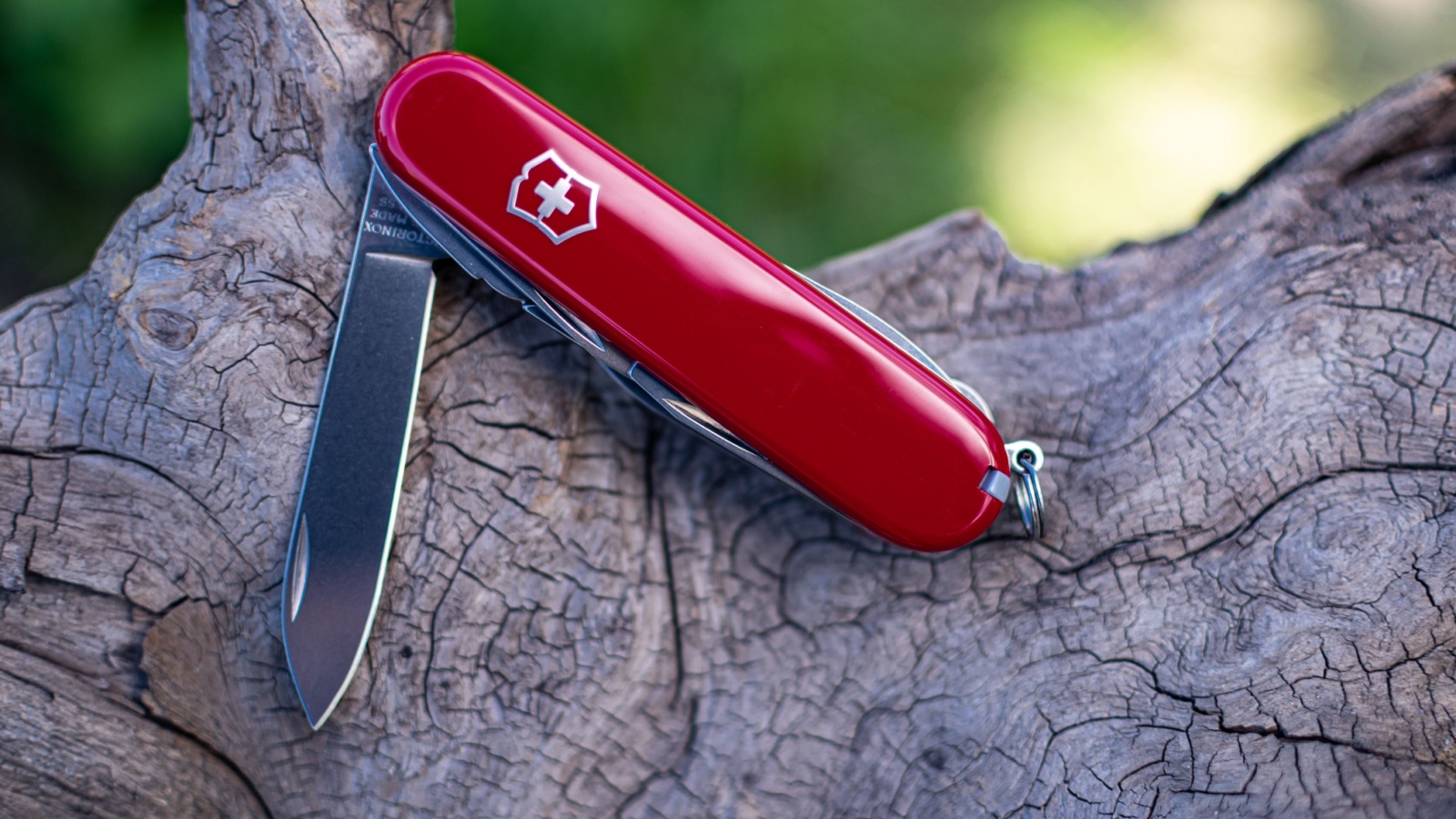
Some knives and self-defense items that are legal in other countries may be restricted or prohibited in Canada. Travellers sometimes purchase unique knives, tools, or collectibles as souvenirs without realizing that they may not be allowed across the border. Items such as switchblades, certain tactical knives, or concealed weapons can be seized by border officers. Canadians who attempt to bring restricted items into the country may face fines or legal consequences. It is important to research Canadian laws regarding weapons before purchasing such souvenirs abroad. Declaring these items is also necessary, even if they appear harmless.
Large Amounts of Currency Without Declaration
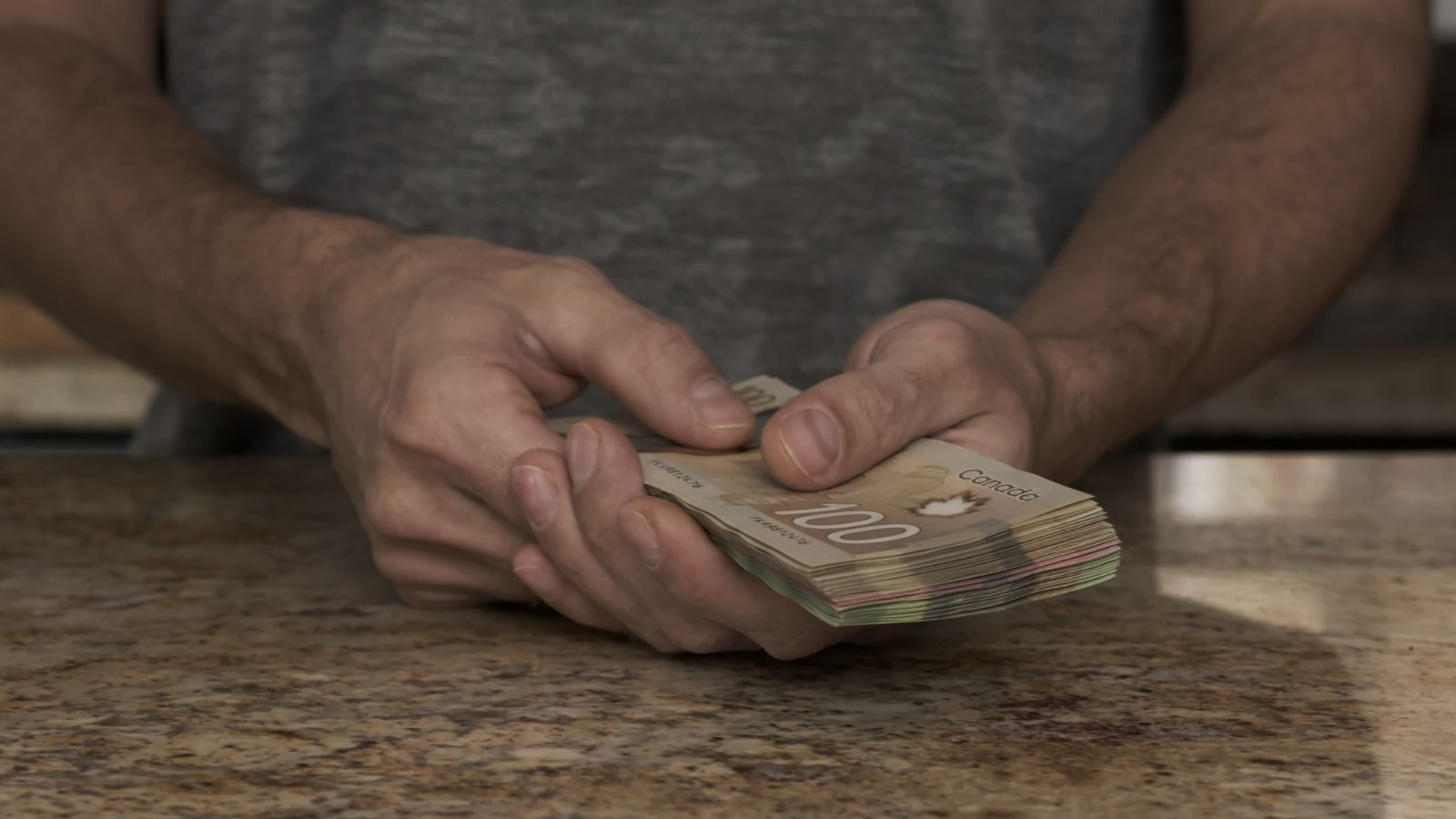
Bringing large amounts of cash into Canada is legal, but amounts over a certain threshold must be declared. Travellers who fail to declare large sums of money may face seizure or fines. Canadians sometimes carry cash for travel purposes without realizing the reporting requirements. Border officers monitor financial declarations carefully to prevent illegal activities such as money laundering. Even if the funds are legitimate, failure to declare them can lead to complications. Canadians should always declare large amounts of currency honestly and follow reporting guidelines. This ensures a smooth border crossing and avoids unnecessary penalties.
Certain Electronic Devices with Restricted Content

Electronic devices such as laptops, phones, or storage drives can also raise issues at the Canadian border if they contain restricted or illegal content. While the devices themselves are allowed, the data stored on them may be subject to inspection. Border officers have the authority to examine digital content under certain circumstances. Canadians who travel with downloaded media, software, or files should ensure that everything complies with Canadian laws. Items that violate copyright laws or contain prohibited material may lead to further investigation.
Luxury Goods Not Properly Declared

Luxury items such as watches, jewelry, or designer handbags purchased abroad must be declared when entering Canada. Travellers sometimes assume that personal items will not be questioned, but border officers may request proof of purchase. If goods are not declared, Canadians may be required to pay duties, taxes, or face fines. In some cases, the items may be seized until proper documentation is provided. Canadians should keep receipts for all major purchases made during travel. Declaring items honestly ensures compliance and helps avoid penalties. Even gifts received abroad may need to be declared if they exceed certain value limits.
Items Made from Protected Wood or Plant Materials

Souvenirs made from certain types of wood or plant materials may also be restricted at the Canadian border. Items such as carved wooden statues, musical instruments, or decorative objects may require documentation if they are made from protected species. Canadians often purchase these items without knowing their origin or legal status. Border officers may inspect wood products to ensure they do not contain pests or come from endangered plant species. Without proper permits, these items can be confiscated. Canadians should ask sellers about the source of materials and request documentation when possible.
19 Things Canadians Don’t Realize the CRA Can See About Their Online Income

Earning money online feels simple and informal for many Canadians. Freelancing, selling products, and digital services often start as side projects. The problem appears at tax time. Many people underestimate how much information the CRA can access. Online platforms, banks, and payment processors create detailed records automatically. These records do not disappear once money hits an account. Small gaps in reporting add up quickly.
Here are 19 things Canadians don’t realize the CRA can see about their online income.
