Retail in Canada is undergoing a structural shift in 2026, with many closures occurring quietly rather than through headline-grabbing bankruptcies. Instead of full shutdowns, retailers are trimming underperforming stores, renegotiating leases, and consolidating locations. Rising rent, declining mall traffic, labour costs, and the continued growth of e-commerce are forcing brands to rethink their physical footprint. For many companies, closing stores is not a sign of failure but a strategic move to protect margins. Canadians are noticing familiar stores disappearing without clear explanations. Here are 19 Canadian retailers quietly closing locations in 2026.
Eddie Bauer
Eddie Bauer’s closures in Canada heading into 2026 are tied to deeper structural issues rather than a sudden decline. The brand struggled for years to position itself clearly between premium outdoor retailers and mid-market apparel chains. While it maintained strong recognition, its mall-based store network became increasingly expensive to operate as foot traffic declined. Lease costs remained high, especially in secondary malls where sales no longer justified the space. At the same time, Canadian consumers shifted toward either high-performance outdoor brands or fast fashion alternatives, leaving Eddie Bauer in a squeezed middle position. The company’s restructuring reflects a pivot toward e-commerce and wholesale distribution rather than maintaining a large physical footprint.
Hudson’s Bay
Hudson’s Bay continues to reduce its store presence due to long-standing structural challenges in the department store model. Large format retail spaces that once attracted shoppers are now difficult to sustain due to high operating costs and declining foot traffic. Canadian consumers no longer rely on department stores for variety, as online platforms and specialized retailers offer more targeted options. The Bay’s extensive floor space has become a liability, requiring significant staffing, maintenance, and inventory investment. Many locations are tied to older malls that no longer generate consistent traffic, further reducing profitability. Another issue is slow adaptation to digital retail compared to competitors. While the brand still has strong recognition, it has struggled to redefine its role in modern retail.
Toys “R” Us Canada
Toys “R” Us Canada is quietly shrinking its footprint as the traditional big-box toy store model becomes less sustainable. While the brand survived earlier financial challenges, it continues to face pressure from online marketplaces and large retailers that offer competitive pricing and convenience. The seasonal nature of toy sales creates uneven revenue, with heavy reliance on holiday periods to drive profitability. Maintaining large standalone stores year-round has become increasingly difficult as foot traffic declines outside peak seasons. Parents are also shifting toward online shopping, where product variety and pricing are more competitive. The company is responding by evaluating store performance and closing underperforming locations.
Atmosphere (Canadian Tire)
Atmosphere has been undergoing quiet consolidation as Canadian Tire integrates its outdoor retail operations more efficiently. Many standalone Atmosphere stores are being closed or merged into SportChek locations to reduce duplication and operational costs. The overlap between product categories made separate stores less efficient, especially as consumer demand shifted. Canadians are increasingly purchasing outdoor gear online or from multi-category retailers, reducing the need for specialized physical stores. Maintaining separate leases, staffing, and inventory systems for similar products created unnecessary overhead. By combining operations, Canadian Tire can streamline logistics and improve profitability.
Frank And Oak
Frank And Oak has been reducing its physical retail presence as part of a broader shift toward digital-first operations. While the brand gained popularity for its sustainable positioning and modern design, scaling brick-and-mortar stores proved challenging in Canada’s retail environment. High rent, especially in urban centres, combined with fluctuating in-store traffic, made many locations difficult to sustain. The target demographic is highly comfortable shopping online, which reduces the need for physical stores. Subscription models and direct-to-consumer strategies have become more central to the brand’s approach.
The Body Shop
The Body Shop has been quietly closing select Canadian locations as part of a global restructuring effort influenced by changing consumer behaviour and increased competition. While the brand remains well known, the beauty industry has shifted heavily toward online platforms and influencer-driven purchasing. Consumers now discover and buy products digitally, reducing reliance on mall-based stores. Rising rent and declining mall traffic have made smaller retail locations less viable. Additionally, competition from direct-to-consumer skincare brands has intensified, offering similar products at competitive prices without physical storefronts.
Claire’s
Claire’s is reducing its number of Canadian stores as mall traffic continues to decline and younger consumers shift toward online shopping. The brand relies heavily on impulse purchases, which were traditionally driven by foot traffic in shopping centres. However, social media and e-commerce have changed how younger customers discover and purchase accessories. This has reduced the effectiveness of small mall-based stores. Rising rent and operating costs further impact profitability, especially in lower-performing locations. Claire’s is responding by focusing on high-traffic malls and digital sales channels. Another challenge is competition from fast fashion retailers and online platforms that offer similar products at lower prices.
Peavey Mart
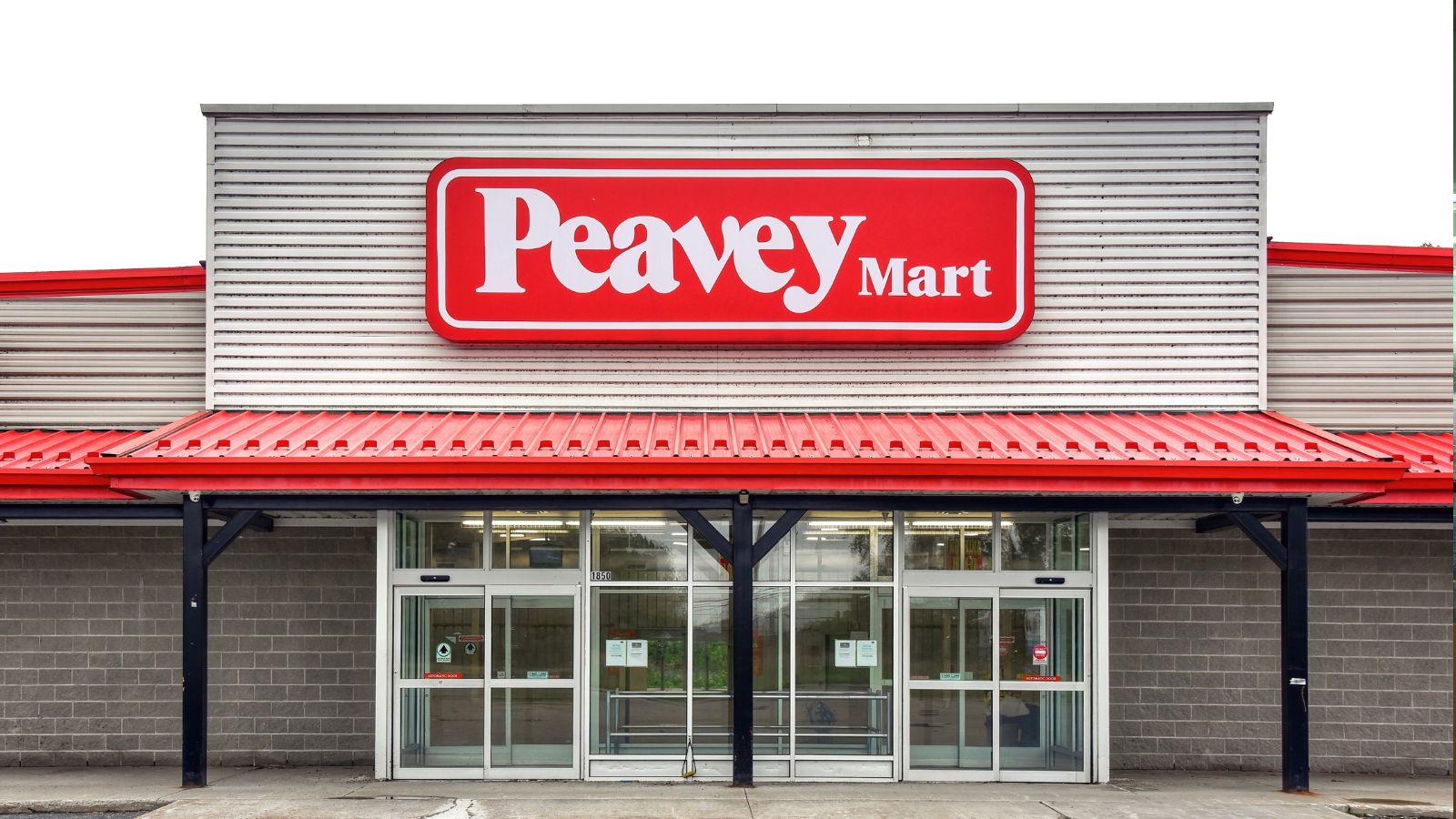
Peavey Mart has been closing select locations as it navigates financial restructuring and changing market conditions. The retailer primarily serves rural and agricultural communities, but demand patterns have shifted due to economic pressures and evolving consumer behaviour. Larger competitors and online retailers now offer similar products with greater convenience and competitive pricing. Maintaining physical stores in smaller markets has become more challenging, particularly when customer volume declines. Supply chain disruptions and rising operational costs have also affected profitability. The company is focusing on retaining stronger locations while closing those that are no longer sustainable.
Victoria’s Secret
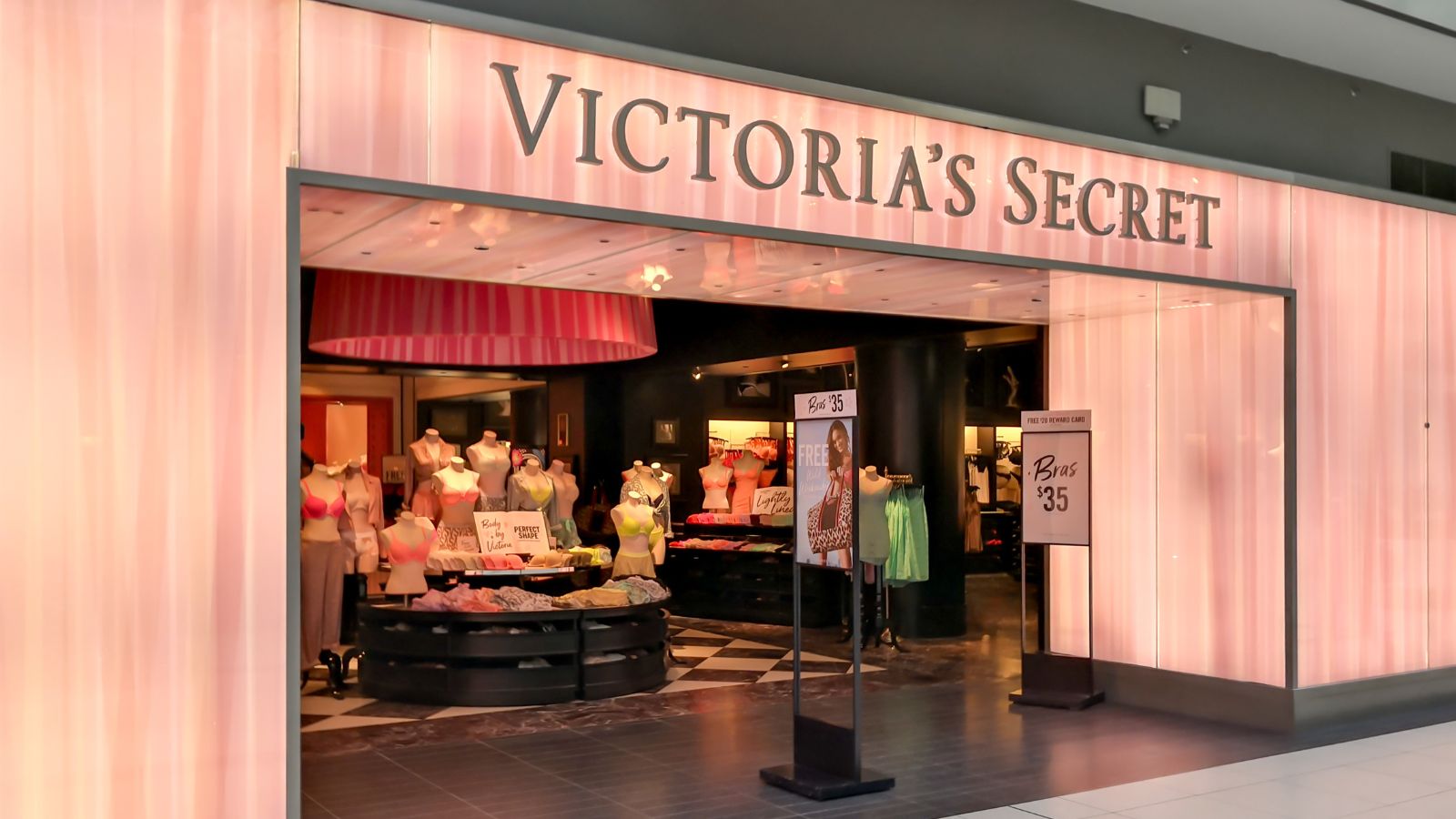
Victoria’s Secret has been reducing its Canadian store footprint as part of a global repositioning strategy. The brand has faced increasing competition from newer lingerie companies that focus on inclusivity, comfort, and direct-to-consumer models. Traditional mall-based stores are no longer the primary driver of sales, as customers increasingly shop online. Large store formats also come with higher operating costs, which are harder to justify with declining foot traffic. The company is shifting toward smaller, updated store concepts and stronger digital engagement. Another factor is changing consumer preferences, which have moved away from the brand’s traditional image.
Nordstrom Canada
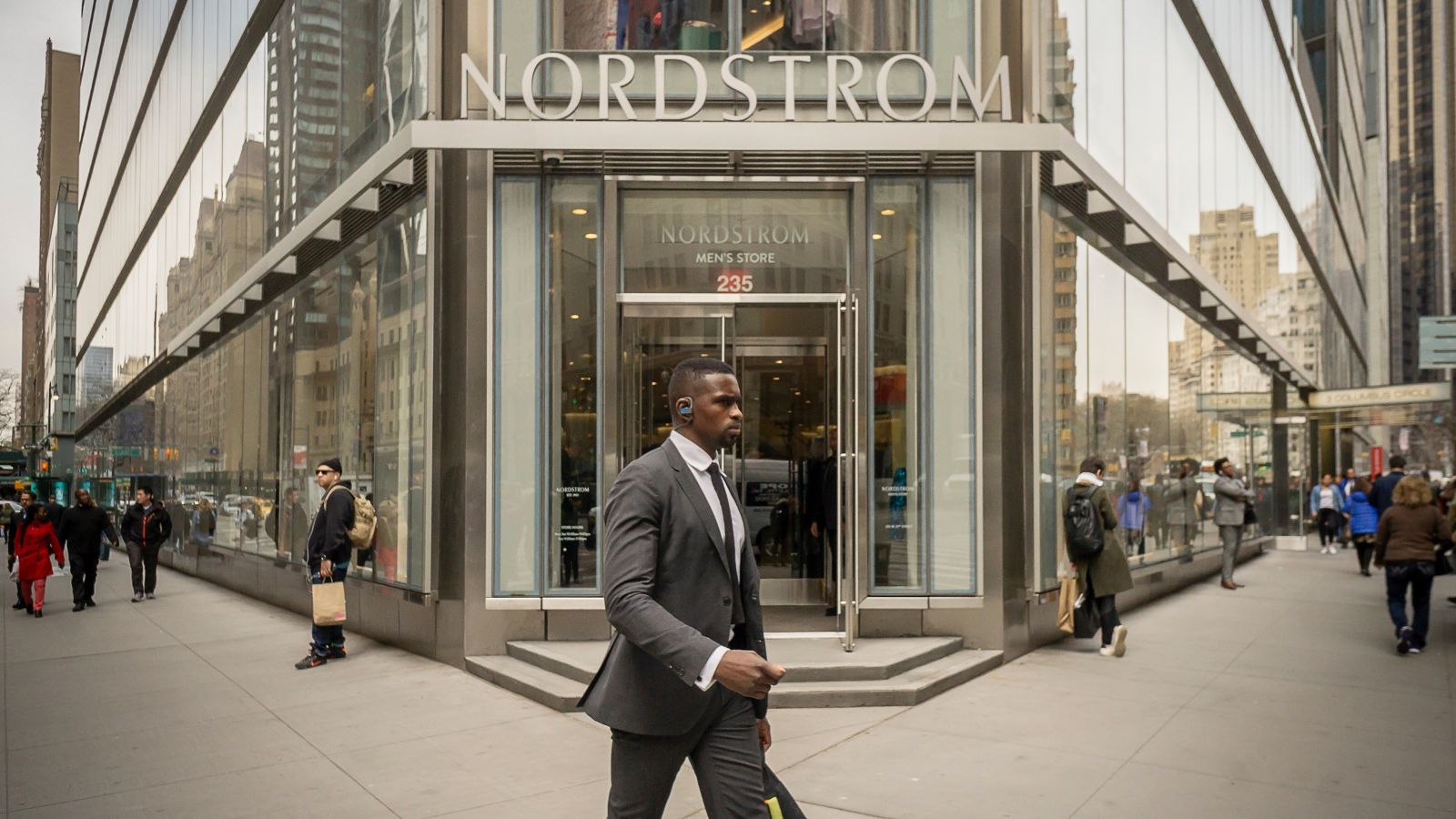
Nordstrom’s exit from Canada still shapes retail closures heading into 2026, as former locations remain vacant or repurposed. The brand struggled with profitability despite strong recognition and premium positioning. High operating costs, including rent in top-tier malls and staffing, made it difficult to sustain margins. Canadian consumer behaviour also played a role, as shoppers often compared prices with U.S. locations and online alternatives, reducing in-store conversions. The luxury department store model relies heavily on volume and brand exclusivity, both of which were harder to maintain in a smaller market.
Bed Bath & Beyond (Canada Impact)

Although Bed Bath & Beyond exited Canada earlier, its ripple effects continue into 2026 as replacement tenants fail to fully utilize former spaces. The brand’s collapse reflected deeper issues in big-box home retail, including overexpansion and reliance on coupons rather than strong pricing strategies. Canadian consumers increasingly turned to online platforms and discount retailers for home goods, reducing foot traffic. Large store formats became costly to maintain, especially as inventory turnover slowed. The closures were not sudden but the result of years of declining relevance.
Staples Canada
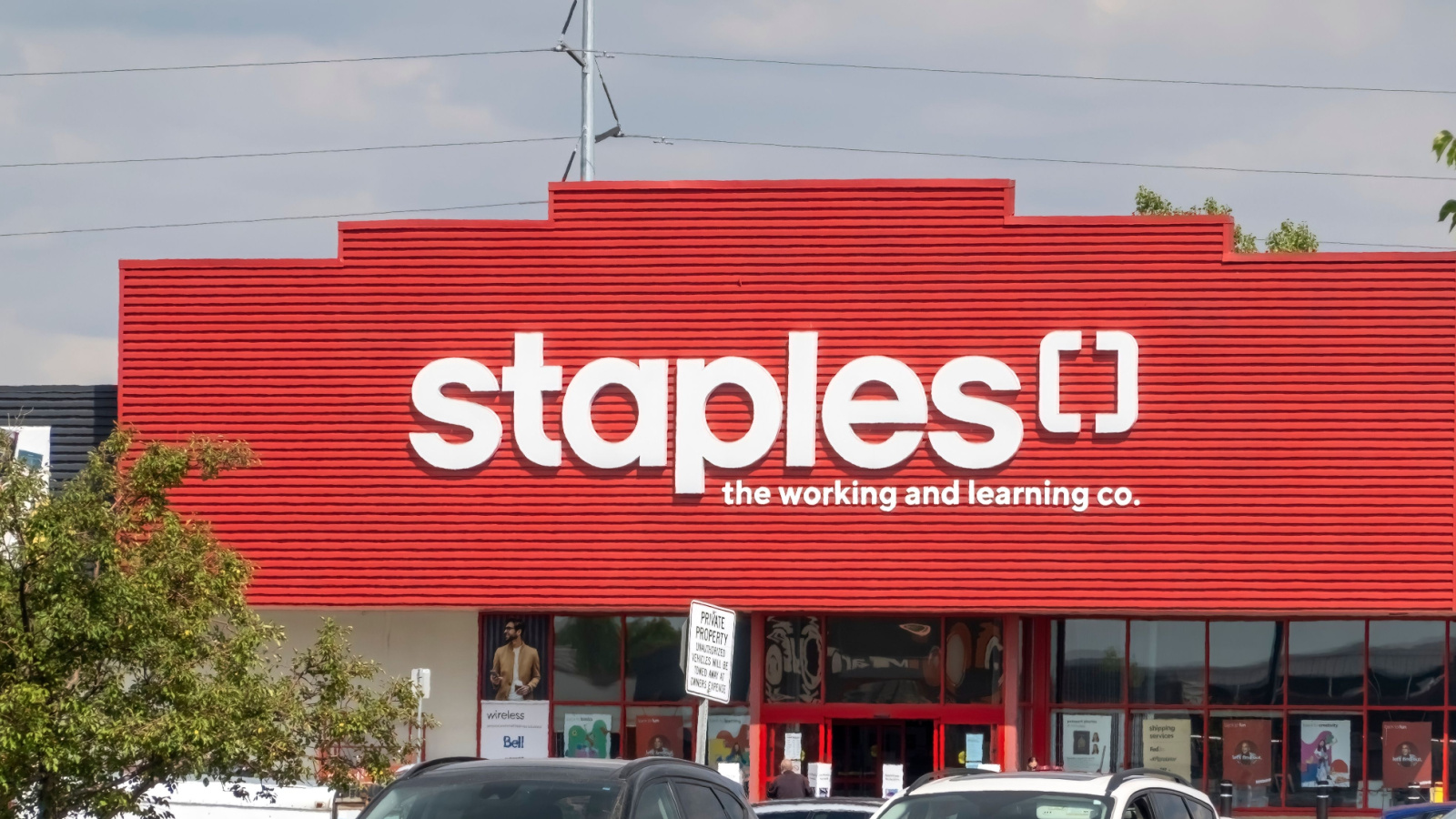
Staples Canada has been quietly reducing store sizes and closing underperforming locations as demand for traditional office supplies declines. Remote work and digital workflows have significantly reduced the need for physical stationery and printing services. While the company has adapted by expanding into services such as shipping and co-working, not all locations have been able to transition successfully. Larger stores are no longer necessary due to the reduced product demand. The real reason behind closures is a structural shift in how businesses and individuals operate, rather than a failure of the brand itself.
Mark’s (Work Wearhouse)
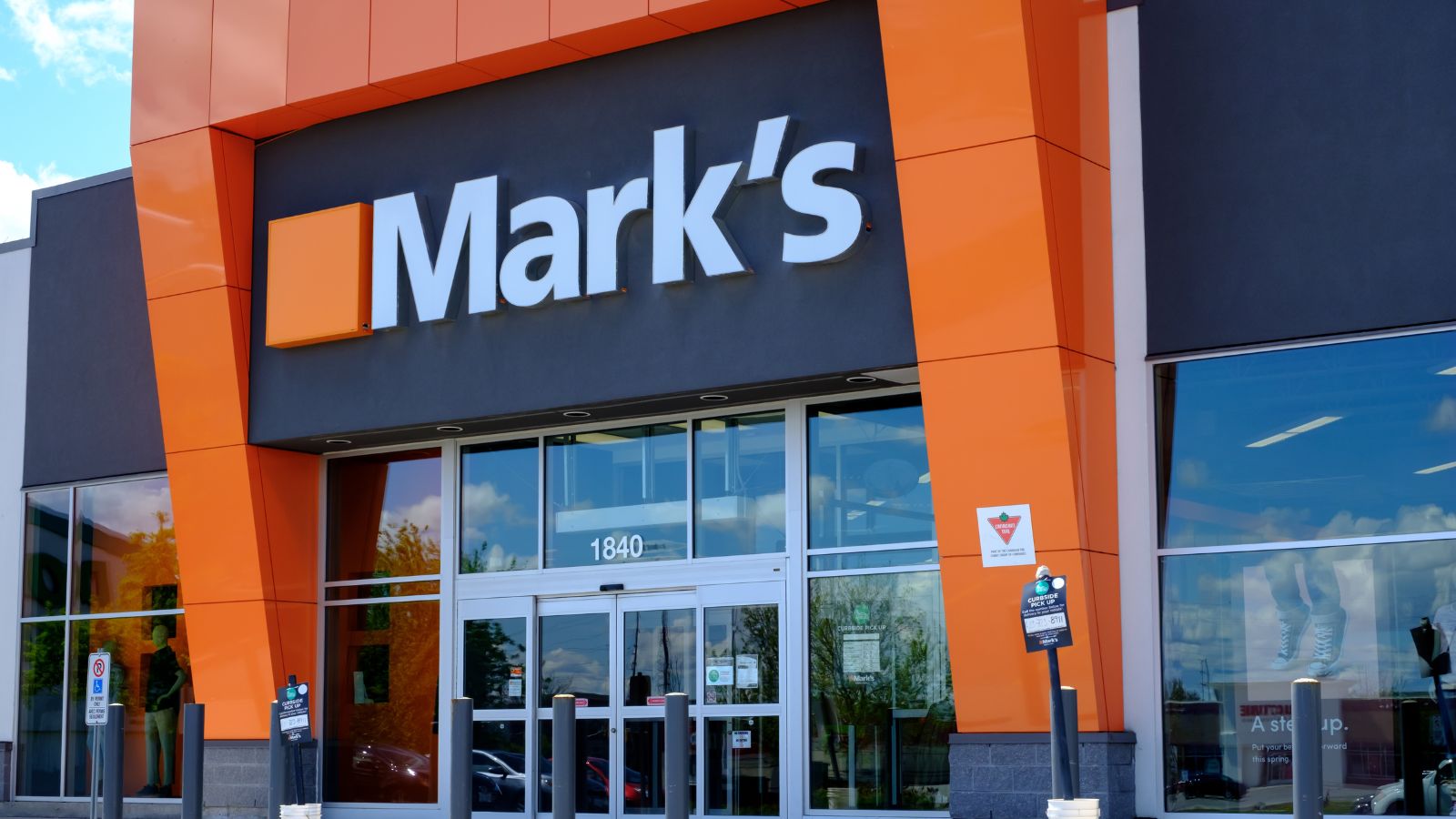
Mark’s has been consolidating locations as its traditional workwear focus evolves. While the brand remains strong, demand patterns have shifted, particularly with more Canadians working in hybrid or office environments rather than industrial settings. This reduces the frequency of purchases for durable workwear. At the same time, competition from online retailers and general apparel brands has increased. Some locations no longer generate enough traffic to justify operating costs. The closures reflect a shift in workforce trends rather than declining brand relevance.
Lululemon (Selective Closures)

Lululemon is not broadly declining, but it is strategically closing smaller or underperforming locations while investing in flagship stores and digital channels. The brand has reached a level of maturity where expansion is no longer the priority. Instead, it focuses on high-performing locations and e-commerce growth. Smaller stores in less busy areas are being phased out as they contribute less to overall revenue. This reflects a shift toward efficiency and brand positioning rather than aggressive expansion. The real reason is optimization, not contraction.
The Source
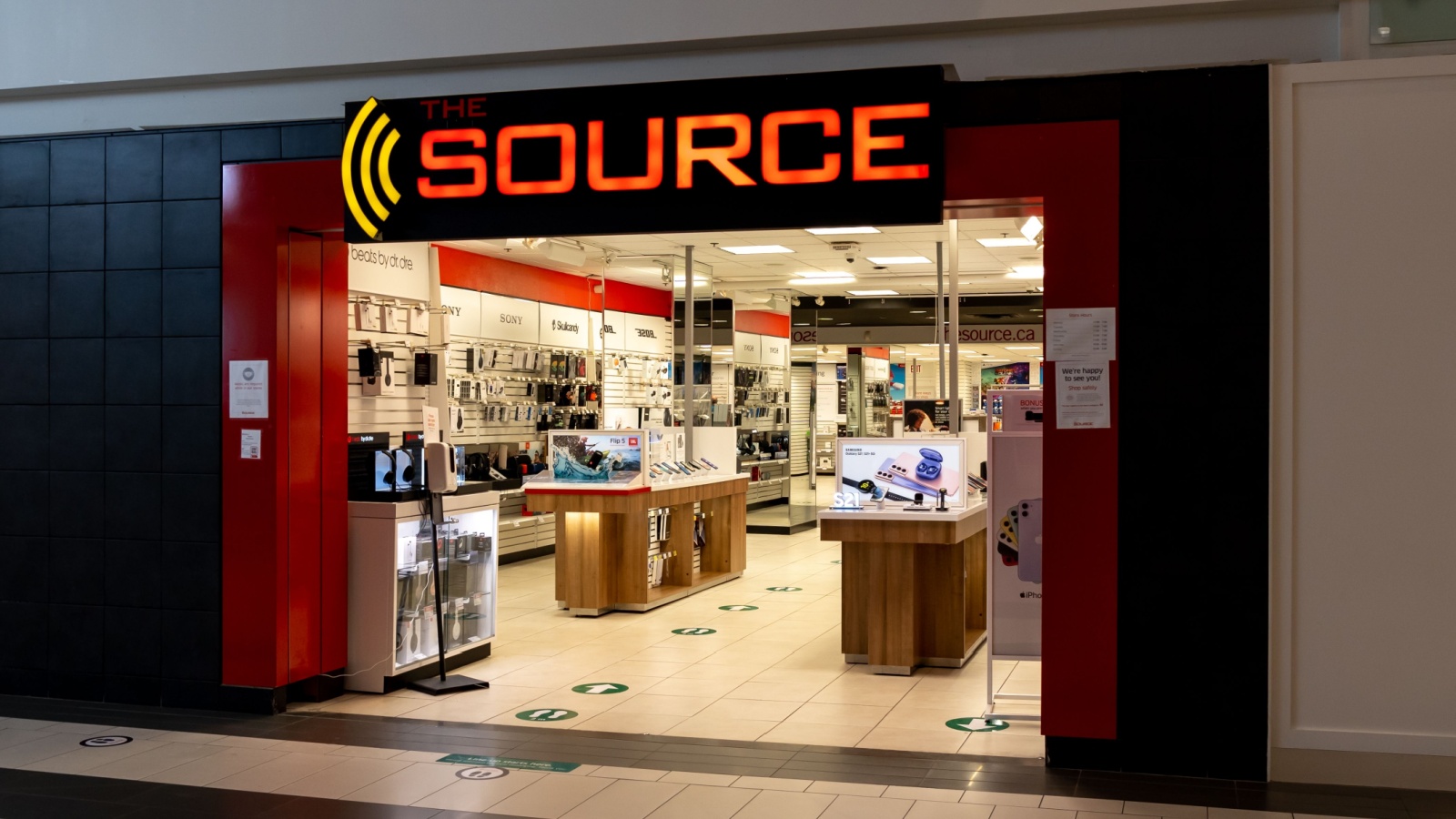
The Source has been closing locations as demand for small electronics retail continues to decline. Consumers now prefer purchasing electronics online, where pricing and selection are more competitive. The store’s traditional role as a convenient tech retailer has been weakened by major e-commerce platforms. Smaller items, once impulse purchases, are now ordered online. Maintaining physical stores for low-margin products has become less viable. The closures reflect a shift in purchasing behaviour rather than a sudden drop in demand.
Foot Locker Canada
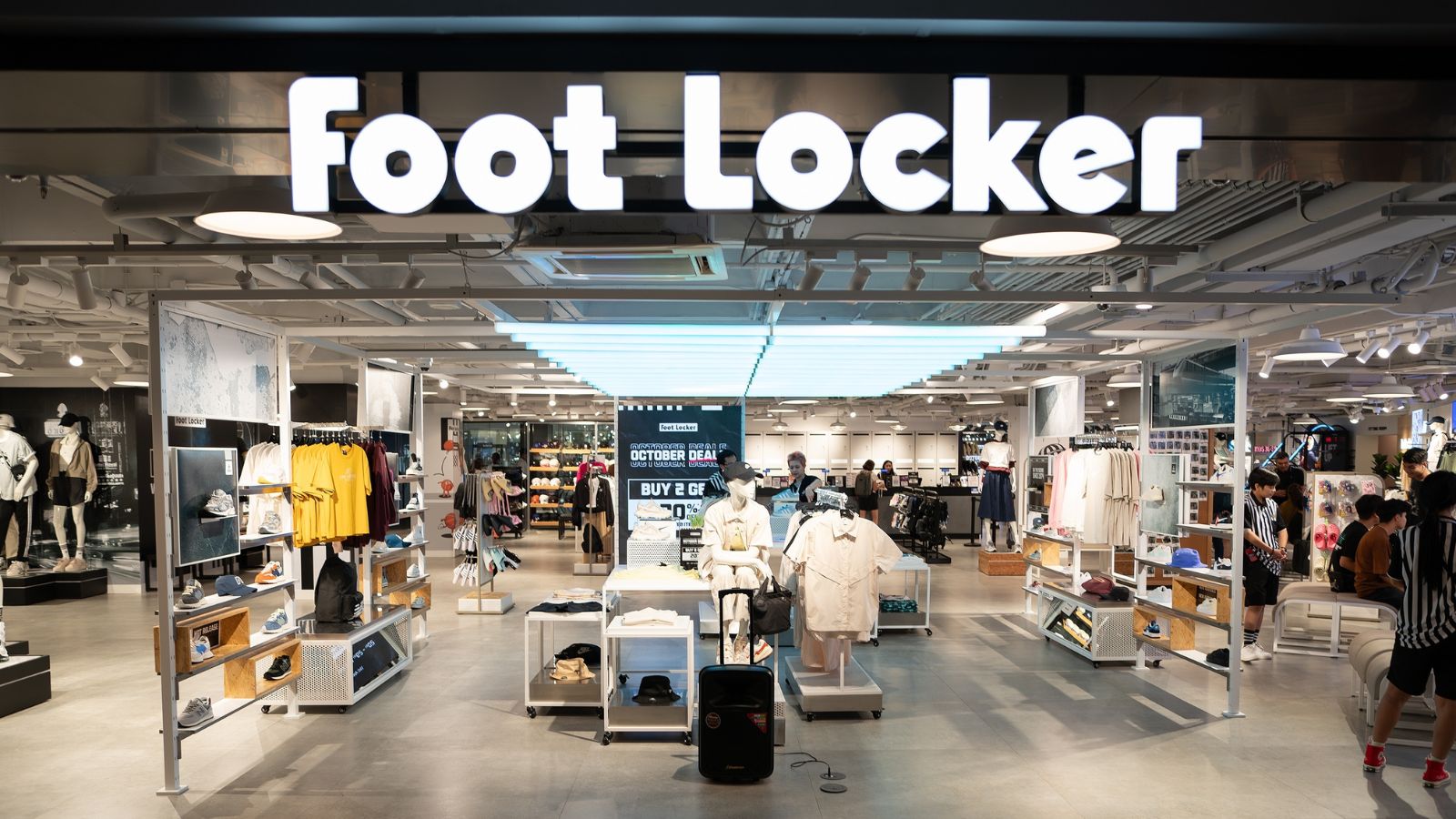
Foot Locker has been reducing its Canadian footprint as sneaker culture shifts toward direct-to-consumer sales. Major brands like Nike and Adidas are increasingly selling through their own platforms, reducing reliance on third-party retailers. This has limited Foot Locker’s access to exclusive products, which previously drove store traffic. At the same time, mall footfall has declined, affecting sales. The company is focusing on fewer, higher-performing locations. The real reason behind closures is a change in supplier strategy rather than consumer demand.
Indigo
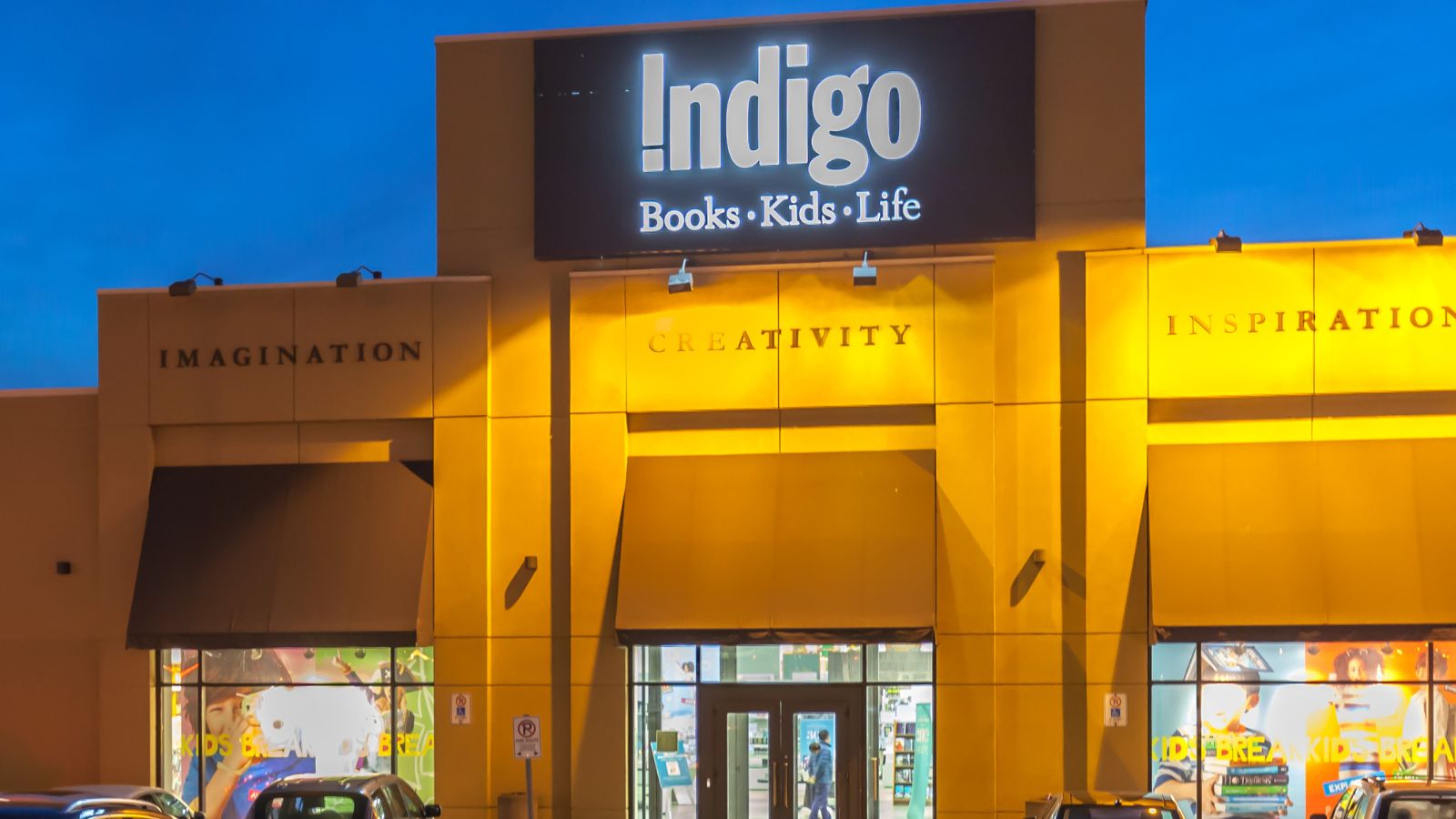
Indigo has been closing select locations as the book retail industry continues to evolve. While the brand remains strong, physical bookstores face challenges from online competition and digital reading formats. Large store formats require high operating costs, which are harder to sustain with fluctuating sales. Indigo has shifted toward lifestyle products and curated retail experiences, but not all locations perform equally. Closures are part of a strategy to maintain profitability while adapting to changing consumer habits.
Best Buy Canada

Best Buy has been optimizing its store network by closing underperforming locations and focusing on fewer, more efficient stores. Electronics retail has shifted heavily toward online purchasing, where price comparison is easier. Large physical stores are no longer necessary for showcasing products, especially as consumers research online before buying. The company is adapting by improving digital services and reducing retail overhead. The closures reflect efficiency-driven decisions rather than declining demand for electronics.
Dollarama (Selective Adjustments)

Dollarama continues to grow overall, but it has quietly closed or relocated certain underperforming stores in saturated markets. The brand’s expansion has reached a point where some areas have overlapping locations. Rather than maintaining all stores, the company is refining its footprint to improve efficiency. Rising operational costs and changing neighbourhood demographics also influence these decisions. The closures are not signs of weakness but part of a strategy to maintain strong margins while continuing expansion in more profitable areas.
19 Things Canadians Don’t Realize the CRA Can See About Their Online Income

Earning money online feels simple and informal for many Canadians. Freelancing, selling products, and digital services often start as side projects. The problem appears at tax time. Many people underestimate how much information the CRA can access. Online platforms, banks, and payment processors create detailed records automatically. These records do not disappear once money hits an account. Small gaps in reporting add up quickly.
Here are 19 things Canadians don’t realize the CRA can see about their online income.
