
Tax season in Canada often brings last-minute filing, rushed calculations, and overlooked details that can quietly reduce refunds or trigger reassessments. Many mistakes are not major errors but small oversights that add up over time. With CRA systems becoming more automated and data-driven, inconsistencies are easier to detect than ever. Canadians who assume everything will “just go through” often miss opportunities to maximize returns or avoid penalties. Here are 16 tax-time mistakes Canadians make every April.
Not Reporting All Income Sources

One of the most common mistakes Canadians make during tax season is failing to report all sources of income. This often includes freelance work, side gigs, investment earnings, or small contract payments that may not seem significant. However, the CRA receives copies of most income slips, including T4A, T5, and other reporting forms, making discrepancies easy to detect. Even if an amount seems minor, failing to include it can trigger reassessment or penalties. Many taxpayers assume that if they did not receive a slip, the income does not need to be reported, which is incorrect. All income must be declared, regardless of whether documentation is issued. To avoid this mistake, Canadians should review bank statements, payment platforms, and any additional earnings throughout the year.
Missing Eligible Deductions

Many Canadians lose potential refunds by failing to claim deductions they are entitled to. This often happens because taxpayers are unaware of available deductions or assume they do not qualify. Commonly missed deductions include home office expenses, moving costs, childcare expenses, and certain employment-related costs. Each of these can significantly reduce taxable income if claimed correctly. The challenge is understanding eligibility requirements, which can vary depending on employment status and documentation. Without proper knowledge, taxpayers may overlook deductions that could increase their refund. Another issue is failing to keep receipts or records needed to support claims. The CRA may request proof, and without it, deductions can be denied.
Filing Late Without Realizing Penalties

Filing taxes late is a common mistake that can lead to unnecessary penalties and interest charges. Canadians who owe taxes and miss the deadline are subject to immediate penalties, which increase over time. Even those expecting refunds may delay filing, not realizing that certain benefits and credits are tied to timely submissions. This can affect payments such as GST or provincial benefits. Many taxpayers underestimate the importance of deadlines, assuming small delays will not have consequences. However, the CRA applies penalties consistently, especially for repeated late filings. To avoid this issue, Canadians should aim to file before the deadline, even if they cannot pay the full amount owed. Payment arrangements can often be made, but filing late creates additional complications.
Entering Incorrect Personal Information

Incorrect personal information is a simple but impactful mistake that can delay tax processing or cause errors in assessment. Canadians sometimes enter wrong Social Insurance Numbers, misspell names, or provide outdated addresses. These errors may seem minor, but they can lead to mismatches in CRA records, resulting in delays or rejected filings. In some cases, incorrect information can affect benefit payments or tax credits linked to personal details. This issue often arises from rushing through the filing process without double-checking entries. Using previous returns without updating information can also contribute to errors. To avoid this mistake, taxpayers should carefully review all personal details before submitting their return.
Overlooking Carryforward Credits
Carryforward credits are often overlooked by Canadians, leading to missed opportunities for reducing tax liability. These credits include unused tuition amounts, capital losses, and other deductions that can be applied in future years. Many taxpayers either forget about them or are unaware they exist. The CRA tracks some of these amounts, but it is still important for individuals to review their Notice of Assessment to understand what is available. Failing to use carryforward credits means paying more tax than necessary. This mistake is common among students, investors, and individuals with fluctuating income.
Not Claiming Work-From-Home Expenses Properly

Work-from-home expenses became more common in recent years, but many Canadians either claim them incorrectly or miss them entirely. Eligibility depends on employment conditions and whether proper documentation is available. Some taxpayers assume they qualify automatically, while others avoid claiming due to confusion about requirements. Incorrect claims can lead to reassessment, while missed claims reduce potential refunds. Understanding the difference between flat rate and detailed methods is important, as each has specific criteria. Keeping records of expenses such as utilities and workspace costs helps support claims. Reviewing CRA guidelines ensures accurate reporting. Properly claiming these expenses can provide meaningful tax savings.
Forgetting to Report Foreign Income
Many Canadians overlook foreign income when filing taxes, especially if it was earned through online platforms or overseas investments. The CRA requires residents to report worldwide income, regardless of where it was earned. Failing to do so can result in penalties and reassessments. This mistake often occurs because taxpayers assume foreign earnings are not subject to Canadian tax. However, tax treaties and credits may apply, but income must still be declared. Keeping track of international earnings and converting amounts correctly is essential. Reporting foreign income accurately ensures compliance and avoids complications with the CRA.
Claiming Ineligible Expenses

Claiming expenses that do not qualify is another common mistake that can lead to reassessment or penalties. Canadians sometimes misunderstand eligibility rules or rely on incorrect advice when filing. For example, personal expenses may be incorrectly claimed as business deductions. The CRA reviews claims and may request supporting documentation. If expenses are denied, taxpayers may need to repay amounts with interest. To avoid this, it is important to understand what qualifies and maintain proper records. Accurate claims ensure compliance and reduce the risk of issues during review.
Ignoring CRA Notices and Messages

Many Canadians ignore messages or notices from the CRA, assuming they are routine or not urgent. This can lead to missed deadlines, denied credits, or reassessments that could have been resolved quickly. CRA communications often request additional information, clarification, or documentation to support claims made in a tax return. Failing to respond on time can result in automatic adjustments that reduce refunds or increase taxes owed. Some taxpayers avoid opening messages due to confusion or concern, which only delays resolution. With CRA accounts becoming more digital, important updates are now delivered online rather than by mail. Canadians should regularly check their CRA My Account and respond promptly to any requests. Addressing issues early prevents escalation and helps maintain accurate records.
Not Keeping Proper Receipts and Records

Failing to keep proper receipts and records is a common mistake that can cause problems if the CRA reviews a return. Canadians often claim deductions or credits without maintaining the documentation needed to support them. While a return may be processed initially, the CRA can request proof later, sometimes months after filing. Without receipts, claims may be denied, resulting in reduced refunds or additional taxes owed. This is especially important for deductions such as medical expenses, charitable donations, and employment costs. Many taxpayers rely on memory or incomplete records, which increases the risk of errors. Keeping organized records throughout the year makes filing easier and ensures that all claims can be supported if required. Digital copies are generally acceptable and can help prevent loss of documents.
Filing Without Reviewing the Return

Rushing to file without reviewing the return is a mistake that can lead to errors and missed opportunities. Canadians often rely on tax software and assume that everything is calculated correctly, but inputs still need to be verified. Small mistakes such as incorrect numbers, missed slips, or overlooked credits can affect the final outcome. Reviewing the return helps identify inconsistencies and ensures that all information is complete. This step is especially important when multiple income sources or deductions are involved. Many errors are preventable with a simple review before submission. Taking time to check entries, totals, and personal information can avoid delays and reassessments. It also ensures that refunds are accurate and not reduced due to avoidable mistakes.
Missing Tax Credit Eligibility Changes
Tax credit eligibility can change from year to year, but many Canadians assume the same rules apply every time they file. This can result in missed credits or incorrect claims. Government updates may affect eligibility for benefits such as climate incentives, childcare credits, or provincial programs. Failing to stay informed means taxpayers may not claim available credits or may claim ones they no longer qualify for. This mistake often happens when individuals rely on previous returns without checking current rules. Reviewing updated CRA guidelines ensures that all claims are accurate and relevant for the current tax year. Canadians should also pay attention to life changes such as income shifts, family status, or relocation, as these can affect eligibility.
Not Reporting Capital Gains Correctly

Capital gains reporting is often misunderstood, leading to errors that affect tax calculations. Canadians may forget to report gains from investments, property sales, or cryptocurrency transactions. Others may incorrectly calculate gains by not accounting for adjusted cost base or transaction fees. The CRA requires accurate reporting of all capital gains, and discrepancies can trigger reassessment. Some taxpayers assume small gains do not need to be reported, which is incorrect. Keeping detailed records of purchase prices, sale amounts, and associated costs is essential for proper calculation. Using accurate figures ensures that only the taxable portion is reported. Failing to do so can result in overpaying or underreporting taxes. Understanding how capital gains work helps avoid confusion and ensures compliance.
Forgetting to Include Spousal Information

Many Canadians overlook the importance of including accurate spousal information when filing taxes. Even if spouses file separately, their information must still be reported correctly.
This affects eligibility for various credits and benefits, including GST payments and income-based programs. Missing or incorrect spousal details can lead to incorrect calculations and reduced benefits. The CRA uses combined household income to determine eligibility for many credits, making accurate reporting essential. Changes in marital status during the year must also be reflected in the return. Failing to update this information can result in reassessment or delayed payments.
Not Using RRSP Contributions Strategically
RRSP contributions are a valuable tool for reducing taxable income, but many Canadians do not use them strategically. Some contribute without considering how it affects their current or future tax situation, while others fail to contribute at all. Timing and amount are important factors, as contributions can be carried forward to maximize benefits in higher income years. Many taxpayers miss opportunities by not reviewing their contribution room or understanding how deductions work. Proper planning can significantly increase refunds or reduce taxes owed. Canadians should consider income levels, future earnings, and available room when making contributions.
Assuming CRA Will Correct Everything Automatically
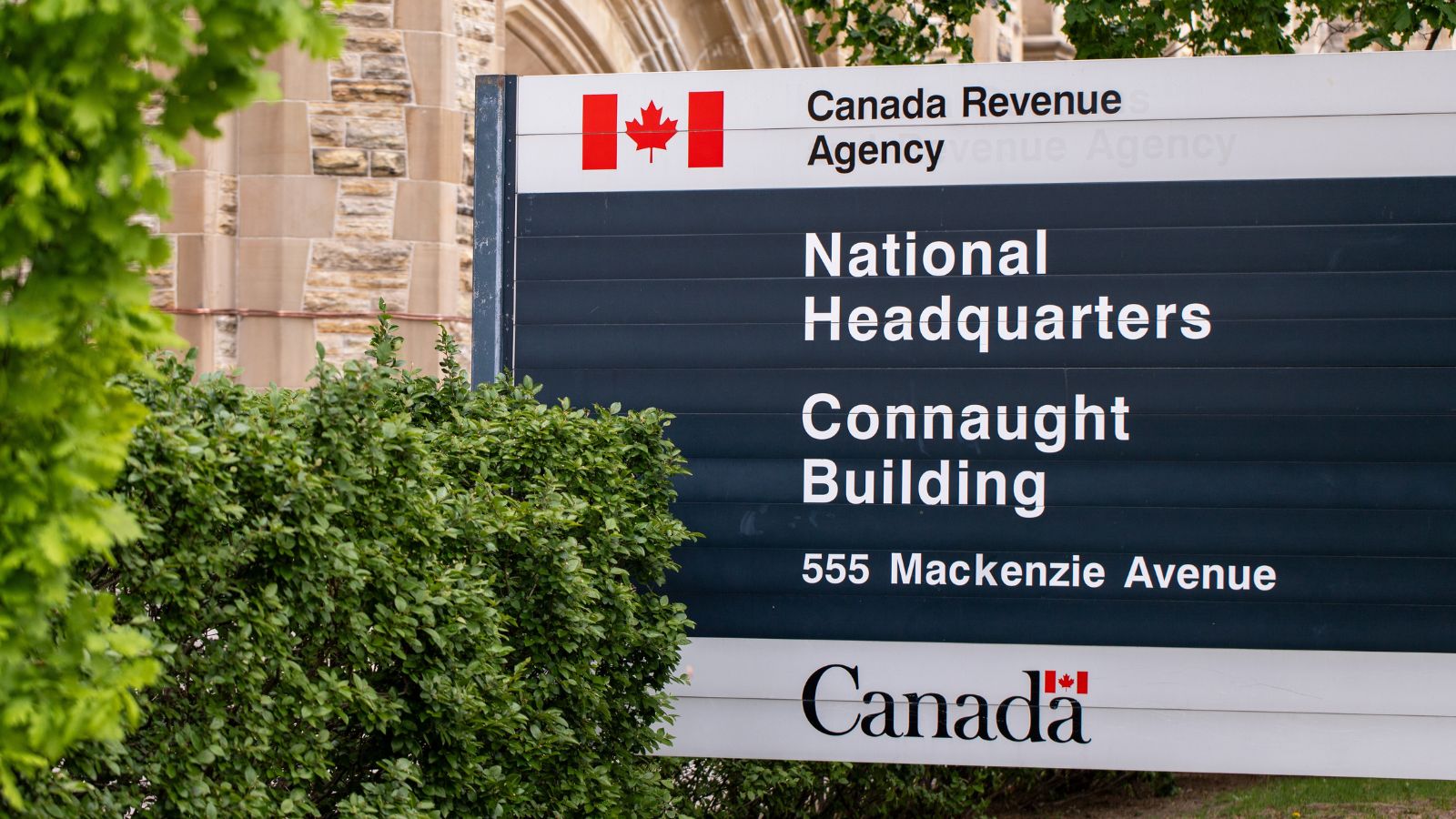
Many Canadians assume that the CRA will automatically correct any mistakes in their tax return, but this is not always the case. While the CRA may adjust certain discrepancies based on available information, not all errors are identified or fixed. Relying on this assumption can lead to missed deductions, incorrect reporting, or delayed refunds. Taxpayers are responsible for ensuring their returns are accurate and complete. The CRA may request additional information or issue reassessments, but it does not guarantee correction of all errors. Canadians should take an active role in reviewing their returns and ensuring accuracy before submission.
19 Things Canadians Don’t Realize the CRA Can See About Their Online Income

Earning money online feels simple and informal for many Canadians. Freelancing, selling products, and digital services often start as side projects. The problem appears at tax time. Many people underestimate how much information the CRA can access. Online platforms, banks, and payment processors create detailed records automatically. These records do not disappear once money hits an account. Small gaps in reporting add up quickly.
Here are 19 things Canadians don’t realize the CRA can see about their online income.
