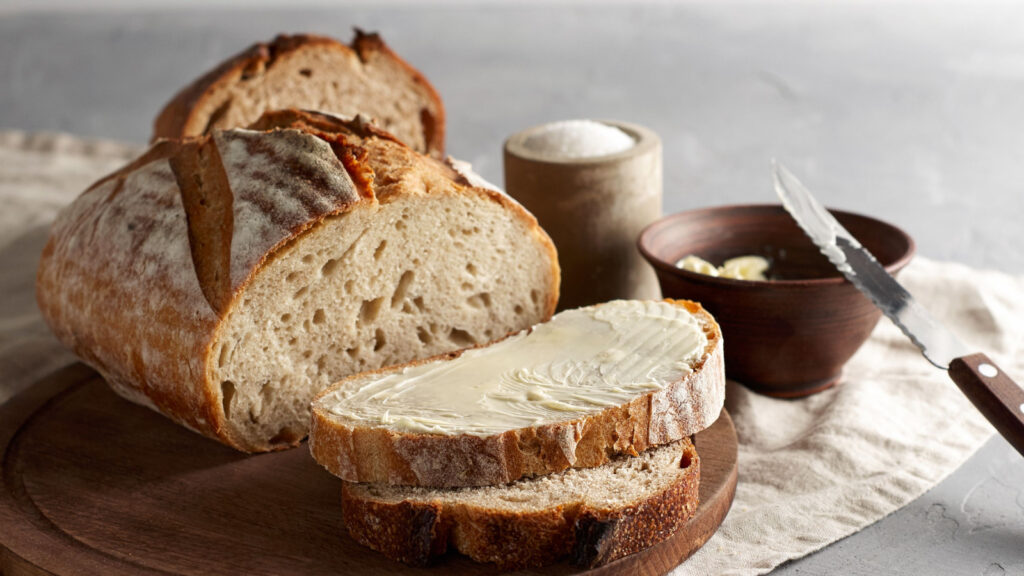
Across Canada, many everyday household staples are quietly being repositioned as “premium” products, allowing companies to increase prices without obvious backlash. This shift often involves subtle changes such as upgraded packaging, added ingredients, or branding that suggests higher quality. While these adjustments may seem minor, they can significantly increase costs for consumers over time. Canadians often continue purchasing these items out of habit, even as prices rise. Here are 24 household staples getting premium-ized in Canada.
Milk

Milk in Canada has increasingly been marketed with premium labels such as organic, grass-fed, lactose-free, or enriched with additional nutrients. While these variations offer real differences, the expansion of premium options has also shifted baseline pricing upward. Standard milk is often placed alongside higher-priced alternatives, making it seem less appealing by comparison. Packaging changes, branding, and claims about sourcing or animal welfare further justify higher costs. Many Canadians choose these options, believing they are healthier or higher-quality, even when the nutritional differences are minimal in everyday use. This strategy allows retailers to increase average selling prices.
Bread
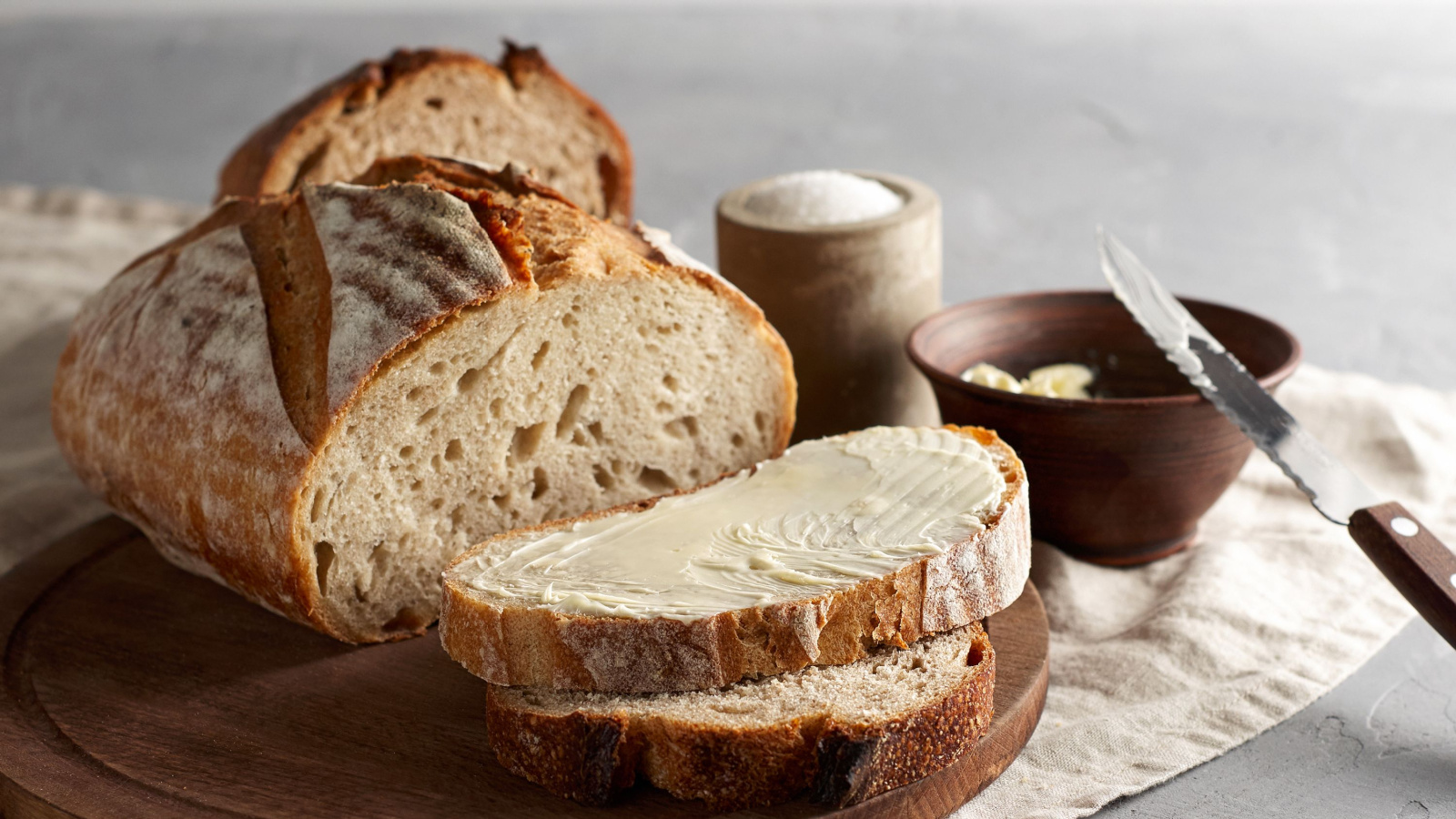
Bread has seen a noticeable shift toward premium positioning, with labels emphasizing artisan methods, whole grains, or specialty ingredients. While traditional white or basic loaves still exist, shelf space is increasingly dominated by products that appear more refined or health-focused. These breads often come in smaller quantities but are priced significantly higher. Packaging plays a key role, with rustic designs and branding that suggest quality and craftsmanship. Canadians are drawn to these options due to perceived health benefits or better taste. However, many of these differences are marginal for everyday consumption.
Eggs

Eggs are another staple that has been heavily premium-ized in Canada through labels such as free-run, free-range, organic, and omega-enriched. While these categories reflect differences in production, they also create multiple pricing tiers that raise overall expectations. Standard eggs are still available, but premium varieties often dominate displays, influencing purchasing decisions. Packaging and marketing emphasize animal welfare and nutritional benefits, which encourage consumers to pay more. Canadians often choose these options based on perceived quality improvements. However, for many households, the practical difference in everyday use may be limited. This shift allows producers to maintain higher average prices across the category.
Butter

Butter has undergone premium positioning through branding that highlights origin, quality, and traditional production methods. Labels such as European-style or cultured butter are becoming more common, often priced significantly higher than standard options. These products are marketed as offering better flavour or texture, which appeals to consumers interested in cooking or baking. Packaging also plays a role, with more refined designs that suggest higher quality. Canadians may choose these options occasionally, but their presence raises the overall price perception of butter. Standard butter often increases in price alongside these premium alternatives.
Yogurt

Yogurt has expanded into a wide range of premium categories, including Greek, plant-based, probiotic, and high-protein options. These products are often marketed as healthier or more beneficial, allowing for higher pricing. Packaging emphasizes wellness, ingredients, and lifestyle benefits, which attract health-conscious consumers. While these options offer variety, they also shift the pricing baseline upward. Standard yogurt is still available but is often overshadowed by premium versions. Canadians may choose these products for perceived health advantages, even when the difference is not significant for everyday consumption.
Coffee

Coffee has seen a major shift toward premium branding, with terms like single-origin, small-batch, and ethically sourced becoming more common. These labels suggest higher quality and justify increased prices. Canadians, who consume coffee regularly, are often willing to pay more for perceived improvements in taste or sourcing. Packaging and branding play a significant role in reinforcing this perception. While premium coffee offers variety, it also raises expectations for pricing across the category. Even standard blends become more expensive as premium options dominate the market. This trend reflects a broader shift toward experience-based consumption, where branding influences value perception.
Rice

Rice has traditionally been an affordable staple, but premium positioning has introduced varieties such as jasmine, basmati, organic, and specialty blends at higher price points. Packaging emphasizes origin and quality, which influences consumer perception. Canadians may choose these options for flavour or health reasons, but the presence of premium varieties raises the overall price range. Standard rice becomes less prominent, and price expectations shift upward. This allows retailers to increase margins while maintaining demand. Over time, even basic rice appears more expensive compared to previous years.
Pasta

Pasta has evolved from a simple staple into a category filled with premium options such as whole grain, gluten-free, organic, and imported varieties. These products are marketed as healthier or higher quality, often at significantly higher prices. Packaging and branding emphasize authenticity and ingredients, which attract consumers seeking better options. While these variations provide choice, they also increase average pricing across the category. Standard pasta remains available but is often overshadowed by premium alternatives. Canadians may choose these options for dietary reasons or perceived quality improvements.
Cooking Oil

Cooking oil has seen increased premium positioning through labels such as cold-pressed, organic, and specialty blends. These products are marketed as healthier or more suitable for specific cooking methods. Packaging often highlights origin and processing techniques, which adds to perceived value. Canadians may choose these options for health reasons, even when basic oils serve the same purpose. The presence of premium oils raises overall pricing expectations. Standard oils may also increase in price as a result. This shift reflects how even simple cooking staples can be repositioned to justify higher costs.
Chicken

Chicken has been segmented into multiple premium categories, including free-range, organic, and air-chilled options. These variations are marketed as higher quality, often at significantly higher prices. Packaging emphasizes farming practices and animal welfare, influencing consumer decisions. Canadians may choose these options for perceived health or ethical reasons. While these differences are real, they also contribute to higher average pricing across the category. Standard chicken becomes less prominent, and expectations shift upward. This allows producers to increase margins while maintaining demand.
Frozen Vegetables
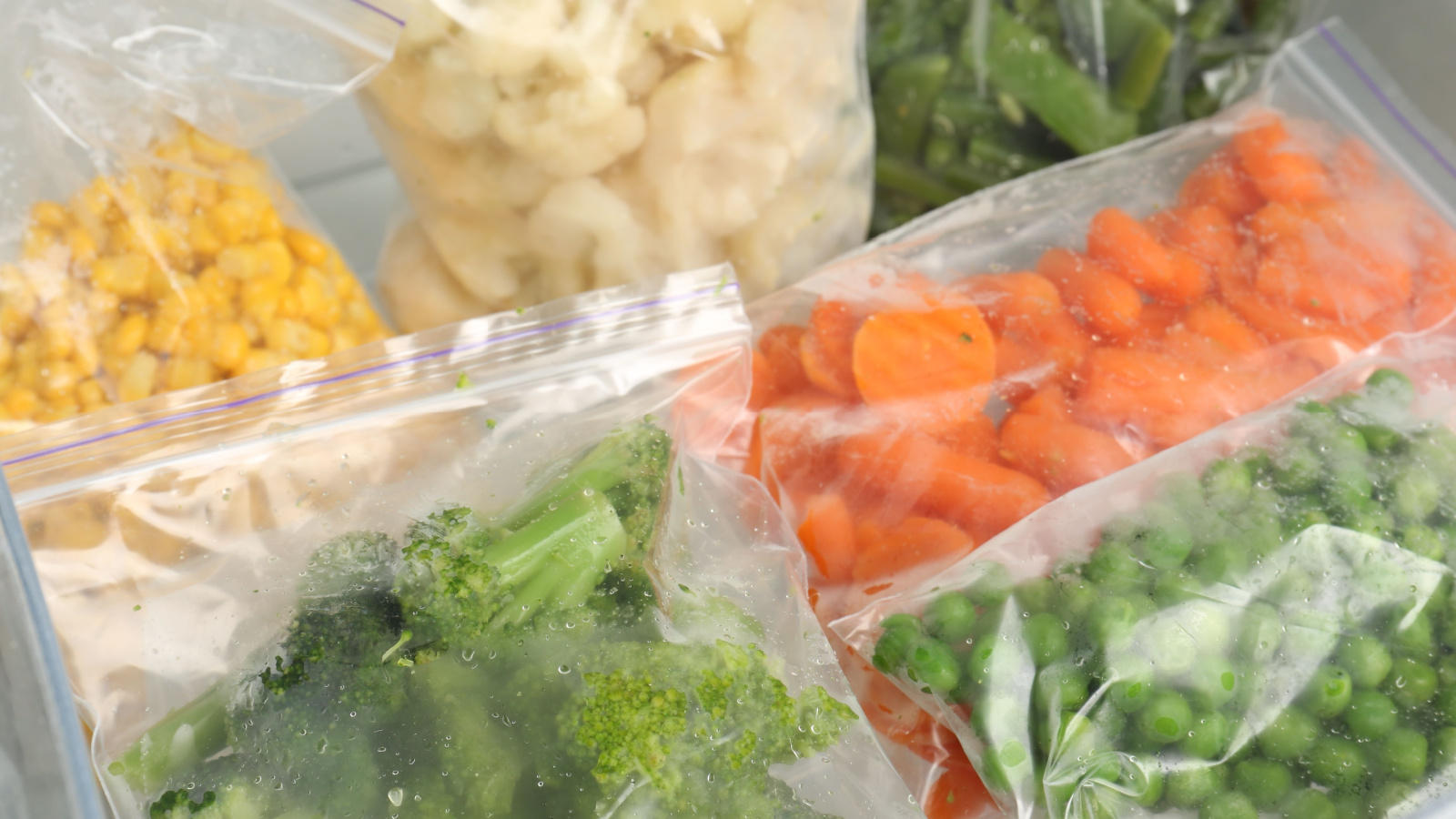
Frozen vegetables have been repositioned with premium labels such as organic, flash-frozen, or farm-picked quality. These claims suggest better freshness and nutritional value, allowing for higher pricing. Packaging often emphasizes quality and sourcing, which influences consumer perception. Canadians may choose these options, believing they are superior to standard frozen products. While there may be differences, they are often minimal for everyday use. This trend allows manufacturers to increase prices while maintaining demand. Standard options become less visible, and pricing expectations rise. The result is a staple product that becomes more expensive through branding rather than major changes.
Cheese
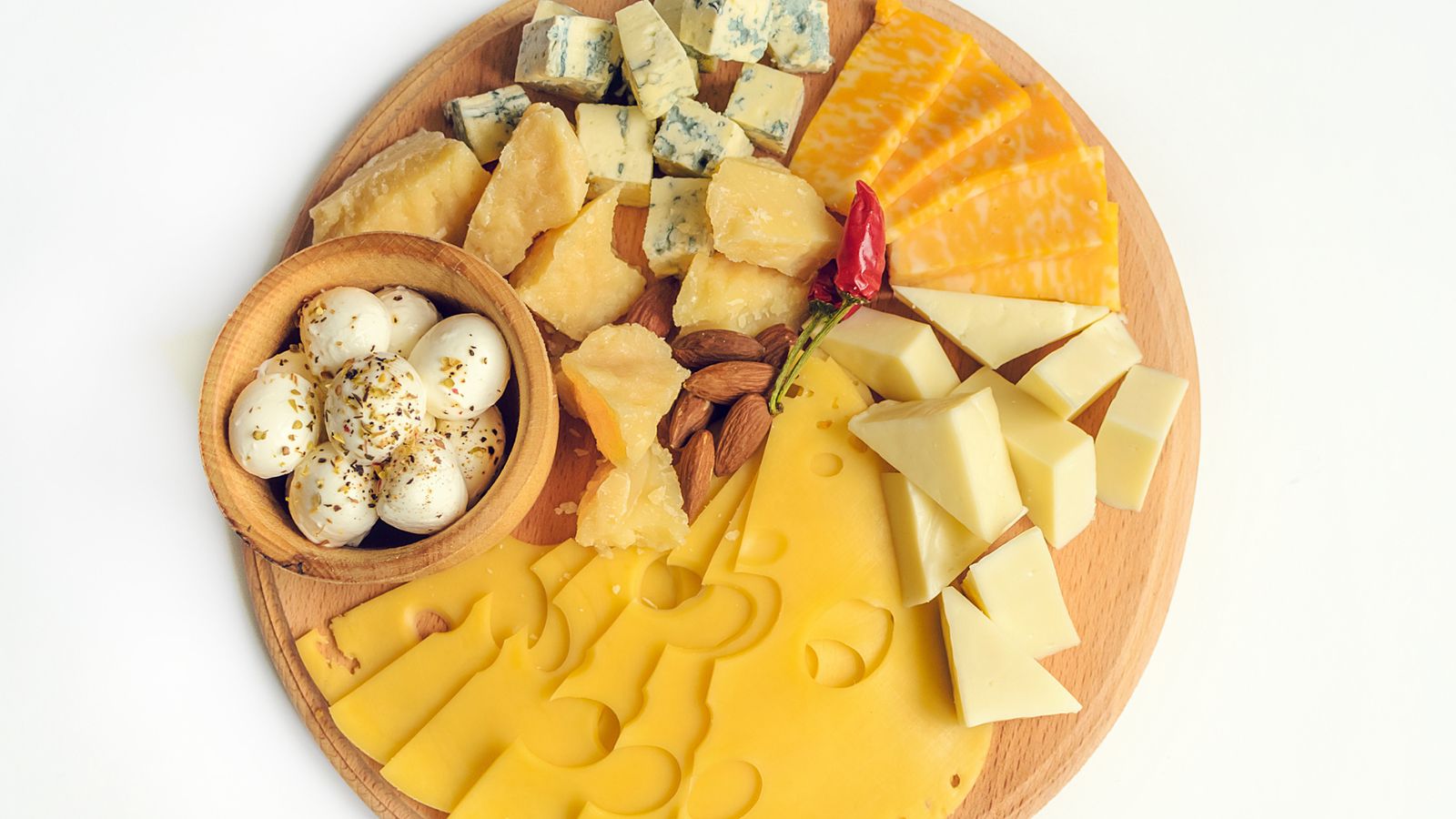
Cheese has seen significant premium-ization through specialty varieties, imported options, and artisanal branding. Even common types are now marketed with enhanced packaging and quality claims. Canadians are often willing to pay more for perceived authenticity or flavour. This allows retailers to increase prices across the category. Standard cheese remains available but is influenced by the presence of higher-end options. Cheese has become a product where branding and variety drive costs more than basic production changes.
Orange Juice

Orange juice has increasingly been positioned as a premium product in Canada through labels such as not-from-concentrate, cold-pressed, and pulp-enhanced varieties. These distinctions are marketed as offering superior taste and nutritional value, allowing producers to justify higher pricing. Packaging often emphasizes freshness, origin, and minimal processing, which appeals to health-conscious consumers. While these features may offer slight differences, they also shift the perception of what constitutes standard juice. Canadians frequently choose these options, believing they are making a healthier choice, even when the nutritional differences are modest.
Cereal

Cereal has undergone significant premium-ization, with products now marketed as high-protein, organic, gluten-free, or fortified with additional nutrients. These variations often come in smaller packages but carry noticeably higher prices. Packaging plays a major role, with bold claims about health benefits and lifestyle alignment attracting consumer attention. Canadians may choose these cereals for perceived nutritional advantages, even when differences are minimal for everyday consumption. Traditional cereals still exist but are often overshadowed by premium alternatives that dominate shelf space.
Ice Cream

Ice cream in Canada has shifted toward premium positioning with labels such as small-batch, artisanal, and high-fat content varieties. These products emphasize richer texture and higher-quality ingredients, allowing for increased pricing. Packaging often features minimalist designs and premium branding that suggest exclusivity. Canadians are drawn to these products as occasional treats, but their presence raises expectations for pricing across the entire category. Standard ice cream becomes less prominent, and even basic options may increase in cost. This trend reflects a shift toward indulgence-based marketing, where consumers are encouraged to view ice cream as a premium experience rather than a simple dessert. While quality differences may exist, the overall effect is higher average prices.
Bottled Water

Bottled water has been heavily premium-ized through branding that emphasizes source, purity, and mineral content. Labels such as spring water, glacier water, or alkaline water suggest higher quality, allowing companies to charge significantly more. Packaging plays a key role, with sleek designs and eco-friendly messaging enhancing perceived value. Canadians often purchase these products for convenience or perceived health benefits, even though basic tap water is widely available and regulated. The presence of premium bottled water raises overall price expectations, making standard options appear less desirable. This shift allows companies to increase margins without changing the fundamental product. Over time, bottled water becomes less about necessity and more about branding and lifestyle positioning.
Cleaning Products

Cleaning products have seen increased premium positioning through labels such as eco-friendly, non-toxic, and plant-based formulas. These products are marketed as safer and more sustainable, allowing for higher prices than traditional options. Packaging often highlights environmental benefits and modern aesthetics, which attract consumers seeking responsible choices. While these products may offer certain advantages, they also contribute to higher overall costs for basic household cleaning. Standard products remain available but are often positioned as less desirable. Canadians may choose premium options based on values or perceived effectiveness, even when differences are not substantial for routine use.
Paper Towels
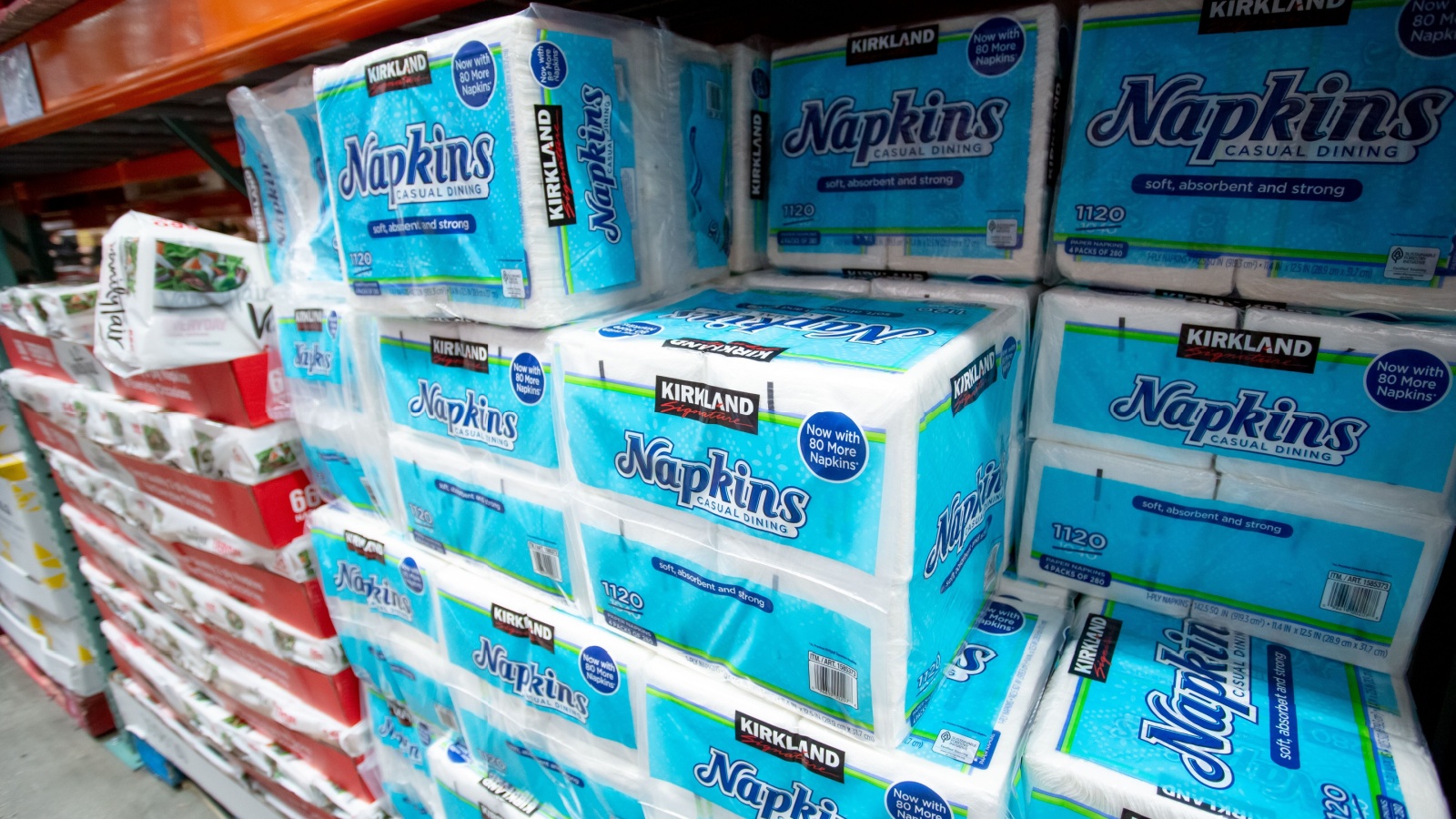
Paper towels have been repositioned with premium features such as extra absorbency, durability, and eco-friendly materials. These claims are used to justify higher prices than standard options. Packaging often emphasizes performance and sustainability, appealing to consumers who want both efficiency and environmental responsibility. Canadians may choose these products believing they offer better value, even when usage differences are minimal. The presence of premium options raises overall pricing across the category, making basic paper towels appear less attractive. This allows manufacturers to increase margins while maintaining steady demand.
Dish Soap
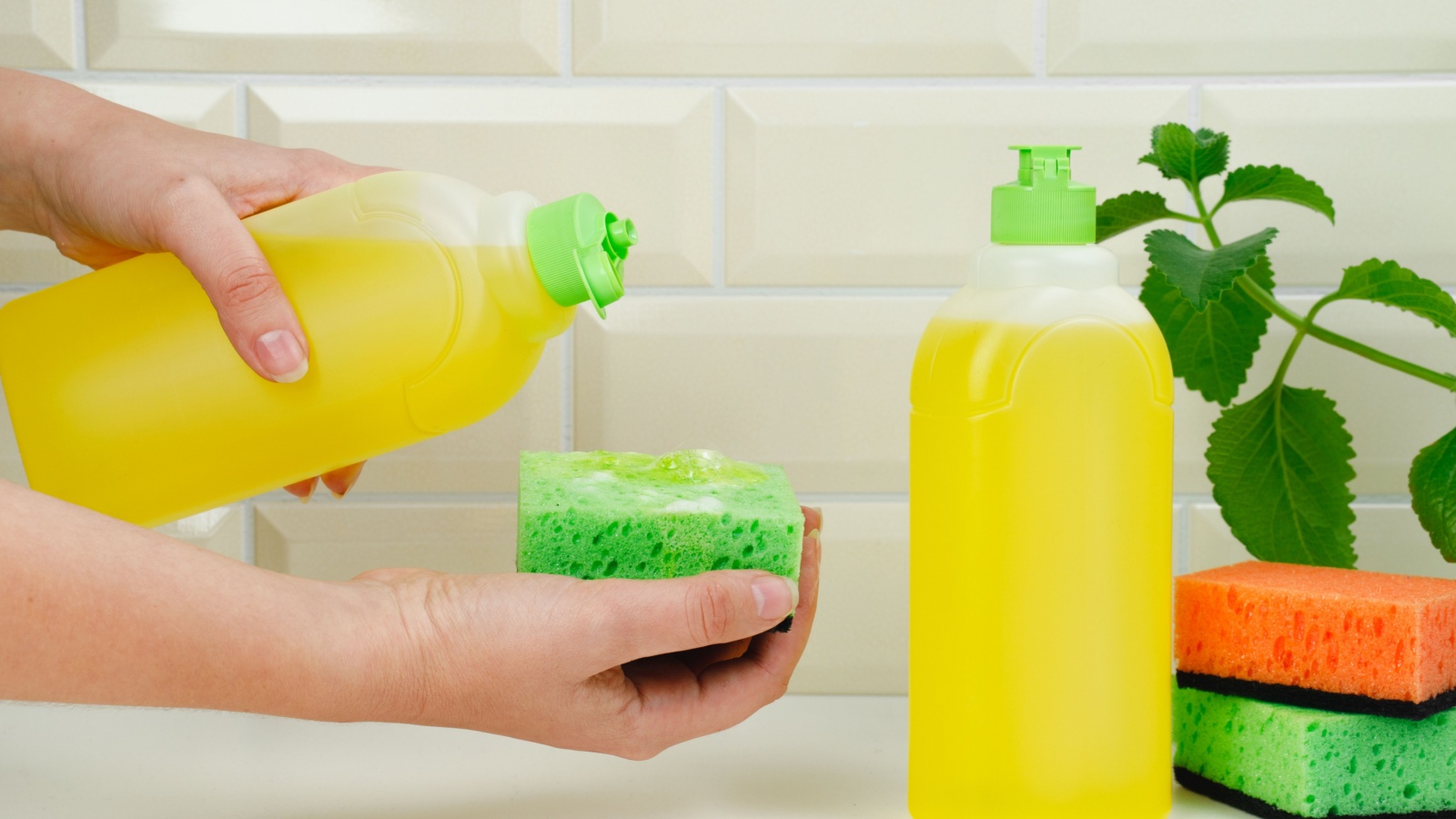
Dish soap has been premium-ized through claims of concentrated formulas, natural ingredients, and skin-friendly properties. These features are marketed as offering better cleaning power or gentler use, allowing for higher pricing. Packaging often highlights sustainability and design, which enhances perceived value. Canadians may choose these options for environmental or personal care reasons, even when standard dish soap performs similarly. The introduction of premium variants raises overall price expectations, influencing the cost of basic options as well. This trend allows companies to increase margins without major changes to the product itself. Over time, dish soap becomes a category where branding and perception drive pricing.
Shampoo

Shampoo has shifted toward premium positioning with claims of salon-quality formulas, natural ingredients, and specialized treatments. These products are marketed as offering superior results, allowing for higher prices than basic options. Packaging and branding emphasize luxury and personal care, attracting consumers who associate a higher cost with better performance. Canadians often purchase these products for perceived benefits, even when differences are minimal for everyday use. The presence of premium shampoos raises overall pricing expectations across the category. Standard products become less prominent, and consumers gradually accept higher costs. This trend reflects a shift toward experience-based purchasing, in which branding influences perceived value.
Pet Food

Pet food has become heavily premium-ized with labels such as grain-free, organic, and veterinarian-approved formulas. These claims suggest higher quality and health benefits, allowing for increased pricing. Packaging emphasizes nutrition and care, appealing to pet owners who want the best for their animals. Canadians often choose these options based on perceived benefits, even when differences may not be significant for all pets. The presence of premium products raises overall pricing across the category. Standard pet food becomes less visible, and expectations shift upward.
Laundry Detergent

Laundry detergent has been repositioned with premium claims such as concentrated formulas, eco-friendly ingredients, and advanced cleaning technology. These features are marketed as offering better performance, allowing for higher pricing. Packaging emphasizes efficiency and sustainability, appealing to modern consumers. Canadians may choose these options for convenience or environmental reasons, even when standard detergents are effective. The presence of premium products raises overall pricing expectations. This allows companies to increase margins without major product changes.
Snack Bars
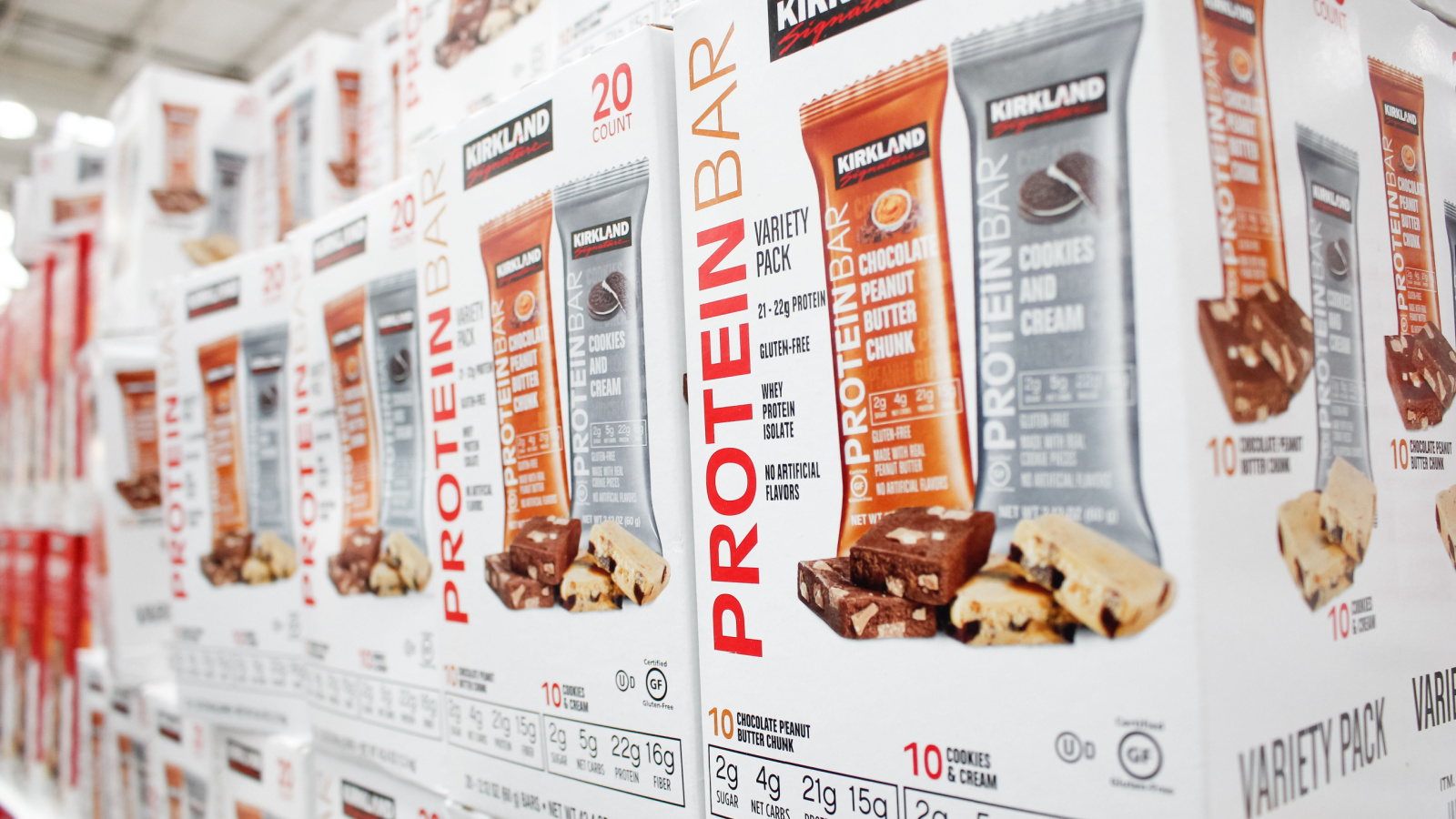
Snack bars have evolved into premium products with labels such as high-protein, organic, and functional nutrition. These claims justify higher prices than traditional snacks. Packaging emphasizes health and convenience, attracting consumers seeking quick meal alternatives. Canadians often purchase these products for perceived benefits, even when nutritional differences are limited. The presence of premium options raises overall pricing across the category. This allows manufacturers to increase margins while maintaining demand.
Frozen Meals

Frozen meals have shifted toward premium positioning with labels such as chef-inspired, organic, and gourmet. These products are marketed as offering better taste and quality, allowing for higher pricing. Packaging emphasizes freshness and ingredients, appealing to consumers seeking convenience without sacrificing quality. Canadians often choose these options for ease of preparation, even when differences are minimal. The presence of premium frozen meals raises overall pricing expectations across the category. This allows companies to increase margins while maintaining demand.
19 Things Canadians Don’t Realize the CRA Can See About Their Online Income

Earning money online feels simple and informal for many Canadians. Freelancing, selling products, and digital services often start as side projects. The problem appears at tax time. Many people underestimate how much information the CRA can access. Online platforms, banks, and payment processors create detailed records automatically. These records do not disappear once money hits an account. Small gaps in reporting add up quickly.
Here are 19 things Canadians don’t realize the CRA can see about their online income.
