
Across Canada, many commonly accepted “rules” are treated as legal requirements even though they are not actually written into law. These beliefs often come from habits, safety advice, or rules that apply only in specific situations. Over time, repetition turns them into assumed facts. Canadians frequently follow these ideas without questioning whether they are legally enforceable. This can lead to confusion during interactions with authorities or when understanding actual rights and responsibilities. Here are 12 Canada-wide rules everyone thinks are law (but aren’t).
You Must Always Carry ID in Canada
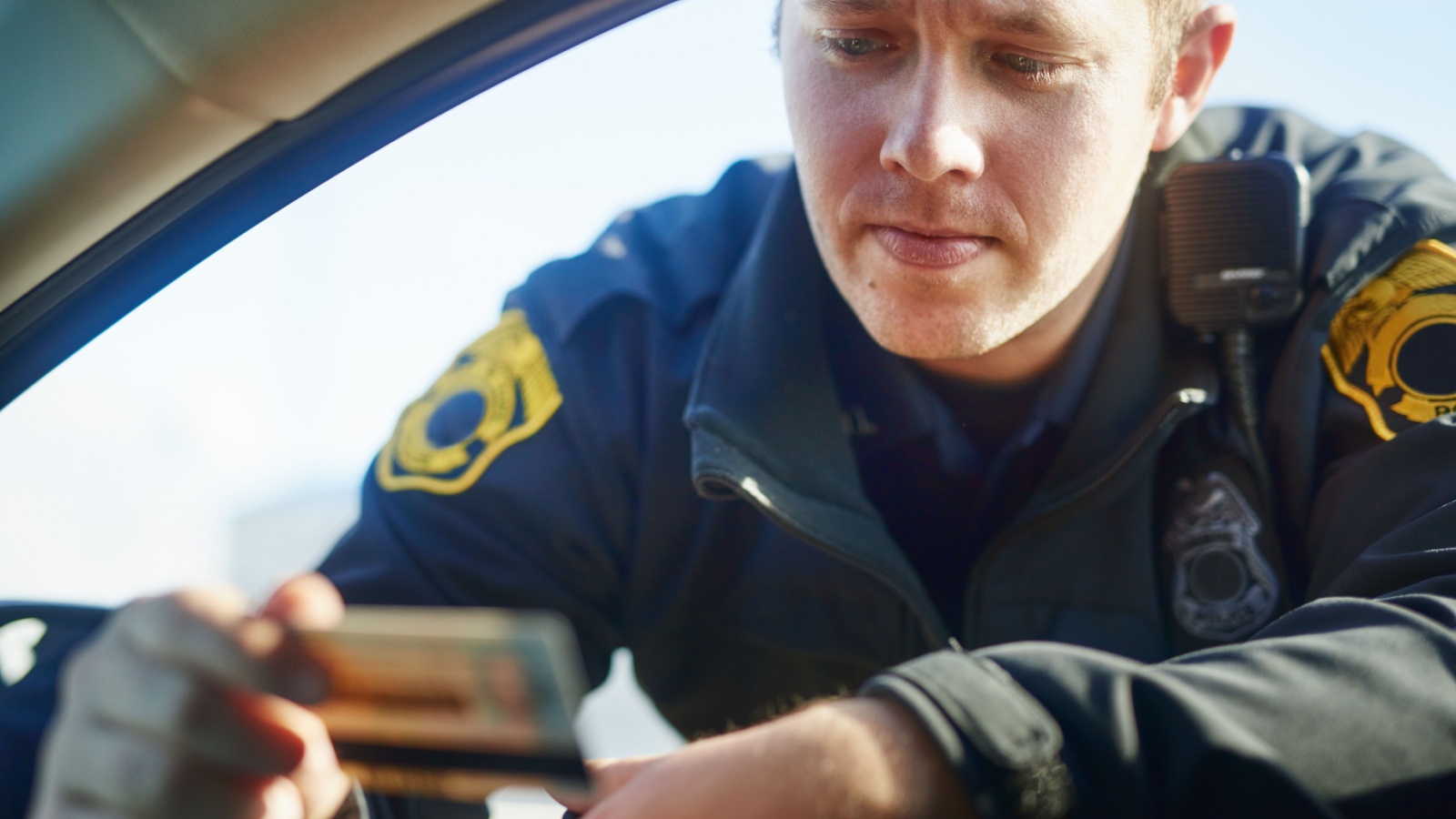
Many Canadians believe they are legally required to carry identification at all times, but this is not a national law. There is no universal requirement for individuals to carry ID during everyday activities such as walking, shopping, or commuting. This misconception exists because identification is required in specific situations, including driving, boarding flights, or verifying age for restricted purchases. When interacting with police, individuals may be asked to identify themselves, but unless they are operating a vehicle or involved in a regulated activity, they are not obligated to carry or present ID. Refusing to provide identification can sometimes lead to further questioning, but it is not automatically an offense. The belief persists because carrying ID is considered practical and avoids inconvenience, which makes it feel mandatory. In reality, it is a matter of convenience rather than law.
Jaywalking Is Illegal Everywhere in Canada

Many Canadians assume that jaywalking is illegal everywhere, but there is no single nationwide law that bans crossing the street outside marked crosswalks. Pedestrian rules are set at provincial and municipal levels, meaning the legality of crossing mid-block depends on local bylaws and conditions. In some areas, crossing is allowed if it is done safely and does not interfere with traffic. In others, especially busy urban centers, fines may be issued for unsafe crossings. The misconception comes from stricter enforcement in major cities, where safety concerns lead to visible penalties. People then generalize this experience to the entire country. In reality, enforcement varies widely depending on traffic volume, road design, and local policy priorities. Canadians often follow the belief out of caution, assuming it is always prohibited.
It Is Illegal to Drive Barefoot
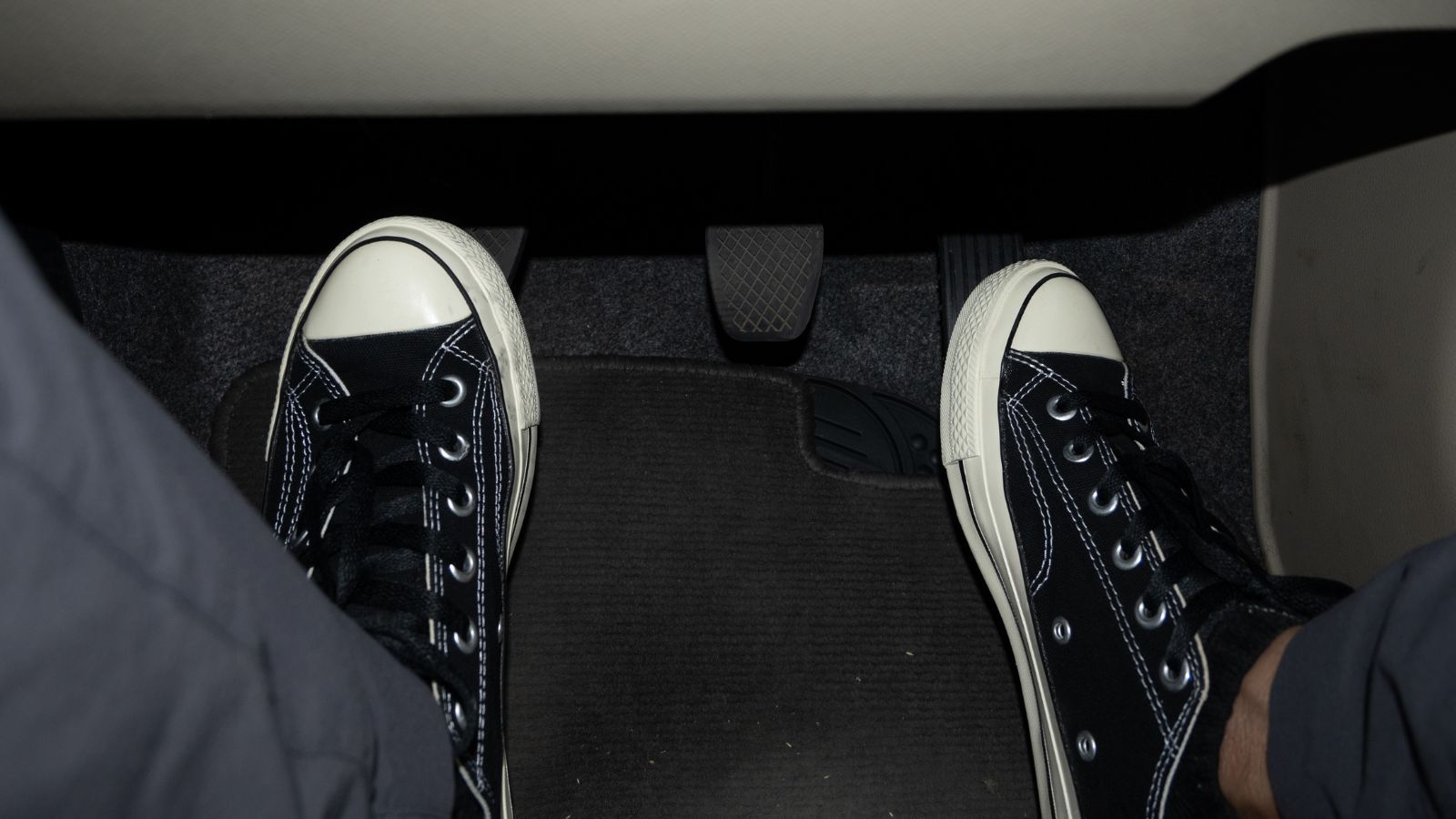
A common belief in Canada is that driving barefoot is illegal, but there is no specific law that prohibits it. This idea likely comes from safety advice rather than legal requirements. Driving without proper footwear can reduce control over pedals, which may increase the risk of accidents. While the act itself is not illegal, it can lead to legal consequences if it contributes to unsafe driving behavior. For example, a driver could be charged under careless or dangerous driving laws if the lack of footwear is considered a factor in an incident. Canadians often treat this as a strict rule because it is frequently mentioned in driver education and safety discussions. Over time, it has been mistaken for a legal requirement. The key distinction is that the law focuses on driving behavior, not specific attire. Understanding this difference helps clarify what is actually enforceable.
You Must Turn On Interior Lights During Police Stops

Many Canadians believe that turning on interior lights when stopped by police at night is a legal requirement, but there is no nationwide law mandating this action. This practice is widely recommended because it improves visibility inside the vehicle and helps officers feel more at ease during the interaction. Drivers often follow this advice as a sign of cooperation, which can contribute to a smoother experience. Over time, the recommendation has been interpreted as a legal obligation rather than a safety practice. In reality, failing to turn on interior lights is not typically an offense. However, officers may still expect drivers to behave in a way that ensures safety and clarity during the stop. Canadians often adopt this habit automatically, reinforcing the belief that it is required by law. Understanding that it is a courtesy rather than a legal rule helps clarify expectations.
You Can Always Record Police Interactions

Many Canadians believe they have an absolute right to record police interactions in all situations, but the reality is more nuanced. Recording in public spaces is generally permitted, especially when it does not interfere with police duties. However, this right is not unlimited. Officers may impose restrictions if recording obstructs an investigation, creates safety risks, or violates specific laws. The misconception comes from the idea that public recording is always protected without conditions. Canadians often assume they can film freely regardless of circumstances, which can lead to misunderstandings. In certain situations, failing to follow lawful instructions while recording may result in legal consequences. The key factor is whether the recording interferes with official duties. Understanding these limits is essential to avoid conflict. Recording police is often allowed, but it must be done responsibly and within legal boundaries.
Speed Limits Include a Built-In Buffer
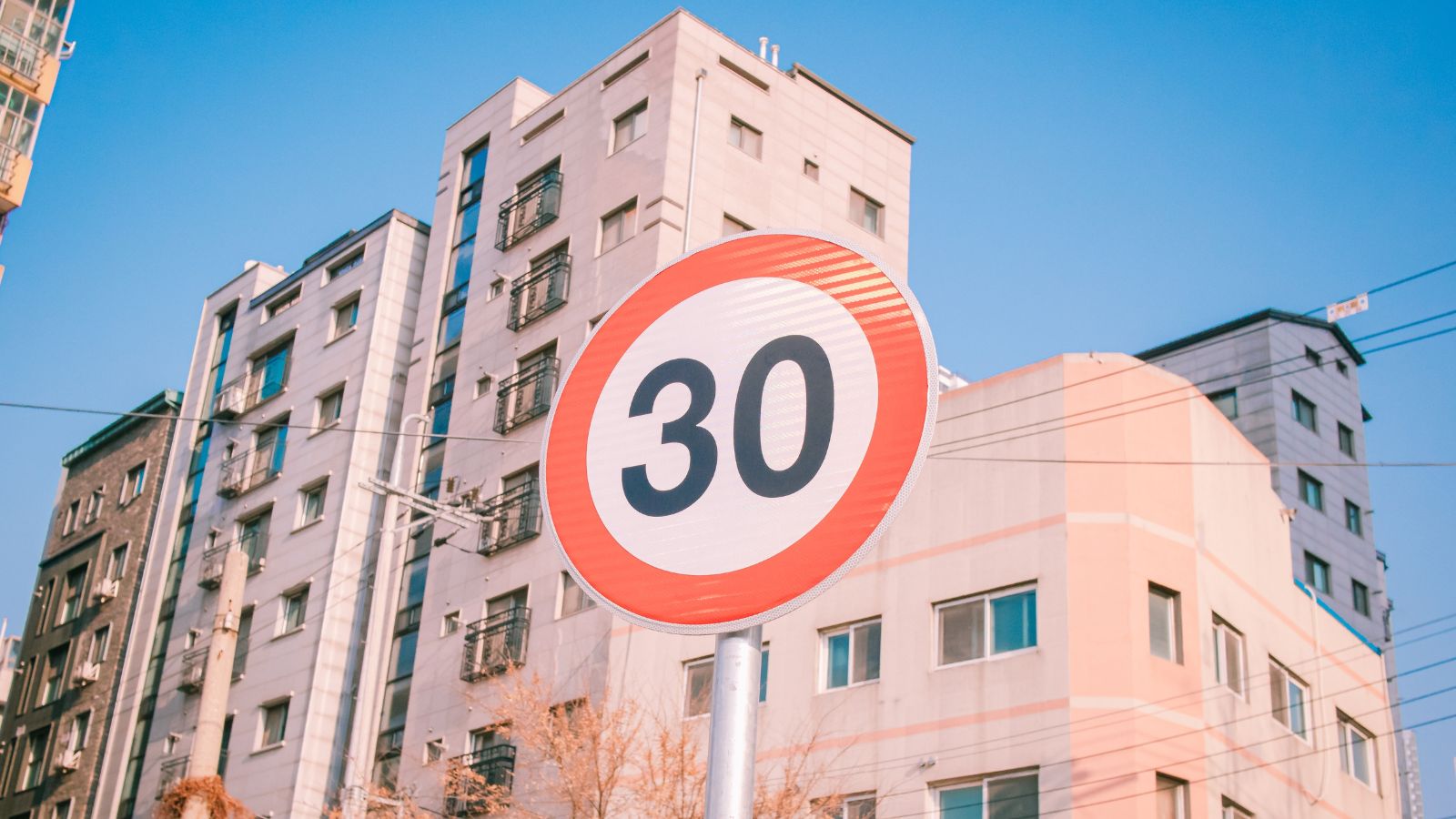
Many drivers in Canada believe there is an unofficial buffer that allows them to exceed speed limits slightly without consequences. However, speed limits represent the maximum legal speed, not a guideline with built-in tolerance. This misconception exists because enforcement practices sometimes appear flexible, leading drivers to assume a margin is acceptable. In reality, exceeding the posted limit is always technically a violation, regardless of how small the difference may be. Officers may use discretion when issuing tickets, but that does not change the legal standard. Canadians often follow traffic flow rather than posted limits, reinforcing the belief that minor speeding is allowed. This behavior is influenced by common driving habits rather than the law.
You Must Pull Over Immediately for Any Flashing Lights
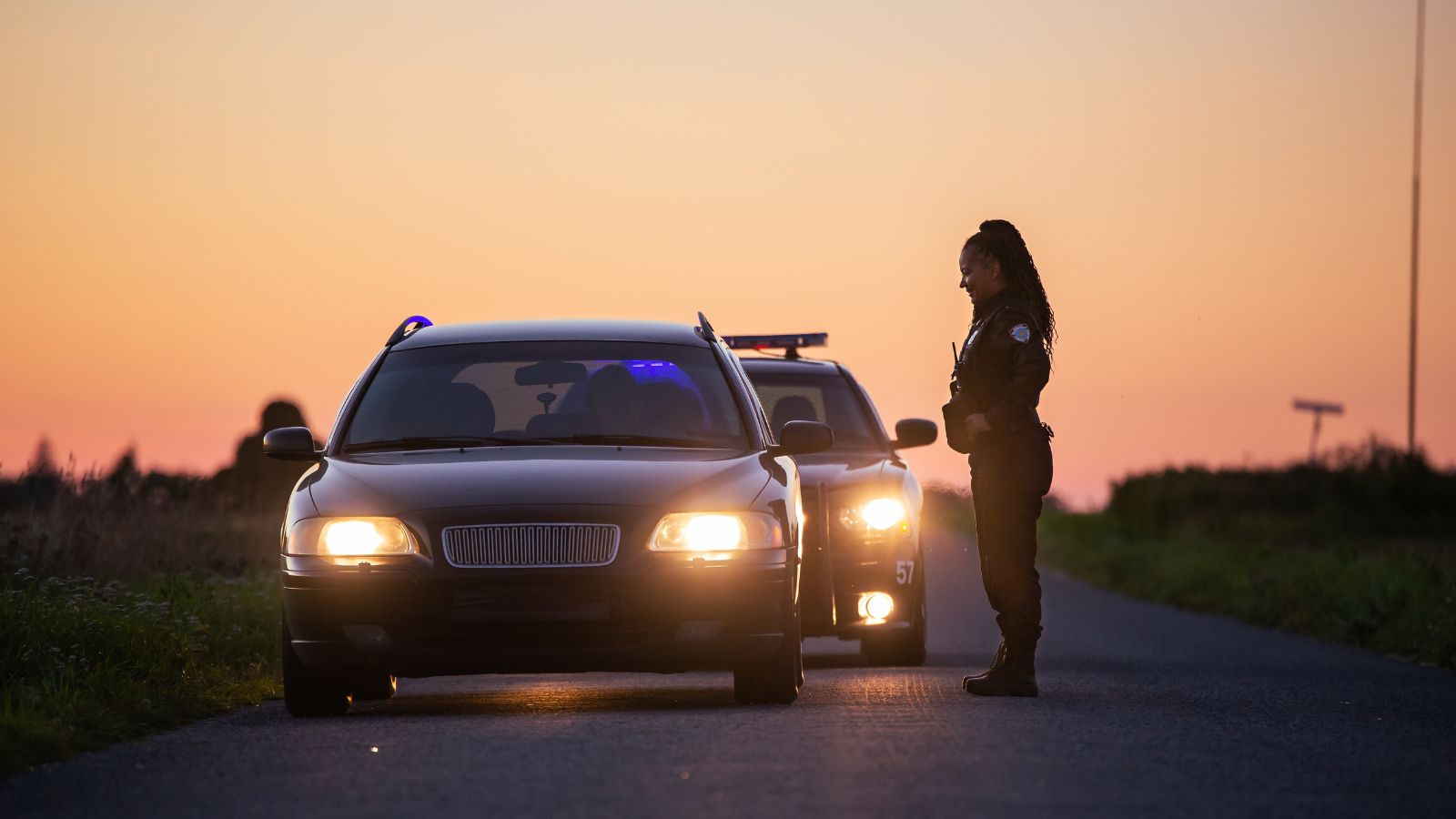
Many Canadians believe they must immediately pull over the moment they see flashing lights behind them, but the law is more flexible than this assumption suggests. While drivers are required to stop for police or emergency vehicles, they are also expected to do so safely. This means finding an appropriate location rather than stopping abruptly in unsafe conditions, such as busy intersections or narrow roads. The misconception comes from the emphasis on compliance, which is often interpreted as urgency over safety. In reality, officers expect drivers to signal their intention and move to a safe stopping point as soon as reasonably possible. Sudden stops can create hazards for both the driver and other road users. Canadians often feel pressured to react instantly, even when it may not be the safest choice. Understanding that safety is part of the requirement helps clarify the rule. The obligation is to stop, but it must be done in a controlled and responsible manner.
You Cannot Drink Alcohol in Public Anywhere in Canada

Many Canadians believe that drinking alcohol in public is completely illegal across the country, but the reality depends on local laws. Alcohol consumption rules are primarily governed by provincial and municipal regulations, which means policies vary widely. In some cities, designated public spaces such as parks allow alcohol consumption under specific conditions. Other areas enforce stricter bans, especially in high-traffic or residential zones. The misconception comes from historically strict rules that have gradually evolved in certain regions. Canadians often assume a blanket prohibition, even where local policies have become more flexible. Enforcement also varies depending on context, time, and location. Authorities may focus more on behavior than the act itself, particularly if public safety is not affected. Understanding local bylaws is essential, as what is allowed in one city may not be permitted in another. Drinking in public is not universally illegal, but it is not universally allowed either.
You Must Open the Door for Police If They Ask
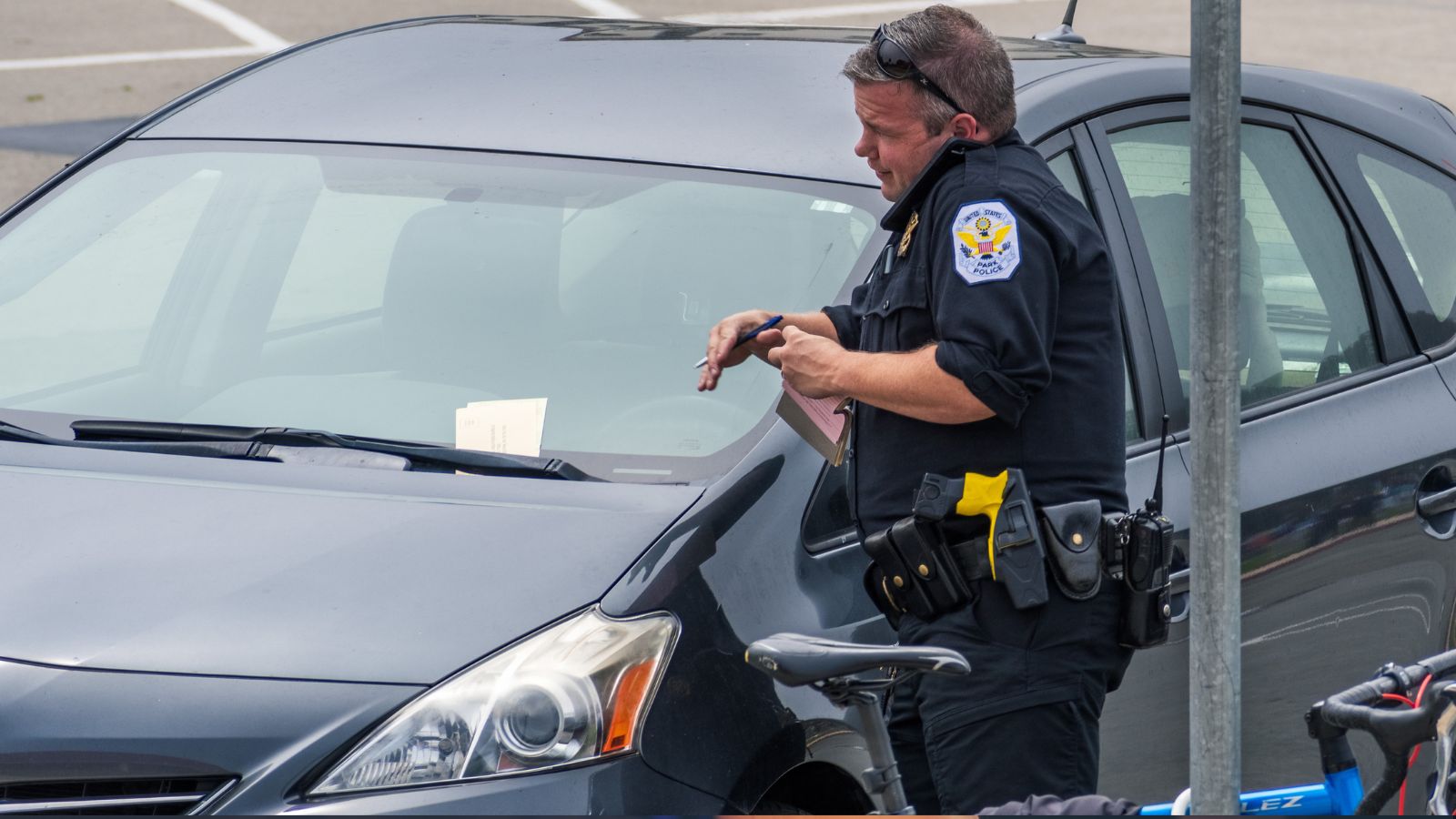
A common belief in Canada is that you must open your door for police whenever they request it, but this is not always legally required. In most situations, police need legal authority, such as a warrant or specific circumstances, to enter a private residence without consent. Exceptions exist, including emergencies or situations where there is an immediate risk to safety. However, outside of these conditions, individuals generally have the right to refuse entry. The misconception arises from the perception that police authority is absolute in all interactions. Canadians often comply automatically, assuming refusal is illegal. While cooperation can help avoid escalation, it is important to understand legal boundaries. Police may still continue questioning or take other steps if entry is denied, but refusal itself is not necessarily an offense. The key factor is whether the officer has lawful grounds to enter. Understanding this distinction helps individuals make informed decisions during interactions.
You Cannot Use Your Phone at a Red Light
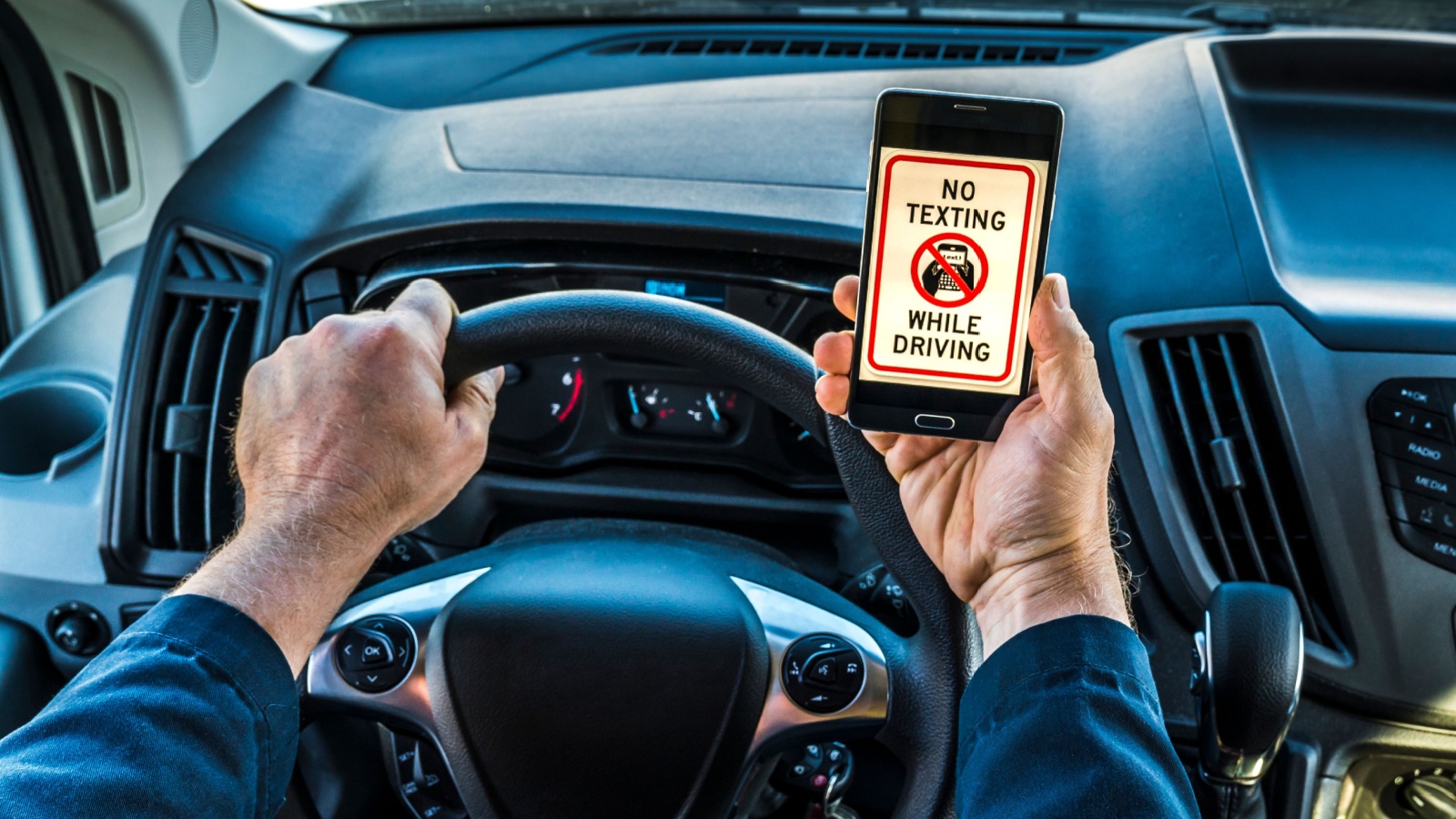
Many Canadians believe that using a phone at a red light is always illegal, but this depends on provincial distracted driving laws. In most provinces, holding or using a phone while operating a vehicle is prohibited, even when stopped at a light. However, the key factor is whether the vehicle is considered to be in operation. Some drivers assume that being stationary removes this restriction, which is not always the case. The misconception comes from the idea that movement determines legality. In reality, laws focus on control of the vehicle rather than motion. That said, hands-free use is generally permitted, and certain actions, such as checking navigation, may be allowed depending on the setup. Canadians often misunderstand the scope of these rules, leading to inconsistent behavior. Enforcement can vary, but the legal framework is usually strict regarding handheld devices. Understanding the specific regulations in your province is essential. While it may seem harmless to check a phone briefly at a red light, it can still result in penalties.
You Must Give Police a Breath Sample Anytime They Ask
Many Canadians believe they must provide a breath sample to police at any time upon request, but the legal framework is more specific. Under current impaired driving laws, police can demand a breath sample without suspicion in certain roadside situations, such as lawful traffic stops. However, this authority is not unlimited in all contexts. The misconception comes from the expansion of mandatory alcohol screening, which has increased police powers but still operates within defined conditions. Canadians often assume refusal is always an option, but refusing a lawful demand carries serious penalties. At the same time, people may believe officers can demand samples in any situation, which is not accurate. The key factor is whether the demand is made under proper legal authority. Understanding when a demand is valid helps clarify obligations. This is an example of how evolving laws can create confusion, as public understanding does not always keep pace with legal changes.
You Must Always Stop for School Buses in All Situations
Many Canadians believe they must always stop for school buses regardless of road type, but the law depends on specific conditions. While stopping for a school bus with flashing red lights is generally required, the rules vary depending on whether the road is divided. In some provinces, drivers traveling in the opposite direction on a divided highway are not required to stop. The misconception comes from simplified safety messaging that emphasizes stopping in all cases. Canadians often apply this rule universally, without regard for road design. Enforcement focuses on protecting children, which reinforces the belief that stopping is always mandatory. However, legal requirements are more precise and depend on traffic direction and physical separation of lanes. Understanding these details is important for both safety and compliance. Failing to stop when required can result in serious penalties, but stopping unnecessarily can also disrupt traffic flow.
19 Things Canadians Don’t Realize the CRA Can See About Their Online Income

Earning money online feels simple and informal for many Canadians. Freelancing, selling products, and digital services often start as side projects. The problem appears at tax time. Many people underestimate how much information the CRA can access. Online platforms, banks, and payment processors create detailed records automatically. These records do not disappear once money hits an account. Small gaps in reporting add up quickly.
Here are 19 things Canadians don’t realize the CRA can see about their online income.
