Grocery prices in Canada continue to rise in 2026, driven by a mix of supply chain pressures, climate impacts, labour costs, and shifts in global demand. While inflation has eased in some areas, food prices remain stubbornly high, with certain everyday items reaching record levels. Canadians are noticing that staples they once bought without hesitation now require budgeting and substitution. In many cases, price increases are not temporary but part of longer-term structural changes. Here are 18 grocery items Canadians are paying record prices for in 2026.
Butter

Butter prices in Canada have reached record highs in 2026, driven largely by increased dairy production costs and supply management pricing structures. Feed costs for cattle have risen due to global grain price volatility, while labour and transportation expenses continue to climb. At the same time, demand for butter has remained strong, particularly as more Canadians cook at home and return to traditional ingredients. Premium variants such as grass-fed or European-style butter have further pushed pricing expectations upward, making even standard options feel expensive. Supply management ensures stability for producers, but it also limits downward price flexibility, especially during cost spikes. Retailers have passed these increases directly to consumers, and discount opportunities have become less frequent.
Fresh Berries
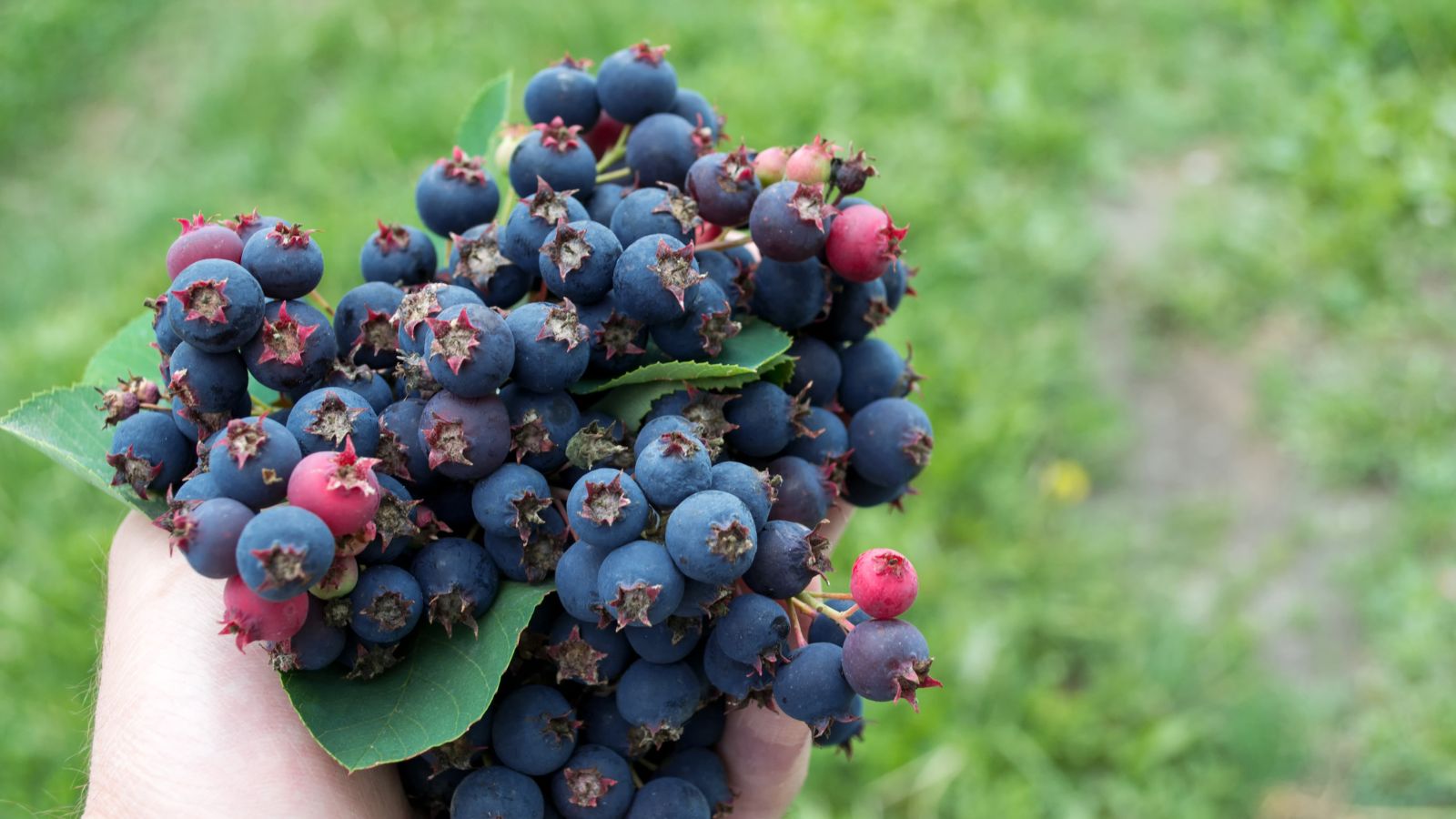
Fresh berries have become one of the most expensive grocery items in Canada, especially outside of local growing seasons. In 2026, prices will remain elevated due to transportation costs, climate-related crop disruptions, and reliance on imports from the United States and other regions. Weather instability has affected yields, reducing supply and increasing wholesale prices. These costs are passed on to consumers, making strawberries, blueberries, and raspberries significantly more expensive than in previous years. Packaging and shorter shelf life also contribute to higher retail pricing. Despite this, demand remains strong due to their perceived health benefits and convenience. Canadians continue to purchase berries regularly, even as prices fluctuate.
Olive Oil

Olive oil prices have surged in Canada due to global supply issues, particularly in major producing regions affected by drought and climate stress. Lower production levels have reduced availability, driving up international prices that directly impact Canadian imports. Transportation and currency fluctuations further increase costs by the time products reach store shelves. In 2026, even standard olive oil is priced significantly higher than in previous years, while premium varieties command even steeper prices. Canadians continue to purchase olive oil due to its role in cooking and perceived health benefits, but many are becoming more selective about brands and quantities. Some consumers are switching to alternative oils, though olive oil remains preferred for certain uses.
Eggs
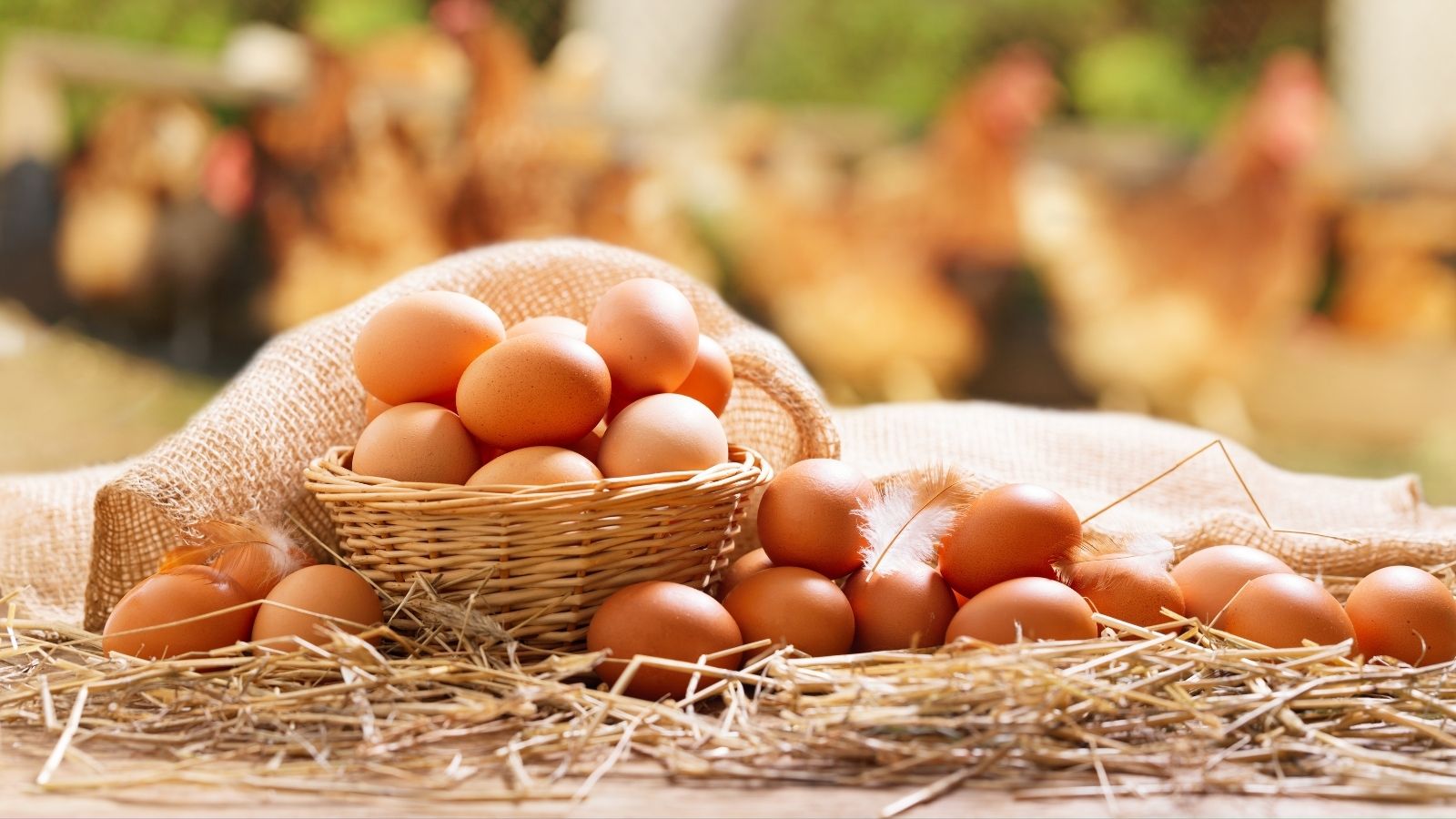
Egg prices in Canada remain elevated in 2026 due to a combination of feed costs, supply management policies, and increased demand for premium varieties. The cost of grain used for feed has remained high, directly impacting production expenses. At the same time, more Canadians are purchasing free-run, organic, or omega-enriched eggs, which tend to be more expensive. These premium options influence overall market pricing, making even standard eggs more expensive. Supply remains relatively stable due to Canada’s regulated system, but prices tend to rise to reflect production costs. Eggs remain a staple due to their versatility and nutritional value, which keeps demand steady.
Chicken
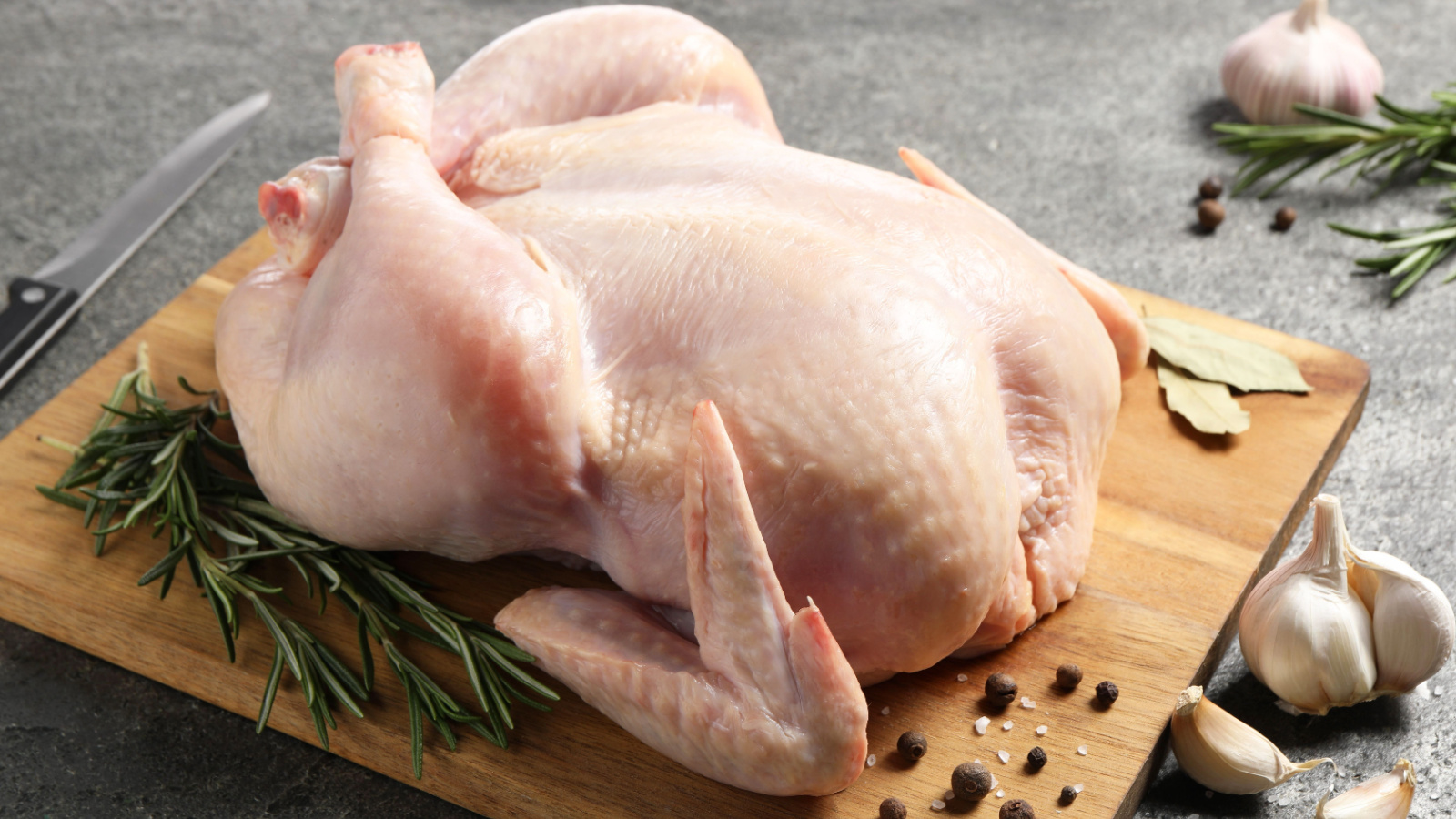
Chicken prices in Canada have reached record levels due to rising feed costs, processing expenses, and supply chain pressures. As one of the most commonly consumed proteins, it remains in strong demand, which limits price relief. Premium options such as free-range or air-chilled chicken have also influenced pricing expectations, pushing the entire category higher. Transportation and labour costs further contribute to retail prices. While chicken is often considered a more affordable protein than beef, the price gap has narrowed in recent years. Canadians continue to purchase chicken regularly, but many are adjusting portion sizes or seeking discounts.
Cheese

Cheese prices in Canada remain high due to supply management systems, production costs, and strong domestic demand. In 2026, these factors continue to push prices upward, especially for specialty and imported varieties. Even basic cheeses have become more expensive as overall dairy costs increase. Canadians consume cheese regularly, making it a consistent part of grocery spending. Premiumization within the category also influences pricing, with artisanal and specialty options raising expectations. Retailers have limited flexibility to reduce prices due to regulated supply and production costs. As a result, cheese remains one of the higher-priced staples in Canadian grocery stores this year.
Coffee

Coffee prices have climbed in Canada due to global supply issues, climate impacts on growing regions, and increased transportation costs. As a fully imported product, coffee is sensitive to currency fluctuations and international market conditions. In 2026, these factors continue to push prices higher. Canadians maintain strong consumption habits, making coffee a consistent expense despite rising costs. Premium blends and specialty branding further increase average pricing. Retailers pass these costs to consumers, resulting in higher prices across all categories. Coffee remains a staple, but one that Canadians are increasingly budgeting for carefully this year.
Ground Beef

Ground beef prices remain elevated due to reduced cattle supply, higher feed costs, and increased demand. In 2026, these factors continue to limit price reductions. Beef production cycles are long, which makes supply adjustments slower compared to other proteins. Canadians continue to purchase ground beef for its versatility, but many are reducing their frequency of purchase or portion sizes. Retailers have limited ability to discount due to tight supply. The result is a staple protein that remains consistently expensive across grocery stores nationwide this year.
Cooking Oil

Cooking oil prices remain high in Canada due to global production challenges and increased demand. In 2026, supply constraints for key crops such as canola and sunflower continue to affect pricing. Transportation and processing costs add further pressure. Canadians use cooking oil regularly, making it a noticeable expense. While alternatives exist, many households continue purchasing familiar products. Retailers have limited flexibility to lower prices, resulting in sustained high costs. Cooking oil remains a staple that reflects broader global supply and demand pressures in the grocery market this year.
Bread

Bread prices in Canada have steadily increased in 2026, influenced by higher wheat costs, transportation expenses, and energy prices tied to production and baking. While bread remains a staple, even basic loaves are noticeably more expensive than in previous years. Premiumization within the category, including whole grain, organic, and artisan varieties, has also pushed average prices higher. Retailers often stock more of these higher-margin options, which shifts overall pricing expectations upward. Canadians continue to buy bread regularly, but many are becoming more selective about brands or switching to store-label options to manage costs. Smaller loaf sizes at similar prices have also contributed to the perception of rising costs.
Milk

Milk prices remain elevated in Canada due to supply management systems and rising production costs, including feed, labour, and transportation. In 2026, these factors continue to keep prices high across all variants, including standard, lactose-free, and specialty options. Premium labels, such as organic or grass-fed, further increase average prices, influencing consumer perceptions of value. Canadians rely heavily on milk as a household staple, which keeps demand stable despite higher costs. Retailers have limited ability to discount due to regulated pricing structures. The result is a consistently high-priced staple that reflects both policy-driven stability and ongoing cost pressures within the dairy industry across Canada this year.
Potatoes
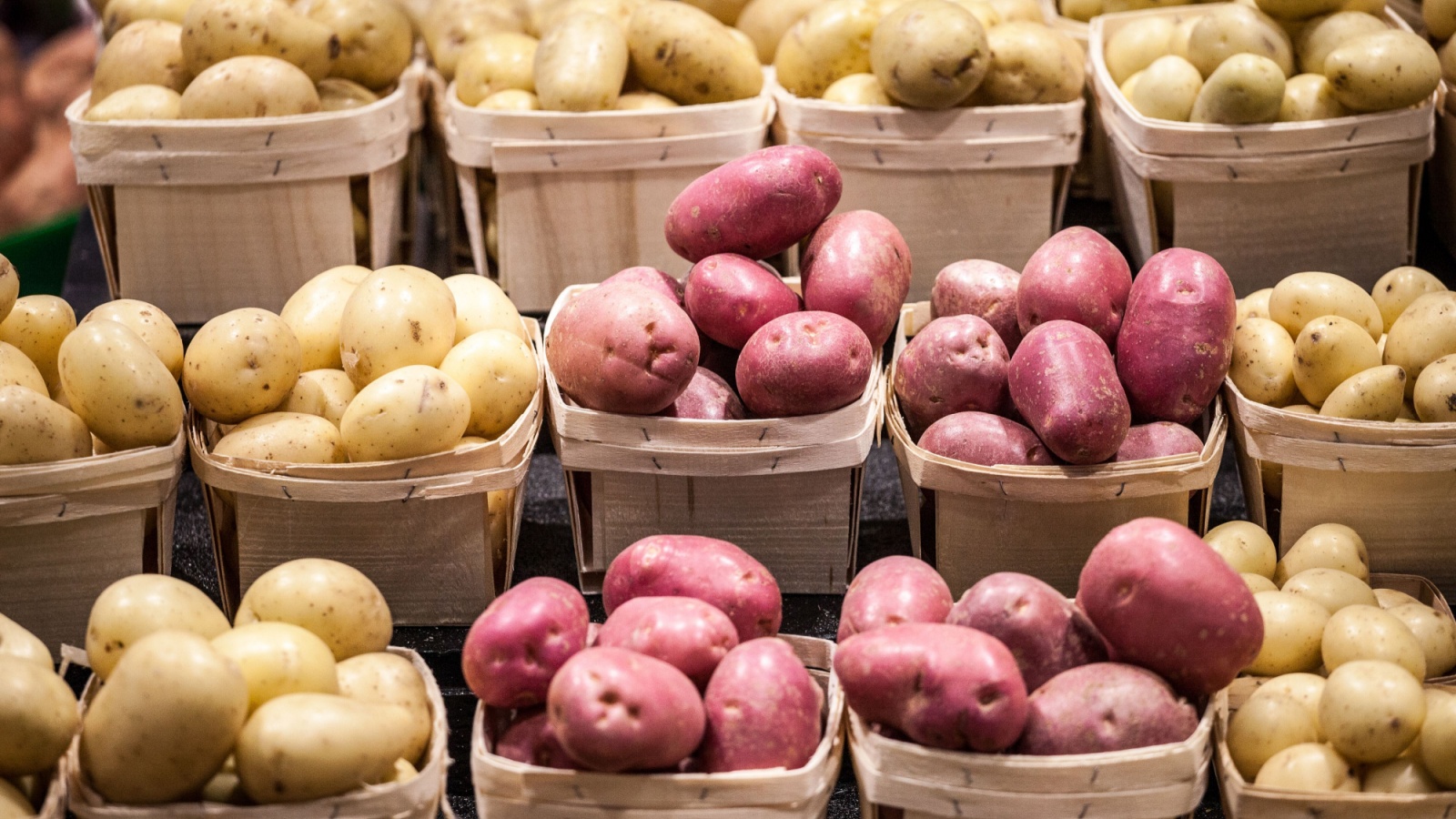
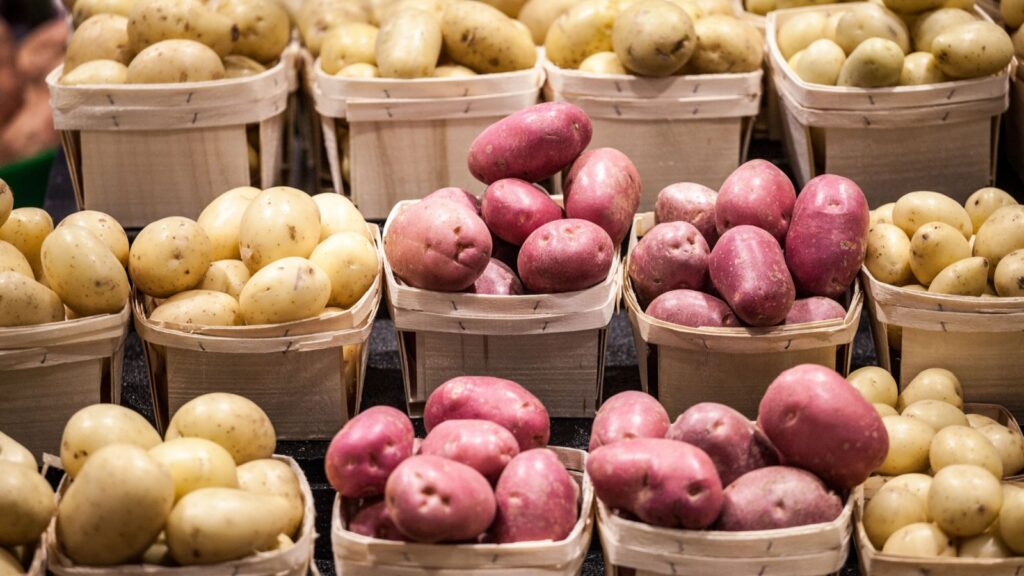
Potatoes, traditionally one of the most affordable staples, have seen noticeable price increases in Canada due to climate impacts and higher farming costs. Weather variability has affected crop yields in key growing regions, reducing supply and increasing wholesale prices. Transportation and storage costs also contribute to higher retail pricing, especially for fresh potatoes. In 2026, Canadians are paying more for a product that was once considered low-cost and widely accessible. Demand remains strong because potatoes are versatile and essential in many diets. However, consumers are becoming more price-conscious, often choosing bulk purchases or store brands to offset costs.
Tomatoes
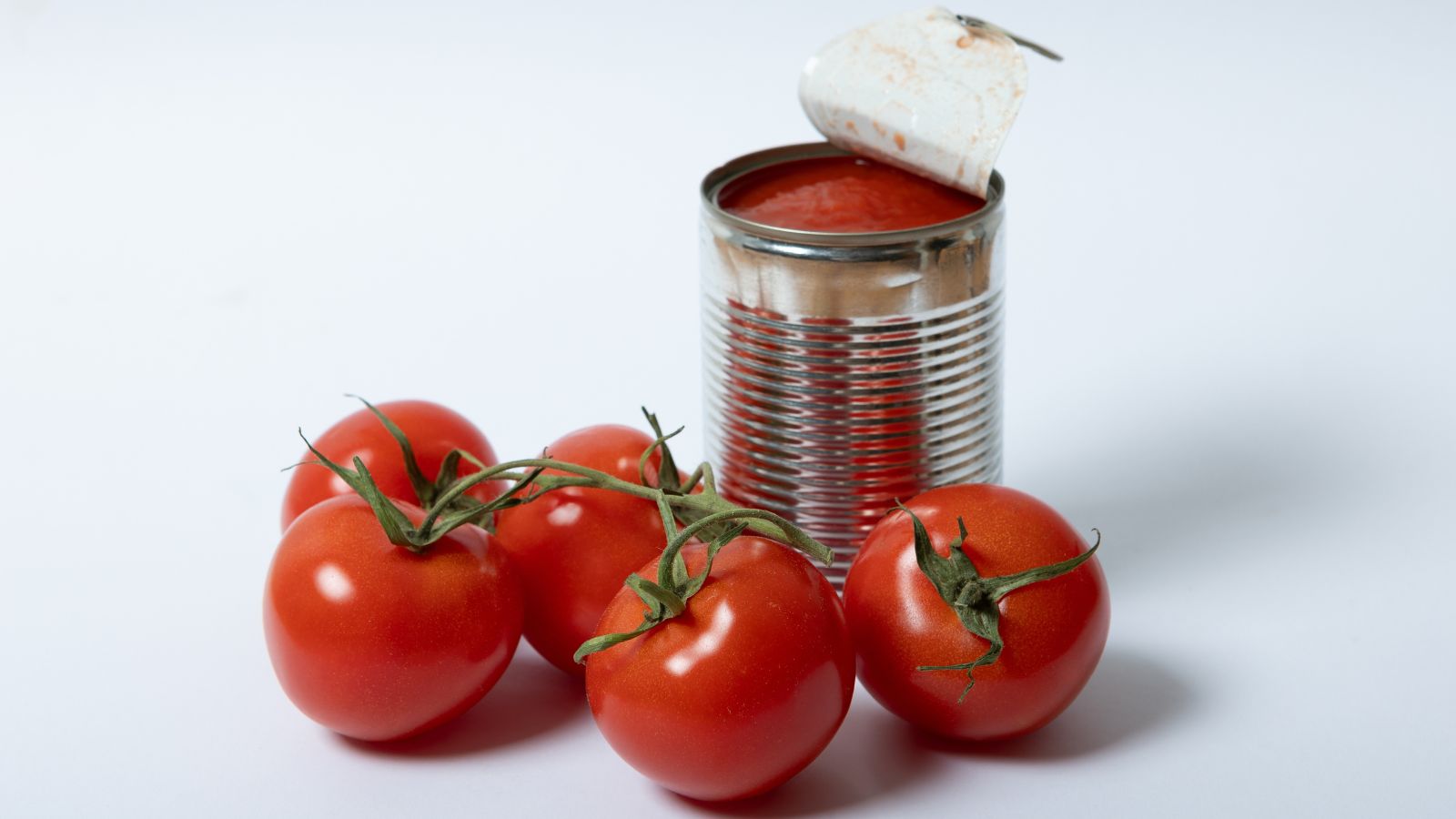
Tomato prices in Canada remain high due to reliance on greenhouse production and imports, both of which carry high costs. Energy prices for greenhouse operations have risen, directly increasing production costs. Imported tomatoes are also subject to transportation and currency fluctuations, which raise retail prices. In 2026, these combined factors continue to push prices upward. Canadians regularly purchase tomatoes for fresh consumption and cooking, maintaining steady demand. Seasonal availability does not significantly reduce prices, as production costs remain elevated year-round. This makes tomatoes one of the more consistently expensive produce items in Canadian grocery stores today.
Lettuce
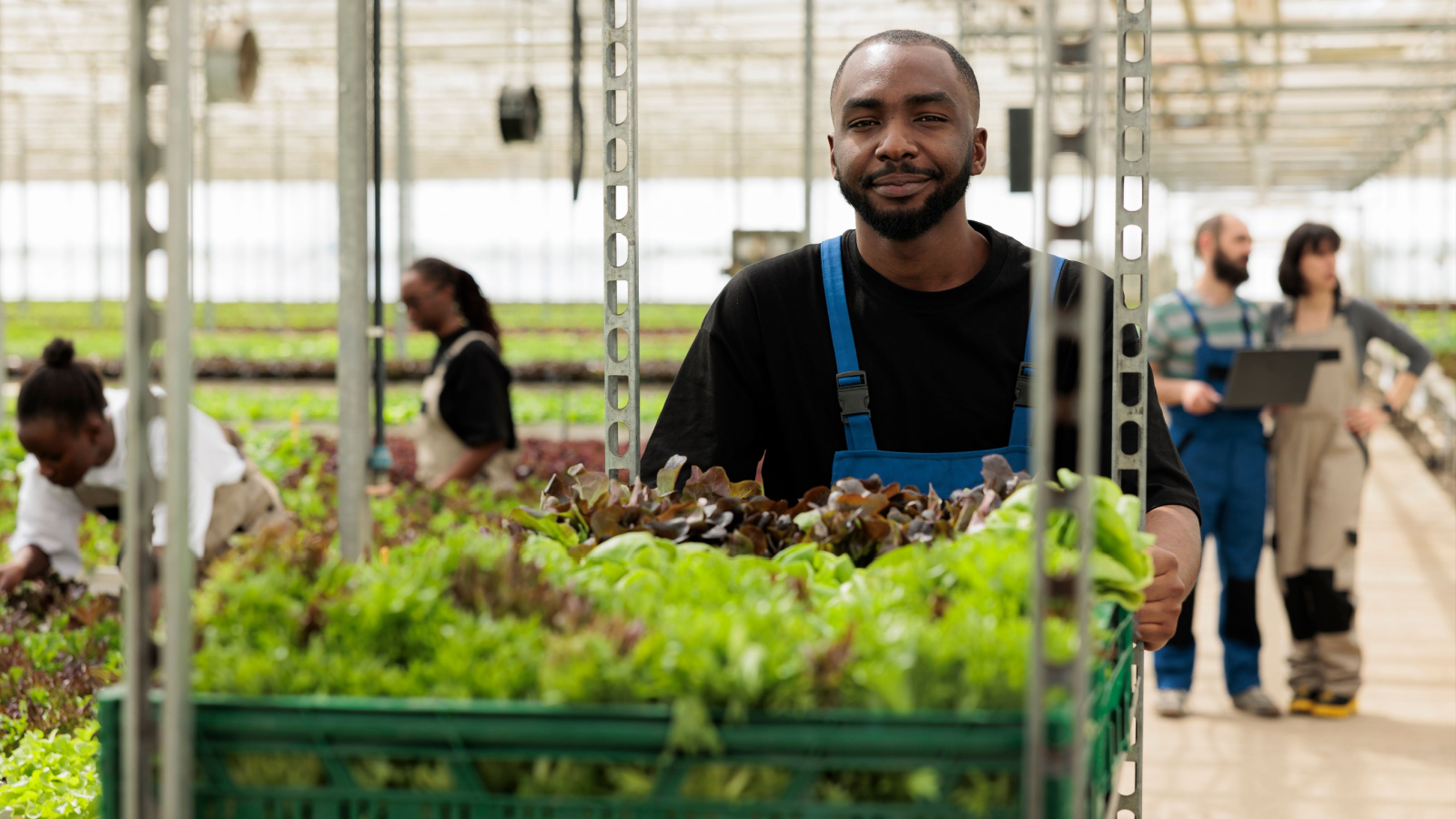
Lettuce prices have been volatile but remain high in 2026 due to supply disruptions and climate-related challenges in major growing regions. Droughts and extreme weather conditions have reduced yields, leading to higher wholesale prices. Transportation costs further increase retail pricing in Canada. Despite fluctuations, lettuce remains an essential grocery item, keeping demand steady. Canadians may switch between varieties or reduce quantities, but overall consumption continues. Retailers have limited flexibility to absorb costs, resulting in higher prices for consumers. Lettuce has become a clear example of how environmental factors directly impact grocery costs.
Apples

Apples have become more expensive in Canada due to storage costs, labour shortages, and transportation expenses. While Canada produces apples domestically, maintaining a supply year-round requires controlled storage, which increases costs. Imported varieties also contribute to higher pricing due to currency fluctuations. In 2026, these factors continue to push prices upward. Canadians continue to buy apples regularly due to their convenience and long shelf life. However, many are adjusting by purchasing in bulk or choosing less expensive varieties. Apples remain a staple, but one that reflects broader cost pressures in agriculture and distribution.
Frozen Pizza

Frozen pizza prices have increased due to higher ingredient costs, including cheese, wheat, and meat products. Packaging and transportation expenses also contribute to rising retail prices. In 2026, even store-brand options are more expensive than in previous years. Canadians continue to purchase frozen pizza for convenience, but many are becoming more selective about brands and frequency. Premium versions with specialty ingredients further raise average pricing across the category. This makes frozen pizza a noticeable example of how convenience foods are becoming more expensive over time.
Snack Chips

Snack chips have seen price increases due to higher costs for potatoes, cooking oil, and packaging materials. In 2026, these factors continue to affect retail pricing across all brands. Canadians continue to purchase chips regularly, especially for social occasions, keeping demand strong. However, smaller package sizes at similar prices have become more common, increasing the cost per unit. Premium and specialty flavours also contribute to higher average pricing. Chips remain a popular snack, but one that reflects both inflation and subtle pricing strategies in the grocery market.
Sugar

Sugar prices in Canada have increased due to global supply constraints, transportation costs, and processing expenses. While sugar is still relatively affordable compared to other items, it is more expensive than in previous years. In 2026, these cost pressures continue to influence retail pricing. Canadians use sugar regularly for baking and cooking, maintaining a steady demand. However, rising prices are noticeable, especially for larger quantities. Retailers pass on increased costs, resulting in higher shelf prices. Sugar remains a staple, but one that reflects broader trends in global commodity pricing and supply chain pressures affecting Canadian grocery stores this year.
19 Things Canadians Don’t Realize the CRA Can See About Their Online Income

Earning money online feels simple and informal for many Canadians. Freelancing, selling products, and digital services often start as side projects. The problem appears at tax time. Many people underestimate how much information the CRA can access. Online platforms, banks, and payment processors create detailed records automatically. These records do not disappear once money hits an account. Small gaps in reporting add up quickly.
Here are 19 things Canadians don’t realize the CRA can see about their online income.
