Canada’s automotive market is entering a major transition phase as new global manufacturers expand into North America, driven by demand for electric vehicles, competitive pricing, and changing consumer preferences. While traditional brands still dominate, emerging companies from China, Vietnam, and new EV startups are rapidly building presence through dealerships, online sales, and partnerships. Canadians will increasingly see unfamiliar badges on roads as these brands target affordability, technology, and supply gaps left by established automakers. Here are 13 new car brands Canadians will see everywhere soon (and why).
BYD
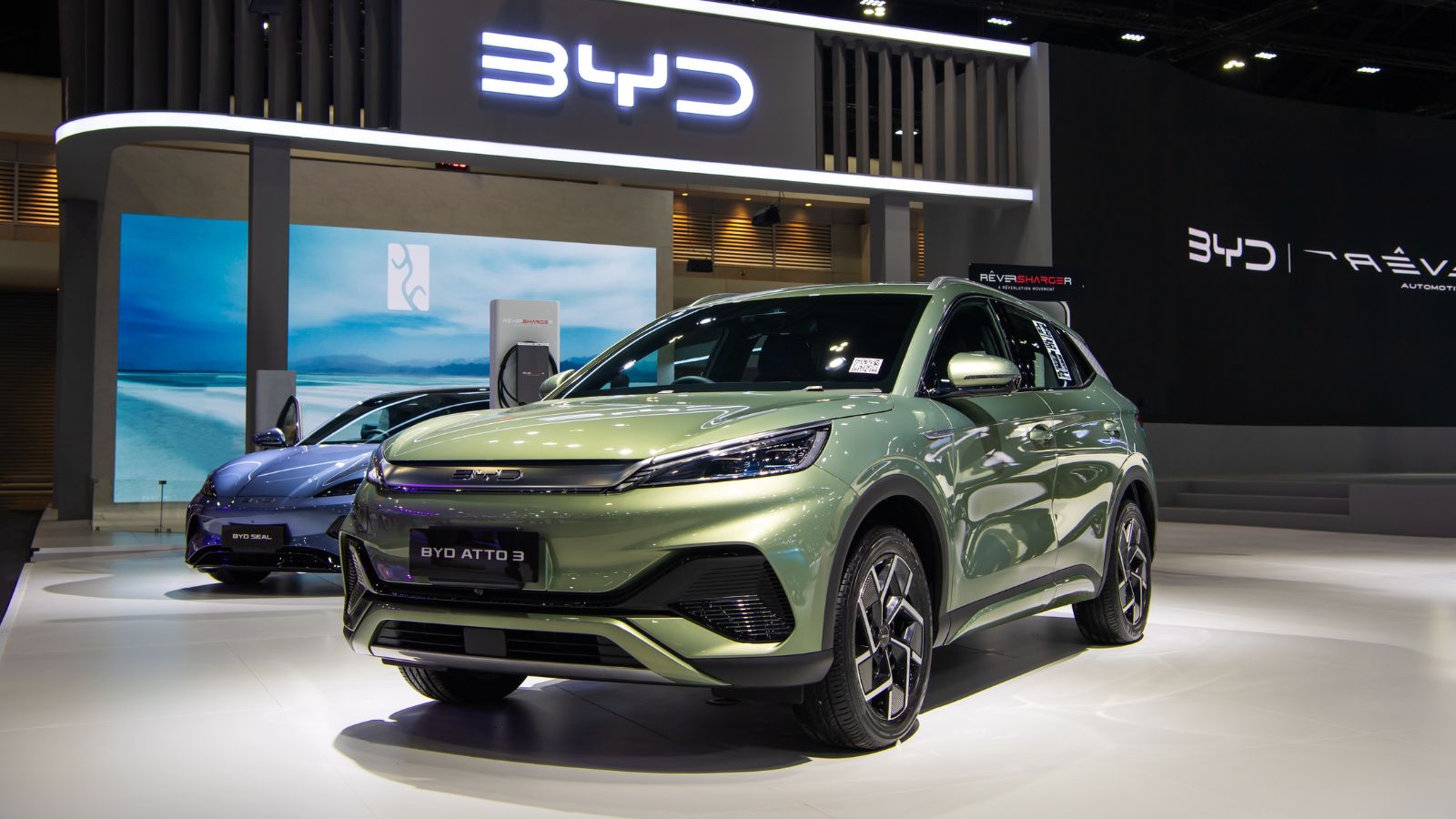
BYD is rapidly becoming one of the most influential automotive brands globally, and its expansion into markets like Canada is increasingly expected. Known for its vertically integrated manufacturing model, BYD produces its own batteries, which allows it to control costs more effectively than many competitors. This advantage enables the company to offer electric vehicles at more competitive price points, which is a key factor for Canadian consumers facing rising vehicle costs. BYD has already established a strong presence in electric buses across North America, which provides a foundation for broader brand recognition. As infrastructure for electric vehicles continues to improve in Canada, the market becomes more attractive for companies like BYD to introduce passenger vehicles. Another reason for its anticipated growth is the company’s focus on range, battery efficiency, and durability, all of which align with Canadian driving conditions. Cold weather performance remains a critical factor for EV adoption, and BYD’s battery technology is positioned to address this concern.
VinFast
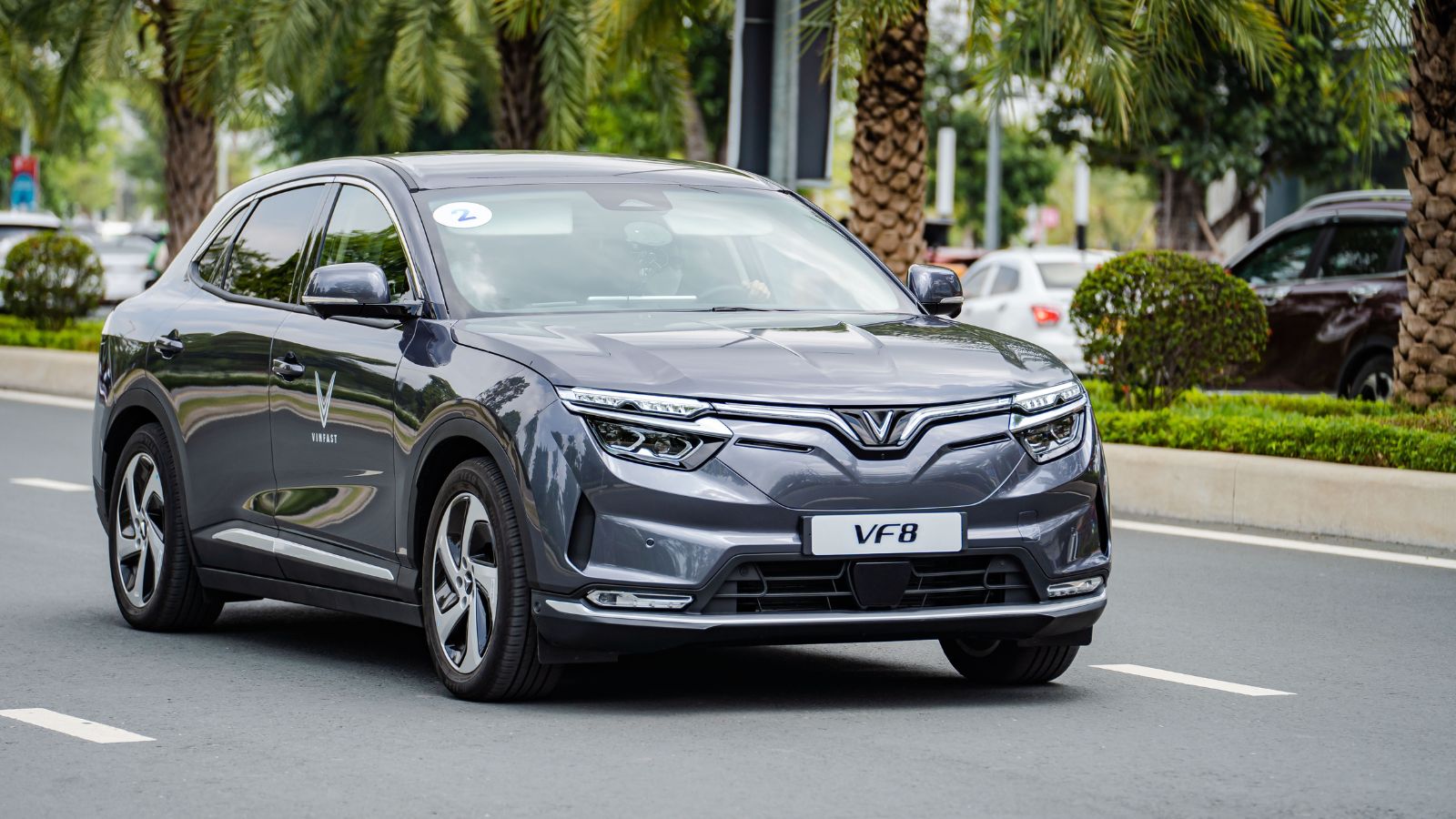
VinFast, a Vietnamese automaker, has already begun entering North American markets and is positioning itself for wider visibility in Canada. The company is focused entirely on electric vehicles, which aligns with Canada’s push toward zero-emission transportation. VinFast differentiates itself by offering competitive pricing alongside modern design and technological features. One of its key strategies is to establish direct-to-consumer sales models and build brand awareness through aggressive expansion. The company has also invested in customer experience, including warranty coverage and service commitments, which are designed to build trust in new markets. Canadian consumers are increasingly open to new brands, especially when they offer value and innovation. VinFast’s vehicles are expected to appeal to buyers looking for alternatives to traditional automakers.
NIO
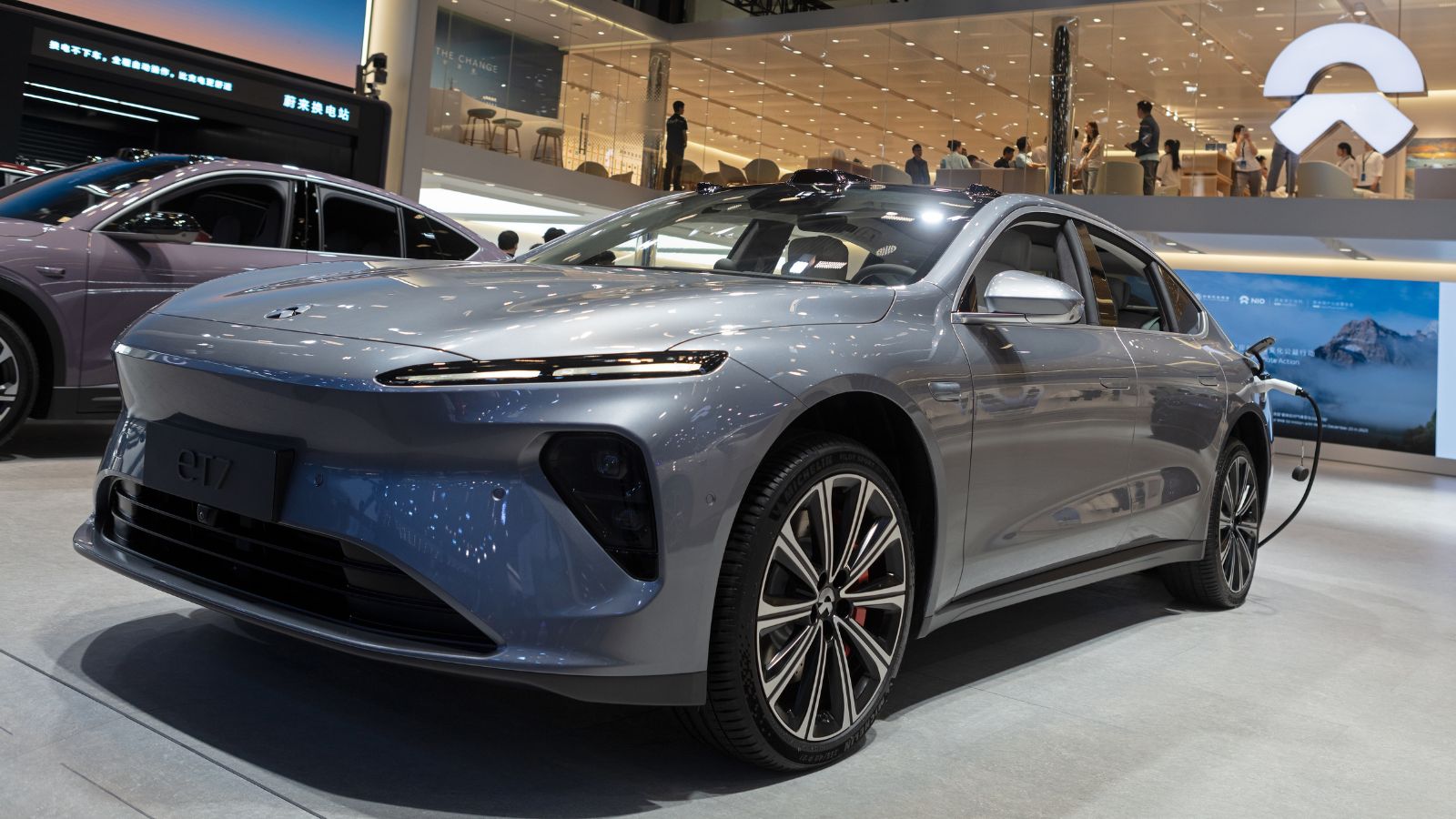
NIO is a Chinese electric vehicle manufacturer known for its focus on premium technology and battery-swapping capabilities. While its presence in Canada is still emerging, its global expansion strategy suggests that it will eventually target North American markets more aggressively. One of NIO’s defining features is its battery-swapping system, which allows drivers to replace depleted batteries quickly rather than wait for charging. This innovation addresses one of the key concerns around EV adoption, particularly in regions with long driving distances like Canada. The company also emphasizes advanced driver assistance systems and digital integration, appealing to tech-focused consumers. Canadian buyers are increasingly interested in vehicles that combine performance with innovation, which aligns with NIO’s positioning.
XPeng
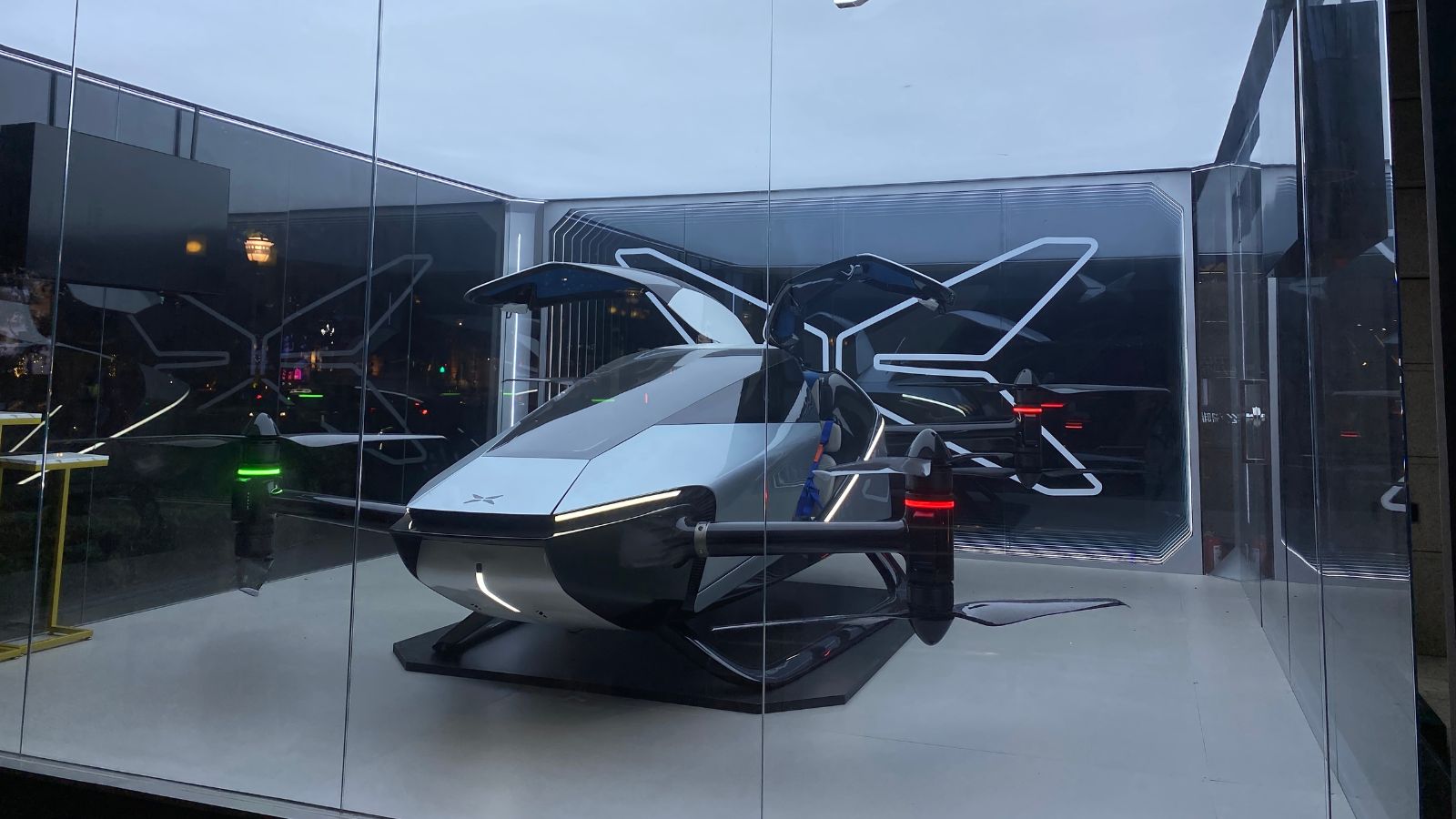
XPeng is another Chinese EV manufacturer gaining global attention for its focus on smart technology and autonomous driving features. The company positions itself as a technology-driven brand, integrating advanced software and connectivity into its vehicles. This approach appeals to younger, tech-savvy consumers who prioritize digital features alongside performance. In Canada, where interest in EVs continues to grow, XPeng has the potential to attract buyers looking for innovative alternatives to traditional brands. The company’s vehicles often include advanced driver assistance systems and over-the-air updates, which enhance long-term usability. Pricing is another factor, as XPeng aims to offer competitive options compared to established automakers.
Polestar
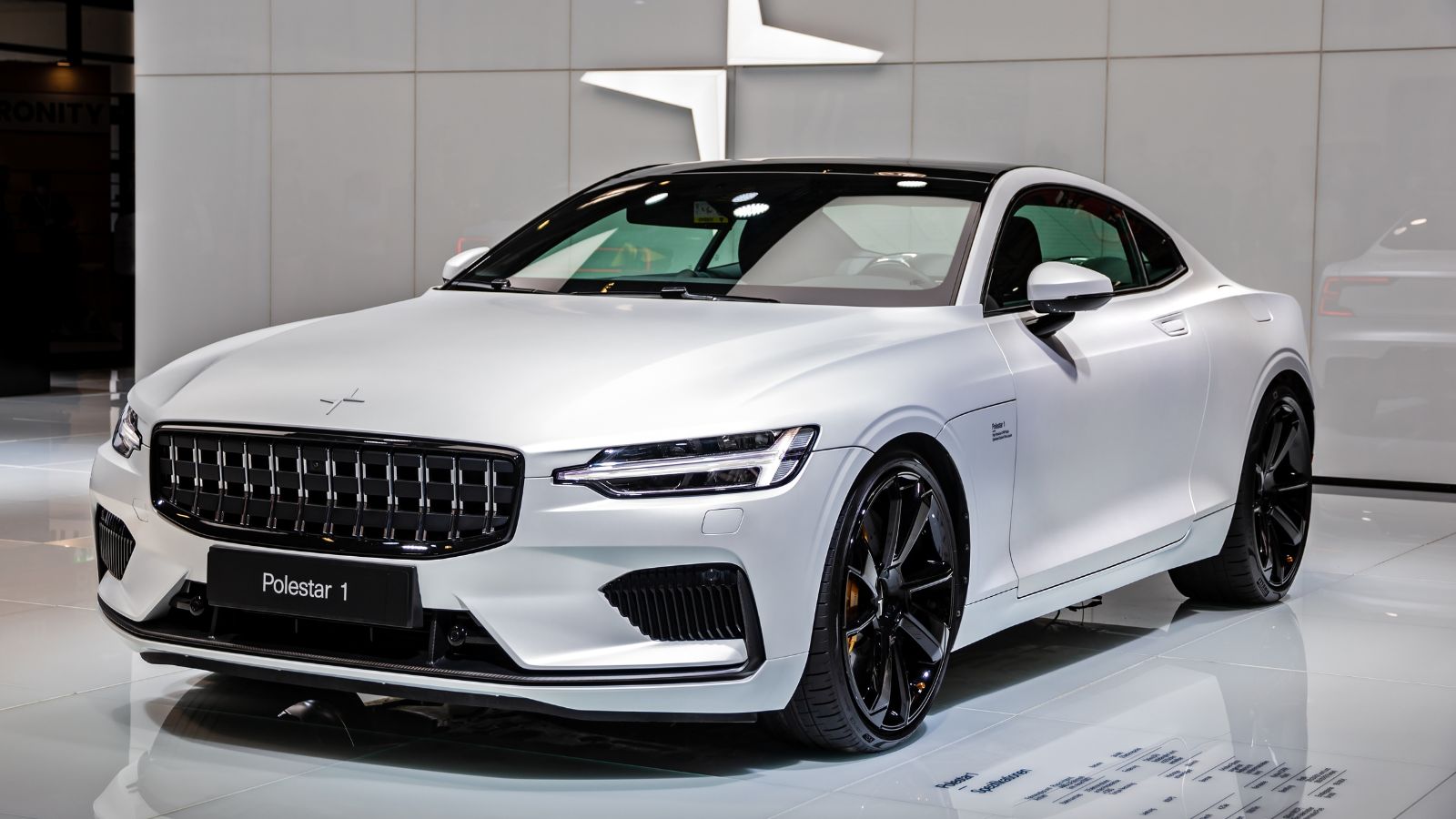
Polestar, backed by Volvo and Geely, is already present in Canada and is expected to increase its visibility significantly. The brand focuses on electric performance vehicles with a strong emphasis on design and sustainability. Polestar benefits from Volvo’s reputation for safety and engineering, which helps build trust among Canadian consumers. Its vehicles are positioned as premium alternatives within the EV market, appealing to buyers seeking both performance and environmental responsibility. As EV adoption increases, Polestar’s presence is expected to expand through additional showrooms and service networks. The brand’s focus on direct sales and minimalist design also differentiates it from traditional dealerships.
Fisker
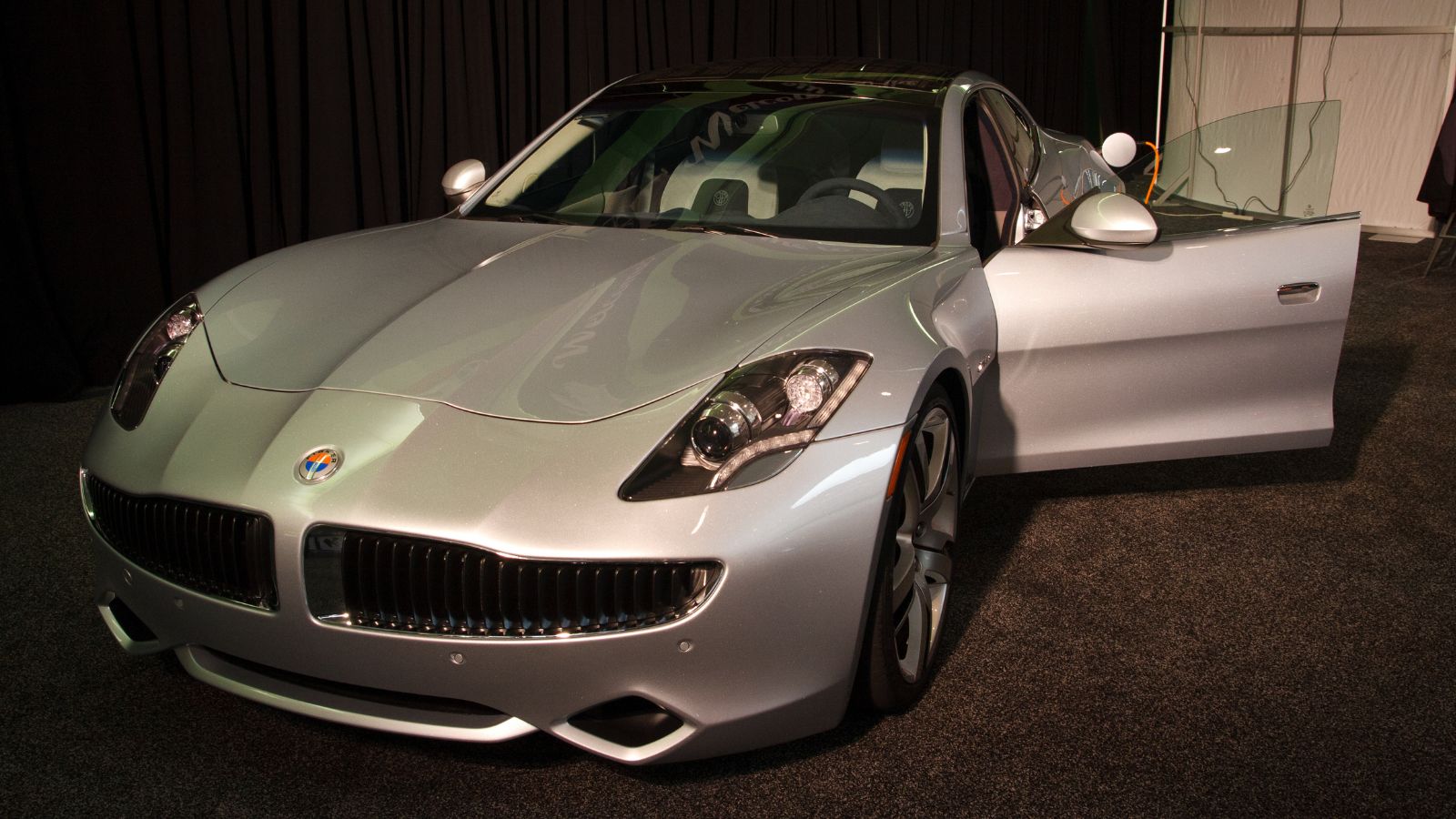
Fisker is an American EV startup that is gaining attention for its focus on sustainable materials and distinctive design. The company aims to differentiate itself by offering environmentally conscious vehicles without compromising on style or performance. In Canada, where sustainability is an important consideration for many buyers, Fisker’s approach is likely to resonate. The company also focuses on competitive pricing within the EV market, making its vehicles more accessible. Its asset-light manufacturing strategy allows it to scale without the same overhead as traditional automakers. As awareness grows, Canadians are likely to see Fisker vehicles become more common, particularly among early adopters.
Lucid Motors
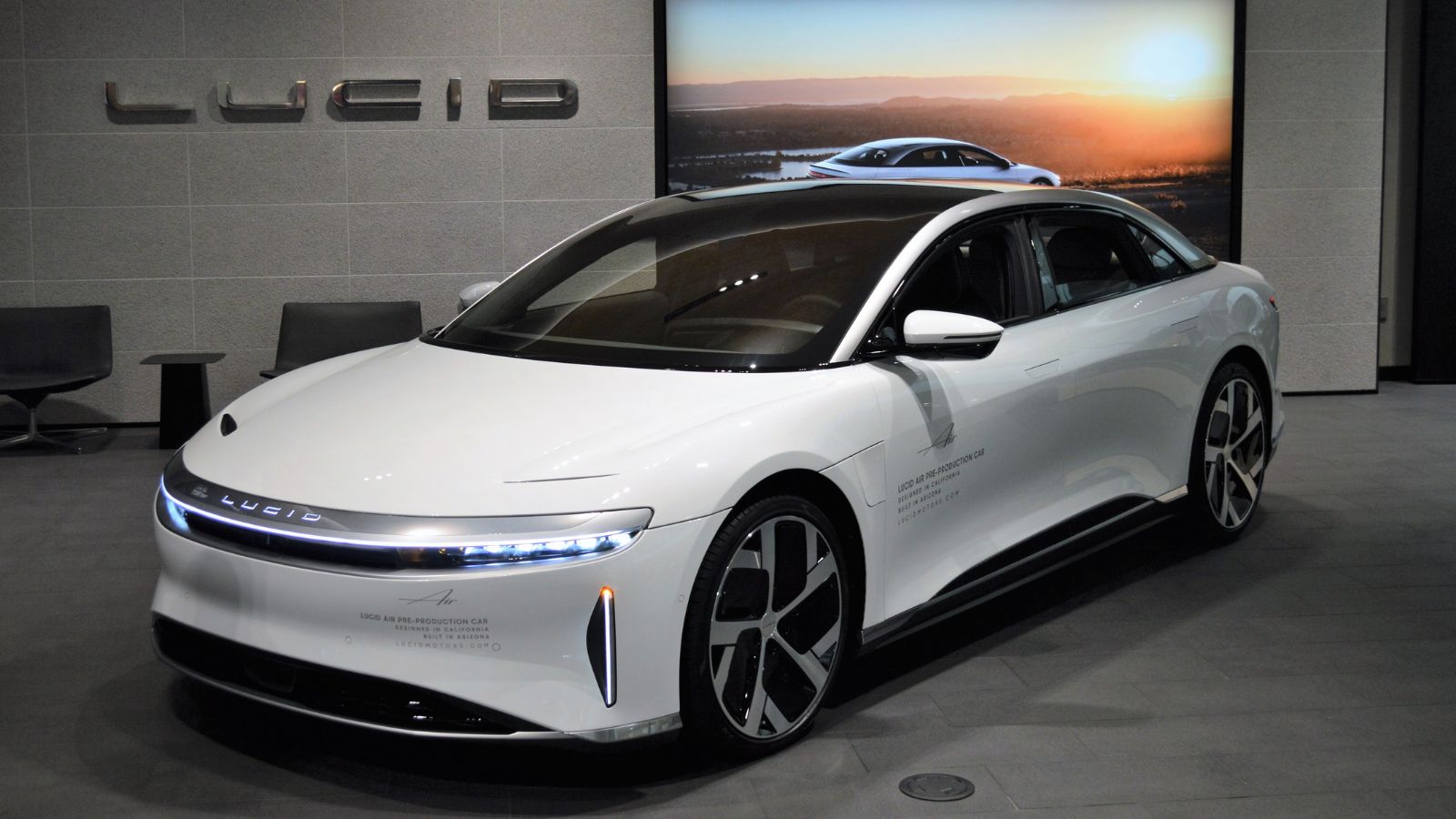
Lucid Motors is entering the luxury EV segment with a focus on high performance and advanced technology. The brand is known for its long-range vehicles and premium design, positioning it as a competitor to established luxury automakers. In Canada, where interest in high-end EVs is growing, Lucid is expected to gain visibility among affluent buyers. Its vehicles offer impressive range and performance, which are key considerations in the Canadian market. As charging infrastructure improves, luxury EV adoption is likely to increase. Lucid’s focus on innovation and quality positions it well for expansion. Canadians are likely to see more of the brand as it strengthens its presence in North America.
Rivian
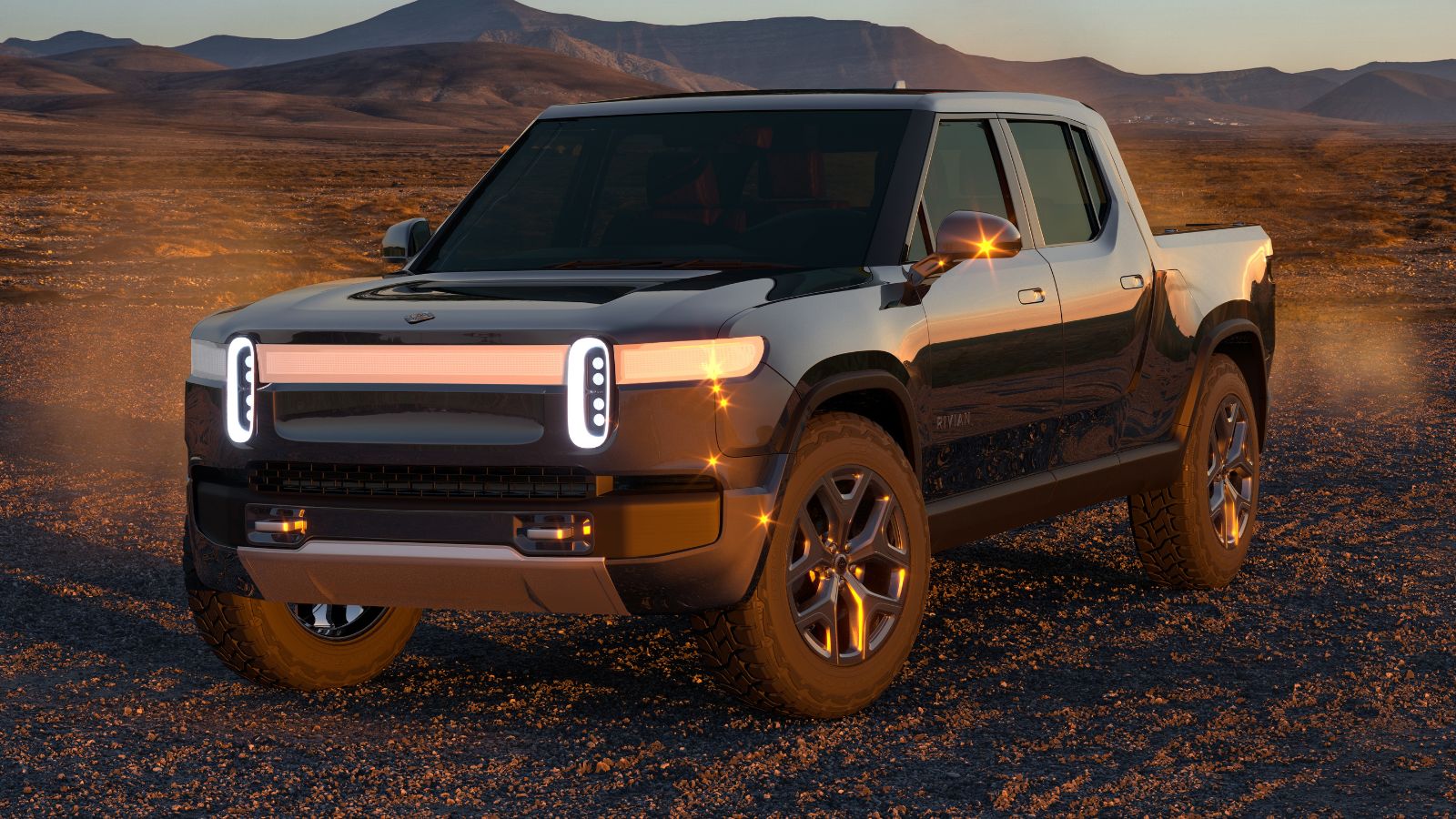
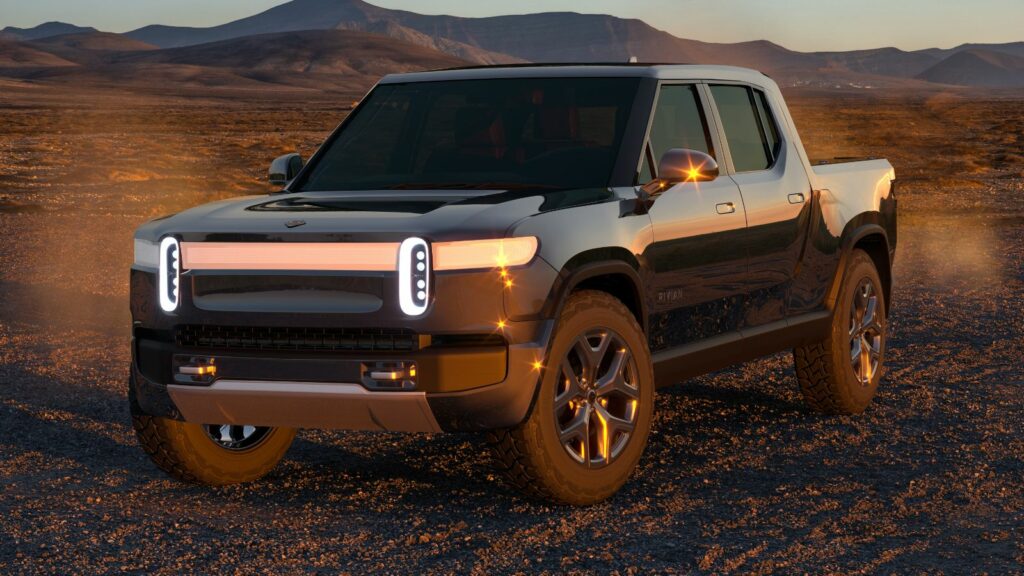
Rivian is an American electric vehicle manufacturer gaining attention for its focus on electric trucks and SUVs, making it particularly relevant to the Canadian market. With Canada’s strong demand for pickup trucks and outdoor-oriented vehicles, Rivian’s lineup aligns well with local preferences. The brand emphasizes rugged design combined with advanced electric performance, offering features suited for off-road use and long-distance travel. This positioning makes Rivian appealing to Canadians who need vehicles capable of handling diverse terrain and weather conditions. Another factor driving its visibility is growing interest in electric alternatives to traditional trucks, especially as fuel costs remain high. Rivian’s vehicles are designed with lifestyle integration in mind, including storage solutions and accessories tailored for outdoor activities.
Zeekr
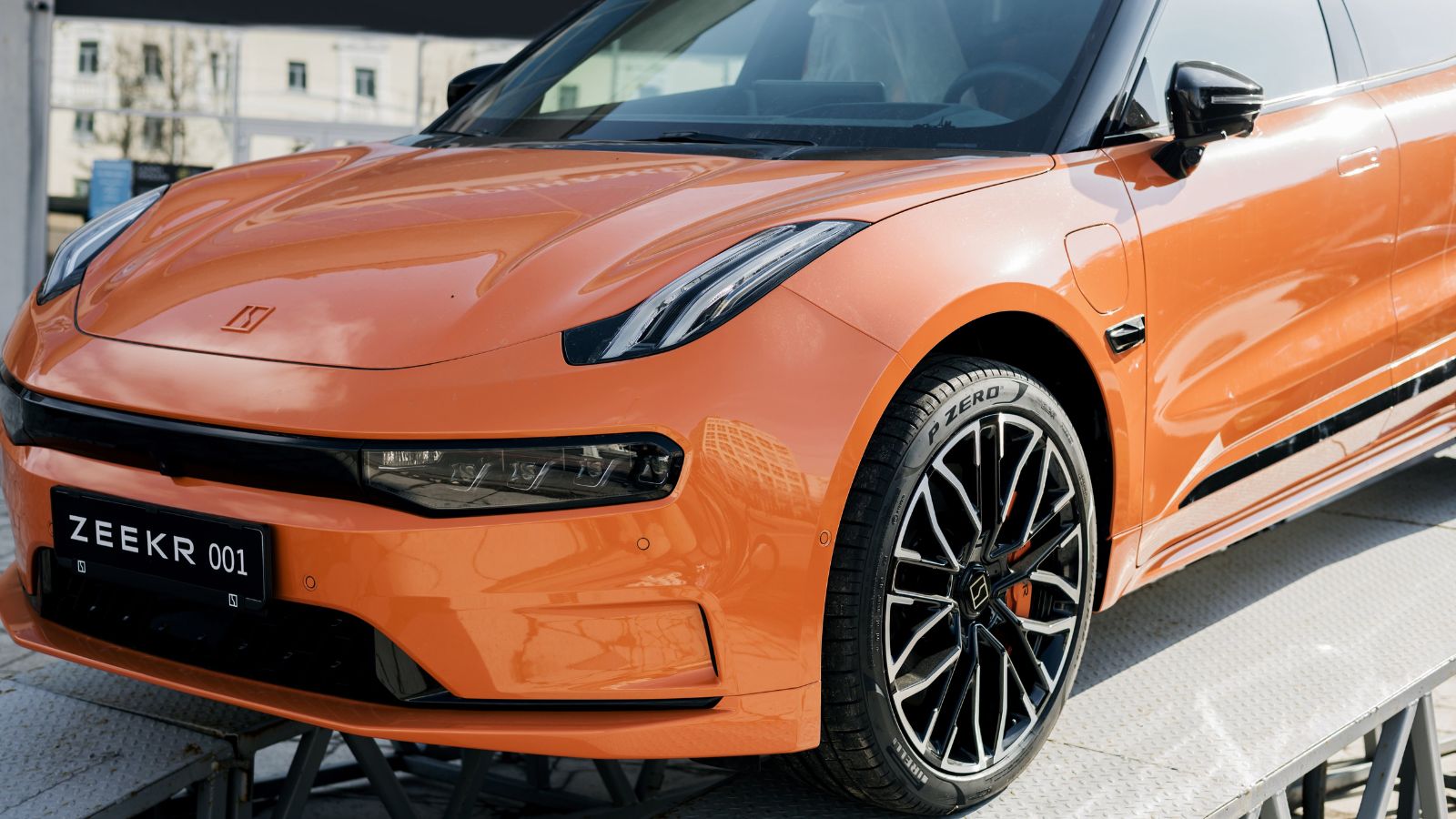
Zeekr, a premium electric vehicle brand under Geely, is positioned to expand into global markets, including Canada, as competition in the EV space intensifies. The brand focuses on high-end electric vehicles that combine performance, design, and advanced technology. Zeekr’s strategy involves leveraging Geely’s global manufacturing and engineering capabilities while presenting itself as a modern, independent brand. This approach allows it to compete with established luxury automakers while offering competitive pricing. In Canada, where interest in premium electric vehicles continues to grow, Zeekr has the potential to attract buyers seeking alternatives to traditional luxury brands. The company emphasizes software integration, connectivity, and user experience, which aligns with evolving consumer expectations.
MG (Morris Garages)
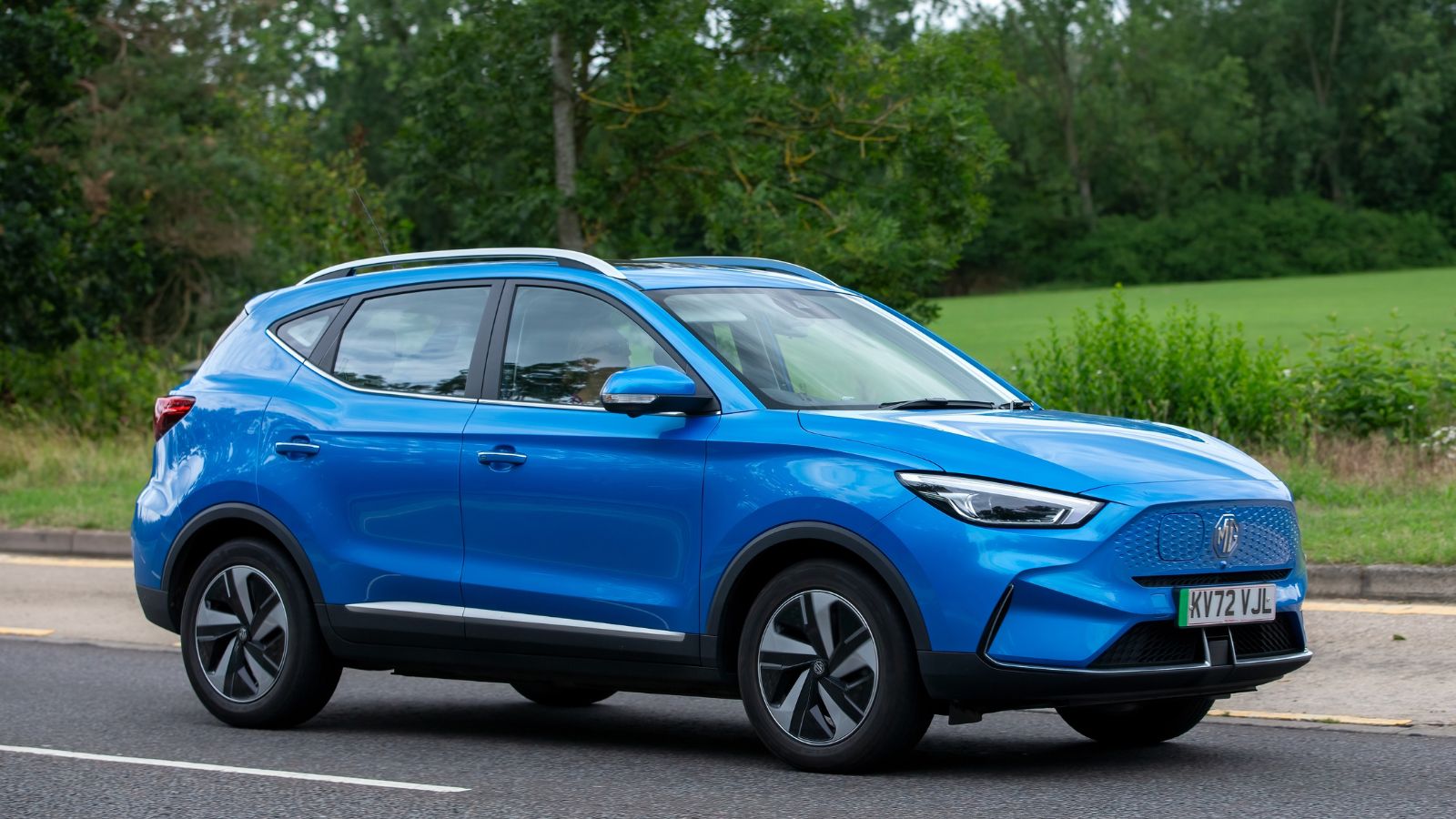
MG, originally a British brand now owned by SAIC Motor, is re-emerging globally with a focus on affordable electric vehicles. Its expansion strategy targets markets with high price sensitivity, making Canada a potential growth area. MG’s vehicles are positioned as cost-effective alternatives to established EV brands, offering practical features without premium pricing. This approach appeals to Canadian consumers who are interested in electric vehicles but concerned about affordability. The brand also benefits from strong manufacturing scale, which helps maintain competitive pricing. In markets where MG has already entered, it has gained traction by offering value-driven models that meet everyday needs. As Canada continues to push for EV adoption, affordable options become increasingly important. MG’s lineup is expected to attract first-time EV buyers looking for accessible entry points into the market.
Canoo

Canoo is an emerging electric vehicle company that stands out for its unconventional design and focus on modular vehicle platforms. Its vehicles are designed with a unique shape that maximizes interior space while maintaining a compact footprint. This approach is particularly relevant for urban environments, where efficiency and space utilization are important. In Canada, Canoo’s vehicles could appeal to businesses, delivery services, and city drivers looking for practical electric solutions. The company also emphasizes flexibility, with platforms that can be adapted for different uses, including passenger transport and commercial applications. This versatility gives Canoo an advantage in markets where diverse transportation needs exist.
Ora (Great Wall Motors)
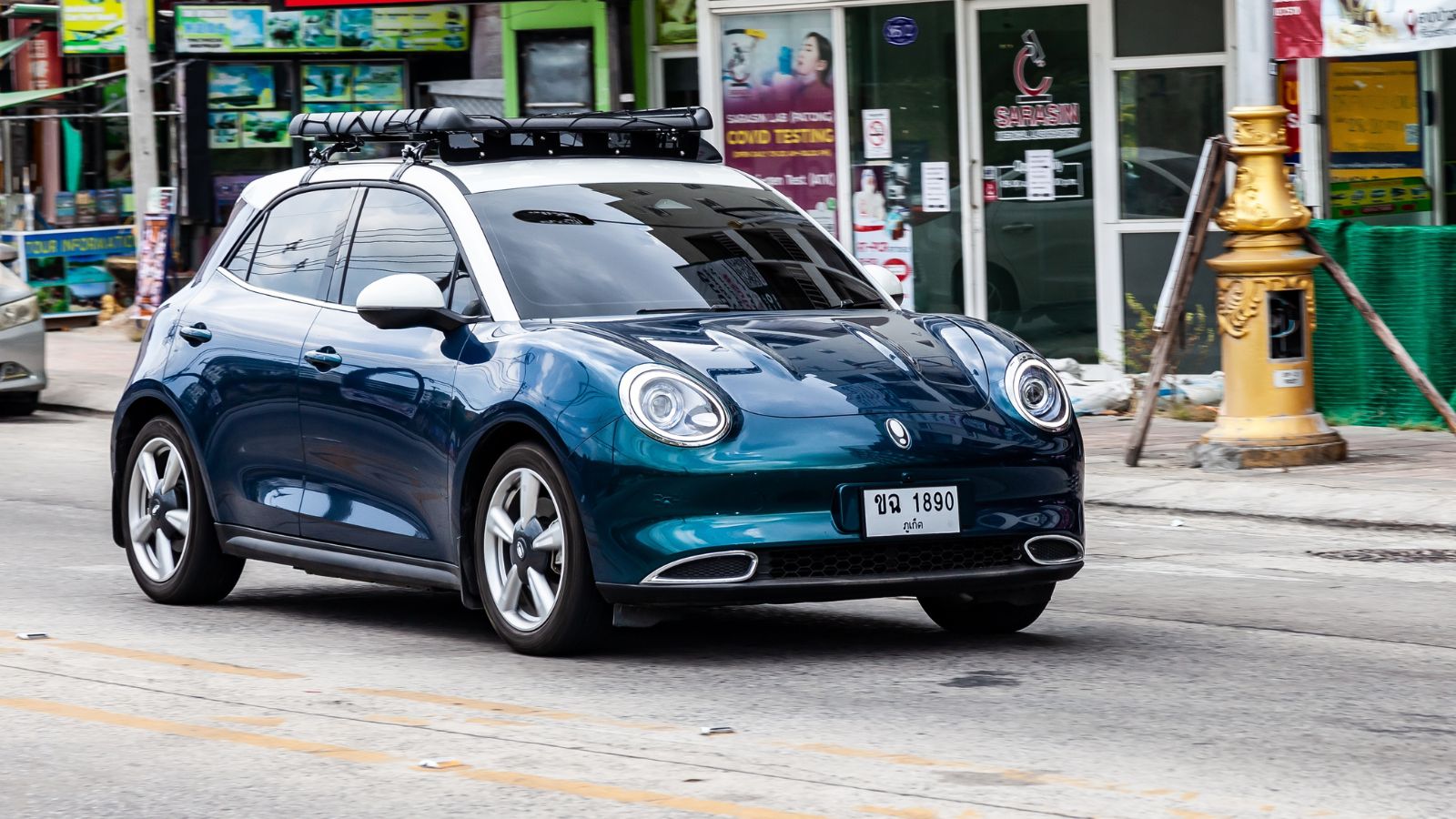
Ora, an electric vehicle brand under Great Wall Motors, focuses on compact, affordable EVs designed for urban use. The brand emphasizes distinctive design, often incorporating retro-inspired styling that sets it apart from competitors. In Canada, where urban populations continue to grow, compact EVs are becoming increasingly relevant. Ora’s vehicles are positioned to appeal to city drivers who prioritize efficiency, affordability, and ease of use. The brand also focuses on user-friendly technology and accessible pricing, making it attractive to first-time EV buyers. As infrastructure improves and charging becomes more widespread, smaller EVs are expected to gain popularity. Ora’s global expansion strategy suggests it will target markets such as Canada, where demand for affordable electric options is rising.
Xiaomi Auto
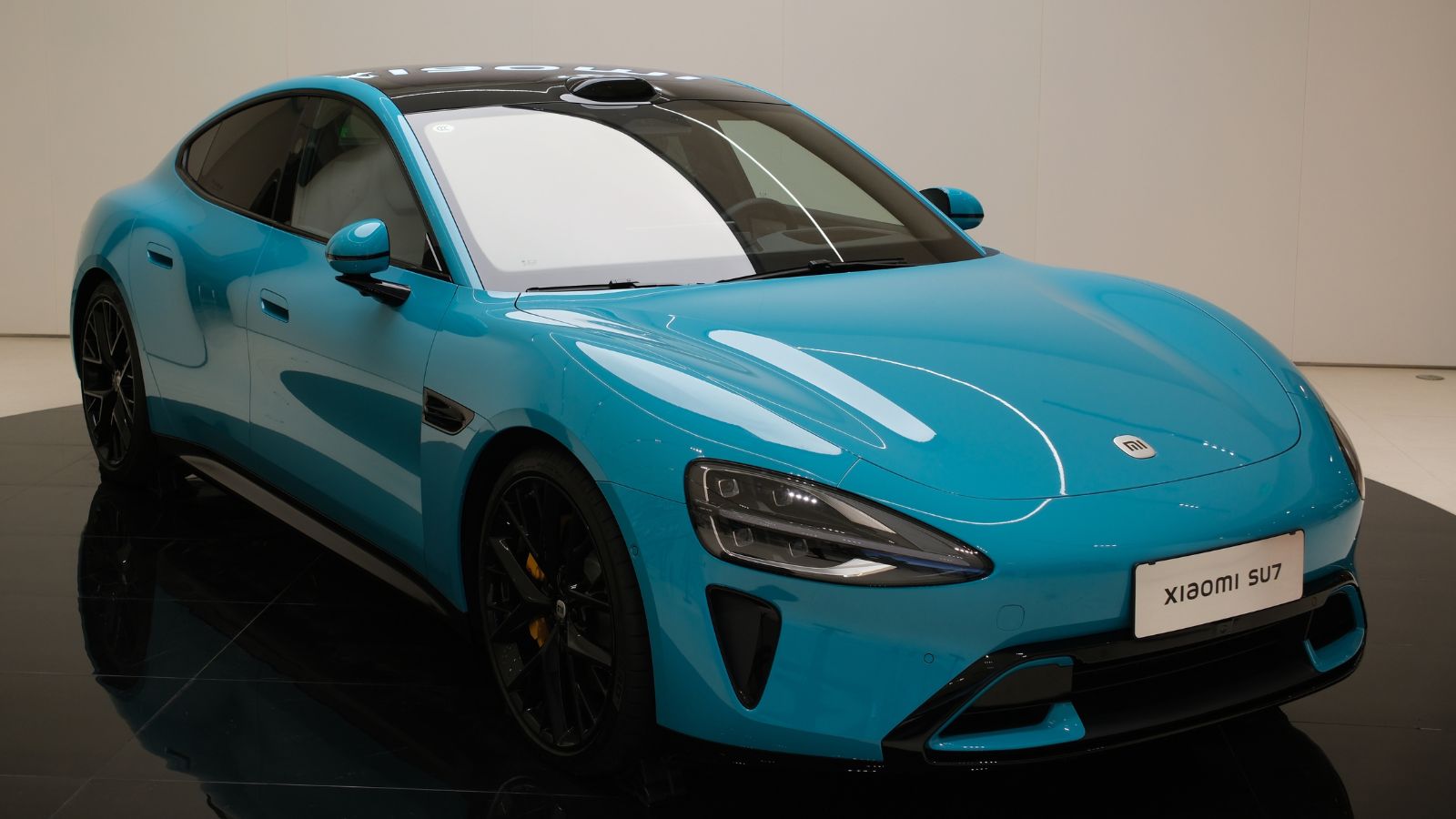
Xiaomi Auto represents a new type of entrant into the automotive industry, coming from a technology background rather than traditional manufacturing. Known for its consumer electronics, Xiaomi is leveraging its expertise in software, connectivity, and user experience to develop electric vehicles. This approach aligns with the growing importance of digital integration in modern cars. In Canada, where consumers are increasingly tech-focused, Xiaomi Auto has the potential to attract attention once it expands globally. The brand’s vehicles are expected to emphasize seamless integration with smart devices, creating a connected ecosystem that extends beyond the car itself. This could appeal to younger buyers who prioritize technology alongside performance.
19 Things Canadians Don’t Realize the CRA Can See About Their Online Income

Earning money online feels simple and informal for many Canadians. Freelancing, selling products, and digital services often start as side projects. The problem appears at tax time. Many people underestimate how much information the CRA can access. Online platforms, banks, and payment processors create detailed records automatically. These records do not disappear once money hits an account. Small gaps in reporting add up quickly.
Here are 19 things Canadians don’t realize the CRA can see about their online income.
