Many brands that Canadians grew up with still feel local, even though ownership has shifted to global corporations over time. Through acquisitions, mergers, and restructuring, several well-known names that were once proudly Canadian are now controlled by international companies. Despite this, branding and identity often remain unchanged, which leads to ongoing confusion. Here are 19 brands Canadians think are Canadian but aren’t anymore.
Tim Hortons
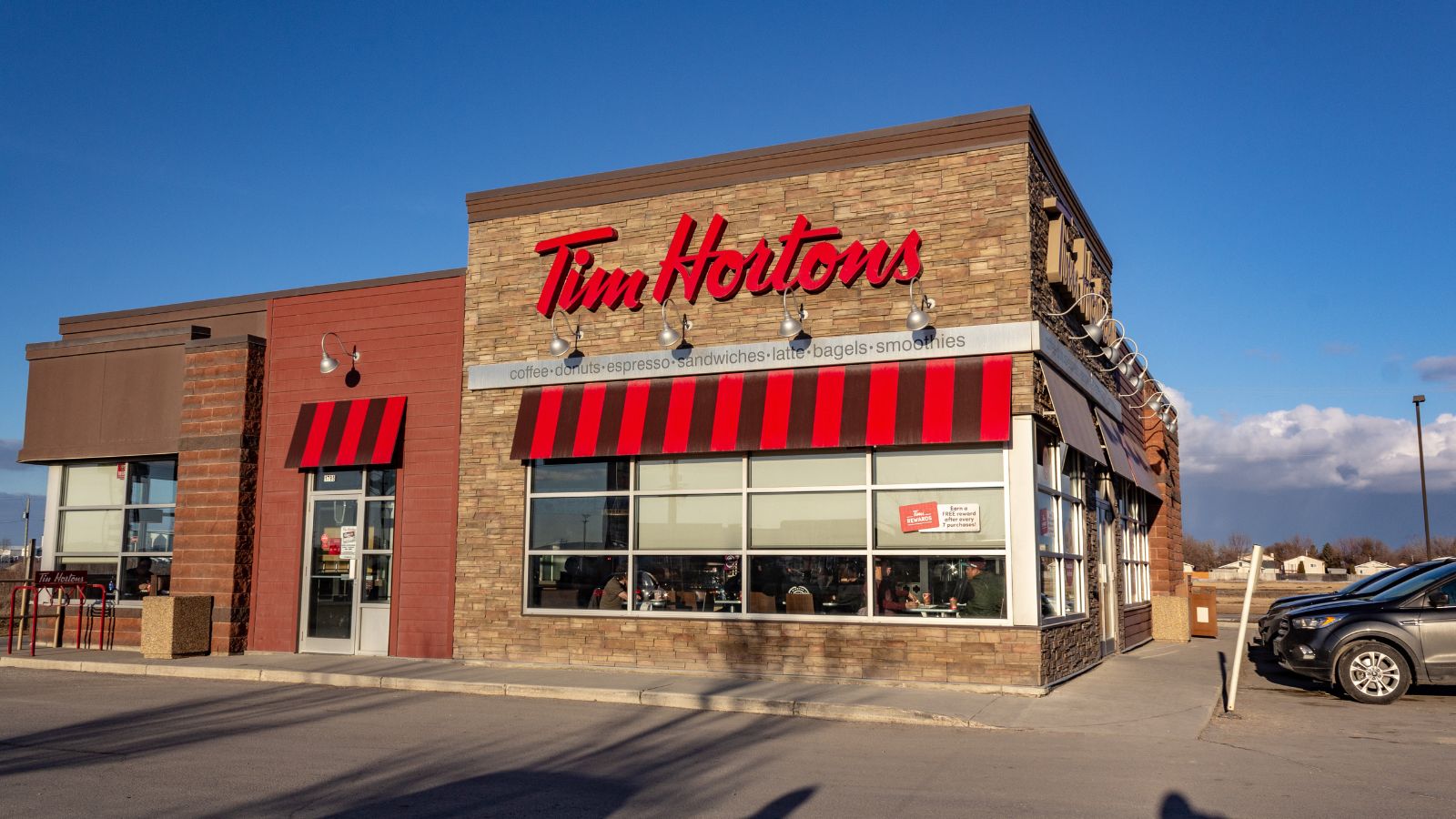
Tim Hortons is often seen as one of the most iconic Canadian brands, deeply tied to national identity and everyday culture. However, it is no longer Canadian-owned. In 2014, the company merged with Burger King to form Restaurant Brands International, which is headquartered in Canada but controlled by Brazilian investment firm 3G Capital. Despite the Canadian headquarters, strategic control and major financial decisions are influenced internationally. Many Canadians still perceive Tim Hortons as fully domestic because of its branding, menu, and widespread presence across the country.
Hudson’s Bay
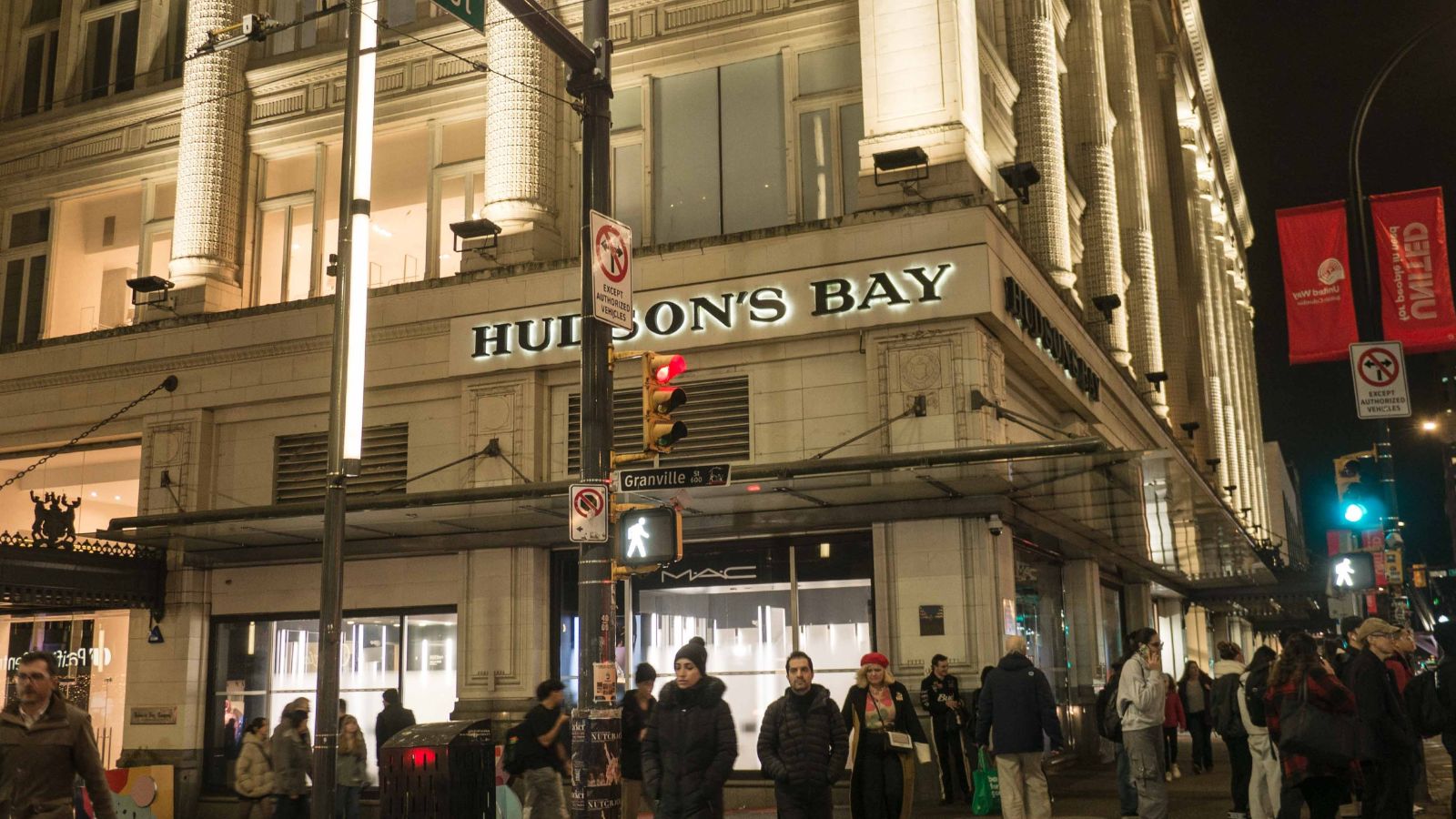
Hudson’s Bay is one of Canada’s oldest and most historically significant companies, but it is no longer Canadian-owned. Over time, ownership has shifted through acquisitions and restructuring, with control moving to U.S.-based investment groups and international stakeholders. While the brand continues to operate in Canada and maintain its historical identity, decision-making authority is no longer purely domestic. Many Canadians still associate Hudson’s Bay with national heritage due to its long history in the country. This perception is reinforced by branding that emphasizes its Canadian roots. However, the company now operates within a global investment structure, where financial and strategic decisions are influenced by external ownership.
Molson Coors

Molson Coors is widely perceived as a Canadian brand due to the Molson name, which has been part of Canadian brewing history for generations. However, the company is now a multinational corporation following its merger with U.S.-based Coors. This merger created a global entity with shared ownership and operations across multiple countries. While Molson products are still brewed in Canada and maintain strong local recognition, the company itself is no longer purely Canadian. Many consumers continue to associate the brand with national identity because of its history and presence in Canadian culture. The branding reinforces this perception, even as ownership has become international.
Canada Dry
Canada Dry is often assumed to be a Canadian brand because of its name and long-standing presence in the market. However, it is owned by Keurig Dr Pepper, an American company. The branding strongly emphasizes a Canadian identity, which leads many consumers to believe it is still domestically owned. In reality, production and ownership are part of a larger international corporation. The name itself plays a significant role in shaping perception, as it directly references Canada. This creates a sense of familiarity and trust among Canadian consumers. Canada Dry is a clear example of how branding can maintain a national image even when ownership has changed.
Rona
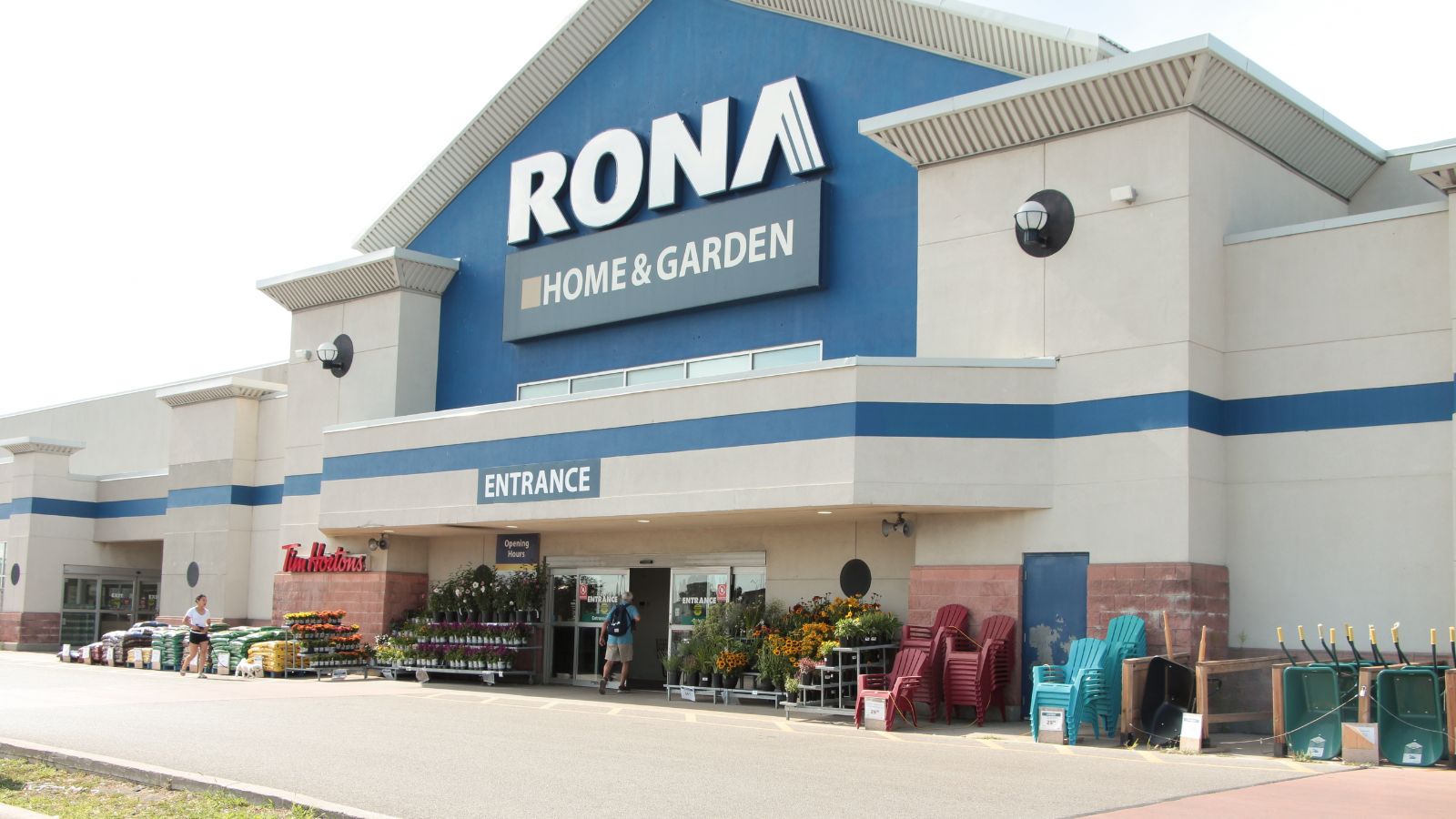
Rona was once one of Canada’s leading home improvement retailers, known for its strong domestic presence and Canadian ownership. However, it was acquired by Lowe’s, a U.S.-based company, which shifted control outside Canada. Although Rona later changed ownership again through further restructuring, it remains influenced by international investment. Many Canadians still associate Rona with its original identity, especially given its continued operations across the country. The brand has maintained its name and local positioning, which reinforces this perception. However, ownership changes have altered how the company operates within the broader retail market. This reflects a common pattern where established brands retain their identity even as control shifts.
Sleeman Breweries

Sleeman Breweries is often viewed as a Canadian craft beer brand with strong domestic roots, but it is owned by Sapporo Breweries, a Japanese company. While production still takes place in Canada, ownership and corporate control are international. Many Canadians continue to see Sleeman as a local brand because of its history and positioning within the craft beer market. The branding emphasizes tradition and Canadian identity, which reinforces this perception. However, the acquisition by Sapporo reflects broader trends in the beverage industry, where larger global companies acquire smaller brands to expand their portfolios.
Circle K
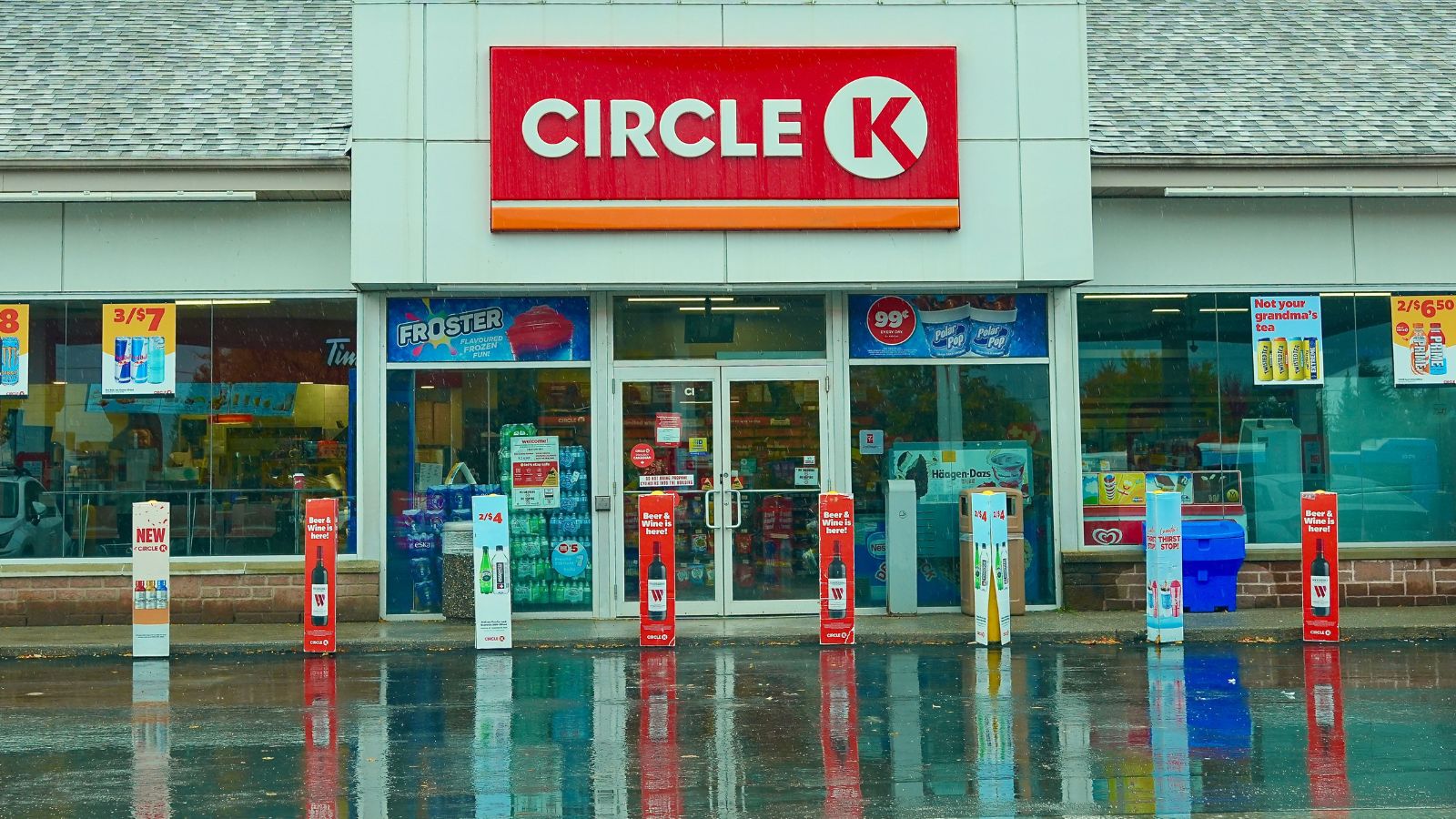
Circle K is often associated with Canada due to its connection with Alimentation Couche-Tard, a Quebec-based company. However, the brand itself is a global identity used across multiple countries. While the parent company is Canadian, Circle K operates as an international brand rather than a uniquely Canadian one. This creates confusion among consumers who assume the brand reflects local ownership or identity. The widespread presence of Circle K locations across Canada reinforces this perception. However, the brand is part of a broader global strategy that extends beyond the Canadian market. Circle K feels local in everyday experience, but it represents a much larger international network.
Seagram’s

Seagram’s was once a major Canadian company with a strong presence in the beverage industry, but it is no longer Canadian-owned. The company was broken up and sold, with its brands now controlled by various international corporations. Despite this, the Seagram’s name continues to appear on products, leading many Canadians to believe it remains a domestic brand. The historical connection to Canada plays a significant role in shaping this perception. However, ownership has long since shifted, and the brand now operates under global control. This reflects how legacy names can persist even after the original company structure has disappeared.
Roots
Roots is widely recognized as a Canadian lifestyle brand, known for its strong association with national identity and heritage. While it remains partly Canadian, the company has undergone changes in ownership structure that include international investment and public market involvement. This has created some confusion about whether it is still fully Canadian-owned. The brand continues to emphasize Canadian imagery and design, which reinforces its identity. However, external investment means that control is not entirely domestic. Many Canadians assume Roots remains fully local because of its branding and history.
A&W Canada
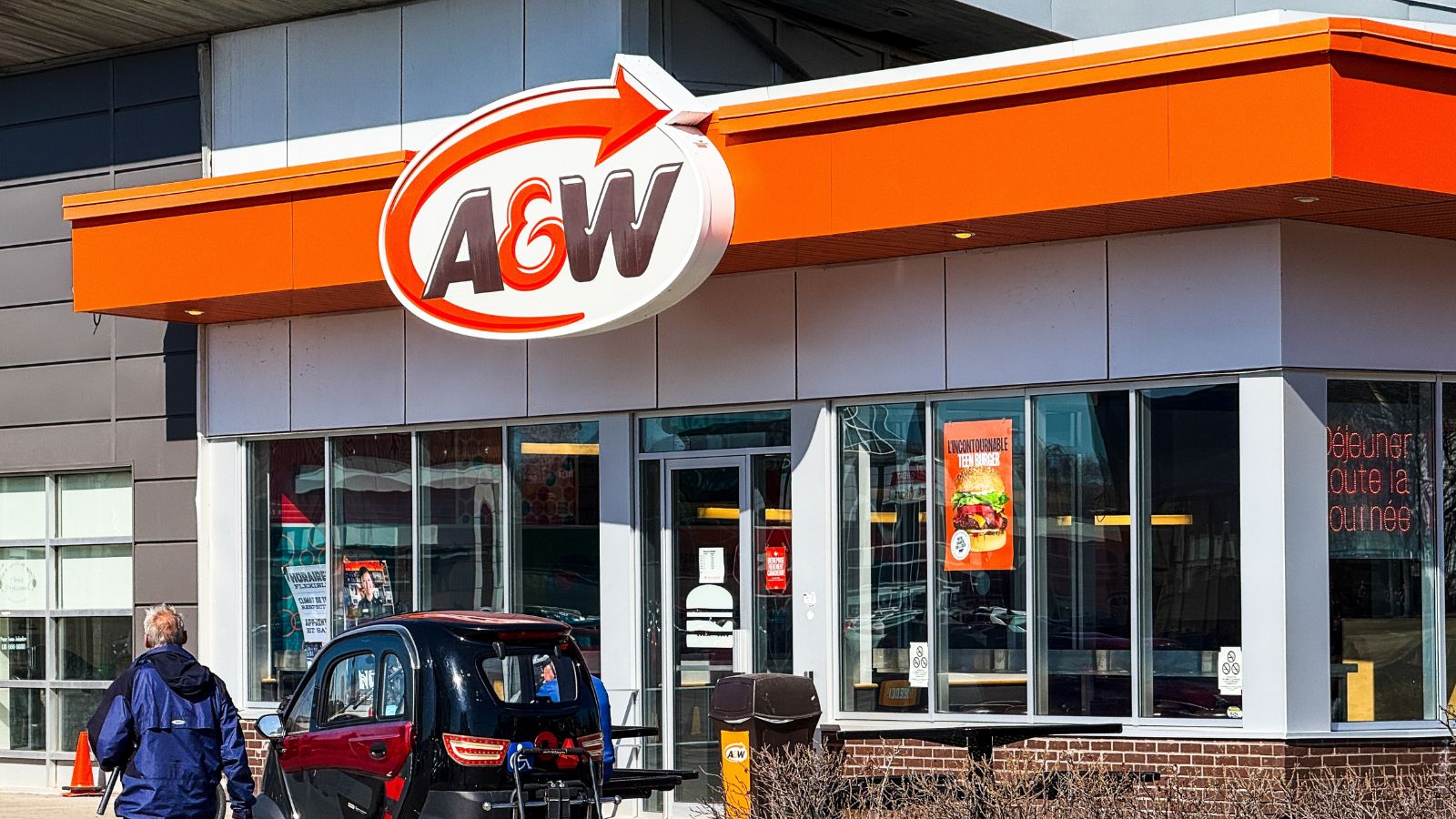
A&W Canada operates separately from its U.S. counterpart, which leads many Canadians to believe it is fully domestic. While it is independently managed in Canada, its ownership structure involves international investment and private equity. This creates a situation where the brand feels local but is not entirely isolated from global influence. A&W Canada has built a strong reputation within the country, emphasizing local sourcing and Canadian identity. This reinforces the perception that it is a domestic brand. However, its corporate structure includes external ownership elements that extend beyond Canada.
McCain Foods
McCain Foods is often assumed to be fully Canadian because it was founded in New Brunswick and still maintains a strong presence in the country. However, while it remains family-founded, it operates as a global multinational with extensive international ownership structures and operations. The company’s reach extends across dozens of countries, and much of its production, supply chain, and decision-making is influenced by global markets rather than purely Canadian priorities. Canadians frequently associate McCain with local agriculture, especially potatoes, but the brand’s scale means it is no longer confined to a domestic identity. Its products are manufactured and distributed worldwide, often using international sourcing.
Shoppers Drug Mart
Shoppers Drug Mart feels like a distinctly Canadian retail chain, but it is owned by Loblaw Companies Limited, which itself operates within a broader network of international investment and corporate influence. While Loblaw is Canadian-based, its scale and structure mean that Shoppers Drug Mart is part of a large corporate ecosystem influenced by global supply chains and shareholder interests. The brand’s identity remains strongly Canadian, reinforced by its presence in communities across the country. However, product sourcing, pricing strategies, and operational decisions are shaped by factors that extend beyond Canada. Many Canadians assume the brand is independent and locally controlled, but it functions within a much larger corporate framework.
Petro-Canada

Petro-Canada is often viewed as a national symbol, but it is owned by Suncor Energy, a publicly traded company with significant international investment. While Suncor is headquartered in Canada, ownership is distributed among global shareholders, meaning control is not purely domestic. The Petro-Canada brand maintains a strong national identity, which reinforces the perception that it is fully Canadian. However, its corporate structure reflects a broader international presence. Canadians may not always recognize this because branding emphasizes national connection.
Boston Pizza
Boston Pizza is widely recognized across Canada, leading many to assume it is a domestic brand. However, the company operates within a publicly traded structure that includes international investment and corporate influence. While it was founded in Canada and remains headquartered there, ownership is not limited to Canadian stakeholders. The brand maintains a strong Canadian identity through its locations and marketing, which reinforces consumer perception. However, its corporate structure reflects broader investment patterns seen in the restaurant industry. Understanding this distinction helps clarify how ownership and identity can differ. Boston Pizza feels Canadian, but it operates within a global financial framework.
Saputo
Saputo is one of Canada’s largest dairy companies, but it has grown into a global entity with operations in multiple countries. While it is still headquartered in Canada, its expansion has transformed it into an international corporation with significant foreign operations and influence. Canadians often view Saputo as a domestic brand due to its origins and continued presence in the Canadian market. However, its scale and reach mean it is no longer limited to national operations. The company’s growth strategy focuses on global markets, which shapes its overall direction. This reflects how successful Canadian companies evolve into multinational businesses. Saputo remains Canadian in origin, but its structure is now global.
Lululemon

Lululemon is strongly associated with Vancouver and Canadian culture, but it operates as a global brand with international ownership and influence. While it was founded in Canada, its growth has led to a corporate structure that includes global investors and markets. The company’s identity remains tied to its Canadian roots, which is emphasized through branding and design. However, decision-making and operations are influenced by international business strategies. Canadians often view Lululemon as a local success story, but its scale places it firmly within the global retail industry.
Four Seasons Hotels
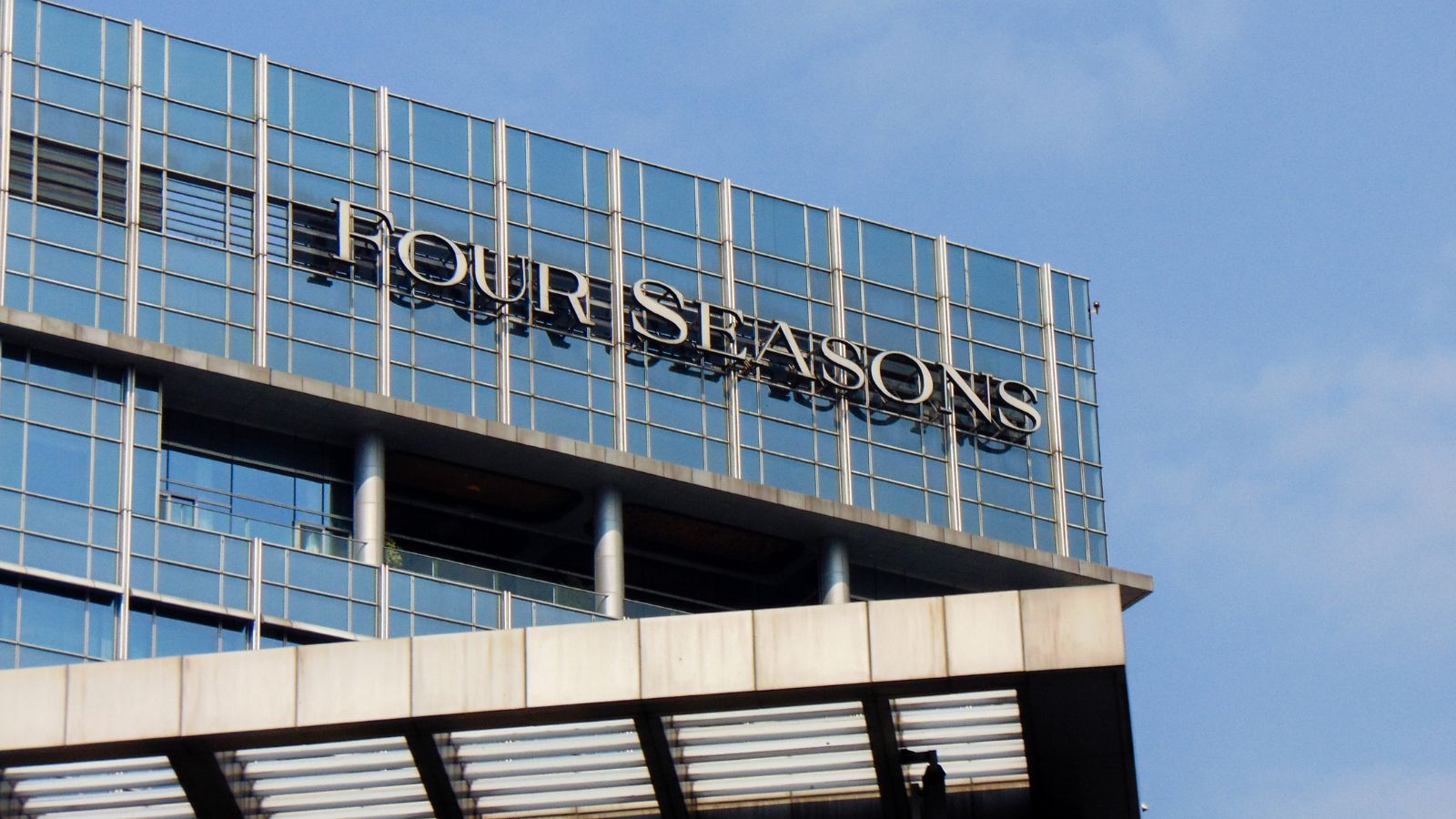
Four Seasons is often perceived as a Canadian luxury brand due to its origins in Toronto, but it is now owned by international investors, including Saudi-based Kingdom Holding Company. While the brand maintains its headquarters in Canada, ownership and strategic direction are influenced globally. The company operates hotels worldwide, making it a truly international entity. Canadians may still associate it with national identity, but its ownership reflects global investment. This is a clear example of how successful Canadian brands expand beyond domestic control.
BlackBerry

BlackBerry was once a symbol of Canadian innovation, but it has undergone significant transformation and restructuring over time. While still headquartered in Canada, the company now operates within a global technology ecosystem with international partnerships and influence. Its role has shifted from consumer devices to software and services, changing its market position. Canadians often remember BlackBerry as a national tech leader, but its current structure is more globally integrated.
Cineplex

Cineplex is widely recognized as Canada’s leading movie theatre chain, but it operates as a publicly traded company with international investors. While it is headquartered in Canada, ownership is not limited to domestic stakeholders. The company’s operations are influenced by global entertainment trends and partnerships. Canadians often assume Cineplex is fully Canadian due to its dominance in the local market. However, its corporate structure reflects broader financial integration. This highlights how even nationally dominant companies can be part of global investment systems. Cineplex remains Canadian in presence, but its ownership is more complex than it appears.
19 Things Canadians Don’t Realize the CRA Can See About Their Online Income

Earning money online feels simple and informal for many Canadians. Freelancing, selling products, and digital services often start as side projects. The problem appears at tax time. Many people underestimate how much information the CRA can access. Online platforms, banks, and payment processors create detailed records automatically. These records do not disappear once money hits an account. Small gaps in reporting add up quickly.
Here are 19 things Canadians don’t realize the CRA can see about their online income.
