
Grocery shopping in Canada is starting to look and feel different, even when the store footprint has not changed. The shift is showing up in sharper value messaging, more digital pricing, stronger private-label presence, and a grocery trip that increasingly blends convenience with cost control. Retailers are redesigning the experience around affordability, speed, and shopper data, while new packaging rules and product trends are quietly changing what stands out on the shelf.
These 18 changes capture what Canadians are beginning to notice in 2026: from discount banners gaining ground to meal solutions taking prime space, from paper tags giving way to screens to AI starting to shape how grocery lists are built before anyone even reaches the parking lot.
1. Discount Banners Are Becoming the Main Attraction
For years, discount grocery banners were often treated as the practical backup plan: the place for a cheaper pantry run, not the main event. In 2026, that distinction is fading. Canadian grocery growth is leaning heavily toward discount formats, and the numbers help explain why. Industry data cited in mid-2025 showed the discount channel expected to grow 4.7% between 2024 and 2029, with discount and conventional grocery sitting close to a 50/50 share nationally. In Ontario, discount was already holding a 56% share and still outperforming conventional stores in both dollar growth and tonnage. That is not a side trend anymore. It is the new centre of gravity.
The visible result is easy to spot. More neighborhoods are getting new No Frills, Maxi, Food Basics, Super C, and FreshCo locations, while existing discount stores are becoming more polished and better stocked. What used to feel stripped down now often feels strategic. Some chains are adding stronger produce sections, more international items, and even fresh prepared foods to make discount stores feel less like compromise and more like the first choice for weekly shopping.
2. Price Is Beating Variety More Often

Canadian grocery stores are increasingly being organized around one question: what helps shoppers keep the bill under control? That is not just retailer instinct; it reflects household pressure. Grocery Business reported in March 2026 that nearly one in three Canadians say they can only afford the essentials. Canada’s Food Price Report 2026 projected overall food prices would rise 4% to 6%, with the average family of four expected to spend up to $994.63 more on food than the year before. In other words, stores are not imagining consumer anxiety. They are merchandising around it because it is real.
That pressure changes what shoppers notice in-store. There are more endcaps built around savings, more “locked-in” price language, more big-number signage, and less room for leisurely browsing. Retailers still want choice on the shelf, but the emphasis is shifting toward the choices most likely to move quickly at the right price. A pasta aisle may still look full, but the visual hierarchy is different now. Essentials, value packs, and promoted items are doing more of the talking, while premium experiments are being forced to work harder for their space.
3. Store Brands No Longer Look Like the Backup Option
Private label used to carry a faint stigma in some households, especially when national brands dominated the best shelf space. That is breaking down fast. Loblaw says roughly one-third of its grocery sales now come from control brands, and its 2025 annual report highlighted average savings of 25% by switching from comparable national brands to No Name products. That is a powerful message in a country where food prices remain a source of constant frustration. The store brand is no longer tucked away as the budget alternative. In many stores, it is one of the clearest statements of strategy.
Canadians are also getting more comfortable mixing and matching rather than staying loyal to a single brand philosophy. Grocery Business reported that shoppers purchasing a mix of brand-name and store-brand items jumped to 66%, up from 56% a year earlier, while those buying only brand-name products dropped sharply. That helps explain why President’s Choice, No Name, Compliments, Irresistibles, Selection, and other in-house labels are showing up in more prominent positions. The shelf is being rearranged to reflect a shopper who wants decent quality, familiar packaging, and a lower total at checkout.
4. Loyalty Programs Are Turning Into Price Engines

The modern grocery loyalty program is no longer just a nice extra attached to a card on a keychain. It has become part of how prices are actually experienced. Loblaw says PC Optimum delivers more than $1 billion in annual rewards and is evolving toward more meaningful personalized offers. Empire says Scene+ has grown from 10 million to more than 15 million members and is being sharpened with machine learning and AI-driven personalization. Metro, meanwhile, expanded Moi Rewards into Ontario and says the program now reaches close to five million members across Quebec, Ontario, and New Brunswick.
That is why more Canadians are noticing that the price on the shelf is not always the whole story. The real deal may live in the app, through a points multiplier, a member-exclusive offer, or a personalized promotion based on past purchases. A shopper buying yogurt, coffee, and paper towels may feel as though the trip starts on a phone before the cart even moves. The more programs grow, the more grocery shopping becomes a layered experience: base price, member price, points value, and digital coupon all stacked together. For many households, loyalty is no longer about rewards later. It is about affordability right now.
5. Paper Shelf Tags Are Quietly Disappearing
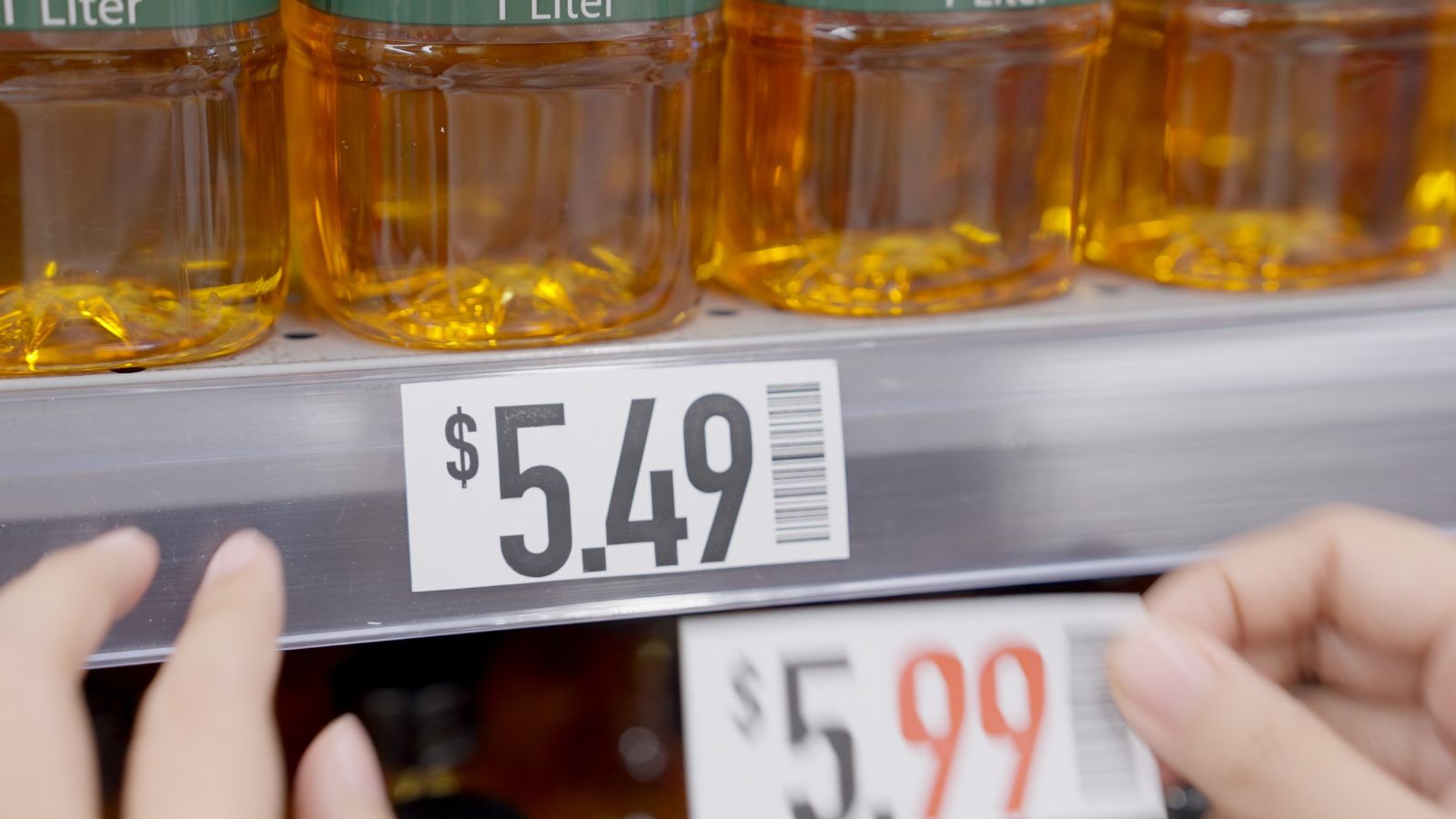
One of the clearest visual changes in Canadian grocery stores is also one of the easiest to miss at first glance. Paper price tags are slowly being replaced by electronic shelf labels. Loblaw says those labels have already been introduced in more than 1,099 grocery stores to improve pricing accuracy and free up labour for more customer-facing work. Metro’s Super C banners have also completed electronic shelf label rollouts, with the company describing them as a way to improve price visibility and operational efficiency. The humble shelf edge is becoming another screen.
For shoppers, the change is subtle but noticeable once it clicks. The shelf looks cleaner. Prices can update faster. There are fewer curling paper corners, fewer faded tags, and less visual clutter around promotions. The feeling is more controlled, more modern, and slightly more data-driven. It also changes how stores present urgency. A sale can be cleaner and more standardized when every tag is digital. Most people are not walking into a store thinking about shelf-label technology, but in 2026 more Canadians are starting to notice that the aisle itself looks newer, sharper, and more alive than it did just a few years ago.
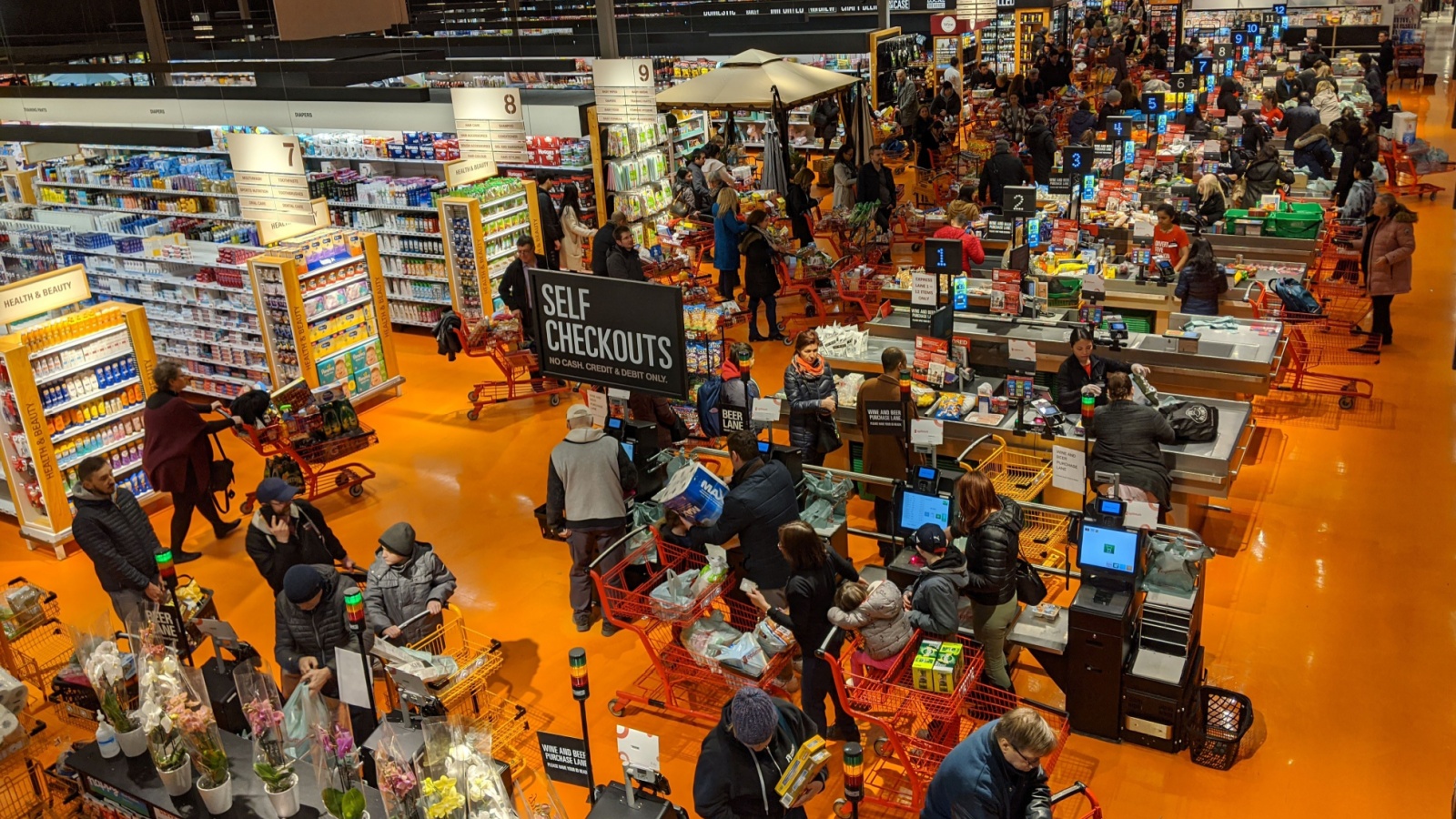
6. Self-Checkout Is Still Growing, but It Feels Less Carefree
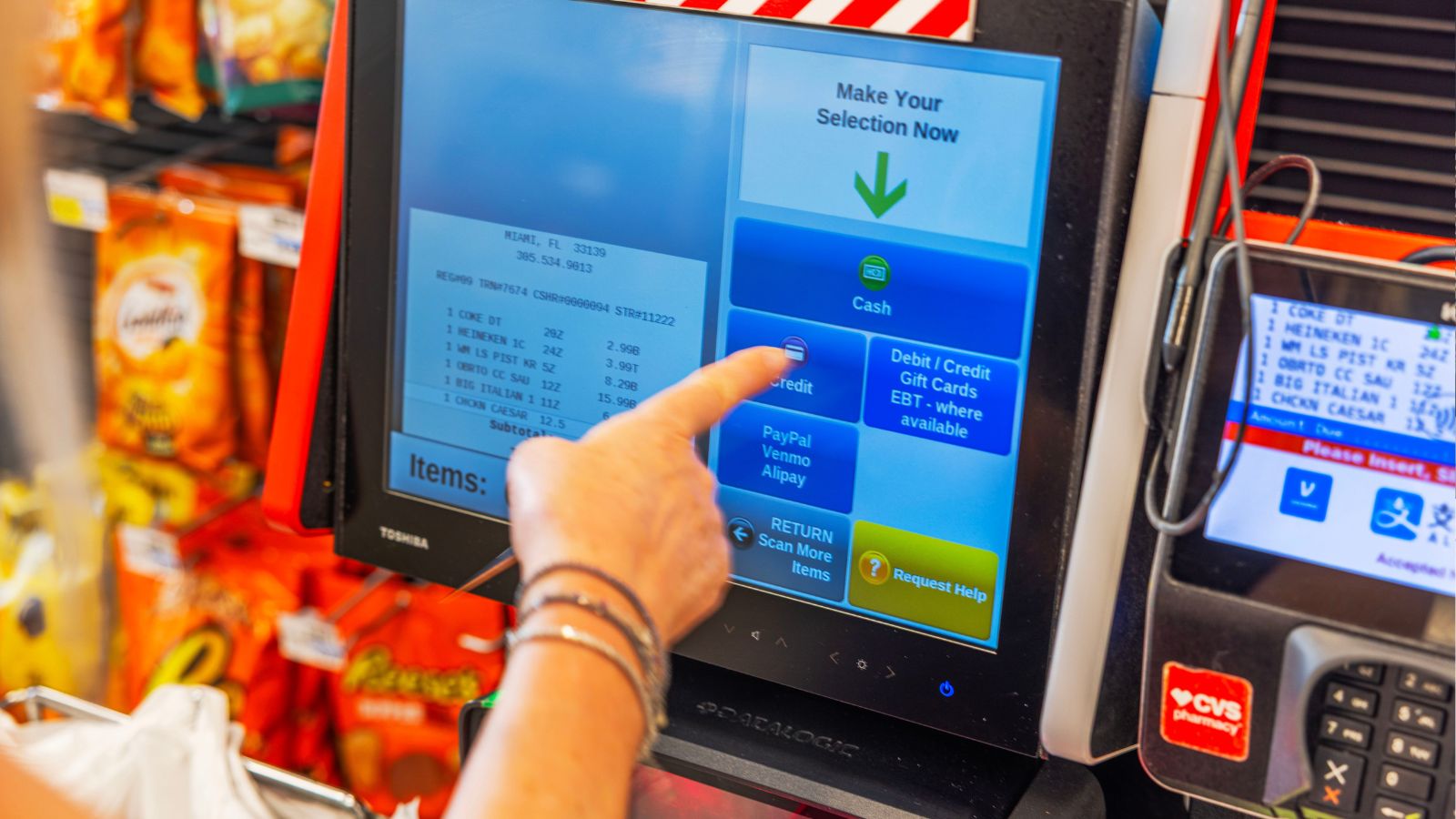
Self-checkout is not disappearing from Canadian grocery. In fact, Loblaw says it has expanded self-checkout to 869 grocery stores, and Metro says self-checkout terminals are available in all Super C locations, while newer Food Basics stores may include them as well. The machine-assisted checkout has clearly become part of the mainstream store model. For quick baskets, it still offers speed and convenience, which is why grocers continue to invest in it even amid the complaints.
What has changed is the mood around it. Canadian Grocer wrote in late 2025 that self-checkout had become a growing liability for retailers and a source of irritation for many shoppers. That description matches the lived experience in a lot of stores. There are more attendants nearby, more interventions, more system prompts, and less of the breezy early promise that self-checkout would simply make everything easier. The technology remains, but the tone has shifted. What used to feel like a freedom tool now often feels like a supervised zone where speed is still possible, just not quite as smoothly as the original sales pitch suggested.
7. Visible Security Has Become Part of the Grocery Backdrop
Canadian grocery shopping now carries more obvious security theatre than it once did. The rise in retail crime and shrink has made loss prevention far more visible. The Retail Council of Canada says its retail-crime report was based on responses from professionals representing more than 20,000 locations and $68 billion in sales. Canadian Grocer reported that retailers were dealing with average shrink of 1.5%, or about $9 billion, in 2024, nearly double the level from five years earlier. That kind of pressure does not stay hidden in a boardroom. It shows up in the store.
For shoppers, that means more gates, more cameras, more signage, and more design choices that subtly communicate control. Loblaw’s widely discussed receipt-scanner test at several Ontario locations became a symbol of the shift, but it is part of a broader pattern. Even where there are no scanners, many stores feel more monitored than they once did. The checkout area increasingly blends convenience with caution. It is the kind of change people may not admire, but they absolutely notice. Grocery stores are still trying to look welcoming, yet in 2026 more of them also look like places built to anticipate loss before it happens.
8. Markdowns and Food-Rescue Deals Are More Visible

Near-expiry bargains used to feel like the kind of thing sharp-eyed shoppers found by accident. In 2026, they are much more intentional. Loblaw said its partnership with Flashfood diverted more than 21 million pounds of food from landfill in 2025, saved customers more than $58 million on groceries, and added more than 92,000 new shoppers to the platform. That is not marginal activity. It is a sign that “use it before it is wasted” is becoming a normal part of how large grocery systems move inventory.
Sobeys is showing the same broader shift from another angle. Grocery Business reported that Sobeys helped ensure more than 31 million meals reached people in need through its partnership with Second Harvest in 2025. At store level, that growing food-rescue mindset tends to show up as brighter markdown stickers, more clearly identified quick-sale sections, and a greater willingness to surface short-dated products instead of hiding them. Shoppers are getting used to seeing salad kits, bakery items, yogurt, bread, and produce marked down more visibly. In a high-cost food environment, those sections no longer feel like leftovers. They feel like part of the weekly strategy.
9. “Buy Canadian” Cues Are Showing Up More Often

Origin messaging has become more prominent in Canadian grocery retail, especially as trade tension and affordability concerns have pushed domestic sourcing into sharper focus. A late-2025 USDA retail-foods report on Canada noted a growing emphasis on “Made in Canada” and “Product of Canada” labels, describing it as part of a broader shift toward economic nationalism. Loblaw’s own reporting has echoed that trend, noting that banners such as Fortinos and T&T were attracting shoppers with a focus on Canadian products alongside multicultural offerings. In practical terms, that means local and national sourcing is not just a back-end procurement matter. It is increasingly part of what the shopper sees.
That does not mean every aisle suddenly turns patriotic or that every product can realistically be Canadian year-round. But it does mean more shelf talkers, more maple-leaf cues, more signage near produce, dairy, meat, and pantry staples, and more storytelling around domestic suppliers. For shoppers, the change lands emotionally as much as financially. Choosing Canadian can feel like a values decision, a freshness decision, or a geopolitical one, depending on the product. In 2026, stores are making that choice easier to notice, which is why the shelf itself increasingly feels like it is carrying a message beyond simple price.
10. Prepared Meals Are Taking More Prime Space
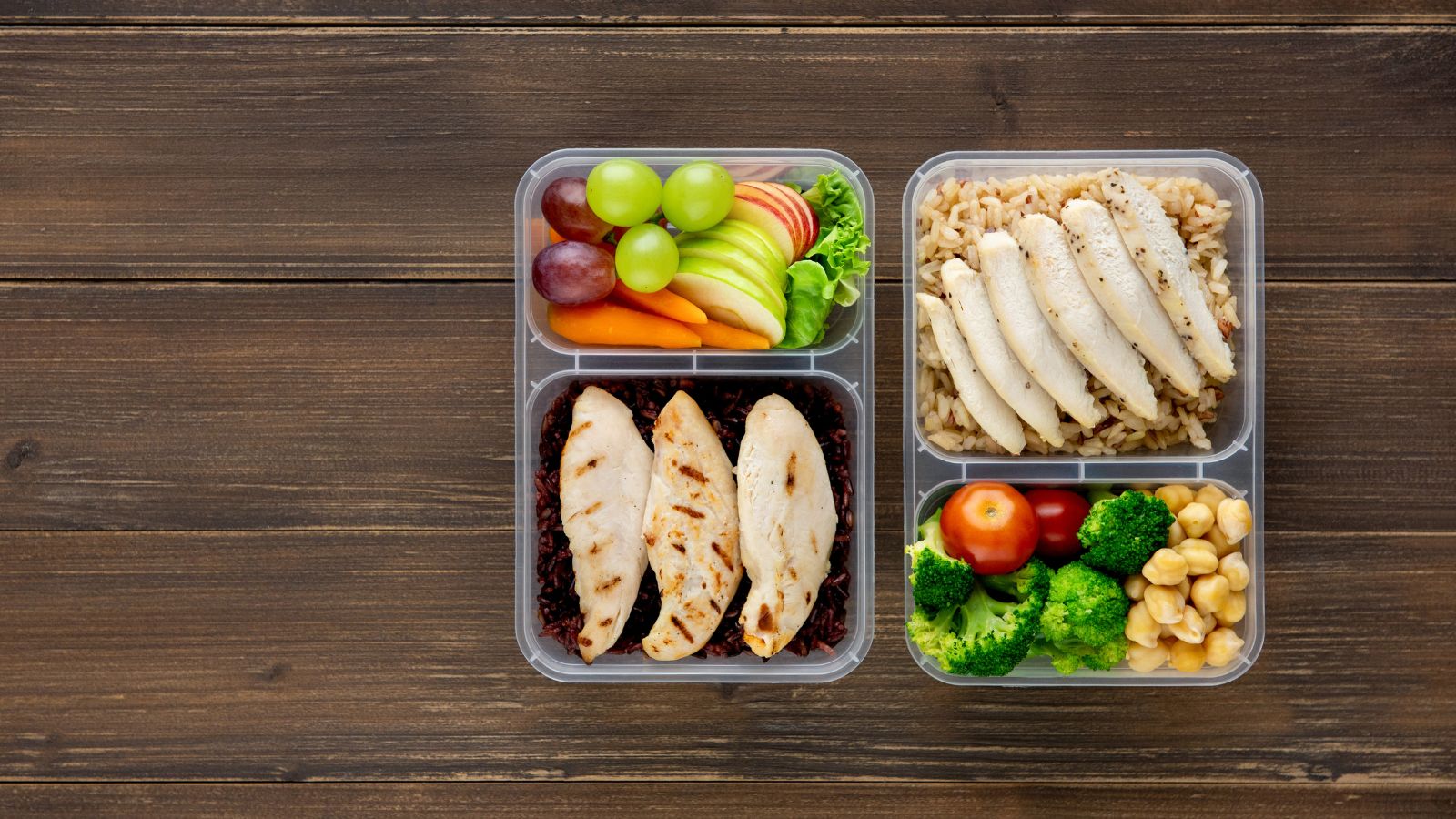
One of the biggest in-store changes is the amount of real estate being given to food meant to be eaten soon rather than stored away. The Canadian Press reported that grocers are investing more in ready-made meals as consumers try to balance convenience with tighter budgets. Canadian Grocer has framed the opportunity even more bluntly, arguing that grocery stores can become meal destinations by elevating their home-meal-replacement offerings. That is a meaningful shift in how grocery thinks about dinner. The store is not just a place to buy ingredients anymore. It increasingly wants to compete for the meal itself.
The category is also reaching well beyond the old staples. Metro says Super C is expanding ready-to-eat options, while Loblaw has pointed to additions like in-store rotisserie chicken, fresh cookies, and croissants at No Frills. That matters because it shows the prepared-food push is not confined to premium chains. Even value banners want a bigger share of the “what should dinner be tonight?” moment. For shoppers, the result is visible near entrances, deli counters, chilled cases, and grab-and-go islands. Sushi, wraps, hot meals, bento-style lunches, and meal kits are no longer side acts. They are becoming part of the main floor strategy.
11. Online Grocery Is Becoming More Practical Than Aspirational
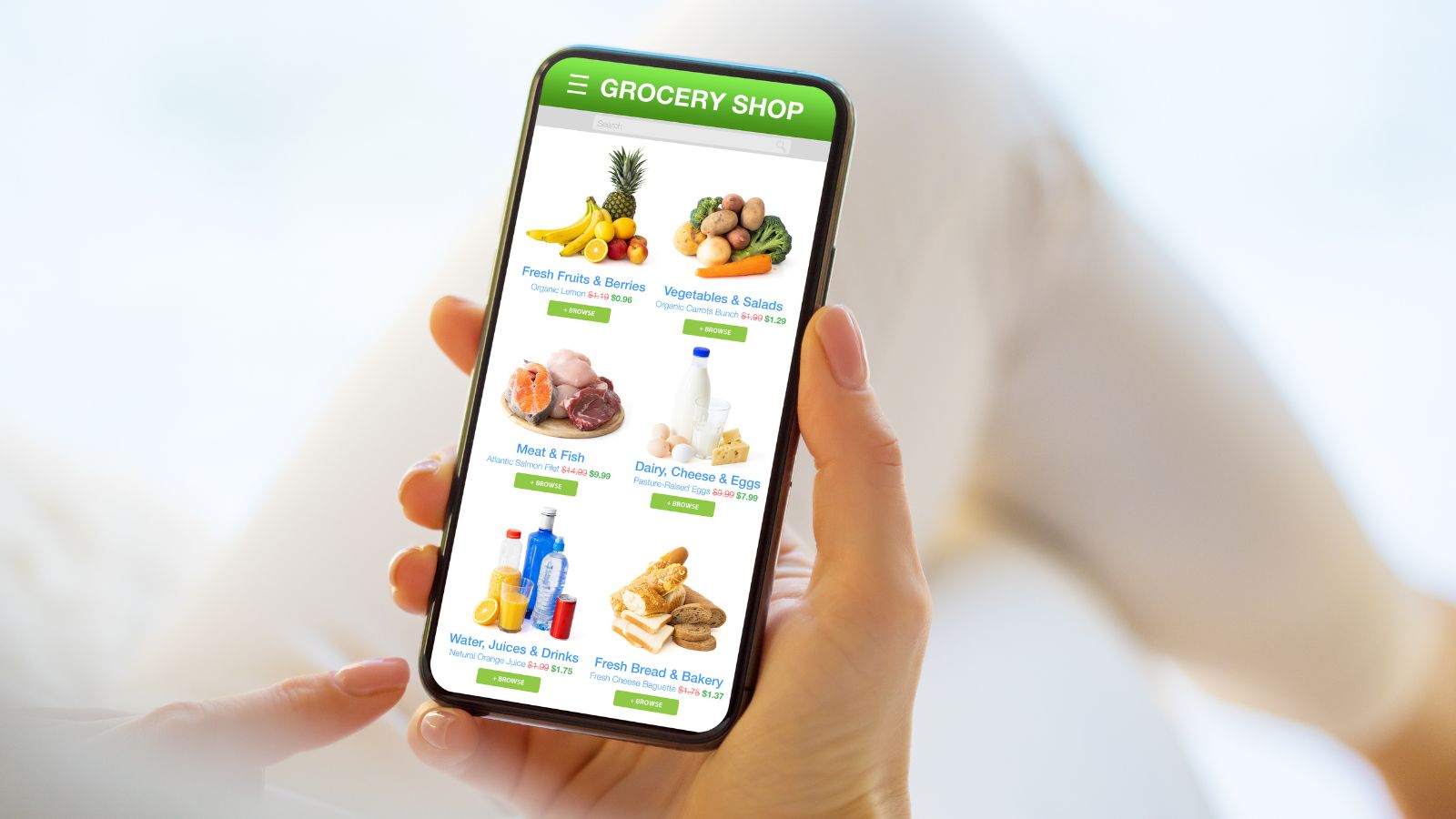
Canadian grocery e-commerce is no longer being sold as the future in abstract terms. It is settling into something more grounded: pickup where it works, delivery where it makes sense, and partnerships where building everything in-house is too expensive. Metro reported that online food sales rose 18.5% in fiscal 2025. Empire said its e-commerce platforms, including Voilà, IGA.net, Instacart, and Uber Eats partnerships, delivered combined sales growth of 81.2% in one quarter, even as it also acknowledged that the Canadian grocery e-commerce market is smaller than once anticipated. That is a revealing mix of optimism and realism.
Shoppers can feel that realism in the way services are being packaged. The emphasis is less on one perfect national model and more on meeting different needs: weekly pickup, last-minute top-up, rapid delivery, or marketplace ordering. On April 7, 2026, Grocery Business reported that Canadians could order groceries on Skip across 13 participating Loblaw banners. That kind of partnership makes the shift more obvious. Grocery is increasingly showing up through the same apps people use for restaurants and convenience orders. Outside the store, that translates into more pickup stalls, more courier movement, and more evidence that the building is now serving both shoppers and digital orders at once.
12. Neighborhood Grocery Maps Are Changing Faster

The Canadian grocery landscape is not just changing inside stores. It is also changing street by street. Loblaw says it opened 77 new food and drug retail locations in 2025 and plans to open 70 new stores in 2026 while renovating another 191 locations. Metro has said it remains focused on growing discount banners, and Empire continues to expand FreshCo in Western Canada through conversions and new openings. This means grocery change is no longer just about pricing or packaging. In many places, the nearest option, the banner mix, and the purpose of a local store are all being reconsidered.
That is why Canadians are starting to notice new formats in familiar areas. A neighbourhood that once had one kind of full-service store may suddenly get a smaller-format discount banner, a converted location, or a renovated space with a different customer pitch. Loblaw’s current plan alone includes 31 new hard-discount No Frills and Maxi locations in 2026, alongside pharmacy growth and major investment in supply chain infrastructure. For the shopper, that can mean shorter drives, different weekly habits, or a more segmented routine where one banner is for staples, another for prepared foods, and another for promotions. The map is not fixed anymore, and people are starting to feel it.
13. New “High In” Labels Are Changing What Jumps Out on Packages
A major visual shift arrived in Canada at the start of 2026 with the rollout of mandatory front-of-package nutrition symbols on certain prepackaged foods high in saturated fat, sugars, or sodium. Health Canada says the symbol is required on foods that meet or exceed set thresholds, and it appears as a black-and-white magnifying glass with a clear “High in” warning. UBC described the labels as a way to help people quickly identify products tied to nutrients Canadians tend to overconsume. This is not a niche regulatory tweak. It is a shelf-level design change with direct consumer impact.
The reason it stands out is simplicity. The mark is stark, standardized, and hard to miss once someone knows what it means. Shoppers will not see it on everything; plain yogurt, many fruits and vegetables, and some other foods are exempt. But in categories like snack foods, soups, frozen prepared items, and packaged pantry products, the new symbol can interrupt the old visual rhythm of branding and flavour claims. It gives the package a new first impression before anyone flips it over to the nutrition facts table. For a grocery environment already full of price tension and health messaging, this label adds one more layer of instant judgment at the shelf.
14. Shrinkflation Awareness Is Changing How Canadians Read the Shelf
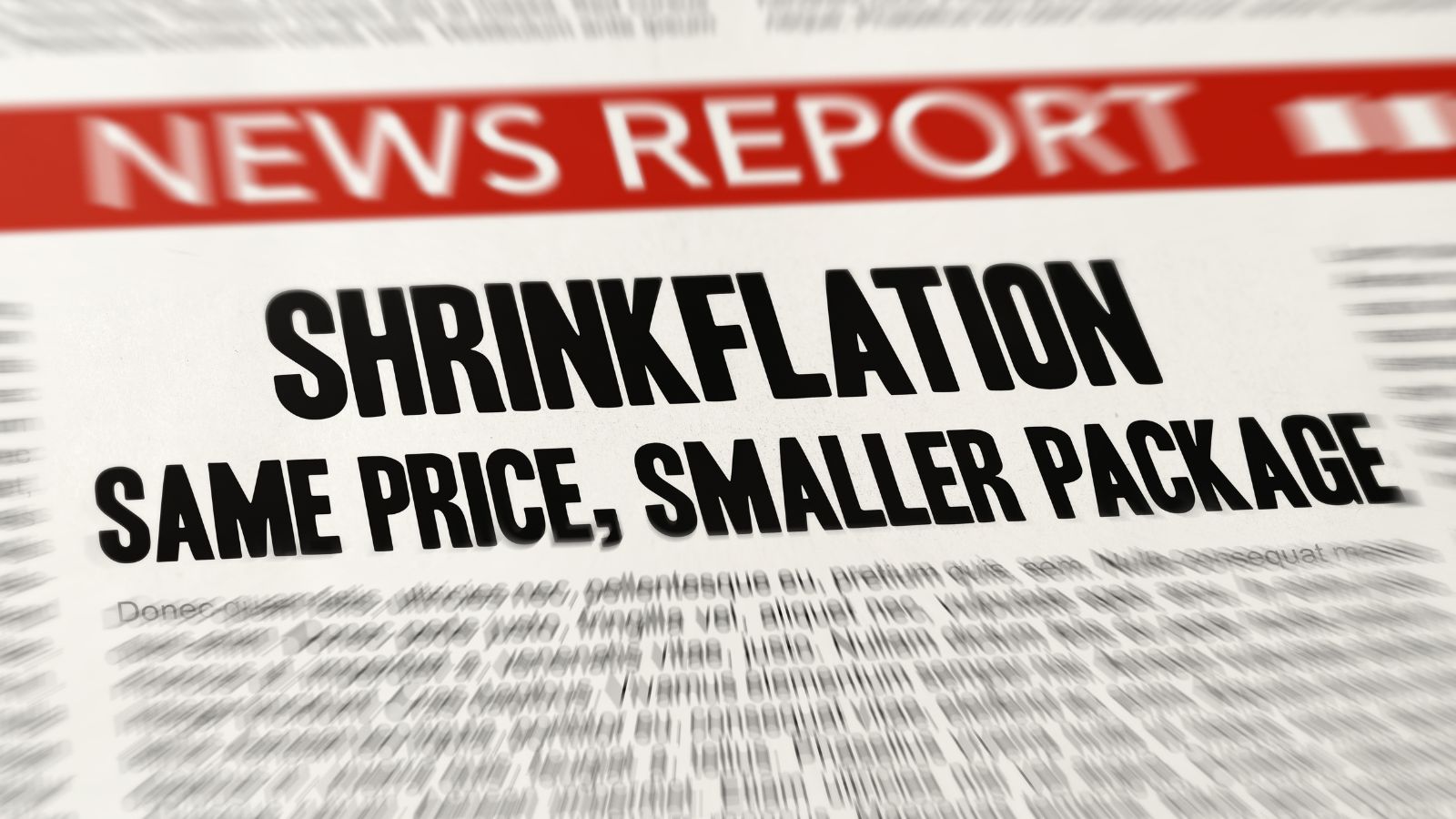
Even when package sizes stop shrinking as aggressively as they did during the inflation spike, the shopper memory remains. Statistics Canada reported in early 2025 that 29.6% of eligible grocery items tracked in the CPI experienced shrinkflation from 2021 to 2023. Nearly half of those quantity adjustments happened in 2022, when grocery inflation hit its highest annual average in 41 years. The same Statistics Canada release said a much higher proportion of name-brand products experienced shrinkflation than house brands. That history helps explain why size suspicion has become a habit rather than a passing complaint.
The result is that more Canadians are reading shelves differently. Unit pricing matters more. Package weight matters more. Multi-buys are judged more skeptically. It is no longer unusual for someone to compare two boxes that look identical at a glance but contain noticeably different quantities. Statistics Canada highlighted products such as margarine, pasta mixes, cookies and crackers, mozzarella, cheddar, and breakfast cereal among the foods with the most shrinkflation instances. That list reads like a very normal grocery cart, which is exactly why the effect is so sticky. The shopper who once compared brands now increasingly compares grams, millilitres, and price per unit.
15. Protein Claims Are Spreading Across More Aisles

The protein boom is no longer confined to powders, bars, and gym culture. Agriculture and Agri-Food Canada, citing Mintel, reported that 3,292 new high-protein and/or plant-based products were launched in Canadian grocery outlets between January 2019 and mid-May 2024, including 2,091 with high or added protein claims. Canadian Grocer has described the 2026 protein surge as part of a broader return to basics, with traditional protein sources like eggs, high-protein dairy, and canned fish enjoying renewed momentum. That makes protein less of a category and more of a retail language.
Shoppers can see that language almost everywhere now. Yogurt tubs advertise grams per serving. Frozen breakfasts promise staying power. Cereals, beverages, snacks, and even some pantry staples are packaged to sound more functional and more filling. What is especially noticeable in 2026 is that high-protein positioning is no longer reserved for ultra-premium products. It is turning up in mainstream formats, value tiers, and familiar household brands. The message is simple: protein sells because it sounds useful. In a period when Canadians want food that feels practical, satisfying, and worth the money, that kind of claim has become one of the clearest ways a product tries to justify its place in the cart.
16. Global Flavours and Multicultural Assortments Are Becoming Standard
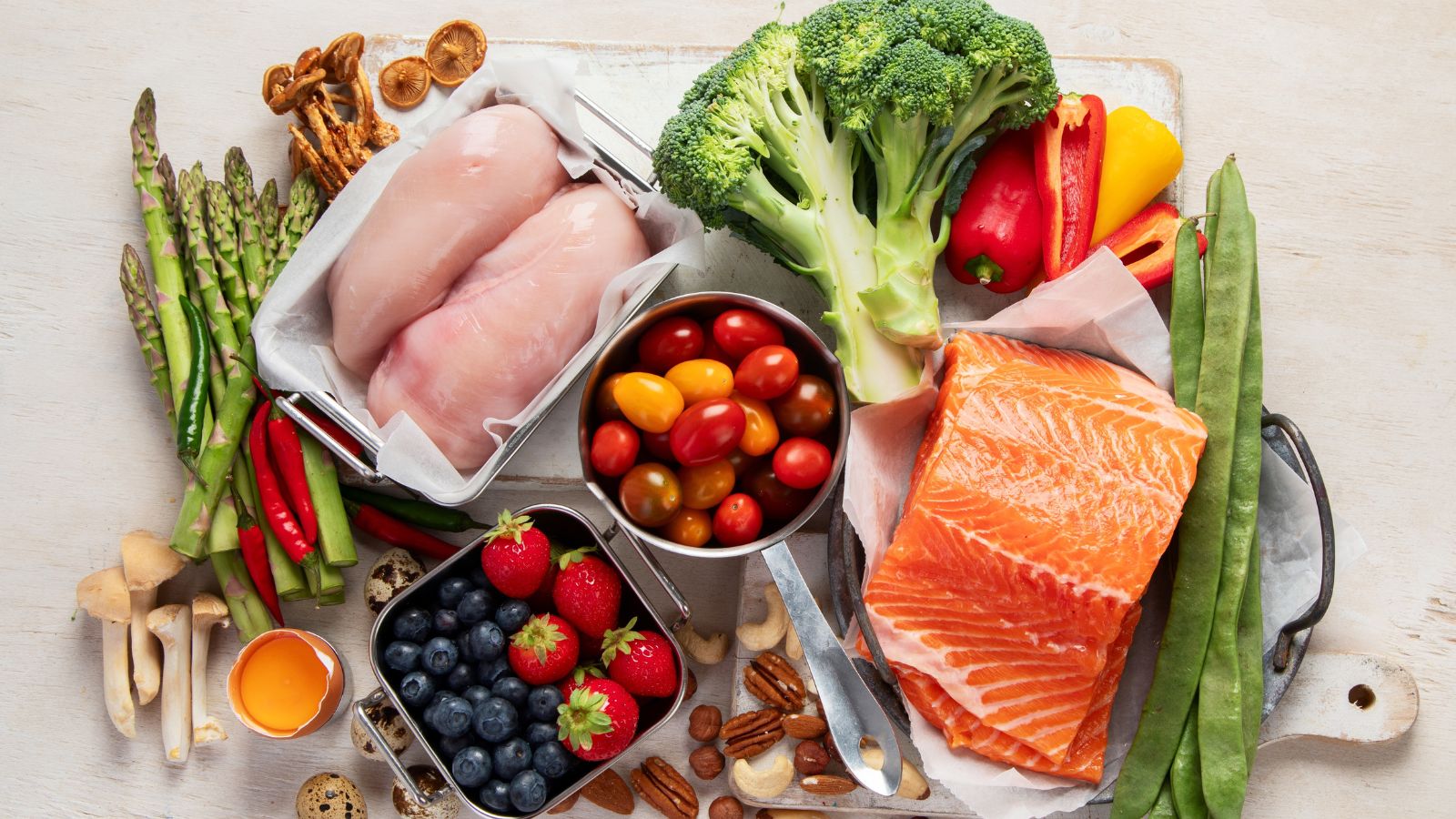
Canadian grocery stores have been growing more global for years, but in 2026 the change feels more normalized and more deeply built into mainstream retail strategy. Grocery Business reported that the multicultural cuisine category has grown 24% since 2020. Empire says FreshCo’s strong multicultural assortment has helped support the discount banner’s expansion, while Loblaw says banners such as Fortinos and T&T are attracting shoppers with multicultural offerings. That matters because it shows global assortment is no longer confined to specialty retail. It is now an everyday growth engine.
The in-store effect is bigger than simply adding a few imported sauces. Shoppers are seeing broader halal sections, stronger Asian pantry offerings, more South Asian staples, more Latin American snacks, and better ranges in frozen and fresh foods tied to different cuisines. In some stores, those products still live in a defined international aisle. In others, they are spreading into the broader fabric of the store. That is the real change. Global food is becoming less of a themed destination and more of a normal expectation. For Canadians in diverse cities and suburbs especially, the grocery trip increasingly reflects how people already cook, celebrate, snack, and shop at home.
17. Packaging Is Slowly Changing in Visible Ways
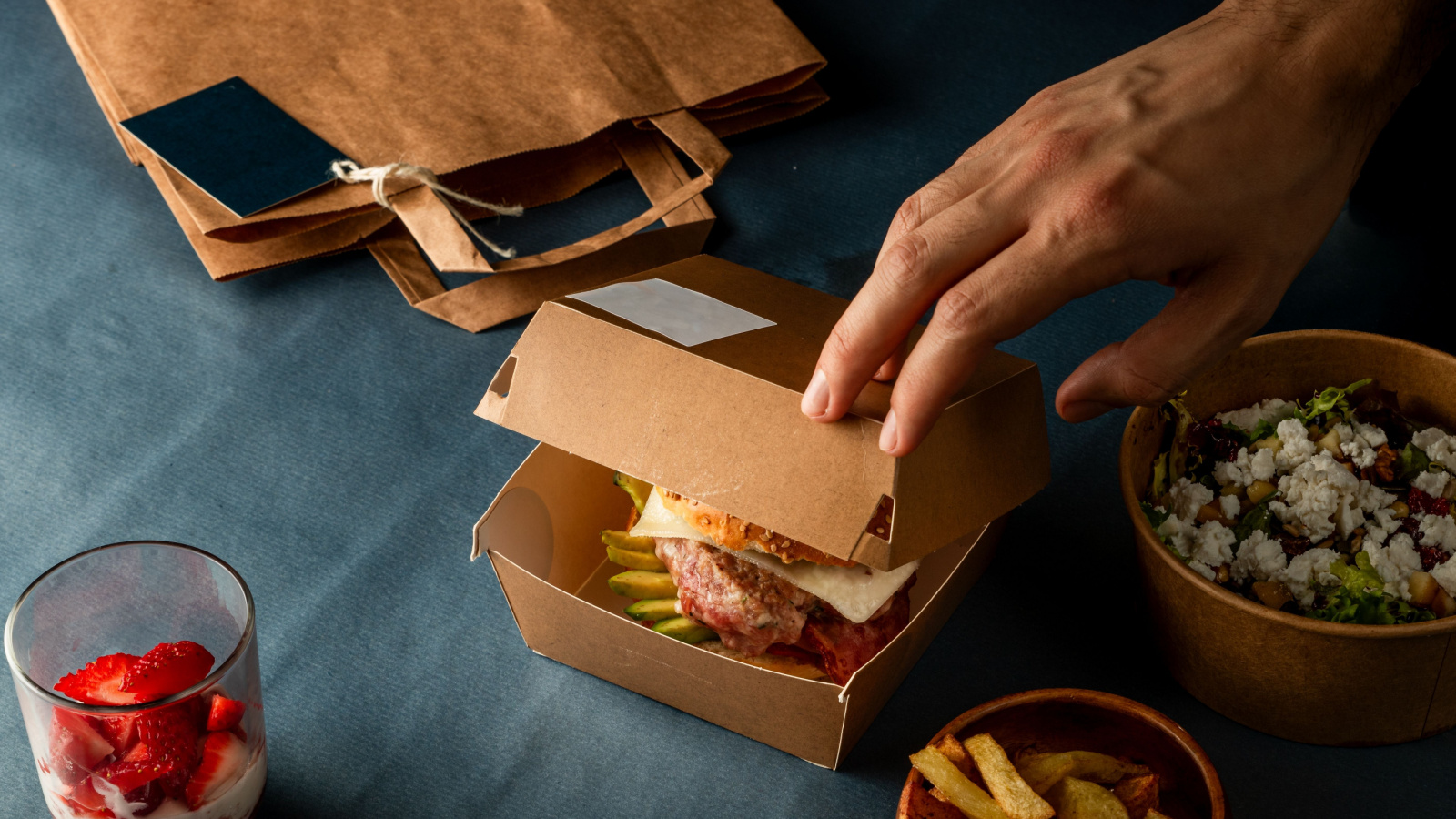
Packaging shifts rarely make headlines with shoppers, but enough of them are happening now that the shelf is starting to look different. Loblaw says 98% of its control-brand and store-supplied plastic packaging in scope was recyclable or reusable by the end of 2025. Metro says it is working toward private-brand packaging that is fully recyclable or compostable for fibre materials, with more post-consumer content and clearer sorting instructions. Sobeys has also been testing reuse ideas, including a pilot at Farm Boy stores in Southwestern Ontario that reported a 13% average conversion from single-use plastic to reusable containers. These are not theoretical ambitions anymore. They are showing up in the packages shoppers carry home.
The visible changes are usually incremental rather than dramatic. A tray may feel lighter. A container may use more fibre. A label may include clearer disposal instructions. Some ready-to-eat sections are also shifting toward more sustainable formats. Most shoppers are not keeping a mental spreadsheet of material types, but they do notice when packaging feels less plasticky, more paper-based, or better explained. In a grocery market where price still dominates attention, packaging will not always be the first thing people talk about. Still, in 2026 it is one of the quieter store-level changes building in the background, and it is beginning to reshape how modern the shelf looks.
18. AI Is Starting to Enter the Grocery Trip
The newest grocery change in Canada may be happening before the shopper even leaves home. In February 2026, Loblaw launched what it described as a first-of-its-kind shopping app in ChatGPT, allowing Canadians to use conversational AI to explore meal ideas, build ingredient lists, and select products from local Loblaw stores through PC Express. A week later, the company announced a Google collaboration that will let Canadians shop certain products through AI Mode in Google Search and Gemini. Whether every shopper adopts that behaviour soon is another question. But the direction is unmistakable.
What makes this change noticeable is not just the technology itself. It is the shift in where grocery planning begins. For years, the pre-store ritual was built around flyers, handwritten lists, maybe an app. Now some chains are betting that the list will increasingly start inside a conversation with AI. That means the grocery trip becomes more guided, more personalized, and potentially more automated before anyone touches a cart. In-store, the immediate effect may still be subtle. But in the broader shopping ecosystem, 2026 is the year grocery starts moving from a search-and-scroll habit toward something more interactive, where planning dinner and filling the basket begin to blur together.
19 Things Canadians Don’t Realize the CRA Can See About Their Online Income

Earning money online feels simple and informal for many Canadians. Freelancing, selling products, and digital services often start as side projects. The problem appears at tax time. Many people underestimate how much information the CRA can access. Online platforms, banks, and payment processors create detailed records automatically. These records do not disappear once money hits an account. Small gaps in reporting add up quickly.
Here are 19 things Canadians don’t realize the CRA can see about their online income.
