Canada’s middle class has long been built around a familiar promise: stable work, manageable housing, a family budget with some breathing room, and the belief that each generation could move a little further ahead. In 2026, that promise feels less predictable. Wages are still rising in parts of the economy, but many households are finding that paycheques no longer stretch across housing, food, insurance, transportation, debt, and childcare with the same confidence.
These 20 signs show how Canada’s middle class is being reshaped by higher fixed costs, uneven wealth gains, changing work patterns, and a widening gap between households that own assets and those trying to catch up. The change is not happening all at once; it is showing up in monthly bills, delayed milestones, quieter sacrifices, and a new definition of what financial security actually means.
Housing No Longer Feels Like a Starter Step
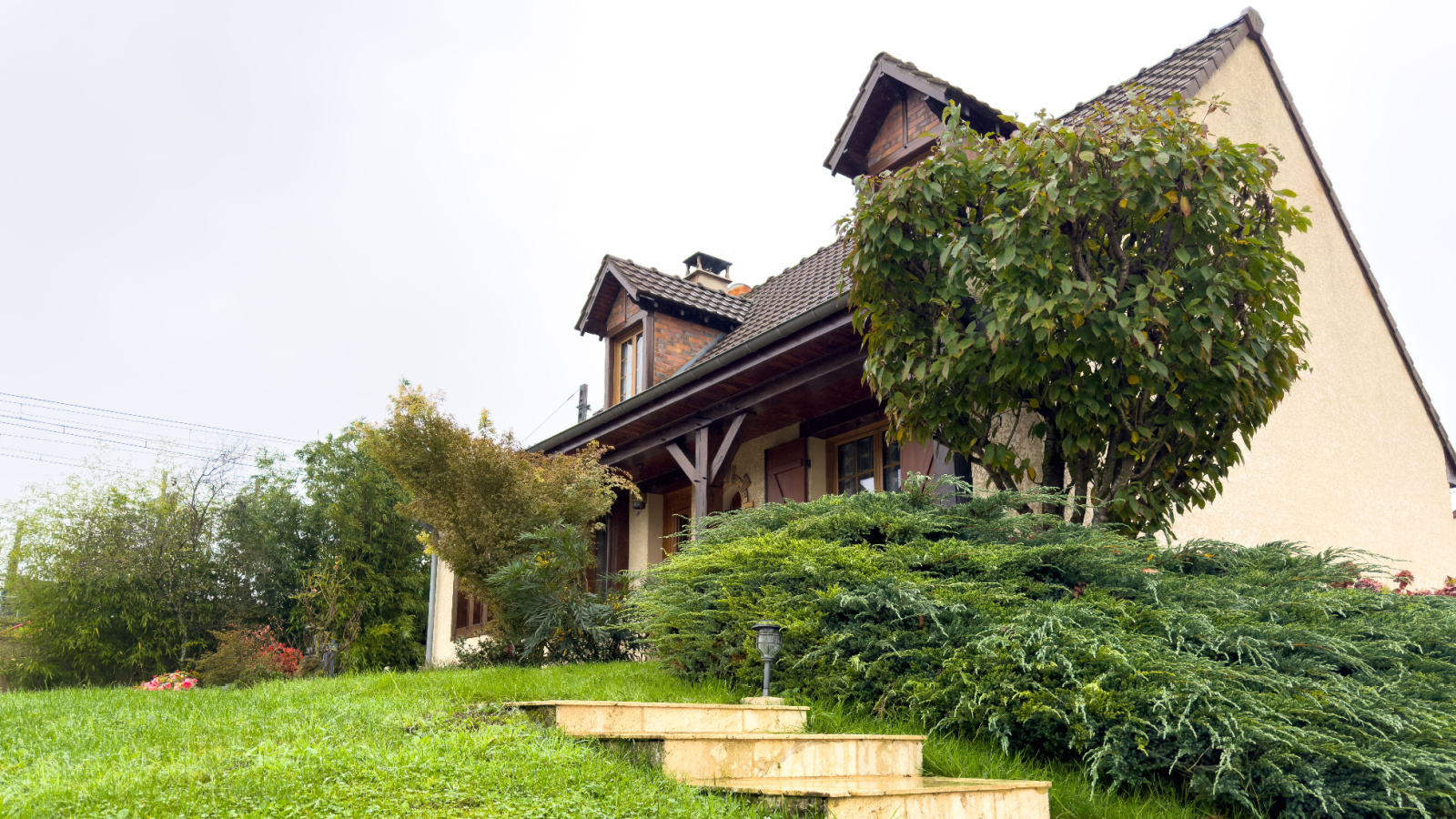
For decades, homeownership was treated as the middle-class milestone that marked stability. In 2026, many Canadian households are discovering that the first rung of the property ladder has moved higher than expected. Even when housing markets cool slightly or borrowing costs ease from previous peaks, the purchase price, down payment, land transfer costs, insurance, maintenance, and property taxes can still place ownership beyond reach for many younger families and newcomers.
The emotional shift is just as important as the financial one. A couple with steady jobs in Toronto, Vancouver, or even a fast-growing mid-sized city may be earning what once looked like a solid middle-class income, yet still renting indefinitely. Housing is becoming less of a standard life step and more of a family-backed advantage, especially when help with a down payment separates buyers from long-term renters.
Rent Has Become a Long-Term Middle-Class Expense

Renting used to be framed as temporary for many middle-income households: something done before buying, relocating, or settling down. In 2026, rent increasingly looks like a permanent line item for people who once expected to own. Even when rent growth slows in some markets, the cumulative increase over recent years has changed household budgets in lasting ways.
This rewrites middle-class life because rent does not build equity, yet it now consumes money that might have gone toward savings, retirement, education funds, or debt repayment. A family renting a larger unit near work or school may find that moving farther out only trades rent pressure for transportation costs. Stability now depends less on income alone and more on lease security, vacancy rates, and whether a landlord decides to sell.
Mortgage Renewals Are Redrawing Household Budgets
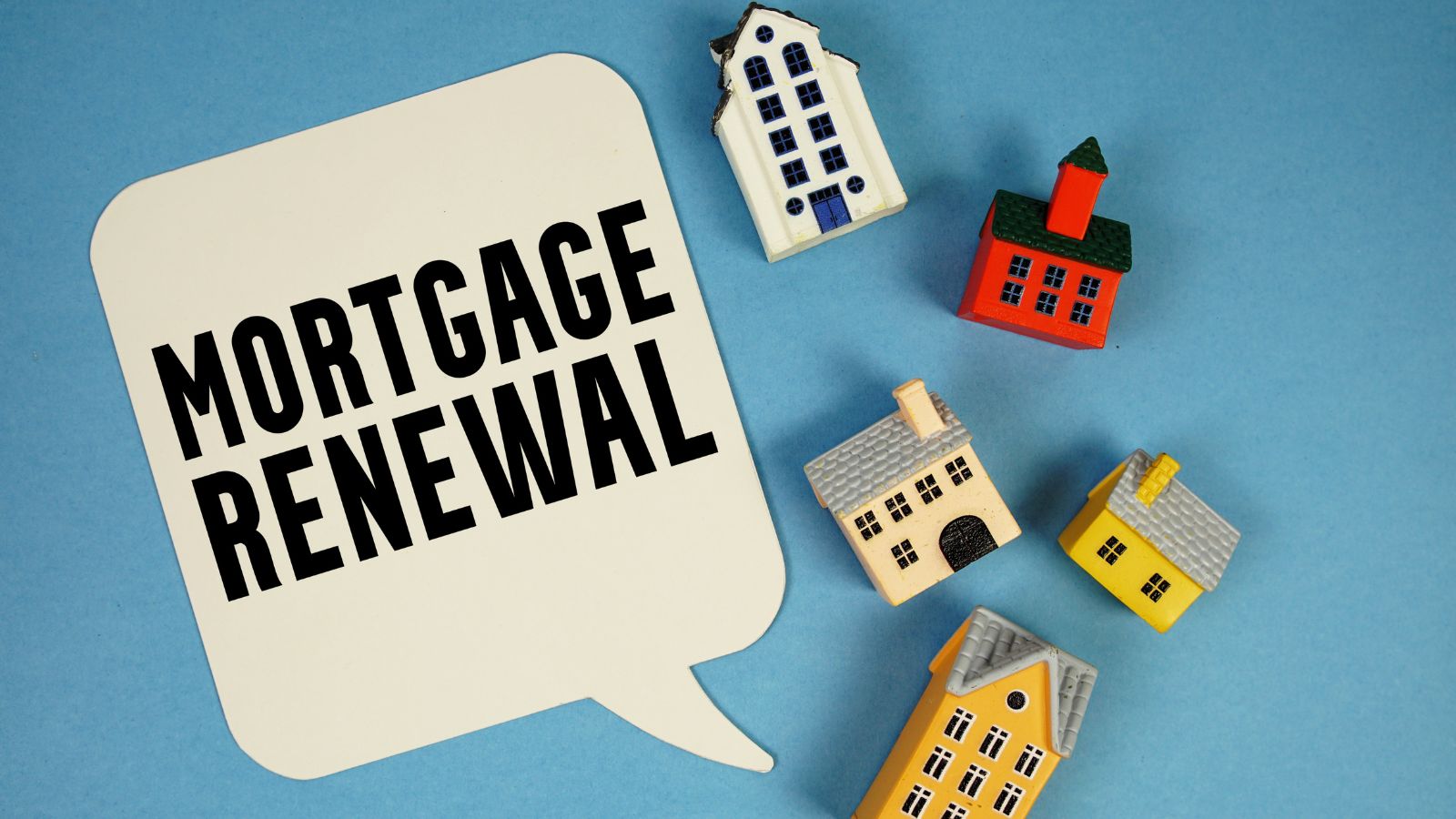
Many homeowners who bought or refinanced when rates were lower are facing renewals that force a fresh look at their monthly reality. A household may still appear comfortably middle class on paper, with a home, vehicles, and professional jobs, but a higher mortgage payment can quickly crowd out discretionary spending. Vacations, renovations, restaurant meals, children’s activities, and extra retirement contributions become easier to postpone.
The pressure is especially sharp because mortgage renewals affect people who already cleared the biggest barrier: buying a home. That creates a new kind of middle-class anxiety, where ownership is achieved but not necessarily comfortable. A family that once felt insulated by a fixed payment may suddenly need to renegotiate the entire budget, proving that homeownership no longer guarantees financial ease.
Groceries Are Turning Routine Choices Into Strategy
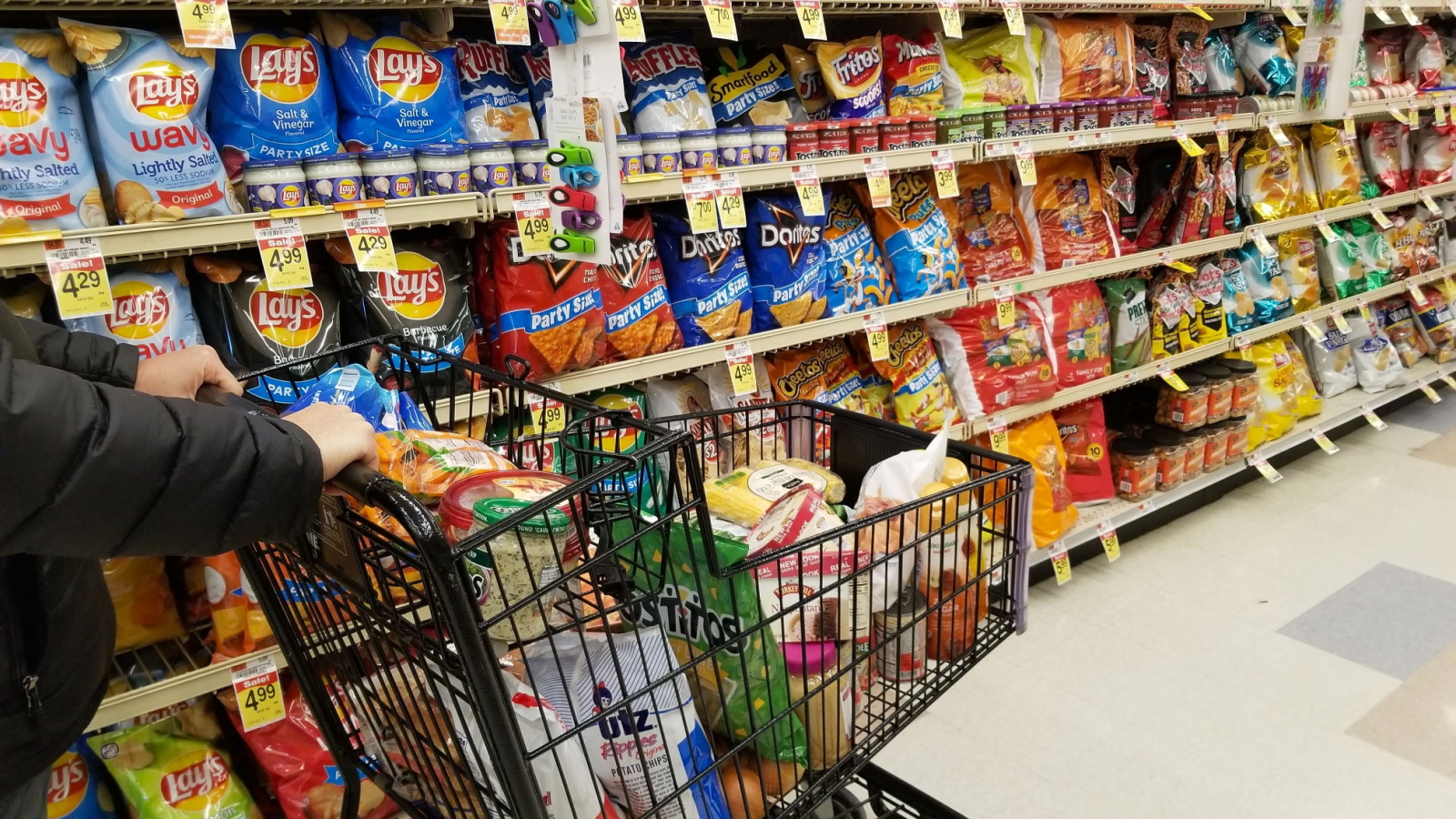
Food has become one of the clearest places where middle-class confidence is being rewritten. Grocery shopping used to involve preferences, favourite brands, and convenience. In 2026, more households are comparing unit prices, switching proteins, buying fewer prepared foods, and timing purchases around loyalty points or flyer cycles. The change is subtle, but it shows how everyday abundance is being replaced by calculation.
This does not always look like visible hardship. It may look like a parent choosing frozen vegetables over fresh ones, skipping berries unless they are discounted, or replacing beef with lentils and chicken thighs. These are rational adjustments, but they also reveal that more families are managing food costs defensively. The middle-class grocery cart is becoming less about habit and more about active financial planning.
Wage Growth Is Not Landing Evenly

Wages are still rising in many parts of Canada, but the middle-class story depends on whether increases keep up with the costs that matter most. A pay raise can feel encouraging until it is absorbed by rent, mortgage payments, insurance, fuel, childcare, groceries, or student debt. For workers in sectors with slower wage growth, the gap between income and expenses can widen even while headline earnings appear to improve.
This creates a frustrating disconnect. Someone may be earning more than they did two years ago but feel less financially secure. That is especially true for households without investment income, home equity, or family support. The middle class is increasingly divided between people whose wages are supplemented by assets and people relying almost entirely on employment income.
The Wealth Gap Is Becoming More Visible

Canada’s middle class is not only being shaped by income; it is being reshaped by wealth. Households with property, investments, pensions, or inheritances often have financial cushions that grow even when daily costs rise. Meanwhile, households without assets may be working hard but struggling to convert income into lasting security.
The difference can show up in small but powerful ways. One family can borrow against home equity for a renovation or help an adult child with a down payment. Another family with similar income may be paying rent, carrying debt, and unable to save. The result is a middle class that looks similar from the outside but functions very differently underneath.
Youth Unemployment Is Delaying Adult Milestones

A middle-class future depends heavily on whether younger Canadians can get stable work early enough to build savings, credit history, and career momentum. In 2026, youth unemployment remains a warning sign. When entry-level jobs are harder to secure, young adults may delay moving out, buying vehicles, pursuing further education, or starting families.
This affects parents as well as young workers. A middle-class household supporting adult children for longer may face higher grocery bills, utility costs, insurance expenses, and reduced retirement savings. The pressure is often hidden because it happens inside family homes. What once looked like a temporary launch period can become a prolonged financial bridge between generations.
Full-Time Stability Feels Less Guaranteed

Middle-class security has traditionally depended on reliable full-time employment. When full-time jobs soften or hiring slows, the impact reaches beyond unemployment statistics. Workers may stay in jobs they dislike, accept fewer hours, piece together contract work, or delay major purchases because the next year feels uncertain.
This uncertainty changes household behaviour. Families become more cautious about taking on car loans, mortgages, renovations, or private school fees. Even people who remain employed can feel less secure if layoffs are happening nearby or if industries tied to trade, manufacturing, retail, or technology are shifting. The middle-class mindset becomes less about upward planning and more about risk management.
Transportation Costs Are Eating More of the Paycheque

Transportation remains a core middle-class expense because many Canadians still depend on vehicles to reach work, school, childcare, medical appointments, and family obligations. Fuel prices, vehicle prices, financing costs, maintenance, parking, and insurance all influence whether a household can move around affordably. In 2026, transportation costs continue to pressure budgets in ways that are hard to avoid.
The issue is not simply owning a car; it is needing one. A family in a suburb with limited transit may have no practical way to reduce driving. A second vehicle can become necessary when work schedules and childcare pickups do not align. For many households, transportation has shifted from a lifestyle choice to a fixed cost that competes directly with savings.
Insurance Is Becoming a Bigger Household Shock

Insurance used to be one of those bills many families renewed without much thought. Now, home and auto premiums can arrive with increases large enough to force budget changes. Higher repair costs, more expensive vehicles, severe weather claims, theft, and regional risk differences are all pushing insurance into the centre of affordability conversations.
This matters because insurance is not easily optional for middle-class households. Drivers need coverage, homeowners need protection, and renters increasingly recognize the risk of going without it. A family may cut streaming services or restaurants, but insurance usually stays. As premiums rise, they quietly reduce disposable income while offering no visible improvement in day-to-day life.
Debt Is Becoming a Normal Part of Staying Afloat
Debt has long been part of middle-class life through mortgages, student loans, and vehicle financing. What is changing is the role of debt in covering ordinary expenses. Credit cards, lines of credit, buy-now-pay-later plans, and consumer proposals are increasingly part of the financial landscape for households that do not fit old stereotypes of financial distress.
The danger is that debt can make a household look stable until interest charges become unmanageable. A family may keep bills current by rotating balances, but that strategy leaves little room for emergencies. In this version of middle-class life, the appearance of normalcy can be maintained for months while financial resilience quietly erodes behind the scenes.
Savings Are Becoming Harder to Rebuild

A healthy middle-class budget once included some room for emergency savings, retirement contributions, and future goals. In 2026, many households are finding that savings disappear faster and rebuild more slowly. A car repair, dental bill, rent increase, or higher mortgage payment can wipe out months of progress.
The issue is not always poor planning. When fixed costs rise faster than flexible income, saving becomes structurally harder. A household may still be disciplined, but discipline cannot fully offset rent, childcare, groceries, insurance, and debt payments rising at the same time. The new middle-class challenge is not just saving money; it is protecting savings from being repeatedly drained.
Childcare Still Shapes Career Choices

Lower childcare fees have helped many families, but access and availability still matter. A parent cannot benefit from affordable care if there is no space nearby, if hours do not match work schedules, or if a child’s needs require specialized support. For many middle-class families, childcare remains a major factor in whether both parents can work full time.
This can reshape careers in quiet ways. A parent may turn down a promotion, reduce hours, stay in a flexible but lower-paying job, or delay returning to work after parental leave. The cost is not always visible in a monthly bill; sometimes it appears as lost earnings, slower career growth, or reduced pension contributions. Middle-class stability increasingly depends on care infrastructure, not just wages.
Student Debt Is Stretching Into Family Life

Post-secondary education remains a key route into the middle class, but debt can delay the benefits. Graduates who begin adult life with loan payments may postpone saving for a home, retirement, travel, or starting a family. Even when government loans are manageable, private debt, credit cards, rent, and relocation costs can add pressure.
This also affects parents. Some middle-class families help adult children with tuition, rent, or loan repayment, even while trying to prepare for retirement. Education is still seen as an investment, but the payoff can feel less immediate when entry-level wages, housing costs, and loan balances collide. The result is a longer and more expensive transition into financial independence.
Retirement Is Becoming Less Automatic

For many Canadians, the old middle-class retirement model depended on home equity, workplace pensions, government benefits, and personal savings. In 2026, that model is less reliable for households with interrupted careers, high housing costs, late homeownership, divorce, caregiving responsibilities, or limited pension coverage. Retirement is becoming something more people must actively engineer.
The shift is visible in everyday decisions. Older workers may delay retirement, take part-time jobs, rent out rooms, downsize earlier than planned, or provide financial help to adult children despite needing support themselves. The middle-class retirement dream is not disappearing, but it is becoming more conditional on assets, health, family obligations, and timing.
More Families Are Depending on Intergenerational Help

Family support is becoming a defining feature of middle-class outcomes. Help with a down payment, tuition, childcare, rent, or emergency bills can separate households that move ahead from those that remain stuck. This assistance is often described as generosity, but it also reveals how expensive ordinary milestones have become.
The problem is that not every family can provide help. Two workers with similar education and income may experience completely different futures depending on whether parents can contribute financially. This creates a quieter form of inequality inside the middle class, where family wealth becomes a substitute for the affordability that wages used to provide.
The Definition of a “Good Job” Is Changing

A good job used to mean steady pay, benefits, predictable hours, and a path upward. In 2026, workers are adding new requirements: flexibility, remote options, pension quality, health coverage, job security, commute costs, and protection from burnout. A higher salary may not be enough if it comes with unpaid overtime, expensive commuting, unstable contracts, or weak benefits.
This is changing how middle-class households evaluate work. A parent may choose flexibility over pay because it reduces childcare strain. A commuter may value hybrid work because it saves fuel, parking, and time. The modern good job is less about the headline salary and more about whether the full package supports a sustainable life.
Climate Risk Is Reaching Household Finances

Wildfires, floods, storms, smoke, and extreme heat are no longer distant environmental issues for many Canadians. They increasingly affect insurance premiums, home maintenance, relocation choices, health costs, and municipal infrastructure spending. A household may never experience a disaster directly and still pay more because risk is being priced into the system.
This changes middle-class planning. Buyers may ask whether a property sits in a flood zone, whether a community has evacuation risks, or whether insurance will remain affordable. Home upgrades such as sump pumps, air filtration, fire-resistant landscaping, and backup power can become financial priorities. Climate risk is becoming part of the cost of staying secure.
Side Hustles Are Moving From Optional to Necessary

Extra income used to be framed as a way to fund vacations, hobbies, or faster savings. For many households in 2026, a second income stream is becoming part of basic budget stability. Freelancing, delivery work, tutoring, selling online, renting out space, or taking seasonal shifts can help cover gaps that one paycheque no longer fills.
This shift can be empowering for some people, but exhausting for others. A professional who works evenings to manage debt or a parent who sells items online to cover sports fees is not simply being entrepreneurial. They are adapting to a middle-class economy where a primary job may not fully support the lifestyle it once promised.
Everyday Middle-Class Comforts Are Being Repriced

The middle class has often been measured not only by necessities, but by modest comforts: a family dinner out, children’s activities, a reliable vehicle, summer travel, home repairs, birthday parties, and occasional upgrades. In 2026, many of these comforts are being repriced as premium choices. Families may still afford them, but less often and with more planning.
That change affects morale. Cutting back on restaurants or travel may seem minor compared with housing insecurity, but these choices shape how households experience progress. When every small comfort needs justification, middle-class life can feel narrower even if income remains respectable. The rewrite is not only economic; it is emotional.
19 Things Canadians Don’t Realize the CRA Can See About Their Online Income

Earning money online feels simple and informal for many Canadians. Freelancing, selling products, and digital services often start as side projects. The problem appears at tax time. Many people underestimate how much information the CRA can access. Online platforms, banks, and payment processors create detailed records automatically. These records do not disappear once money hits an account. Small gaps in reporting add up quickly.
Here are 19 things Canadians don’t realize the CRA can see about their online income.
