
Canadians are not always announcing hardship with dramatic language. More often, the change shows up quietly: a smaller grocery basket, a delayed dental appointment, a skipped restaurant meal, a vacation that becomes a long weekend at home. The pressure is spread across housing, food, transportation, health care, family planning, savings, and everyday pleasures, which makes it feel less like one emergency and more like a slow narrowing of options.
These 21 things reflect the choices many households are making without necessarily calling them sacrifices. Some are temporary adjustments; others may reshape how Canadians live, spend, plan, and define stability for years.
The First Home Dream

For many Canadians, giving up on a first home no longer sounds like defeat. It sounds like a practical conversation over rent, groceries, debt, and interest rates. Young adults who once assumed a starter condo or small house would arrive after a few years of saving are increasingly revising that timeline. In expensive markets, even a strong income may not stretch far enough once a down payment, land transfer taxes, insurance, condo fees, and mortgage qualification rules enter the picture.
The shift is especially visible in cities where ownership used to represent a predictable next step. Some renters are choosing flexibility because ownership feels too risky; others are staying renters because the math leaves little choice. Families may still talk about “waiting for the market to cool,” but the waiting can quietly become a long-term housing plan. The crisis language is often avoided, even when the life plan has changed completely.
Having More Space

Extra bedrooms, finished basements, garages, and backyards once felt like ordinary markers of growing up in many parts of Canada. Now, space itself has become a luxury. A couple may stay in a one-bedroom longer than planned, a family may turn a dining nook into a homework station, and adult children may share rooms or remain at home because moving out would strain everyone’s finances.
This is not only a Toronto or Vancouver story. Rent increases and higher borrowing costs have widened the pressure across smaller cities and commuter communities. The result is a new kind of compromise: people are not always moving to the homes that fit their lives, but adapting their lives to the homes they can keep. Storage units, folding desks, bunk beds, and multipurpose rooms have become quiet symbols of affordability pressure.
Moving Out Early

Leaving home in the late teens or early twenties has become harder to treat as a standard rite of passage. Many young Canadians still want independence, but rent, tuition, transportation, phone bills, and groceries can make the first apartment feel financially out of reach. Staying with parents may be framed as smart, temporary, or culturally normal, but for some households it is also an affordability response.
The emotional impact can be complicated. Living at home can help with savings and family support, yet it can also delay relationships, career choices, and a sense of adult momentum. Parents may enjoy the extra time with grown children while privately worrying that the economy has changed the rules. What used to be a short bridge between school and independence can become a long, careful holding pattern.
Restaurant Meals

Eating out has not disappeared, but it has become more selective. The casual weeknight dinner, the quick lunch near work, and the delivery order after a long day are increasingly weighed against grocery prices, rent, and credit card balances. A family that once ordered pizza every Friday may switch to frozen options at home. A young worker may keep the coffee but skip the sandwich.
Restaurants are feeling the change because customers are not just looking for food; they are looking for value. Menu prices, tips, delivery fees, and smaller perceived portions all affect whether a meal feels worth it. Canadians may still celebrate birthdays and anniversaries at restaurants, but ordinary dining out has become less ordinary. The change is not announced as deprivation. It is simply described as “being more careful.”
Full Grocery Baskets

The grocery cart tells a story before anyone says a word. Meat becomes a smaller package, brand names are replaced by private labels, berries are skipped unless they are on sale, and snack foods disappear first. Some shoppers now build meals around flyers, loyalty points, clearance stickers, and what can stretch across several lunches. It is budgeting, but it can also feel like lowering expectations one aisle at a time.
Food price pressure hits differently because groceries are unavoidable. Unlike travel or entertainment, food cannot simply be cancelled. When prices rise, households often adjust quality, quantity, variety, or convenience. The result may be fewer fresh items, more repetitive meals, and more stress around feeding children. Many Canadians avoid calling this a crisis because food is still on the table, even when the table looks different.
Fresh Produce in Winter
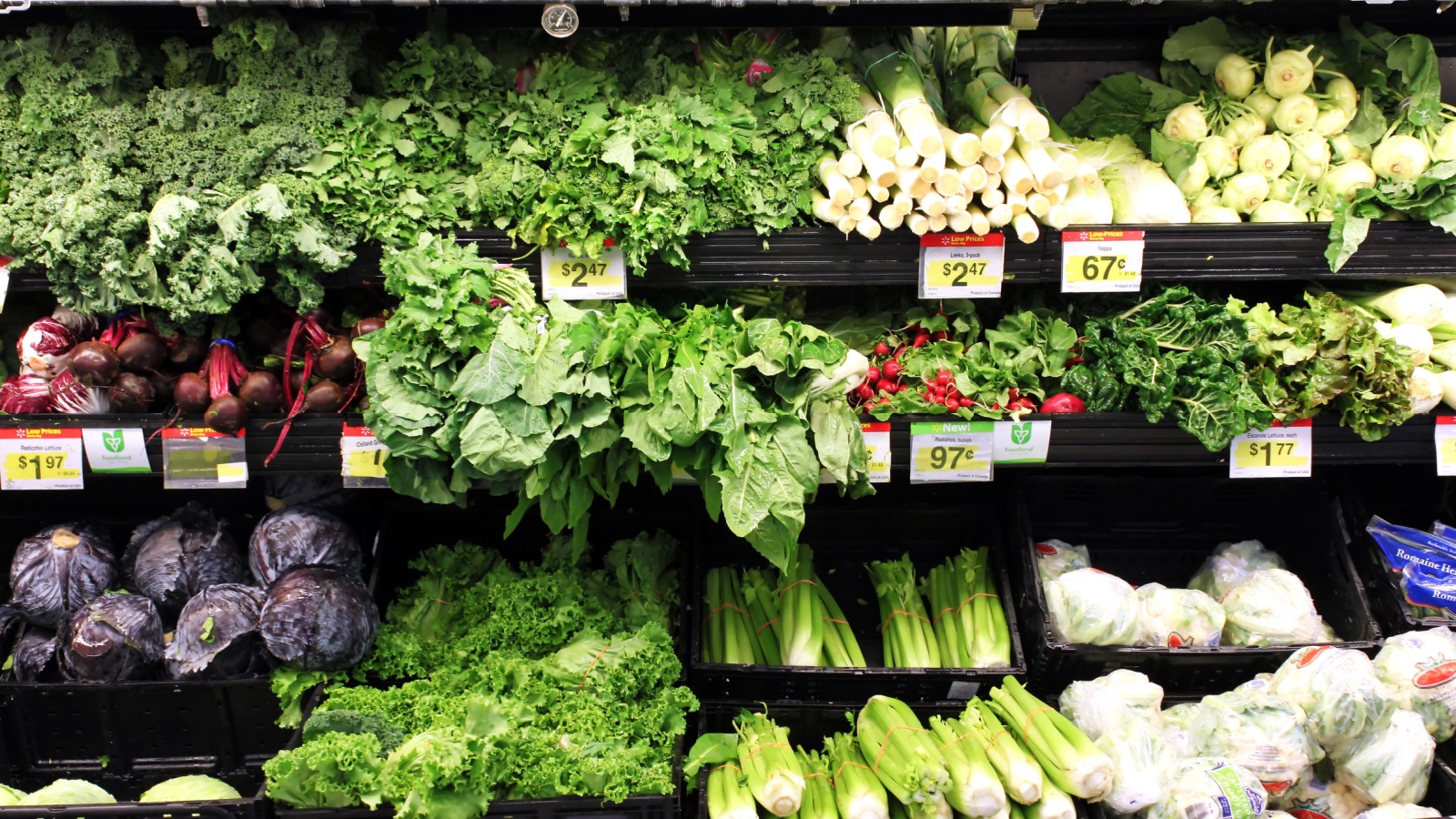
In a northern country, winter produce has always carried a premium, but the difference now feels sharper. Tomatoes, peppers, lettuce, berries, and grapes can turn a simple grocery run into a calculation. Some families lean more heavily on frozen vegetables, cabbage, carrots, potatoes, apples, and canned goods because they offer better value and last longer. The choice can be sensible without feeling entirely voluntary.
This is one of the quieter lifestyle changes because it often hides inside meal planning. Salads become soups. Fresh fruit becomes a treat rather than a staple. A parent may save berries for a child’s lunch while choosing something cheaper for themselves. Canada’s reliance on imported winter produce, transportation costs, weather disruptions, and currency swings all make fresh food more vulnerable to price shocks, especially outside peak growing seasons.
Dental Checkups

Dental care is one of the easiest things to delay because pain is not always immediate. A cleaning can be pushed back by six months, a crown can wait, and a small issue can be monitored instead of treated. For people without workplace benefits, the out-of-pocket cost of oral care can compete directly with rent, groceries, car repairs, or debt payments.
The problem is that postponed dental care can become more expensive later. A missed cleaning may not matter right away, but untreated decay, gum problems, and broken teeth rarely improve on their own. Some Canadians now treat dental visits the way they treat major repairs: necessary, but only when there is enough money. Public programs may help eligible households, yet coverage gaps and awareness issues mean cost still shapes decisions.
Prescriptions and Health Extras

Canada’s health system covers many essential medical services, but not every health cost disappears at the clinic door. Prescriptions, physiotherapy, counselling, vision care, medical devices, and some specialist-related expenses can still land heavily on household budgets. For people without strong benefits, the choice may become whether to fill everything at once, space out appointments, or postpone supportive care.
These decisions are often private. A person may stretch medication, skip therapy, or avoid replacing glasses while telling others they are “fine for now.” The trade-off is risky because untreated health needs can affect work, family life, and long-term well-being. As living costs rise, health extras become part of the same budget conversation as food and shelter, even when they are not optional in any meaningful sense.
Vacations Away From Home

Many Canadians are not giving up rest; they are giving up the version of rest that involves flights, hotels, rental cars, restaurants, and attraction tickets. The replacement may be a cottage invitation, a camping trip, a local beach day, or a week off spent catching up on errands. It can still be enjoyable, but it is not the same as leaving everything behind.
Travel costs add up quickly because every part of a trip has its own inflation pressure. Airfare, accommodations, fuel, insurance, exchange rates, meals, and baggage fees can turn a modest vacation into a major financial decision. Some households now save travel for weddings, funerals, or family obligations rather than pure leisure. The language changes from “we cannot afford it” to “we are keeping it simple this year.”
Owning a Car

Car ownership remains essential in many communities, but more Canadians are questioning whether a vehicle is worth the total cost. The sticker price is only the beginning. Insurance, fuel or charging, maintenance, parking, tires, repairs, financing, depreciation, registration, and unexpected breakdowns can make even a used vehicle feel like a second rent payment. For younger drivers, insurance can be especially punishing.
The shift is uneven because Canada is not built the same everywhere. In dense urban areas, transit, car-share, cycling, and occasional rentals may replace ownership. In suburbs, rural areas, and smaller towns, giving up a car can mean giving up access to work, school, medical appointments, and family support. That is why many households do not fully abandon driving; they delay replacing an aging vehicle and hope the next repair is manageable.
Retirement Contributions

Retirement saving is often the first “responsible” habit to be paused when the present becomes too expensive. A household may reduce automatic RRSP or TFSA transfers, skip a contribution season, or use savings room as a future promise rather than a current action. The decision can feel rational because rent, groceries, and debt payments are immediate, while retirement is distant.
The danger is that skipped contributions lose time as well as money. Compounding works best when savings start early and continue steadily, even in modest amounts. Yet many Canadians are facing budgets where long-term planning competes with short-term survival. The language around this sacrifice is usually calm: “just for this year,” “until things settle,” or “after the renewal.” Those phrases can quietly stretch across many years.
Emergency Funds
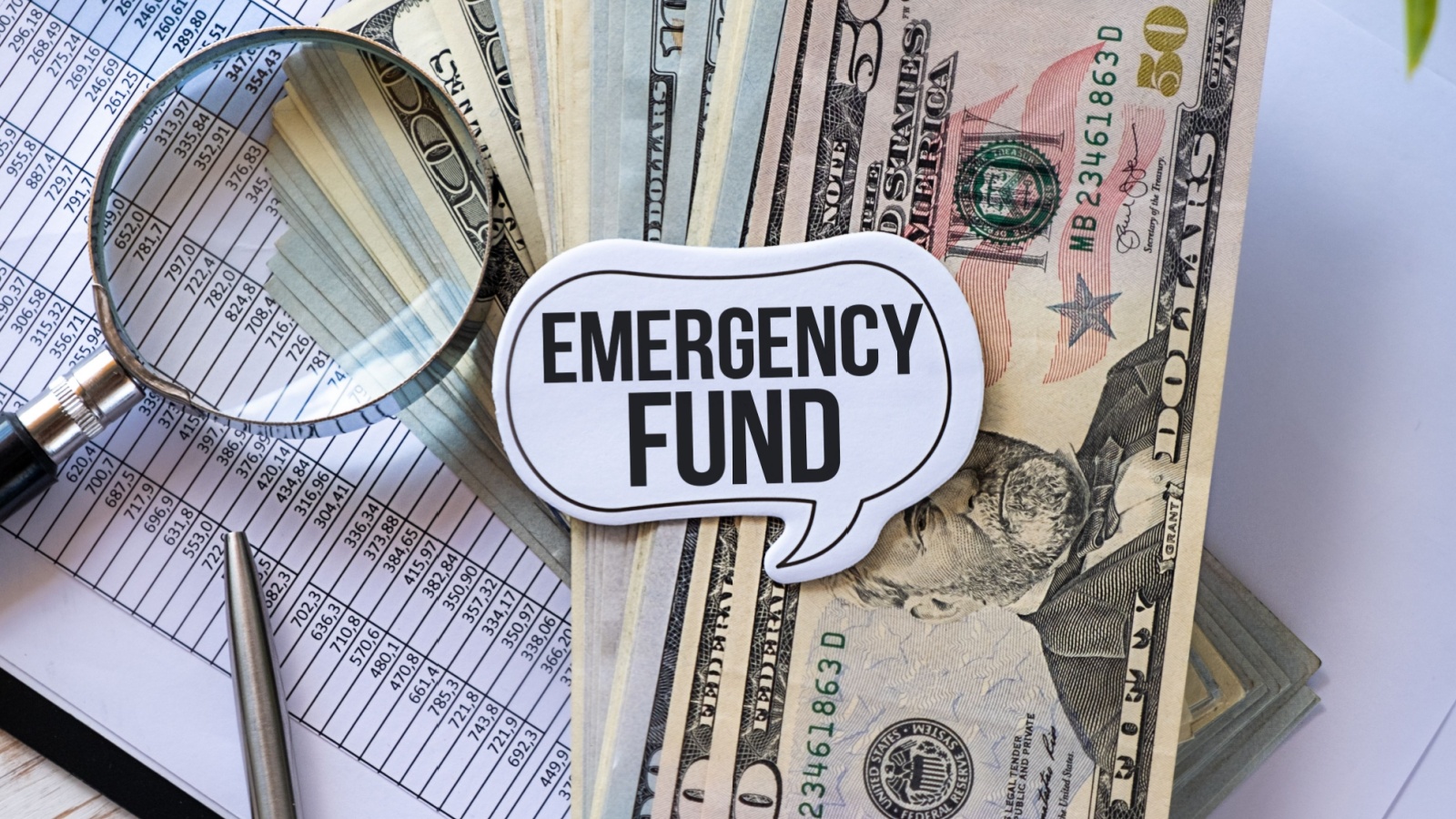
An emergency fund used to be framed as basic financial hygiene: three months of expenses, tucked away and untouched. For many Canadians, that target now feels unrealistic. The emergency fund may be used for regular bills, rebuilt slowly, drained again by a repair, and then renamed “whatever is left.” In some households, a credit card has become the backup plan.
This matters because small shocks become bigger when there is no cushion. A dental bill, vet visit, job interruption, appliance repair, or rent increase can push a household into debt. Even people with stable jobs can feel exposed if every paycheque is already assigned before it arrives. The absence of savings is not always visible from the outside, which is why the stress can remain hidden behind normal routines.
Charitable Giving

Canadians may still care deeply about local charities, food banks, shelters, hospitals, schools, and community groups, but giving can become harder when household budgets tighten. A monthly donation may be paused, a fundraiser may receive a smaller amount, or a person may volunteer time instead of money. The desire to help remains, but the margin to help shrinks.
This sacrifice carries a wider impact because charities often face rising demand at the same time donors feel squeezed. Food banks, youth programs, animal rescues, and health foundations may all be asked to do more with less predictable support. Many households do not frame reduced giving as selfishness; they frame it as triage. When the grocery bill rises, generosity becomes more selective, even among people who still believe in giving.
Children’s Sports and Activities

Hockey, dance, soccer, swimming, music lessons, gymnastics, tutoring, and summer camps can enrich a child’s life, but the costs can be steep. Registration fees are only part of it. Equipment, uniforms, travel, tournament hotels, fundraising, photos, snacks, and parent time all add up. Families may limit children to one activity per season or choose recreation programs over competitive streams.
The emotional weight is heavy because these cuts involve children, not just adult preferences. A parent may skip personal spending to keep a child enrolled, while another may explain that a beloved activity is “too busy this year” rather than too expensive. The result can be less access to sport, arts, and social development for children whose families are already under pressure. Opportunity becomes more dependent on income than talent or enthusiasm.
Having Children Sooner

Family planning is deeply personal, but economics increasingly sits in the room. Housing, child care, parental leave gaps, food prices, transportation, and job insecurity can push Canadians to delay having children or reconsider family size. Some couples wait for a bigger home, a permanent job, or lower debt. Others quietly move from “someday” to “maybe not.”
Canada’s fertility rate has reached record lows, and affordability is not the only explanation, but it is difficult to ignore. Raising children has always required sacrifice, yet the starting line feels higher when a nursery needs space that rent cannot buy. The decision is rarely described as a national crisis at the kitchen table. It sounds more like ordinary caution: “not yet,” “not until we are ready,” or “one might be enough.”
Upgrading Education

Further education can still be a path to better income, but tuition and living costs make the decision harder. A worker considering a certificate, diploma, trade upgrade, or graduate degree may hesitate if it means taking on debt or reducing work hours. Students may choose programs closer to home, delay enrollment, study part-time, or avoid unpaid internships because the cost of opportunity is too high.
This is not only about tuition. Rent, transit, books, technology, food, and lost wages shape whether education feels accessible. A person may want to retrain for a stronger career but feel trapped by current bills. The long-term payoff may be real, yet the short-term risk can be intimidating. Education remains valued, but the freedom to pursue it has narrowed for many households.
Home Repairs and Maintenance

A leaky faucet, aging roof, cracked driveway, drafty window, or tired furnace may once have gone on a normal maintenance list. Now, many repairs are ranked by urgency. Cosmetic upgrades are postponed first, then preventive maintenance, and finally anything that does not seem dangerous yet. Hardware store trips become smaller, and contractors are called only when a problem can no longer be ignored.
Delaying repairs can be financially understandable but costly. A small leak can become water damage, poor insulation can raise heating bills, and an older appliance can fail at the worst possible time. Homeowners may still have equity on paper while lacking the cash flow to maintain the property comfortably. The house remains an asset, but keeping it in good condition becomes another monthly pressure.
Privacy for Convenience

Not everything Canadians are giving up is purely financial. Privacy is increasingly traded for discounts, loyalty points, faster checkout, free apps, delivery tracking, smart devices, and personalized offers. Many people know their data has value, but the immediate benefit of saving a few dollars or simplifying a task can outweigh abstract concerns about surveillance and profiling.
The trade-off feels normal because it is built into everyday life. Grocery apps track purchases, streaming platforms analyze habits, vehicles collect driving data, and phones mediate nearly everything. Few people call this a crisis because participation is often optional in theory but difficult to avoid in practice. The sacrifice is gradual: less anonymity, more tracking, and a quiet acceptance that convenience usually comes with a data receipt.
Local News and Paid Media

Canadians are not necessarily giving up information, but many are giving up paying directly for it. Newspaper subscriptions, magazine renewals, paid newsletters, and streaming news packages compete with rent, groceries, and entertainment subscriptions. Free headlines on social platforms can feel sufficient, even when they provide less local reporting and fewer verified details.
The consequence is easy to miss until something important happens close to home. City hall decisions, school board debates, court cases, local business closures, and community safety issues require reporters with time and resources. When subscriptions disappear, local coverage can thin out. Many households cancel because the bill feels optional, not because journalism lacks value. The public cost arrives later, when fewer people know what is happening in their own community.
Small Daily Treats

The daily coffee, bakery stop, convenience snack, bookstore browse, or small impulse purchase has become more loaded. These are not extravagant items, which is exactly why giving them up can feel strange. A latte is not a house down payment, but repeated small purchases are easy to target when every budget app and financial commentator points toward them.
The deeper issue is not the price of coffee alone. It is the shrinking room for harmless pleasure. People can make coffee at home, pack snacks, and wait for library holds, but the loss of little rituals changes how daily life feels. Small treats often mark transitions: the commute, the lunch break, the end of a hard week. Giving them up may be financially sensible while still making life feel narrower.
Community Events

Concerts in the park, holiday markets, fall fairs, festivals, sports nights, fundraisers, and cultural events can seem affordable until admission, parking, transit, food, rides, merchandise, and donations are counted together. Families may still attend, but they spend less once inside or choose fewer events in a season. A day out becomes a planned expense rather than a spontaneous outing.
This matters because community life depends on participation. Local events support vendors, artists, charities, youth groups, and small businesses. When people cut back, the loss is not only personal entertainment; it affects the social fabric of neighbourhoods. Canadians may not call it a crisis when they skip a festival, but repeated absences change how connected a community feels. The calendar stays full, yet fewer households can afford to take part fully.
19 Things Canadians Don’t Realize the CRA Can See About Their Online Income

Earning money online feels simple and informal for many Canadians. Freelancing, selling products, and digital services often start as side projects. The problem appears at tax time. Many people underestimate how much information the CRA can access. Online platforms, banks, and payment processors create detailed records automatically. These records do not disappear once money hits an account. Small gaps in reporting add up quickly.
Here are 19 things Canadians don’t realize the CRA can see about their online income.
