
Canadian job security can feel solid right up until the moment an industry changes direction. A familiar employer, steady paycheque, and long-standing demand do not always protect a role from budget freezes, automation, consumer pullbacks, or restructuring.
Across Canada, workers are seeing a labour market that is not collapsing but is becoming more selective. Some positions still look dependable from the outside because they exist in big institutions, essential services, or industries with long histories. Yet stability often depends less on the job title and more on whether the sector behind it is expanding, consolidating, or quietly trimming costs. These 18 jobs can appear secure until the wider industry starts cutting.
Software Developers

Software development used to carry an almost automatic sense of safety. Canadian companies needed websites, apps, cloud systems, cybersecurity tools, and internal platforms, so developers were often seen as insulated from the ups and downs affecting other workers. Even during periods of economic uncertainty, skilled programmers could point to strong demand for digital transformation and assume the work would keep coming.
That confidence has become more complicated. Tech employers have been recalibrating after years of rapid hiring, while artificial intelligence is changing how some coding, testing, documentation, and support tasks are handled. The risk is not that every developer becomes unnecessary, but that teams may need fewer junior or generalist roles when tools make experienced workers faster. A developer at a mid-sized Canadian startup may still be valuable, yet vulnerable if venture funding tightens, product priorities shift, or management decides that automation can replace part of the team.
Bank Branch Advisors

Banking has long been associated with dependable careers in Canada, especially because the country’s largest banks are deeply established and widely trusted. A branch advisor role can look particularly stable: people still need mortgages, savings accounts, credit advice, and retirement products. In smaller communities, the local branch may even feel like a permanent fixture of the neighbourhood.
The pressure comes from how banking is delivered. More routine transactions have moved online, mobile apps have absorbed tasks once handled in person, and banks continue looking for cost savings when margins or consumer borrowing weaken. Branch roles are not disappearing overnight, but the mix of employees inside a branch can change quickly. Someone hired for customer service may be pushed toward sales targets, remote service support, or a smaller team covering more clients. The job looks steady because the bank remains strong, but individual roles can still be reworked when the branch model changes.
Retail Store Supervisors

Retail supervisors often seem safer than entry-level cashiers because they carry keys, train staff, manage schedules, and handle customer escalations. In grocery, pharmacy, home improvement, and big-box stores, supervisors can feel essential to the daily rhythm of the business. Many workers move into these roles believing they have crossed from temporary retail work into something more permanent.
The challenge is that retail stability depends heavily on margins, rent, consumer spending, and corporate strategy. When retailers cut, they often do not remove the need for supervision; they simply spread it across fewer people. A department manager may inherit two departments, a closing supervisor may cover more floor area, and assistant manager positions may be consolidated. Self-checkout, inventory software, and centralized scheduling can also reduce the number of store-level roles. The doors may stay open and sales may continue, but the career ladder inside the store can shrink.
Administrative Assistants

Administrative assistants are often the people who keep offices functioning: calendars, invoices, travel arrangements, meeting notes, vendor files, and internal coordination all pass through their hands. In government offices, schools, medical clinics, construction firms, and corporate departments, the role can look durable because every organization needs someone to bring order to daily operations.
Industry cuts change the calculation. When budgets tighten, administrative work is often redistributed before it is formally eliminated. Managers book their own meetings, teams use shared software, and remaining assistants support more people than before. Artificial intelligence tools can also draft emails, summarize meetings, and organize basic documents, reducing the number of entry-level administrative tasks. A strong assistant with institutional knowledge may still be highly valued, but the general support role is exposed when organizations decide that software and self-service systems can absorb routine work.
Customer Service and Call Centre Representatives

Customer service representatives are often seen as necessary because every company has complaints, billing questions, password resets, delivery problems, and account changes. In telecom, banking, insurance, retail, travel, and utilities, call centre workers can appear protected by sheer volume. When customers need help, someone has to answer.
The risk is that companies increasingly measure support work as a cost centre. Chatbots, automated phone menus, app-based service portals, and outsourced operations can reduce domestic staffing needs. Even when jobs remain in Canada, they may shift from straightforward problem-solving to handling only the hardest, angriest, or most complex cases. That makes the work more stressful while headcounts become leaner. A representative who once handled routine account updates may find those tasks automated, leaving fewer positions focused on escalation, retention, or sales-driven service.
Mortgage Brokers

Mortgage brokers can look stable because housing is a central part of Canadian financial life. Even when prices cool, people still refinance, renew, move, separate, downsize, or help family members buy. In hot markets, the job can seem especially secure because demand spills across banks, private lenders, credit unions, and alternative financing channels.
The weakness appears when interest rates, affordability, and housing activity shift together. A slower real estate market means fewer purchase transactions, while tighter lending rules or cautious borrowers can reduce deal volume. Brokers are often commission-based, so industry cuts may not look like layoffs at first. Instead, income thins out, support teams shrink, offices merge, and newer brokers leave because the pipeline is no longer enough. The job can still exist, but the number of people able to make a steady living from it can fall quickly.
Real Estate Agents

Real estate agents often project confidence because property remains one of Canada’s biggest household assets. The job is visible, entrepreneurial, and tied to a market that rarely disappears from public conversation. In busy years, agents can build brands, hire assistants, and appear to have escaped ordinary employment risk altogether.
Yet real estate is deeply cyclical. When sales slow, the industry does not need the same number of agents competing for listings and buyers. Commission income can drop long before official job losses show up in the data, and newer agents may carry licensing fees, marketing costs, vehicle expenses, and brokerage fees while closing fewer deals. Technology also gives consumers more listing data, reducing the informational advantage agents once had. The role can look stable because homes still sell, but fewer transactions can leave many agents fighting over a smaller pool of commissions.
Insurance Adjusters

Insurance adjusters can seem protected because claims never stop. Cars collide, basements flood, storms damage roofs, and businesses face liability disputes. In a country with harsh weather and major property exposure, the need for claims assessment can feel permanent. Experienced adjusters also carry specialized judgment that is not easy to replace overnight.
Still, the industry is under pressure to control claims costs and improve processing speed. Digital photo submissions, automated estimates, remote inspections, fraud analytics, and centralized claims hubs can reduce the number of field roles required for straightforward files. Major weather events may temporarily increase demand, but insurers may respond with contractors, temporary teams, or technology rather than permanent hiring. The adjuster role remains important, especially for complex claims, but the stable middle layer can narrow when companies decide simpler cases can be handled with fewer people.
Auto Manufacturing Workers

Auto manufacturing jobs carry a long history in Ontario and remain associated with good wages, union protection, and regional pride. Assembly plants and parts suppliers can anchor entire communities, supporting not only line workers but also tool shops, logistics firms, cafeterias, and maintenance contractors. From the outside, these jobs can look more solid than service work because they are tied to physical production.
The danger is that manufacturing stability depends on product cycles, trade rules, consumer demand, and investment decisions made far from the plant floor. A model cancellation, delayed electric-vehicle program, parts shortage, or tariff shock can quickly affect shifts. Automation also changes the number and type of workers needed. A plant may remain open while reducing overtime, cutting temporary workers, or restructuring supplier contracts. The industry’s footprint can survive, but the individual job can become vulnerable whenever production volumes or future vehicle plans change.
Forestry and Pulp Mill Workers

Forestry and pulp mill jobs can look stable in towns where mills have operated for generations. These roles support families, municipal tax bases, trucking routes, repair shops, and local contractors. Workers often have specialized skills tied to equipment, safety procedures, and production systems that are not easily replaced by someone walking in off the street.
The risk is that forestry is exposed to global prices, U.S. trade disputes, housing demand, environmental pressures, wildfires, and mill modernization. When lumber prices fall or duties rise, companies may curtail production, reduce shifts, or close older facilities. Pulp and paper operations also face long-term changes in demand, even though packaging and specialty products remain important. In communities where one employer dominates, a cut can affect more than a single paycheque. A millwright, machine tender, or loader operator may have strong skills, but fewer nearby employers needing the same exact experience.
Oil and Gas Field Service Workers
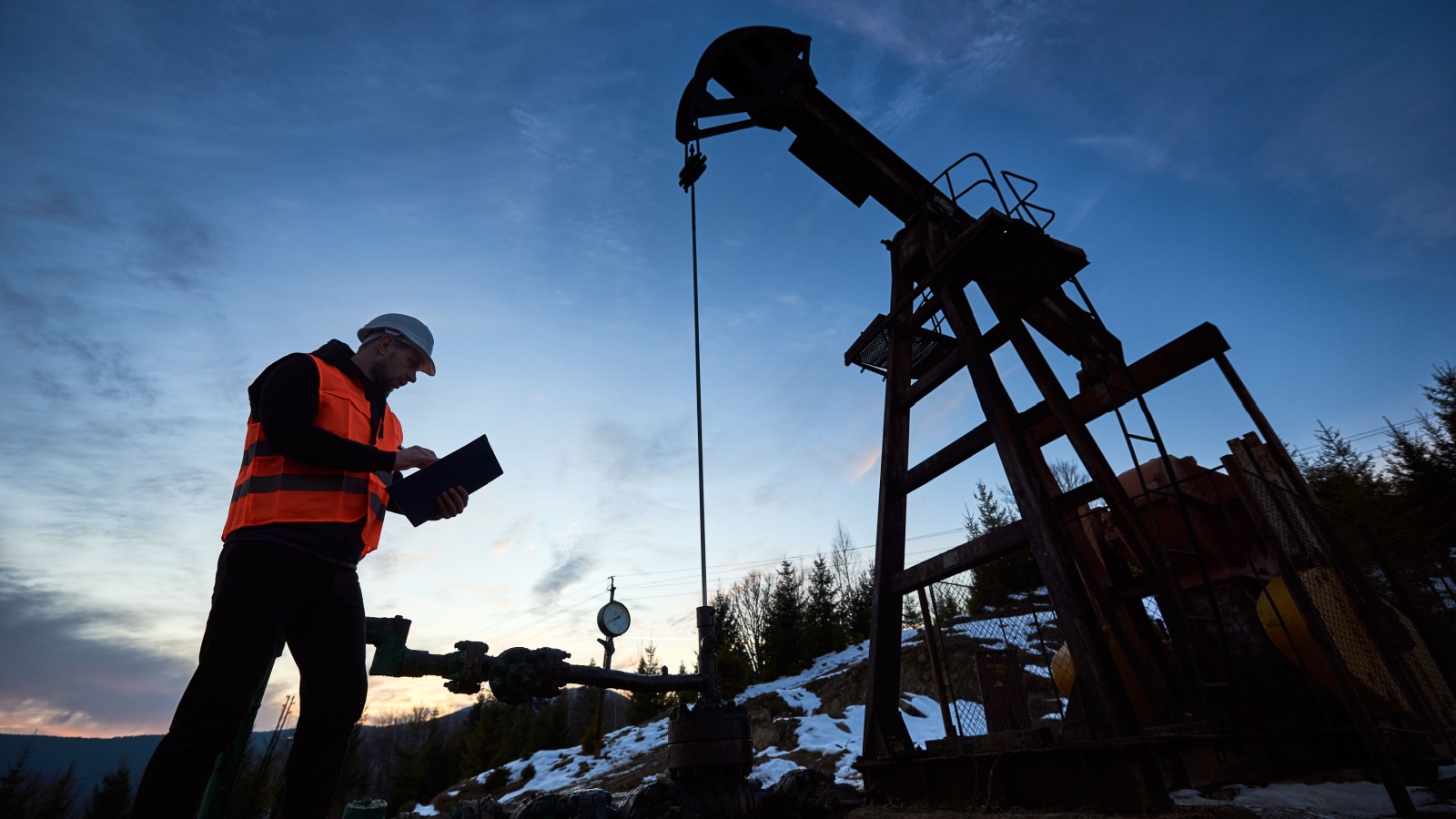
Oil and gas field service jobs often pay well and can appear stable when energy prices are strong. Drilling crews, equipment operators, welders, pressure pumping workers, mechanics, and camp support staff can earn incomes that are hard to match in many other sectors. In Alberta, Saskatchewan, and parts of Newfoundland and Labrador, these jobs remain central to regional economies.
The problem is volatility. Energy companies respond quickly to oil prices, capital spending plans, pipeline constraints, climate policy, and investor pressure. Field service workers are often affected before head-office professionals because drilling programs can be paused or reduced. A worker may have months of intense overtime followed by sudden downtime. The industry still needs skilled labour, especially for maintenance and specialized operations, but it does not always offer smooth employment. Stability can depend less on personal performance and more on whether companies approve the next round of projects.
Airline Ground Staff

Airline ground staff can look secure because airports are busy, planes keep moving, and travel demand remains a major part of the economy. Gate agents, baggage handlers, ramp workers, cleaners, dispatch coordinators, and customer service staff are visible parts of a system that feels essential. When travel rebounds, these jobs can seem safe again.
However, aviation is sensitive to fuel prices, route profitability, aircraft availability, labour costs, and sudden changes in travel patterns. Airlines can suspend routes, shift work to contractors, reduce seasonal staffing, or consolidate operations at certain airports. Ground staff may also face irregular hours and part-time arrangements even when passenger volumes look healthy. A busy terminal does not always mean secure employment for every worker inside it. If an airline cuts unprofitable routes or changes its service model, frontline airport jobs can be among the first affected.
Journalists and Media Producers

Journalists, editors, camera operators, producers, and digital media workers often hold roles that feel socially important. Communities rely on local reporting, sports coverage, weather updates, political accountability, and emergency information. That public value can make the work feel more secure than the business model behind it actually is.
Canadian media has faced years of pressure from declining advertising revenue, platform dominance, audience fragmentation, and consolidation. A newsroom may still publish daily, but with fewer reporters covering larger beats. Producers may be expected to edit video, write web copy, manage social posts, and support podcasts at the same time. Local outlets can survive in name while quietly reducing staff. The industry’s mission remains essential, yet the jobs inside it often depend on subscriptions, grants, ownership decisions, and whether advertisers continue to see value in traditional media.
Telecom and Cable Installers

Telecom and cable installers can appear stable because households and businesses depend on internet access. Fibre upgrades, home Wi-Fi, mobile networks, business lines, and security systems all require physical installation and maintenance. The job also carries practical, hands-on skills that cannot be fully moved into a call centre or automated from an office.
The exposure comes from consolidation, contracting, and changing technology. Major telecom providers may outsource installation work, renegotiate contractor agreements, or reduce truck rolls through self-install kits and remote diagnostics. As more customers switch from traditional cable packages to streaming, some legacy service calls decline. Fibre and wireless upgrades create work, but not always in the same places or under the same employment terms. An installer may still be needed, yet the company badge, pay structure, and route volume can change as providers cut costs.
College and University Instructors

Postsecondary instructors often appear stable because education is seen as a long-term necessity. Colleges and universities need people to teach business, trades, health, technology, humanities, and professional programs. A campus job can carry prestige, routine, and the feeling of being part of an institution that will outlast economic cycles.
The pressure is sharper for contract, sessional, and program-specific instructors. Enrolment shifts, international student policy changes, provincial funding, and program reviews can quickly affect teaching loads. A course that filled three sections last year may run one section this year. Some institutions rely heavily on temporary instructors, which means cuts can happen through non-renewed contracts rather than dramatic layoffs. The classroom may remain full in certain high-demand programs, while others shrink. For instructors without permanent status, stability can depend on registration numbers and institutional budgets more than teaching quality.
Public Service Program Officers

Public service jobs are often viewed as among the safest in Canada. Program officers, policy analysts, benefits administrators, case officers, and service coordinators work in systems that Canadians rely on, from immigration and employment insurance to health programs and infrastructure funding. The assumption is that government work survives because public needs do not disappear.
That assumption can overlook budget cycles. Governments may freeze hiring, reduce temporary contracts, restructure departments, delay backfills, or shift work to digital platforms. Cuts may arrive more slowly than in the private sector, but they can still affect career paths, especially for term employees and contractors. A program officer may not lose a job immediately, yet promotion pools can shrink and teams may be asked to process more files with fewer people. Public demand can rise at the same time staffing becomes tighter, making the role feel secure from outside and strained from within.
Warehouse Supervisors

Warehouse supervisors can seem well-positioned because e-commerce, grocery distribution, manufacturing, and retail logistics all need goods moved efficiently. The role sits above entry-level picking and packing, with responsibilities for schedules, safety, inventory accuracy, productivity targets, and shift coordination. In a country as geographically large as Canada, logistics work feels indispensable.
Industry cuts often arrive through automation and network redesign. Companies may introduce robotics, automated sorting, warehouse management software, or larger regional hubs that reduce smaller-site staffing. Supervisors may remain, but fewer may be needed per shift as systems track performance in real time. When retailers close stores, manufacturers slow production, or consumers spend less, warehouse volumes can fall quickly. A supervisor who once managed a growing team may suddenly be overseeing a leaner crew under tighter productivity expectations. The job is important, but not immune to margin pressure.
Payroll and Accounting Clerks

Payroll and accounting clerks often look stable because every organization must pay employees, record expenses, reconcile accounts, and meet tax deadlines. These roles exist across industries: construction, retail, municipalities, schools, health care, nonprofits, and private companies. Accuracy matters, so experienced clerks can become trusted keepers of financial routines.
The risk is that routine finance work is a prime target for software consolidation. Cloud accounting platforms, automated invoice capture, integrated payroll systems, and outsourced bookkeeping services can reduce internal clerical headcount. During cuts, companies may keep senior accountants and controllers while trimming data-entry-heavy roles or moving them to shared service centres. The work does not vanish, but it can be bundled into fewer positions. A clerk who understands exceptions, compliance, and internal controls may remain valuable, while roles built mainly around repetitive processing become easier to absorb or relocate.
19 Things Canadians Don’t Realize the CRA Can See About Their Online Income

Earning money online feels simple and informal for many Canadians. Freelancing, selling products, and digital services often start as side projects. The problem appears at tax time. Many people underestimate how much information the CRA can access. Online platforms, banks, and payment processors create detailed records automatically. These records do not disappear once money hits an account. Small gaps in reporting add up quickly.
Here are 19 things Canadians don’t realize the CRA can see about their online income.
