Canada’s middle class has long been associated with a stable home, dependable work, room to save, and enough flexibility for family life. Increasingly, those markers feel disconnected from what an ordinary professional or skilled-worker income can provide. The problem is not one dramatic expense but the stacking of housing, food, debt, transportation, education, and care costs against paycheques that often recover slowly.
These 20 pressures help explain why many Canadians feel the middle class is shrinking even when employment and household income figures suggest that millions remain somewhere near the middle. The growing concern is less about labels than lived experience: whether steady work still produces security, choices, and confidence that the next generation can move forward.
Homeownership Keeps Moving Beyond Reach
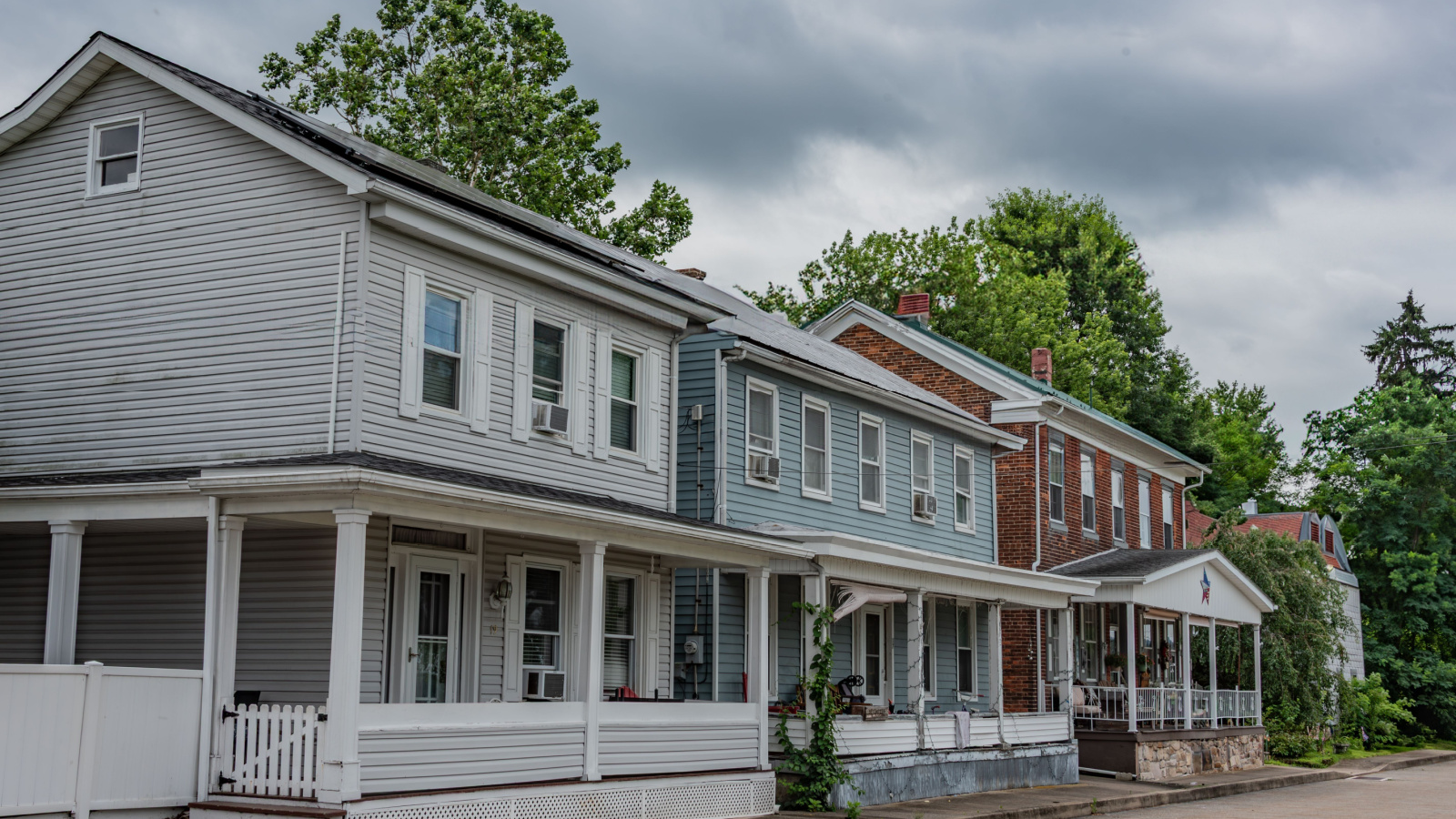
For generations, owning a home symbolized arrival in Canada’s middle class. That milestone now requires a much larger income, a longer saving period, or family help. Statistics Canada found that millennial homeownership at comparable ages trails both Generation X and baby boomers. Even households with stable jobs can spend years building a down payment while prices, closing costs, and borrowing requirements keep moving.
The emotional effect extends beyond housing. Homeownership has traditionally created security, equity, and a place to raise a family. When a professional couple earns what once looked like a comfortable income but still cannot buy near work, “middle class” starts to feel like a label without the old benefits. CMHC estimates that restoring 2019-level affordability would require housing construction to rise dramatically for years, showing that the problem is structural rather than a temporary bad season. The goal increasingly depends on timing, geography, luck, and inherited wealth.
Rent Now Feels Like a Permanent Burden

Renting was once widely viewed as a flexible stage before buying. For many Canadians, it has become a long-term condition that consumes the money previously meant for savings, education, or a down payment. Statistics Canada reported that renters were more than twice as likely as owners to spend at least 30% of income on shelter in 2022, the standard threshold used to flag unaffordable housing.
The pressure becomes sharper when a tenant has to move. New leases can cost far more than long-held ones, leaving families effectively trapped in units that no longer suit them. CMHC’s 2025 rental data showed a higher national vacancy rate, yet same-sample two-bedroom rents still increased strongly. A family may technically earn a middle income, but if one paycheque disappears into rent before groceries and transportation are considered, that income no longer produces a recognizably middle-class life. That pressure can persist even when earnings rise.
Mortgage Renewals Rewrite Household Budgets

Homeowners are not automatically insulated from the affordability crisis. Many Canadians who bought or renewed at very low pandemic-era rates later faced substantially higher payments when their mortgage term ended. The Bank of Canada estimated that five-year fixed borrowers renewing in 2025 or 2026 could see average payment increases of roughly 15% to 20% compared with late 2024 payments.
That change can transform a manageable budget overnight. A household that once paid for summer camp, restaurant meals, and regular retirement contributions may suddenly redirect hundreds of dollars a month to the same home. Most borrowers continue to make payments, but resilience is not the same as comfort. Families often cope by extending amortizations, reducing savings, postponing repairs, or carrying more consumer debt. The house remains, yet the lifestyle associated with being a secure homeowner becomes noticeably smaller. Renewal therefore becomes a test of resilience rather than a routine banking appointment.
Grocery Shopping Requires Constant Trade-Offs

Few expenses expose the shrinking value of income as visibly as groceries. Statistics Canada reported that food purchased from stores cost 27.1% more in July 2025 than in July 2020. Even when monthly inflation slows, the higher price level remains. A cart does not return to its old total simply because prices are rising less quickly than before.
Middle-income families respond with habits once associated with financial distress: switching proteins, visiting several stores, delaying purchases until promotions, and calculating every unit price. A parent may earn more than five years ago yet leave the supermarket with fewer items. Canada’s Food Price Report projected another meaningful increase in 2026, with a family of four potentially spending nearly $1,000 more than the previous year. When basic meals demand this much planning, the middle-class promise of ordinary abundance begins to feel fragile. Weekly checkout totals now measure financial anxiety as plainly as statistics.
Pay Raises Do Not Erase the Price Shock

Many workers have received wage increases since the pandemic, but the timing matters. Prices rose first and quickly, while pay often adjusted later. Statistics Canada has noted that the initial high-inflation period produced steep purchasing-power losses because prices outpaced earnings. Real wages recovered some ground by 2024, yet families still face a permanently higher price level for food, shelter, transportation, and services.
That gap explains why a raise can feel strangely disappointing. An employee may receive a 4% increase and still be unable to restore previous saving or spending habits. The extra income is absorbed by costs that already climbed. For middle-class households, progress used to mean that each career step created more choice. Now it may merely prevent further decline. The Bank of Canada’s explanation is simple: lower inflation does not reverse earlier price increases, so purchasing power remains damaged unless incomes fully catch up. Recovery has remained uneven.
Debt Has Become a Substitute for Breathing Room

Canada’s household debt burden leaves little room for mistakes. Statistics Canada reported that credit-market debt equalled about 177% of disposable income in late 2025, while required principal and interest payments consumed roughly one-seventh of disposable income. Mortgages account for most liabilities, but credit cards, vehicle loans, and lines of credit add pressure to already crowded budgets.
For a middle-income household, debt can hide the squeeze for a while. A car repair goes on a line of credit, groceries stay on the card, and a vacation is paid over several months. The lifestyle looks unchanged from the outside, but more of it is borrowed. The Bank of Canada has warned that people carrying credit-card balances are more likely to experience future financial stress. When maintaining an ordinary standard of living requires continual borrowing, the middle class can appear intact while its financial foundation quietly weakens. Interest charges then compound that pressure.
Emergency Savings Are Unevenly Distributed
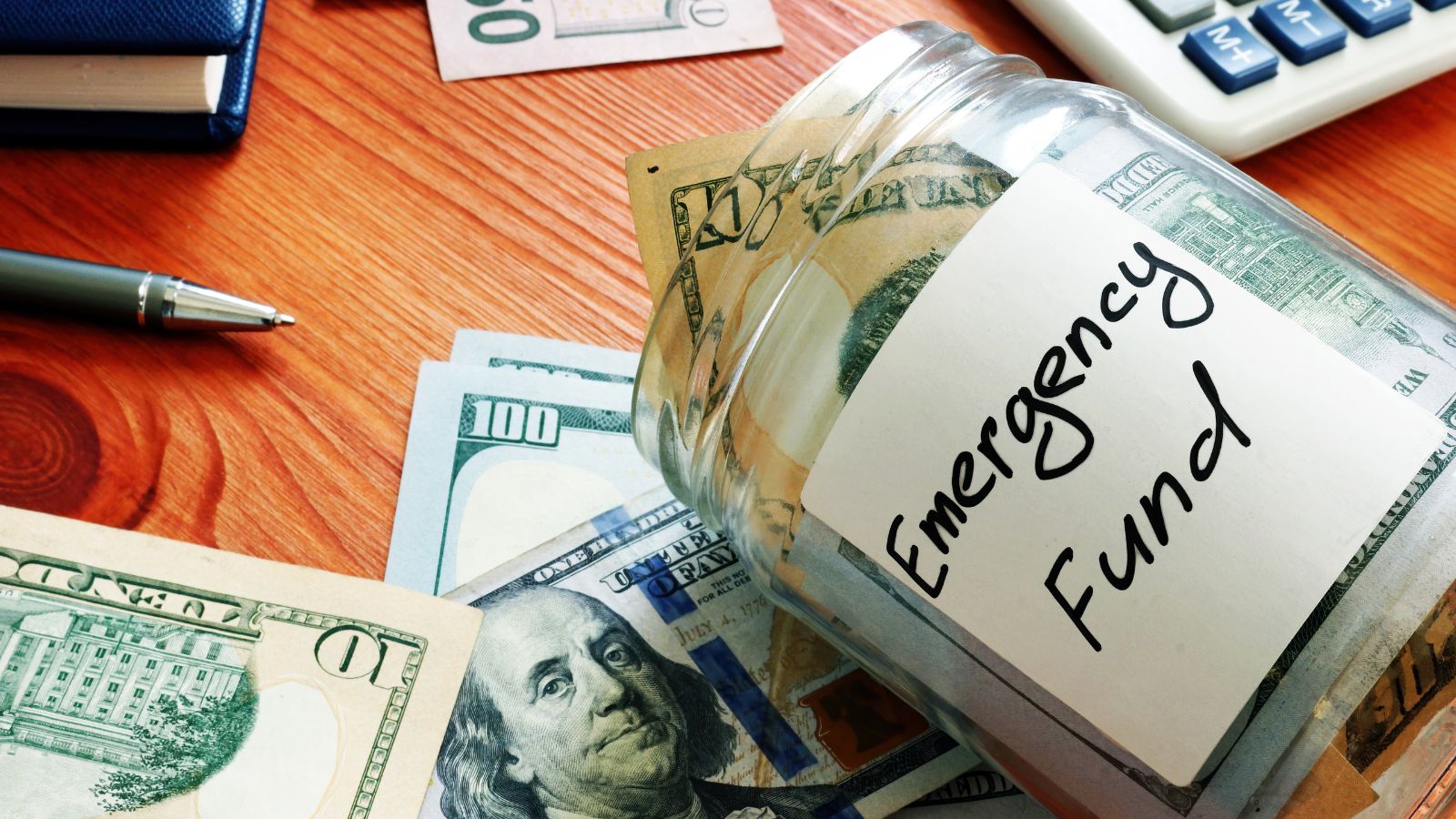
A traditional marker of middle-class security is the ability to handle a broken furnace, dental bill, or short period without work. That buffer is far from universal. Statistics Canada reported that one in four Canadians could not cover an unexpected $500 expense in late 2022. More recent measures show improvement in three-month asset resilience, but the averages conceal large differences by income, housing status, and wealth.
The Bank of Canada has found that savings accumulated since 2019 are concentrated especially among homeowners without mortgages. Highly indebted households may have very little flexibility despite respectable earnings. That creates a peculiar vulnerability: a family can appear comfortable until one disruption exposes how narrow the margin has become. Emergency funds are also harder to rebuild when housing and food absorb more income. The absence of a cushion makes routine life feel less secure, even before an actual emergency occurs. Security remains unevenly shared.
Affordable Child Care Can Still Be Hard to Find

Lower regulated child-care fees have delivered meaningful relief to many Canadian families. Federal and provincial agreements reduced average out-of-pocket costs substantially, and new spaces have been announced. Yet affordability on paper does not guarantee access. Statistics Canada found that half of parents using child care in 2025 reported difficulty finding an arrangement, up from 46% in 2023.
A missing space can reshape an entire household economy. One parent may reduce hours, turn down a promotion, rely on grandparents, or pay significantly more for an alternative outside the subsidized system. For middle-income couples, the problem is not always qualifying for help; it is finding care that matches work schedules and location. The monthly fee may look manageable once a place is secured, but the waiting lists and limited supply create hidden career and income costs. That makes raising children feel less compatible with stable middle-class advancement. Access remains the missing piece.
Owning a Vehicle Consumes More of the Paycheque

In much of Canada, a vehicle is not a luxury. It is the practical link to work, school, groceries, and medical appointments. Statistics Canada estimated that transportation accounted for 13.6% of household consumption in late 2023. The category includes far more than gasoline: payments, depreciation, insurance, registration, tires, maintenance, parking, and unexpected repairs all compete for income.
Those costs can rise even when drivers try to economize. Statistics Canada recorded an 8.1% increase in passenger-vehicle insurance premiums in 2024. A family keeping an older car may avoid a loan but face larger repair bills; buying newer can mean years of payments at higher prices. In smaller communities, public transit may not offer a realistic alternative. The result is a mandatory expense that behaves like a second housing bill, narrowing the discretionary space that once distinguished middle-class households from those living paycheque to paycheque. Long commutes can make that expense unavoidable.
Insurance and Home Upkeep Keep Getting Costlier

A mortgage payment is only one part of the cost of owning a home. Property insurance, utilities, maintenance, condo fees, taxes, and repairs continue long after the purchase. Severe weather has added another layer. Insurance Bureau of Canada reported that insured damage from severe weather surpassed $8 billion in 2024, the costliest year in Canadian history at the time.
Higher claims and rebuilding costs eventually reach household budgets through premiums, deductibles, exclusions, and repair prices. A homeowner may discover that the roof replacement, basement flood protection, or electrical upgrade postponed last year now costs considerably more. These expenses are difficult to celebrate, yet ignoring them can damage the family’s largest asset. Middle-class ownership once implied increasing security over time. When routine upkeep and protection consume growing amounts of cash, the home can begin to feel less like accumulated wealth and more like an endless financial obligation. Climate risk deepens it.
Public Health Care Still Creates Private Costs

Canada’s public system protects households from direct medical bills, but access problems can still carry a financial price. Statistics Canada’s 2024 access survey found that 22.4% of people in the provinces reported unmet health-care needs under its broader survey measure. CIHI has also documented persistent challenges in obtaining timely primary, emergency, diagnostic, and surgical care.
The cost appears in indirect ways: unpaid leave, repeated travel, child care during appointments, private physiotherapy, prescription expenses, or paying for faster assessment where available. A worker waiting months for treatment may lose productivity or turn down overtime because pain remains unresolved. Families with workplace benefits are better protected, but coverage varies and rarely pays everything. For households that consider themselves middle class, the unsettling realization is that income may determine how comfortably they navigate a universal system. Health remains publicly insured, while the burden surrounding delayed or incomplete care increasingly lands on private budgets.
Education Comes With a Longer Financial Tail

Postsecondary education remains one of the clearest routes to higher earnings, but the entrance cost has become heavier. Statistics Canada estimated average Canadian undergraduate tuition at $7,734 for 2025–2026, before books, housing, transportation, and compulsory fees. Students living away from home can face a total bill far beyond what summer employment can cover.
Federal student loans are now interest-free, which reduces repayment pressure, yet the principal still follows graduates into early adulthood. In 2023–2024, university borrowers left school with an average federal loan balance of $18,545. That debt can delay saving, homeownership, or family formation precisely when young workers are trying to establish themselves. Parents also feel pressure to contribute more through education savings or current income. A credential may still improve opportunity, but when the path requires years of debt or family support, upward mobility feels less open and more dependent on the household a student was born into.
Retirement Security Depends More on Personal Assets

A secure retirement was once a defining expectation of middle-class employment. Today, many workers must build that security largely through individual savings. Statistics Canada reported that only 37.7% of paid workers were covered by a registered pension plan in 2023. Those without workplace plans rely more heavily on RRSPs, TFSAs, home equity, and public benefits.
The difference compounds over decades. Statistics Canada found that families nearing retirement with both a principal residence and an employer-sponsored pension had median net worth about $1.4 million higher than those with neither. That does not mean every homeowner with a pension is wealthy, but it shows how strongly retirement outcomes depend on access to appreciating assets and structured saving. Middle-income workers facing high rent or mortgage costs may contribute less during their peak earning years. Retirement remains possible, yet the cushion, timing, and freedom associated with it are increasingly unequal. The gap compounds quietly.
Stable Employment Feels Less Guaranteed

A middle-class life depends not only on income but on confidence that the income will continue. Statistics Canada found that temporary employees were far more likely than permanent employees to believe they could lose their job within six months in April 2025. Contract, term, and seasonal workers reported particularly elevated insecurity.
Even permanent employees can feel exposed when hiring slows, industries restructure, or trade and technology create uncertainty. The Bank of Canada noted in 2026 that unemployment had risen from 5% in early 2023 to 6.9% by spring 2026. A household with a mortgage and child-care obligations may react long before a layoff occurs by postponing purchases, increasing savings, or avoiding career risks. That caution has a social cost. The middle class traditionally represented predictability: steady work, gradual advancement, and confidence in planning years ahead. When employment feels conditional, even a good salary cannot produce the same sense of security.
Wealth Growth Is Concentrated at the Top

Income pays the bills, but wealth determines how easily a household survives shocks and takes opportunities. Statistics Canada reported that the wealthiest 20% of households held 65.7% of Canada’s total net worth at the end of 2025. The bottom 40% held only 3%. Those differences shape access to housing, investments, education, and family assistance.
Asset owners can benefit when markets rise, while households without property or substantial investments must build wealth entirely from wages. That is difficult when rent and essentials consume most income. The divide also carries across generations: one young buyer receives a down-payment gift, while another saves for years and falls further behind market prices. Both may have similar salaries, yet their paths are dramatically different. As wealth becomes more decisive than earnings, the category “middle income” loses explanatory power. A household can earn a respectable amount and still have little financial security or ability to advance.
One Income No Longer Carries a Household as Far

Many families remember an era when one full-time income could support a modest home, children, a vehicle, and occasional travel. That model was never universal, but it has become far harder to reproduce. Today’s fixed costs are often designed around two earners, making single parents, single adults, and couples relying on one salary especially vulnerable.
Statistics Canada has found that lone-parent households remain much less likely than couples without children to have enough assets to absorb three months of lost income. In 2024, one-parent families headed by women also had particularly high low-income rates. The everyday consequences are practical: there is no second paycheque to cover an illness, job loss, or child-care gap. Even a professional salary can feel fragile when all housing and household costs depend on it. The middle-class standard increasingly assumes dual incomes, which makes family security more conditional on uninterrupted employment from multiple working adults today.
Starting a Family Feels Financially Riskier

Decisions about children have always involved more than money, but affordability now weighs heavily. Statistics Canada reported that 38% of Canadians aged 20 to 29 in 2022 did not believe they could afford a child within three years, while 32% doubted they would have suitable housing. Canada’s fertility rate reached a record low of 1.25 children per woman in 2024.
These figures do not prove that costs alone determine family size, yet they show how economic uncertainty enters personal choices. Couples may wait for a better apartment, a permanent job, or a larger savings account, only to find each milestone moving further away. The same pressures affect whether a second child feels possible. A society can still contain many middle-income earners while making ordinary family formation feel like a luxury decision. That gap between earnings and confidence is one of the clearest signs that the practical middle class is narrowing.
Small Luxuries Are the First Things Cut

Middle-class comfort has never meant unlimited spending. It has meant having room for occasional restaurant meals, a family trip, a new appliance, or children’s activities after the essentials are paid. Bank of Canada surveys throughout 2025 and 2026 found that plans for discretionary spending remained weak as households worried about prices, job security, and their financial health.
These cuts are easy to dismiss as non-essential, but they reveal the difference between merely covering bills and feeling economically secure. A family may still be housed, fed, and employed while cancelling a vacation, delaying furniture replacement, or saying no to hockey registration. Over time, the absence of these choices changes how people interpret their social position. They may earn more than the national median yet experience life as constant restraint. When every treat requires a trade-off or debt, the cultural meaning of “comfortable middle class” begins to disappear. The effect accumulates quietly.
Location Determines Whether an Income Feels Middle Class

A salary that supports comfort in one Canadian community may barely cover basics in another. Statistics Canada’s purchasing-power research identified British Columbia, Ontario, and Alberta among the provinces with the highest overall living costs in 2021, with housing producing major differences. Within provinces, rent, commuting, child care, and insurance can vary sharply between cities and smaller centres.
Moving is not always an easy solution. Lower-cost regions may offer fewer specialized jobs, while high-opportunity cities can price workers out. CMHC has found that housing costs can discourage relocation to places with better employment prospects, reducing mobility and productivity. A teacher, nurse, tradesperson, or office worker may be securely middle class in one market and financially stretched in another without any change in occupation. This geographic lottery weakens the idea of a shared national middle class because the same income buys radically different levels of security, space, and opportunity. Place matters enormously.
Confidence in Moving Ahead Has Weakened
The middle class is partly an economic category and partly a belief that steady effort will improve life. That belief has weakened. The Bank of Canada reported that its consumer expectations indicator remained well below the pre-pandemic average through late 2025, with half of consumers believing the worst economic or inflation effects were still ahead.
Canada still offers meaningful upward mobility, and most adults in several recent cohorts earned more than their parents did at the same age. Yet Statistics Canada has also found that the relationship between parents’ and children’s income ranks strengthened across generations, making family background more influential. These realities can coexist: progress remains possible, but it feels less automatic and less evenly available. When households expect high costs, uncertain work, and limited asset growth to persist, they plan defensively. A shrinking middle class is felt most powerfully when optimism itself becomes something fewer families can afford.
19 Things Canadians Don’t Realize the CRA Can See About Their Online Income

Earning money online feels simple and informal for many Canadians. Freelancing, selling products, and digital services often start as side projects. The problem appears at tax time. Many people underestimate how much information the CRA can access. Online platforms, banks, and payment processors create detailed records automatically. These records do not disappear once money hits an account. Small gaps in reporting add up quickly.
Here are 19 things Canadians don’t realize the CRA can see about their online income.
