
There was never one nationwide moment when bidding wars suddenly began. Canadian housing conditions have always varied by city, property type, and economic cycle. Still, many longtime owners remember a market in which careful offers, inspections, counteroffers, and realistic asking prices felt normal rather than risky.
The shift became unmistakable when exceptionally low inventory and rapidly rising prices turned routine purchases into high-pressure competitions across many communities. These 21 things capture what Canadian homeowners miss about the pre-bidding-war era—not simply cheaper homes, but a calmer process with more room for judgment, negotiation, and ordinary household planning.
Time to Think Before Making an Offer

Before bidding wars became routine in many Canadian markets, a promising listing did not always trigger an emergency meeting in the car. Buyers could review property taxes, compare recent sales, discuss commuting costs, and sleep on the decision before signing. That breathing room mattered because a home purchase combines a long mortgage commitment with immediate expenses that are easy to underestimate.
The contrast was stark by January 2022. CREA reported only 1.6 months of national inventory, tied for the lowest level on record, compared with a long-term average slightly above five months. The sales-to-new-listings ratio reached 89.4%, while its long-term average was about 55%. In that environment, hesitation could mean losing the property before dinner. Many homeowners remember when careful thought looked responsible rather than uncompetitive, and when the largest purchase of a household’s life did not have to be decided at the speed of an online checkout.
A Conditional Offer Was Not Seen as Weak

A financing condition once looked like ordinary risk management, not an invitation for a seller to choose somebody else. Buyers could make an offer, send the property details to the lender, and confirm that the mortgage worked for the home. A pre-approval helped establish a budget, but it was never the same as final approval for the property.
CMHC guidance lists mortgage approval and property inspection among conditions that may be included in an offer. It also notes that buyers with a pre-approved mortgage must meet their lender during the conditional period for final approval. During intense competition, however, clean offers with few conditions became more attractive to sellers. Homeowners miss when protecting financing was treated as sensible rather than timid. A condition provided an orderly exit if the lender, insurer, appraisal, or borrower’s documents did not line up, instead of turning an optimistic bid into an avoidable financial crisis.
Home Inspections Came Before Commitment

The old rhythm was reassuring: agree on a price, hire an inspector, review the report, then decide whether the house still made sense. An inspector could flag visible concerns involving roofing, drainage, electrical systems, moisture, foundations, or heating equipment. The process did not guarantee a perfect home, but it gave buyers a clearer picture before the sale became a firm commitment.
CMHC describes an inspection as a good idea and says an inspection condition can allow buyers to reconsider the offer or discuss how repairs should affect the price. It estimates a typical inspection at around $500, a small amount beside the cost of replacing a roof or correcting water damage. The federal government later identified pressure to waive inspection rights as an unfair practice that increased buyer stress. Many homeowners miss when an inspection was part of due diligence, not a strategic weakness that could cost them the house.
Asking Prices Worked as Starting Points

An asking price once functioned as an invitation to negotiate. Buyers could study comparable sales, account for the home’s condition, and submit a figure below list without assuming the attempt was pointless. Sellers might accept, reject, or counter. That back-and-forth made the final price feel connected to a conversation about value rather than an unknown ceiling established by competing bidders.
CMHC’s homebuying guidance notes that an offer may be lower than the seller’s asking price and describes counteroffers as common parts of the process. It also explains that price, included items, deposit, closing date, and conditions can all form part of negotiations. In overheated markets, deliberately low listing prices sometimes became marketing devices designed to attract a crowd, making the posted figure less useful as a budget signal. Homeowners miss reading a listing price as a reference point instead of wondering how far above it the successful offer would land.
Repairs Could Still Be Negotiated

A worn roof, aging furnace, or damp basement once created room for a practical discussion. Buyers could ask the seller to complete a repair, lower the price, provide a credit, or preserve funds for work after closing. Not every request succeeded, but defects affected bargaining power. The home’s condition remained part of its value rather than becoming a problem buyers were expected to absorb.
CMHC advises that when an inspection identifies needed repairs, buyers should consider whether the findings justify withdrawing or changing the offered price. It also lists appliances, window coverings, surveys, and other items as matters that may be written into an agreement. In a crowded offer night, those details can become secondary. Homeowners may discover that the successful bid was only the opening cost, followed by immediate spending on shingles, wiring, drainage, or appliances. They miss when defects slowed negotiations instead of encouraging buyers to overlook them.
Buyers Knew They Could Walk Away

One benefit of a balanced market was the emotional permission to leave. A buyer who disliked the inspection, could not settle financing, or realized the commute was unrealistic could step back without believing every comparable home would cost dramatically more next month. Walking away was disappointing, but it did not necessarily feel like surrendering the last affordable chance at ownership.
The Bank of Canada warned during the pandemic boom that rising prices could create extrapolative expectations, when buyers assumed gains because prices had already risen. It noted this can produce fear of missing out and suddenly rush households into the market. National year-over-year price growth reached 17% in February 2021, nearly three times its pre-pandemic pace, while the national MLS Home Price Index was up 27.1% in March 2022. Homeowners miss when “no” remained a financially respectable answer and patience did not seem likely to carry a six-figure penalty.
Fewer Offers Were Made Blind

Traditional blind bidding asks buyers to submit offers without seeing competing dollar amounts. A buyer may be told that other offers exist, yet still has to guess whether an extra $5,000 is unnecessary or whether $50,000 would be insufficient. Even when the process is administered, that gap can make the decision feel like a test conducted without the questions.
Concern grew enough that the 2022 federal budget called blind bidding and pressure to waive inspections unfair practices that increased homebuying stress. It proposed work with provinces and territories on a Home Buyers’ Bill of Rights and a national blind-bidding plan. Research on whether open bidding would reduce prices remains mixed; transparency is not a guaranteed affordability cure. Still, many homeowners miss transactions with one buyer, one seller, and a negotiation. They remember competing against the property’s merits and the seller’s expectations, rather than against a stack of envelopes.
A Second Viewing Was Realistic

A first viewing often focuses on the obvious: room sizes, natural light, traffic noise, and whether the layout feels comfortable. A second visit reveals different details. Buyers may test the commute, inspect storage, notice a sloping floor, examine the electrical panel, or bring a contractor to estimate renovations. In calmer conditions, returning rarely meant the property would be sold before the appointment.
CMHC’s buying guidance encourages purchasers to revisit before closing to measure for furnishings, window coverings, or renovation work. Yet record-low supply compressed the timeline. CREA reported only 1.6 months of inventory nationally through December 2021, January 2022, and February 2022, compared with a long-term norm above five months. When listings drew rapid offers, buyers often compressed research into one showing. Homeowners miss the chance to see a house after the initial excitement faded, when daylight and a second set of eyes could materially change the financial decision.
Starter Homes Felt Like a First Step
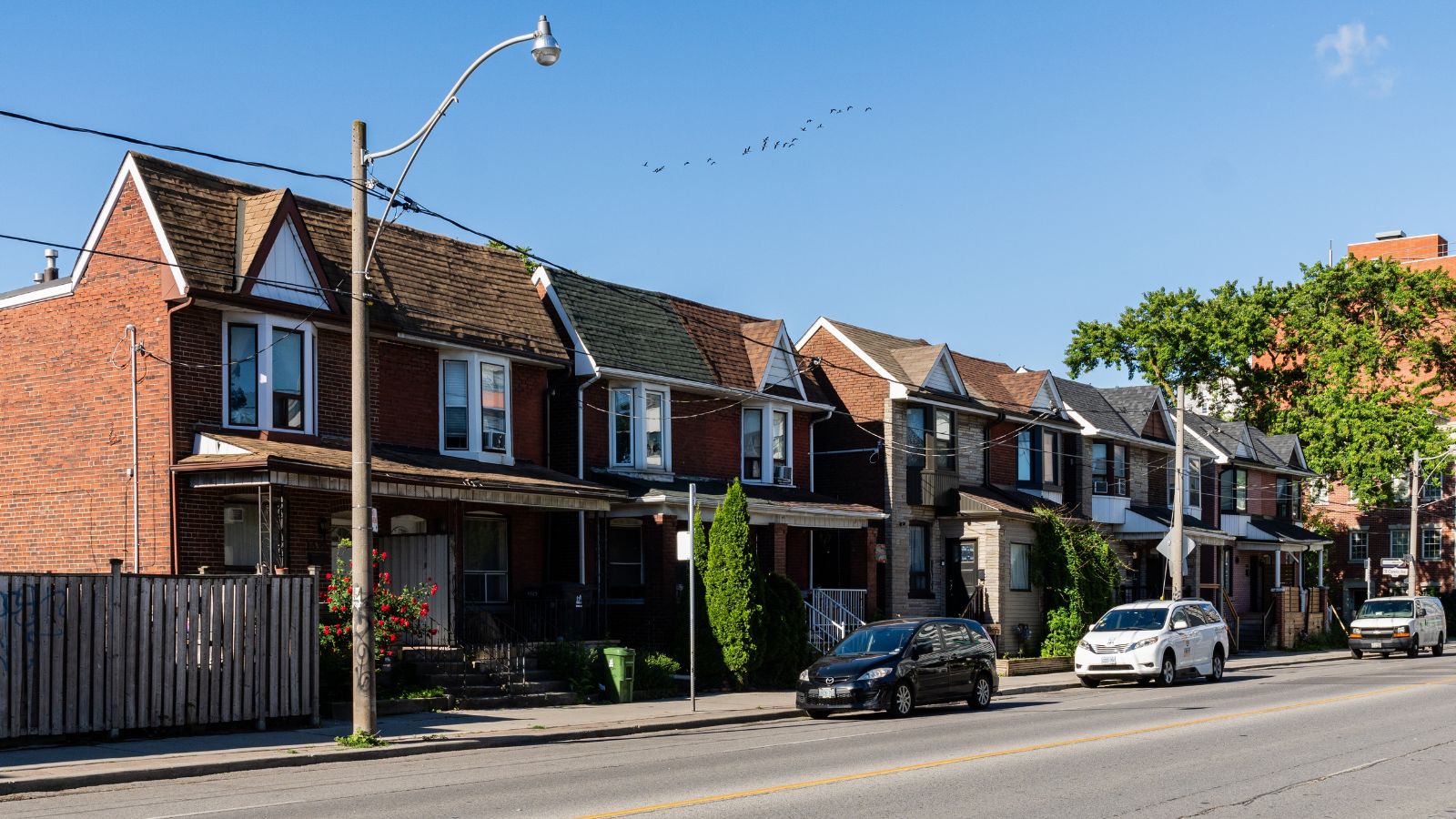
The starter home was never glamorous. It might have had one bathroom, an unfinished basement, dated cabinets, or a long bus ride to work. Its appeal was the sequence it represented: buy modestly, build equity, improve the property, and move later if family or career required more space. The first purchase was not expected to satisfy future need.
That ladder became harder to reach as prices separated from incomes. Statistics Canada found a median buyer price-to-income ratio of 5.4 in British Columbia and 7.4 in metropolitan Vancouver, compared with less than three in Halifax and Moncton. The Bank of Canada reported that prices rose much faster than disposable income between 2015 and 2021. When entry prices climb, buyers stretch for a home they hope to keep longer because transaction costs and another move look daunting. Homeowners miss when “starter” described an attainable stage rather than a disappearing category.
Moving Up Did Not Require a Windfall

Owners imagined the move-up process as a manageable exchange: sell a smaller home, apply accumulated equity, and purchase a place with another bedroom or a yard. There were commissions, legal fees, land-transfer taxes in some provinces, and a larger mortgage. Yet the price gap between housing types did not always feel like another down payment appearing overnight.
During the pandemic boom, the Bank of Canada reported that home prices in April 2022 were 53% above April 2020 levels. Rapid appreciation helped owners on paper, but it could widen the gap between a townhouse and a detached home, especially when both received multiple offers. Repeat buyers had an advantage because they could bring equity from a previous property, while first-time buyers had to save from income. Homeowners miss when upgrading depended on household needs and steady progress, not whether their property appreciated fast enough to keep pace with the next rung.
Parents Were Helpers, Not Gatekeepers

Family assistance exists in Canadian homebuying, but homeowners remember it feeling optional rather than decisive. Parents might lend money for closing costs, help paint, or provide temporary housing while a couple saved. The purchase could be built around the buyers’ incomes, savings, and mortgage qualification rather than the size of an intergenerational transfer.
Statistics Canada documents how family wealth increasingly shapes housing access. Nearly 30% of first-time buyers in 2021 received a gift from parents, up from 20% in 2015, and the average gift rose from about $52,000 to $82,000. Another study found young adults whose parents owned homes were more than twice as likely to own as those whose parents did not. Those figures make the nostalgia about fairness. Homeowners miss a market in which equally hardworking households were less likely to have radically different prospects because one family could supply an extra cheque on offer night.
Appraisals Caused Fewer Last-Minute Surprises

A lender’s appraisal is not a victory certificate for the winning bid. It is an independent opinion of value, based partly on features, comparable sales, and market conditions. In a calmer market, the agreed price and appraised value were more likely to emerge from similar evidence. Buyers could proceed without wondering whether enthusiasm had carried the offer beyond what financing would support.
CMHC explains that an appraisal helps ensure a buyer is not paying too much and should include an unbiased assessment and analysis of recent comparable sales. It also distinguishes pre-approval from final mortgage approval for a specific property. When several buyers push a price above neighbourhood transactions, an appraisal can become a stressful checkpoint rather than a formality. Any financing shortfall may require additional cash or a revised loan structure. Homeowners miss when appraisal day confirmed the plan instead of threatening to reopen the budget just before closing.
Deposits Were Proof, Not Performance

A deposit has a purpose: it shows that the buyer is serious and is held in trust until the transaction closes. In less frantic negotiations, the amount could be discussed alongside the price, conditions, and closing date. It was a contractual commitment, but it did not always feel like a display of who could move the most money fastest.
CMHC defines the deposit as money placed in trust when an offer is made and notes that details belong in the agreement. In competitive situations, buyers may feel pressure to make each feature of an offer look stronger, including the deposit and the speed at which it can be delivered. That pressure favours households with liquid funds available, even when another bidder has comparable income and ability to carry the mortgage. Homeowners miss when a deposit communicated reliability without becoming another arena for escalation, family assistance, or last-minute transfers between accounts.
Neighbourhood Fit Came Before Panic

Homeowners remember choosing a neighbourhood before choosing a house. They considered schools, transit, snow clearing, parks, noise, property taxes, and whether daily errands required no long drive. A property that looked attractive but sat in the wrong place could be rejected. The location decision could reflect routines rather than the shrinking boundaries of an affordability map.
Pandemic demand disrupted that calculation. Statistics Canada reported that 32% of Canadians in a 2020 industry survey preferred to leave large urban centres for rural or suburban communities, while 44% wanted more space for amenities. Bank of Canada research found pandemic house-price growth was stronger in suburbs than in urban cores. As competition spread outward, households chased listings farther from jobs and relatives simply because those homes still appeared obtainable. Homeowners miss when a preferred neighbourhood was a genuine criterion, not a luxury that disappeared after repeated losses and another round of price increases.
Buyers Could Compare More Than One Home

Comparison is a simple form of consumer protection. Seeing several homes teaches buyers what a renovated kitchen is worth, how much road noise they can tolerate, and whether an extra bedroom justifies a higher payment. It exposes weak listings. A house that seems irresistible in isolation may look less appealing after another property offers better maintenance, light, or location.
Comparison became difficult when national inventory fell to 1.6 months in late 2021 and early 2022, CREA’s record low. The long-term average was slightly above five months, and 85% of local markets were classified as sellers’ markets in January 2022. Scarcity encourages buyers to evaluate each listing as a rare event rather than one option among many. Homeowners miss being able to tour three or four realistic candidates, take notes, and carefully select the best overall household fit instead of repeatedly bidding on whichever home happened to appear for them.
Suburbs Were Chosen, Not Chased
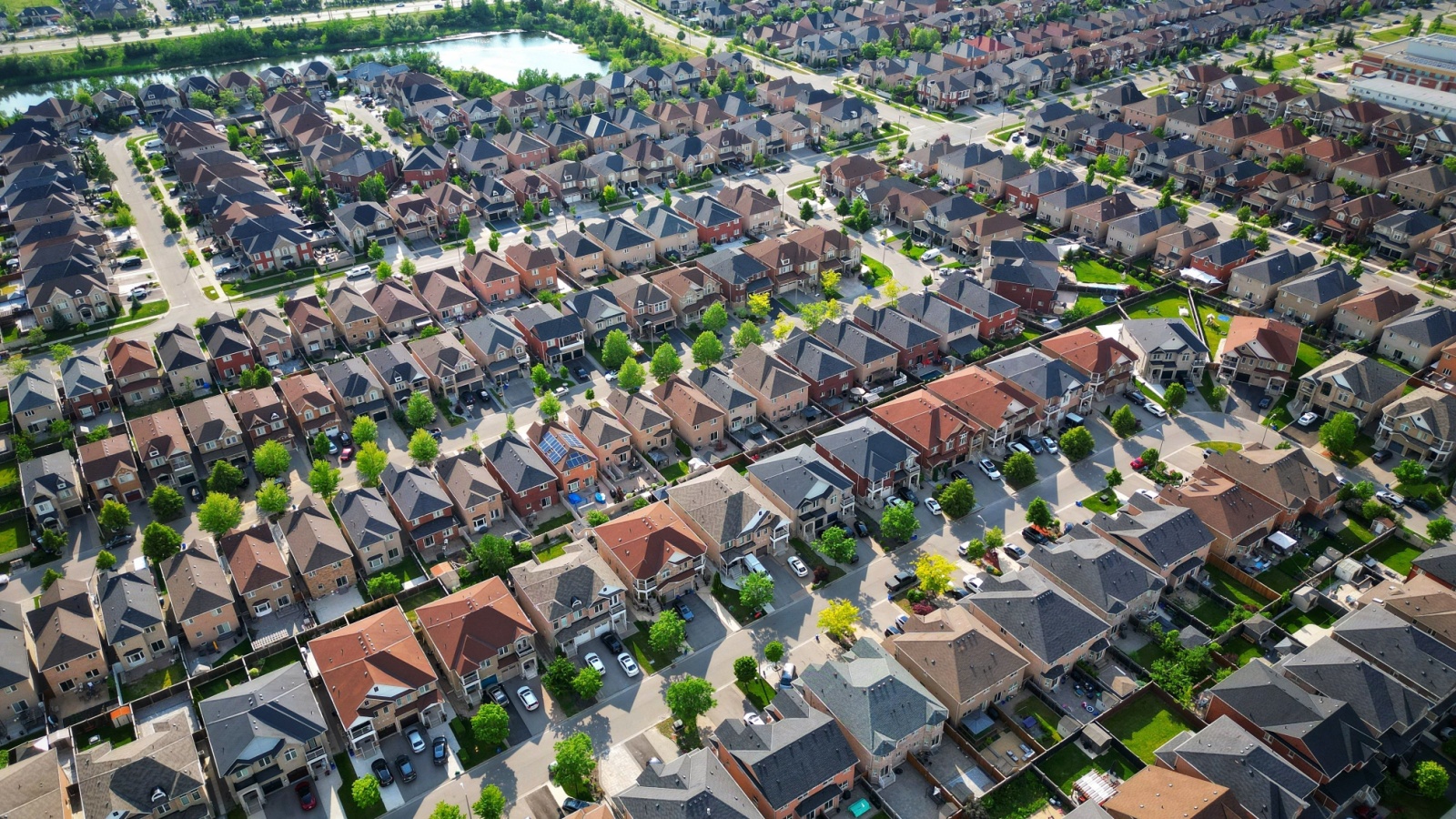
Moving to the suburbs was an affirmative trade-off. A household accepted a longer commute in exchange for a yard, quieter street, larger home, or proximity to family. The decision could take months. During the bidding-war years, the move could result from exhaustion: after repeated losses near the city, buyers expanded the search radius until an offer finally succeeded somewhere.
The Bank of Canada found that pandemic-era price growth was stronger in suburban neighbourhoods than in urban cores. The research linked the pattern to changing demand for space, remote work, and the supply characteristics of different areas. Statistics Canada reported interest in rural and suburban living early in the pandemic. As demand arrived, communities once considered affordable alternatives experienced intense price pressure. Homeowners miss when leaving the city reflected a chosen lifestyle and a carefully tested daily commute, not a defensive response to being priced out one municipality at a time.
Renovation Money Survived the Purchase

Older homes require compromise. Buyers might accept dated flooring, a tired bathroom, or an inefficient furnace when the price left room for gradual, planned improvement. Renovation plans could follow an inspection: safety first, weatherproofing next, cosmetic work later. The house became personal, and the budget acknowledged that ownership began with more than a down payment.
CMHC estimates closing costs commonly range from 1.5% to 4% of the purchase price, while inspections, legal work, insurance, surveys, and adjustments add immediate obligations. When a bidding war pushes the purchase to the household’s maximum, those costs remain, but the renovation cushion disappears. A buyer may win a dated house and live with its problems longer than expected, or use higher-interest credit for truly urgent work. Homeowners miss when paying a fair price and improving the property were complementary parts of one plan, rather than competing claims on the same exhausted savings account.
Mortgage Pre-Approvals Had More Breathing Room

A mortgage pre-approval estimates borrowing capacity and may temporarily hold a rate, but it does not approve every property. Final financing still depends on the home, the lender’s review, applicable insurance requirements, and the borrower’s circumstances. In a calmer search, buyers could remain below the ceiling and confirm details before making a binding commitment.
CMHC emphasizes even a pre-approved buyer must obtain final mortgage approval during the conditional period. This matters when offer prices climb rapidly or conditions are waived. A household can qualify yet face difficulties if the property is appraised lower than expected, the taxes or condo fees change affordability, or documentation is incomplete. During hot months, buyers often treated the pre-approved maximum as a target because lower bids kept losing. Homeowners miss when pre-approval defined a boundary with meaningful room inside it, not the opening bid in a contest that encouraged spending every available household budget dollar.
Investors Felt Less Dominant

Buyers may not know whether the competing offer comes from another family, a landlord, or someone adding a second property. That uncertainty frustrates because buyers may value the home differently. An owner-occupier is pricing school access and ordinary daily life; an investor may be modelling rent, appreciation, tax treatment, and portfolio risk. Both can participate legitimately, but their financial positions are not identical.
Bank of Canada research found investors accounted for just over one-fifth of mortgaged home purchases in 2021 and their share had increased, while the first-time buyer share reached a new low. The Bank noted investors with existing-property equity can access financing advantages and may amplify broader market swings when expectations change. Homeowners miss when the person across the negotiation was more likely another household seeking a place to live. The nostalgia is for a market where shelter demand felt less entangled with powerful speculative momentum at scale.
Closing Dates Could Fit Real Life

A home purchase connects several calendars. Sellers may need time to buy elsewhere, buyers may be ending a lease, children may be finishing school, and movers, lawyers, insurers, and lenders need workable dates. In a balanced negotiation, the closing date carried real weight. Flexibility could reduce the price or help one offer succeed without adding thousands of dollars.
CMHC’s guidance describes possession dates falling 30 to 90 days after an agreement and identifies the closing date as negotiable and changeable in a counteroffer. Multiple-offer pressure can compress that conversation. Buyers may accept a seller’s preferred date even when it creates bridge financing, temporary storage, overlapping housing costs, or an unnecessarily rushed move. The cost may be modest, but the disruption is deeply personal. Homeowners miss when an offer could be shaped around births, school terms, job starts, and home sales rather than optimized solely to survive a competitive offer presentation.
Buying Felt More Like a Decision Than a Contest

The deepest nostalgia is not only for lower prices, although affordability matters. It is for a process that kept judgment visible. Buyers could identify a home, investigate it, negotiate terms, and decide whether the result served the household. Winning was not the objective; owning the right property at a genuinely sustainable cost was.
At peak frenzy, institutions described a different atmosphere. The federal government said blind bidding and pressure to waive inspections made homebuying more stressful. The Bank of Canada warned that fear of missing out and expectations of price gains could rush buyers into the market. CREA recorded all-time sales highs, record-low inventory, and price growth above 20% in 2021 and 2022. Those conditions turned ordinary caution into a competitive disadvantage. Homeowners miss the quieter logic of the earlier, calmer era, when walking through the front door felt like an evaluation rather than the starting bell of an auction.
19 Things Canadians Don’t Realize the CRA Can See About Their Online Income

Earning money online feels simple and informal for many Canadians. Freelancing, selling products, and digital services often start as side projects. The problem appears at tax time. Many people underestimate how much information the CRA can access. Online platforms, banks, and payment processors create detailed records automatically. These records do not disappear once money hits an account. Small gaps in reporting add up quickly.
Here are 19 things Canadians don’t realize the CRA can see about their online income.
