A food-label tampering case uncovered in India has crossed borders without a single carton being proven to have crossed into Canada. The Canadian Food Inspection Agency is assessing whether an illegal relabelling operation in Navi Mumbai could pose a risk to Canadian imports after Indian authorities found branded foods with altered date markings and nutrition information. Products from PepsiCo, Nestlé, Coca-Cola and Unilever were among the goods seized, but the companies have not been accused of wrongdoing. The detail drawing particular attention in Canada was a Kurkure snack packet carrying an English-French nutrition label resembling Canadian formatting. CFIA says it currently has no information showing products tied to the operation entered Canada, making this a precautionary investigation rather than a confirmed Canadian food-safety incident.
The Warehouse Raid That Triggered Canada’s Review
The case began with a six-day investigation at a warehouse in Navi Mumbai, where Maharashtra food-safety officials found an operation allegedly altering information on genuine branded products before export. Reuters reported that officers seized goods worth nearly US$80,000, along with chemicals used to remove original markings and equipment capable of printing replacement information. Nearly 5,000 cartons were found across the warehouse.
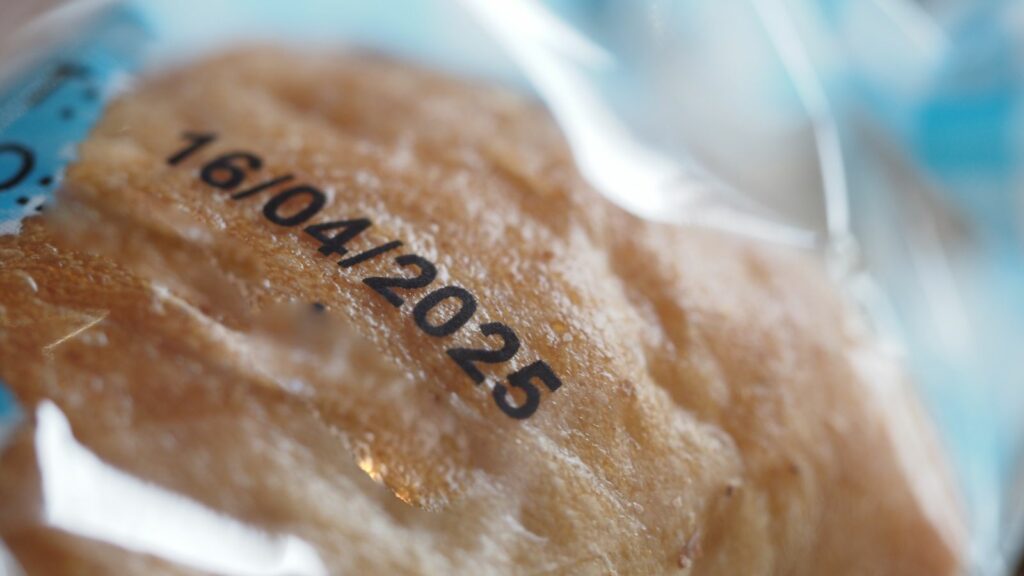
The stock included Lay’s and Kurkure snacks, Maggi noodles, Knorr soup, Hellmann’s mayonnaise, and Thums Up and Limca soft drinks. Officials said many products were expired or close to expiry. Some original dates had been erased or scratched away, while replacement manufacturing and expiry dates were printed onto packages. In one striking example, investigators said some packs carried a manufacturing date of October 2, 2026—weeks after the August raid had already taken place. The evidence turned what might have looked like routine export repackaging into a potential fraud case.
An English-French Label Put Canada on the Radar
For Canadian regulators, one package stood out. A Kurkure snack packet photographed inside the warehouse carried a replacement nutrition label in English and French, a combination resembling Canadian bilingual food packaging. Reuters also reported that the altered label changed the declared serving size, calories and ingredient information. That was enough to make Canada a plausible destination worth examining.
It was not, however, proof that Canada was the destination. Indian authorities said the warehouse was preparing goods for export, but the countries intended to receive individual shipments were not established. That distinction matters because bilingual labels can be used in other markets or created to imitate multiple regulatory formats. CFIA’s response reflects that uncertainty: the agency is examining the risk while stating that it has no information indicating products connected to the operation entered the Canadian market. A bilingual panel alone cannot establish where a shipment was meant to go.
CFIA Says There Is No Evidence the Products Reached Canada
CFIA’s public position is cautious but significant. In a statement provided to Reuters on September 3, the agency said it was monitoring the situation to determine whether the Indian operation presents any risk to imports into Canada. It also said it takes food fraud seriously, specifically pointing to false date markings, inaccurate nutrition information and misleading origin claims as concerns within its mandate.
The agency has not announced that affected food reached Canadian stores, nor has it identified a Canadian importer linked to the warehouse. If non-compliant food is found, CFIA has several tools available. Depending on the facts, it can order or oversee product removal, seizure, detention, destruction or relabelling, and it can pursue enforcement measures such as monetary penalties or licence suspension. That means the current review is best understood as an intelligence-and-risk assessment stage, with stronger action dependent on evidence connecting specific products or importers to Canada.
Canadian Importers Carry Much of the First-Line Responsibility
Canada’s import rules place much of the first-line responsibility on the businesses bringing food into the country. Under the Safe Food for Canadians Regulations, importers generally need a Safe Food for Canadians licence and must ensure imported food meets Canadian safety and consumer-protection requirements. Many must also maintain a written preventive control plan explaining how hazards, labelling issues and supplier risks are managed.
That obligation extends beyond checking a box at the border. CFIA guidance says importers need assurances that foreign suppliers have preventive controls providing a level of protection comparable to Canadian requirements. Importers may use audits, supplier records, certification information, testing and other verification methods. They also must keep traceability records and have complaint and recall procedures. In a case involving possible relabelling by intermediaries, those records can become crucial because regulators need to identify where goods came from, which lots were received and where they were distributed.
“Expiry Date” Means Something More Specific in Canada
The phrase “fake expiry dates” is attention-grabbing, but Canadian date-label rules are subtler than the everyday wording suggests. Most ordinary packaged foods use “best before” dates, which relate primarily to freshness, taste and nutritional quality rather than serving as a guarantee of safety. Foods with a durable life of 90 days or less generally require durable-life information, while many longer-lasting shelf-stable products do not require a best-before date unless one is voluntarily provided.
True “expiration dates” are reserved for specific products with strict nutritional specifications, including infant formula, meal replacements and certain nutritional supplements. Still, changing date information can be unlawful in Canada when it creates false or misleading labelling or results in unsafe food. That makes the Indian allegations important even for shelf-stable snacks: the issue is not merely whether a date passed, but whether consumers and regulators were deliberately given false information about a product’s history and condition.
The Major Food Companies Have Not Been Accused of Running the Scheme
The presence of famous logos can create the wrong impression about who is under investigation. Indian authorities found products made by PepsiCo, Nestlé, Coca-Cola and Unilever, but the police case did not accuse those multinational companies of participating in the alleged relabelling scheme. The investigation has instead focused on the warehouse operation and exporters said to have used its services.
Reuters reported that the warehouse owner said the work was being carried out for 19 little-known exporters. PepsiCo later said it had no commercial engagement with the export companies referenced in reports and did not support unauthorized exports. The company also said snacks manufactured in India are intended for sale there unless export is specifically authorized. For consumers, that distinction matters: genuine branded goods can still move through unauthorized channels, be altered after leaving a manufacturer’s controlled distribution system, and appear legitimate because the original package and branding remain familiar.
Food Fraud Is Already a Major CFIA Enforcement Priority
The Canadian review is not happening in a regulatory vacuum. CFIA already operates a dedicated food-fraud program that uses market intelligence, inspection, label verification and laboratory testing to detect misrepresentation. In its 2024-25 food-fraud report, the agency said it tested 886 samples for authenticity, conducted 362 label verifications and prevented more than 150,000 kilograms of misrepresented food from being sold in Canada.
Those figures should not be read as evidence that fraud is widespread across Canadian grocery shelves. CFIA deliberately targets higher-risk products and businesses, meaning its inspectorate results are not representative of the overall marketplace. Among 141 basic label verifications in that reporting year, 23% were non-compliant, with problems including country-of-origin issues, missing mandatory information, bilingual-label deficiencies and Nutrition Facts infractions. The relevance to the India case is clear: false packaging information is already treated as an enforcement issue, even when the product itself is an authentic brand-name food.
Traceability Matters More Than Whether a Package Looks Genuine
Cases like this are difficult because food fraud can occur after a legitimate product leaves the factory. A package may be genuine, yet the date code, ingredient statement, nutrition panel or country-of-origin information may be altered farther down the chain. That is why food oversight relies on traceability rather than appearance alone. Canadian rules require businesses to trace food one step back to the immediate supplier and one step forward to the immediate customer.
Academic research on food counterfeiting reaches a similar conclusion: complex global supply chains create opportunities for fraud, while digital traceability, authentication technologies and stronger supplier controls can reduce vulnerability. None of those tools makes fraud impossible, but they make anomalies easier to detect and recalls easier to target. In Canada’s review, valuable evidence may be commercial records—supplier names, lot codes, shipment documents and importer histories—rather than the visual appearance of a packet on a shelf.
What Canadian Consumers Should Watch for Next
For now, the most important fact for Canadian consumers is what regulators have not found: CFIA has not reported evidence that products tied to the Navi Mumbai operation entered Canada. There is therefore no basis to treat every Indian-made snack or every package from the brands named in the raid as suspect. Any stronger conclusion would go beyond the evidence currently available.
What may change next is the scrutiny applied to particular suppliers, exporters or shipments if Indian authorities provide identifying details. CFIA says its targeted work uses factors such as unusual trading patterns, previous non-compliance and gaps in preventive controls. Consumers also have a role when something looks wrong. The agency accepts complaints about suspected food fraud, incorrect labelling and misrepresentation. If Canadian authorities identify affected products, traceability records can help narrow the response to the relevant lots and businesses rather than casting suspicion across an entire country’s exports.
