
Thirty years ago, Halloween parenting often came down to a few familiar instructions: stay with friends, look both ways before crossing the street, and bring the candy home before eating too much of it. The modern checklist is considerably denser. Smartphones can distract walkers and reveal locations, cannabis edibles have created a new candy-lookalike concern, decorative contact lenses are regulated medical devices, and light-up accessories can contain button batteries.
At the same time, long-standing hazards such as traffic, cold weather, open flames and food allergies now come with much more specific safety guidance. These 21 Halloween rules show how the job has changed. Not every danger is new, but the technology, products and precautions surrounding a Canadian Halloween night are far different from what most families faced in the mid-1990s.
Make Every Costume Visible to Drivers
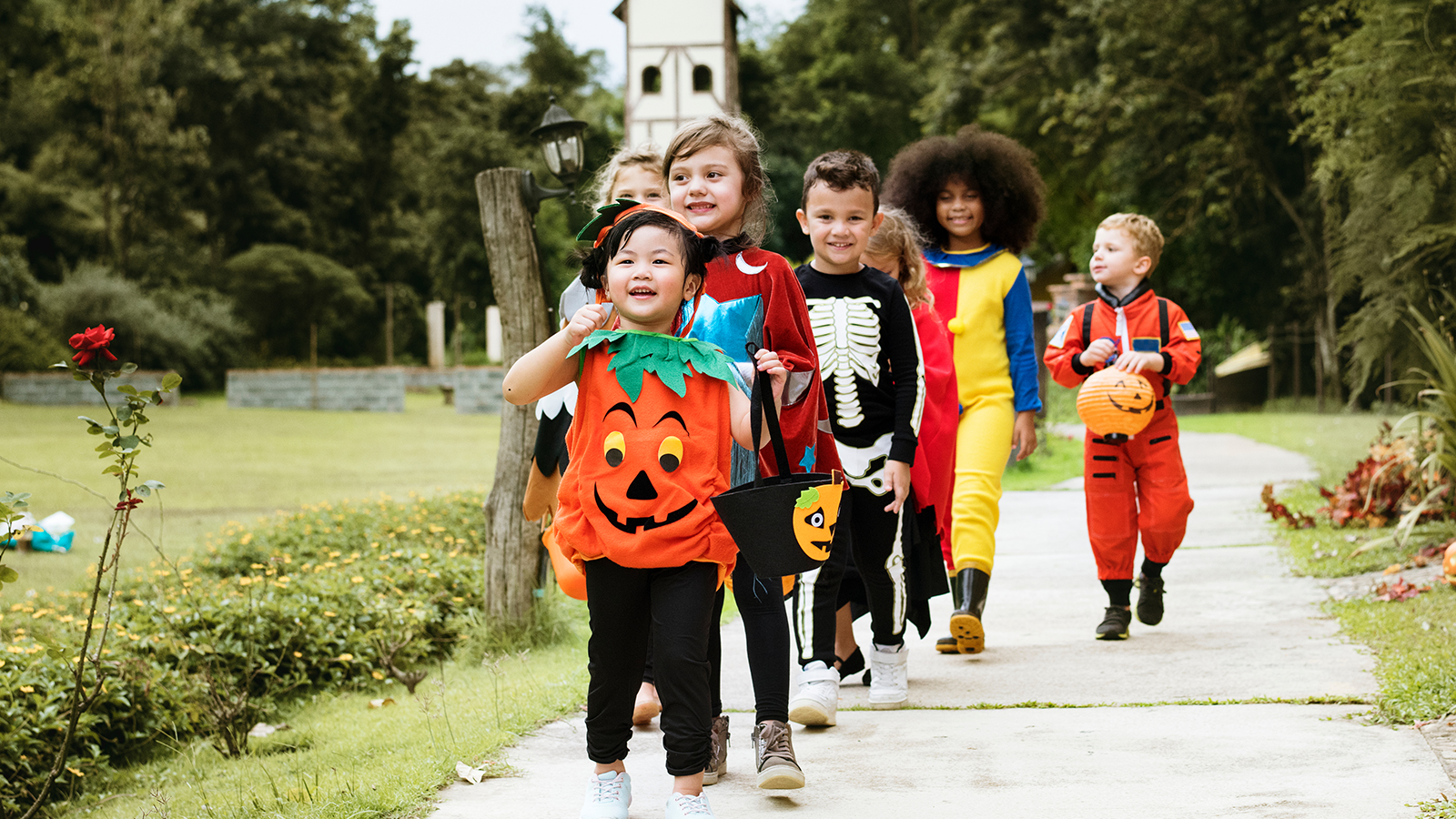
A black vampire cape, dark superhero suit or head-to-toe skeleton outfit can look perfect on the doorstep and almost disappear once a child reaches a poorly lit residential street. Health Canada recommends choosing brightly coloured costumes when possible and adding reflective tape or other reflective materials. Statistics Canada has also highlighted the visibility problem, noting that about 21% of nighttime pedestrian fatalities examined from 2018 through 2020 involved pedestrians wearing dark clothing.
That creates a modern Halloween compromise: preserve the costume without sacrificing visibility. Reflective tape can be placed on shoes, sleeves, backs, treat bags or the edges of a cape rather than covering the entire outfit. A flashlight or small light can provide another layer of visibility. Parents who once worried mainly about whether a costume looked convincing now have reason to consider how it appears from behind a windshield several houses away, especially after sunset when excited children can move unpredictably between driveways and sidewalks.
Treat Masks as a Vision and Breathing Hazard

The plastic monster mask that completed a costume in the 1990s now comes with a more deliberate fit check. Health Canada warns that masks should fit properly and provide adequate vision and breathing. Police safety guidance has similarly pointed out that poorly positioned eye openings can restrict peripheral vision, which matters enormously when children are crossing streets, navigating stairs or moving through crowded sidewalks after dark.
That is one reason face paint has become a common alternative to a full-face mask. If a mask remains essential to the character, parents can check what a child can actually see while wearing it rather than judging the fit from the outside. Looking left and right, spotting an object near the feet and walking up a few stairs can expose problems quickly. A mask that shifts every time a child runs or repeatedly needs to be pushed upward is more than an annoyance. Halloween equipment should never make it harder to see an approaching vehicle, another pedestrian or the curb directly ahead.
Make Sure Costumes Cannot Cause a Fall
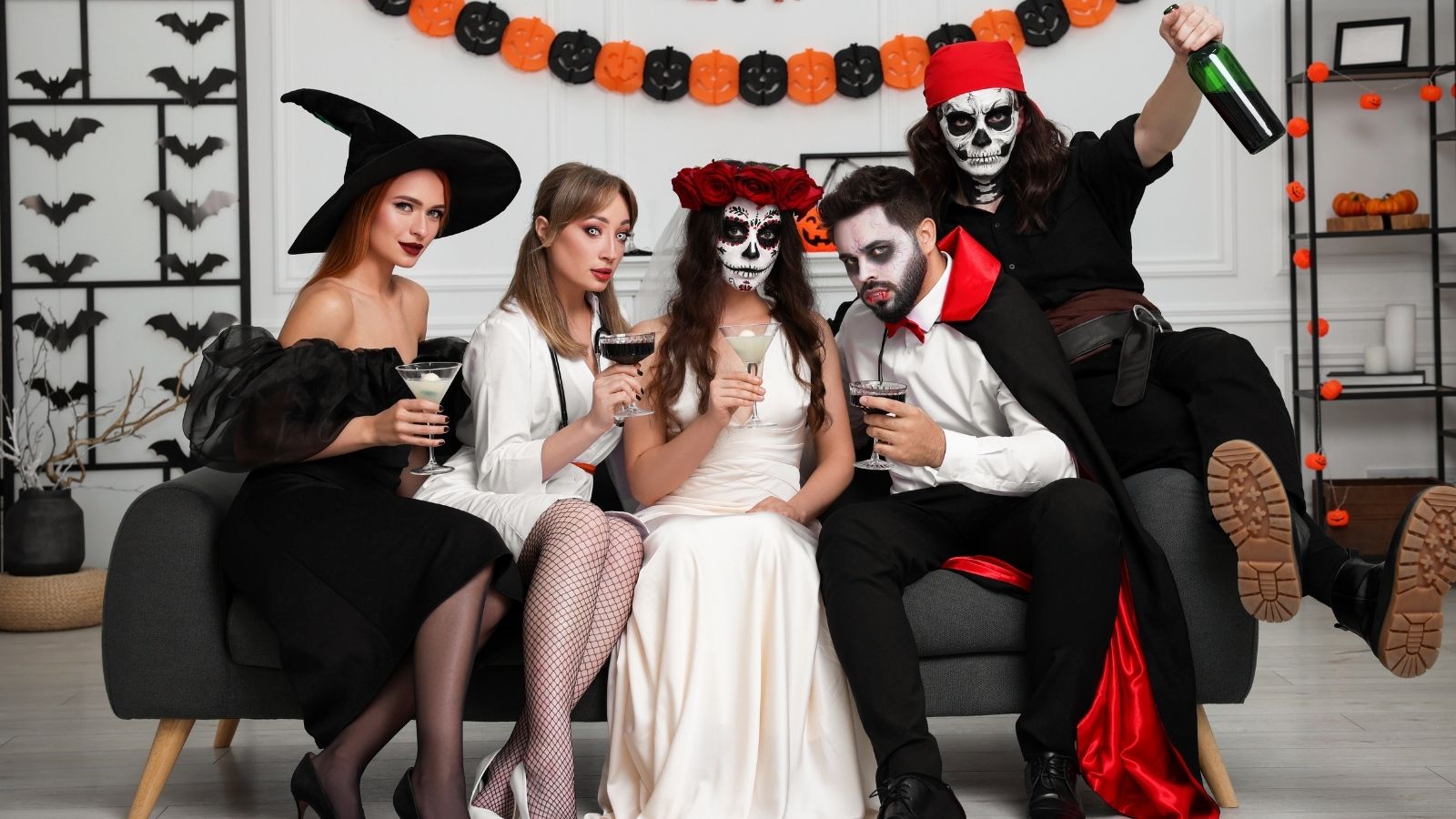
Costume sizing can become a safety issue surprisingly quickly. Health Canada advises families to avoid oversized costumes and long, dangling pieces that can create tripping hazards. Footwear matters as well. Elaborate boots, oversized clown shoes and costume covers may look great for a photograph but become much less charming after several blocks of cracked sidewalks, porch stairs, curbs and wet leaves.
Modern costumes can also be more complicated than the simple fabric outfits many children wore decades ago. Inflatable pieces, wings, capes, battery packs and elaborate accessories can change balance or snag on objects. Health Canada has issued recalls over the years involving children’s costumes for hazards that include flammability and unsecured batteries, making a pre-Halloween inspection worthwhile. A practical test is simple: the child should be able to walk, run lightly, climb steps and bend down comfortably. Comfortable everyday footwear underneath or incorporated into a costume may not win a costume contest, but it can prevent the night from ending with a scraped knee or twisted ankle.
Replace Open Flames With Battery-Powered Light
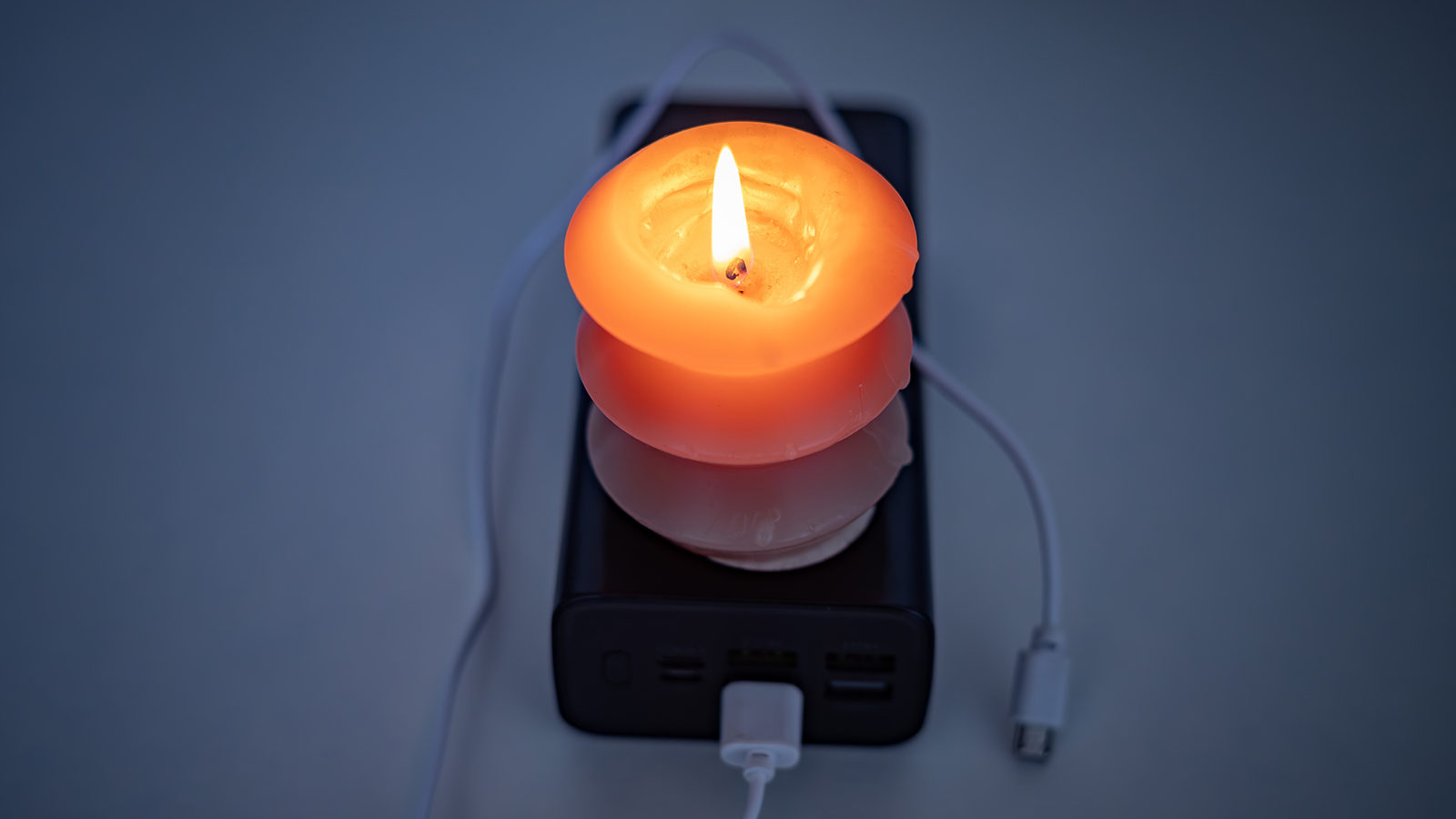
The glowing candle inside a carved pumpkin remains one of Halloween’s most recognizable images, but Canadian safety guidance increasingly favours a version without an open flame. Health Canada recommends battery-operated candles or lights in pumpkins and decorations, particularly where children in flowing costumes may pass nearby. The Canadian Association of Fire Chiefs similarly encourages flameless lighting around Halloween displays.
Even costumes labelled flame-resistant should not be treated as fireproof. Health Canada notes that flame resistance does not mean a material cannot burn. Costume construction also matters: certain tightly woven nylon or heavyweight polyester fabrics may offer better flame resistance than some lighter materials, but distance from flames remains the safer strategy. A porch filled with capes, synthetic wigs and excited children is not an ideal place for exposed candles. For families accustomed to the smell and flicker of a traditional jack-o’-lantern, an LED candle can feel like a small concession. It preserves the orange glow while removing a preventable source of burns and clothing fires.
Build Canadian Weather Into the Costume

A costume that works beautifully inside the house may be completely wrong for an October night outside. Canadian Halloween weather can demand everything from rain protection to gloves and insulating layers depending on the region and year. Health Canada recommends making costumes large enough to accommodate warm clothing when conditions require it, while its cold-weather guidance emphasizes layering and protection from wind and moisture.
Wet clothing deserves particular attention because it loses insulating effectiveness and can accelerate heat loss. That makes the weather forecast part of costume planning rather than something to check as children are walking out the door. Thin superhero fabric can go over thermal layers, while roomy costumes can hide sweaters without changing the overall look. Waterproof footwear may be more useful than character-specific shoes when sidewalks are soaked. Thirty years ago, parents certainly knew Canadian autumn could be cold, but the modern rule is more deliberate: the costume is not finished until it works with the actual temperature, wind and precipitation expected during trick-or-treating hours.
Cross at Corners and Crosswalks, Not Between Cars
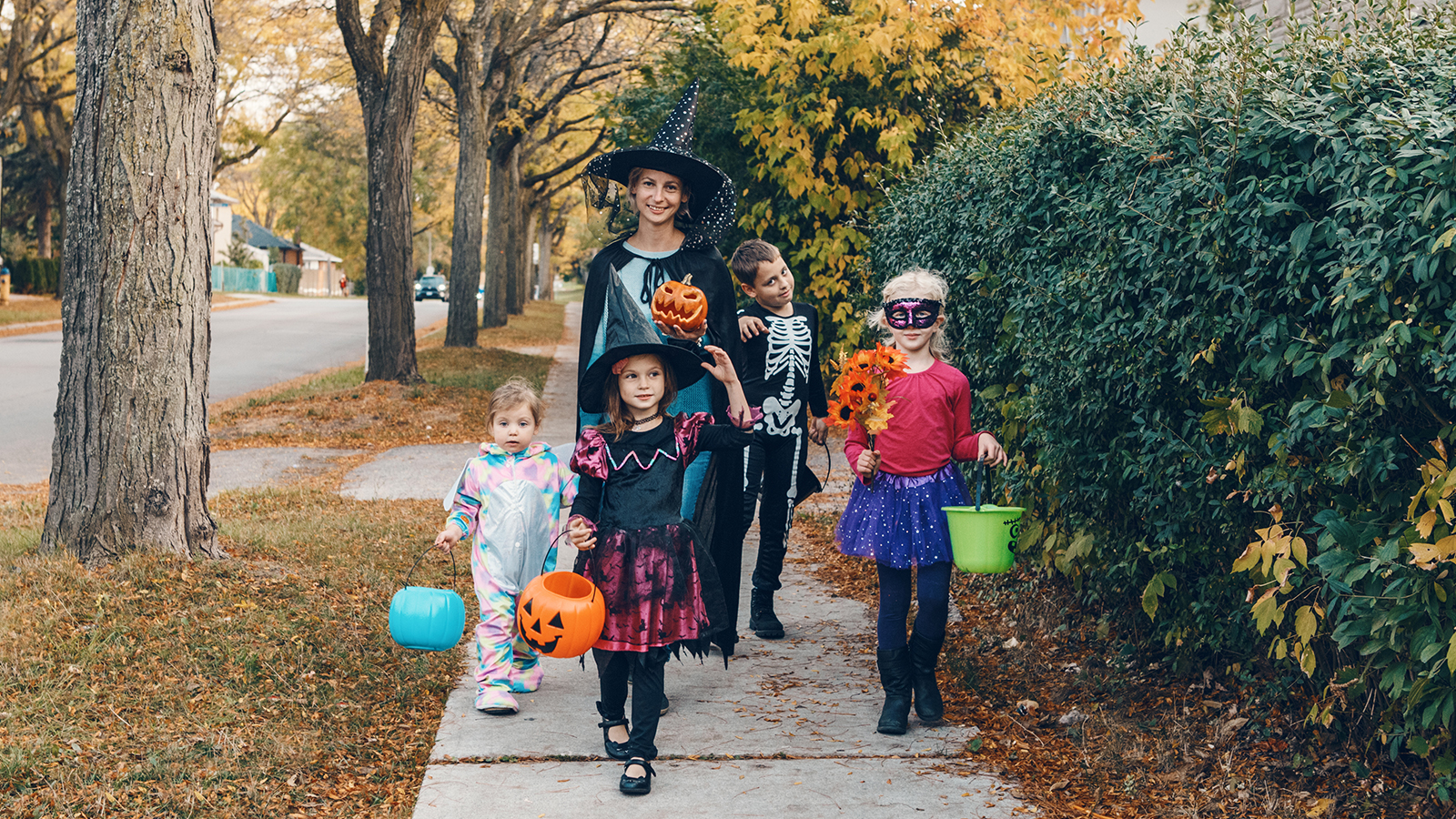
Children excited about the next decorated house can make surprisingly impulsive decisions around traffic. Health Canada recommends crossing streets at intersections, corners or crosswalks rather than emerging between parked vehicles. The basic lesson is old, but modern pedestrian-safety guidance emphasizes just how much attention is required even when a designated crossing point is available.
Statistics Canada has noted that roughly 21% of pedestrian fatalities recorded from 2018 through 2020 occurred at intersections. That does not make crosswalks a bad choice; it shows that being in the correct place does not eliminate the need to stop, look and confirm that drivers have seen the pedestrian. Halloween adds darkness, costumes, crowds and unusual foot traffic to the equation. Children can be encouraged to make eye contact with drivers where possible and avoid assuming that a vehicle will stop merely because they have the right of way. Crossing together as a group also reduces the temptation for one child to sprint across alone to catch up with friends.
Match Supervision to the Child, Not Just an Age Number
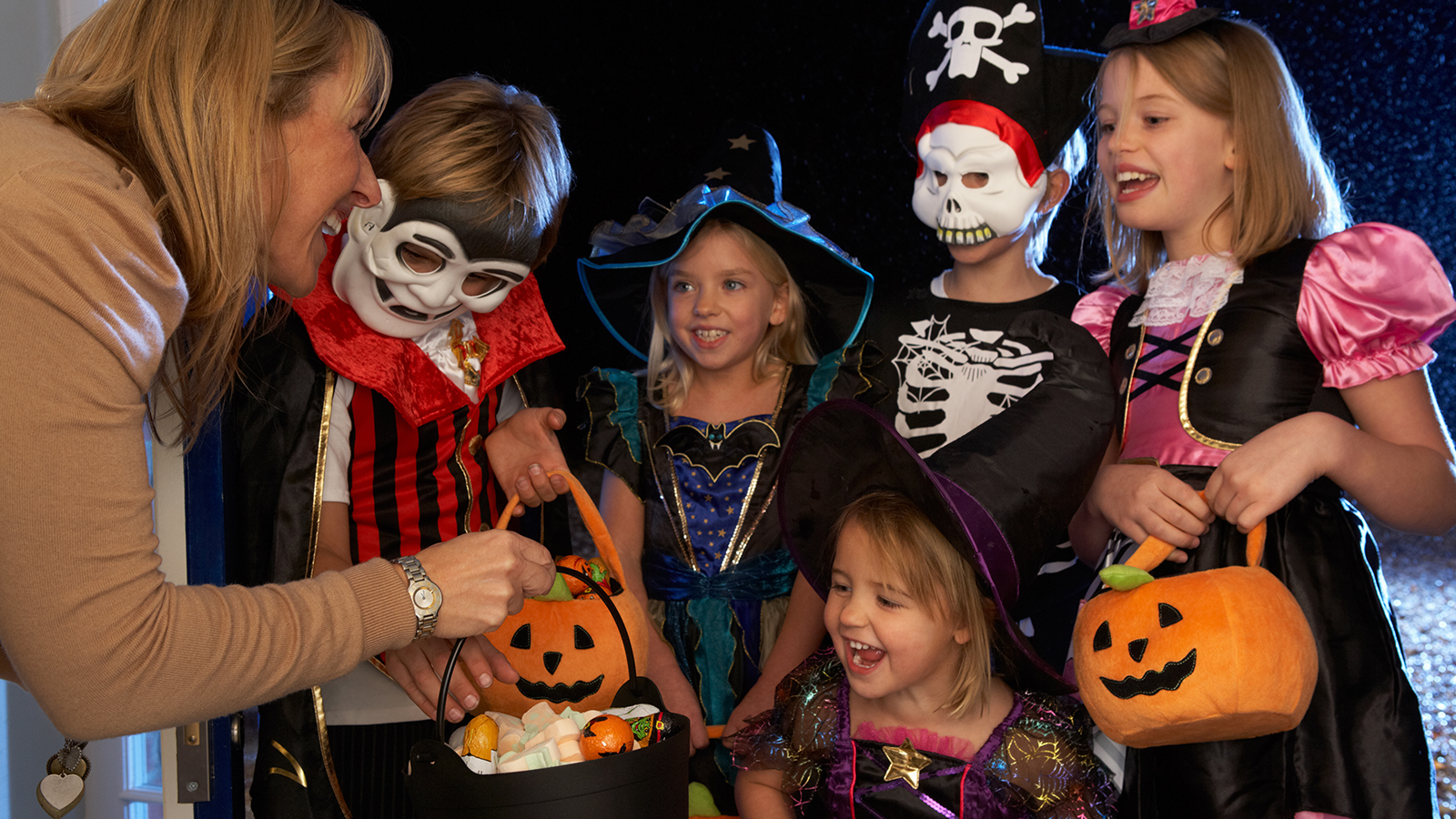
There is no universal Canadian birthday on which a child suddenly becomes ready to trick-or-treat without an adult. Health Canada recommends accompanying children until they are old enough to go out with friends, while Canadian child-safety organizations advise direct supervision for younger children and clearer plans, check-ins and curfews for older ones. Readiness depends on judgment, familiarity with the neighbourhood and the ability to handle unexpected situations.
For older children, independence can come with structure. Parents can know the planned route, who is in the group, when everyone is expected home and how changes in plans will be communicated. A charged phone can make those check-ins easier, although it cannot replace street awareness. Younger children may need an adult close enough to intervene at driveways and crossings rather than watching from a distance. The modern challenge is balancing independence with increasingly connected parenting. GPS and messaging can provide reassurance, but the most useful rule remains surprisingly low-tech: everyone should know the plan before the front door closes.
Carry a Light and Stick to Well-Lit Routes

A flashlight once seemed like an optional Halloween accessory. Current Health Canada guidance treats visibility more seriously, recommending that trick-or-treaters carry a flashlight and remain in well-lit areas. Families are also advised to visit homes that appear to be participating in Halloween rather than approaching dark properties. Those small choices reduce both traffic risk and the likelihood of falls on unfamiliar paths.
Route planning can now happen before anyone leaves home. Families can favour sidewalks, familiar blocks and streets with functioning lighting rather than creating the shortest possible path between houses. A light also helps reveal uneven pavement, stairs, wet leaves and objects that become difficult to see beneath a costume. For older children travelling without an adult, agreeing on a familiar route gives parents a clearer idea of where the group should be. The rule is not that every Halloween walk needs to be rigidly mapped. It is that darkness itself is a hazard, and adding costumes and excitement makes good lighting more important than it may appear at the start of the evening.
Make Halloween Driving a Phone-Free Job
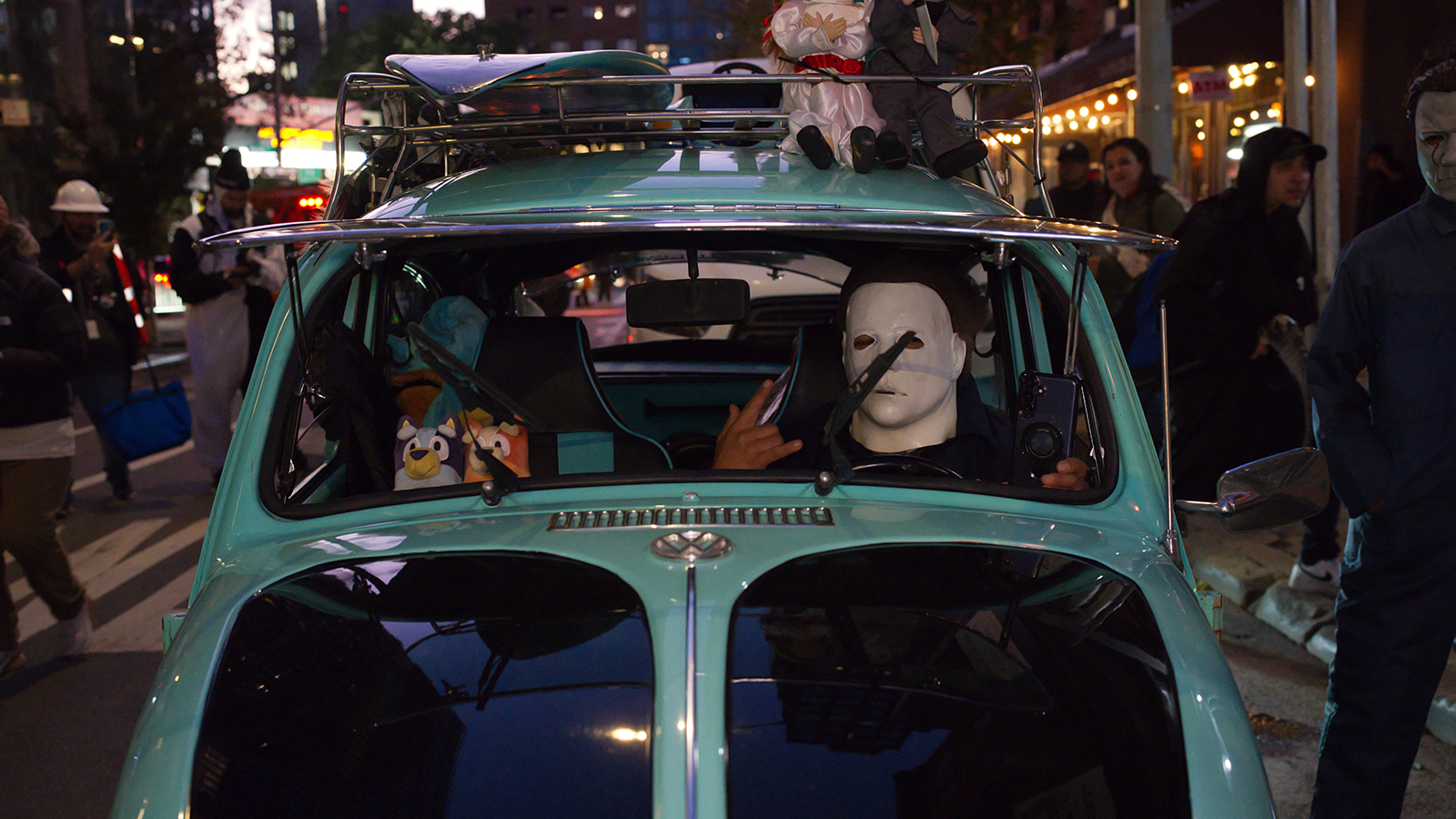
Parents behind the wheel face their own Halloween rules. Transport Canada reported that driver distraction contributed to an estimated 22.5% of fatal collisions and 25.5% of serious-injury collisions in 2021. Halloween introduces another complication: residential streets that normally have modest pedestrian traffic can suddenly fill with children wearing dark clothing and moving between homes.
That makes the usual distracted-driving rules especially important. A phone can be silenced or placed out of reach before the vehicle moves, and drivers can reduce speed around driveways, alleys, parked vehicles and busy residential blocks. Children do not always behave like predictable adult pedestrians; an excited trick-or-treater may reverse direction after realizing friends have stopped at another house. Provincial road-safety authorities routinely remind Halloween drivers to expect the unexpected. Thirty years ago, parents did not need a rule about resisting text messages, navigation alerts or incoming app notifications at every intersection. Today, putting the phone away is one of the simplest ways to create more attention for the street.
Put Phones and Headphones Away While Walking
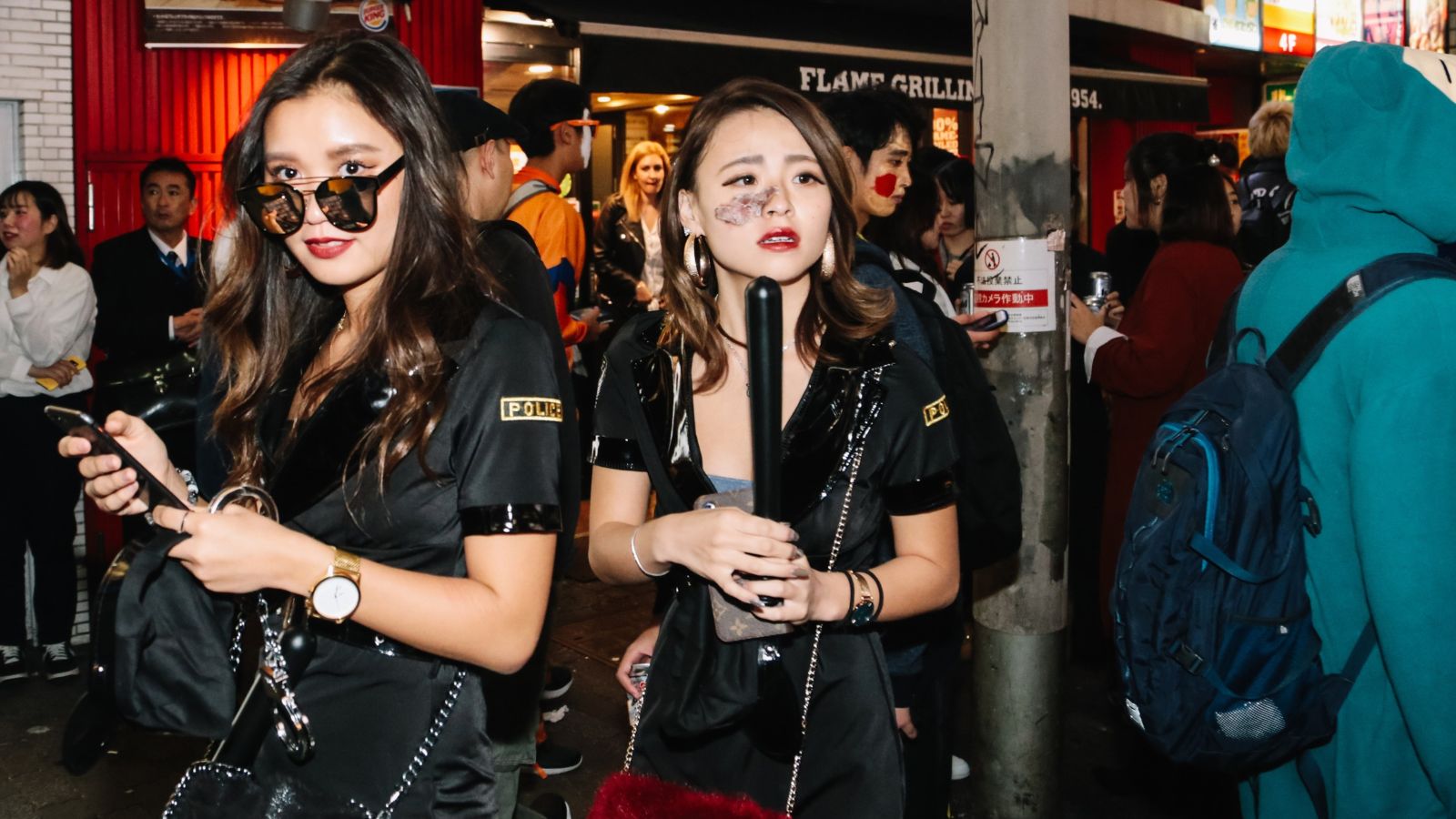
Distracted driving gets most of the attention, but distracted walking has become a distinctly modern Halloween concern. Canadian police safety guidance advises pedestrians to keep their heads up and avoid distractions such as texting or headphones while crossing streets. Headphones can make traffic harder to hear, while a bright phone screen can pull attention away from vehicles, driveways and uneven ground.
Halloween creates plenty of reasons for a child or teenager to reach for a phone. Friends may be messaging, someone may want to photograph a costume, or a group may be checking a map to decide which block to visit next. The safer habit is to stop somewhere away from the roadway before using the device rather than walking through an intersection while looking down. Earbuds can be removed or turned off while travelling between houses. It is a rule virtually no Canadian parent needed in the mid-1990s: enjoy the technology, but not while making decisions in traffic. The notification can wait until everyone has reached the sidewalk safely.
Inspect the Candy Before Anyone Starts Eating

The kitchen-table candy inspection remains one of Halloween’s most enduring rituals, and Health Canada continues to recommend it. Children should wait until an adult has examined their treats, with particular attention to damaged, torn or opened packaging. Federal food-safety guidance also recommends caution with homemade or unwrapped treats when their source is unknown.
The important distinction is that an inspection is a precaution, not a reason to tell children that every unfamiliar sweet is dangerous. Most of the evening’s haul will be ordinary commercially packaged candy. The check is designed to identify obvious problems before a child starts eating while walking or trades treats with friends. It also creates an opportunity to sort by age, allergens and dietary needs. A bulging pillowcase dumped onto the dining-room table may look nearly identical to the scene from three decades ago, but parents now have much more detailed product information available on individual packages. Taking a few minutes to read it can address risks that cannot be spotted simply by looking for a torn wrapper.
Sort Choking Hazards Out of Younger Children’s Hauls
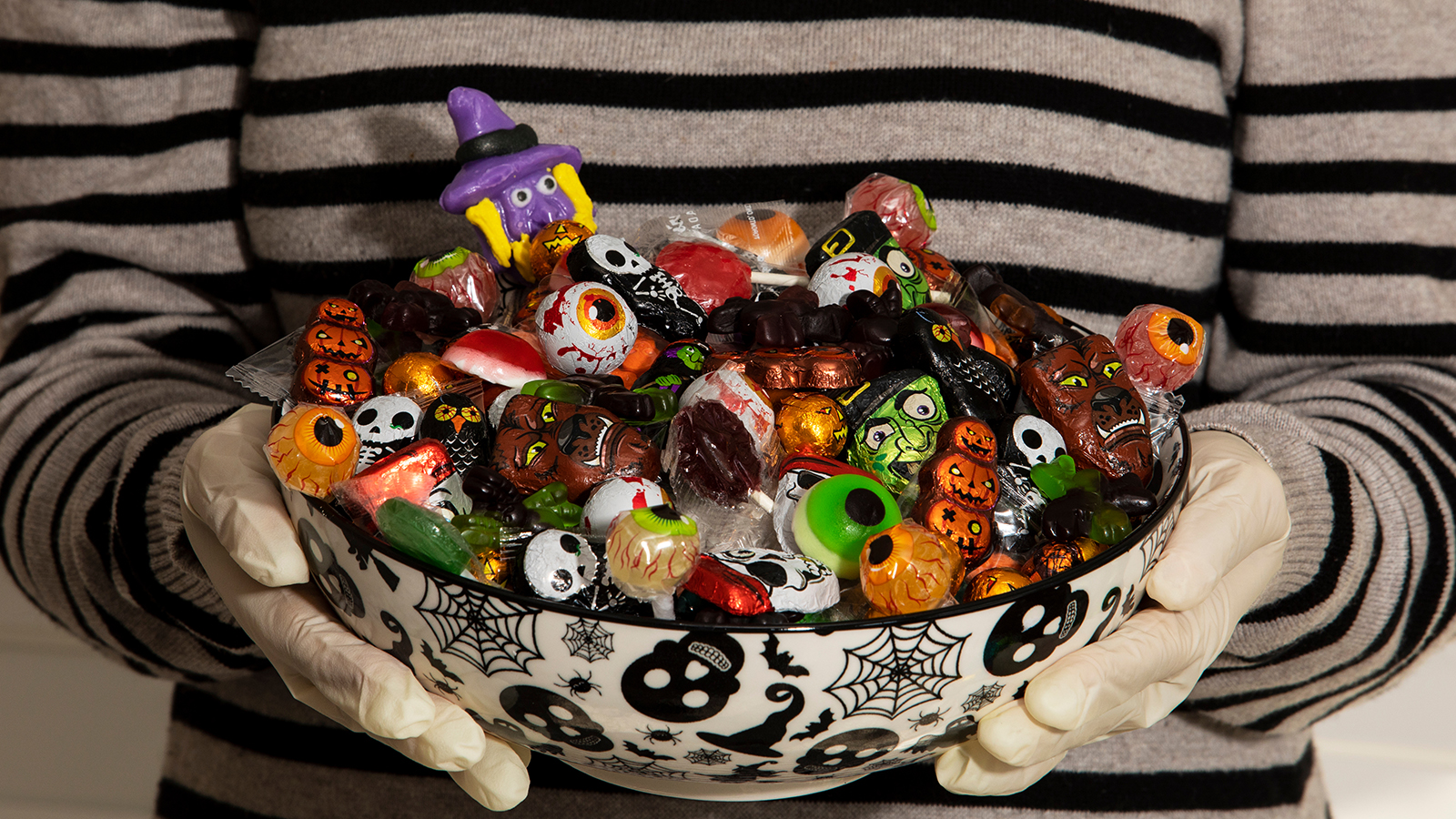
Halloween candy is not automatically suitable for every age group. Health Canada’s feeding guidance identifies foods such as hard candy, gum, popcorn, marshmallows, peanuts, nuts and seeds among items that can pose choking risks to children younger than four. Halloween safety advice also tells parents to watch for small candies and small toy treats that younger children could put in their mouths.
That means one bag of treats may need to become two piles after everyone gets home. Soft, age-appropriate items can remain available while hard candies, gum and very small objects are set aside. Older siblings can create another complication because their candy inevitably ends up within reach of younger children. The same applies to novelty prizes that may come apart into tiny components. A child does not need to be actively trick-or-treating to encounter the hazard; a toddler exploring an older sibling’s bag the next morning can find exactly the same items. Modern Halloween safety therefore continues after costumes have been put away and the porch light has been switched off.
Read the Allergen Label on Every Treat
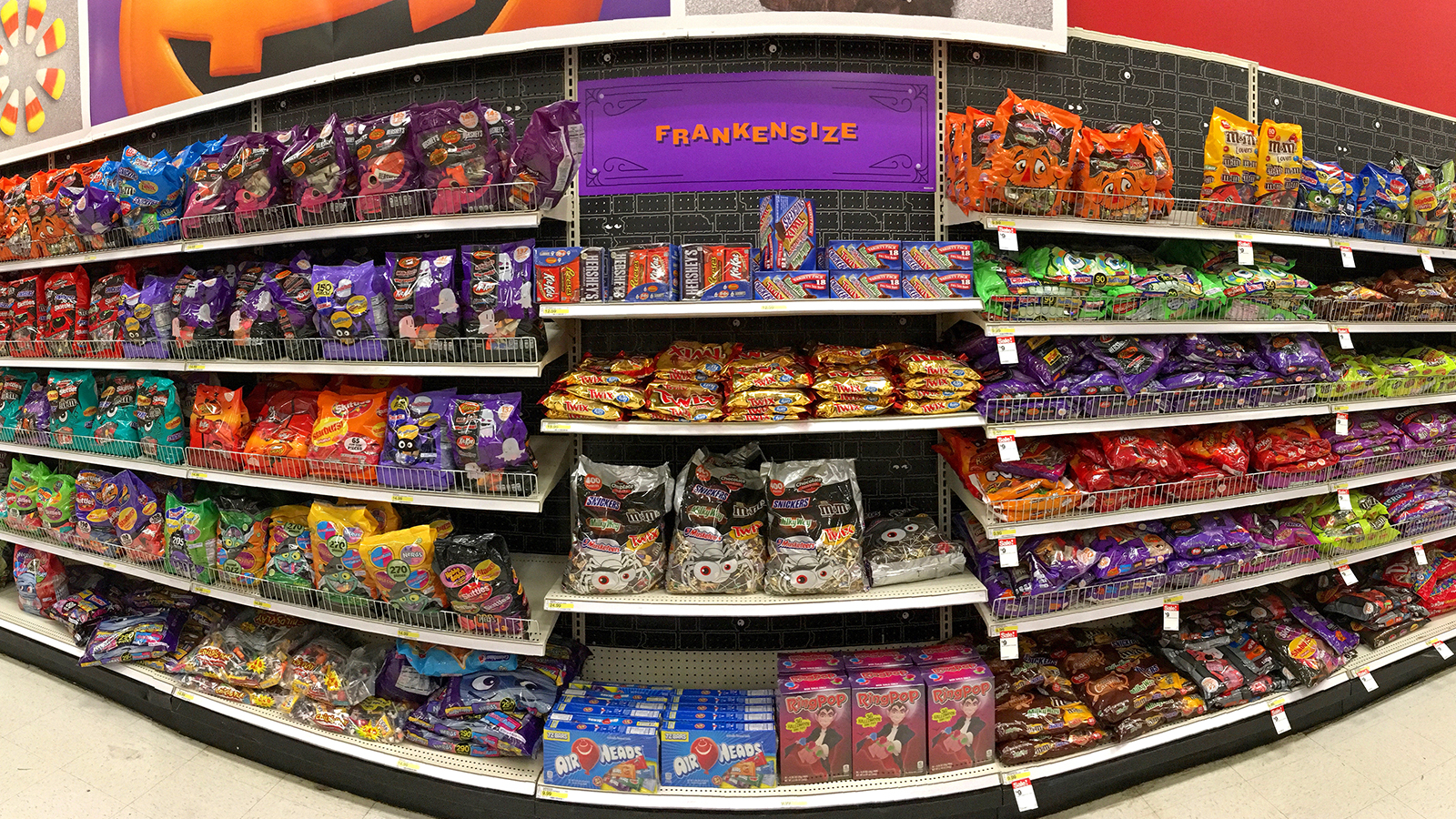
For families managing food allergies, the wrapper matters as much as the candy inside it. The Canadian Food Inspection Agency requires regulated allergen information for priority allergens and certain gluten sources, including ingredients such as peanuts, tree nuts, milk, eggs, sesame, soy, wheat and others. Health Canada specifically recommends checking Halloween treats for ingredients that could trigger a child’s allergy.
Parents cannot safely assume that a miniature Halloween version of a familiar product has exactly the same ingredients or manufacturing circumstances as another package size. Food Allergy Canada likewise advises reading the label every time rather than relying on previous experience with a brand. Children who have been prescribed an epinephrine auto-injector should have access to it according to their medical plan when eating Halloween treats. Some households also offer non-food prizes so more children can participate comfortably. For parents managing an allergy, the post-Halloween sorting session is not simply about favourite flavours. It is a label-reading exercise in which a few seconds of checking can determine which treats belong in the safe pile.
Keep Cannabis Edibles Completely Separate From Halloween Candy

This is one Halloween rule that belongs squarely to the modern Canadian landscape. Health Canada warns that edible cannabis products can be attractive to children and that illegal products may imitate familiar candies or snack foods. Legal edible cannabis products are subject to strict packaging requirements and limits, including a maximum of 10 milligrams of THC per immediate container, but they still need to be stored securely and separately from ordinary food.
Health Canada has reported increases in accidental cannabis poisonings involving children, with many incidents involving children younger than 12 and a large share involving those under five. Severe poisoning can require hospital treatment and, in serious cases, respiratory support. The practical Halloween rule is therefore uncompromising: cannabis products should never be mixed with the candy supply, stored in a treat bowl or left where children can mistake them for sweets. If accidental ingestion is suspected, Canadian poison centres can provide immediate guidance. This is a household risk that a Canadian parent preparing for Halloween in 1996 simply would not have encountered in today’s legal-edible form.
Skip Decorative Contact Lenses for Children

A pair of red, white or cat-eye lenses can transform a costume, but decorative contacts are not ordinary costume accessories. Health Canada regulates decorative contact lenses as Class II medical devices and specifically advises against using colour-changing or special-effect lenses on children. Risks associated with improper contact-lens use include corneal abrasions, infections, impaired vision and, in severe cases, permanent eye damage.
The marketplace has not always made that distinction obvious. During a 2018-19 Health Canada compliance project, eight of 23 selected physical retailers and 23 of 39 internet retailers reviewed failed applicable licensing or labelling requirements. That helps explain why buying a pair from an unfamiliar costume seller is not equivalent to purchasing face paint or a wig. Health Canada recommends professional eye-care guidance for contact lenses because fit and hygiene matter even when lenses have no vision-correction prescription. Thirty years ago, inexpensive special-effect lenses were not the mainstream online costume purchase they are today. The modern rule is straightforward: a dramatic photograph is never worth gambling with a child’s eyesight.
Patch-Test Face Paint Before Halloween Night
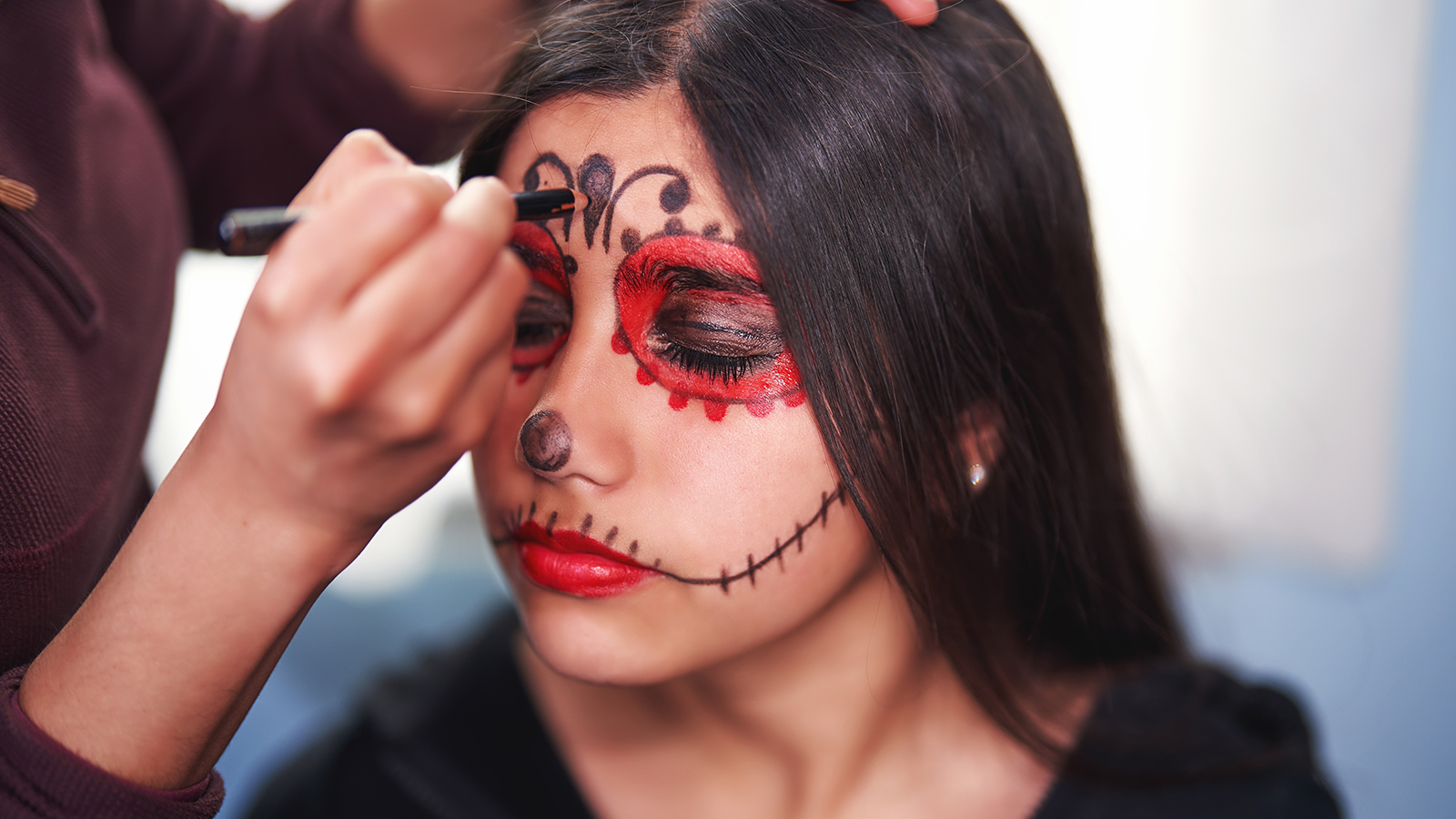
Face paint can solve the visibility problems created by a mask, but it introduces another modern checklist. Health Canada recommends testing cosmetic products on a small area of skin before widespread use and stopping use if redness, itching, burning or blistering occurs. Products marketed as “hypoallergenic” can still trigger reactions because the term does not guarantee that every person will tolerate every ingredient.
Parents should also distinguish cosmetics designed for skin from colourful products that merely look suitable. Health Canada advises against using craft paints, markers or other products not intended for cosmetic use on a child’s face or body. Applicators and makeup should be kept clean and, where practical, not shared between several children. The easiest approach is to perform the patch test before Halloween rather than discovering a reaction when everyone is already dressed. For a parent who remembers using whatever theatre makeup happened to be available decades ago, that may feel unusually cautious. Modern cosmetics guidance reflects a simple principle: “non-toxic” in one context does not automatically mean “appropriate for skin.”
Keep Costume Weapons Soft — and Obviously Fake
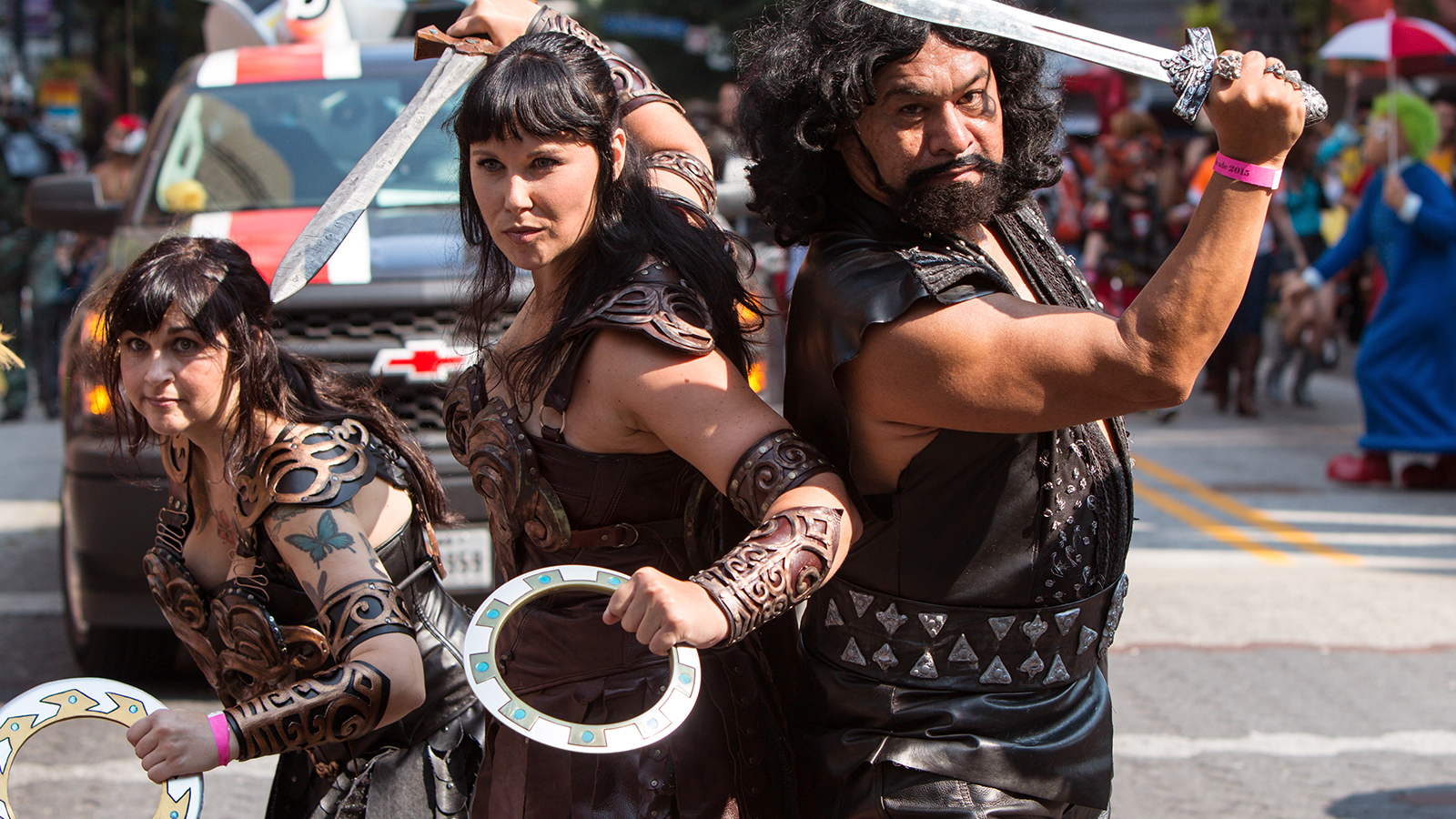
Swords, axes, staffs and other props can complete a Halloween character, but Health Canada advises that toy weapons and accessories should be soft and flexible. Sharp tips and rigid edges create obvious injury risks when children run, trip or swing their props near friends. Police guidance has also encouraged families to make sure imitation weapons are clearly recognizable as toys rather than realistic objects that could be misunderstood.
The practical test is less about whether a prop looks impressive and more about what happens if a child falls directly onto it. Foam and flexible plastic generally make more sense than heavy, rigid materials. Long props should also be manageable on stairs and crowded sidewalks. A realistic-looking replica can create an entirely different problem because neighbours, police officers or other members of the public may not immediately know that it belongs to a costume. Many parents grew up carrying plastic pirate swords without much discussion beyond “don’t hit anyone.” The modern version of that rule considers both physical injury and how the object could reasonably appear to someone seeing it from a distance.
Check Light-Up Costumes for Button Batteries
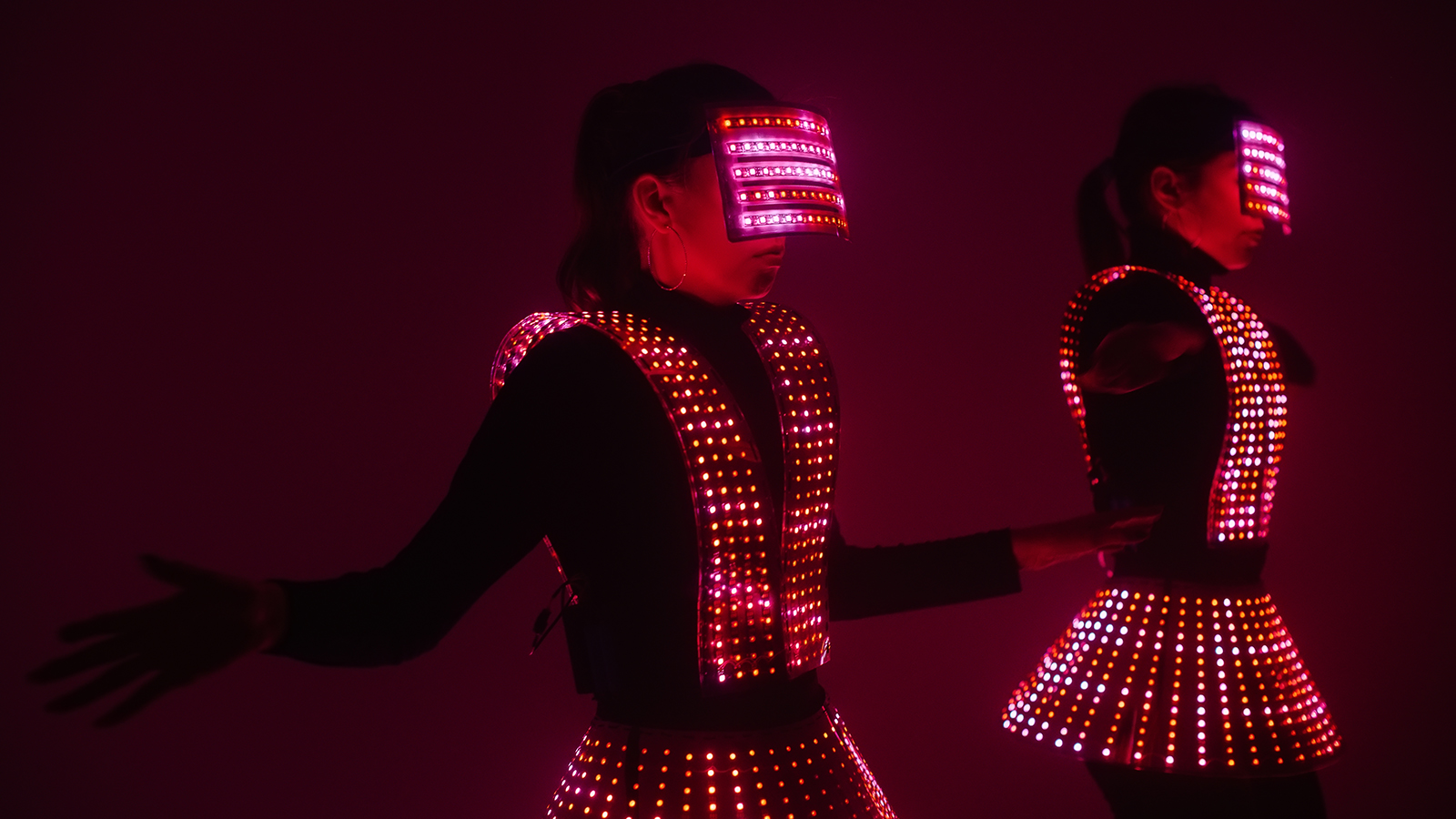
Modern costumes increasingly blink, glow and make noise, which means Halloween clothing can now contain the same tiny batteries found in key fobs, toys and electronic accessories. Health Canada warns that button batteries can cause catastrophic internal injuries if swallowed. A battery lodged in the esophagus can create a severe burn in as little as two hours, and children under five are particularly vulnerable.
Light-up jewellery, shoes, clothing and flameless candles can all use button batteries. Health Canada recommends making sure battery compartments are secure and, where applicable, fastened with a screw or another child-resistant mechanism. Its safety material notes that hundreds of Canadian children face serious harm from button-battery incidents each year. The Halloween check therefore extends beyond whether an electronic costume still lights up: parents can inspect the battery enclosure itself, especially after an item has been dropped or handed down from an older sibling. A loose battery smaller than a coin can be far more dangerous than the broken accessory it came from, particularly in a home with toddlers.
Do Not Let a Costume Compromise a Car-Seat Harness
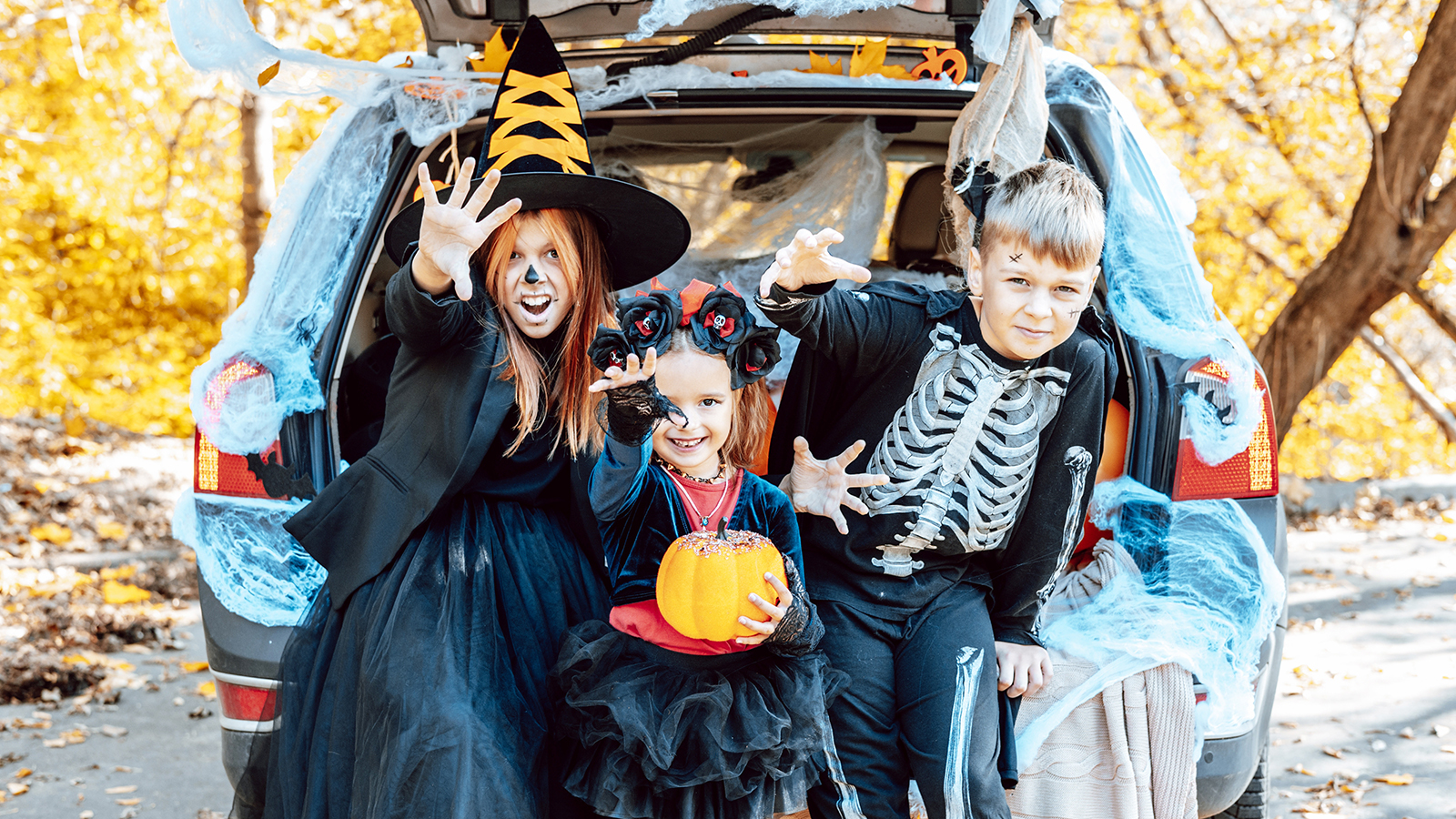
A bulky costume can create the same restraint problem as a thick winter coat. Transport Canada advises parents to make sure child-seat harnesses remain properly positioned and snug, and Canadian pediatric guidance warns that bulky coats and snowsuits can interfere with correct harness fit. Halloween outfits with thick padding, rigid chest pieces or large layers beneath the straps deserve the same scrutiny.
The safest solution does not require banning costumes from the vehicle. Removable wings, padded character suits, capes and other bulky pieces can go on after arrival, while children travel in clothing that allows the harness to sit where the manufacturer intended. Parents should be able to tighten the restraint normally without compressible material creating hidden slack. This rule is particularly relevant in Canada because Halloween weather may already encourage heavy outerwear underneath the costume. The familiar rush to get everyone buckled and reach another neighbourhood on time can make it easy to overlook. A costume can wait a minute; correct restraint fit cannot.
Think Before Posting Costumes and Locations Online
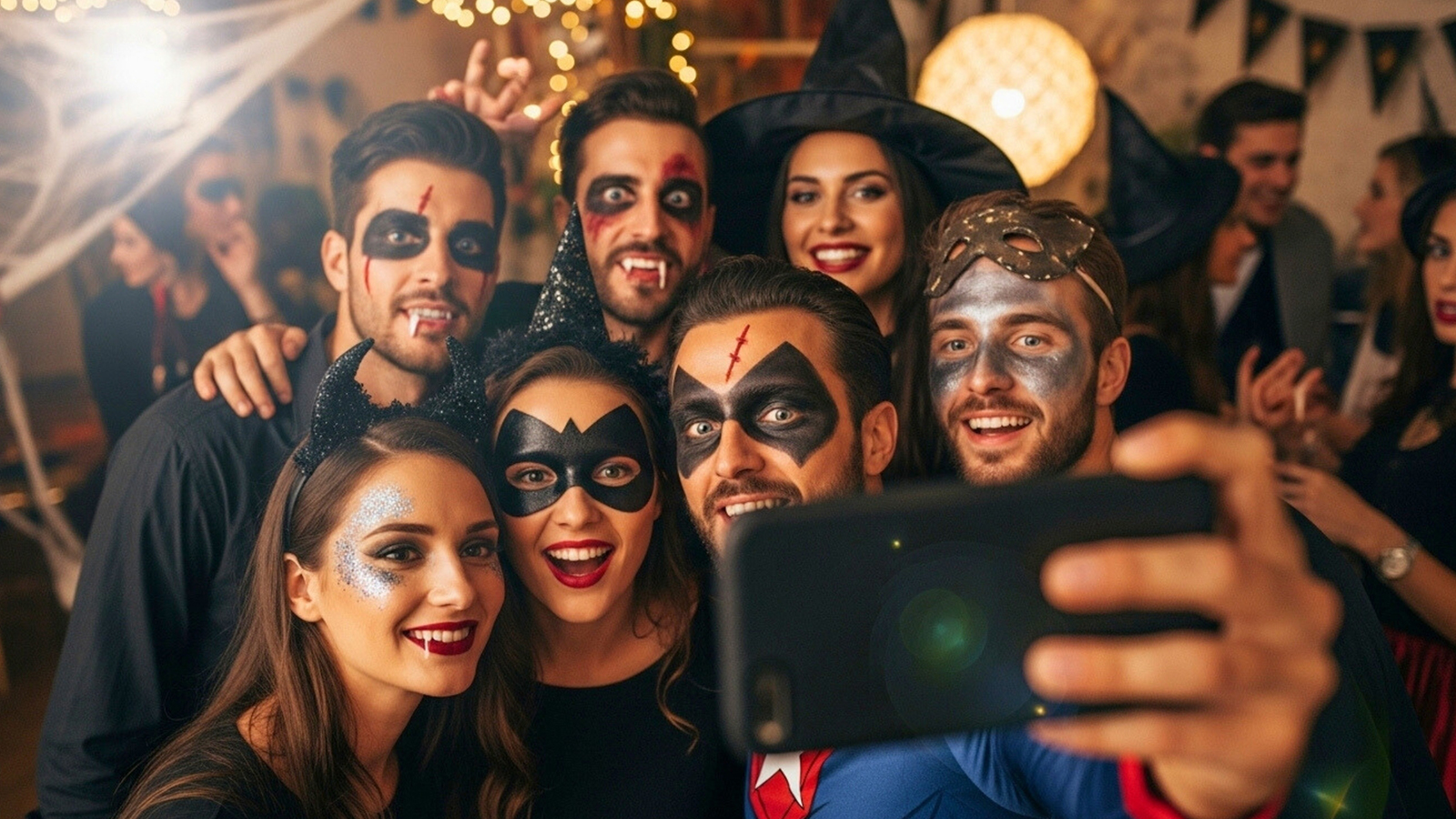
Halloween photographs once went into an album or were sent to a few relatives. Today, a costume photo can be shared with hundreds of people before a child has visited the second house. The Office of the Privacy Commissioner of Canada specifically discusses Halloween pictures when warning parents about “sharenting” and the long-term digital footprint created when adults post information about children online.
A photograph can reveal more than the costume. Background details may expose a neighbourhood, school affiliation, house number or familiar route, while real-time posts can indicate where a child or family currently is. Canadian child-protection guidance has separately warned about risks associated with live location-sharing features on social platforms. Parents can reduce exposure by waiting until they are home to post, checking backgrounds, reviewing audience settings and involving older children in decisions about which photographs are shared. Halloween memories are worth keeping. The modern question is whether every memory also needs an immediate, publicly searchable digital version that a child may have little ability to control later.
Keep Pets Away From Candy, Costumes and the Constantly Opening Door

Halloween can be overwhelming for pets even when the humans in the house are having a wonderful night. The BC SPCA recommends keeping pets safely indoors and providing a quiet space away from repeated doorbell ringing, unfamiliar costumes and heavy foot traffic. The organization notes that frightened animals may try to escape, making updated identification particularly valuable on a night when the front door may open dozens of times.
Candy creates another hazard. Chocolate is toxic to dogs and cats because of compounds including theobromine, while veterinary guidance warns that products containing xylitol can also be dangerous to pets. Treat bags therefore belong somewhere animals cannot raid them after children go to bed. Costumes for pets require judgment as well: the BC SPCA notes that clothing can restrict normal movement and body-language communication and may contribute to stress or overheating. A quiet room, secured door and pet-safe treat may be considerably kinder than forcing the family dog to participate in every part of the Halloween spectacle.
16 Costco Canada Habits That Could Be Costing Shoppers More Than They Save

The Executive Membership can feel like an obvious upgrade because the 2% annual reward sounds straightforward. For households that spend heavily at Costco Canada, the extra fee may be easy to justify. But the habit becomes costly when shoppers upgrade first and calculate later. A Gold Star Membership costs less, while Executive costs more and only pays off if eligible annual spending is high enough to offset the difference.
16 Costco Canada Habits That Could Be Costing Shoppers More Than They Save
