Halloween has never looked exactly the same from one Canadian community to another, but older photographs, archives and memories reveal a night that was often more homemade, less organized and surprisingly neighbour-driven. Children collected coins as well as candy, Prairie doorsteps echoed with cries of “Halloween Apples,” community halls filled with costume parties, and homemade popcorn balls could legitimately end up in a treat bag.
Many of those customs have been reshaped by changing safety expectations, commercial products, organized events and the broader decline of children’s independent neighbourhood mobility. The 17 traditions here are documented examples of Halloween practices once found in Canadian communities that have either disappeared, become uncommon or taken a noticeably different form.
Carry Orange UNICEF Boxes From Door to Door
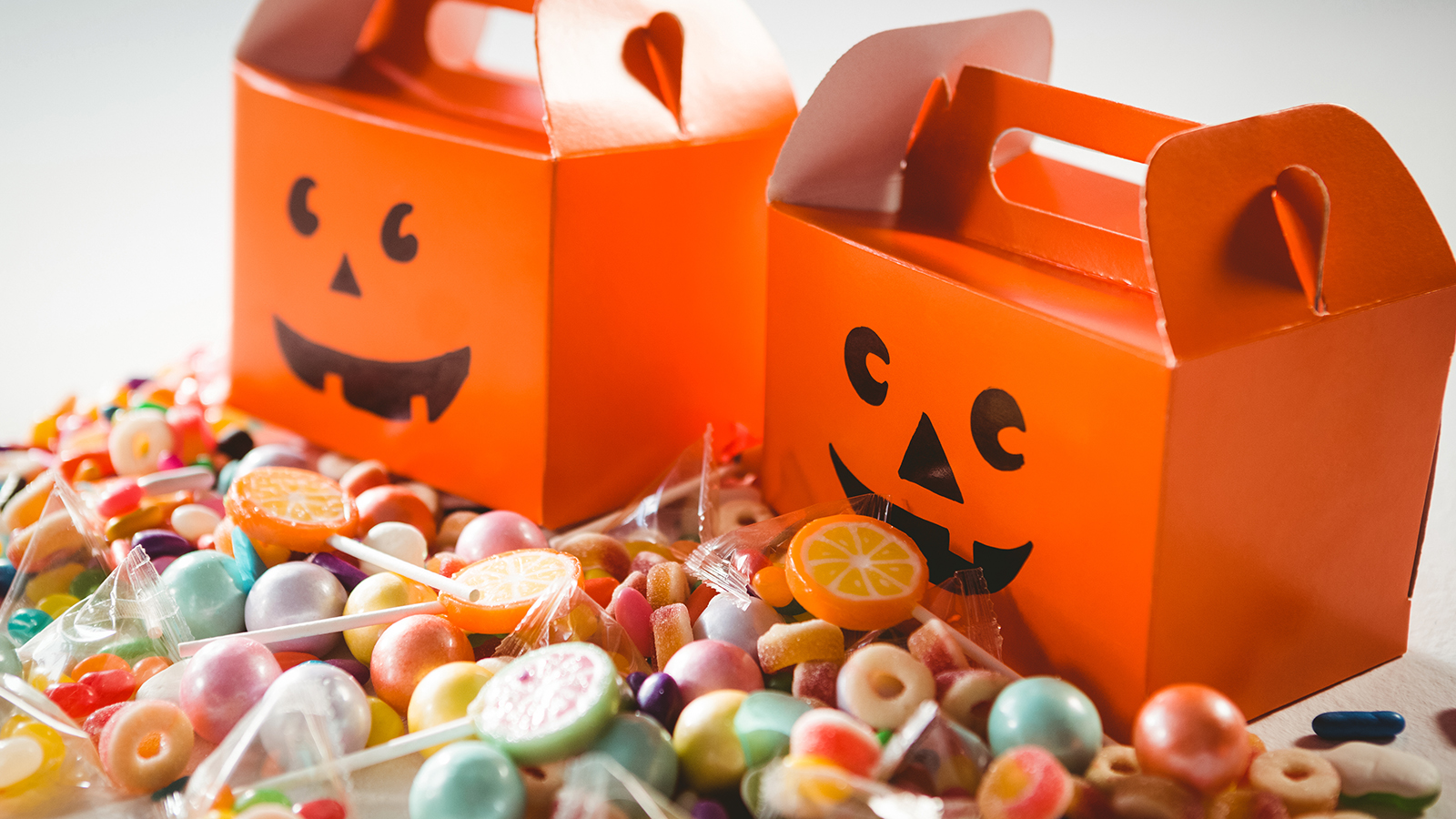
For generations of Canadian children, a Halloween costume often came with one extra accessory: a small orange UNICEF collection box. Children did not merely knock on neighbourhood doors looking for chocolate. Many also collected pennies, nickels, dimes and quarters for children elsewhere in the world. The Canadian tradition began after the American Trick-or-Treat for UNICEF idea reached Canada in 1952. The response became so strong that UNICEF opened its Canadian office in 1955 in part to support the growing fundraising effort.
That meant neighbours often kept two things near the front door on October 31: candy for the treat bag and loose change for the orange box. UNICEF says the campaign eventually raised more than $100 million in Canada, and at its peak the box program generated roughly $3 million annually. The physical boxes disappeared in 2006 as the organization changed its fundraising model. Digital Halloween fundraising has since returned, but the sound of coins rattling beside candy is largely a memory.
Shout “Halloween Apples!” Instead of “Trick or Treat!”

Not every Canadian child traditionally arrived at the door shouting the same phrase. Across parts of the Prairies, particularly Manitoba, Saskatchewan and Alberta, “Halloween Apples!” became a distinctive regional call. The Government of Canada’s Language Portal still identifies the expression as a Prairie Canadianism corresponding to “Trick or treat.” Historical newspaper evidence and museum collections show that variations such as “Any Halloween apples?” were heard for decades.
The phrase made perfect sense when apples were a normal Halloween reward. Edmonton archival material notes that apples were a particularly popular treat during the early development of trick-or-treating, while the Manitoba Museum remembers children in later decades racing between houses and calling out the old expression. Today, the nearly universal influence of television, movies, advertising and mass-market Halloween culture has made “trick or treat” much more recognizable. “Halloween Apples!” survives as a regional memory, but hearing an entire neighbourhood of children use it would now feel distinctly old-fashioned.
Hand Out Apples, Nuts and Popcorn as Everyday Treats

Modern Halloween bags tend to be dominated by individually wrapped chocolate bars, gummies, chips and candies. Earlier Canadian trick-or-treaters could encounter something much closer to the contents of a kitchen cupboard or fall harvest. Edmonton’s archives describe apples, other fruit, popcorn and nuts among the rewards appreciated by young Halloween visitors in the 1930s. The Manitoba Museum similarly notes that apples were still being offered to neighbourhood children during the 1970s.
Safety expectations have changed that experience substantially. Health Canada now advises families to be cautious with Halloween food and specifically recommends commercially wrapped treats, particularly because ingredient lists and intact packaging help parents assess food safety and allergies. That does not mean an apple handed out decades ago was inherently dangerous. It means the social assumption was different. A child once might have accepted fruit from Mrs. Thompson three doors down because everyone knew Mrs. Thompson. Today, a factory-sealed miniature chocolate bar fits much more comfortably with official food-safety guidance and modern expectations.
Make Popcorn Balls and Other Homemade Treats

There was a time when the smell coming from a neighbour’s kitchen could become part of Halloween itself. Popcorn balls, candied popcorn, cookies and other homemade sweets appeared at parties and, in some communities, in the hands of trick-or-treaters. Edmonton’s archival Halloween exhibit even preserves an early Canadian popcorn-ball recipe using white sugar, brown sugar, corn syrup, butter and vanilla. The Manitoba Museum notes that homemade treats were still offered to neighbourhood children in the 1970s.
That tradition has become one of Halloween’s clearest casualties of modern food-safety expectations. Health Canada’s current advice tells parents not to give children Halloween treats that are homemade or commercially unwrapped. Allergies add another practical concern, because a homemade cookie or popcorn ball rarely arrives with an ingredient label identifying peanuts, milk, wheat or other common allergens. The neighbour who spent an afternoon wrapping homemade sweets in waxed paper once represented generosity. Today, many families would reluctantly put the same gift aside, even when it was made with the best intentions.
Fill Little Paper Bags With Treats Before the Doorbell Rang
Treat distribution could once involve more preparation than opening a bulk box of miniature candy. Museum collections preserve small Halloween paper bags that Canadian households used to portion treats before children arrived. Instead of reaching into a giant warehouse-club package every time the bell rang, a household might prepare individual bags containing a few candies, popcorn, nuts or another seasonal treat. The bag itself could carry pumpkin, black-cat or haunted-house artwork.
The practice reflected an era when Halloween packaging was considerably simpler. It also added a small element of ceremony to each doorstep encounter. A child received an entire little parcel rather than a single item selected from a bowl. The Manitoba Museum’s collection includes surviving examples of these decorated bags alongside other mid-century and later Halloween artifacts. Purpose-made treat bags have not vanished completely, but commercial miniatures, large variety packs and prepackaged candy have made them far less necessary. What once required an evening of assembling portions at the kitchen table can now be handled by tearing open one enormous factory-sealed bag ten minutes before dusk.
Make Most Children’s Costumes at Home
A Halloween costume did not always begin with a trip to a seasonal store. Photographic evidence in the City of Edmonton Archives suggests that by the 1930s most children pictured celebrating Halloween there wore homemade costumes, sometimes supplemented by a commercially produced mask. Sheets, old clothes, cardboard, fabric remnants, makeup and whatever happened to be available around the house could become a ghost, witch, scarecrow or mysterious creature.
The result was not necessarily polished, but that was part of the charm. Two children dressed as ghosts could look completely different because two households had solved the problem differently. Commercial costumes eventually became cheaper, more varied and closely tied to television, movies, games and popular characters. Retail data now treats costumes as a significant Halloween shopping category, alongside candy and decorations. Homemade costumes certainly remain alive—especially among creative families—but the neighbourhood sight of dozens of children wearing visibly improvised outfits is easier to associate with old photographs than with the modern retail-driven Halloween season.
Put Up With Those Foggy Plastic Halloween Masks
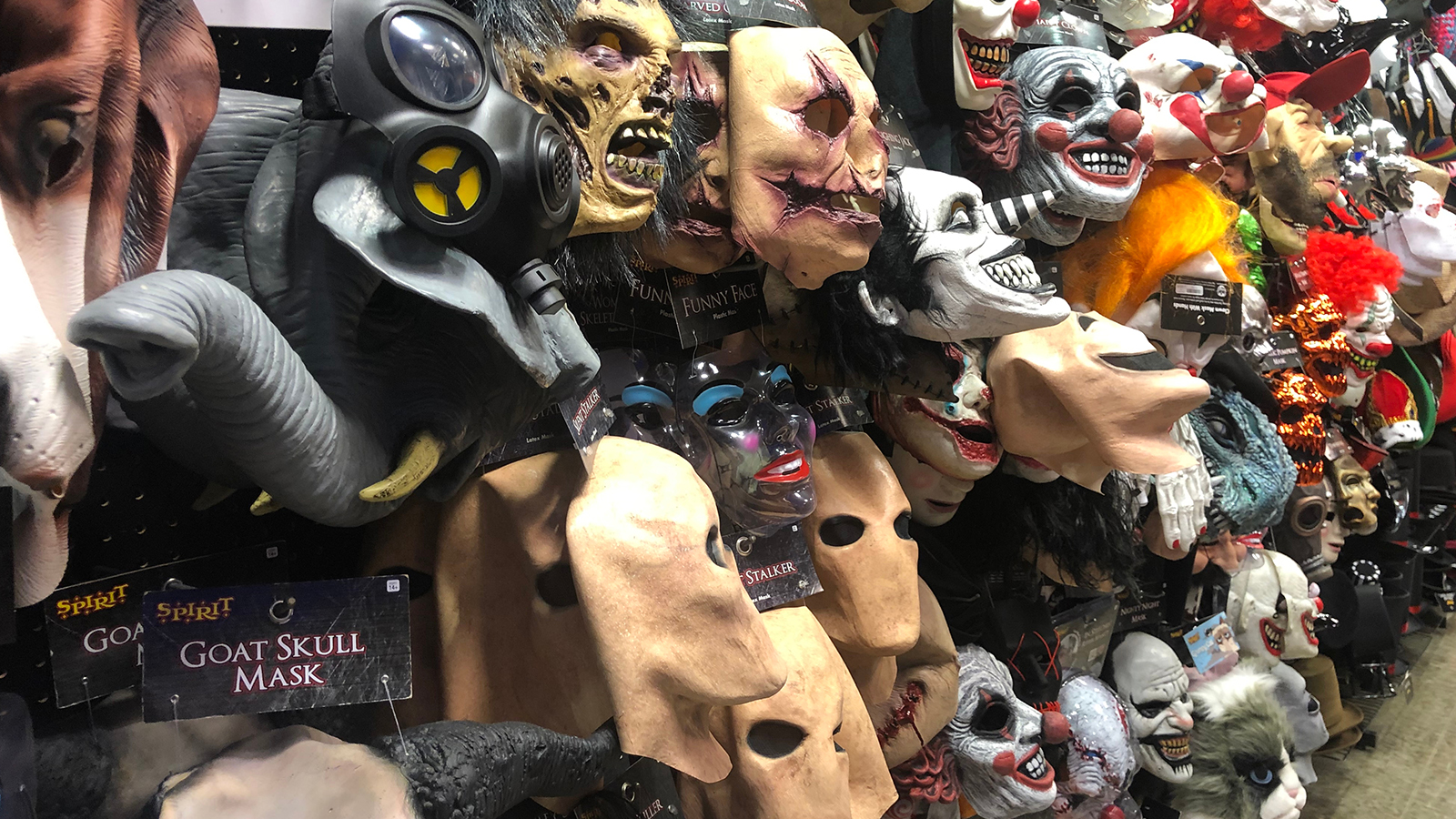
Some childhood traditions disappeared for very good reasons. The Manitoba Museum preserves the kind of Halloween masks that many Canadians who grew up in the 1970s instantly recognize: thin moulded plastic faces, tiny openings for the eyes and mouth, and elastic bands holding everything in place. They were frequently paired with plastic costume smocks printed with the character being portrayed. They were inexpensive and instantly recognizable, but comfort was not exactly the selling point.
Children running from house to house could end up peering through small eyeholes while condensation formed inside the mask. Modern Health Canada guidance recommends makeup or face paint as an alternative because an improperly fitted mask can interfere with vision or breathing. Where masks are used, the federal guidance stresses proper fit and clear sightlines. Costume design has improved considerably since the era of stiff plastic faces. Still, those sweaty masks became such a shared childhood experience that their disappearance marks a surprisingly vivid change in the look and feel of Canadian neighbourhood Halloween nights.
Send Children Out in Self-Directed Packs
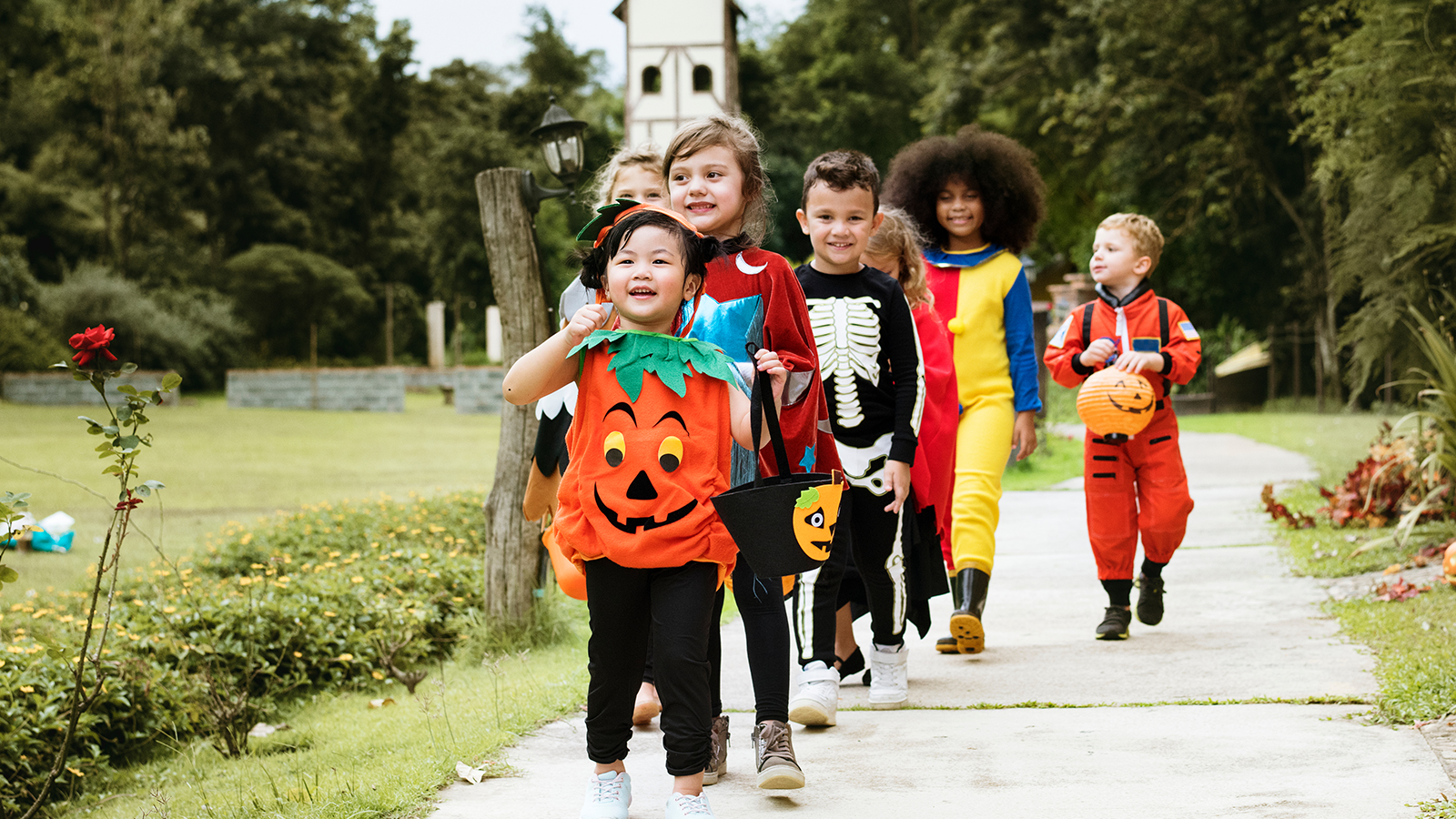
For many older Canadians, Halloween was one of the nights when neighbourhood children were granted unusually wide freedom. Friends met outside, older children gathered younger ones, and the group worked out its own route. That Halloween memory belongs to a broader childhood pattern in which independent neighbourhood mobility and unstructured outdoor play were more common than they are for many children today.
Recent Canadian research provides useful context. A 2024 study involving 584 questionnaires from children in Grades 1 through 5 in Montreal and Kingston described participation in independent mobility, free play and active transportation as generally low and noted a broader generational decline in children’s freedom to move around neighbourhoods independently. Current federal Halloween safety advice also recommends that parents accompany children until they are old enough to go with a friend. Halloween is still enormously social, but the familiar sight of elementary-school children disappearing down the block for several unsupervised hours has become much less automatic. In many neighbourhoods, the adult walking behind the group is now as standard as the candy bag.
Make the Front Door the Only Place to Get a Treat
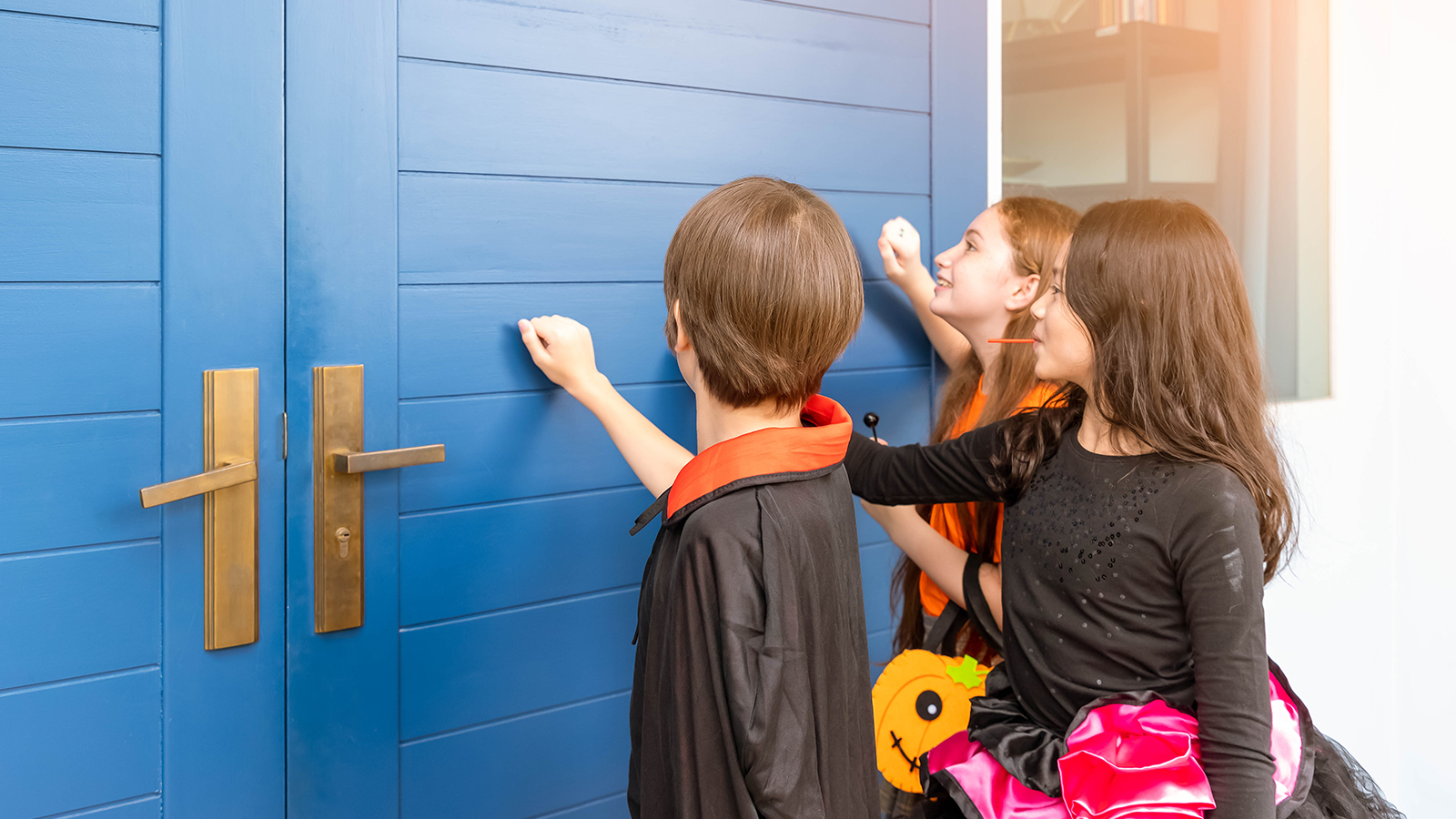
The traditional Halloween geography was simple: walk up the driveway, climb the steps, ring the bell and wait for the door to open. That front-door ritual remains widespread, but Canadian communities are increasingly experimenting with other ways to distribute candy. Accessibility initiatives encourage residents to bring treat stations closer to sidewalks, driveways or garages so children using mobility devices do not have to negotiate stairs, narrow paths or inaccessible entrances.
Brampton, for example, has promoted Treat Accessibly guidance encouraging residents to create candy stations at the end of a driveway, garage or vehicle. Communities elsewhere have organized dedicated accessible Halloween villages and similar events. The change illustrates why “vanishing” does not always mean something has simply been lost. Sometimes an old custom is being redesigned to include more children. The dramatic front door opening onto a glowing hallway may be a classic Halloween image, but in an accessible modern neighbourhood, the best candy stop might now be waiting at the curb.
Include Local Businesses in the Trick-or-Treat Circuit
Door-to-door Halloween did not always revolve almost entirely around private houses. Edmonton’s civic archives reveal that in the 1930s costumed trick-or-treaters frequently targeted businesses, demanding treats and threatening the traditional “trick.” Apples, fruit, candy, popcorn and nuts could all be part of the reward. Only after the Second World War did private homes become the preferred destinations for Edmonton trick-or-treaters.
That history makes modern business-district Halloween events seem less like an invention and more like a revival in a different form. Shopping areas, libraries and community organizations now regularly host controlled trick-or-treating events, but the spontaneous practice of children simply walking into local businesses as part of their nightly route is less characteristic of residential Halloween. Earlier neighbourhood commercial streets were often woven more directly into children’s daily lives. A grocer, druggist or shopkeeper could be another familiar adult on the route. Today, commercial participation tends to be advertised, scheduled and organized rather than assumed as part of October 31.
Accept a Certain Amount of Halloween Mischief
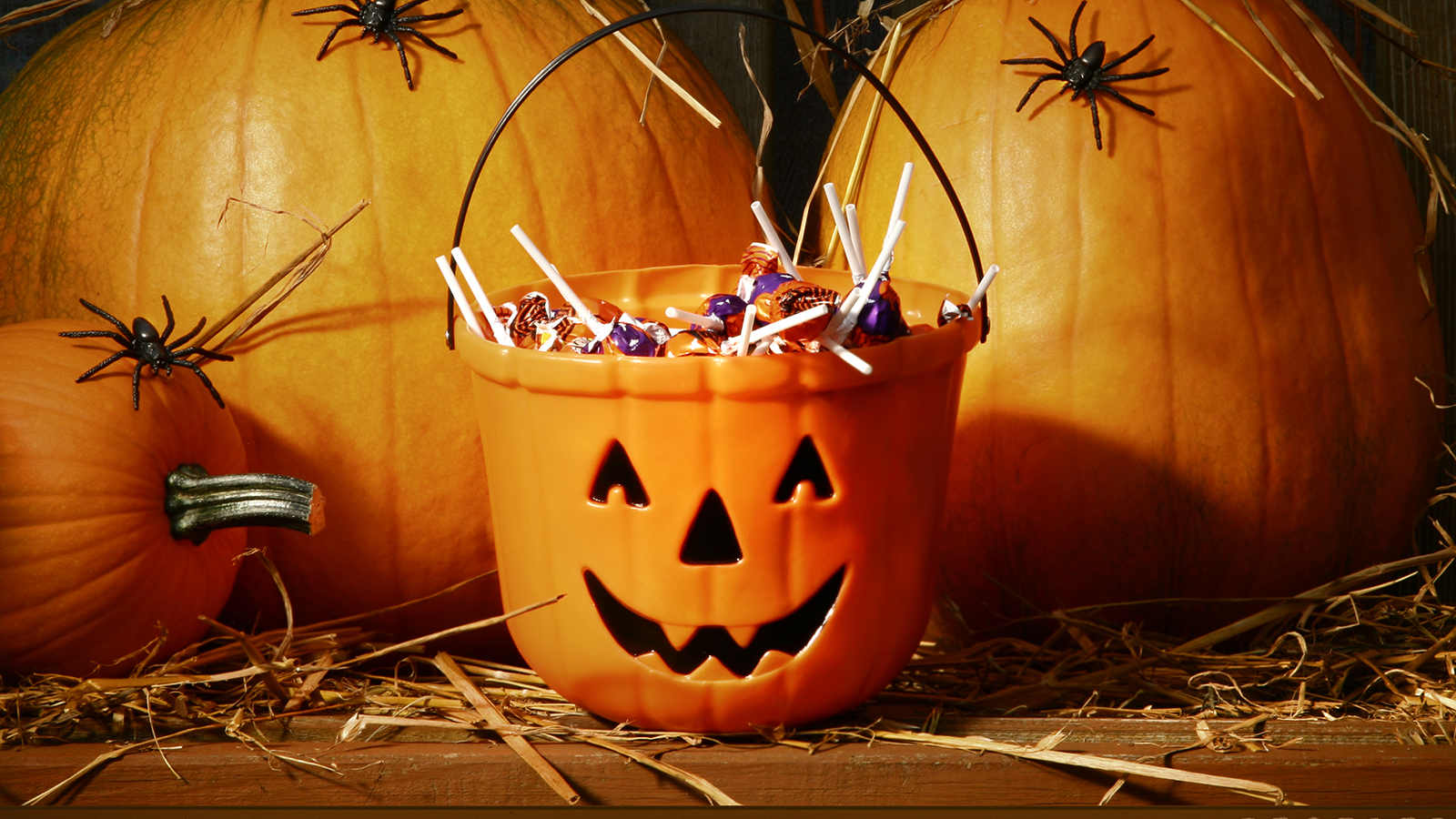
Halloween’s “trick” was once considerably less theoretical. City of Edmonton archival records describe an era when pranking was treated as an expected part of the night, provided nobody was injured and damage remained limited. Young people stole gates and porch furniture, soaped windows, tipped outhouses and dragged movable objects into streets. A 1927 newspaper comic about Halloween pranking suggests the behaviour was culturally familiar enough to be used as ordinary humour.
The tolerance had limits. Edmonton increased Halloween policing as some pranks became destructive, and a 1930 police report described incidents ranging from damaged fences to a derailed streetcar. By then officials were already trying to push the night away from vandalism. Modern Halloween has largely completed that transformation. A harmless plastic spider on a porch remains a joke; removing the porch furniture does not. Security cameras, expensive property, traffic and contemporary expectations have narrowed the space once granted to mischievous teenagers. The ritualized neighbourhood contest between pranksters and homeowners is now mostly archival history.
Pack the Community Hall for a Local Halloween Party
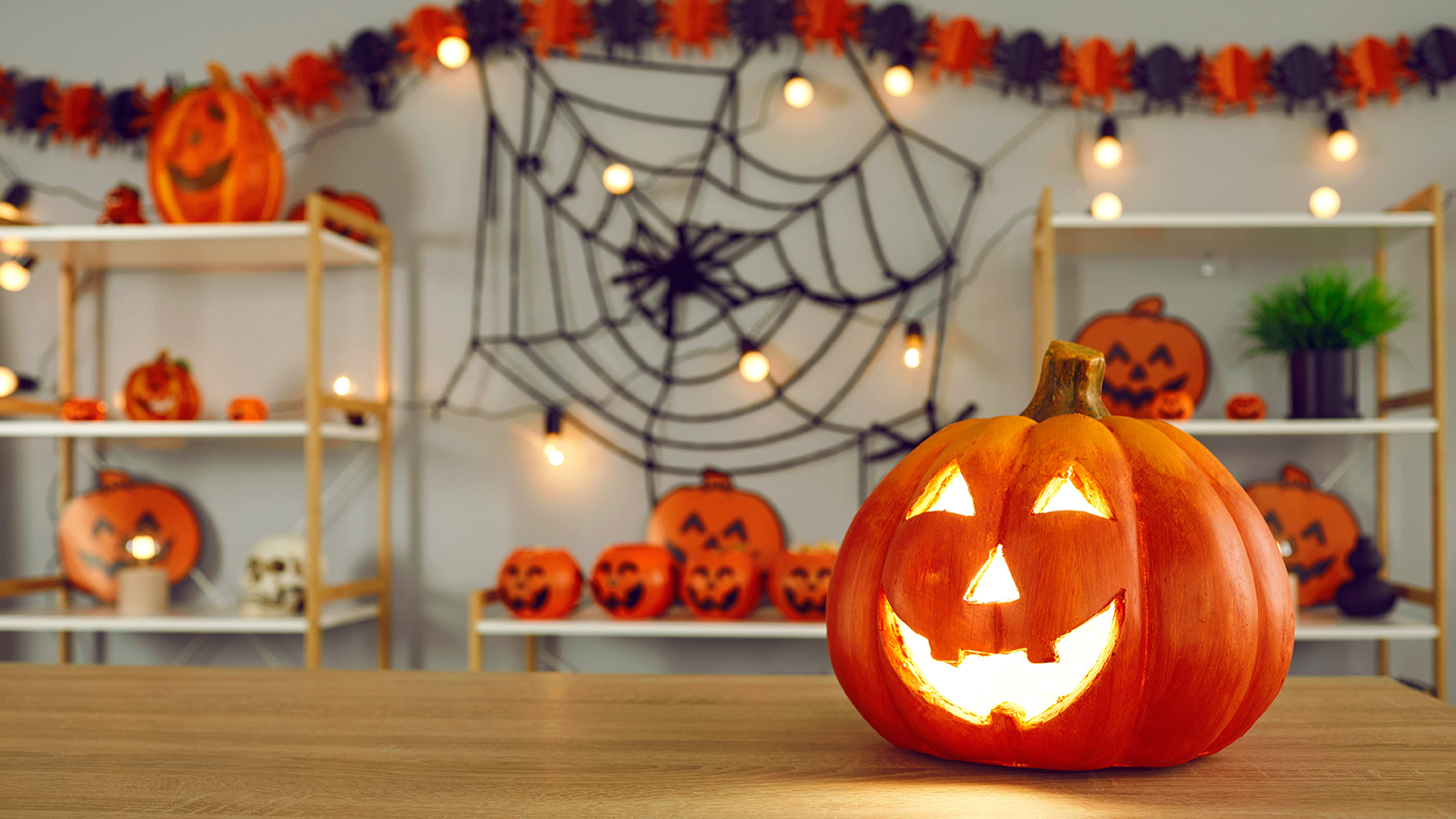
Halloween once belonged as much to community organizations as to individual households. Edmonton archives show that Halloween parties for children and adults were popular in the early 1900s and could be hosted by individuals, churches and neighbourhood organizations. By the 1920s, groups including the YMCA and community organizations were holding events for young people, partly to provide an organized alternative to street mischief.
These gatherings were often remarkably straightforward: costumes, dancing, food, simple games and a decorated hall. A neighbourhood did not need an elaborate commercial haunted attraction to make Halloween feel like a major occasion. Archival photographs from the late 1940s show children attending parties in community league halls, reinforcing how locally organized the celebration could be. Community Halloween events certainly still exist across Canada, but they now compete with a much larger menu of professional haunted attractions, shopping-centre programs, municipal festivals and ticketed entertainment. The old-fashioned hall party—folding chairs, homemade decorations and neighbours volunteering at the refreshment table—has become a more nostalgic form of Halloween social life.
Bob for Apples and Play Old Halloween Games
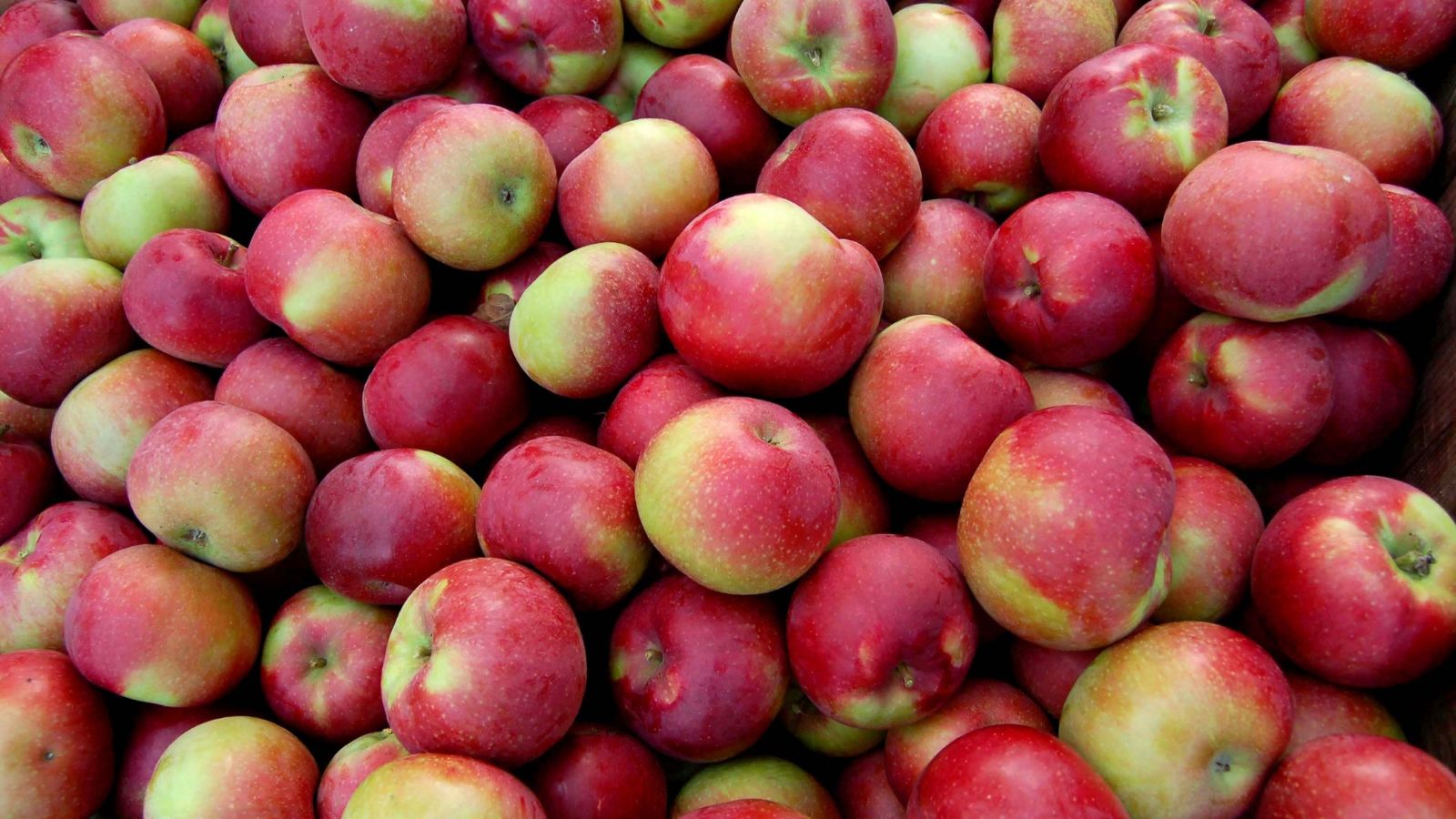
Before Halloween entertainment involved elaborate animatronics, themed escape rooms and projection effects, a basin of water and a pile of apples could apparently do the job. Edmonton archives include photographs of children bobbing for apples at Halloween parties in 1949 and 1950. Historical material also describes “snap apple,” nut-roasting and other games rooted in older Scottish and Irish traditions that travelled to Canada.
Some of those activities had originally been connected to fortune-telling rituals involving romance, marriage or future luck, although their deeper meanings faded as Halloween became a children’s holiday. Apple bobbing endured because it was simple, funny and guaranteed a room full of wet faces. It is now much harder to imagine as a standard activity at a large children’s gathering, particularly after years of increased awareness around hygiene and shared surfaces. Pumpkins and apples remain powerful Halloween symbols, but the apple has shifted from something children shouted about, received at doors and dunked their faces toward into something largely decorative or culinary.
Light Jack-o’-Lanterns With Actual Candles
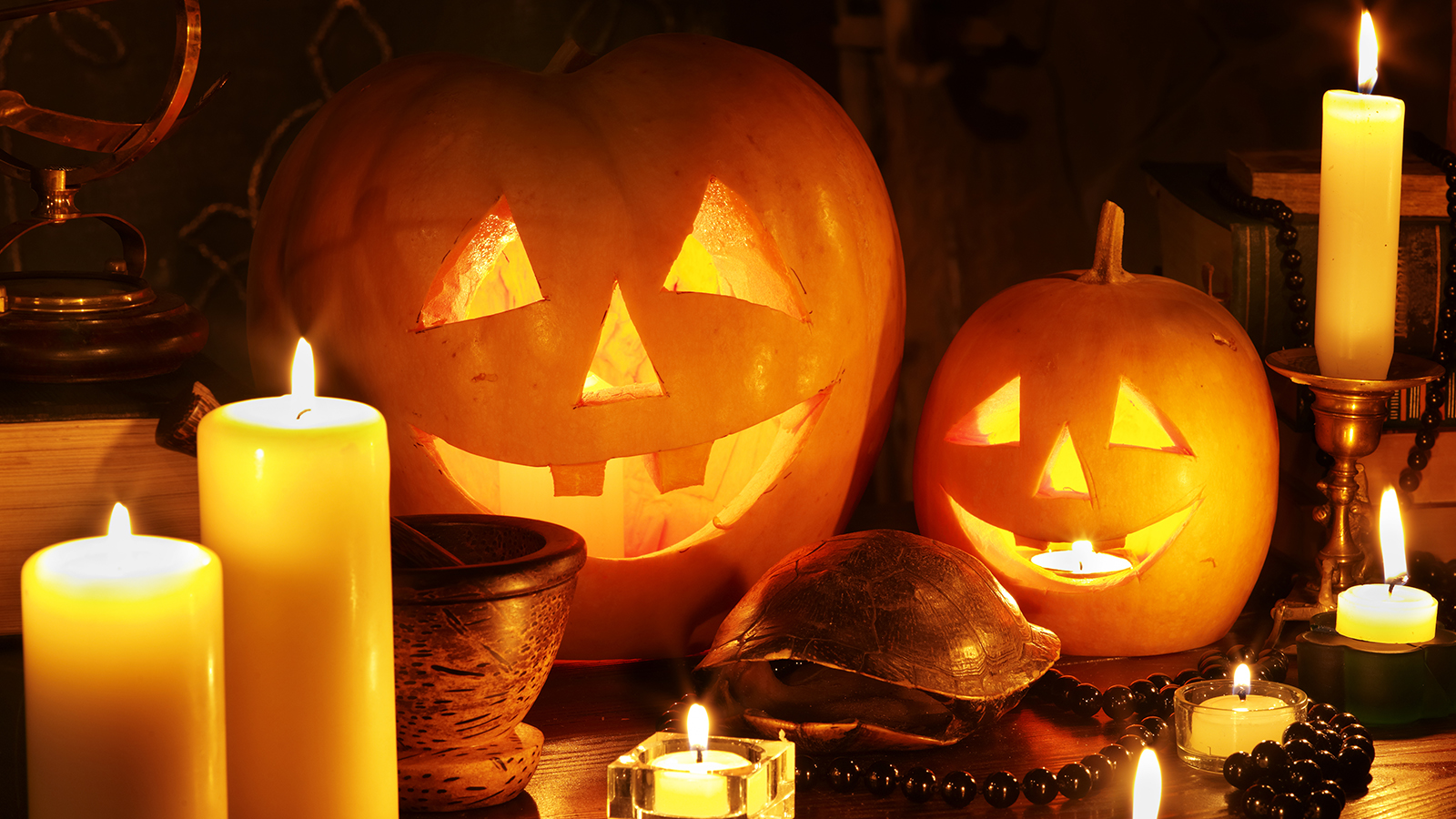
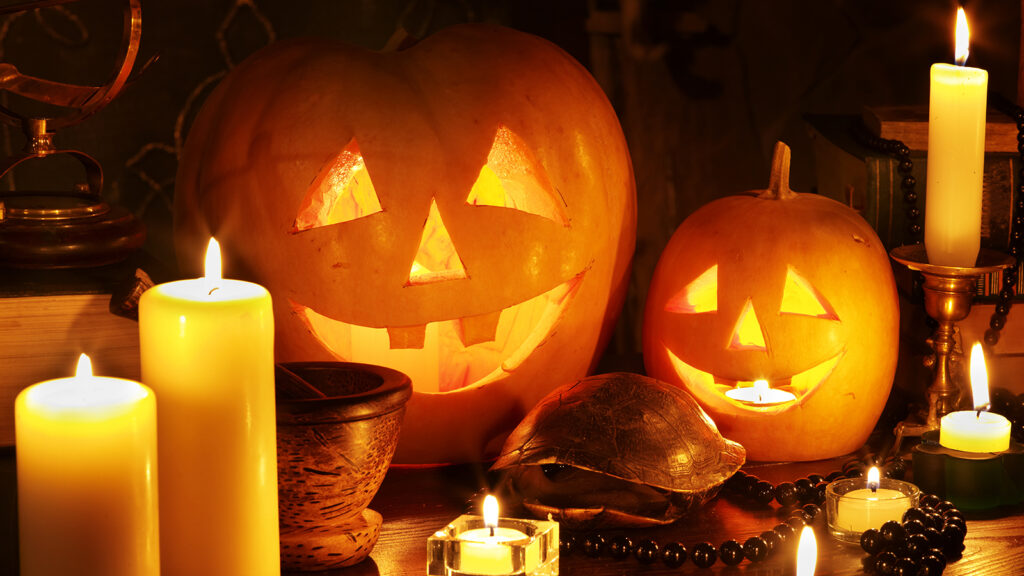
A glowing pumpkin once almost always implied an open flame. Canadian archival histories trace the jack-o’-lantern tradition to Irish and Scottish customs involving hollowed turnips, beets or potatoes illuminated from within. After immigrants brought the practice to Canada, pumpkins proved larger and easier to carve. A small candle placed inside produced the flickering expression generations came to associate with Halloween.
The visual effect was memorable, but it created an obvious problem when children wearing capes, wigs and loose fabric crowded onto porches. Health Canada now identifies candles and lit jack-o’-lanterns as fire hazards and recommends considering flashlights or battery-operated candles instead. Historical federal estimates based on several provinces attributed nearly 800 candle fires per year to candles between 1999 and 2008, although those figures cover candles generally rather than Halloween alone. Modern LEDs can recreate a convincing flicker without an open flame. As a result, one of Halloween’s most atmospheric neighbourhood sights—the unmistakable movement of a real candle inside a carved pumpkin—is becoming less necessary.
Carry a Pillowcase Instead of a Purpose-Built Candy Bucket
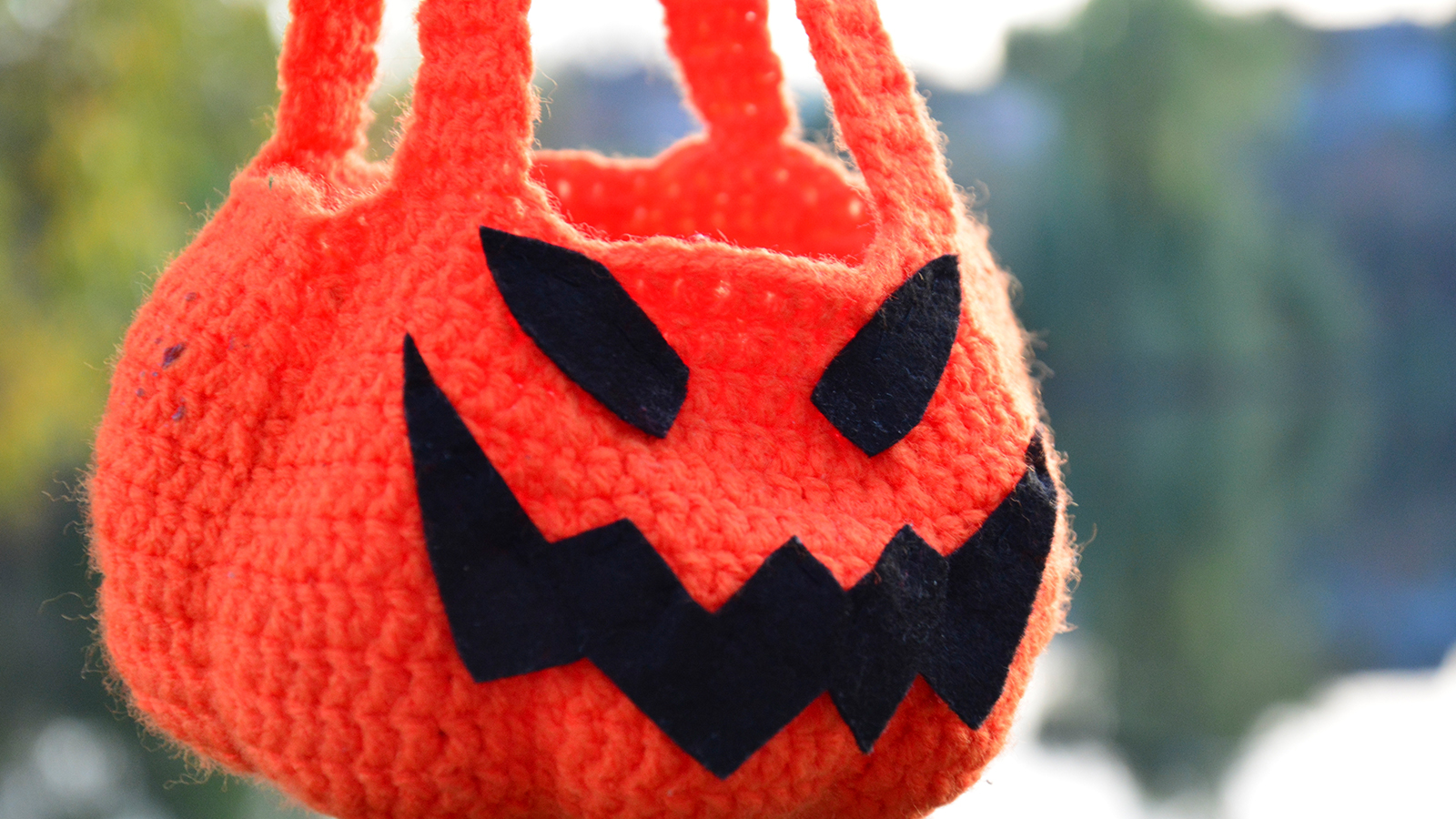
Halloween did not always require specialized equipment. A pillowcase had several advantages that mattered enormously to an ambitious trick-or-treater: it was already in the house, it could carry a remarkable amount of candy, and nobody cared whether it coordinated with the costume. UNICEF Canada has explicitly invoked pillowcase treat bags in recent nostalgia for older Canadian Halloween customs, placing them alongside simple costumes and the familiar orange charity box.
Purpose-made plastic pumpkins, branded character buckets, reusable totes and themed bags now crowd store shelves weeks before Halloween. They are easier for small children to handle and can become part of the costume itself. Yet the pillowcase represented a wonderfully practical period of childhood logic. When one became too heavy, it could be dragged, carried over a shoulder or temporarily emptied at home before another round. Pillowcases have certainly not disappeared, but their status has changed. What was once an ordinary household solution now appears almost deliberately retro—a sign that Halloween increasingly comes with merchandise specifically manufactured for a single night.
Spend November Rolling Mountains of UNICEF Coins

The orange UNICEF box created work that continued well after the trick-or-treaters went home. UNICEF Canada says the Halloween program depended heavily on schools and volunteers who collected the boxes, counted and rolled the coins, and deposited the money. At its peak, the campaign raised roughly $3 million annually, meaning Halloween generated an enormous physical flow of loose change through Canadian communities.
That volunteer machinery is easy to forget when remembering the child carrying the box. Parents, teachers, bank employees and local organizers transformed thousands of tiny donations into usable funds. One UNICEF recollection from 2005 described an Ontario collection containing tens of thousands of rolls of pennies along with thousands of rolls of nickels, dimes and quarters. Digital giving has removed much of that labour, just as cash itself plays a smaller role in many everyday transactions. Modern fundraising can be completed with a QR code in seconds. Efficient as that is, it cannot quite reproduce the communal experience of a school office or neighbourhood volunteer table disappearing beneath piles of Halloween coins.
Treat Door-to-Door Trick-or-Treating as the Whole Main Event
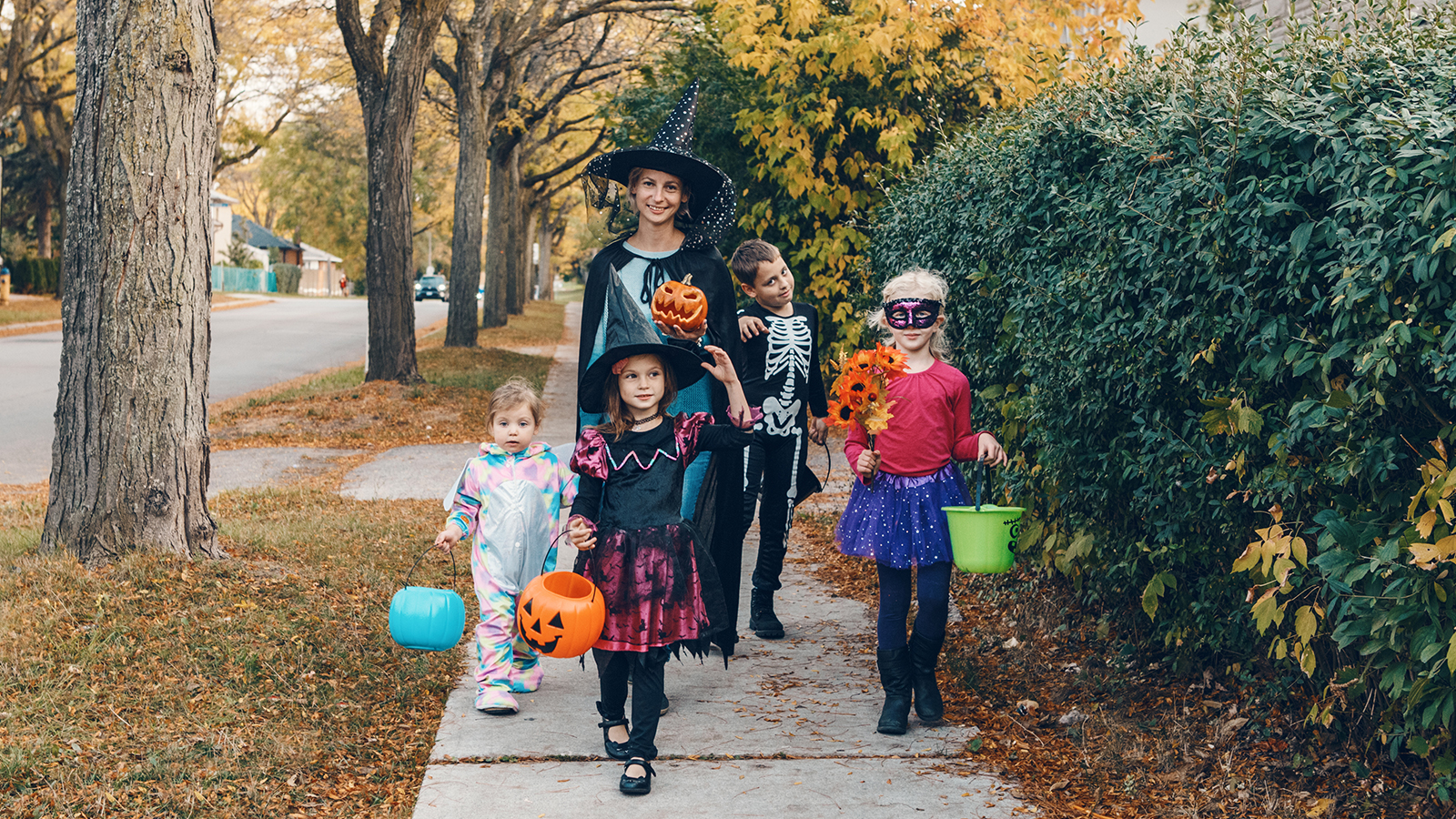
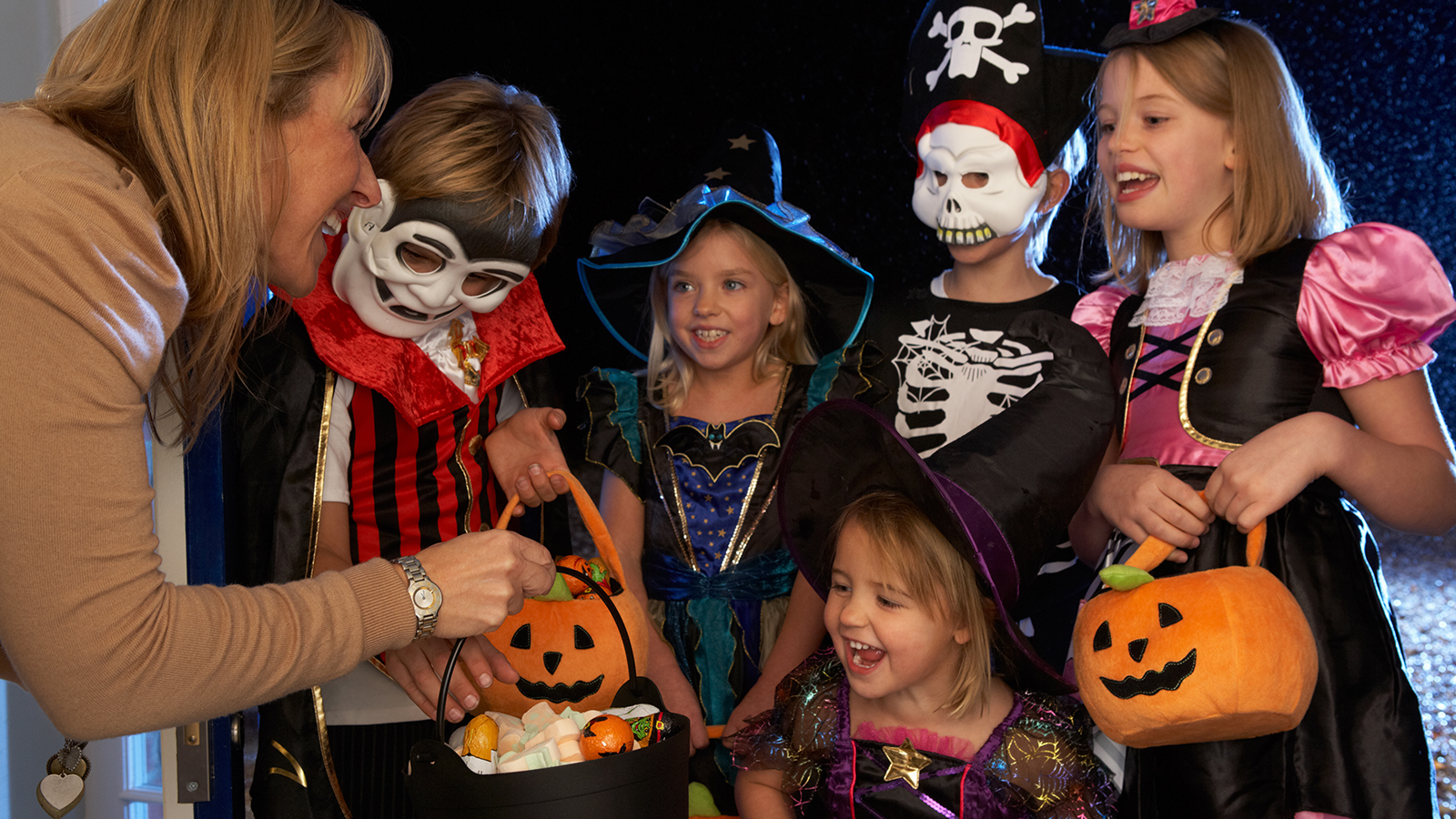
The traditional neighbourhood formula was remarkably concentrated: October 31 arrived, children put on costumes, doors opened at dusk and the streets became the event. Door-to-door trick-or-treating remains healthy in Canada—a 2025 Leger poll found that 80 per cent of children old enough to participate were expected to do so—but participation is far from universal. In the same poll, 46 per cent of Canadians said they planned to hand out candy and 39 per cent expected to decorate their homes.
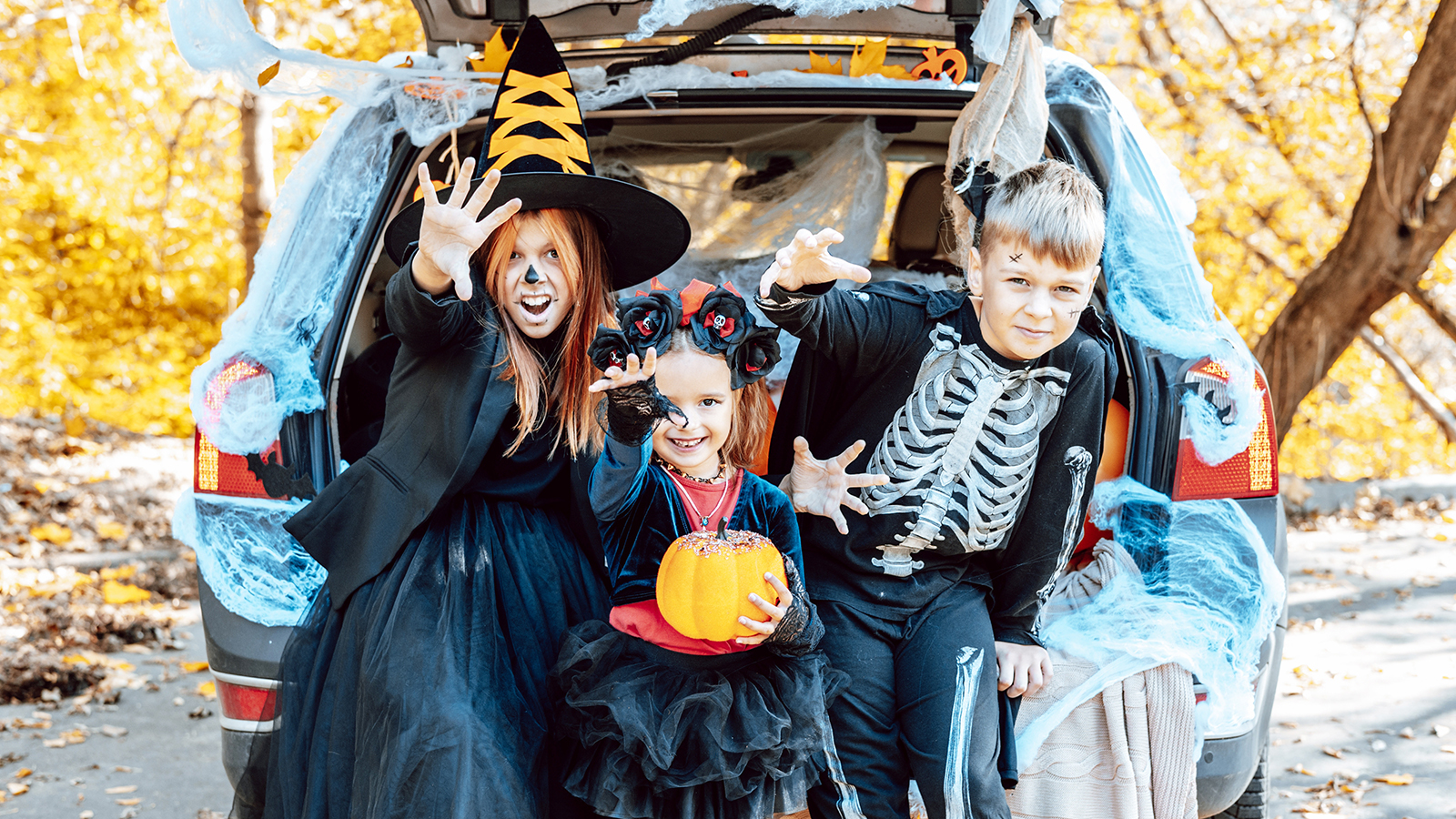
At the same time, Halloween has expanded into a season of organized alternatives. Canadian municipalities now promote community-centre parties, fireworks festivals, accessible Halloween villages, business-district events, haunted attractions and trunk-or-treat gatherings. Richmond, British Columbia, promoted more than 20 Halloween activities in 2025 alone. None of that means neighbourhood trick-or-treating is disappearing. It means it no longer carries the entire celebration by itself. The old experience of virtually everything happening on residential streets during one frantic evening now shares the calendar with a much larger Halloween world.
16 Costco Canada Habits That Could Be Costing Shoppers More Than They Save

The Executive Membership can feel like an obvious upgrade because the 2% annual reward sounds straightforward. For households that spend heavily at Costco Canada, the extra fee may be easy to justify. But the habit becomes costly when shoppers upgrade first and calculate later. A Gold Star Membership costs less, while Executive costs more and only pays off if eligible annual spending is high enough to offset the difference.
16 Costco Canada Habits That Could Be Costing Shoppers More Than They Save
