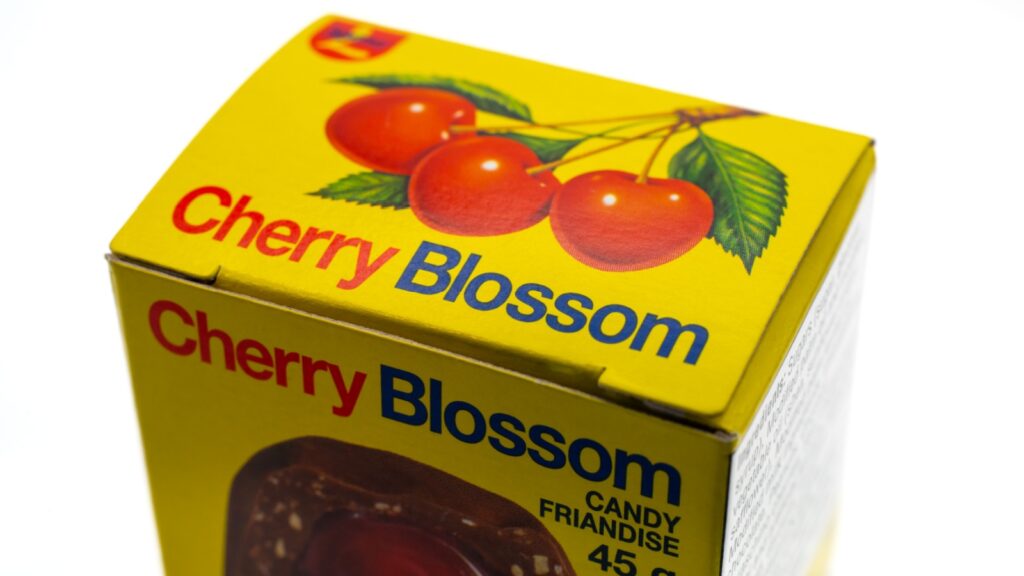
Halloween candy has never stayed frozen in time. The treats spilling out of Canadian pillowcases today look very different from the collections children sorted across kitchen floors in the 1970s, 1980s, 1990s and early 2000s. Some once-familiar chocolates were discontinued outright. Others disappeared for decades before niche companies attempted nostalgic revivals, while a few survive mainly through specialty imports or scattered retail listings.
These 20 Halloween treats capture that changing candy landscape. Several were distinctly Canadian creations, while others became memorable parts of Canadian convenience-store and trick-or-treat culture before quietly leaving mainstream shelves. For anyone who remembers trading the less desirable pieces with siblings after a cold October night, some of these names may bring back memories almost instantly.
Jersey Milk
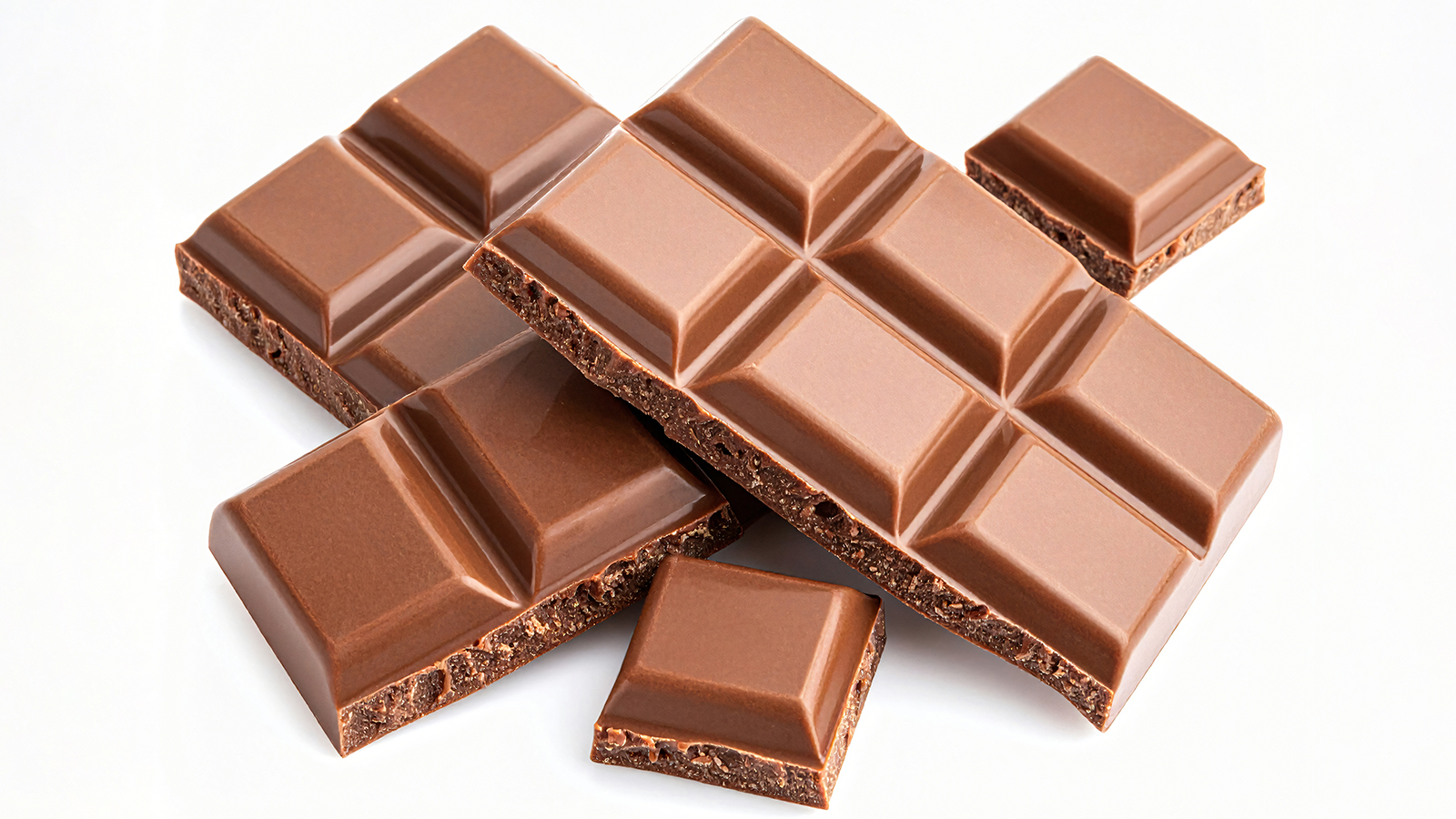
Few discontinued candies demonstrate how quickly a Canadian staple can become nostalgia quite like Jersey Milk. William Neilson introduced the uncomplicated milk-chocolate bar in 1924, and for generations its appeal came largely from what it did not contain. There were no wafers, caramel pockets or elaborate fillings—just a solid bar of milk chocolate. Mondelez Canada eventually inherited the brand and continued producing Jersey Milk exclusively in Canada.
Its Halloween credentials were genuine rather than imagined. A 1979 Shoppers Drug Mart promotion advertised Neilson assorted Halloween bars that included Jersey Milk alongside Sweet Marie, Malted Milk and other familiar names. That made the plain chocolate bar part of the enormous mixed bags families bought for neighbourhood children. Mondelez confirmed in 2025 that Jersey Milk production was ending after a portfolio review, saying consumer preferences had shifted toward other pure milk-chocolate products. A candy Canadians could reasonably expect to encounter for a century suddenly became something to search for in leftover inventory and nostalgia posts instead.
Cherry Blossom
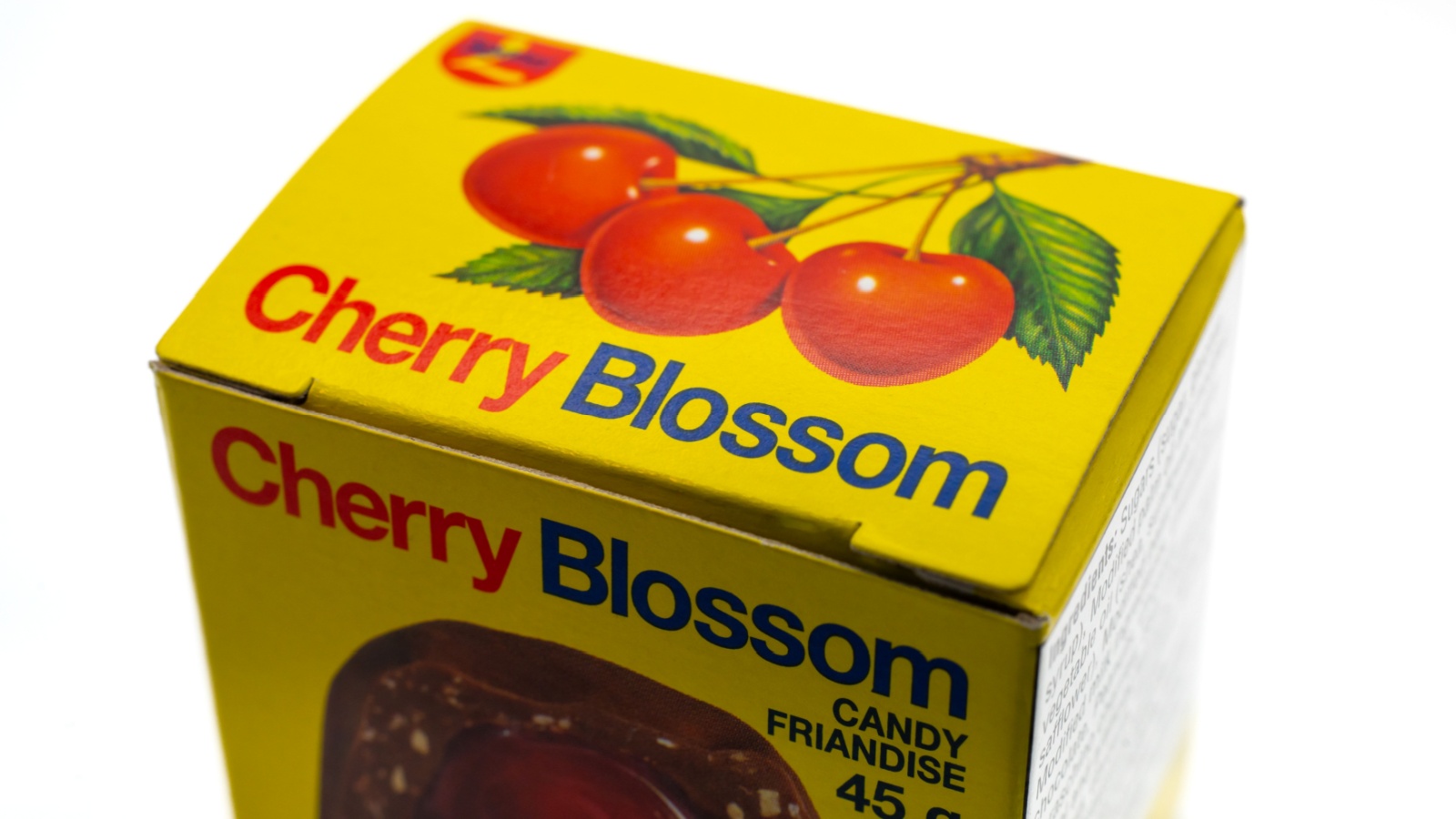
Cherry Blossom was one of those treats capable of dividing a Halloween haul into enthusiastic fans and children eager to trade it away. The confection was difficult to mistake for anything else: a maraschino cherry and liquid centre surrounded by chocolate and pieces of roasted peanut, traditionally packaged in a small cardboard cup rather than a conventional rectangular wrapper. Its unusual construction helped it survive while countless competitors disappeared.
The treat also possessed remarkably deep Canadian roots. Versions were being produced by the Canadian operations of the Walter M. Lowney Company around the end of the 19th century, long before Hershey eventually acquired the brand. For decades, Cherry Blossom became a familiar sight at convenience stores and in Halloween bags across the country. That run ended in 2025, when Hershey Canada confirmed it was discontinuing the product. Unlike a modern limited-edition flavour that vanishes after one season, Cherry Blossom had accumulated generations of memories, making its departure feel more like the loss of a permanent fixture from Canada’s candy counter.
Cuban Lunch
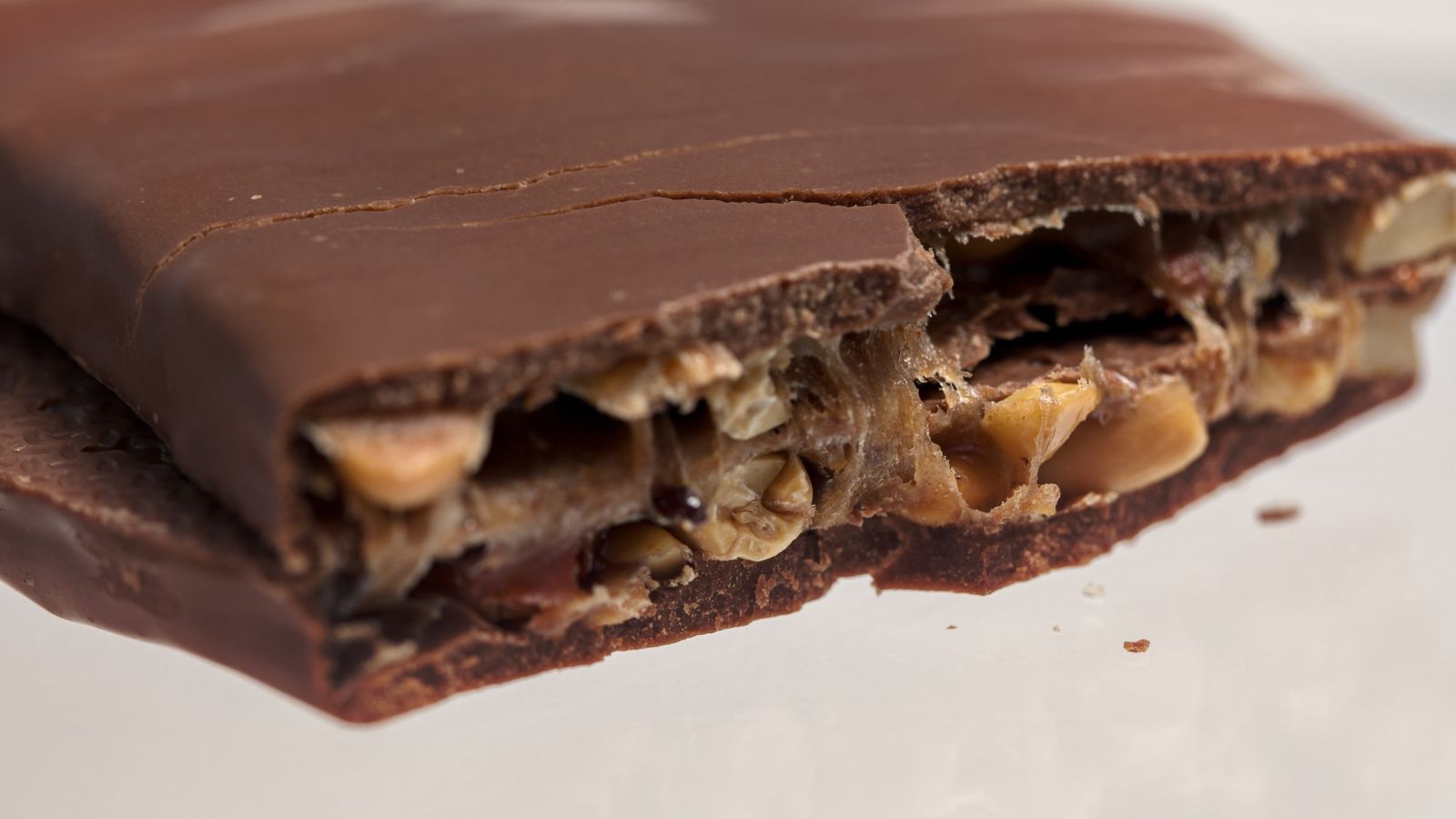
Cuban Lunch looked more like something from an old-fashioned confectionery counter than a modern chocolate bar. The combination of chocolate and peanuts arrived in a distinctive little paper tray, and the treat became particularly familiar across Western Canada. Paulin Chambers manufactured Cuban Lunch in Winnipeg, helping make it an affordable Prairie favourite through decades when a small chocolate treat could be a meaningful childhood purchase.
The original run ended in 1991 when production at the Winnipeg operation stopped. That could easily have been the end of the story, but childhood memory proved unusually powerful. Alberta entrepreneur Crystal Regehr Westergard eventually revived Cuban Lunch after remembering how much her mother had loved it. Tens of thousands of bars were produced during the comeback beginning in 2018. The revival means Cuban Lunch has not literally vanished, but it no longer occupies the routine place in Canadian candy displays that older consumers remember. Today it sits somewhere between active product and edible history—the sort of name that can immediately start a conversation among Prairie families.
Rum & Butter
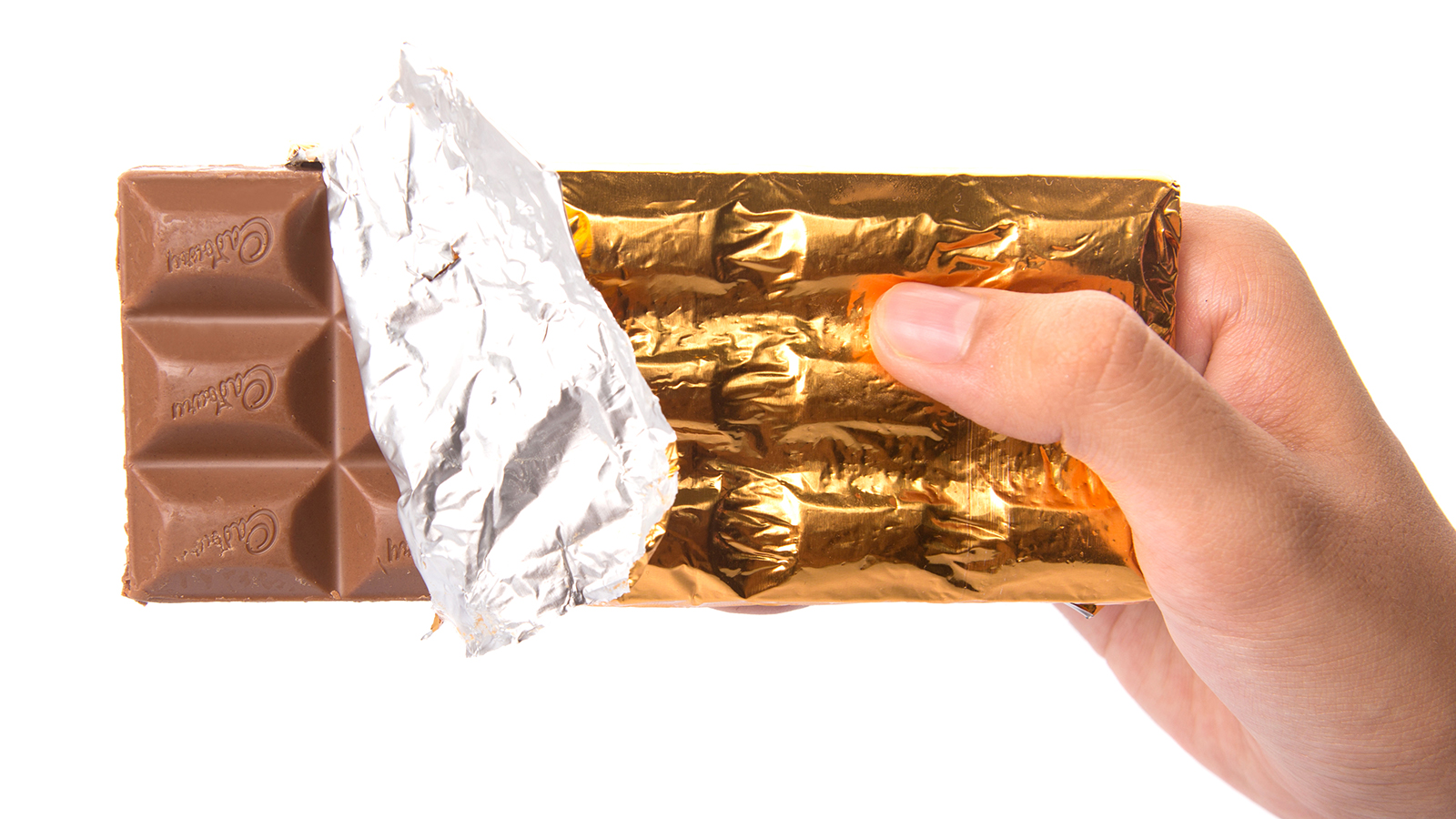
For many Canadians, particularly in Atlantic Canada, Rum & Butter can summon memories before the wrapper is even described. The Cadbury bar developed a devoted following during the 1970s and 1980s, when distinctive chocolate bars competed for space at corner stores and drugstore checkout counters. The name alone sounded unusually grown-up to children, making it stand apart from fruit chews and straightforward milk chocolate.
Cadbury eventually discontinued Rum & Butter during the 1990s. Its disappearance lasted long enough that the bar became a recurring subject of Canadian candy nostalgia before Canadian Candy Nostalgia began bringing the name back to market. The response illustrated just how deep the memory ran: during the revived bar’s early rollout, retailers in Labrador reported heavy demand, while the company accumulated a large inventory to serve customers searching for it. The modern version means Rum & Butter is technically obtainable again, but its decades-long absence removed it from the ordinary Halloween rotation. What was once familiar enough to be taken for granted has become a deliberately retro purchase.
Sweet Marie

Sweet Marie occupied the crowded middle ground between a chocolate bar and a full dessert. Versions of the Canadian bar combined ingredients such as peanuts, crisped rice, caramel and nougat beneath a chocolate coating, producing considerably more texture than a plain milk-chocolate bar. Canadian trademark records show the Sweet Marie name being used for chocolate bars by the early 1950s, although the product’s history stretched across different corporate owners over the years.
It was also unmistakably part of the Halloween economy. The same 1979 Shoppers Drug Mart “Halloween Hunt” advertisement that promoted Jersey Milk included Sweet Marie in Neilson assorted-bar packages designed for handing out to trick-or-treaters. That historical detail helps explain why the name remains familiar even among people who rarely bought full-sized Sweet Marie bars themselves. The product survived through Neilson and Cadbury ownership before being discontinued in Canada in 2013. More than a decade later, its absence is noticeable precisely because today’s Halloween assortment still contains many brands that once shared the same store shelves with it.
Wig Wag
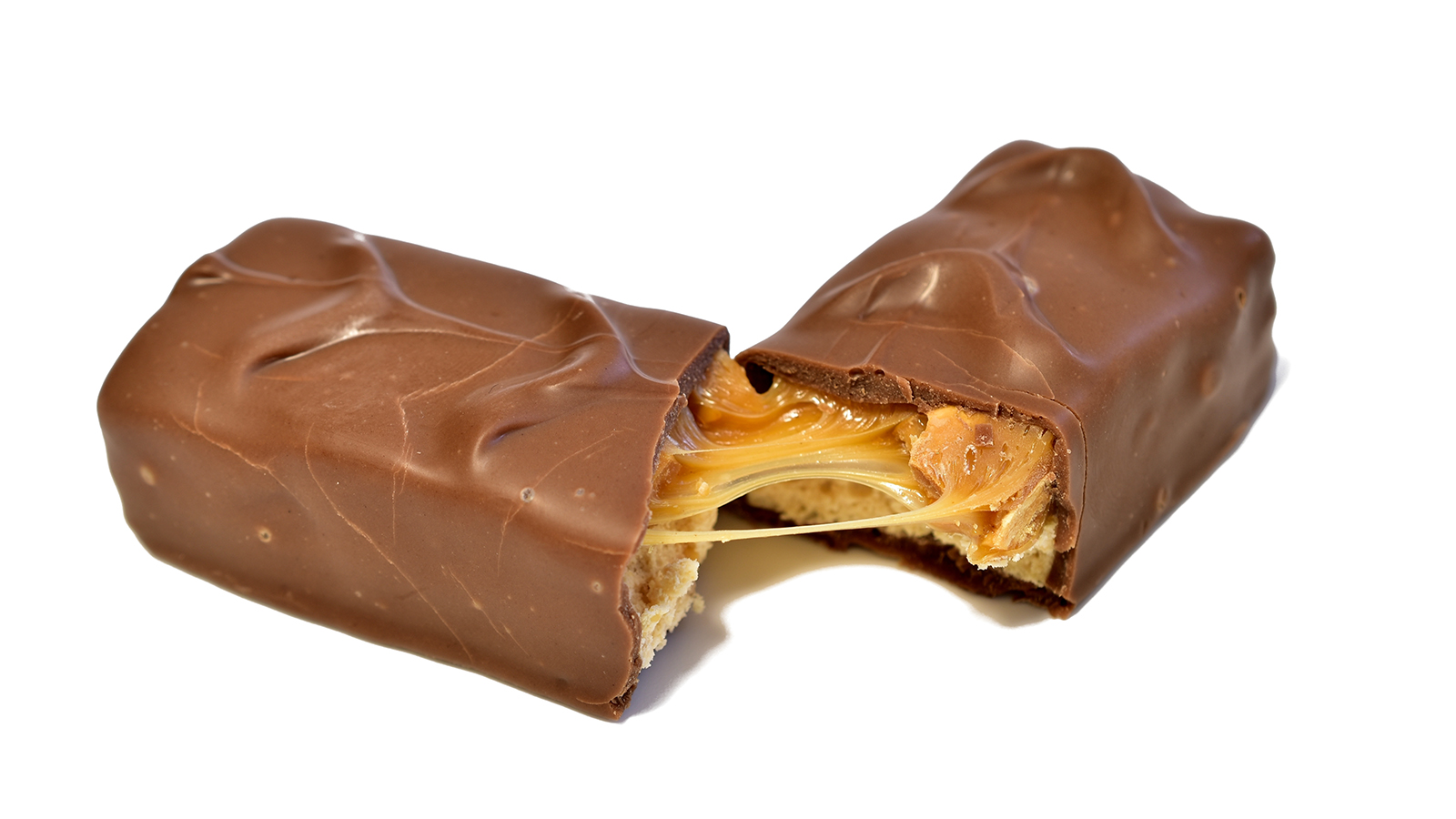
Wig Wag may be one of the most visually memorable lost Canadian chocolate bars. Instead of a neat rectangular slab, it featured intertwined or lattice-like strands of chewy caramel covered in chocolate. The unusual structure made eating one slightly messy and sometimes hazardous for loose dental work, a detail that appears repeatedly whenever Canadians reminisce about the bar.
Mackintosh marketed Wig Wag in Canada during the 1970s, and the bar eventually vanished from regular Canadian distribution. Its closest surviving relative is Cadbury’s Curly Wurly, an imported British confection that uses a similar combination of stretched caramel and chocolate. Canadian retailers have even described Curly Wurly as the treat formerly known to Canadians as Wig Wag. Interestingly, the Wig Wag trademark has attracted renewed Canadian interest in recent years, including a later registration associated with the business behind other nostalgic candy brands. None of that has restored Wig Wag to the ordinary Halloween candy aisle, however. For most Canadians who remember it, the original survives as a strangely shaped piece of childhood rather than a product routinely dropped into today’s treat bags.
Bar Six
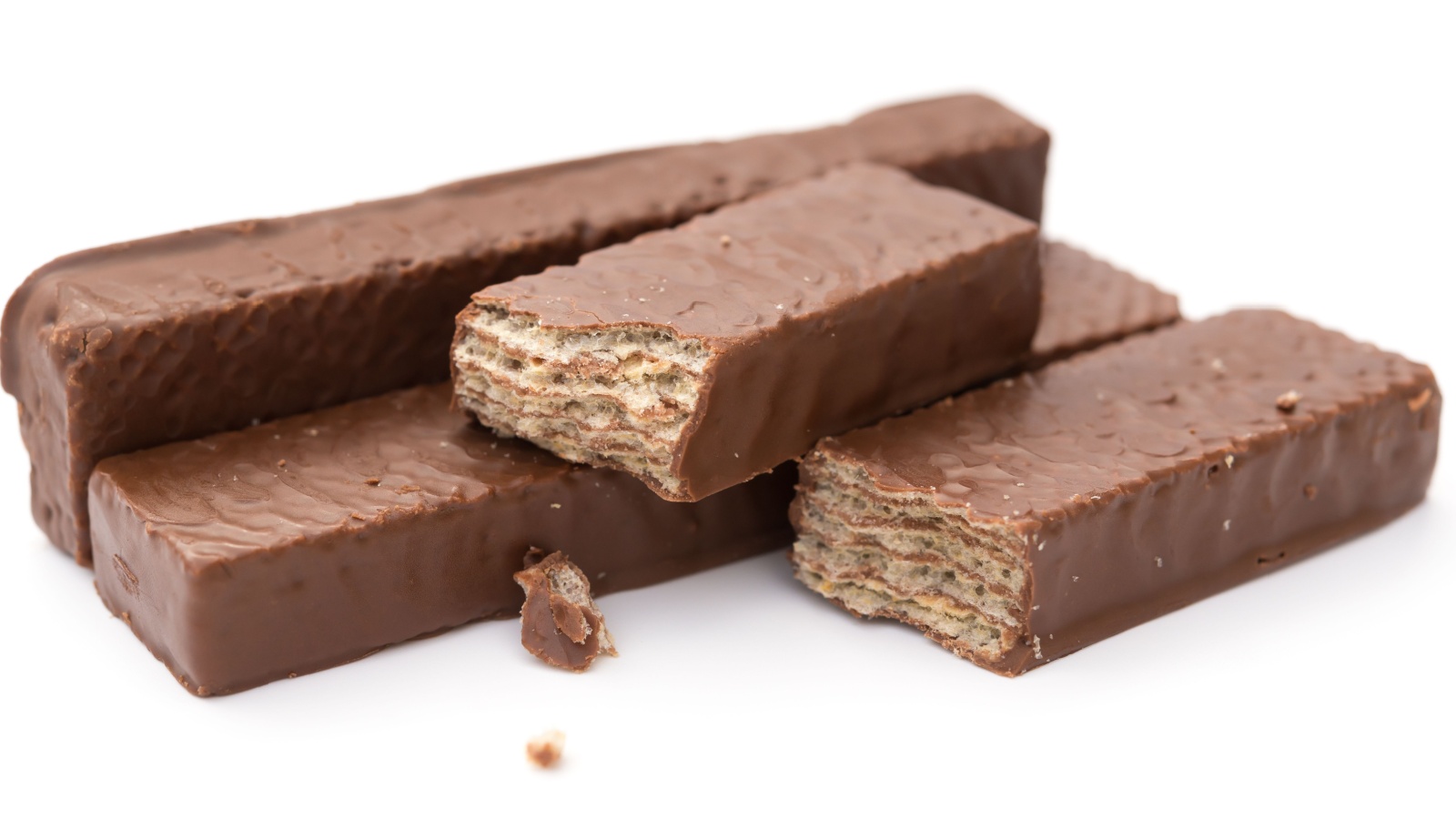
Bar Six offered a format that seems almost designed for children who wanted to stretch a chocolate treat as long as possible. Cadbury divided the bar into six individual wafer sections, with chocolate and hazelnut-flavoured filling creating a crisp, layered texture. Breaking off the pieces one at a time made the name instantly understandable and differentiated it from the solid bars sharing the candy rack.
The product was not an obscure Canadian experiment. A 1968 Canadian trade publication described a major Bar Six promotion in Calgary that generated more than 10,000 contest entries and had to be cut short because sales exceeded available supply. That provides unusually strong evidence of how visible the bar once was in Canada. Despite that early success, Bar Six ultimately disappeared from the Canadian market, with later records listing it among Cadbury’s discontinued Canadian products. Decades later, the six-section bar is far less recognizable than Caramilk or Crunchie, yet Canadians who encountered it in corner stores and assorted candy collections often remember the distinctive format immediately.
Neilson Liquid Four Flavours
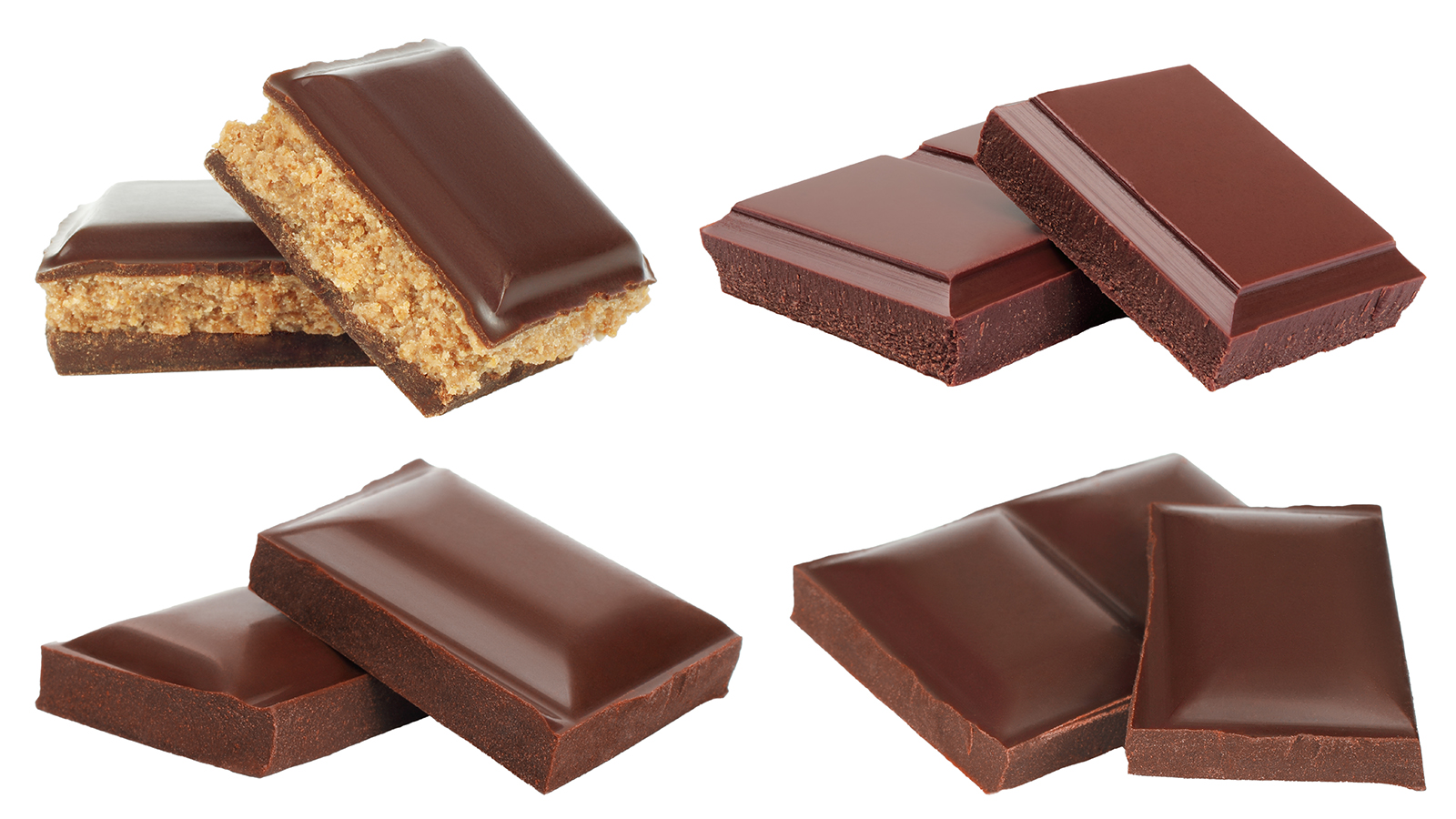
Neilson’s Liquid Four Flavours was effectively a miniature box of filled chocolates compressed into a single bar. Instead of every segment tasting the same, the chocolate contained several different soft centres. That element of uncertainty became part of the ritual: a child could work through the pieces to reach a preferred filling or save a favourite section until the end.
The bar appears repeatedly in Canadian recollections of 1960s and 1970s candy counters, with former customers describing bicycle trips, collected pop bottles and carefully spent pocket change devoted to buying one. Unlike products whose disappearance has a neatly documented corporate announcement, Liquid Four Flavours faded from the mainstream after Neilson’s confectionery business changed hands. Its nostalgic value is strong enough that a Canadian company later registered a “Canadian Candy Nostalgia Liquid 4 Flavours” trademark for confectionery products. That trademark activity shows the name still carries commercial memory even without the original bar returning to every corner store. In modern Halloween bags, the idea of four different filled chocolates inside one small bar has essentially vanished with it.
Maple Buds
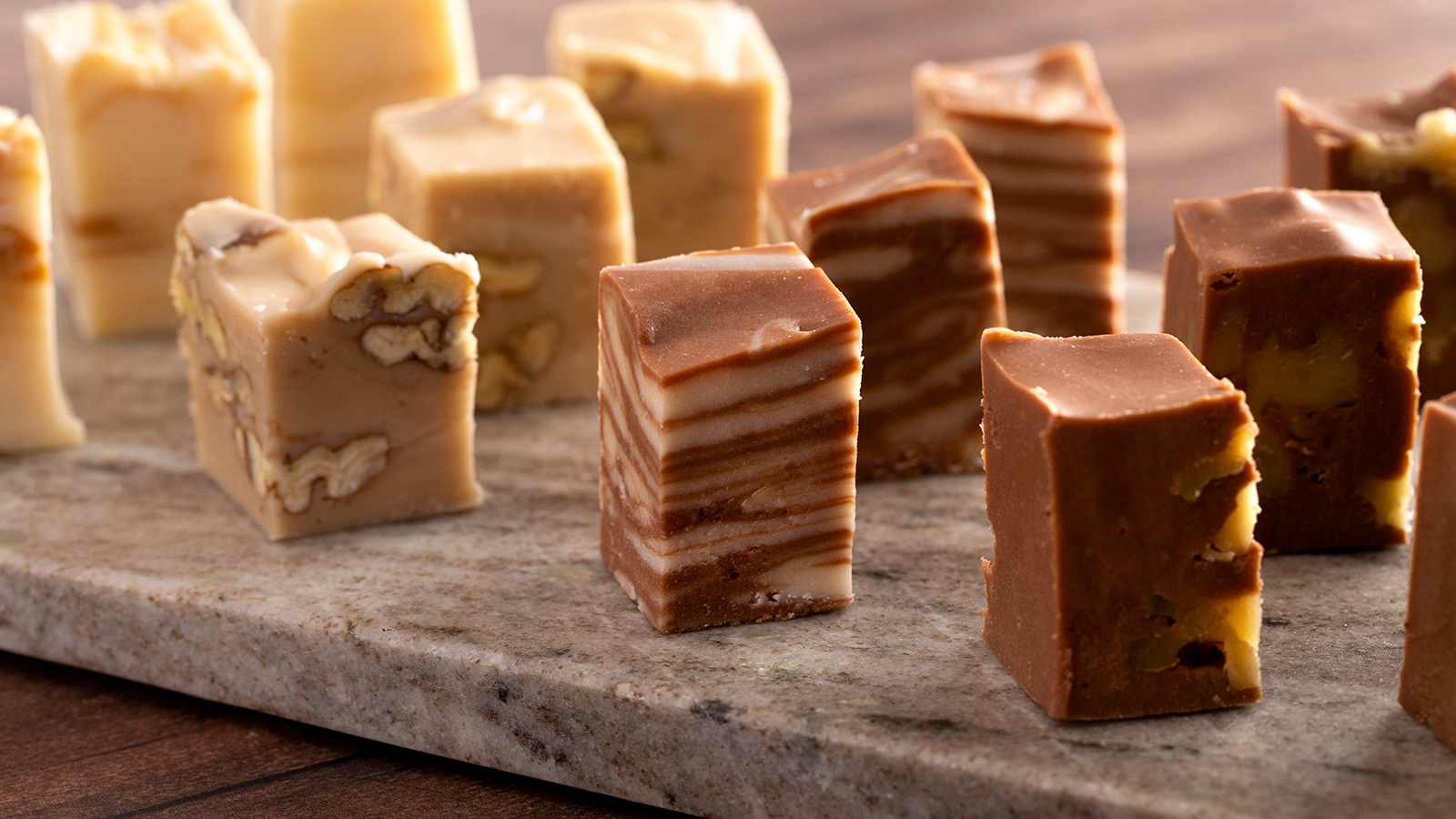
The name Maple Buds can be slightly misleading to anyone encountering it for the first time. These were not simply maple-flavoured candies. Canadian trademark records describe Maple Buds as small chocolate confectionery pieces, with documented Canadian use going back to 1920. Over generations, the small chocolates became one of those inexpensive treats associated with Canadian drugstores, bulk counters and family candy dishes.
The original trademark eventually became inactive, and Maple Buds largely disappeared from the mainstream market that had sustained them. That long absence helped transform a once-ordinary product into a nostalgia item. More recently, Canadian retro-candy distributor Jimmy Zee’s and Candy Time have brought Maple Buds back as part of an effort to revive familiar Canadian confectionery names. The new availability is welcome for people who missed them, but it also underscores how thoroughly the original had disappeared. A child collecting Halloween candy today is still far more likely to encounter globally dominant mini chocolate bars than a package of Maple Buds, despite the brand’s unusually long Canadian history.
Rosebuds
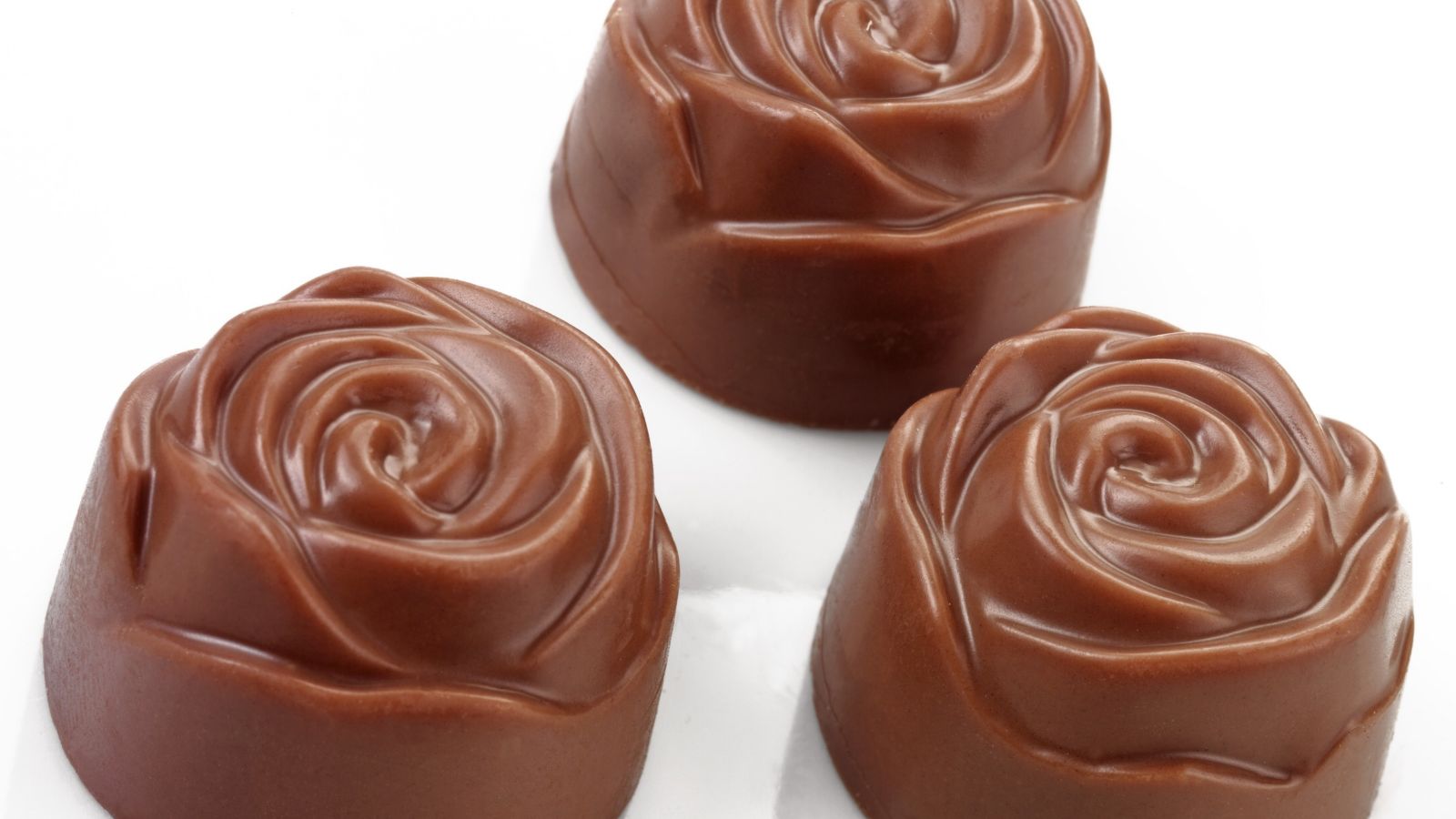
Rosebuds were another example of simple chocolate becoming memorable through shape and presentation rather than complicated ingredients. The small rose-shaped chocolates appeared in Canadian stores for decades, often sold in boxes or larger confectionery packs. Newspaper advertising from the late 1970s shows Neilson Rosebuds being sold alongside macaroons, wafers, caramels and other inexpensive chocolates familiar to Canadian families.
As with Maple Buds, Rosebuds gradually stopped being an everyday presence. For people who remember them from childhood, the surprise is often not that the product was elaborate but that something so basic could disappear at all. Canadian confectionery companies have recently attempted to reverse that loss. Candy Time registered a Rosebuds trademark, while Canadian retro retailers have begun promoting newly made versions as the return of a Canadian classic. That revival gives Rosebuds a second life, yet it does not recreate their former ubiquity. The original appeal came from not having to hunt for them. They were simply there—in candy dishes, stores and occasionally treat collections—until one generation eventually realized they were not.
Neilson Malted Milk

Neilson Malted Milk was substantial enough to compete with the heavier chocolate bars of its era. The Canadian bar combined a malted nougat-style centre with caramel and chocolate, creating a flavour profile distinct from straightforward peanut or wafer bars. It had enough staying power that George Weston’s 1985 annual report specifically referred to the repositioning of Neilson chocolate-bar products including Malted Milk.
Years before that corporate mention, Malted Milk had already found a place in Halloween marketing. Shoppers Drug Mart included it in Neilson assorted bars promoted for Halloween in 1979, meaning Canadian households could purchase it specifically for trick-or-treat distribution. The bar survived ownership changes but did not ultimately retain a permanent place in the market, and it is now listed among discontinued Canadian Cadbury products. That makes Malted Milk a particularly good example of how Halloween assortments evolve. A name once common enough to appear in mass-market seasonal packaging can disappear so completely that younger Canadians may never have heard of it, even while several of its former shelf neighbours remain widely sold.
Neilson Pep
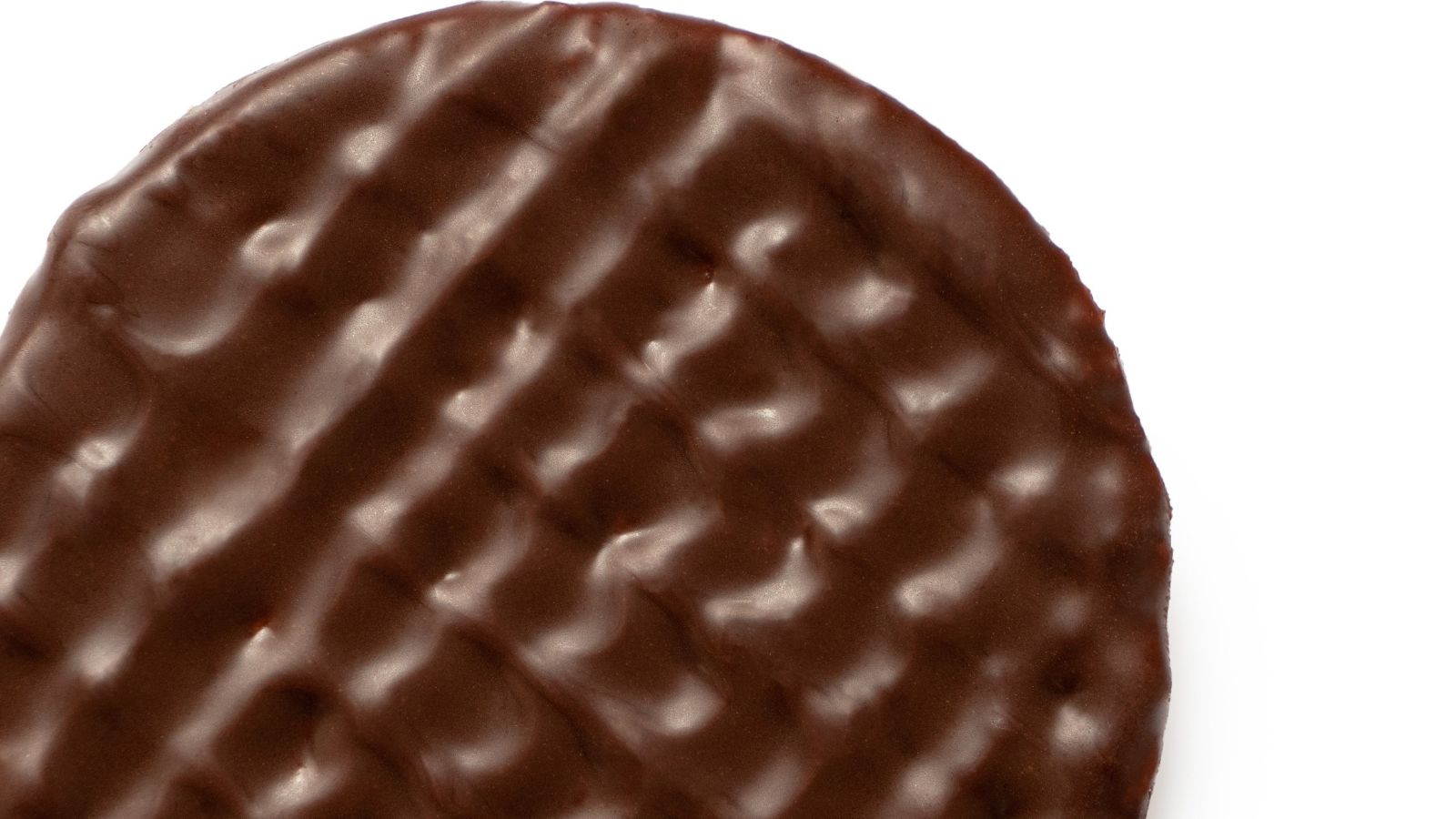
Pep belonged to a category that still exists but looks very different on Canadian shelves today: the compact chocolate-and-mint treat. The Canadian confection paired dark chocolate with a peppermint cream filling, giving it a sharper flavour than the caramel-heavy bars that dominated many children’s Halloween piles. For mint-chocolate fans, finding one among a collection of ordinary bars could provide a welcome change.
Neilson’s Pep eventually became associated with Cadbury as ownership of Canadian confectionery brands shifted. The name appears in historical chocolate-brand references and is now included among Cadbury products discontinued in Canada. Unlike Coffee Crisp or Crispy Crunch, Pep did not retain enough mainstream visibility to survive into the modern mini-bar era. That absence is particularly noticeable because peppermint chocolates themselves have never disappeared; Canadians can still buy After Eight, York-style patties and numerous seasonal mint products. What vanished was this particular Canadian format and name. Pep therefore represents a common pattern in candy history: the flavour survives, but the specific wrapper that once made it part of childhood Halloween sorting sessions does not.
Golden Buds
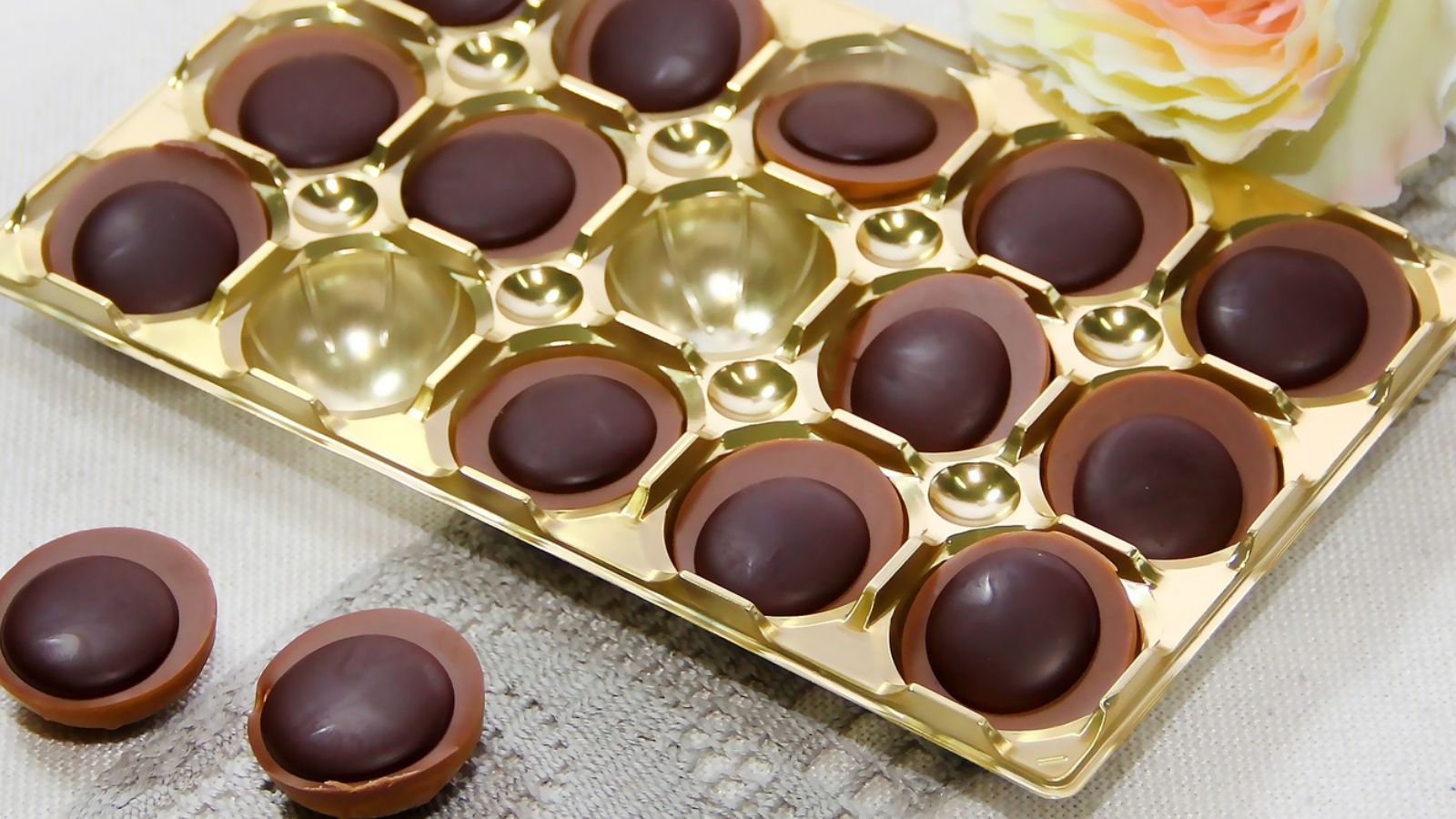
Golden Buds were part of Neilson’s once-expansive family of boxed and bagged chocolates. They were small milk-chocolate pieces related in spirit to other “bud” chocolates, sold in inexpensive Will-O-Pak packaging that regularly appeared in Canadian newspaper advertisements. In 1986, for example, Newfoundland retailers advertised 200-gram Neilson packs containing Golden Buds alongside Macaroons, Will-O-Crisp and Slowpokes for $1.39.
That ordinary pricing and presentation are important to the nostalgia. Golden Buds were not marketed as premium chocolates requiring a special occasion. They were affordable sweets that could turn up in family cupboards, at drugstores or among seasonal treats. The Neilson-branded version eventually disappeared from normal retail circulation without the sort of national farewell that accompanied more recent discontinuations. Today the name appears far more often in Canadian nostalgia discussions than in supermarket candy aisles, with former customers still calling for their return. They demonstrate how a product does not need a dramatic cancellation announcement to disappear; sometimes distribution simply shrinks until an entire generation realizes a familiar box has quietly stopped showing up.
Slow Pokes
Slow Pokes were another member of the Neilson Will-O-Pak family, giving Canadian shoppers an inexpensive alternative to individually wrapped premium chocolates. Historical retail advertisements place Slow Pokes beside Golden Buds, Macaroons and Will-O-Crisp through the 1980s. The product was a cluster-style chocolate treat associated with the caramel-and-nut end of the confectionery spectrum, making it a richer choice than a simple chocolate bud.
For families buying candy in bulk or inexpensive boxes, products such as Slow Pokes could easily become part of seasonal snacking even when they were not sold in today’s standardized “fun size” format. What makes Slow Pokes notable now is the absence of a clear final moment. There was no widely publicized retirement campaign. The Neilson packs simply stopped being routine Canadian retail products. Recent nostalgia discussions still feature people asking whether the chocolates exist and remembering the distinctive boxes. That kind of disappearance can feel stranger than an announced discontinuation because there is no precise date to attach to the memory—only the realization that the candy aisle changed while nobody was paying much attention.
Cool Mints
Cool Mints once gave Neilson another way to serve Canadians who preferred mint with their chocolate. Historical retail advertisements from the early 1980s repeatedly place Cool Mints inside the company’s Will-O-Pak assortment, alongside names such as Golden Buds and Slow Pokes. The packaging made them easy, inexpensive chocolates for sharing rather than a premium after-dinner confection reserved for adults.
The important distinction is that mint chocolate did not go out of fashion when Cool Mints disappeared. Quite the opposite: mint remains a dependable seasonal flavour, particularly around Christmas, and established brands continue selling thin mints, peppermint patties and filled chocolates. The Neilson name simply faded from that part of the market. Canadians discussing discontinued snacks still single out Cool Mints decades after the old advertisements stopped appearing, suggesting that the product left a larger memory than its modest format might imply. In a contemporary Halloween haul packed with miniature versions of global brands, a Neilson Cool Mint would now look like an artifact from a completely different Canadian candy aisle—one dominated by domestic assortments that have mostly vanished.
Coconut Fingers
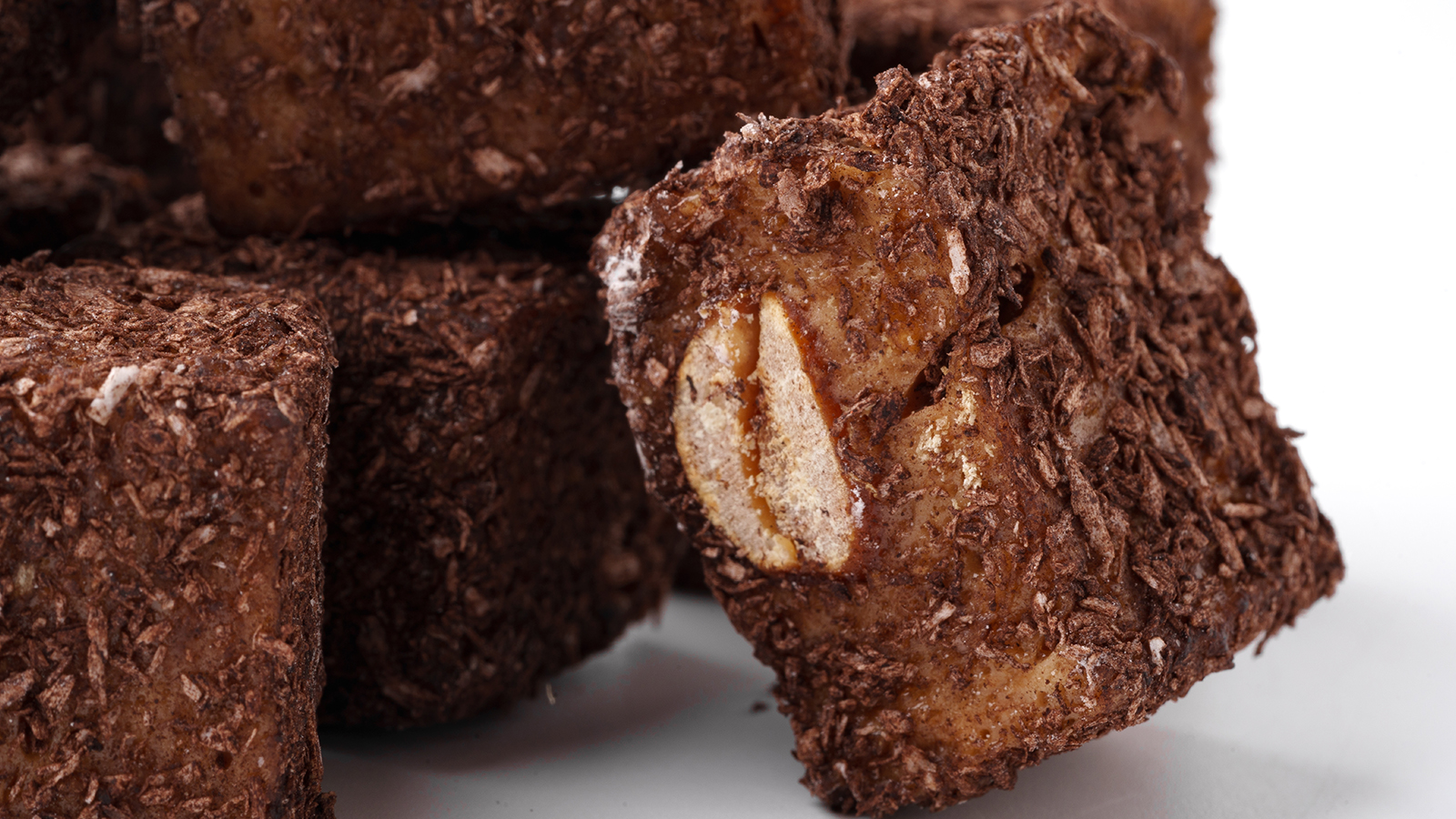
Coconut Fingers were a straightforward combination that once needed little explanation: coconut and chocolate presented in an easy-to-share confectionery format. Neilson sold the product as part of a much broader range than most Canadians associate with the company today. Period retail advertising shows Coconut Fingers appearing among the inexpensive chocolate packs available from Canadian stores during the era when Neilson maintained multiple small confectionery lines.
That broad assortment gradually narrowed. The Neilson-branded Coconut Fingers familiar to older shoppers are no longer a regular national grocery-store product, even though other companies continue to make coconut-filled chocolates under different names. This is another case where the flavour survived while the familiar Canadian package did not. Recent Canadian discussions about vanished snacks still mention Coconut Fingers alongside Macaroons, Will-O-Crisp and other Neilson products, often with people wondering why so many disappeared together. The answer lies partly in consolidation: as confectionery businesses changed ownership, smaller brands had to compete for shelf space against stronger national and international names. A treat once inexpensive enough to seem permanent eventually became surprisingly difficult to replace exactly.
Will-O-Crisp
For Canadians who liked peanut butter and crunch, Will-O-Crisp filled a niche that today’s candy aisle still serves—but under different brands. Historical confectionery references describe the Neilson product as a crispy peanut-butter centre covered in a chocolatey coating. Its distinctive name appeared repeatedly in Will-O-Pak advertising, including a 1986 Newfoundland promotion that sold it alongside Golden Buds, Macaroons and Slowpokes.
The treat developed enough of a following that its disappearance remains a frequent subject in Canadian nostalgia communities. Photographs of the old package can trigger remarkably specific memories of texture, flavour and even the damage a sticky or crunchy candy could do to dental fillings. There may also be another chapter ahead: Canadian retro-candy distributor Jimmy Zee’s has promoted a planned “Willowcrisp” revival alongside its efforts to resurrect other classic chocolates. Whether a revived version can reproduce the exact memory is another question. The original Neilson product has been gone from mainstream shelves long enough that finding one in a modern Halloween bag would still feel less like receiving ordinary candy and more like discovering a time capsule.
Clodhoppers
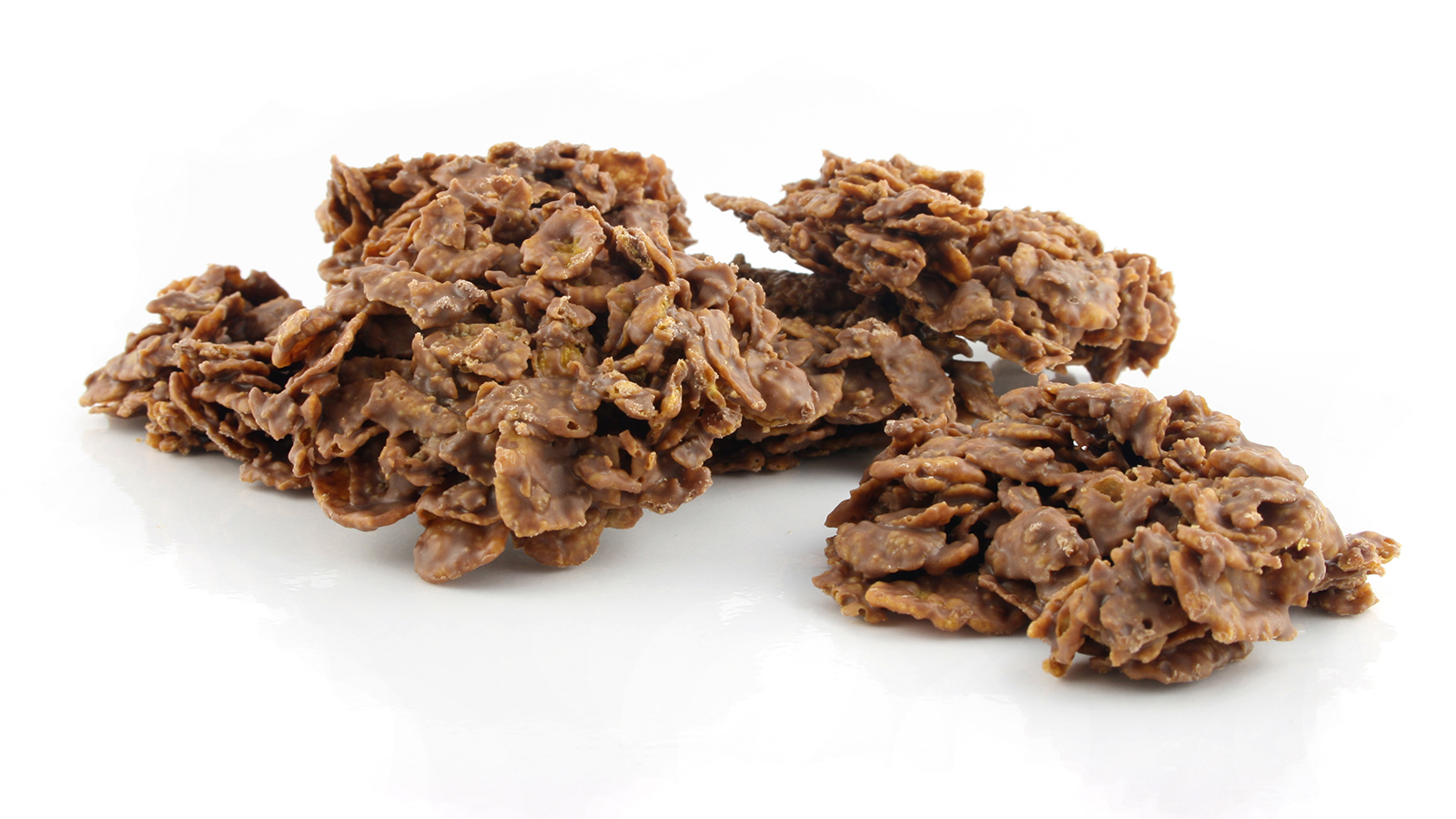
Clodhoppers belong to a more recent generation of Canadian nostalgia. The crunchy, chocolate-coated graham clusters were created in Winnipeg after entrepreneurs Chris Emery and Larry Finnson adapted a family treat made by Emery’s grandmother, Edith Baker. Krave’s Candy began producing the confection commercially in 1996, and Clodhoppers eventually reached major Canadian retailers including Shoppers Drug Mart and Safeway while expanding into the United States.
The founders sold the company in 2006, and the brand later moved through Brookside Foods to Hershey Canada. Production of the familiar Clodhoppers was discontinued in 2012, leaving Canadians who grew up in the late 1990s and 2000s wondering why the bags suddenly vanished. The original creators went on to build OMG’s, another Winnipeg-made chocolate cluster product, but fans have repeatedly noted that it is not exactly the same confection. Even in 2026, Canadian nostalgia discussions still attract substantial responses when Clodhoppers are mentioned. For millennials especially, their disappearance can feel as significant as an older generation losing a favourite Neilson bar.
Astros
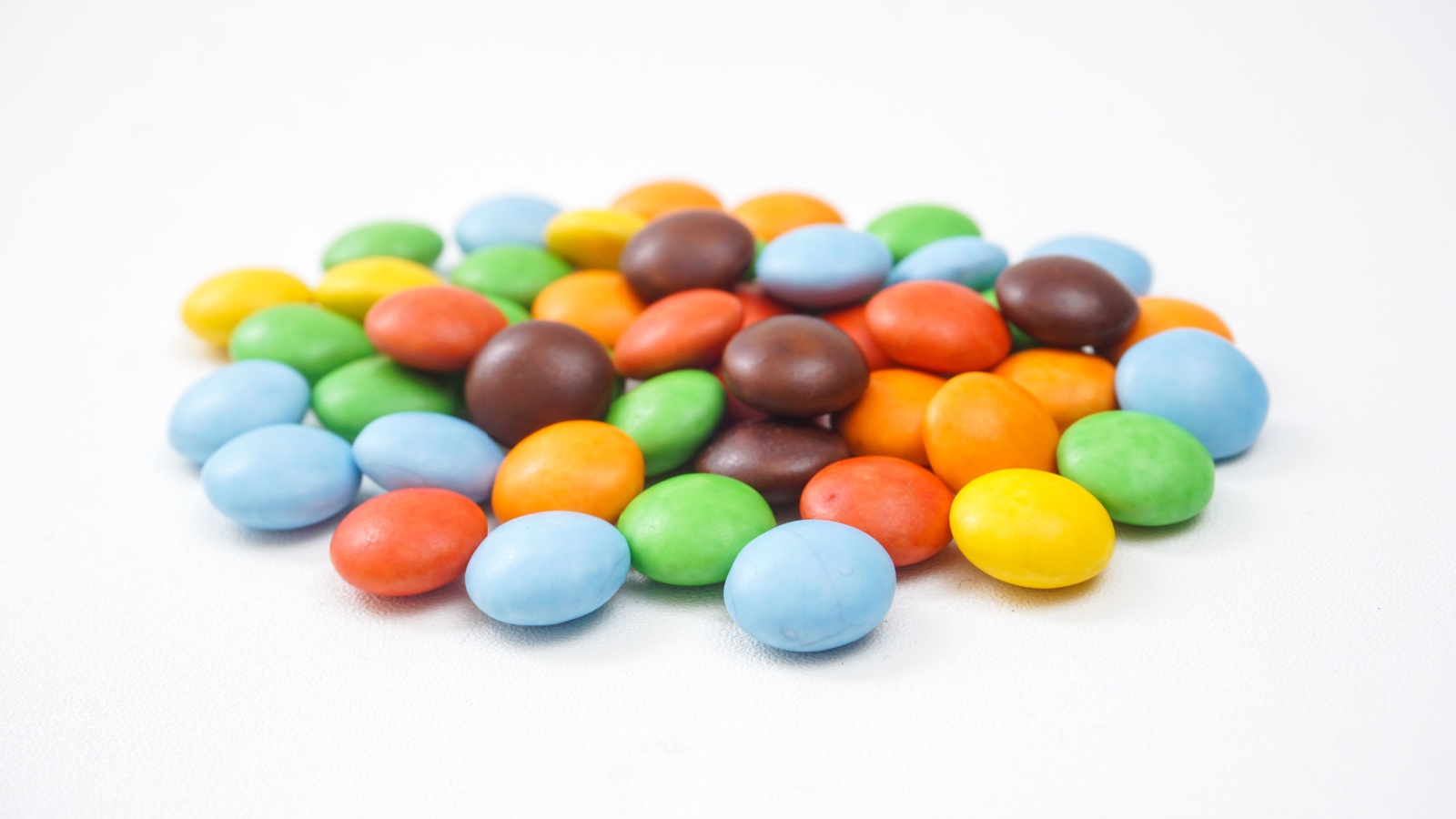
Astros arrived during the intensely competitive candy market of the late 1990s. Cadbury launched the product in 1997 in several countries, including Canada, positioning the colourful pieces against established candy-coated chocolates. Each Astro contained a crunchy biscuit centre covered in chocolate and a bright candy shell, meaning the eating experience sat somewhere between Smarties and a tiny chocolate-covered cookie.
That formula was distinctive enough to be remembered, but not enough to secure a permanent place in the Canadian market. Cadbury eventually discontinued Astros in Canada, even though the brand survived in South Africa. Canadian consumers can occasionally find imported South African Astros through specialty retailers, but that is very different from encountering the product casually at a Canadian convenience store or in a Halloween collection. Their disappearance illustrates how quickly a heavily promoted 1990s candy can fall out of the mainstream. Smarties and M&M’s remained entrenched, while Astros became the answer to a nostalgic question: what were those little colourful chocolates with the crunchy biscuit hiding in the middle?
Time Out
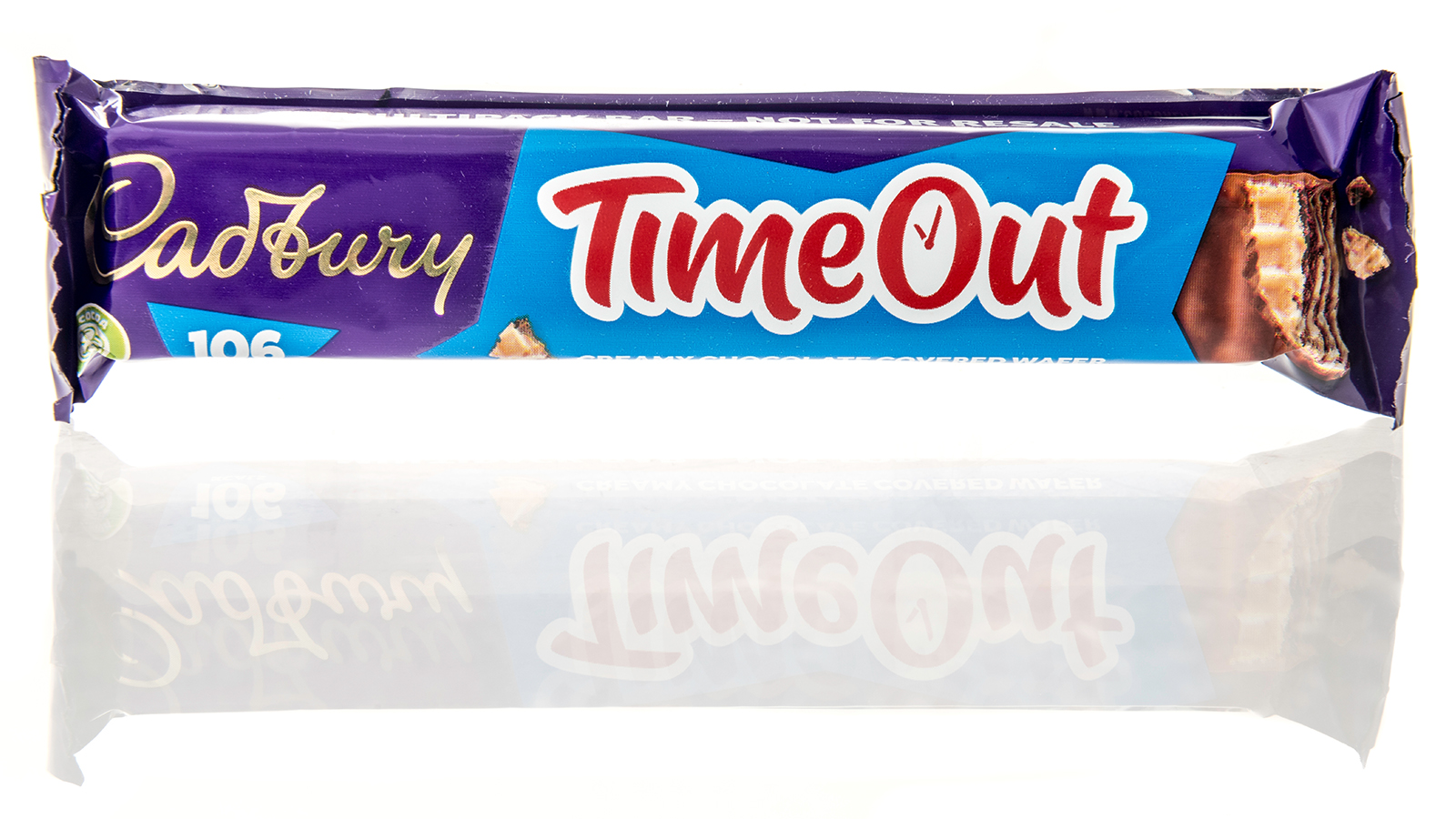
Cadbury Time Out had only a relatively brief Canadian window, which may be exactly why memories of it can feel unusually specific. The bar used crisp wafers and a layer of textured chocolate beneath a milk-chocolate coating, producing something lighter than many caramel-and-nougat competitors. Originally introduced overseas in the 1990s, Time Out was launched in Canada in 2001 as Cadbury expanded the product into additional markets.
The Canadian experiment did not last. Contemporary reporting on Cadbury’s later restructuring of Time Out noted that the bar was removed from Canada only a few years after its introduction. The original format itself was eventually withdrawn in several countries as sales declined, although a revised Time Out product continued in Britain. Canadian specialty import stores can still occasionally offer British versions, but that does not restore the bar to the Canadian mainstream. For children who happened to encounter Time Out during its short run, the wrapper represents a narrow slice of early-2000s candy culture—brief enough to disappear, yet memorable enough to make an unexpected photograph of the old bar instantly recognizable.
16 Costco Canada Habits That Could Be Costing Shoppers More Than They Save

The Executive Membership can feel like an obvious upgrade because the 2% annual reward sounds straightforward. For households that spend heavily at Costco Canada, the extra fee may be easy to justify. But the habit becomes costly when shoppers upgrade first and calculate later. A Gold Star Membership costs less, while Executive costs more and only pays off if eligible annual spending is high enough to offset the difference.
16 Costco Canada Habits That Could Be Costing Shoppers More Than They Save
