
Illness rarely arrives at a convenient time. One child starts coughing after dinner, another wakes with a fever, and suddenly the household realizes the thermometer has a dead battery, the medicine expired last spring, and nobody wants to make a late-night pharmacy run. Canadian families cannot prevent every cold, flu, stomach bug, COVID-19 infection or case of RSV, but a modest supply of useful essentials can make the first few days much easier to manage.
These 17 things Canadian families should have at home before everyone gets sick cover symptom monitoring, hydration, comfort, safer medication use and ways to reduce household spread. None replaces medical care when symptoms are severe, but having them ready can make an ordinary sick day considerably less chaotic.
A Reliable Digital Thermometer

A thermometer is one of the simplest pieces of health equipment a household can own, yet it becomes surprisingly important once someone starts feeling ill. Feeling a forehead with a hand may suggest that someone is warm, but it does not provide the objective temperature information that can help families monitor a fever. HealthLink BC notes that temperature can be measured in several ways, including orally, under the arm, in the ear and rectally, with the appropriate method depending partly on age.
A working digital thermometer is especially useful in households with children because caregivers may need to describe temperature readings when speaking with a pharmacist, nurse or doctor. The practical preparation is straightforward: keep the thermometer where everyone can find it, understand how that particular model is used and make sure its batteries still work. Families with very young babies should be particularly cautious about fever and seek professional advice when appropriate rather than relying only on home treatment.
Single-Ingredient Acetaminophen

Acetaminophen can be useful for relieving fever-related discomfort and pain, which makes it a reasonable medicine to have available before a respiratory virus arrives. The important phrase, however, is single ingredient. Acetaminophen is also included in many combination cold and flu products, creating the possibility that someone could accidentally take more than intended by using several medications containing the same active ingredient.
That concern becomes particularly important with children. Health Canada advises caregivers to use the dosage appropriate for a child’s age or weight, follow the product instructions and avoid exceeding the recommended amount. Different children’s formulations may also contain different concentrations. Keeping the medication in its original packaging makes the label and strength easier to confirm during a tired 2 a.m. dose. Families should periodically check expiry dates as well. Acetaminophen can be very useful when taken correctly, but excessive doses can cause severe liver injury, so more medicine should never be assumed to mean faster relief.
Ibuprofen for Households Where It Is Appropriate

Ibuprofen is another commonly used option for reducing fever and relieving pain, and it also has anti-inflammatory effects. Having it available gives some households another symptom-management option, but it is not interchangeable with acetaminophen in every situation. HealthLink BC advises that ibuprofen should not be given to children younger than six months without first speaking with a health-care provider. Product instructions, age restrictions and individual medical conditions all matter.
Hydration matters too. HealthLink BC specifically cautions against giving ibuprofen to a child when dehydration is a concern. That can become relevant during a stomach illness involving repeated vomiting or diarrhea. People with certain kidney, liver, gastrointestinal or bleeding problems may also need to avoid non-steroidal anti-inflammatory drugs or obtain medical advice before using them. Families should therefore think of ibuprofen as a useful option rather than a universal sick-day remedy, and it should remain in its labelled container with the instructions readily available.
Oral Rehydration Solution

A respiratory infection can reduce appetite, but a vomiting-and-diarrhea illness creates a different challenge: replacing both fluid and electrolytes. Keeping commercially prepared oral rehydration solution in the cupboard can be extremely useful, particularly in homes with young children. These products are formulated to replace water and important salts lost through diarrhea and vomiting, making them different from ordinary soft drinks, juice or many sports beverages.
HealthLink BC identifies dehydration as one of the major complications of gastroenteritis and foodborne illness, particularly for children and older adults. Small, frequent sips may be easier to tolerate than trying to drink a large glass at once when nausea is present. Families should check storage directions and expiry dates before illness strikes rather than discovering an unusable container during the night. Severe dehydration, inability to keep fluids down, unusual sleepiness or other concerning symptoms warrant medical attention; oral rehydration solution is useful home support, not a substitute for evaluation when someone is seriously ill.
Plenty of Easy-to-Reach Fluids

A well-stocked medicine cabinet cannot make up for an empty kitchen when several people are feverish and exhausted. Water and other suitable caffeine-free fluids are worth having readily available because fever, vomiting, diarrhea and reduced intake can all contribute to dehydration. HealthLink BC recommends plenty of fluids during colds and influenza and emphasizes fluid replacement during gastroenteritis. That makes hydration one of the least glamorous but most consistently useful parts of a household sick-day plan.
There does not need to be a shelf full of specialty beverages. Water can do much of the work during uncomplicated respiratory illness, while clear soups or other tolerated fluids can add variety when someone has little appetite. Oral rehydration products become more important when substantial gastrointestinal fluid losses occur. People who have been medically advised to restrict fluids because of heart, kidney or liver disease should follow their clinician’s guidance rather than automatically increasing intake. For everyone else, having drinks within reach can eliminate another unnecessary errand when the household is already struggling.
Simple Foods That Require Almost No Preparation

Illness often produces an awkward combination of low appetite and low energy. That is why a small supply of foods requiring little preparation can be more valuable than an ambitious refrigerator full of ingredients. Crackers, oatmeal, rice, soup and other familiar foods that household members normally tolerate can provide something manageable when cooking an ordinary dinner feels unrealistic. The goal is not to create a rigid “sick diet,” but to make eating possible as appetite begins to return.
HealthLink BC advises people recovering from gastroenteritis or foodborne illness to resume food in small amounts as they feel able, rather than assuming they must avoid eating for an extended period. Canada’s emergency-preparedness guidance also recommends maintaining non-perishable food that can be used when normal routines are disrupted. Families with infants or members who have medical dietary requirements need to plan more specifically. A few low-effort foods chosen before illness arrives can prevent the familiar situation in which the only available meal requires an hour of cooking from someone who can barely leave the couch.
Saline Nasal Spray or Drops

Nasal congestion can make a relatively ordinary cold feel miserable, particularly at bedtime. Commercial saline nasal spray or saline drops provide a medication-free option that can help moisten dry nasal passages and loosen or clear mucus. HealthLink BC recommends saline nasal washes as one way of keeping nasal passages open during a cold, while Health Canada-licensed saline products are marketed for moisturizing dry or stuffy nasal passages and helping remove mucus.
The advantage is simplicity. Saline does not contain the active decongestant ingredients found in medicated nasal sprays, which can have additional restrictions and may cause problems if overused. Families should still follow the product instructions, select an age-appropriate product and avoid sharing the same nasal applicator among several people, since a contaminated nozzle can potentially spread infection. Keeping a separate bottle for a child who frequently becomes congested is far more practical than searching for one after bedtime when a blocked nose is preventing everyone from sleeping.
Honey for Coughs — But Never for Babies Under One

A jar of ordinary honey can double as a simple cough-comfort measure for older children and adults. HealthLink BC notes that honey in warm water or tea may help soothe a dry cough. Research reviewed by Cochrane has also found that honey probably reduces children’s acute cough symptoms compared with no treatment or placebo, although the evidence is not strong enough to treat honey as a cure or a replacement for appropriate medical assessment.
There is one critical age restriction: honey should never be given to a child younger than one year because of the risk posed by bacteria that can cause infant botulism. For older family members, its usefulness is mostly about comfort. A spoonful of honey or some mixed into a warm drink may make an irritated throat more tolerable at bedtime. Families should still pay attention to breathing difficulty, persistent or worsening symptoms, or concerning illness in very young children. A soothing pantry item should never delay professional care when the cough itself is signalling something more serious.
A Good Supply of Tissues and Paper Towels
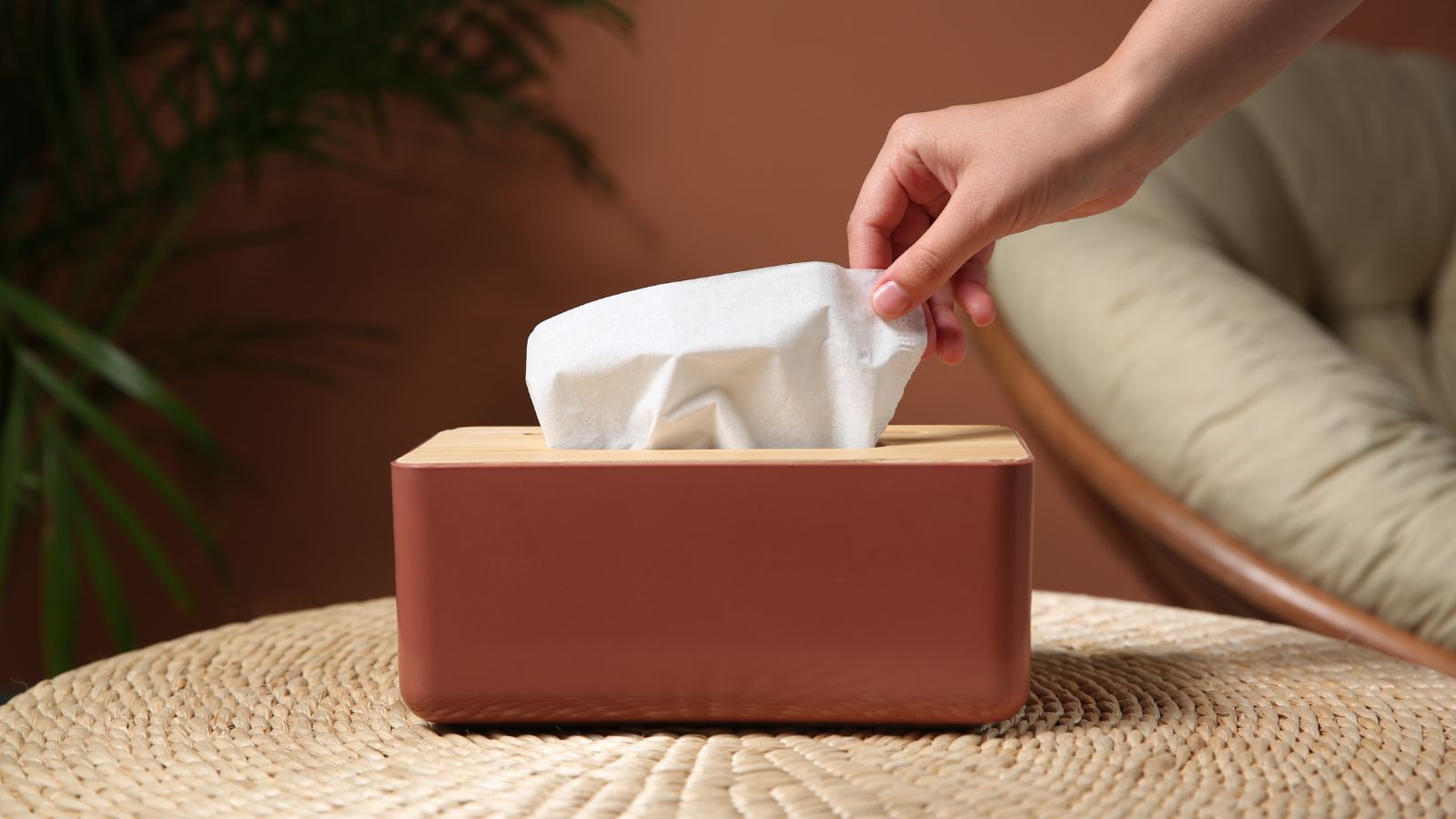
Tissues sound almost too obvious to deserve a place on a preparedness list until several family members develop runny noses at once. The Public Health Agency of Canada recommends covering coughs and sneezes with a tissue or the elbow rather than the hands. Used tissues can then be discarded, followed by hand cleaning. That simple routine helps keep respiratory secretions off hands that will soon touch phones, remote controls, taps, door handles and kitchen surfaces.
Paper towels can also be useful when a household is caring for someone who is ill because disposable cleaning materials reduce the need to keep reusing a damp communal cloth. Federal guidance for caring for someone sick with COVID-19 specifically lists tissues and disposable paper towels among useful home supplies. Families do not need to hoard them; having a reasonable unopened backup package is enough. What matters is avoiding the moment when the final tissue disappears while three people still have congested noses and nobody feels well enough to visit a store.
Well-Fitting Masks or Respirators

Masks may no longer be part of every Canadian family’s daily routine, but keeping a small supply at home remains practical. Federal public-health guidance recommends a well-fitting respirator or mask in situations where respiratory infections are more likely to spread, including when an ill person must enter a shared or public setting. At home, masks can also provide another layer of protection when an infected person needs to be close to family members.
Fit and quality matter. Public-health guidance generally favours the best-quality, best-fitting respirator or mask available, with examples including N95 and KN95 respirators. That can be particularly useful when a household includes an older adult, an immunocompromised person or someone at increased risk from respiratory illness. Masks work best as part of a broader strategy that can include ventilation, staying home while sick and hand hygiene. Keeping several adult and appropriately sized child options together means families are not searching for a mask only after someone has developed symptoms.
Ordinary Hand Soap
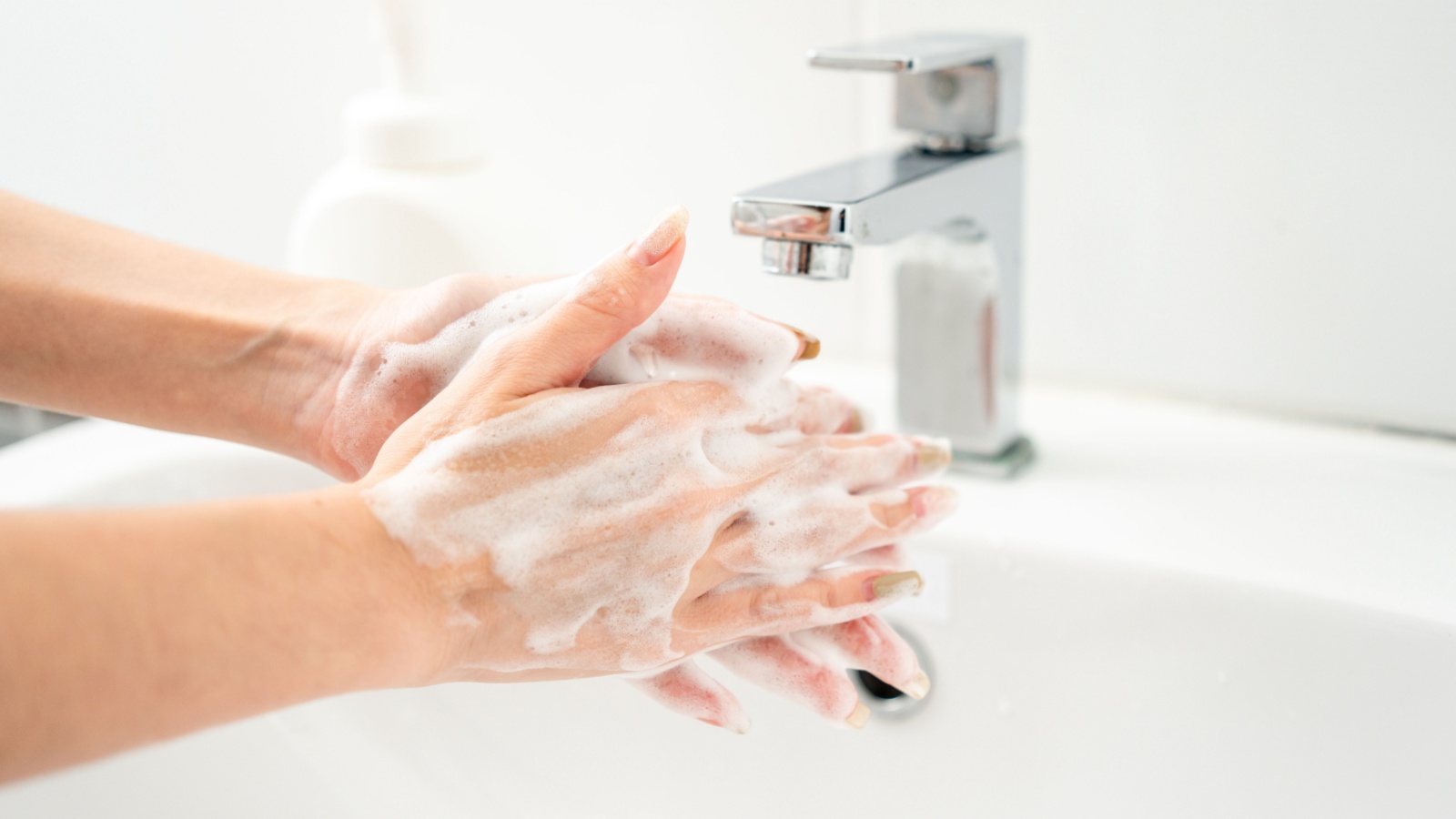
Some of the most useful infection-control supplies are already found beside the kitchen or bathroom sink. The Public Health Agency of Canada recommends washing hands with soap and water for at least 20 seconds as a way to reduce the spread of infectious diseases including influenza, COVID-19, RSV and gastroenteritis. Soap becomes particularly important after coughing, sneezing, blowing the nose, using the toilet or caring for someone who is sick.
A household with one half-empty dispenser and no refill can quickly discover how much soap disappears during a week of illness. Keeping an unopened refill or extra bar soap available is inexpensive preparation. Proper technique matters more than buying an elaborate antibacterial product: wet the hands, apply soap, rub all hand surfaces thoroughly, rinse and dry them. Soap and water are also preferred when hands are visibly dirty. During stomach illnesses such as norovirus, careful handwashing becomes particularly important, especially after bathroom use and before handling food.
Hand Sanitizer With at Least 60% Alcohol
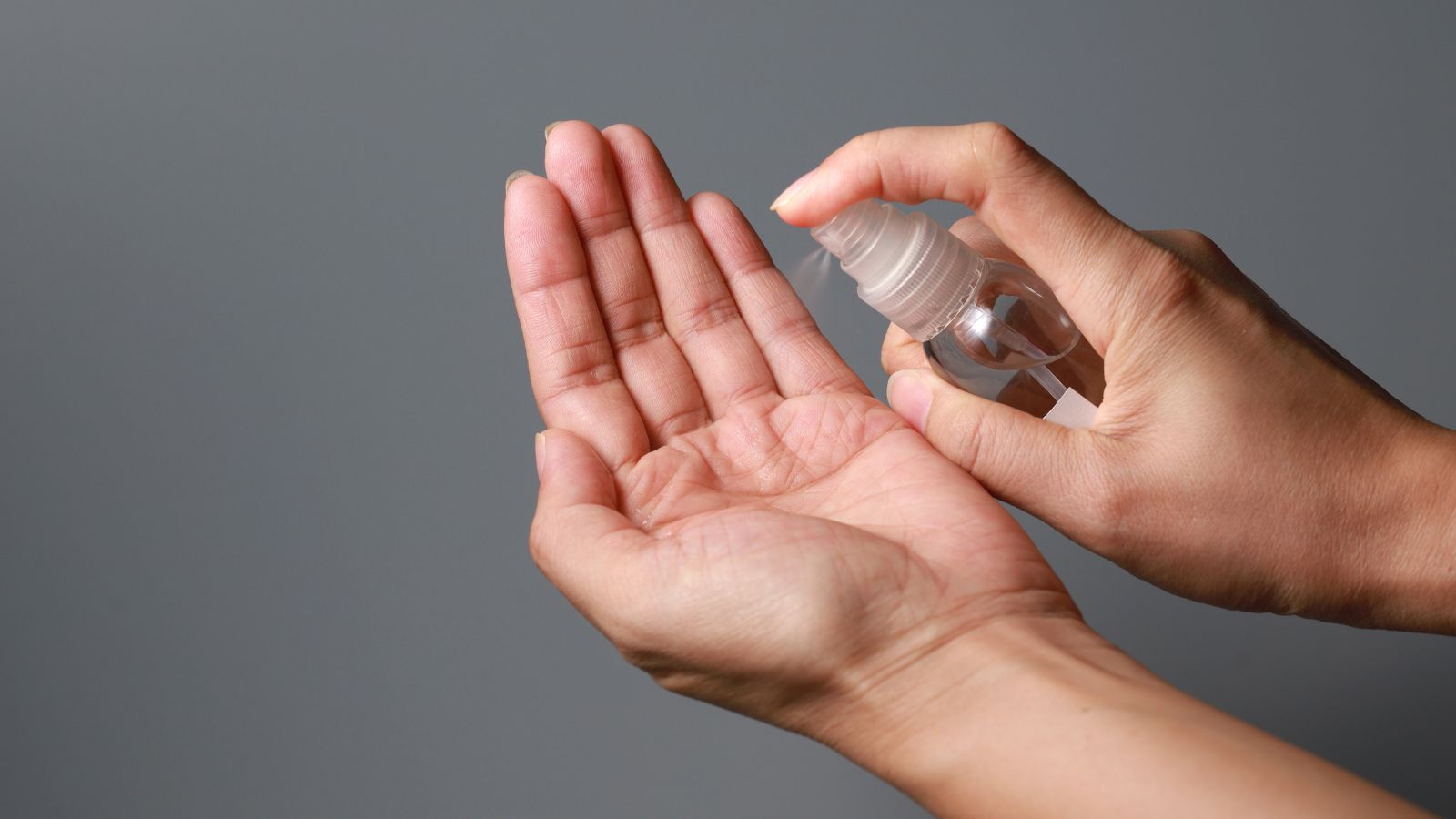
Hand sanitizer provides a useful backup when getting immediately to a sink is inconvenient. Canadian public-health guidance recommends an alcohol-based hand sanitizer containing at least 60% alcohol when soap and water are unavailable. That can make a bottle near the sick person’s room, living area or household entry useful when family members are repeatedly moving between caregiving tasks and ordinary responsibilities.
Sanitizer does have limitations. Public-health guidance notes that it may be less effective when hands are visibly dirty because food, grease and other material can interfere with its action. Soap and water remain the better choice in those circumstances. A sanitizer bottle should also be stored safely away from young children and used according to its label. The goal is not to sanitize hands every few minutes, but to remove one more obstacle to sensible hand hygiene. When a parent is simultaneously carrying water, checking temperatures and looking after another child, having sanitizer within reach can make good habits easier to maintain.
Health Canada-Approved Surface Disinfectant

When illness reaches a household, attention quickly turns to shared objects: bathroom taps, toilet handles, door knobs, light switches, phones and remote controls. Public-health guidance recommends regular cleaning and, when appropriate, disinfecting frequently touched surfaces. Health Canada advises looking for a drug identification number, or DIN, on hard-surface disinfectants, which confirms that the product has been approved for sale in Canada.
Cleaning and disinfecting are not exactly the same thing. Cleaning with soap or detergent physically removes dirt and reduces germs, while an appropriate disinfectant can kill infectious organisms on suitable surfaces. Federal guidance recommends cleaning first when necessary and then using the disinfectant according to its label, including any required contact time. Bleach solutions can also be used in some circumstances, but bleach must be handled carefully and never mixed with other cleaning chemicals because dangerous gases can result. A properly labelled household disinfectant eliminates the need to improvise while caring for someone who is already sick.
A Clean, Properly Maintained Cool-Mist Humidifier
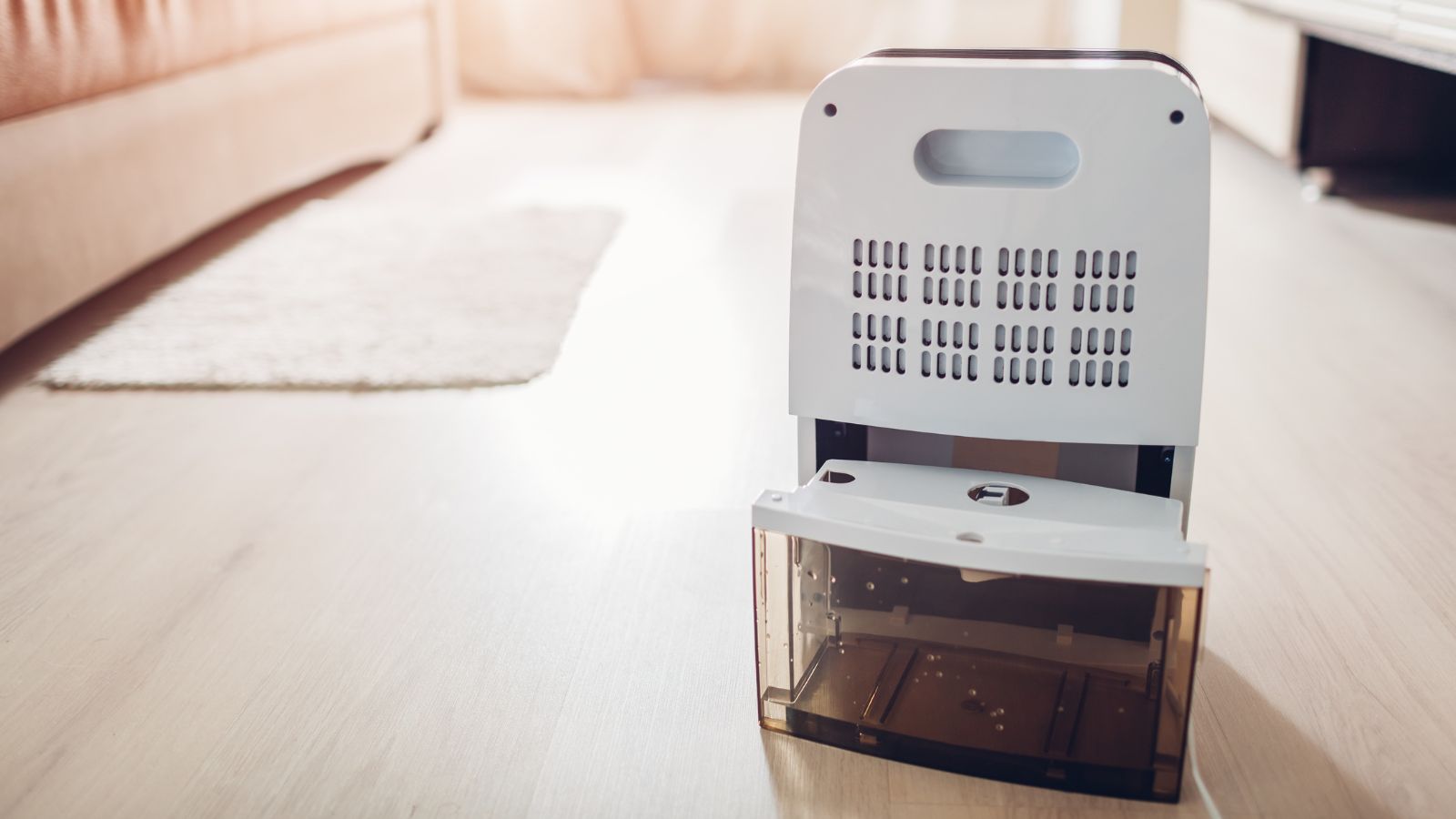
Dry winter indoor air can make an irritated nose or throat feel even less comfortable. A cool-mist humidifier may help add moisture to a room, and HealthLink BC includes moist air among measures that may make coughing or congestion more comfortable. It is important, however, not to treat a humidifier as a device that simply runs indefinitely without attention. The machine itself needs regular care.
Health Canada warns that bacteria can multiply in water left sitting inside a cool-mist humidifier. Because these machines do not boil the water, restarting a dirty unit can send microorganisms into indoor air. The reservoir should therefore be emptied after use and cleaned and disinfected according to the manufacturer’s instructions. Excessive humidity can cause another problem by encouraging mould. Health Canada generally recommends indoor relative humidity around 30% in winter and notes a broader healthy-home range of roughly 30% to 50%. A clean humidifier can be useful; a neglected one can create an entirely different household-air problem.
Unexpired COVID-19 Rapid Tests
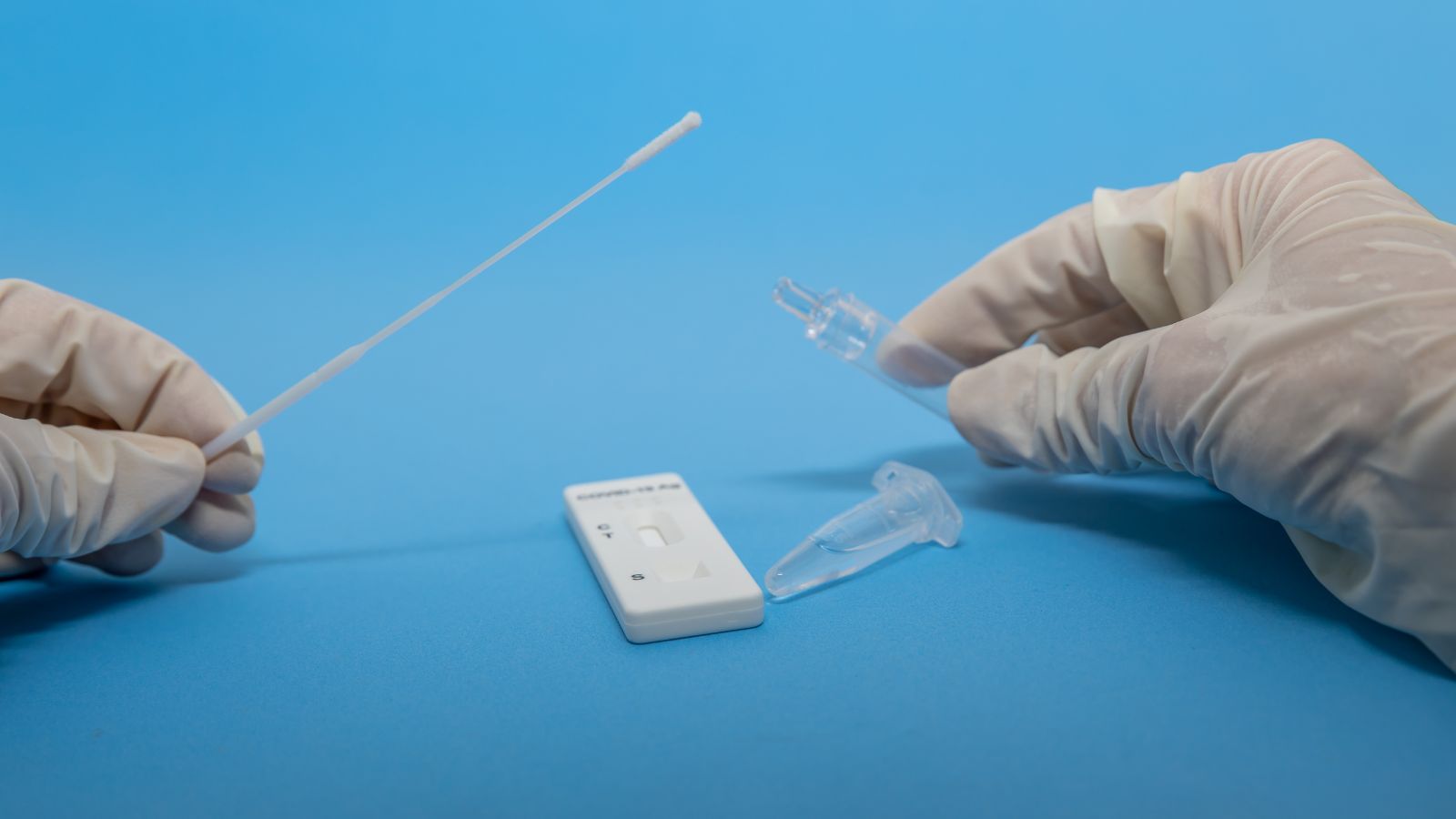
COVID-19 continues to circulate in Canadian communities, so a few authorized rapid antigen tests can still be useful in households where they are available. A home test may provide useful information when respiratory symptoms appear, particularly before someone plans to spend time around a person who is at greater risk of severe illness. Health Canada has authorized self-testing devices designed to be used without direct health-care supervision.
The overlooked issue is expiry. Rapid antigen tests are medical devices with defined shelf lives, although Health Canada has granted expiry extensions to some products. Families holding older kits should therefore check the test and manufacturer’s current information rather than automatically assuming the date originally printed on the box is still definitive—or that a very old test remains suitable. Instructions for sampling, timing, storage and reading results should be followed exactly. Home tests have limitations and do not replace medical assessment when symptoms are severe or concerning, but having usable tests in the cupboard is considerably more helpful than discovering every kit expired months ago.
A Calibrated Oral Syringe or Medicine Cup

Liquid medicine becomes much safer to administer when the correct measuring tool is already in the house. Health Canada specifically advises using the oral syringe or plastic dosing cup supplied with children’s acetaminophen because an ordinary kitchen spoon does not reliably hold the intended volume. For other children’s liquid medicines, federal guidance similarly recommends asking for a calibrated oral syringe when accurate measurement is required.
This becomes more important when exhausted caregivers are sharing duties. A medicine syringe marked in millilitres, paired with the original medication container, makes the intended dose easier to measure than guessing with household cutlery. Health Canada also recommends keeping track of how much acetaminophen a child receives and when it was given so another caregiver does not accidentally repeat the dose. A simple written medication log beside the bottle can prevent confusion during a long night. Preparing the measuring tool before illness strikes is far easier than trying to find one after the pharmacy has closed.
Current Prescriptions and a Written Medication List

Families often think first about cold remedies when preparing for illness, but the medicines household members take every day can be more important. Canada’s emergency-preparedness guidance recommends keeping prescription medications and necessary medical equipment available and maintaining a written list showing medications, dosages and their purposes. Although that guidance is designed for broader emergencies, the same organization is useful when sickness temporarily disrupts normal routines.
A household does not need to stockpile prescription drugs or obtain more than a pharmacist or prescriber considers appropriate. The practical goal is to avoid routinely waiting until the final dose before arranging a refill. A current medication list can also help if someone unexpectedly requires urgent care, particularly when several prescriptions, allergies or chronic medical conditions are involved. Keeping provincial or territorial health information and important health-care contact details accessible adds another layer of preparedness. When illness suddenly turns a normal week upside down, knowing what everyone takes—and actually having the needed medication available—can remove one significant source of stress.
16 Costco Canada Habits That Could Be Costing Shoppers More Than They Save

The Executive Membership can feel like an obvious upgrade because the 2% annual reward sounds straightforward. For households that spend heavily at Costco Canada, the extra fee may be easy to justify. But the habit becomes costly when shoppers upgrade first and calculate later. A Gold Star Membership costs less, while Executive costs more and only pays off if eligible annual spending is high enough to offset the difference.
16 Costco Canada Habits That Could Be Costing Shoppers More Than They Save
