
Fall can be a confusing season for anyone trying to figure out why they suddenly feel off. Across Canada, cooler air, shorter days, indoor heating, lingering pollen, mould and the return of respiratory-virus season can produce symptoms that look remarkably similar. A stuffy nose might be blamed on a cold when allergies are responsible, while fatigue might be dismissed as a busy schedule even when an infection or seasonal mood change is developing.
These 19 everyday fall symptoms show why context matters. None can confirm a diagnosis on its own, but timing, severity, accompanying symptoms and whether a problem keeps returning under the same conditions can offer useful clues. Persistent, worsening or severe symptoms—particularly significant breathing difficulty, chest pain, confusion or unusual drowsiness—deserve prompt medical attention.
A Runny Nose That Gets Written Off as a Cold
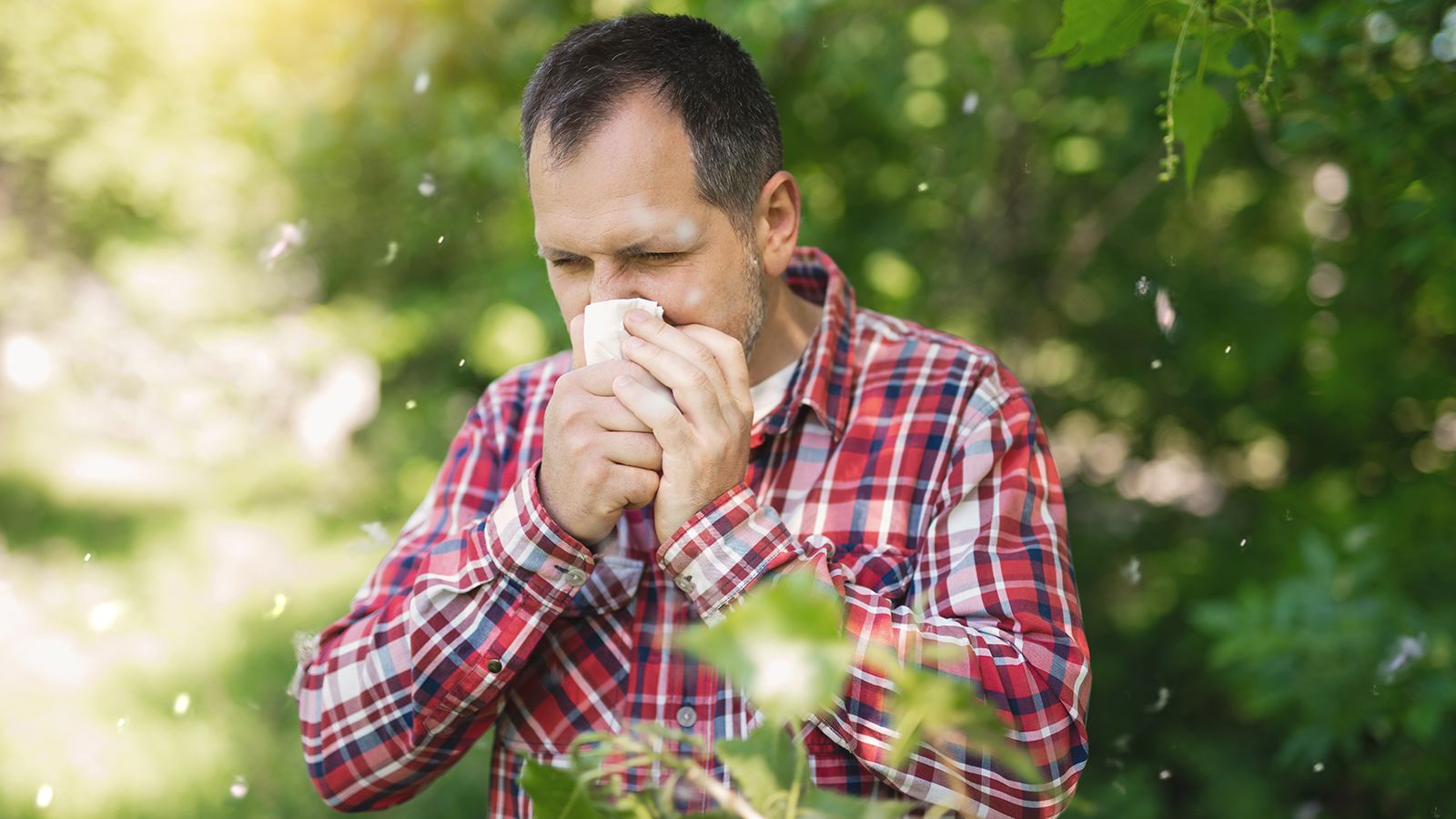
A dripping nose in September or October can immediately bring thoughts of another cold picked up at work, school or on public transit. That is certainly possible: COVID-19, RSV and other respiratory viruses can all produce a runny or congested nose. But fall allergies can look almost identical. Ragweed pollen remains an important late-season allergen in parts of Canada, while mould spores and indoor allergens can also become troublesome as people spend more time inside.
The accompanying symptoms can provide better clues than the runny nose itself. Repeated itching of the eyes, nose or roof of the mouth tends to fit an allergic pattern better than a straightforward viral infection. Fever, muscle aches or a general feeling of being acutely ill points more toward infection. Duration can help as well. A viral illness normally changes over time, whereas allergy symptoms may continue as long as exposure to the trigger continues. Someone who develops the same watery nose every fall may therefore be dealing with more than a yearly string of coincidental colds.
Sneezing That Seems Too Ordinary to Matter
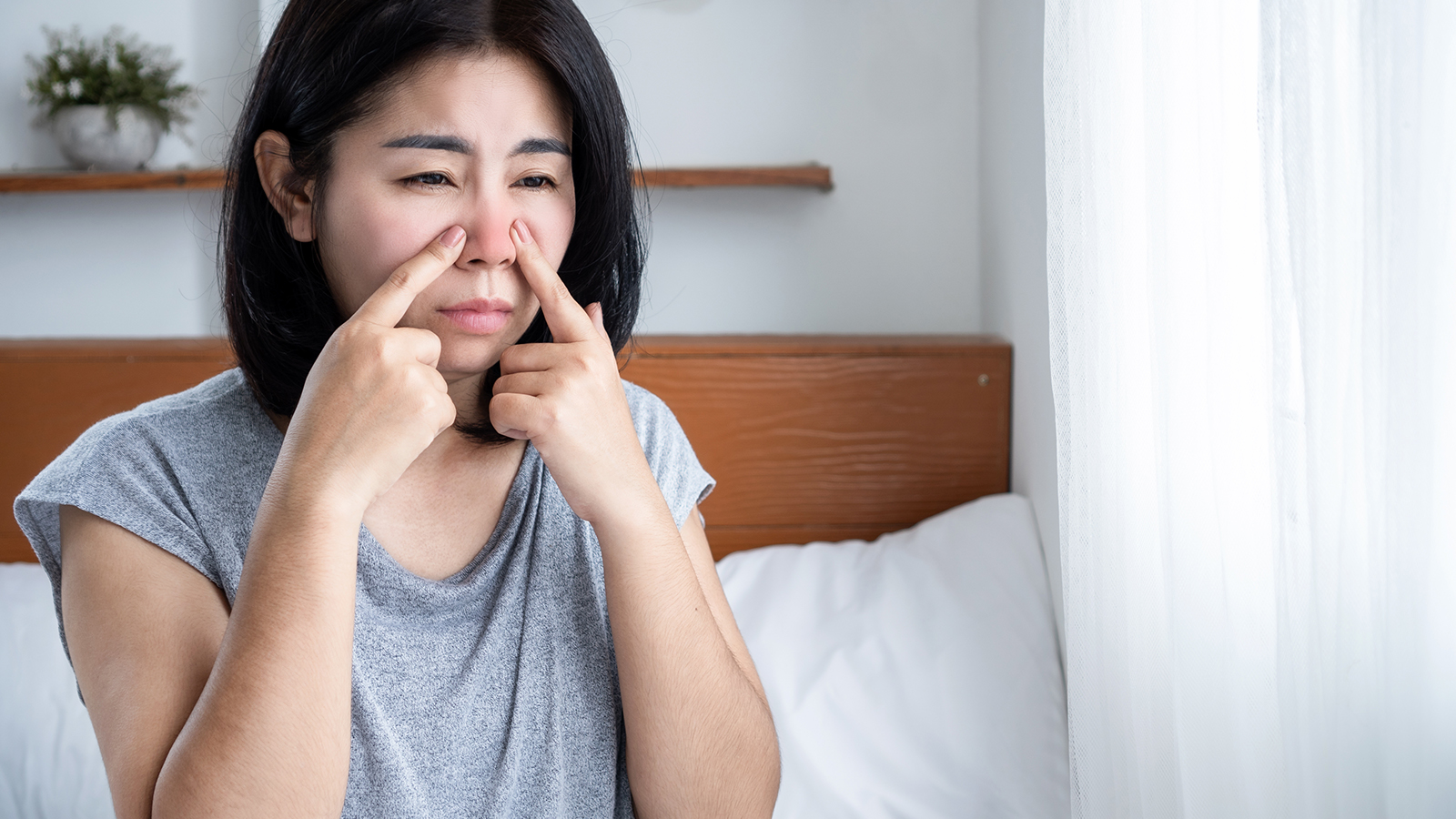
A few sneezes are easy to ignore, particularly when temperatures start bouncing between chilly mornings and warmer afternoons. Sneezing, however, sits in the middle of several overlapping fall conditions. Health Canada lists it among symptoms associated with respiratory infections including COVID-19 and RSV, while allergic rhinitis is also strongly associated with repeated sneezing. Pollen, mould, dust mites and animal allergens can all be involved.
Patterns often tell more of the story. Someone who begins sneezing repeatedly while doing fall yard work, entering a dusty basement or spending time around a pet may notice a clear environmental connection. Sneezing accompanied by intensely itchy or watery eyes also leans toward an allergic explanation. When it arrives with fever, aches, worsening fatigue or a new cough, an infection deserves greater consideration. This overlap is one reason diagnosing a fall illness from one symptom alone is unreliable. Even RSV, often discussed in relation to young children, can reinfect people throughout life and can cause sneezing, congestion and coughing in adults.
A Stuffy Nose That Feels Like a Sinus Infection

Nasal congestion can make the entire face feel heavy. Pressure around the forehead, cheeks or nose may convince someone that a sinus infection has arrived, yet simple inflammation from allergies can produce substantial stuffiness and sinus pressure without a bacterial infection. Colds, COVID-19 and RSV can create a similar sensation because inflamed nasal passages interfere with normal airflow and mucus drainage.
Fall conditions create several possible triggers at once. Outdoor ragweed may still be present depending on the region, damp leaves and moisture can accompany mould exposure, and indoor dust or pet allergens become more relevant as windows close. Health Canada notes that people living in damp or mouldy environments are more likely to experience nose and throat irritation and respiratory symptoms. The evolution of congestion therefore matters. Symptoms that consistently appear around particular environments deserve attention, just as congestion that becomes severe, persists unusually long or occurs with significant facial pain or other concerning symptoms may warrant medical assessment rather than being automatically labelled “just allergies.”
Itchy, Watery Eyes That Get Blamed on Screen Time

Long days in front of laptops and phones make eye discomfort easy to blame on screens. In fall, however, watery, red or intensely itchy eyes are classic signs of airborne allergies. Health Canada includes red, itchy and swollen eyes among common airborne-allergy symptoms, and allergic rhinitis frequently occurs alongside allergic eye symptoms. Ragweed, mould, pet dander and indoor dust can all be relevant triggers.
Indoor conditions can complicate things further. As heating systems begin operating, dry air may irritate the eyes even when no allergy is present. Health Canada guidance on indoor air notes that complaints involving dry eyes, skin, sinuses, mouth and throat increase when relative humidity becomes very low. The nature of the discomfort can therefore matter: pronounced itching and tearing often suggest an allergic process, while a gritty or dry sensation may point more toward environmental dryness. Persistent redness, pain, visual changes, significant discharge or symptoms affecting only one eye should not automatically be attributed to ordinary seasonal irritation, because numerous eye conditions can produce redness or discomfort.
A Scratchy Throat That Is Not Necessarily the Start of Strep

That first scratch at the back of the throat often triggers the same thought: an infection is coming. Viruses are indeed a major cause of sore throats, and both influenza and COVID-19 can produce one. Yet a throat can become irritated without an infection. Allergies may cause mucus to drain down the back of the throat, while dry indoor air and mouth breathing can leave tissues feeling raw, especially after a night spent sleeping in a heated room.
Context can prevent unnecessary assumptions. A dry throat that is strongest first thing in the morning and improves after drinking may have a different explanation from a rapidly worsening sore throat accompanied by fever and pronounced illness. Persistent nasal congestion can encourage mouth breathing, making dryness worse. Mayo Clinic also lists allergens, postnasal drip, smoke and other irritants among possible causes of sore throat. Severe difficulty swallowing or breathing requires urgent medical care. A sore throat is therefore best treated as one piece of a larger symptom pattern rather than proof that a specific infection has arrived.
A Dry Cough That Gets Blamed on the Weather
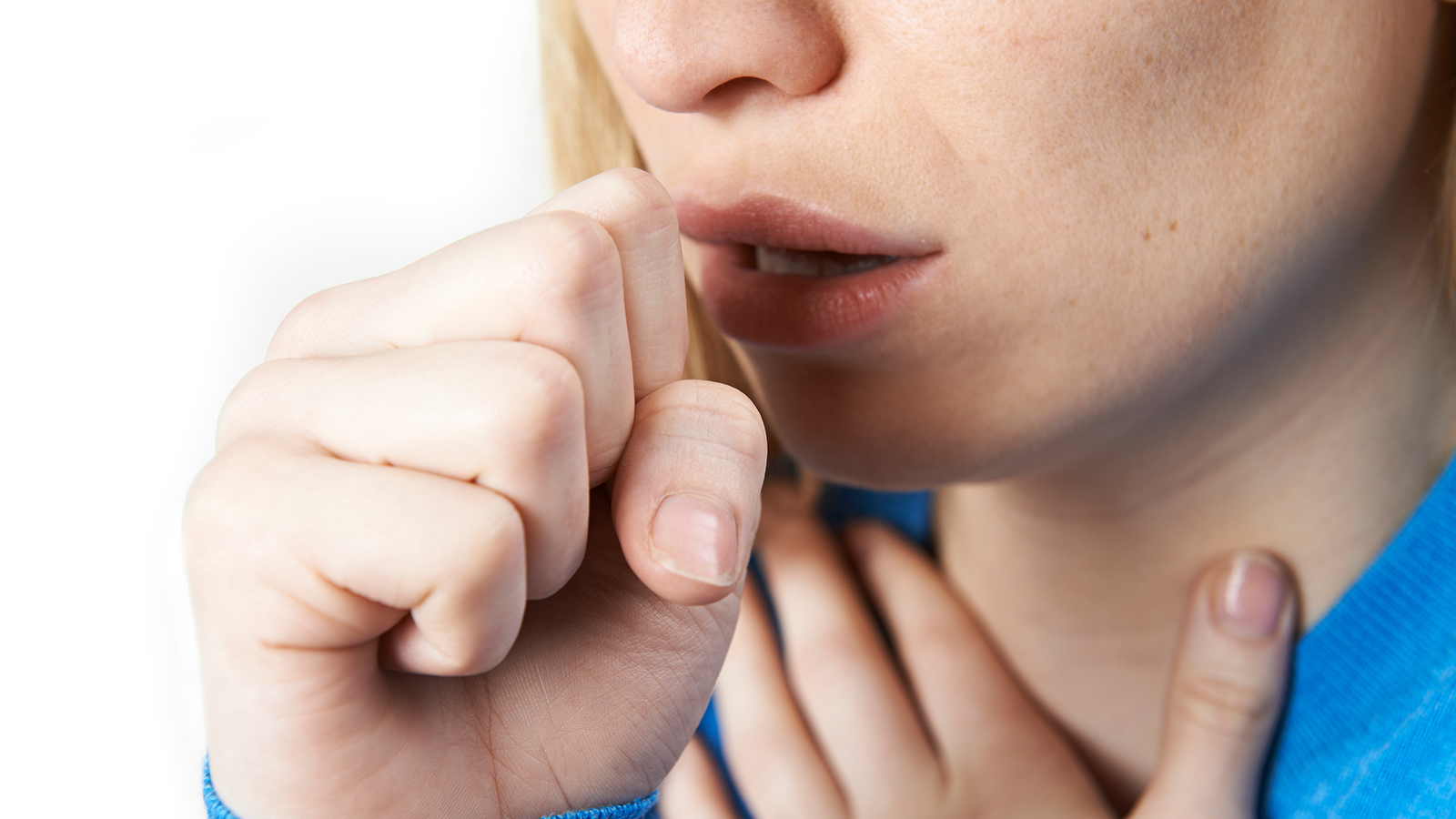
Coughing tends to become background noise once respiratory season begins, but there are many possible explanations for a dry fall cough. Influenza, COVID-19 and RSV can all cause coughing. Asthma can do the same, particularly when exposed to cold air, pollen, mould or a viral infection. Postnasal drainage from allergies may also irritate the throat enough to trigger repeated coughing without producing the fever or body aches associated with some infections.
Timing again provides useful information. Someone who coughs primarily while jogging in cool morning air may be experiencing airway irritation or an asthma trigger rather than catching a new virus every time temperatures fall. A cough that begins alongside fever, fatigue, aches or exposure to someone who is ill creates a different picture. Coughs can also linger after the worst phase of an infection has passed. Because the same symptom spans mild irritation and potentially more significant respiratory illness, persistent coughing—especially when associated with blood, significant chest pain, breathing difficulty or worsening symptoms—deserves medical evaluation rather than being dismissed as an inevitable part of autumn.
Wheezing That Gets Mistaken for Being Out of Shape

A faint whistle while breathing after climbing stairs may be written off as poor conditioning, especially after a less-active summer. Wheezing, however, is a recognized symptom of asthma and can also occur with RSV, allergic reactions and exposure to mould. More than three million Canadians have asthma, according to the Public Health Agency of Canada, making breathing symptoms particularly relevant when fall triggers begin accumulating.
Cold air is one recognized asthma trigger, as are pollen, mould, respiratory infections, smoke and exercise. Someone may therefore feel perfectly normal indoors but notice coughing or wheezing during an early-morning run as temperatures fall. Others experience symptoms after spending time in a damp basement or while dealing with a cold. The Canadian Lung Association notes that asthma symptoms can vary substantially from day to day and can worsen after exposure to cold air or respiratory infections. Recurrent wheezing should not simply be treated as a sign of being unfit. New, significant or rapidly worsening breathing problems require professional assessment, particularly when the person struggles to speak or breathe normally.
Shortness of Breath That Seems Like Simple Deconditioning

Summer activity can drop quickly when school schedules restart, work gets busier and evenings become darker. That makes it tempting to explain breathlessness as nothing more than lost fitness. Yet shortness of breath appears on the symptom lists for asthma, COVID-19, mould-related respiratory problems and severe allergic reactions. In someone with known asthma, fall allergens, respiratory viruses and colder air can combine to aggravate previously controlled symptoms.
The distinction becomes especially important when breathlessness is new or disproportionate to the activity involved. Being slightly winded after an unusually hard workout is different from becoming breathless while walking across a room or sitting still. Health Canada lists trouble breathing or severe shortness of breath among severe COVID-19 symptoms and advises emergency care when it occurs. Persistent chest pressure or pain, new confusion, difficulty remaining awake, or pale, grey or blue-coloured skin, lips or nail beds are also emergency warning signs. “It must be the cold air” is therefore not a safe assumption when breathing difficulty is significant or worsening.
Fatigue That Gets Blamed Entirely on a Busy Fall Schedule

September and October can be exhausting even when everyone is healthy. School returns, commuting routines change, daylight disappears earlier and year-end work pressures begin building. Unfortunately, fatigue is also common with influenza, COVID-19 and other respiratory infections. Seasonal allergies can contribute to tiredness as well, particularly when congestion interferes with sleep or symptoms persist for weeks.
Then there is the seasonal effect of changing daylight. Seasonal affective disorder, a form of depression with a recurring seasonal pattern, often begins during fall or winter. CAMH lists fatigue, sleep problems, irritability, trouble concentrating and withdrawal among possible symptoms. That does not mean ordinary tiredness automatically signals depression. Instead, patterns matter. Fatigue accompanied by cough, fever or body aches may suggest an acute illness, while low energy that repeatedly emerges as days shorten and occurs with mood, sleep or appetite changes deserves a different conversation. Persistent exhaustion is especially worth investigating when normal rest no longer restores energy or everyday tasks suddenly become difficult.
Headaches That Automatically Get Labelled “Sinus Headaches”

Fall headaches frequently get blamed on “the sinuses,” even when nasal symptoms are minimal. Respiratory infections including influenza and COVID-19 can both cause headaches. Dehydration can contribute as well, including during illness when people may drink less than usual. Indoor air conditions may also play a role for some people: Health Canada includes headaches among symptoms reported in association with poor indoor air quality and notes that dryness becomes more noticeable as relative humidity drops.
The problem is that headache is extremely nonspecific. A pressure sensation during congestion may occur alongside allergic or viral nasal inflammation, while an entirely different headache disorder may simply happen to emerge during the same season. Someone spending more time in a poorly ventilated indoor environment might also notice headaches with fatigue or dizziness. A pattern that repeats in a particular building deserves investigation rather than an automatic sinus diagnosis. Sudden severe headache, neurological symptoms, fainting, confusion or an unfamiliar headache associated with significant illness requires prompt medical attention. The season alone should never be used to explain away a markedly different or severe headache.
Body Aches That Get Blamed on Yard Work

Raking leaves, closing a cottage, moving patio furniture and tackling neglected outdoor jobs can produce predictable muscle soreness. That makes fall body aches particularly easy to misread. Influenza, however, is known for the sudden appearance of muscle aches and pain, often accompanied by fever and cough. COVID-19 can also cause muscle or body aches, chills, fatigue and headache.
The pattern is usually more useful than the ache itself. Soreness after hauling bags of leaves should generally correspond with the muscles that were worked and the timing of that activity. Viral body aches may feel more widespread and arrive alongside other systemic symptoms. Influenza can begin abruptly, with symptoms developing one to four days after exposure, and most people recover within roughly seven to 10 days. None of those timelines can diagnose an individual case, but they illustrate why generalized aches that appear with fever, coughing or marked fatigue deserve more consideration than ordinary post-workout soreness. Persistent, severe or unexplained muscle pain should also be evaluated rather than indefinitely blamed on seasonal chores.
Fever and Chills That Get Dismissed as Feeling Cold

Canadian fall weather can change dramatically in a matter of hours, so feeling chilled after stepping outside hardly seems noteworthy. Actual chills accompanying a measurable fever are different. Influenza commonly begins suddenly with fever, cough and muscle aches, while COVID-19 can cause a temperature of 38°C or higher, feeling feverish and chills. RSV can also cause fever.
One particularly helpful distinction is that ordinary seasonal allergic rhinitis does not generally cause fever. Someone with congestion, sneezing and watery eyes but no fever may still have either allergies or a mild infection, but a genuine fever makes a simple pollen allergy less likely as the full explanation. The distinction matters because people sometimes continue going to work or social events believing they are experiencing “bad allergies” despite developing systemic symptoms. Fever can have many causes and does not identify which infection is responsible, but it is useful evidence that the body may be responding to more than dry air or falling temperatures. Persistent or unusually high fever deserves medical advice, especially in vulnerable individuals.
A Change in Smell or Taste That Gets Blamed on Congestion

A badly blocked nose can make food seem bland because much of flavour perception depends on smell. That makes it understandable when a fall cold or allergy sufferer assumes a change in smell is simply the result of congestion. Yet a new loss or alteration of smell or taste remains a recognized symptom of COVID-19, according to the Public Health Agency of Canada.
The surrounding symptoms and the way the change develops can help guide what happens next. Someone whose nose is completely obstructed from an obvious cold may expect smell to be reduced because odours cannot reach receptors normally. A sudden, unexplained change—particularly alongside sore throat, cough, fever, fatigue or body aches—creates a different situation. The key is not to rely on one symptom to identify the illness. COVID-19 manifestations vary between people and with circulating variants, and vaccination does not make infection impossible. Persistent smell changes can also have causes unrelated to COVID-19. A prolonged or unexplained alteration therefore deserves medical discussion rather than being automatically attributed to fall congestion.
Dry, Itchy Skin That Gets Mistaken for an Allergy

A patch of itchy skin can immediately raise concerns about a new soap, food or environmental allergy. Sometimes that is correct, but colder weather and indoor heating can create a far simpler explanation. The Canadian Dermatology Association notes that dry skin is especially common in colder climates because low outdoor humidity and heating systems contribute to dry indoor air. Dry skin can become rough, flaky, cracked and itchy.
People with eczema may notice the seasonal change even more. Low humidity, temperature extremes and irritants can aggravate eczema, while allergic contact dermatitis can produce its own itchy inflammation. That means appearance and history matter. Skin that becomes progressively drier on hands and lower legs as heating season begins may fit a different pattern from a rash that develops immediately after exposure to a particular substance. Canadian dermatology guidance also notes that moisturization becomes particularly important during colder weather. Persistent inflammation, significant cracking, oozing, pain or signs of infection deserve medical attention rather than endless experimentation with home remedies.
Dry Mouth and Cracked Lips That Get Blamed Only on Dehydration

Reaching for another glass of water makes sense when the mouth feels dry, but hydration is only part of the fall picture. Indoor heating and lower humidity can dry the mouth, nose, throat, eyes and skin. Nasal congestion may also encourage mouth breathing during sleep, leaving someone waking with a dry mouth or scratchy throat even if they drank normally the previous day.
Medication can complicate matters. Some drugs, including certain antihistamines and decongestants commonly used during allergy and cold season, may worsen dry-mouth symptoms. Persistent dry mouth also has medical causes unrelated to weather, which is why a symptom that does not resolve should not automatically be blamed on the furnace. Cracked lips and mild morning dryness are often simply uncomfortable, but ongoing reduction in saliva matters because saliva helps protect oral tissues and teeth. The fall connection is therefore real without being the only explanation. When dryness is severe, persistent or accompanied by other unexplained symptoms, a healthcare professional or dental professional can help identify the underlying cause.
A Hoarse Voice That Gets Blamed on Talking Too Much

Fall means classrooms, meetings, hockey arenas and crowded indoor events, all of which provide plenty of opportunities to strain the voice. Overuse can certainly produce hoarseness, but respiratory illness is another common explanation. Laryngitis occurs when the voice box becomes inflamed, and viral infections such as colds and influenza are frequent causes. COVID-19 can also include a hoarse voice among its possible manifestations.
Allergies and postnasal drainage may irritate the larynx as well. Acid reflux, smoke and other inhaled irritants are additional possibilities, making hoarseness a surprisingly broad symptom. A teacher who loses their voice after the first busy weeks of school, for example, could be dealing with vocal strain, infection, environmental irritation or some combination of factors. Most short-lived laryngitis improves, but persistent hoarseness should not be ignored. Mayo Clinic recommends medical assessment when voice problems continue for several weeks without an obvious cold or respiratory infection. Trouble breathing, swallowing difficulty or other severe symptoms require more urgent care.
Sleeping Longer That Gets Called Normal Fall Tiredness

The desire to stay under the blankets when mornings become darker can feel entirely normal. For many people it is simply a response to schedule changes, reduced activity or accumulating sleep debt. But substantial changes in sleep can also appear with seasonal affective disorder. CAMH describes SAD as a type of depression that usually occurs in fall or winter and returns during roughly the same season each year.
Sleep changes become more meaningful when they occur as part of a broader pattern. Someone who begins sleeping much longer, remains tired during the day, loses interest in favourite activities and struggles with concentration as daylight declines may be experiencing more than a temporary dislike of dark mornings. Viral infections can also increase the need for sleep, particularly when fatigue appears suddenly with respiratory symptoms. The important distinction is persistence and impact. A few sleepy mornings after a busy week are common; a recurring seasonal shift that interferes with work, school, relationships or normal functioning deserves a conversation with a healthcare professional.
Irritability or Low Mood That Gets Blamed on the Weather

“Everyone hates November” can become an easy explanation for mood changes, but persistent low mood should not be trivialized. Seasonal affective disorder follows a recurring seasonal pattern and commonly occurs during fall or winter. CAMH identifies symptoms that can include sadness, irritability, fatigue, sleep changes, trouble concentrating, withdrawal and loss of interest in normally enjoyable activities.
That distinction separates SAD from simply being disappointed by rain or an early sunset. For depression, symptoms are more persistent and interfere with daily life. At the same time, not every difficult week in autumn represents a disorder. Work stress, financial pressure, family responsibilities and ordinary seasonal adjustment can all affect mood. What matters is the overall pattern, severity and duration. Someone who repeatedly notices major mood and functioning changes at approximately the same time each year should consider professional assessment rather than assuming the season must simply be endured. Thoughts of suicide or self-harm always require immediate support; in Canada, 9-8-8 provides crisis support by call or text.
Nausea or Diarrhea That Gets Called “Stomach Flu”

The phrase “stomach flu” causes one of the most persistent seasonal mix-ups. Viral gastroenteritis can cause nausea, vomiting, diarrhea and abdominal cramps, but it is not influenza. Influenza is primarily a respiratory illness. Still, the confusion is understandable because influenza can sometimes produce nausea, vomiting or diarrhea, particularly in children. COVID-19 can also cause abdominal pain, diarrhea and vomiting.
That means digestive symptoms occurring during respiratory season should not automatically be assigned to something eaten the night before. A child with fever, cough and vomiting, for example, presents a different picture from someone whose only symptoms are sudden diarrhea and stomach cramps after a shared meal. Dehydration is another concern when vomiting or diarrhea prevents normal fluid intake, with warning signs including very little urination, marked weakness, dizziness or unusual sleepiness. Because numerous infections, medications and food-related illnesses can produce gastrointestinal symptoms, the label “stomach flu” is usually less informative than looking at the full combination of symptoms and their timing.
16 Costco Canada Habits That Could Be Costing Shoppers More Than They Save

The Executive Membership can feel like an obvious upgrade because the 2% annual reward sounds straightforward. For households that spend heavily at Costco Canada, the extra fee may be easy to justify. But the habit becomes costly when shoppers upgrade first and calculate later. A Gold Star Membership costs less, while Executive costs more and only pays off if eligible annual spending is high enough to offset the difference.
16 Costco Canada Habits That Could Be Costing Shoppers More Than They Save
