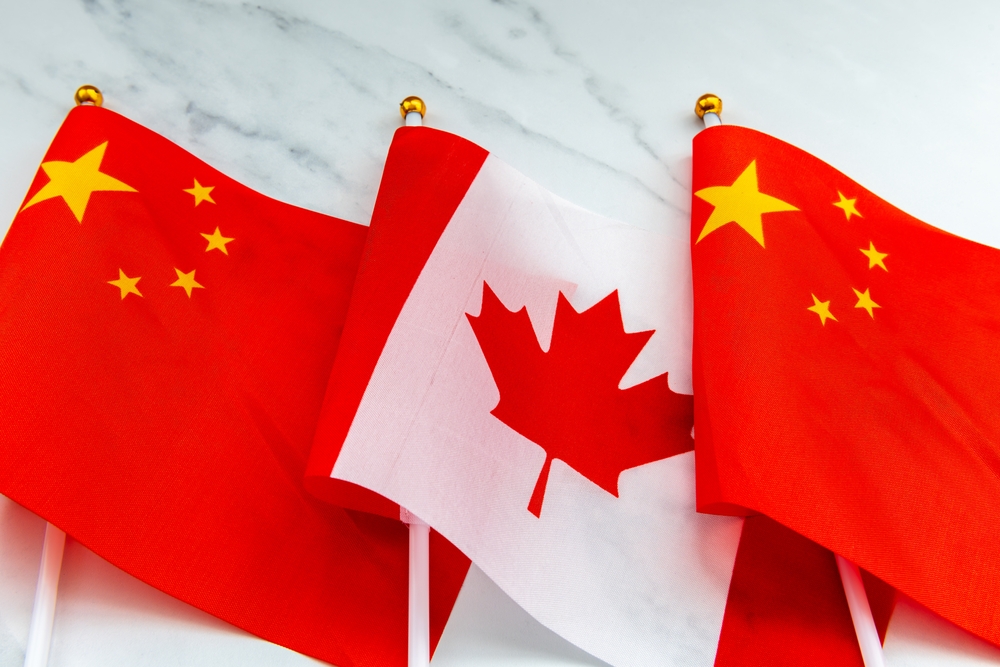
Trade relationships influence what shoppers see on store shelves. When Canada and China adjust trade terms, supply chains can shift. Changes affect pricing, product variety, and sourcing patterns. Many everyday goods rely on global manufacturing and agricultural exports. Even small policy updates can ripple through retail markets. Import rules, tariffs, and logistics all shape availability. These shifts connect international policy with daily purchases. Here are 13 things that could change at the store.
Canola Oil Prices
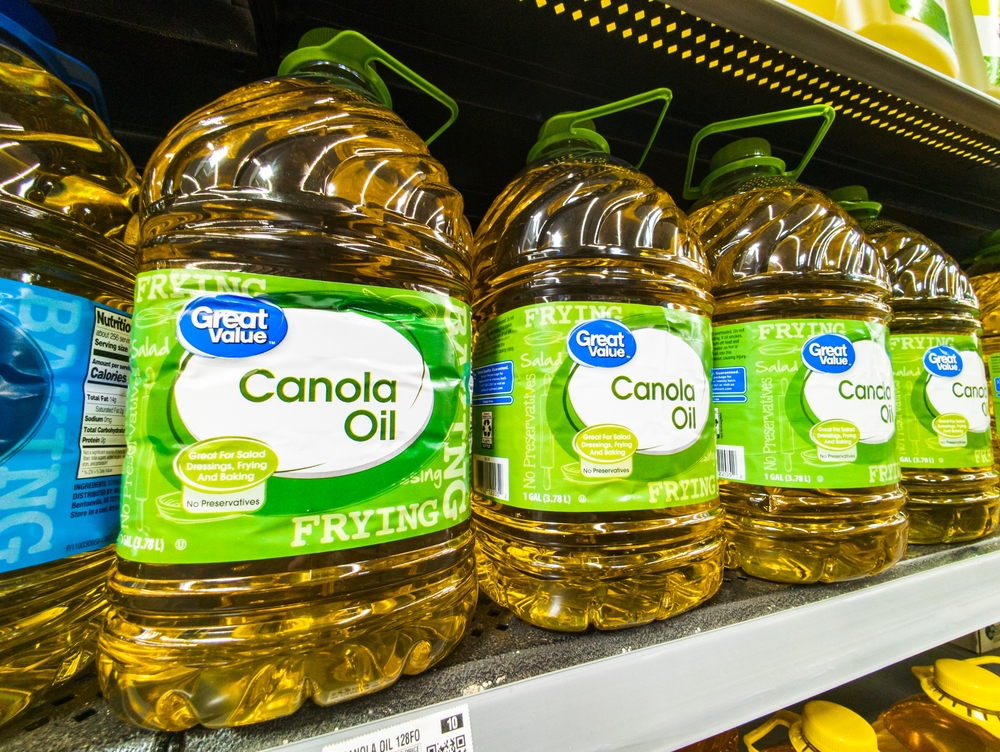
Canola oil is one of Canada’s most important agricultural exports. Trade changes with China can influence global demand and pricing. If export access improves, more Canadian supply may move overseas. That can tighten domestic supply and affect wholesale prices. Grocery retailers respond to shifts in input costs for cooking oils. Food manufacturers using canola oil in packaged goods also adjust pricing. If trade barriers ease, price volatility may increase during transition periods. Consumers could see price changes not only on oil bottles but also on processed foods made with canola-based ingredients.
Pork Availability
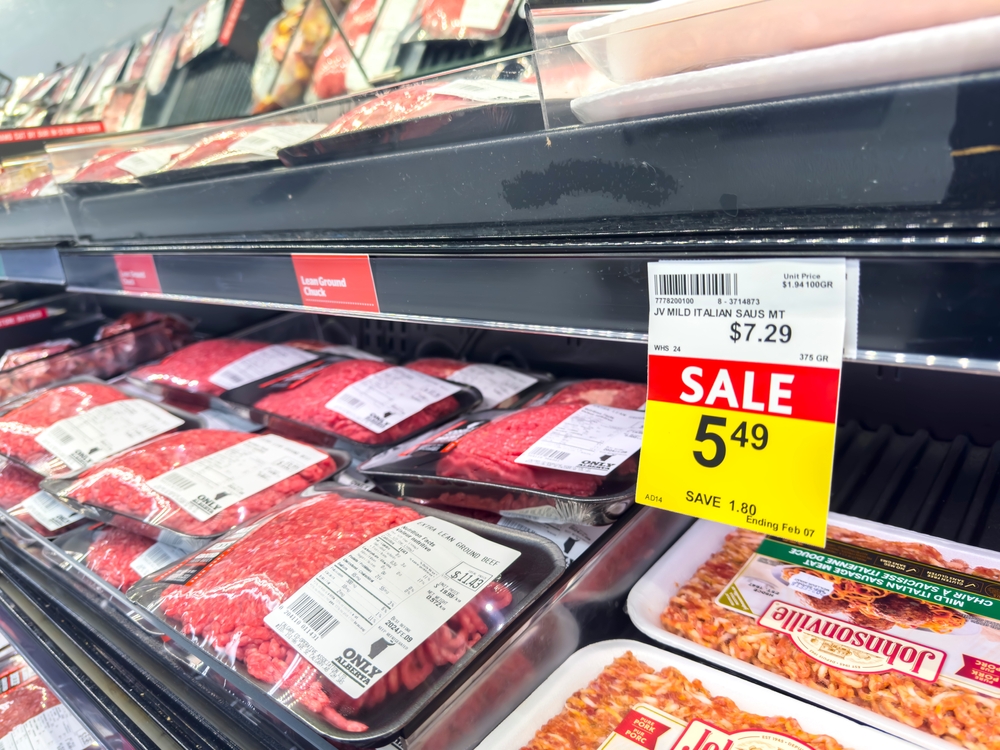
Canada exports significant pork volumes to global markets, including China. Trade policy shifts can redirect supply between export and domestic channels. If Chinese demand increases, more pork may leave Canada. That can tighten availability in local wholesale markets. Processors may prioritize higher-value export contracts. Grocery stores could adjust sourcing or pricing in response. Feed costs and transport logistics also affect supply. Regional differences may appear depending on distribution networks. Shoppers might notice changes in variety or price, especially for cuts commonly exported through international meat trade agreements.
Lobster Pricing

Canadian lobster is a major seafood export, and China is a key market. Strong overseas demand can shift supply away from domestic buyers. Export pricing often influences what retailers pay locally. Seasonal harvest cycles already create price swings. Trade changes may amplify those fluctuations. Air freight and cold chain logistics also affect final costs. Restaurants and seafood counters react quickly to wholesale shifts. Consumers could see higher prices during peak export demand periods. Local availability might narrow when international orders increase, especially for live or premium-grade lobster.
Infant Formula Imports

The infant formula trade can be sensitive due to safety standards and regulations. If trade channels with China shift, import patterns may change. Some formula brands source ingredients or packaging materials globally. Policy adjustments can affect supply chains and certification requirements. Retailers monitor availability closely due to steady demand. Shipping timelines and regulatory approvals influence shelf stock. Price changes may follow shifts in sourcing or import duties. Parents might notice brand variety differences. Even small trade policy updates can affect specialized food categories that rely on tightly controlled international supply networks.
Electronics Costs

Many consumer electronics rely on manufacturing linked to Chinese supply chains. Trade adjustments between Canada and China can influence component sourcing. Tariff reductions or new agreements may lower import costs for some devices. Retail pricing often reflects shipping, parts, and assembly expenses. Sudden policy changes can cause short-term price volatility. Retailers may adjust inventory strategies during transitions. Accessories, small gadgets, and home electronics could show noticeable price shifts first. Consumers may see differences during sales cycles. Electronics pricing remains sensitive to global trade rules and supply chain conditions.
Household Appliances Prices

Many household appliances depend on global component supply chains. Trade shifts between Canada and China can affect manufacturing costs. Parts such as motors, electronics, and metal casings often move across borders. Lower trade barriers may reduce import expenses for finished products. Retail prices can adjust when shipping and sourcing costs change. Retailers also consider inventory already in warehouses. Short-term price swings may appear during transition periods. Large appliances involve long production cycles, so changes may unfold gradually. Consumers could notice differences during seasonal sales and restocking periods.
Frozen Vegetables Supply
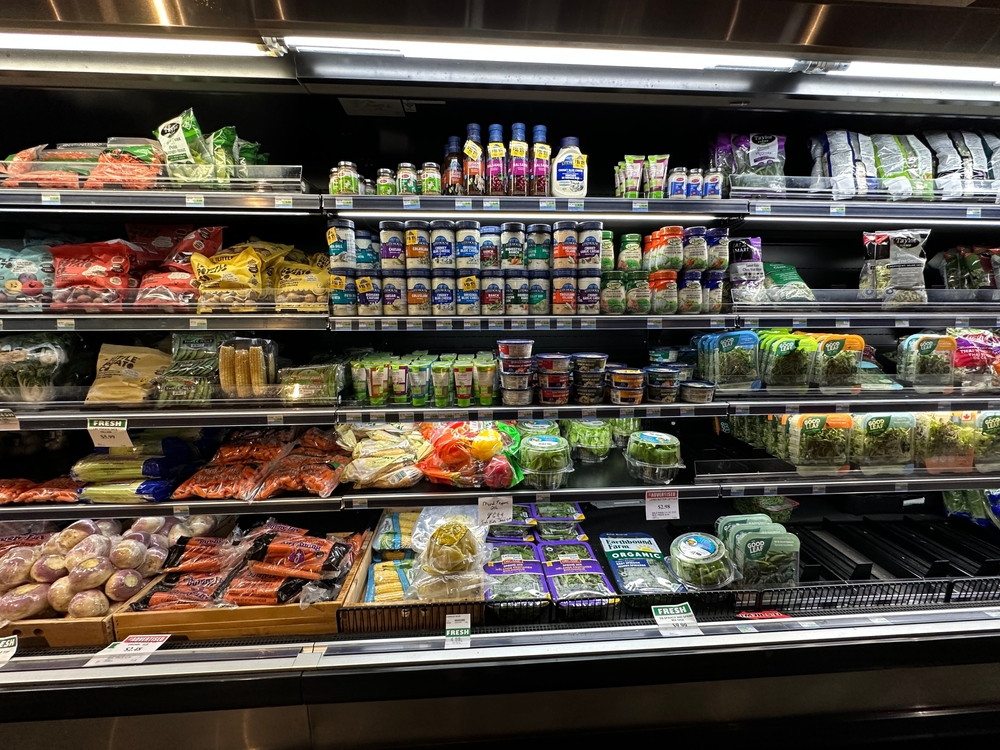
Frozen vegetables come from both domestic farms and imported sources. Trade changes can affect the flow of specific vegetable types. Processing plants depend on steady access to raw produce. Import rules and tariffs may shift supply routes. Retailers adjust sourcing when costs or availability change. Seasonal harvest cycles already influence supply levels. Freezer aisle variety can narrow if imports decline. Packaging and transport costs also affect shelf presence. Consumers might notice differences in brand selection or package sizes when trade conditions alter the balance between domestic and imported frozen produce.
Processed Snack Foods Selection
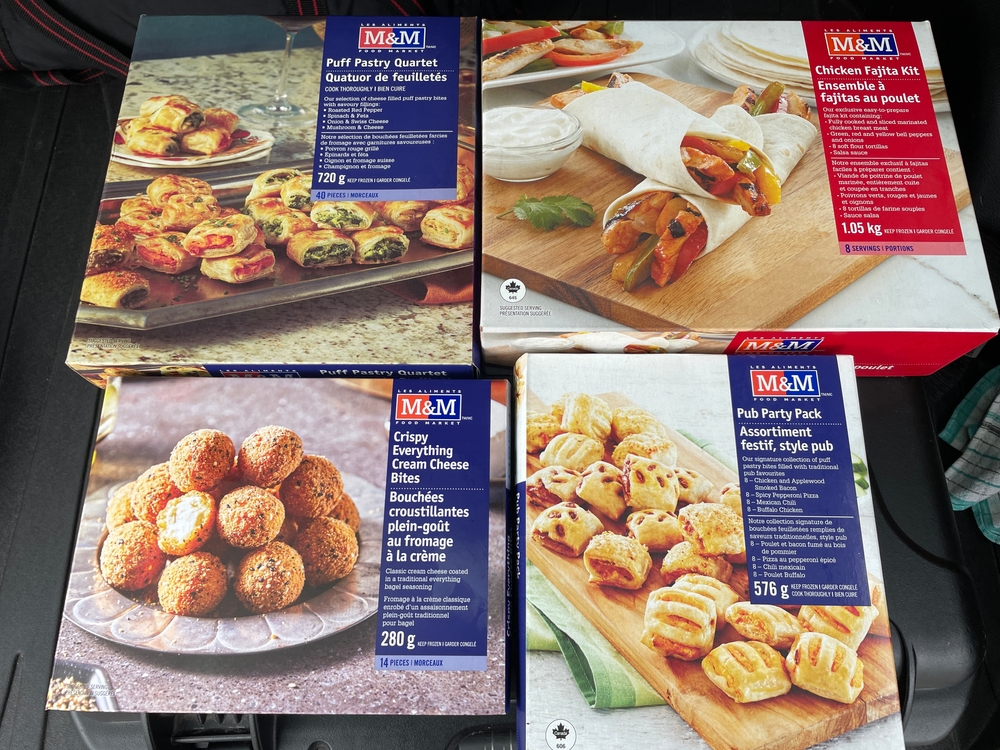
Processed snack foods rely on ingredients, flavorings, and packaging materials from global suppliers. Trade changes with China can affect sourcing for certain additives or inputs. Manufacturers may reformulate or adjust product lines when supply costs shift. Retailers respond by rotating stock based on availability. Limited editions or specialty flavors could change first. Packaging materials also move through international supply chains. Price adjustments sometimes lead to smaller package sizes. Consumers may notice fewer imported snack varieties. Shelf selection can shift as companies adapt to new trade costs and sourcing arrangements.
Furniture Pricing

Furniture production often involves materials and assembly linked to Chinese manufacturing. Trade policy changes can influence import duties and shipping expenses. Lower tariffs may reduce costs for certain finished goods. Retailers adjust pricing based on freight rates and supplier contracts. Inventory already in transit can delay price shifts. Raw materials like wood, metal, and upholstery fabrics move globally. Market competition also shapes final prices. Consumers might see gradual changes rather than sudden drops. Furniture pricing remains sensitive to trade conditions affecting large-scale manufacturing and long shipping routes.
Seaweed and Specialty Foods Availability

Seaweed snacks and specialty foods often come from Asian suppliers. Trade improvements can ease import processes and lower duties. That may increase product variety in grocery stores. Import regulations still shape labeling and food safety standards. Shipping timelines affect freshness and shelf life. Retailers adjust stock based on demand and cost changes. Smaller specialty brands may expand distribution. Consumers might see new flavors or packaging styles. Availability depends on both trade policy and consumer interest. These products often respond quickly to shifts in import rules and market access.
Pet Food Ingredients Costs
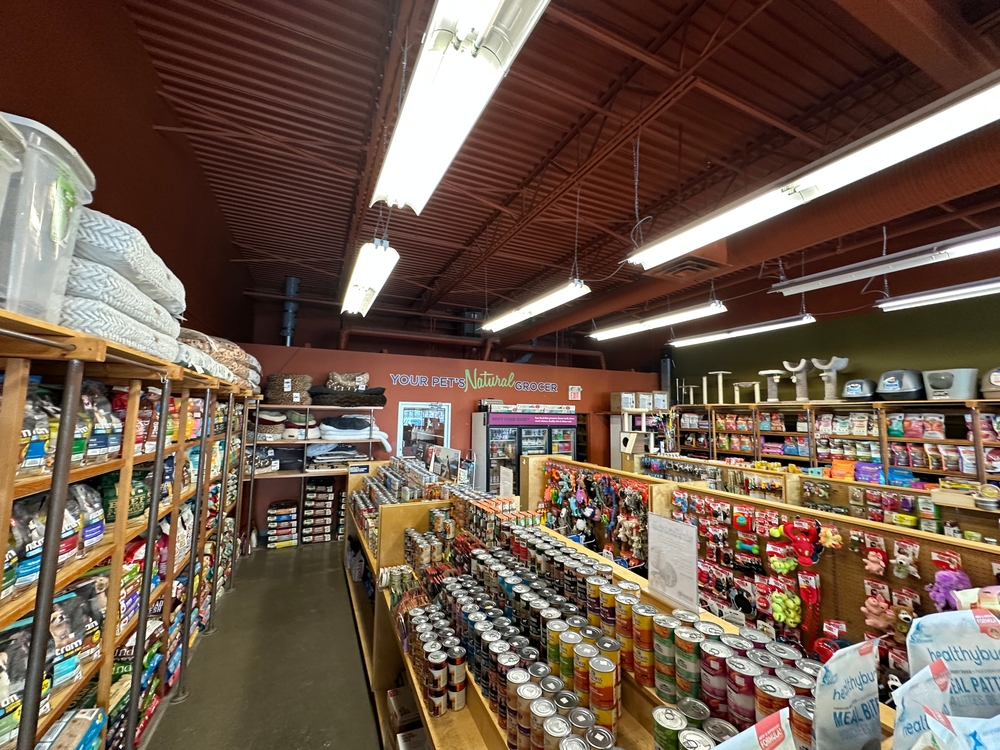
Pet food relies on ingredients such as grains, vitamins, and processing inputs. Some materials move through global supply chains linked to China. Trade changes can influence sourcing costs for manufacturers. Price adjustments may affect wholesale contracts. Retail pet food prices reflect ingredient, packaging, and transport expenses. Sudden shifts in duties can create short-term cost swings. Companies may adjust formulations when certain inputs become expensive. Consumers could notice price changes across brands. Pet food markets remain sensitive to trade rules affecting the flow of agricultural and processed ingredients.
Personal Care Electronics Pricing

Personal care electronics include items like hair dryers, trimmers, and electric toothbrushes. Many rely on components manufactured within Chinese supply chains. Trade adjustments can influence import duties and production costs. Retailers reflect these changes in shelf pricing over time. Shipping rates and currency shifts also affect final prices. Inventory already in warehouses may delay visible changes. Smaller brands may adjust faster than global companies. Promotional sales often mask gradual pricing shifts. Consumers may notice price differences during restocking cycles as supply chains adjust to new trade conditions.
Kitchenware Variety
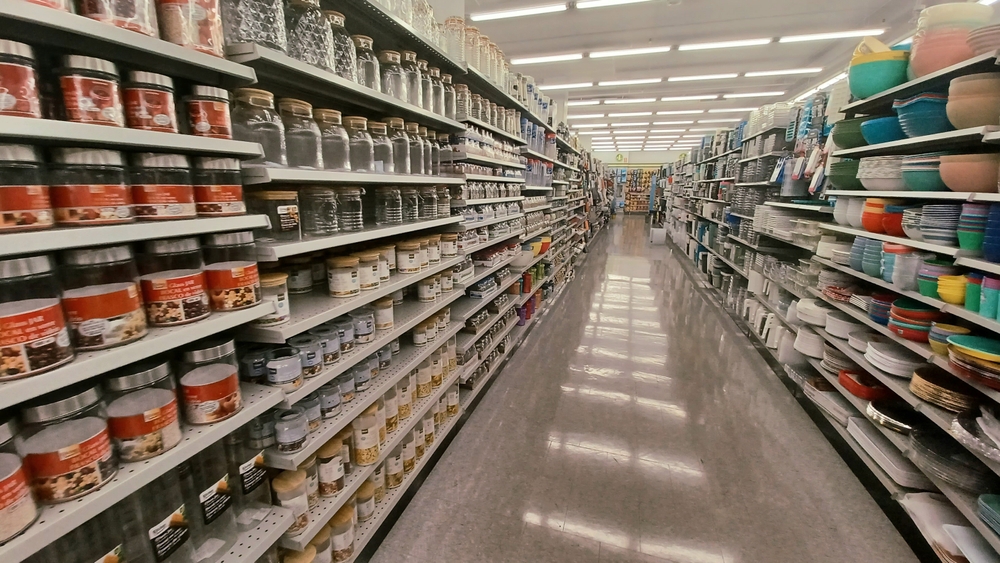
Kitchenware includes cookware, utensils, and small tools sourced globally. Many items are manufactured in China and nearby regions. Trade changes can alter which products reach Canadian shelves. Import costs affect decisions on variety and brand selection. Retailers may streamline options when sourcing becomes expensive. Packaging and shipping constraints also shape product mix. Specialty or niche items may appear less often. Consumers might notice shifts in color choices or materials. Variety responds quickly to trade conditions as stores balance cost, demand, and available supplier networks.
22 Groceries to Grab Now—Before another Price Shock Hits Canada
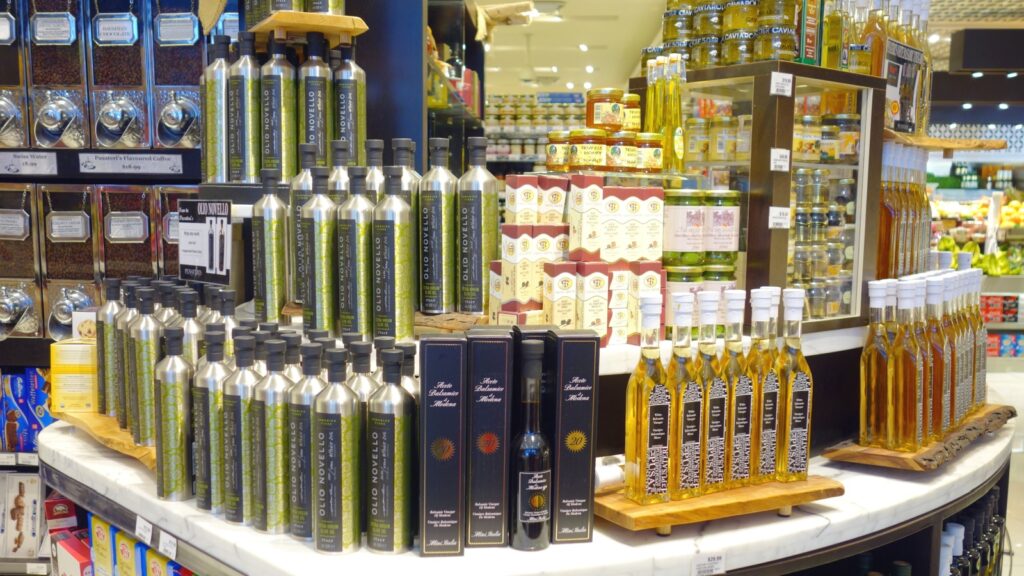
Food prices in Canada have been steadily climbing, and another spike could make your grocery bill feel like a mortgage payment. According to Statistics Canada, food inflation remains about 3.7% higher than last year, with essentials like bread, dairy, and fresh produce leading the surge. Some items are expected to rise even further due to transportation costs, droughts, and import tariffs. Here are 22 groceries to grab now before another price shock hits Canada.
22 Groceries to Grab Now—Before another Price Shock Hits Canada
