
With prices continuing to fluctuate across Canada, many everyday purchases are quietly costing more than they should. Retail strategies, convenience habits, and a lack of comparison often lead consumers to spend extra without realizing it. Starting this April, reviewing common spending patterns can help Canadians identify where they are consistently overpaying. Here are 22 everyday purchases Canadians should stop overpaying for (starting this April).
Bottled Water

Bottled water remains one of the most commonly overpaid everyday items in Canada, especially when purchased in small packs or individual bottles. The convenience factor often justifies the price in the moment, but the cost per litre is significantly higher than that of filtered tap water. Many Canadians continue to buy bottled water out of habit rather than necessity, even in areas where municipal water quality is high. Retailers rely on this behaviour to maintain strong margins. Investing in a reusable bottle and a home filtration system can reduce long-term costs without sacrificing convenience. Over time, the savings from avoiding bottled water purchases can be substantial.
Pre-Cut Fruits and Vegetables
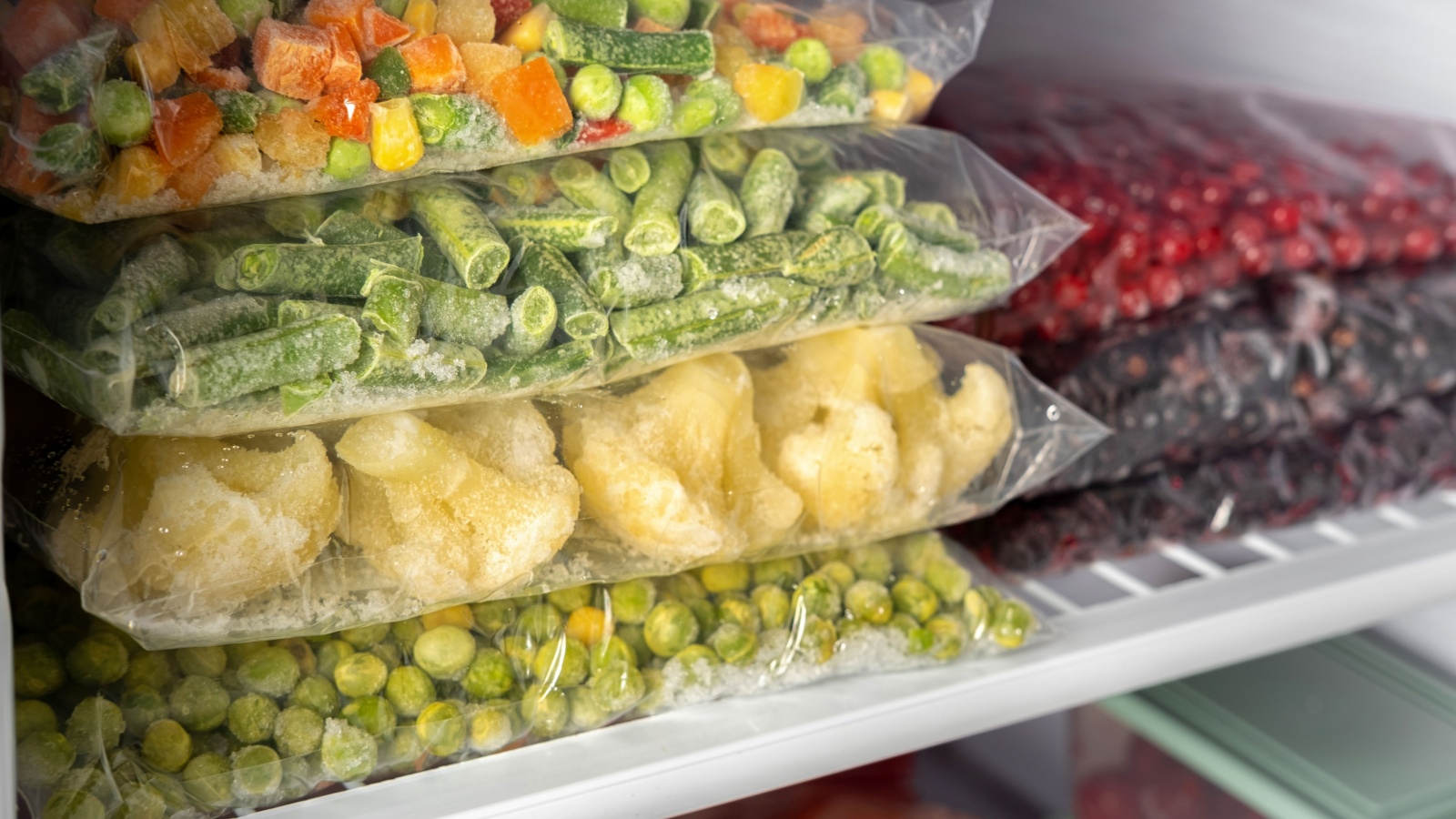
Pre-cut produce is often priced significantly higher than whole fruits and vegetables due to added labour and packaging. Canadians frequently choose these options for convenience, especially during busy periods. However, the markup can be considerable compared to buying and preparing produce at home. Retailers position these items as time-saving solutions, but the cost difference adds up quickly. Spending a few extra minutes preparing food at home can lead to meaningful savings over time. Choosing whole produce also reduces packaging waste and allows for better portion control.
Name-Brand Pantry Staples

Many Canadians continue to purchase name-brand pantry staples without comparing prices or considering alternatives. Products such as rice, pasta, and canned goods often have store-brand equivalents that offer similar quality at lower cost. Retailers rely on brand loyalty to maintain higher pricing. Canadians who regularly compare options can find significant savings without sacrificing quality. Over time, switching even a few items to store brands can noticeably reduce grocery bills. Being open to alternatives helps create better value.
Single-Serve Coffee Pods
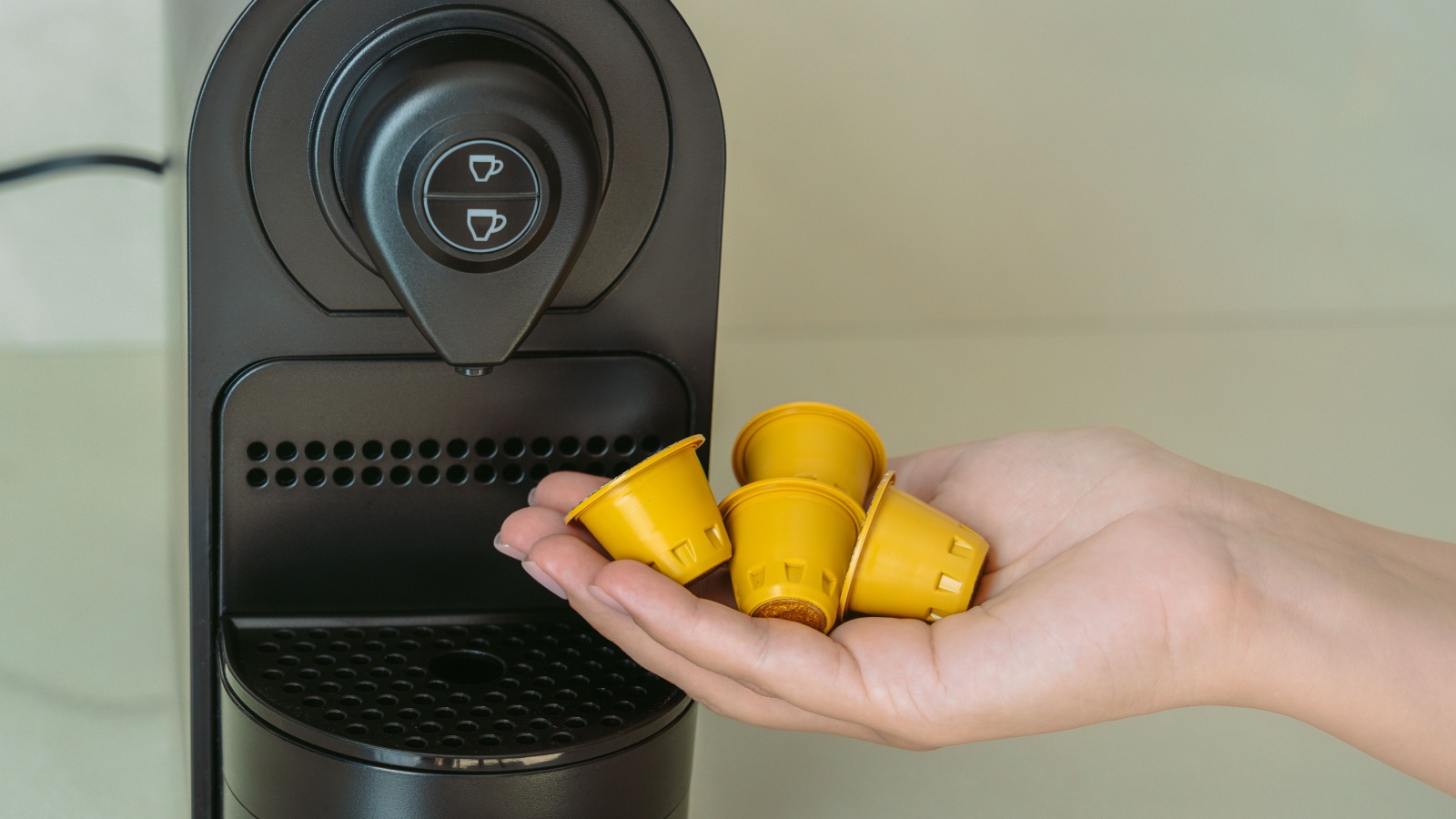
Single-serve coffee pods are convenient but cost more per serving than traditional coffee methods. Canadians often prioritize speed and ease, which makes these products popular despite the price. Retailers maintain high margins due to consistent demand. Switching to ground coffee or reusable pod systems can significantly reduce costs. Over time, the savings from changing this habit can be substantial without reducing quality.
Prepared Meals

Prepared meals are widely used for convenience, but they are typically priced much higher than cooking from basic ingredients. Canadians often rely on these options during busy schedules, which increases demand and supports higher pricing. Retailers expand these offerings because of strong consumer interest. Preparing meals at home, even in simple forms, can reduce costs while providing better portion control. Over time, reducing reliance on prepared meals helps manage spending more effectively.
Brand-Name Cleaning Products

Brand-name cleaning products often carry higher prices due to marketing and packaging rather than significant performance differences. Many store-brand or generic options provide similar results at a lower cost. Canadians who stick to familiar brands may overlook these alternatives. Comparing ingredients and effectiveness can reveal more affordable options. Switching even a few products can lead to noticeable savings over time without sacrificing quality.
Snack Packs

Individually packaged snacks are convenient but significantly more expensive per unit than larger packages. Canadians often purchase these for portability or portion control, but the cost difference is substantial. Retailers benefit from packaging convenience by charging higher prices. Buying larger quantities and portioning at home can reduce costs while maintaining convenience. This approach helps control spending and reduce packaging waste.
Bottled Salad Dressings

Bottled salad dressings are often marked up, even though they are simple to make at home. Canadians frequently purchase these products for convenience, but the ingredients are usually inexpensive and easy to combine. Retailers rely on convenience-driven demand to maintain pricing. Making dressings at home allows for customization and cost savings. Over time, this small change can reduce grocery expenses without added complexity.
Paper Towels

Paper towels are a recurring expense that many Canadians overpay for, especially when purchasing premium brands. Prices fluctuate frequently, and bulk purchases do not always provide the best value. Reusable cloths or more selective use can reduce overall spending. Retailers maintain strong margins on these products due to consistent demand. Adjusting usage habits can lead to long-term savings.
Bottled Juice

Bottled juice often contains added sugars and is priced higher than alternatives such as whole fruits or concentrates. Canadians may choose these products for convenience, but the cost per serving is relatively high. Retailers position these items as everyday essentials, which supports steady demand. Choosing fresh fruit or preparing juice at home can reduce costs and improve value.
Overpriced Phone Accessories

Phone accessories such as charging cables, cases, and adapters are often sold at inflated prices in convenience stores and major retailers. Canadians frequently purchase these items when they are in urgent need, which limits comparison shopping. Retailers take advantage of this urgency to maintain higher pricing. Buying accessories in advance or from competitive sellers can reduce costs. Planning ahead helps avoid paying premium prices for basic items.
Laundry Detergent Pods

Laundry detergent pods are convenient but often cost significantly more per load than liquid or powder alternatives. Canadians frequently choose pods for ease of use, but the pricing reflects packaging and branding rather than cleaning performance. Retailers maintain strong margins because demand remains consistent despite the higher cost. In many cases, liquid detergent yields similar results at a lower per-use cost, especially when measured correctly. Bulk liquid options or concentrated formulas can further reduce cost over time.
Greeting Cards

Greeting cards are a small purchase that often carries a surprisingly high markup. Canadians regularly pay several dollars for a single card, even though production costs are minimal. Retailers rely on emotional purchases and last-minute buying to maintain these prices. Many shoppers do not compare alternatives because the cost seems insignificant at the moment. However, repeated purchases over time can add up. More affordable options include buying multi-pack cards, choosing simpler designs, or even creating personalized messages at home.
Extended Warranties

Extended warranties are frequently offered on electronics and appliances, but they often provide limited value compared to their cost. Canadians may purchase them for peace of mind, especially on higher-priced items. However, many products already include manufacturer warranties, and additional coverage may overlap or exclude common issues. Retailers benefit from these add-ons due to high profit margins. In many cases, the cost of the warranty exceeds the likelihood of needing repairs.
Streaming Subscriptions You Rarely Use

Subscription streaming services have become a regular expense for many Canadians, but unused or rarely used services often go unnoticed. Monthly fees may seem small individually, but multiple subscriptions can add up quickly. Canadians often keep services active even when not using them, which increases recurring costs. Retailers rely on this passive spending behaviour to maintain steady revenue. Reviewing subscriptions regularly and cancelling those that are not needed can reduce expenses immediately.
Premium Gas Without Need
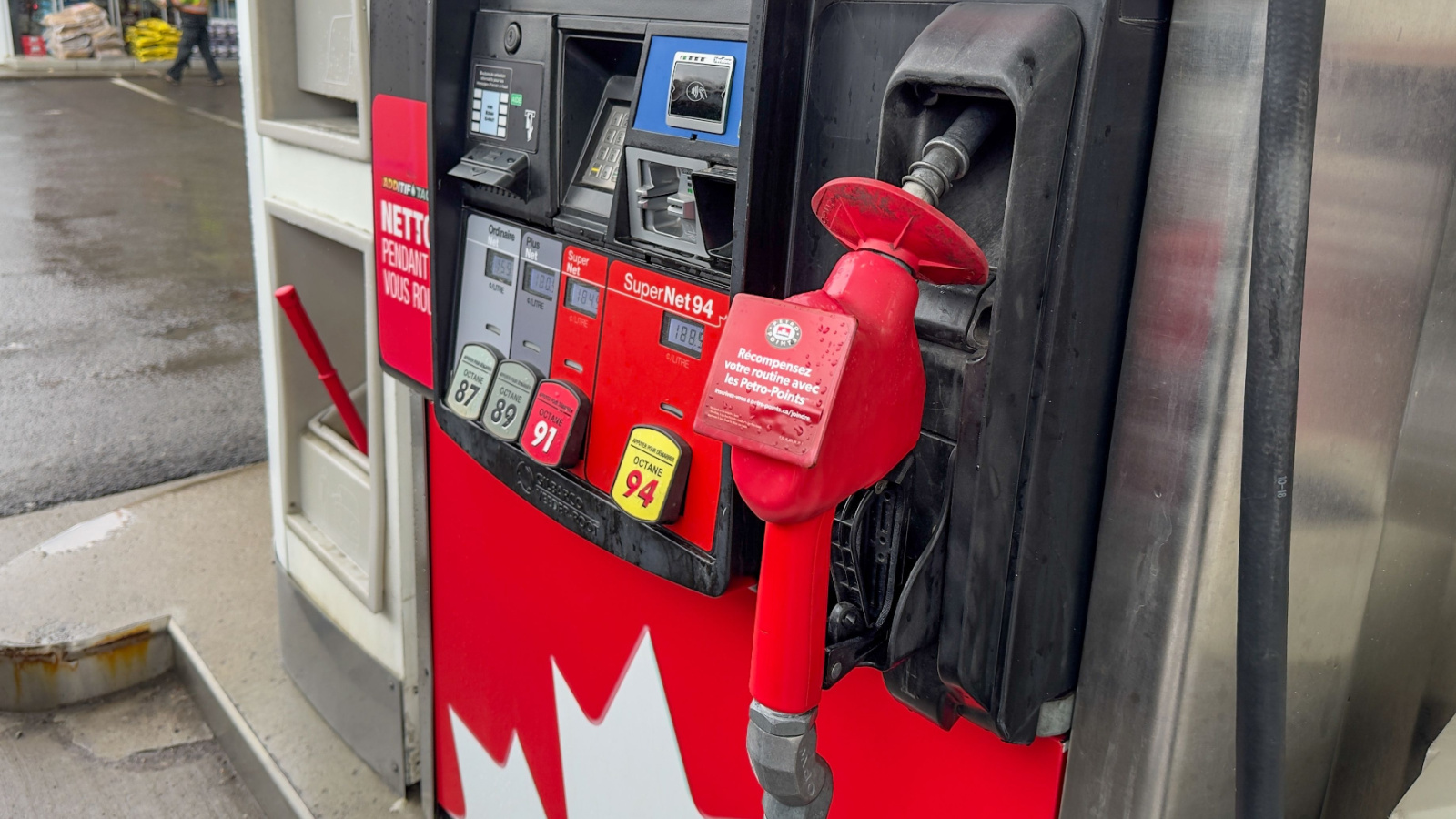
Premium gasoline is often marketed as beneficial for performance, but many vehicles do not require it. Canadians may choose higher-priced fuel, believing it improves efficiency or engine health. However, using premium gas in vehicles designed for regular fuel provides little to no benefit. Retailers maintain higher margins on premium options due to this perception. Checking the vehicle manufacturer’s recommendation helps determine the appropriate fuel type. Switching to regular fuel when suitable can result in noticeable savings over time. Understanding actual requirements rather than marketing claims helps reduce unnecessary spending.
Gym Memberships You Don’t Use

Gym memberships are commonly purchased with good intentions, but often go underused. Canadians may continue paying monthly fees even when attendance is low or inconsistent. This creates a recurring expense that does not provide full value. Fitness centres rely on unused memberships to maintain profitability. Reviewing usage and cancelling or adjusting plans can help reduce unnecessary costs. Alternative options such as home workouts or pay-per-visit facilities may offer better value. Being realistic about usage ensures that spending aligns with actual habits.
Convenience Store Purchases

Convenience store purchases often come with significantly higher prices than those at grocery stores. Canadians frequently pay extra for snacks, drinks, or basic items due to location and urgency. Retailers rely on convenience and immediate availability to justify higher pricing. Planning ahead and purchasing items from regular stores can reduce costs. Avoiding impulse buys at convenience locations helps control spending. Over time, reducing these purchases can lead to noticeable savings.
Name-Brand Medications

Name-brand medications are often priced higher than generic alternatives despite offering the same active ingredients. Canadians may trust familiar brands without considering lower-cost options. Pharmacies typically carry generic versions that provide similar effectiveness at reduced prices. Asking for alternatives can result in immediate savings. Over time, switching to generic medications helps reduce healthcare expenses without compromising quality.
Bottled Cleaning Sprays

Bottled cleaning sprays are often repurchased, but many contain simple ingredients that can be made at home. Canadians may pay premium prices for convenience and branding. Refillable bottles and basic cleaning solutions can provide similar results at a lower cost. Retailers benefit from repeat purchases of branded products. Switching to refill systems or homemade solutions reduces recurring expenses while maintaining effectiveness.
Fast Food Add-Ons

Fast-food add-ons such as extra toppings, upgrades, and combo expansions increase the total cost without significantly improving value. Canadians often accept these options during ordering without considering the price difference. Retailers design menus to encourage upselling through small increments. Being selective about add-ons helps control spending. Ordering only what is needed reduces overall cost while maintaining satisfaction.
Impulse Checkout Items

Impulse items at checkout counters are placed strategically to encourage last-minute purchases. Canadians often add small items without much thought, which increases total spending. These products typically carry higher margins and rely on convenience and visibility. Avoiding impulse purchases by sticking to a list helps reduce unnecessary expenses. Over time, this habit can lead to meaningful savings without changing overall shopping patterns.
19 Things Canadians Don’t Realize the CRA Can See About Their Online Income

Earning money online feels simple and informal for many Canadians. Freelancing, selling products, and digital services often start as side projects. The problem appears at tax time. Many people underestimate how much information the CRA can access. Online platforms, banks, and payment processors create detailed records automatically. These records do not disappear once money hits an account. Small gaps in reporting add up quickly.
Here are 19 things Canadians don’t realize the CRA can see about their online income.
