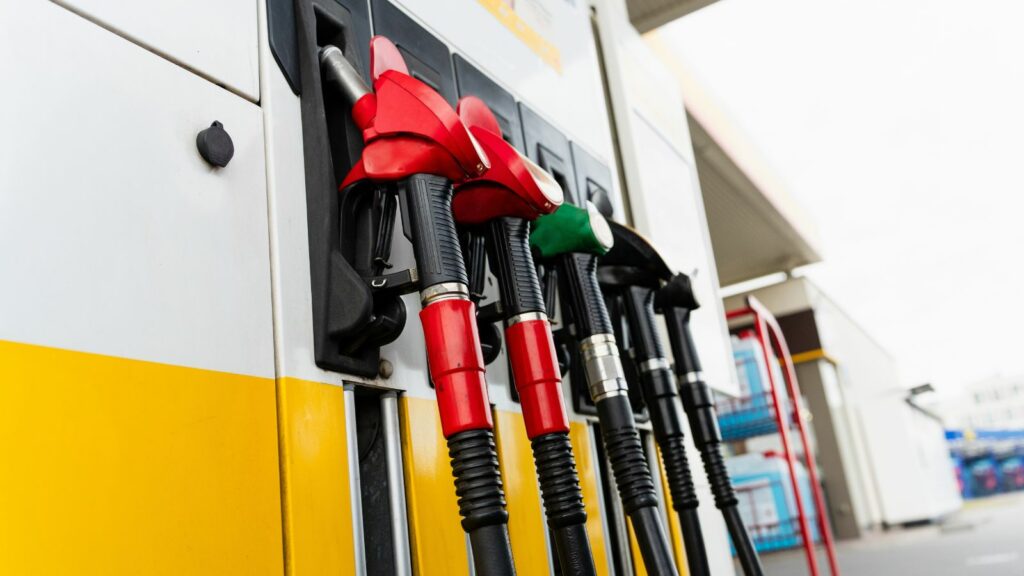
Toronto motorists woke up Sunday to another noticeable change on gas-station signs, with regular gasoline climbing roughly three to four cents per litre overnight. Major price trackers placed the September 6 price between 186.9 and 187.9 cents per litre, putting the typical posted price around $1.87.
The increase comes after an unusually volatile summer for fuel markets and another sharp rise in global oil prices. Renewed conflict involving the United States and Iran has revived concerns about Middle Eastern supply and shipping through the Strait of Hormuz. For Toronto households already dealing with elevated everyday costs, even a relatively small overnight increase is another reminder that gasoline prices remain highly exposed to events thousands of kilometres away.
Toronto Wakes Up to a 3–4 Cent Increase
The precise number depends on the fuel-price tracker being used. En-Pro International told CityNews that Toronto and GTA prices were expected to rise three cents at 12:01 a.m. on September 6, bringing the regional average to 186.9 cents per litre. Canadians for Affordable Energy, meanwhile, listed regular gasoline at 187.9 cents, four cents higher than its September 5 figure of 183.9 cents. Both measurements point to essentially the same experience for drivers: regular fuel is back around $1.87 a litre.
That distinction matters because gasoline prices are not centrally fixed across Toronto. Individual stations may post prices several cents above or below a regional benchmark depending on competition, inventory and retail strategy. A commuter passing several stations on the way to work can therefore see different numbers, even though the overall direction is the same. Sunday’s move follows a one-cent rise on Saturday, adding to a choppy run of daily changes.
A Few Cents Quickly Become Dollars at the Pump
A four-cent increase may appear modest beside the dramatic 10-cent jumps Toronto experienced earlier this year, but the effect becomes clearer when measured across an entire tank. At 187.9 cents per litre, buying 50 litres costs about $93.95. The same amount of fuel at Saturday’s 183.9-cent benchmark would have cost about $91.95, meaning one overnight adjustment adds roughly $2 to that fill-up.
For a vehicle needing 60 litres, the bill at 187.9 cents reaches approximately $112.74. Drivers filling more than once a month multiply that difference quickly, particularly households operating two vehicles or businesses covering fuel for multiple vans or service vehicles. The bigger issue is accumulation. Toronto’s price has not simply moved four cents once; it has been repeatedly repriced as oil, refining and wholesale markets shift. Small overnight movements become far more significant when they occur against a base price that is already approaching $2 per litre.
$1.87 Is Well Above Toronto’s Recent Average
Sunday’s price is not merely high compared with the previous day. Gas Wizard’s Toronto historical data put the city’s 30-day average at about 173.4 cents per litre and its 90-day average at roughly 170.4 cents immediately before the latest increase. A price of 187.9 cents is therefore about 14.5 cents above the recent 30-day average and approximately 17.5 cents above the 90-day figure.
The year-over-year comparison is even more striking. Gas Wizard listed Toronto gasoline at 144.9 cents per litre one year earlier, putting Sunday’s level roughly 43 cents higher, or close to 30 per cent. Toronto has nevertheless seen even worse conditions during 2026. CityNews reported prices reaching 195.9 cents in early May after a 10-cent overnight increase. That episode means today’s level is not a new annual peak, but it leaves motorists much closer to the $2 threshold than they were through much of the past year.
Oil Markets Have Turned Up Again
The latest Toronto increase is arriving just as crude oil markets have experienced another sharp upward move. Brent crude finished September 4 at $96.28 a barrel, according to Reuters, after gaining about 7.6 per cent during the week. West Texas Intermediate, the main U.S. benchmark, finished at $91.48 and gained nearly 10 per cent over the same period. Those are substantial moves for a commodity that feeds directly into North American fuel markets.
Crude does not translate dollar-for-dollar into tomorrow’s pump price, but Natural Resources Canada identifies crude oil as the single most important underlying factor behind major gasoline-price changes. Refiners must buy crude before turning it into gasoline, meaning a sustained increase eventually feeds through wholesale markets. Toronto’s three-to-four-cent overnight rise should therefore be viewed against a much broader energy-market repricing, rather than simply as an isolated decision by local filling stations.
Middle East Shipping Risk Is the Bigger Wild Card
Behind the oil rally is renewed concern about Middle Eastern supplies. Reuters reported that observed commercial shipping through the Strait of Hormuz had fallen sharply amid renewed U.S.–Iran tensions. On September 3, only four observed commodity vessels crossed the waterway, compared with a recent 10-day average of 15. The strait has long been one of the world’s most strategically important energy routes, making disruptions there capable of moving oil prices well beyond the region.
Recent military exchanges have intensified that uncertainty. Brent reached six-week highs during the week as traders reacted to renewed U.S. strikes on Iran, Iranian retaliation and questions about the reliability of regional oil flows. These developments do not mean Toronto is experiencing a physical gasoline shortage. Instead, markets attach a higher price to the risk that future supplies could become harder to move. That risk premium can appear in wholesale gasoline prices long before any Toronto station actually has difficulty obtaining fuel.
Crude Oil Is Only Part of the Pump Price
It is tempting to assume Toronto’s gasoline price should move in perfect step with crude oil, but the supply chain is more complicated. Natural Resources Canada divides the pump price into several broad components: crude-oil costs, refining, retail and marketing margins, transportation and taxes. The Competition Bureau similarly notes that refineries charge a wholesale benchmark commonly called the rack price before marketers and retailers add their own costs and margins.
That structure helps explain why Toronto gasoline can rise four cents overnight even when crude itself does not rise by exactly the same amount that day. Refinery maintenance, gasoline inventories, regional demand and wholesale-market conditions can all change independently. Toronto saw an unusually clear example in May, when CityNews reported that En-Pro attributed part of a 10-cent increase to a significant jump in the retail margin. Pump prices therefore reflect an entire chain of costs, not simply the price displayed beside a barrel of WTI or Brent on financial-market screens.
The Canadian Dollar Adds Another Layer
There is also a currency factor. International crude and much of the North American petroleum trade are priced in U.S. dollars, meaning Canadian buyers must consider not only the commodity price but the value of the Canadian dollar. The Bank of Canada recorded one U.S. dollar at C$1.3840 on September 4, compared with C$1.3789 the previous business day. That represented a modest weakening of the Canadian currency during the session.
The one-day currency move by itself does not explain a three-to-four-cent Toronto gasoline increase, but exchange rates influence the underlying cost structure over time. The Competition Bureau notes that Canadian wholesalers compete for gasoline supplies with American buyers, so a weaker Canadian dollar can increase the Canadian-dollar cost of obtaining fuel. It is another reason crude-oil headlines should not be interpreted in isolation: a Canadian motorist ultimately pays in Canadian dollars for a product tied closely to U.S.-dollar commodity markets.
Tax Relief Is Cushioning a Bigger Increase
One notable feature of Sunday’s $1.87 price is what is not being added to it. The federal consumer fuel charge has been zero since April 1, 2025. Ontario has also permanently reduced its provincial gasoline tax to nine cents per litre, down from the previous statutory rate of 14.7 cents. The provincial government says that reduction has been in place in various forms since July 2022 and was made permanent in 2025.
Ottawa has also temporarily suspended the normal 10-cent-per-litre federal excise tax on gasoline. That relief was originally supposed to end after Labour Day, but the federal government announced on September 2 that the suspension will instead continue through January 31, 2027. Draft legislation provides for half of the normal excise-tax rate to apply in February and March 2027 before the full rate returns in April. Consequently, Toronto drivers are no longer facing an automatic 10-cent federal tax restoration immediately after this weekend.
Higher Fuel Costs Can Spill Into Inflation
Gasoline matters beyond the amount displayed on a service-station receipt. The Bank of Canada said in its July 2026 Monetary Policy Report that Middle East supply disruptions had already created substantial direct and indirect inflation pressures. Its base-case estimate suggested that higher gasoline prices added roughly 1.4 percentage points to headline inflation at their peak during the second quarter of 2026.
The indirect effects can linger longer. Businesses that transport food, building materials, packages or workers must decide whether to absorb increased fuel expenses or pass some of them through to customers. The Bank estimated that broader war-related upstream cost pressures could have a peak impact of about 0.4 percentage points on consumer-price inflation in the first quarter of 2027. A four-cent Toronto gas increase will not produce that outcome by itself, but persistent high energy prices can move through transportation and supply chains, eventually affecting households that do not drive regularly.
Local Prices Can Differ, but Volatility Remains the Bigger Story
Toronto motorists may still find meaningful differences between nearby stations. Canada’s Competition Bureau says gasoline markets are highly local and that stations frequently match or beat nearby competitors because motorists can easily compare the large roadside price signs. That behaviour can create neighbourhood pockets where gasoline temporarily sells below the broader Toronto average. Conversely, stations facing less competition or different inventory costs can remain noticeably more expensive.
For the immediate outlook, Canadians for Affordable Energy was forecasting the GTA regular-gasoline benchmark to remain at 187.9 cents per litre on Monday, September 7. Beyond that, the international picture remains unsettled. OPEC+ decided on September 6 to leave its October output policy unchanged, while Middle East disruptions continue to influence global prices. That combination suggests Toronto’s overnight jump does not necessarily signal another increase tomorrow, but neither does it mark the end of the turbulence. At roughly $1.87 a litre, geopolitical headlines, wholesale gasoline markets and refinery conditions remain capable of moving pump prices quickly.
