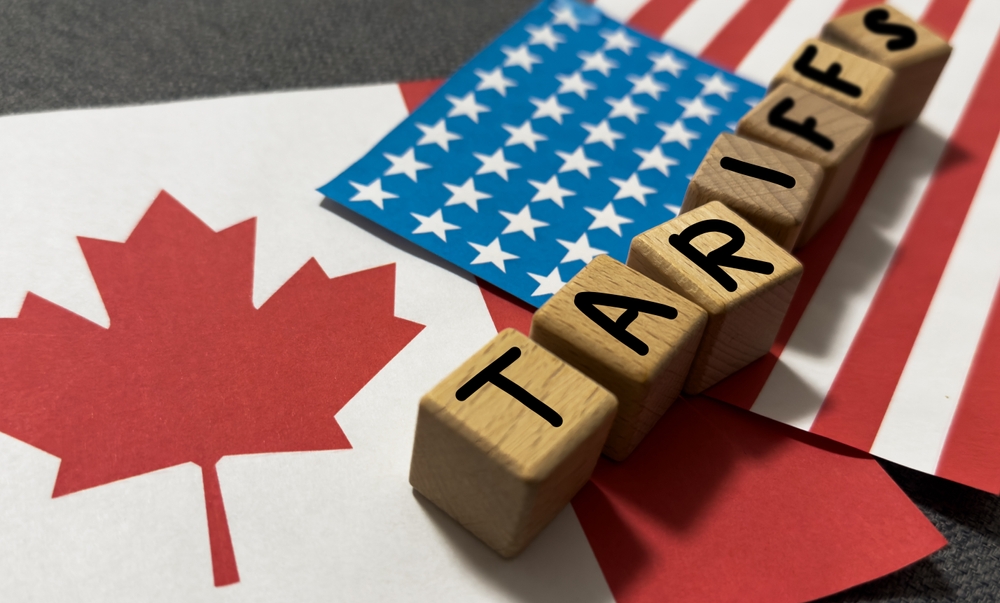
Trade discussions between Canada and the United States often influence key industries. When tariff concerns return, certain products face a higher risk than others. Many Canadian exports depend heavily on U.S. buyers and supply chains. Even small policy changes can raise costs and disrupt contracts. Industries tied to energy, metals, agriculture, and manufacturing feel pressure first. Companies watch these signals closely when planning investment and production. Here are 15 Canadian products most exposed if things escalate.
Softwood Lumber
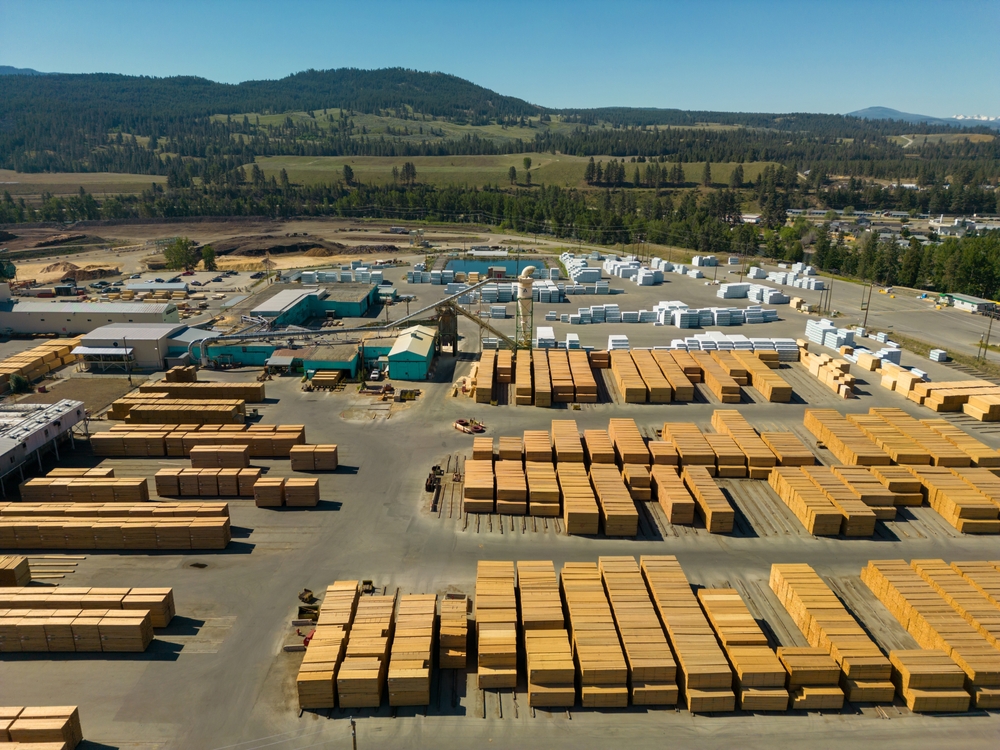
Softwood lumber remains one of Canada’s most trade-sensitive exports to the United States. Disputes over pricing and subsidies have continued for decades. Tariffs raise costs for American builders using Canadian wood. That often reduces demand from U.S. construction markets. Canadian producers then face lower sales volumes and price pressure. Many mills operate in smaller communities that depend on forestry jobs. Higher duties also create uncertainty for long-term contracts. Companies may delay investment decisions. The sector stays exposed because housing markets rely heavily on cross-border lumber supply chains.
Aluminum
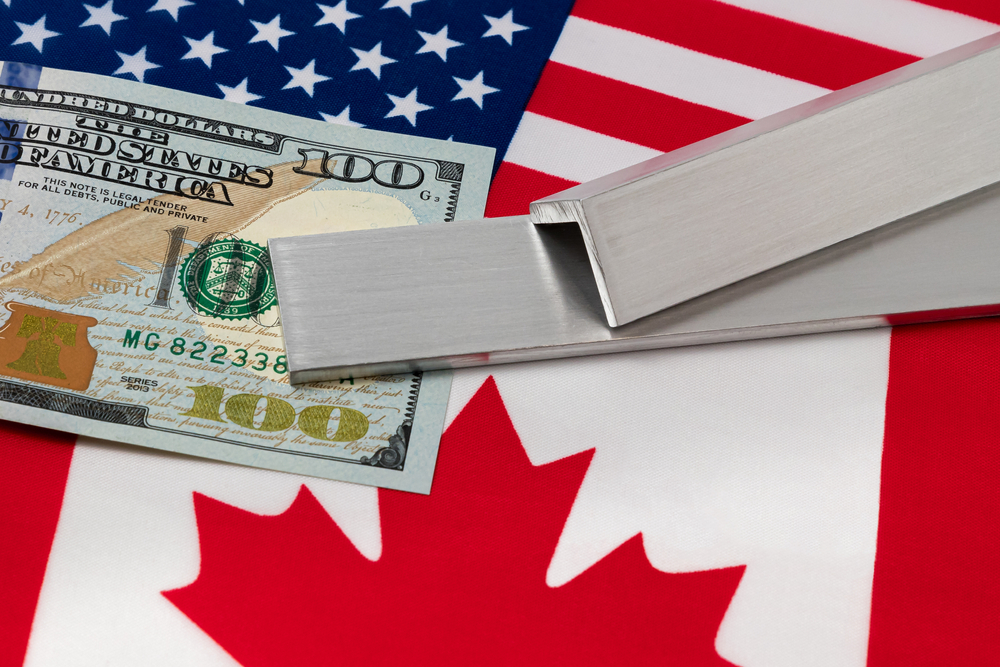
Canada ranks among the largest aluminum suppliers to the U.S. market. Much production comes from hydro-powered smelters in Quebec. Tariffs increase costs for American manufacturers using Canadian metal. That affects sectors like construction, packaging, and transportation. Canadian producers may see reduced orders if buyers switch sources. Supply chains across North America are tightly linked. Price swings also affect long-term contracts and planning. The industry requires high capital investment and stable demand. Trade barriers create uncertainty for both producers and downstream users relying on consistent aluminum flows.
Steel

Canadian steel feeds into the U.S. construction, automotive, and energy sectors. Tariffs raise import costs for American buyers of Canadian steel. That can slow orders and affect mill output. Steelmaking supports jobs in several Canadian provinces. Producers compete globally and face narrow profit margins. Trade actions often lead to countermeasures and market shifts. Buyers may seek alternative suppliers during disputes. Integrated supply chains mean parts cross borders multiple times. Uncertainty also delays infrastructure and manufacturing projects. The sector remains exposed because of its close ties to U.S. industrial demand.
Crude Oil
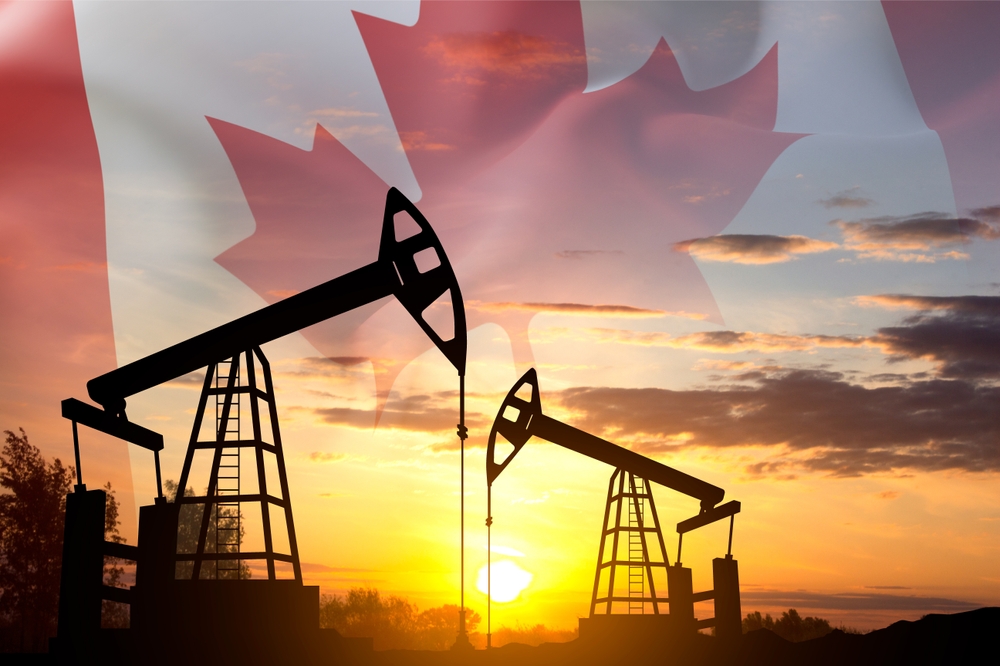
Canada exports large volumes of crude oil to U.S. refineries. Pipelines and infrastructure link the two energy markets closely. Tariffs or trade barriers could raise costs for refiners. That might shift demand toward other suppliers. Canadian producers depend on steady cross-border flows. Price changes affect investment in exploration and production. Energy trade also influences fuel prices for consumers. Long-term contracts provide some stability, yet policy shifts add risk. The sector stays exposed because the U.S. remains Canada’s primary oil export destination.
Refined Petroleum Products
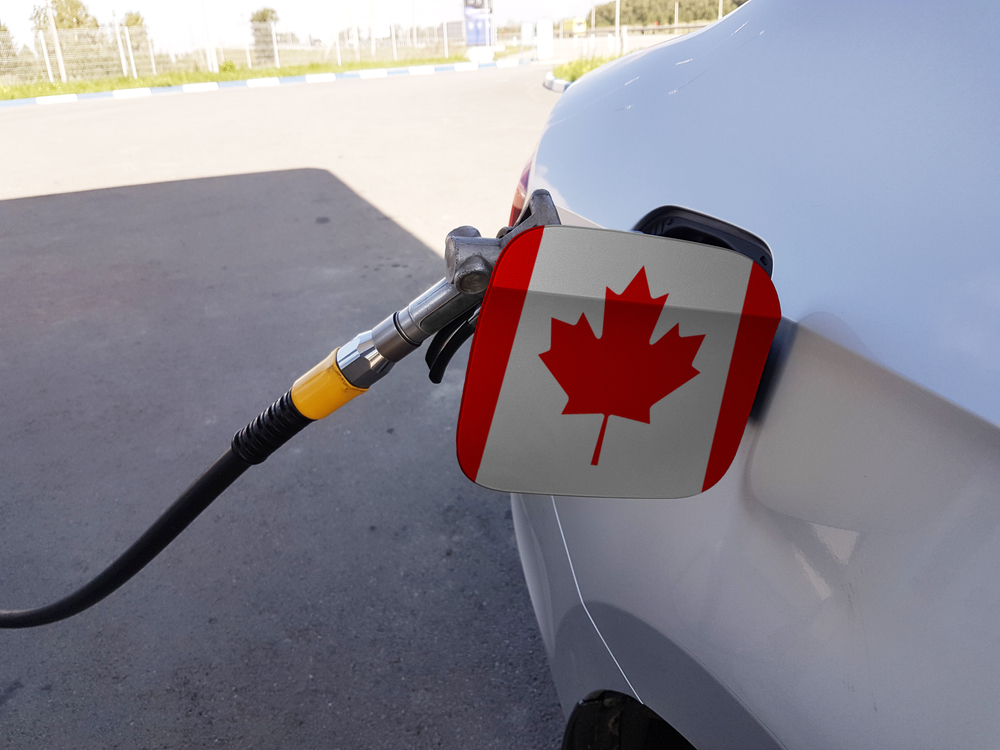
Canada exports refined fuels like gasoline, diesel, and jet fuel to the U.S. These products move through pipelines, rail, and marine routes. Tariffs increase costs for buyers and distributors. Demand can shift if price gaps widen. Refineries operate on tight margins and high volumes. Trade disruptions affect supply planning and storage levels. Regional markets along the border depend on cross-border fuel flows. Sudden policy changes can cause short-term shortages or price swings. The sector remains sensitive because energy supply chains function across national boundaries.
Automobiles

Canada assembles vehicles that move directly into the U.S. market. Production relies on parts crossing the border multiple times. Tariffs raise costs at each stage of assembly. That can reduce the competitiveness of Canadian-built vehicles. Automakers may adjust production schedules or plant investment. Jobs in manufacturing communities depend on stable trade conditions. Consumers may face higher vehicle prices. Supply chains operate on just-in-time delivery systems. Policy uncertainty disrupts planning across the industry. The auto sector remains exposed because of deep integration between Canadian and U.S. manufacturing networks.
Auto Parts

Auto parts move back and forth across the Canada-U.S. border many times. Components include engines, electronics, and stamped metal parts. Tariffs raise costs at each crossing point. That increases final vehicle production expenses. Suppliers operate on tight delivery schedules and slim margins. Trade barriers can delay shipments and disrupt assembly lines. Smaller manufacturers feel pressure quickly during uncertainty. Investment decisions often pause when trade risks grow. The sector remains exposed because North American vehicle production depends on deeply integrated cross-border parts networks.
Potash
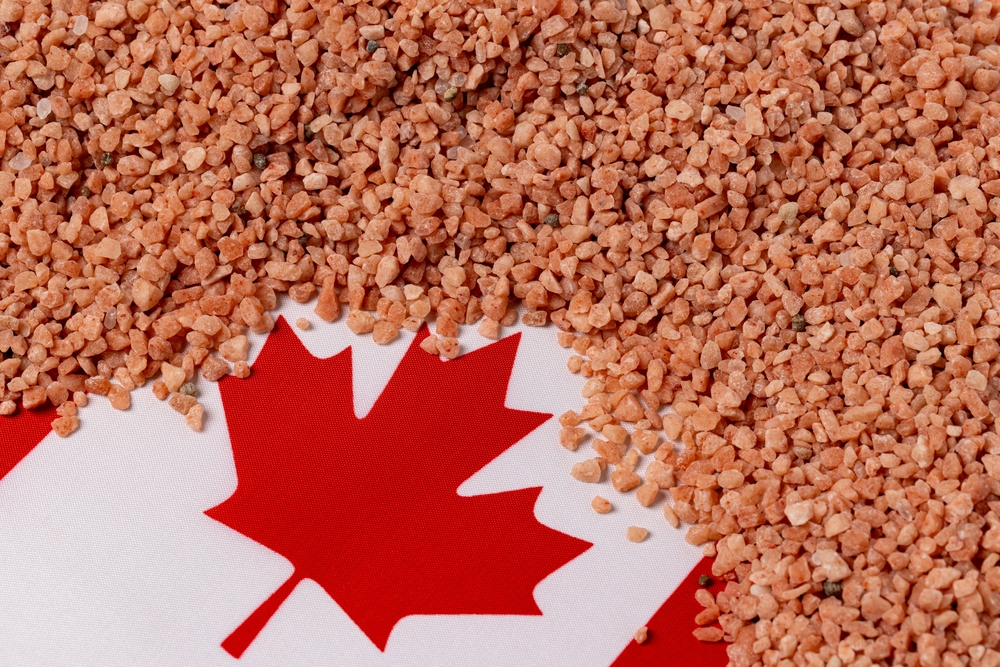
Canada is one of the world’s leading producers of potash fertilizer. U.S. farmers rely on the Canadian supply for crop production. Tariffs would raise fertilizer costs for agricultural buyers. That could affect planting decisions and food prices. Potash mining supports jobs in prairie provinces. The product moves by rail and bulk transport systems. Long-term contracts offer some stability, yet policy shifts create risk. Trade limits could reduce export volumes. The sector stays exposed because U.S. agriculture depends heavily on Canadian potash imports.
Canola Oil
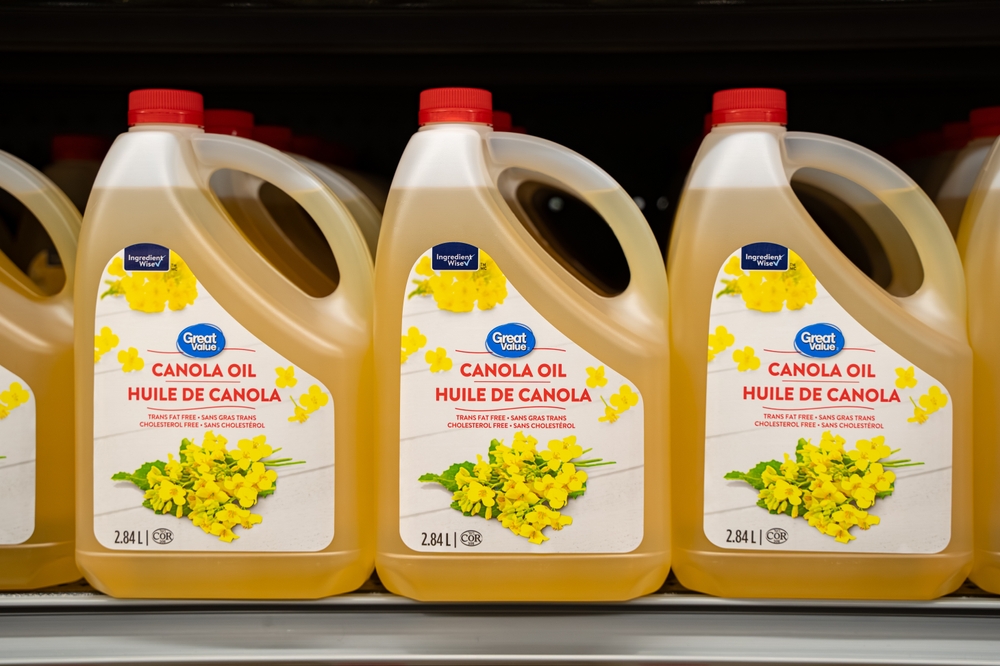
Canola oil ranks among Canada’s key agricultural exports to the United States. It is used in food processing, cooking oils, and biofuel blends. Tariffs increase costs for American buyers and food producers. That may reduce demand or shift sourcing. Farmers depend on steady export markets for crop income. Crushing facilities operate based on predictable trade flows. Price volatility affects planting and processing decisions. Integrated food supply chains link farms to processors and retailers. The sector remains exposed due to strong cross-border demand for Canadian canola products.
Pulp and Paper
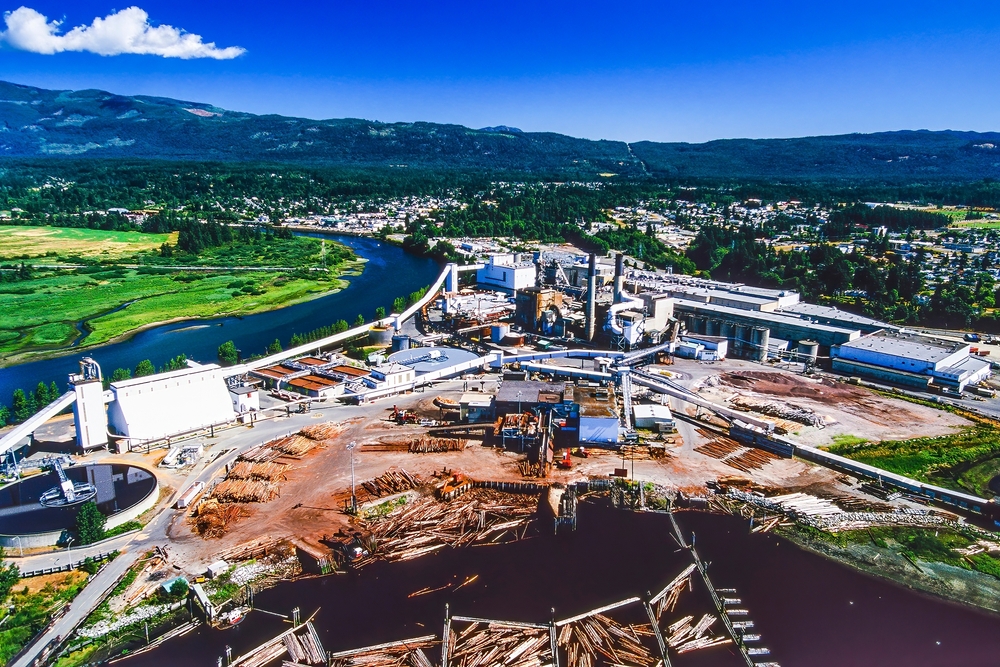
Canada exports pulp and paper products to the U.S. packaging and printing markets. These materials support tissue, packaging, and specialty papers. Tariffs raise costs for downstream manufacturers. Demand can fall if buyers find alternatives. Forestry operations support rural jobs and transport networks. Mills require stable output to remain efficient. Trade disputes add uncertainty to long-term supply agreements. Environmental regulations already influence costs. Additional duties increase financial pressure. The sector remains exposed because of heavy reliance on U.S. demand for Canadian fiber-based materials.
Aircraft and Aerospace Parts

Canada manufactures aircraft components, engines, and aerospace systems. Many parts ship to U.S. assembly plants and maintenance providers. Tariffs increase costs within highly technical supply chains. Aerospace production involves long development cycles and strict certification. Trade barriers can delay projects and raise program expenses. Skilled jobs depend on steady cross-border collaboration. Contracts often span years, yet policy changes add risk. Companies may shift sourcing strategies if duties persist. The sector remains exposed due to close integration with U.S. aerospace manufacturing and defense programs.
Seafood
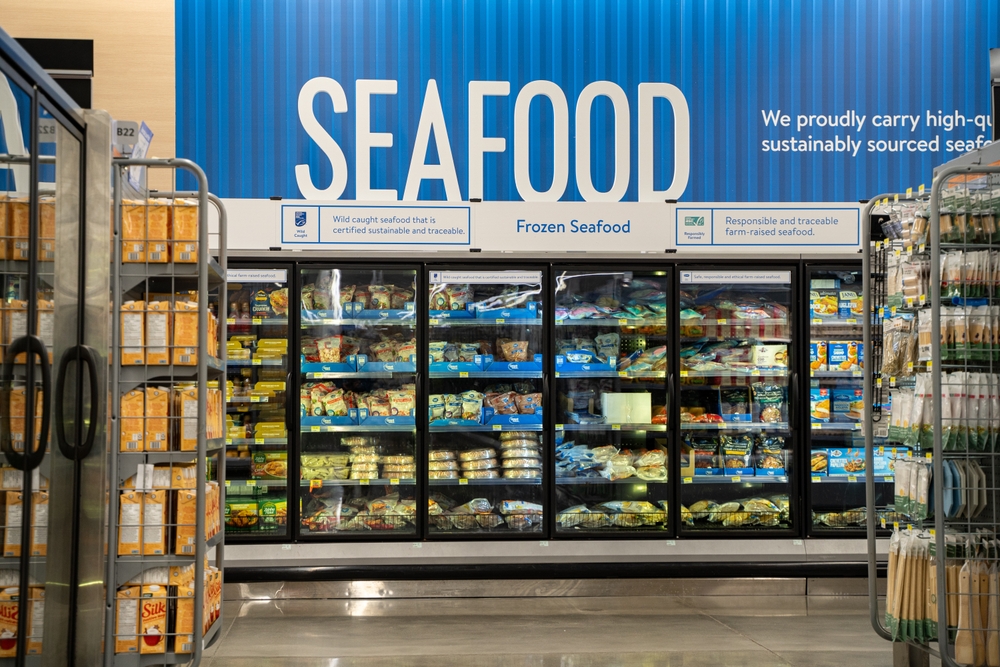
Canadian seafood exports include lobster, crab, salmon, and other species. U.S. restaurants and retailers represent major buyers. Tariffs raise prices for importers and consumers. Demand can drop when menu costs rise. Fishing communities rely on export revenue during peak seasons. Cold chain logistics facilitates the rapid movement of products across borders. Trade disruptions affect storage, transport, and pricing. Smaller harvesters feel impacts quickly. Market diversification takes time. The sector remains exposed because of strong U.S. demand for Canadian seafood products.
Uranium
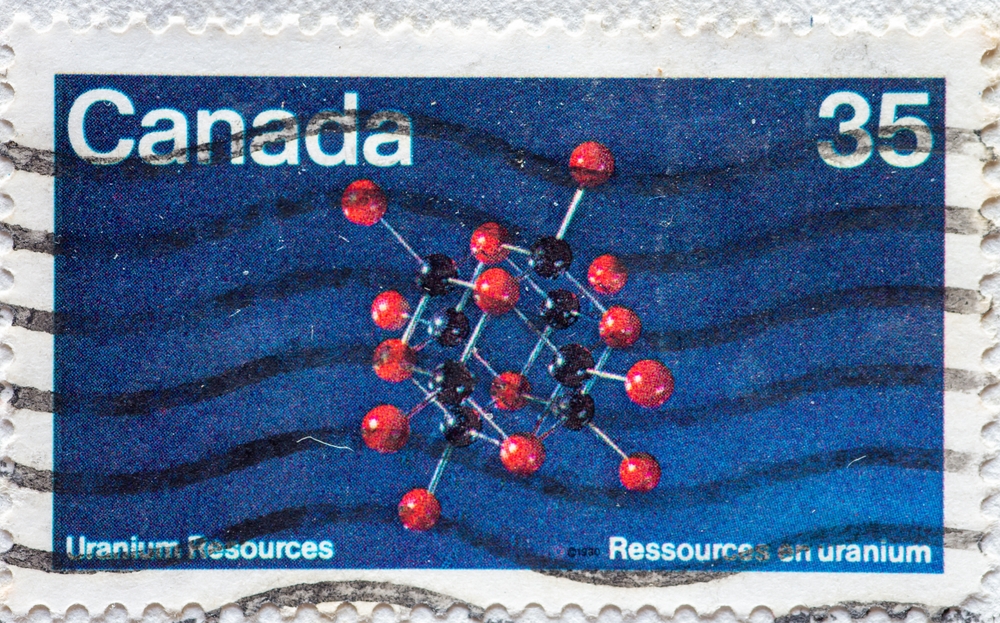
Canada is a major global supplier of uranium used in nuclear power. U.S. utilities purchase Canadian uranium for reactor fuel. Tariffs or trade limits would raise costs for energy producers. Nuclear fuel contracts often run for long periods, yet policy risk introduces uncertainty. Mining operations support jobs in northern regions. Transport and processing are subject to strict regulatory oversight. Price shifts influence investment in exploration and production. Energy security concerns also shape trade policy decisions. The sector remains exposed because U.S. nuclear plants depend on a reliable Canadian uranium supply.
Maple Syrup

Maple syrup is strongly associated with Canadian agriculture and food exports. The United States represents a key consumer market. Tariffs would increase retail prices for importers and shoppers. Producers rely on seasonal harvests and stable export channels. Smaller producers may feel cost pressure quickly. Packaging, transport, and distribution operate across borders. Market demand can shift if prices rise. Brand identity supports sales, yet trade barriers reduce competitiveness. The sector remains exposed because U.S. buyers account for a large share of Canadian maple syrup exports.
Beef
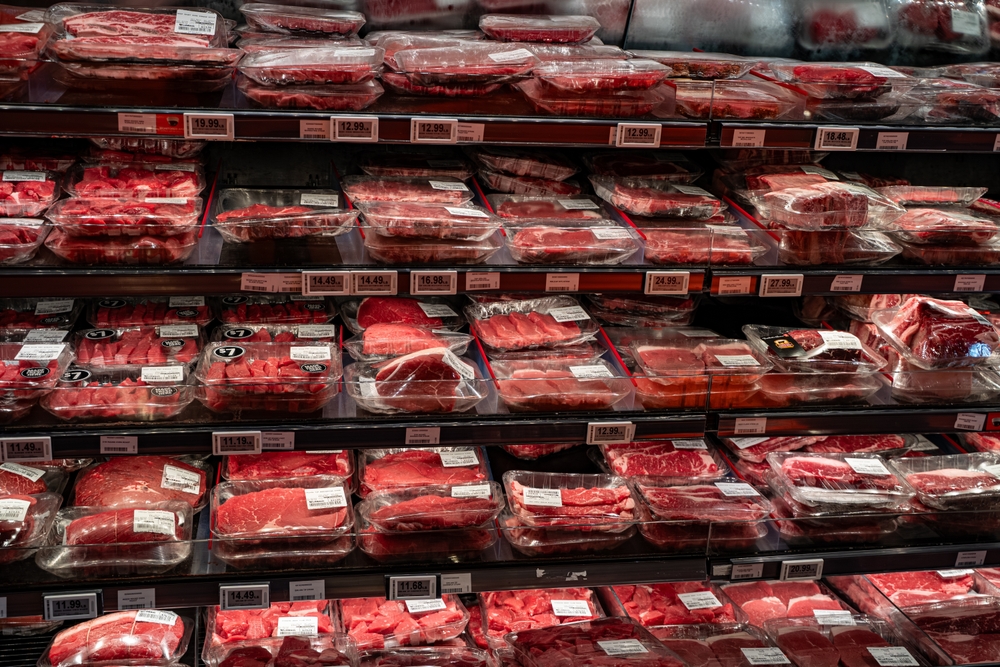
Canada exports beef cattle and processed beef products to the U.S. Integrated livestock supply chains link feedlots, processors, and retailers. Tariffs increase costs for meat importers and distributors. That may reduce cross-border trade volumes. Ranchers depend on steady demand and predictable pricing. Processing plants operate on high-throughput systems. Trade uncertainty affects herd management and investment decisions. Consumers may face higher prices. The sector remains exposed because of strong U.S. demand and shared North American meat markets.
22 Groceries to Grab Now—Before another Price Shock Hits Canada

Food prices in Canada have been steadily climbing, and another spike could make your grocery bill feel like a mortgage payment. According to Statistics Canada, food inflation remains about 3.7% higher than last year, with essentials like bread, dairy, and fresh produce leading the surge. Some items are expected to rise even further due to transportation costs, droughts, and import tariffs. Here are 22 groceries to grab now before another price shock hits Canada.
22 Groceries to Grab Now—Before another Price Shock Hits Canada
