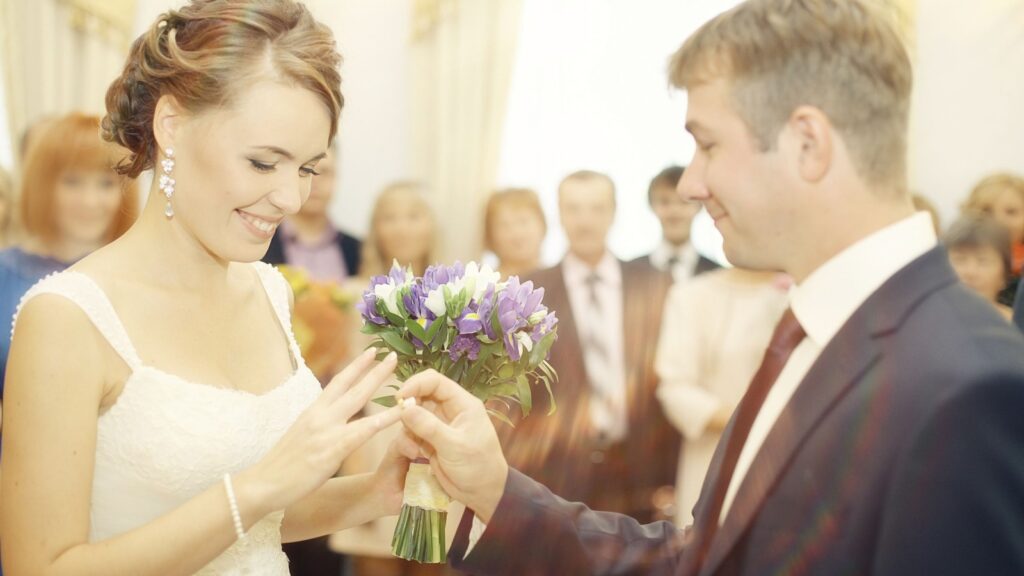
Weddings across Canada are becoming more thoughtful as couples reconsider traditions that once felt mandatory. Rising costs, busy schedules, and changing social expectations are encouraging simpler, more guest-friendly celebrations. Many people now value comfort, accessibility, and meaningful moments over elaborate formalities. Couples are paying closer attention to how decisions affect the people attending, not just the overall aesthetic. As a result, several long-standing practices are quietly disappearing. Guests often feel relieved when these changes appear because they reduce stress and expense. Here are 14 wedding trends Canadians are cancelling in 2026, and guests are relieved.
Overly Long Ceremonies
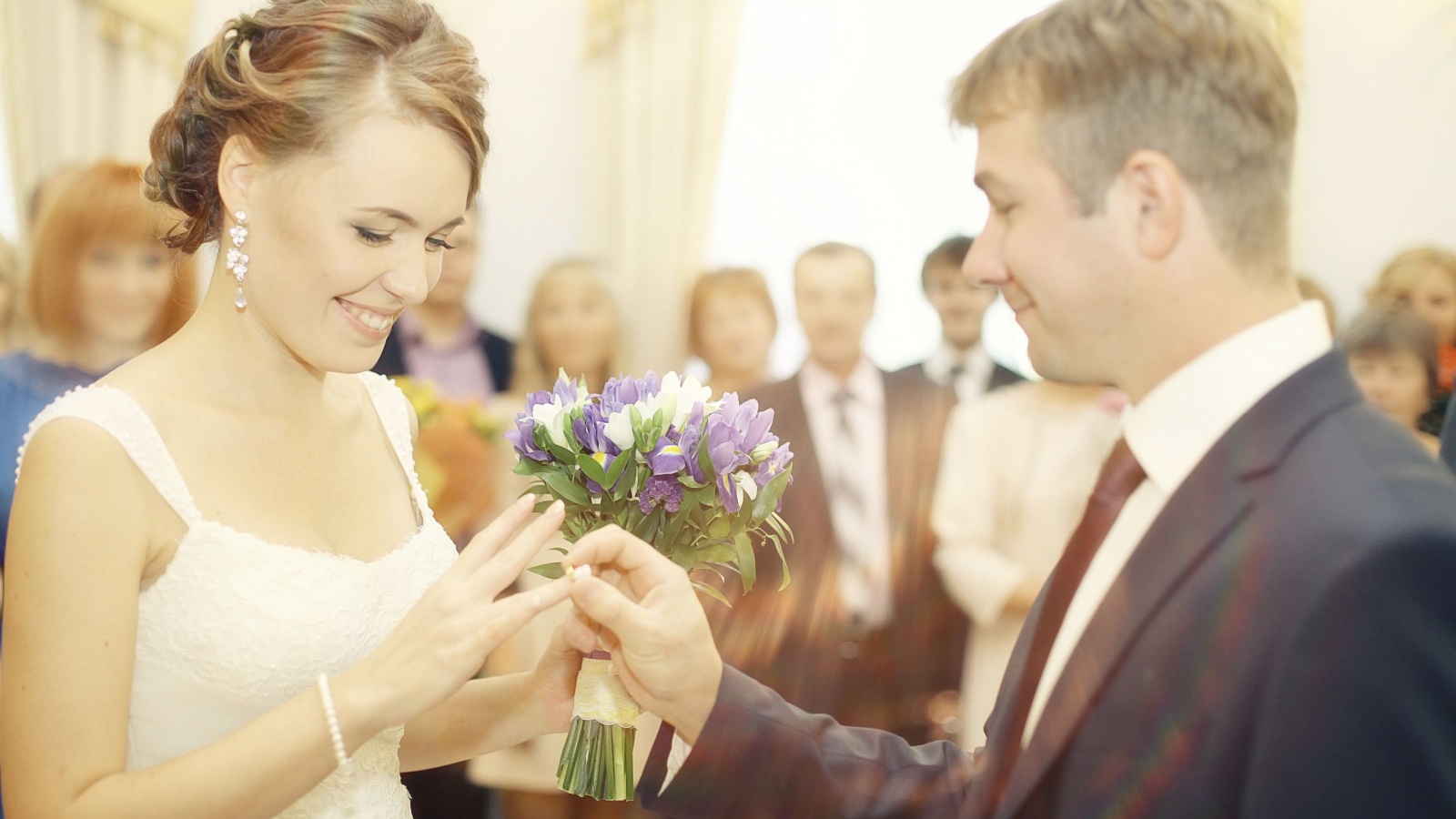
Many couples are shortening ceremonies because guests struggle to stay comfortable during extended proceedings. Outdoor venues can be affected by heat, wind, or limited seating, making long programs difficult. Attention also fades when speeches or rituals continue without clear pacing. Shorter ceremonies keep the focus on the meaningful moments rather than endurance. Guests remain engaged and appreciative instead of restless. This approach also allows more time for socializing afterwards. Officiants increasingly help structure concise formats that still feel personal. By respecting everyone’s comfort, couples create a more positive experience overall. A well-paced ceremony leaves guests energized for the celebration instead of relieved that it finally ended.
Strict Black-Tie-Only Dress Codes

Rigid dress codes are becoming less common as couples recognize the burden they place on guests. Formal attire can be expensive, difficult to source, and uncomfortable for long events. Spring weather adds further complications, especially for outdoor venues. Many guests prefer guidance rather than strict requirements. Semi-formal or cocktail attire allows people to look polished without excessive effort. Flexibility also accommodates different ages and body types. When guests feel comfortable in their clothing, they participate more fully in the celebration. Relaxed dress expectations create a welcoming atmosphere rather than pressure. As a result, strict black tie mandates are gradually disappearing from many Canadian weddings.
Destination Weddings with High Travel Costs

Travel-heavy weddings once felt glamorous, but rising costs have changed perceptions. Flights, accommodation, and time off work can make attendance difficult. Some guests feel obligated despite financial strain. Couples increasingly recognize this pressure and reconsider distant locations. Hosting closer to home allows more loved ones to attend. It also simplifies logistics for everyone involved. Virtual participation cannot fully replace in-person presence. Local celebrations often feel more inclusive and relaxed. By choosing accessible venues, couples prioritize relationships over spectacle. This shift reflects growing awareness of economic realities affecting many households.
Weekday Weddings Without Flexibility

Weekday ceremonies can reduce venue costs, but they create scheduling challenges for guests. Attendees may need to request time off work or arrange childcare. Travel becomes harder when transportation options are limited. Without flexibility, many people decline invitations despite wanting to attend. Couples now consider hybrid approaches, such as evening events or nearby locations. Providing advance notice also helps guests plan effectively. When attendance feels manageable, participation improves. Weekend dates remain the most convenient option overall. Recognizing these realities helps couples avoid unintentionally excluding important people from their celebration.
Cash-Only Bars

Cash-only bars are fading because they create awkward situations for guests. Not everyone carries cash, especially at formal events. Searching for ATMs interrupts the experience. Some people also feel uncomfortable paying repeatedly during a celebration. Couples increasingly choose hosted bars or limited drink options instead. Even a simple selection of complimentary beverages feels more welcoming. Clear communication about drink arrangements prevents confusion. Removing financial transactions from the evening keeps attention on social interaction. Guests appreciate not worrying about payment while celebrating. This change supports a smoother and more enjoyable atmosphere for everyone involved.
Assigned Seating for the Entire Event
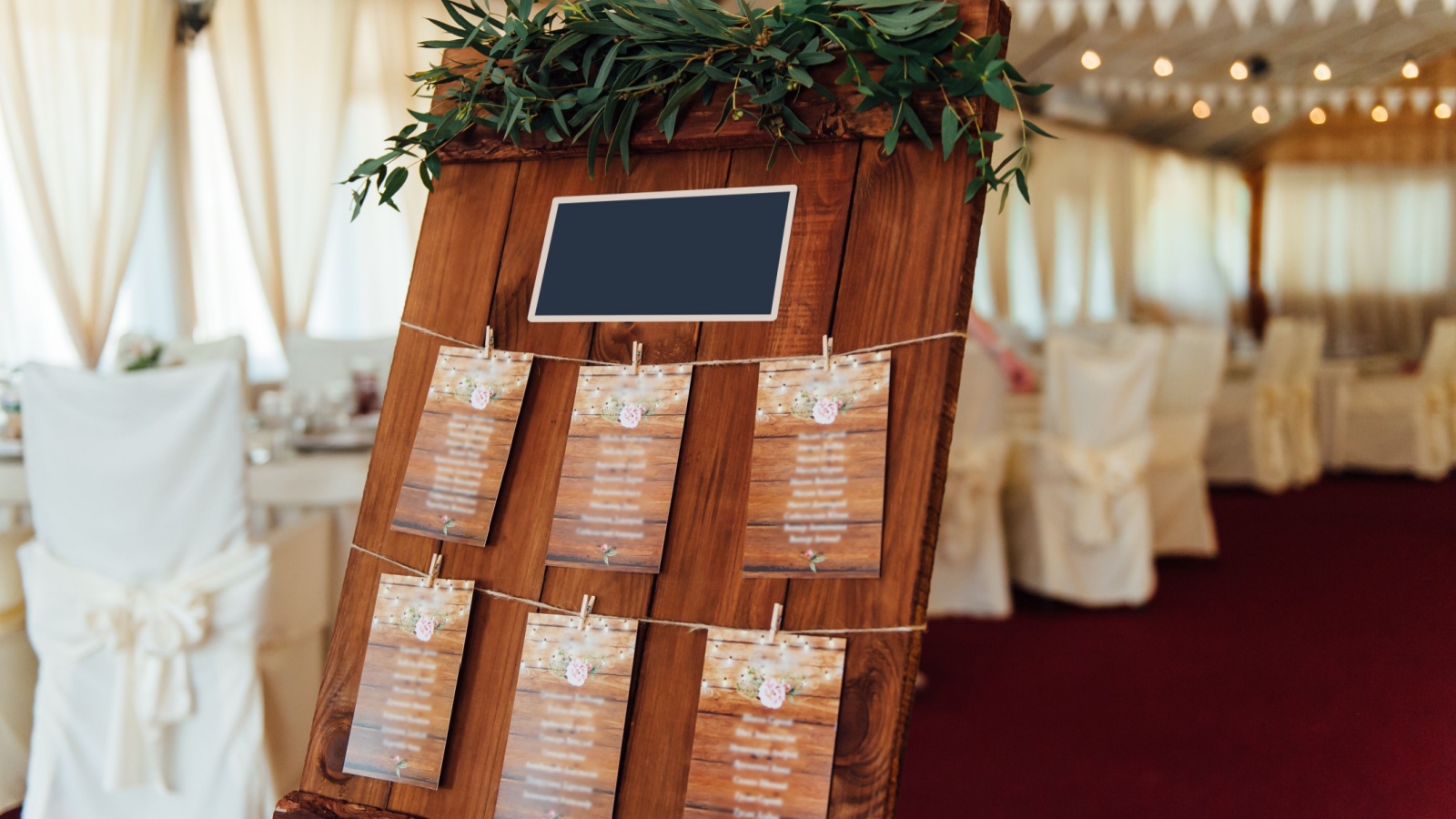
While assigned tables remain helpful for meals, rigid seating throughout the event feels restrictive. Guests often want to move around and speak with different people. Fixed arrangements can prevent natural interaction. Modern receptions encourage mingling after formal portions conclude. Lounge areas and open spaces support this flexibility. Allowing movement also accommodates changing energy levels. People can join conversations that interest them rather than staying confined. Couples benefit because guests feel more relaxed and engaged. A partial structure combined with freedom strikes a better balance. This approach reflects a shift toward social comfort rather than strict control.
Overpacked Wedding Schedules

Trying to include every possible activity can overwhelm both couples and guests. Tight schedules leave little time for rest or conversation. Delays in one segment often disrupt the entire plan. Guests may feel rushed from ceremony to reception to additional events. Simpler timelines create a more enjoyable flow. Couples now prioritize meaningful moments instead of quantity. Allowing buffer time reduces stress for everyone. Vendors also perform better without constant pressure. A relaxed pace encourages spontaneous interaction and genuine celebration. By scaling back, weddings feel less like productions and more like shared experiences.
Formal Receiving Lines

Receiving lines once served as a way to greet every guest individually. Today, they can feel slow and impersonal. Waiting in line prevents guests from enjoying the event freely. Couples often prefer circulating among tables instead. This approach allows longer, more natural conversations. It also reduces congestion at entrances. Guests appreciate the flexibility to move at their own pace. Informal greetings feel warmer than brief scripted exchanges. As social expectations evolve, receiving lines appear increasingly outdated. Many couples replace them with casual interaction throughout the reception.
Late-Night Events That Run Too Long

Celebrations that extend deep into the night can exhaust attendees. Older relatives, families with children, and travelers often need earlier departures. When events run excessively long, energy levels drop. Couples are recognizing that quality matters more than duration. Ending at a reasonable hour leaves guests with positive memories. After parties, remain optional for those who want to continue. Transportation and accommodation planning also become easier. Shorter timelines reduce fatigue and logistical complications. A well-timed conclusion respects everyone’s needs while preserving the festive atmosphere.
Complicated RSVP Processes

Complex response systems frustrate guests and create confusion. Multiple forms, deadlines, or unclear instructions increase the chance of errors. Couples now favour simple digital platforms or straightforward reply cards. Clear communication encourages timely responses. Guests appreciate processes that take only a few minutes. Simplicity also helps hosts track attendance accurately. Reducing administrative burden benefits both sides. Modern technology makes streamlined systems accessible. By removing unnecessary steps, couples avoid stress before the celebration even begins. Efficient RSVPs contribute to smoother planning overall.
Social Media Restrictions for Guests

Strict bans on phones or photos can feel unrealistic in a connected world. While privacy remains important, complete restrictions may frustrate attendees. Many couples now request discretion rather than prohibition. Guests are encouraged to enjoy the moment while respecting boundaries. Designated photographers still capture official images. Allowing limited sharing helps friends and relatives feel included. Clear guidelines prevent misunderstandings. Balanced policies acknowledge both privacy concerns and modern habits. This approach maintains control without alienating guests.
Excessive Wedding Party Sizes
Large wedding parties can complicate planning and increase costs. Coordinating schedules, attire, and responsibilities becomes challenging. Some attendants may feel pressure to participate fully. Smaller groups allow closer relationships to take centre stage. Decision-making becomes simpler with fewer people involved. Guests also find intimate ceremonies more meaningful. Reduced numbers lower logistical demands on everyone. This trend reflects a preference for quality over scale. Couples focus on including those who play significant roles in their lives.
Elaborate Party Favors Few People Use
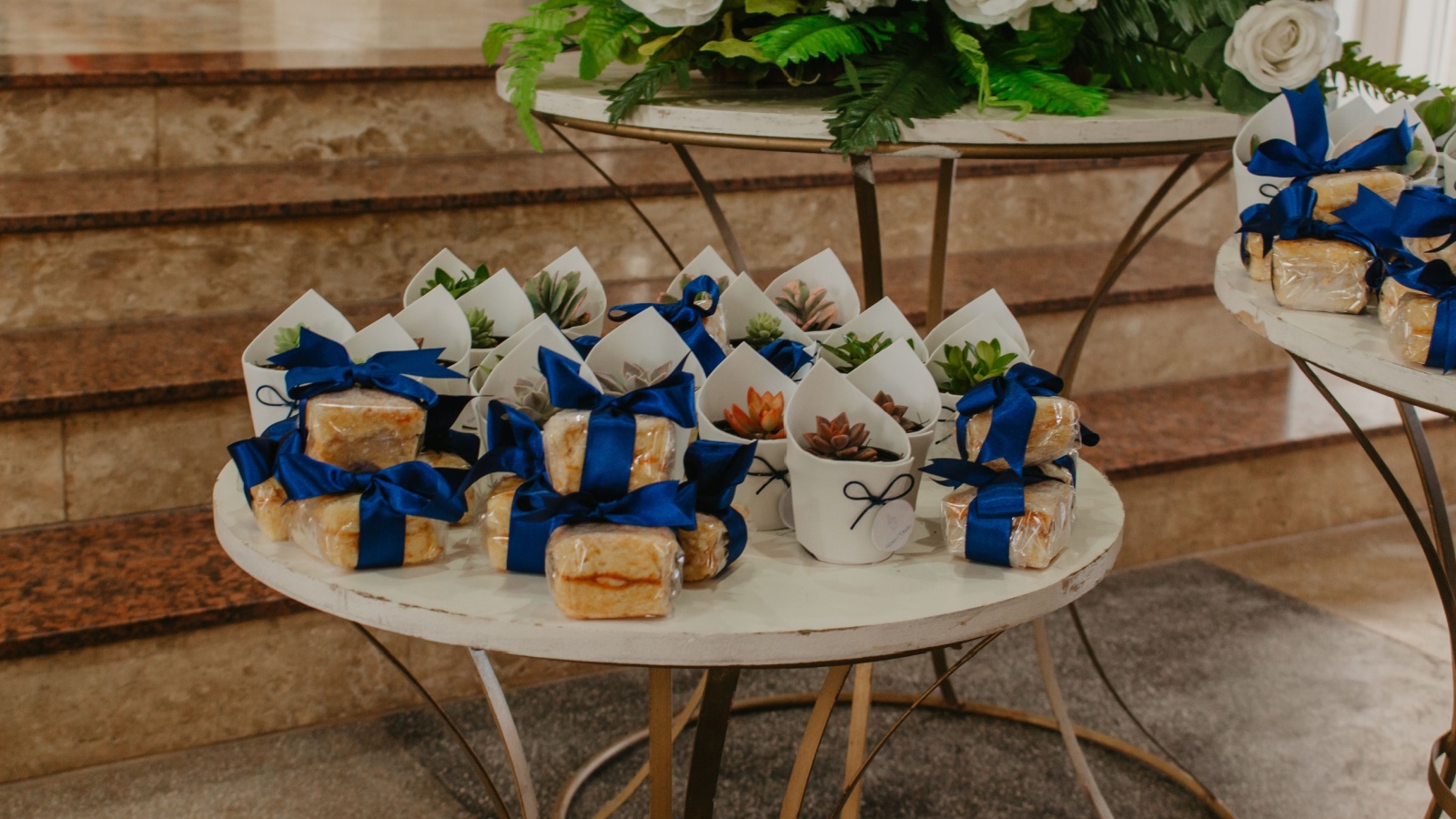
Decorative favors once symbolized appreciation for guests. However, many items are left behind or discarded later. Couples increasingly choose practical or consumable options instead. Edible treats or charitable donations feel more meaningful. Reducing unnecessary objects also aligns with sustainability goals. Guests prefer items they can enjoy rather than store. Simplifying favors saves money and effort. The gesture remains thoughtful without excess. This shift shows growing awareness of waste and practicality.
Surprise Costs Passed to Guests

Unexpected expenses can create discomfort and resentment. Charges for transportation, activities, or services may catch guests off guard. Transparency about costs allows people to plan appropriately. Couples now aim to minimize financial burdens on attendees. Inclusive planning fosters goodwill and participation. Clear communication prevents misunderstandings. Guests feel respected when expectations are upfront. Avoiding surprise costs contributes to a positive overall experience. Weddings become celebrations rather than obligations, strengthening relationships rather than straining them.
22 Groceries to Grab Now—Before another Price Shock Hits Canada

Food prices in Canada have been steadily climbing, and another spike could make your grocery bill feel like a mortgage payment. According to Statistics Canada, food inflation remains about 3.7% higher than last year, with essentials like bread, dairy, and fresh produce leading the surge. Some items are expected to rise even further due to transportation costs, droughts, and import tariffs. Here are 22 groceries to grab now before another price shock hits Canada.
22 Groceries to Grab Now—Before another Price Shock Hits Canada
