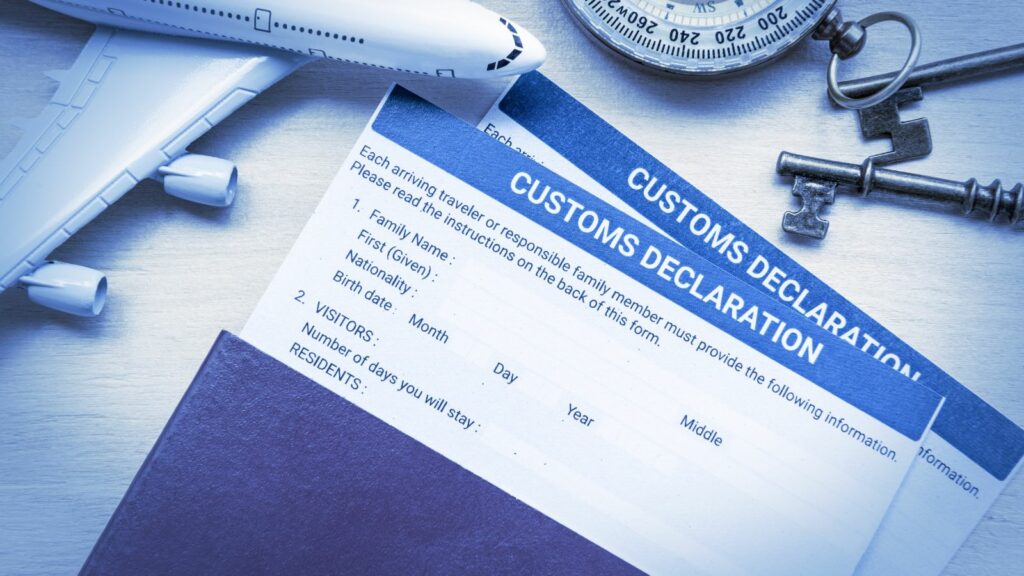
Airport costs rarely arrive all at once. They show up in a checked-bag fee, a parking charge, a missed connection, a confiscated item, or a rule that changed quietly before departure day. For Canadian travellers in 2026, the airport is becoming one of the easiest places to spend more than planned, especially as fares, baggage rules, airport fees, border processes, and travel disruptions keep shifting.
These 15 airport mistakes can turn a carefully priced trip into a more expensive one. Some are small habits, like waiting until the counter to pay for bags. Others involve bigger risks, such as overlooking passport rules, travel advisories, customs declarations, or insurance coverage. Together, they show how preparation before reaching the terminal can matter almost as much as the ticket price itself.
Booking the Cheapest Fare Without Checking What It Excludes

The lowest fare on the screen can feel like a win until the airport reveals what was left out. In 2026, Canadian travellers face more unbundled fare structures, where a ticket may not include a standard carry-on, checked baggage, free seat selection, or flexible changes. A family booking four “cheap” seats can quickly discover that adding bags and seats turns the lowest fare into something closer to a standard ticket.
This mistake is especially costly because the surprise often appears when travellers have the least flexibility. At check-in, the choice may be paying the fee or leaving belongings behind. A traveller heading from Calgary to Toronto for a long weekend might assume a carry-on is included because it always used to be. That assumption can become an airport expense, especially on basic or ultra-low fare categories with tighter baggage limits.
Waiting Until the Airport to Pay for Checked Bags

Many travellers still treat baggage fees as something to handle at the counter, but waiting can cost more. Airlines increasingly price checked bags differently depending on when the traveller pays. Prepaying online is often cheaper than paying at the airport, while counter and gate handling can carry higher charges because staff and last-minute processing are involved.
This can create an avoidable penalty for people who already know they need a bag. A traveller leaving Edmonton for a week in Mexico may pack a full suitcase but decide to “deal with it there.” By the time they reach the airport kiosk, the fee can be higher than it would have been during online check-in. The cost difference may seem modest on one bag, but it multiplies quickly for couples, families, sports equipment, or return flights.
Assuming a Carry-On Will Always Be Allowed
Carry-on baggage used to feel like a basic part of flying, but that assumption is no longer safe. Some low-priced fare types now limit travellers to a personal item only, and not all airlines allow customers to simply pay extra at the gate for a standard carry-on. The overhead bin has become valuable space, and fare rules increasingly decide who gets to use it.
The expensive part is not just the baggage fee. It is the scramble. A traveller arriving with a roller bag that does not qualify may have to check it, repack valuables, or pay a higher last-minute charge. If the bag contains medication, electronics, lithium batteries, documents, or fragile items, the stress increases. The smarter habit is to check the exact fare family before booking, not after arriving at security.
Overpacking a Bag That Crosses Weight or Size Limits
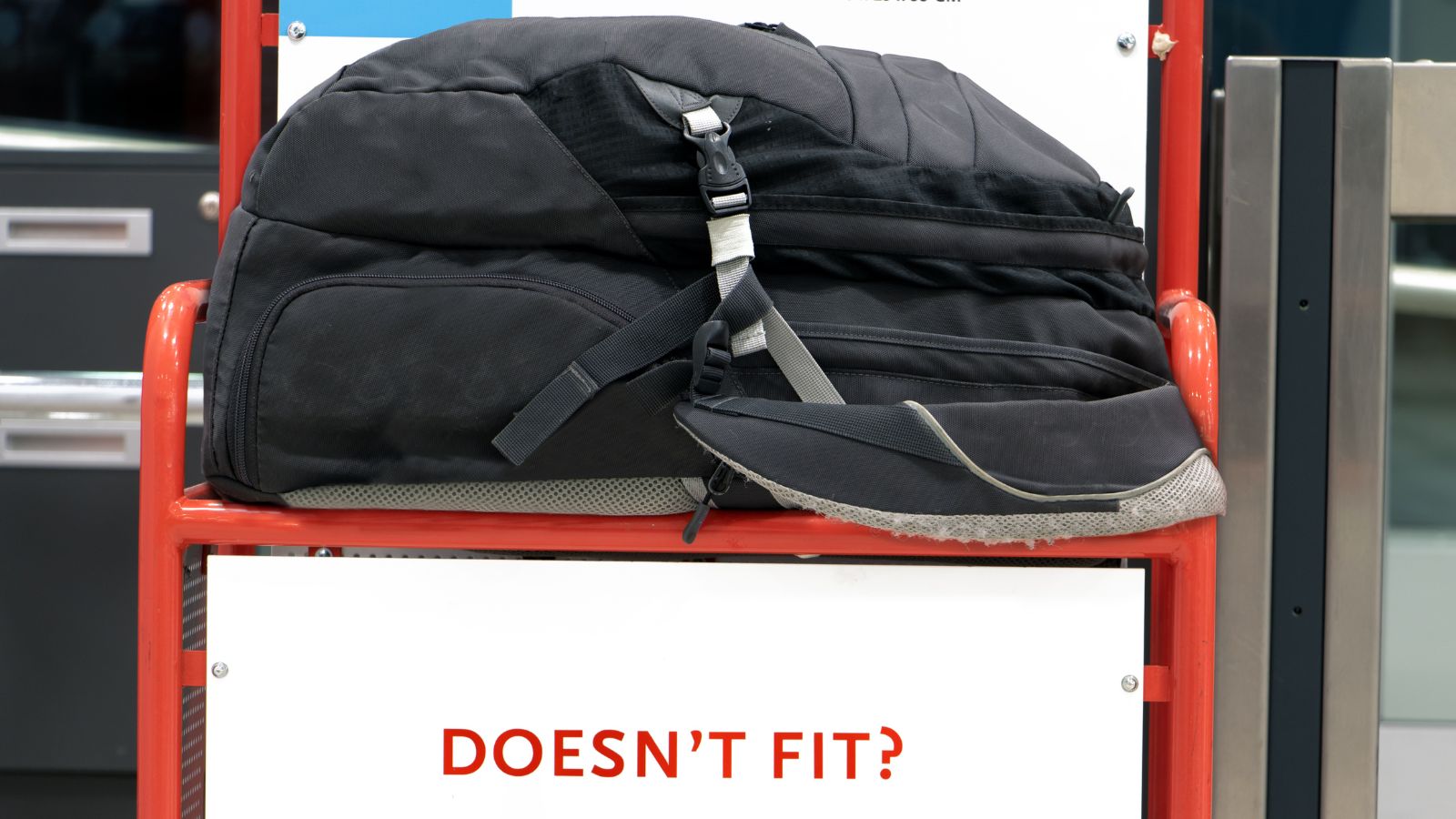
A checked bag that looks normal at home can become expensive on the airport scale. Airlines usually set maximum weight and size limits, and fees can rise sharply when a suitcase is overweight, oversized, or both. Souvenirs, winter clothing, boots, books, wine, or gifts can push a bag over the limit faster than expected.
This mistake is common on return trips. A traveller flying back from Vancouver after visiting relatives may add a few gifts and local purchases, only to find the suitcase has crossed the threshold. At that point, the choices are awkward: pay the overweight fee, buy another bag, or repack in public near the check-in area. A small luggage scale at home can prevent a surprisingly large airport charge.
Packing Liquids, Gels, or Food That Fails Screening Rules
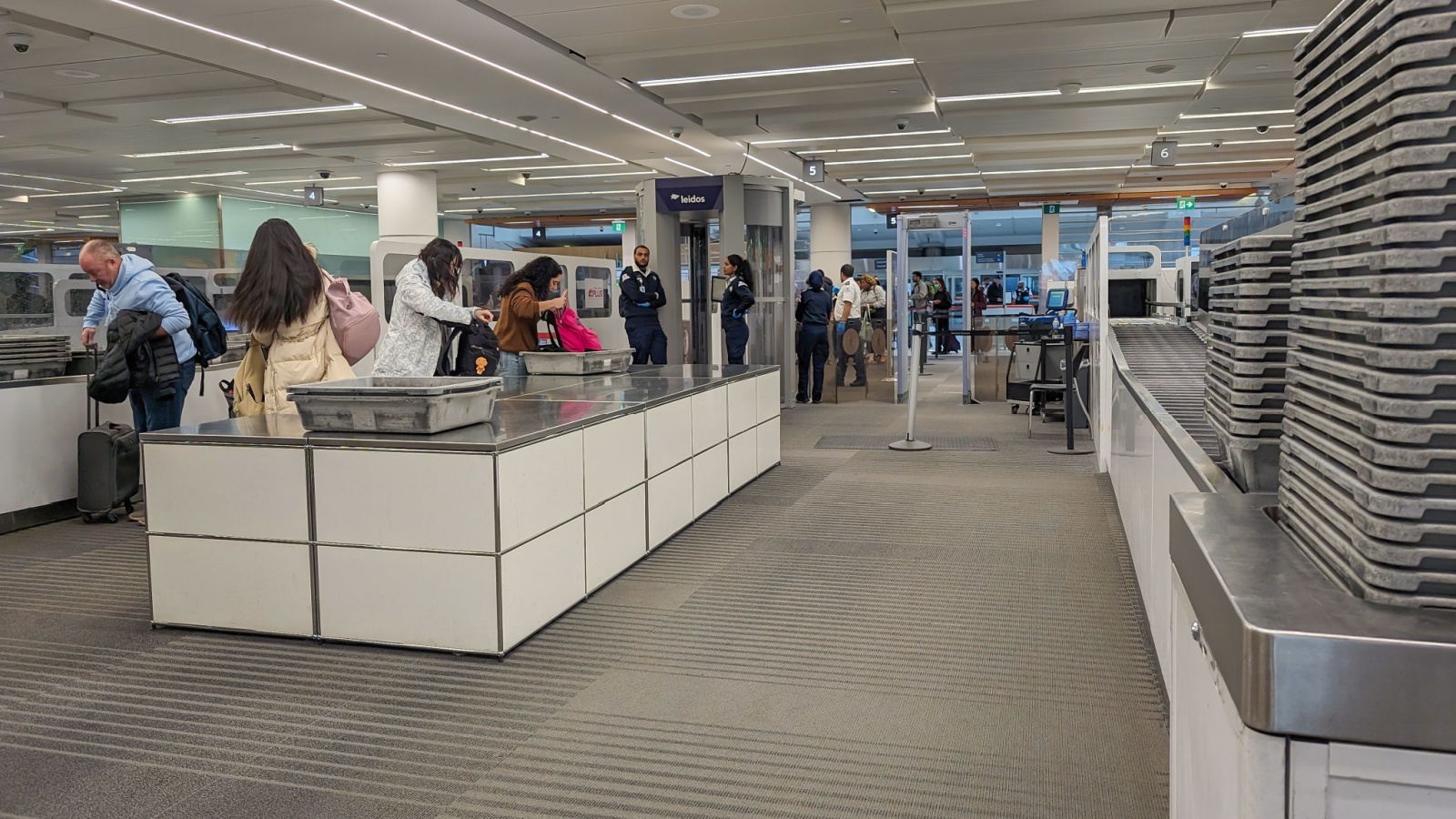
Security rules around liquids, aerosols, gels, creams, pastes, and some foods remain a recurring source of wasted money. Containers in carry-on baggage generally need to meet the 100 mL limit and fit in a clear one-litre resealable bag. Full-sized sunscreen, shampoo, maple syrup, sauces, spreads, and specialty food gifts can be stopped at screening if packed incorrectly.
The cost is often emotional as well as financial. A traveller may buy an expensive skincare product, local jam, or duty-free-style gift before realizing it cannot pass through security in a carry-on. If there is no time to check a bag, the item may be surrendered. The safer approach is simple: place full-sized liquids and non-solid foods in checked baggage, and treat the one-litre bag as a strict packing limit.
Forgetting That Medication Needs Separate Planning

Medication is treated differently from ordinary liquids, but that does not mean it should be packed casually. Liquid medication may be exempt from the usual 100 mL limit, yet travellers should still keep it accessible and present it clearly at screening. Packing prescriptions deep inside a checked bag can create problems if the suitcase is delayed or the traveller needs the medication during the flight.
This mistake can become costly if it leads to replacement prescriptions abroad, urgent pharmacy visits, or missed doses during a long delay. A traveller connecting through Montreal on the way to Europe may not expect to spend extra hours in the terminal, but disruptions happen. Medication, medical devices, and supporting documentation belong in carry-on baggage, organized so screening officers can inspect them without unnecessary delay.
Cutting Arrival Time Too Close During Busy Travel Periods

Arriving late at the airport can trigger a chain reaction of expenses. A long security line, slow bag drop, weather delay, traffic jam, or document issue can push travellers past baggage cut-off or boarding deadlines. Once a flight is missed because the passenger arrived too late, rebooking can be expensive, especially on restrictive fares.
The risk rises during holidays, March break, summer travel, and early-morning departure banks when airports process many flights at once. A traveller leaving Toronto Pearson for a 6 a.m. flight might assume the airport will be quiet, only to find long lines of vacationers and business passengers. Extra time is not glamorous, but it protects against last-minute costs such as same-day fare differences, hotel stays, meals, and missed connections.
Ignoring Airport Parking Until Departure Day
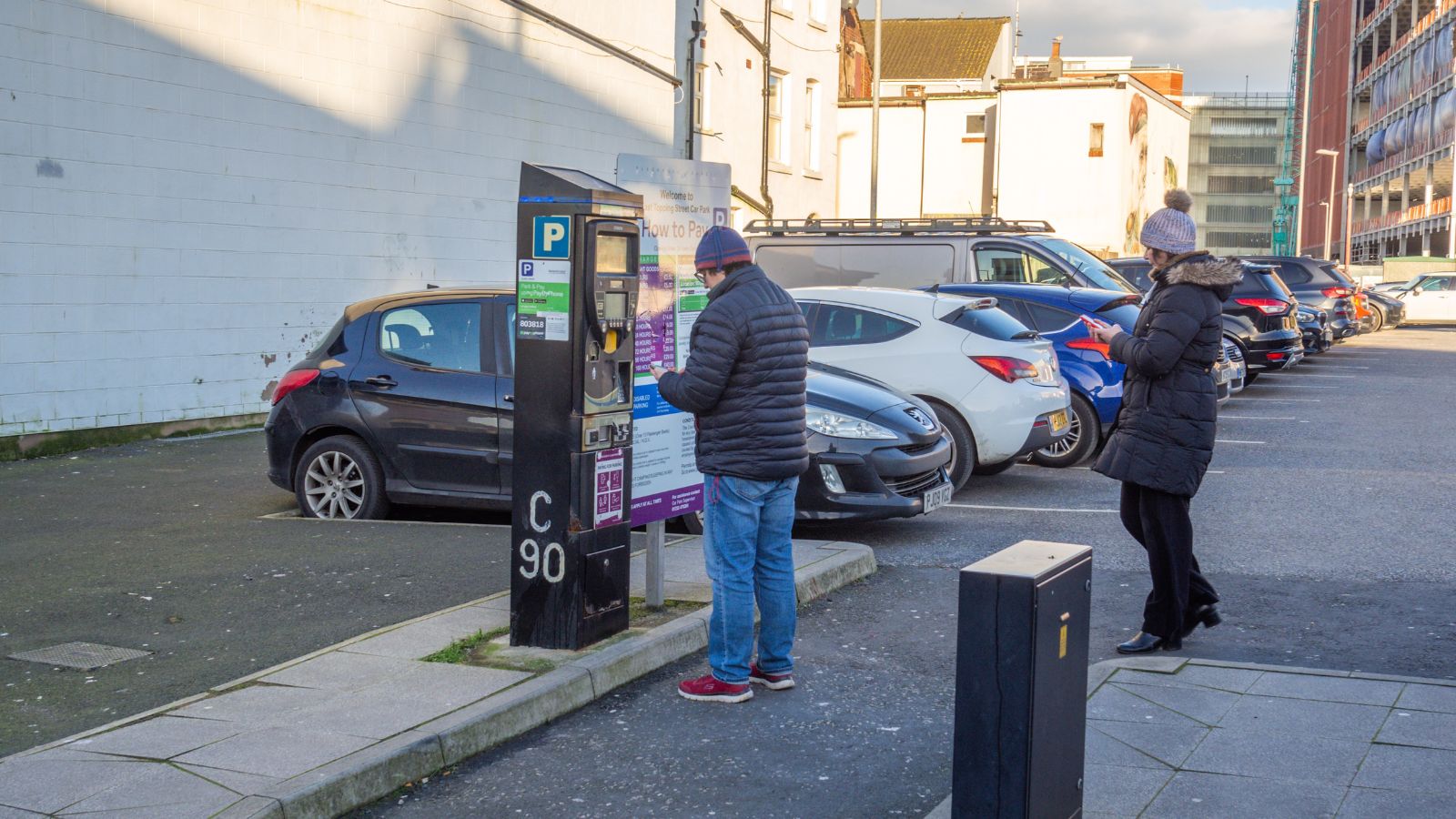
Airport parking is one of the easiest costs to underestimate. Many travellers focus on airfare and hotel prices, then drive to the terminal without comparing parking options. At major Canadian airports, daily and weekly rates can add up quickly, especially when travellers choose the closest garage for convenience or forget to reserve in advance.
The cost can surprise even frequent flyers. A four-day trip may not feel long, but daily terminal parking can become a meaningful add-on to the total trip price. Some airports offer value lots, long-term lots, discounts, public transit connections, or pre-booked rates, while others charge more for proximity to the terminal. Planning ground transportation before departure can prevent the airport parking lot from becoming the first expensive mistake of the trip.
Skipping Travel Advisories Before Leaving Canada

Travel advisories are not just warnings for extreme situations. They can affect insurance coverage, flight disruptions, routing, entry rules, safety planning, and the cost of getting home if conditions change. In 2026, global disruptions, airspace restrictions, severe weather, labour actions, and regional instability can all turn a normal itinerary into a more expensive one.
A traveller heading to a sunny destination may focus on the resort and ignore the official advisory page. If conditions worsen, the extra costs can include rebooking, longer routings, emergency accommodation, or limited consular options. Government guidance does not make the decision for travellers, but it gives practical signals about risks that can affect both safety and money. Checking advisories before payment, not just before departure, is the stronger habit.
Overlooking Passport, Visa, or Entry-Rule Details
A valid passport does not always mean a traveller is ready to fly. Some destinations require passports to remain valid for a certain period beyond the trip, while others require visas, electronic authorizations, proof of onward travel, or specific documents for children. Airlines may deny boarding if required documents are missing because they can be fined for transporting inadmissible passengers.
The airport is the worst place to discover this problem. A traveller who booked a discounted fare months earlier may arrive for a family trip and learn that one passport expires too soon for the destination’s rules. The financial hit can include missed flights, new tickets, hotel penalties, and urgent document costs. Entry requirements should be checked directly through official travel guidance for the destination well before booking non-refundable travel.
Treating Travel Insurance as Optional for International Trips
Skipping travel insurance can save a small amount upfront but expose travellers to large costs abroad. Canadian provincial and territorial health plans may cover little or none of the cost of medical care outside Canada, and foreign hospitals may require immediate payment. Travel insurance can also matter for trip interruption, medical evacuation, delayed baggage, or disruptions that force extra accommodation.
This mistake often comes from assuming Canadian health coverage travels with the passport. It does not work that way in many situations. A traveller who slips near a hotel pool or needs emergency care during a layover could face bills far beyond the cost of a policy. Before leaving Canada, travellers should understand what their credit card, employer plan, or purchased policy actually covers, including exclusions tied to advisories or pre-existing conditions.
Not Using Advance Declaration When Returning to Canada
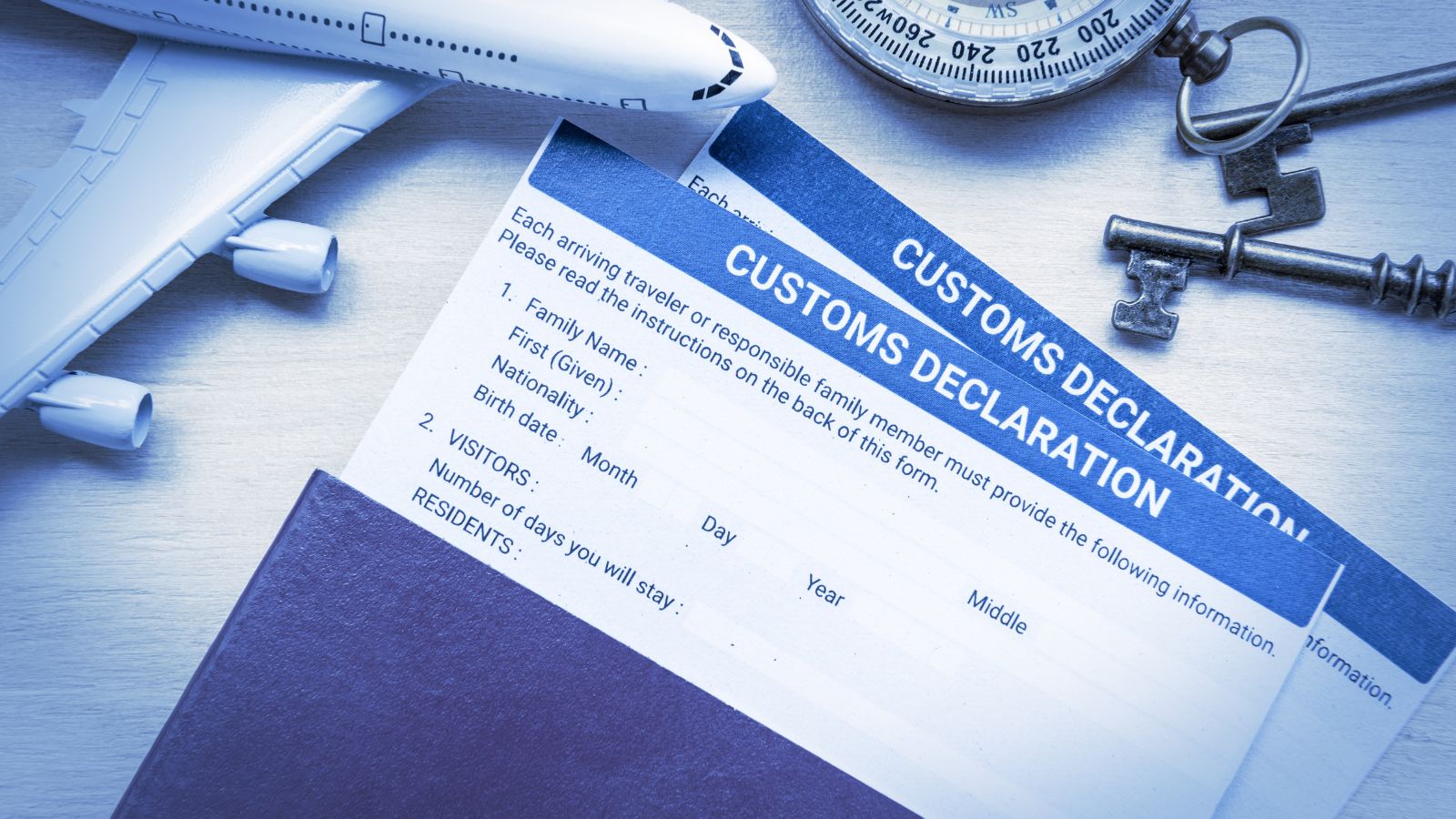
Returning travellers who ignore digital customs tools may not pay a direct fee, but they can pay with time, missed connections, extra parking, and added stress. Advance Declaration allows eligible travellers flying into participating Canadian airports to submit customs and immigration information before arrival. It is designed to speed up the border process and may provide access to dedicated lanes at some airports.
The value becomes clearer on tight connections. A traveller landing in Toronto from Europe and connecting onward to Halifax may have only a limited window to clear customs, collect baggage if required, and recheck. Saving time at the border can reduce the chance of missing the next flight. The mistake is assuming customs begins after landing; for many travellers, part of the process can be handled before the plane even departs.
Misdeclaring Purchases or Forgetting Exemption Limits

Customs mistakes can become expensive quickly. Canadian residents returning from abroad must declare goods they are bringing back, and personal exemptions depend on how long they were outside Canada. Exceeding exemption limits does not automatically mean disaster, but failing to declare items accurately can lead to duties, taxes, delays, inspections, or penalties.
This often happens after shopping-heavy trips. A traveller returning from New York or Paris may mentally separate gifts, clothing, cosmetics, alcohol, and online purchases, then underestimate the total value. Receipts matter because border officers may ask for proof. Honest declarations help avoid bigger problems. The safer strategy is to track purchases during the trip and understand which goods must be in the traveller’s possession at arrival to qualify for certain exemptions.
Letting NEXUS Expire Before a Busy Travel Year
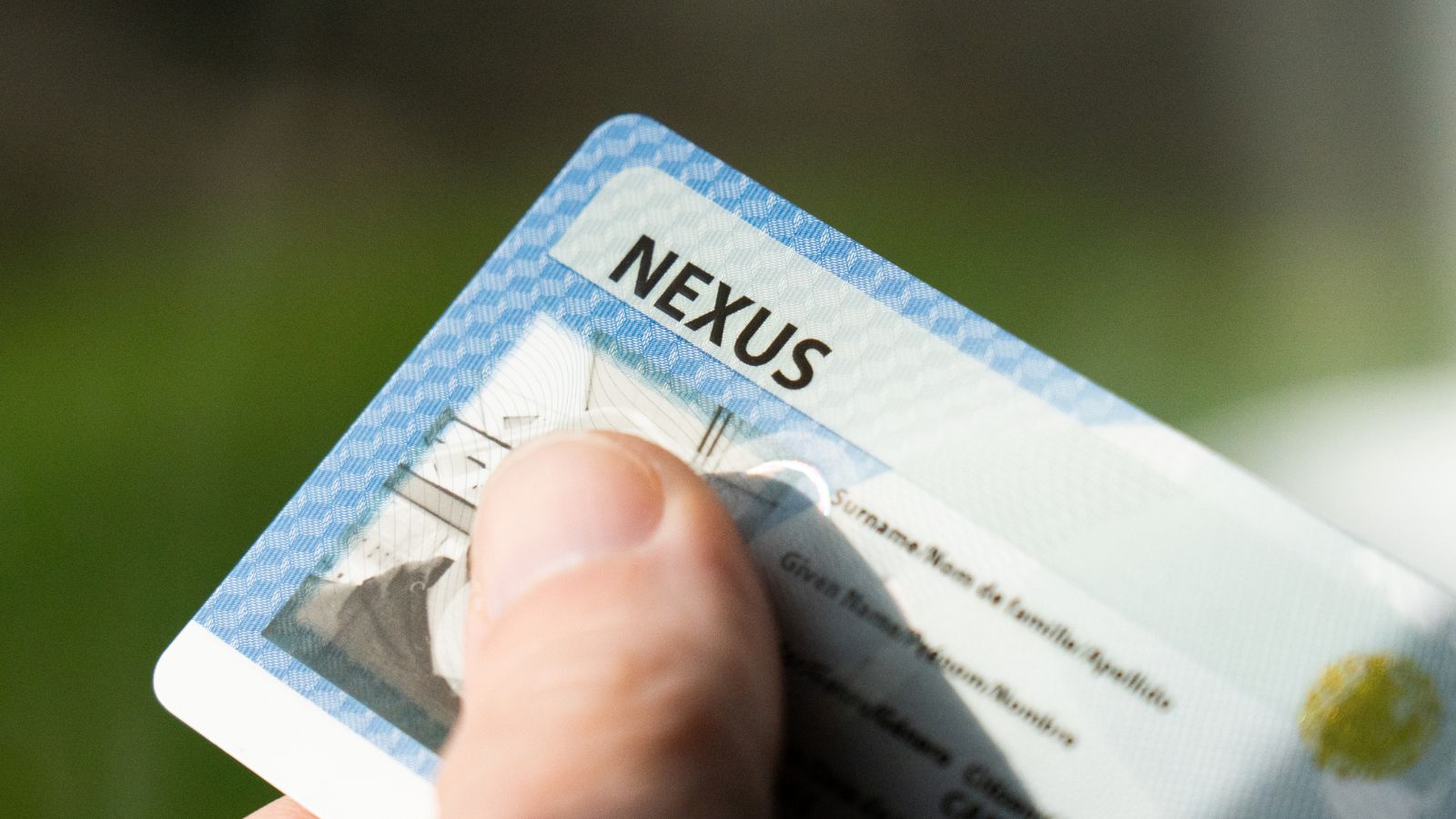
NEXUS can save frequent travellers time at airports and borders, but it requires planning. Membership is valid for five years, and applications or renewals involve a non-refundable processing fee. Travellers who let membership lapse before a year of frequent travel may lose access to expedited border and screening benefits when they need them most.
The cost is not always a direct fee. It can be longer lines, tighter connections, and more missed opportunities to move efficiently through busy airports. A traveller who flies regularly between Canada and the United States may not appreciate the value of expedited processing until it is gone. Checking expiry dates well before peak travel season gives time to renew, book interviews if needed, and avoid paying for convenience in other ways.
Assuming Passenger-Rights Claims Happen Automatically
When flights are delayed, cancelled, or overbooked, many travellers assume compensation or assistance will simply appear. In reality, passengers often need to know the rules, keep records, ask for written explanations, and submit claims within the required process. The Canadian air passenger protection framework sets out rights around rebooking, refunds, assistance, baggage, and compensation in specific circumstances, but eligibility depends on the details.
This mistake can leave money unclaimed. A traveller delayed overnight may accept a vague gate announcement and forget to save boarding passes, meal receipts, hotel bills, or emails showing when they were notified. Later, the airline’s explanation may determine whether compensation applies. A calm paper trail is powerful: screenshots, receipts, disruption notices, and timelines help travellers understand whether they are owed reimbursement, care, or compensation.
Buying Airport Food, Water, and Essentials After Security by Habit

Airport convenience pricing can quietly drain a travel budget. Travellers who arrive hungry, surrender oversized drinks at security, or forget basics such as chargers, headphones, medication, diapers, or snacks may end up paying terminal prices. The mistake is not buying food at the airport; it is relying on the airport as the default supply cupboard.
Planning can make a noticeable difference. Empty reusable water bottles can be filled after screening, solid snacks are often easier to pack than spreads or gels, and essentials should be checked before leaving home. A parent travelling with children from Ottawa to Orlando may avoid several small but annoying purchases by packing compliant snacks, charging cables, and entertainment. In an airport, the small forgotten item is rarely priced like a small mistake.
19 Things Canadians Don’t Realize the CRA Can See About Their Online Income

Earning money online feels simple and informal for many Canadians. Freelancing, selling products, and digital services often start as side projects. The problem appears at tax time. Many people underestimate how much information the CRA can access. Online platforms, banks, and payment processors create detailed records automatically. These records do not disappear once money hits an account. Small gaps in reporting add up quickly.
Here are 19 things Canadians don’t realize the CRA can see about their online income.
