Winter changes daily routines across Canada, including how people sleep. Shorter days and colder weather affect light exposure and activity. Many Canadians start trying new sleep tips during these months. Social media, friends, and ads share quick ideas for better rest. Some trends focus on supplements. Others change their bedroom or evening habits. Not every popular method works the same for everyone. Understanding what may help and what has limits matters. Sleep depends on many small habits working together. Looking at evidence can guide smarter choices this season. Here are 15 sleep trends Canadians are testing this winter (and what helps most).
Magnesium Before Bed

Magnesium supplements have become a common nighttime routine in Canada. Many people say they feel calmer before sleep. Magnesium supports muscle and nerve function in the body. Some research suggests it may help people with low intake. It may support sleep quality in certain groups. Effects are usually mild rather than dramatic. Magnesium alone does not treat chronic insomnia. Too much can cause diarrhea and stomach discomfort. Food sources include nuts, seeds, and leafy greens. Supplements vary in type and dose strength. Checking labels helps avoid doubling up on different products. Talking with a healthcare professional can help determine whether magnesium is appropriate for an individual’s sleep concerns.
Mouth Taping for Better Breathing
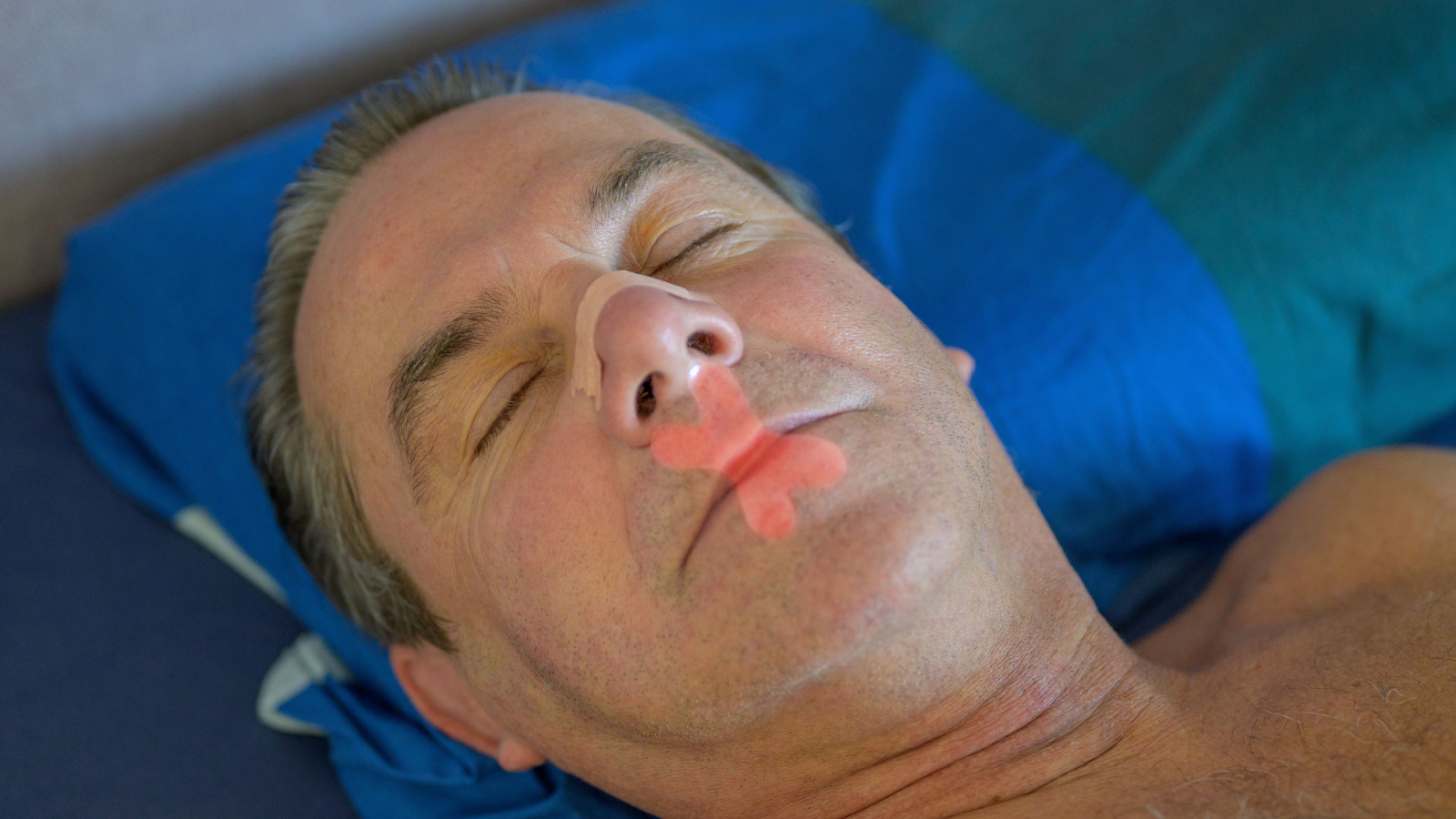
Mouth taping has gained traction online as a sleep-breathing trend in Canada. The idea is to encourage nasal breathing overnight. Nasal breathing can help filter and humidify air. Evidence on mouth taping during sleep remains limited. It may not be safe for everyone. People with sleep apnea or nasal blockage face higher risks. Blocking the mouth can feel uncomfortable or stressful. Poor breathing during sleep needs medical evaluation. Simple steps, such as treating allergies, may improve nasal airflow. Humidifiers can also help in dry winter air. Trying trends without guidance may lead to overlooking underlying problems. A sleep professional can assess breathing issues more safely.
Weighted Blankets for Deeper Sleep

Weighted blankets have gained popularity across Canada for comfort at night. These blankets apply gentle pressure over the body. Some people report feeling calmer and less restless. The pressure may promote relaxation in certain individuals. Evidence suggests benefits for anxiety in some groups. Effects on sleep depth vary between people. Blankets that are too heavy can feel uncomfortable. They may not suit people with breathing or mobility issues. Choosing the right weight matters for comfort. Most advice suggests a fraction of body weight. Trying a blanket at home can help gauge preference. Comfort and temperature control also influence overall sleep quality.
Blue Light Blocking Glasses at Night

Blue light-blocking glasses are widely marketed in Canada for better sleep. Screens emit blue light that can affect melatonin release. Reducing bright light before bed may help with sleep timing. Glasses may reduce some blue light exposure. Evidence suggests dimming lights and limiting screens also helps. Glasses alone cannot fix late bedtimes. Content on devices can still stimulate the brain. Warm lighting in the evening supports natural rhythms. Some people find glasses helpful as a reminder to wind down. Others notice little difference. Building a consistent evening routine matters more. Screen habits, light levels, and sleep schedule all play roles in nighttime rest.
White Noise Machines

White noise machines are common in Canadian bedrooms during winter. They produce a steady background sound that masks other noises. This can help people fall asleep more easily. Noise from traffic or heating systems may disturb sleep. Consistent sound can reduce sudden noise disruptions. Some people prefer fan sounds or nature recordings. Volume should stay at a safe level. A very loud noise may affect hearing over time. White noise does not treat underlying sleep disorders. It mainly helps manage the environment. Placing the machine at a distance from the bed is wise. Comfort, room temperature, and bedtime habits still shape overall sleep quality.
Melatonin Use for Sleep Timing

Melatonin supplements are widely used in Canada for adjusting sleep schedules. Melatonin is a hormone that signals darkness to the body. It may help with jet lag or shift work. It can also support delayed sleep timing in some people. Taking it at the wrong hour may shift sleep the wrong way. Doses vary widely between products. More does not mean better sleep. Side effects may include grogginess or vivid dreams. Good timing matters more than high amounts. Dim lighting in the evening supports natural melatonin release. Ongoing sleep problems still need medical assessment. Supplements can help short-term, yet habits shape lasting sleep patterns.
Cold Bedroom Temperature

Many Canadians lower their bedroom temperature during winter for better sleep. Cooler rooms can support natural sleep signals. Body temperature drops as sleep begins. A slightly cool room may make this process easier. Very cold conditions can cause discomfort or frequent waking. Warm bedding helps balance comfort and temperature. Individual preference plays a big role. Heated air in winter can make rooms dry. Dry air may irritate the nose or throat. Humidifiers can improve comfort in colder rooms. Temperature alone does not fix poor sleep habits. Light exposure, noise, and stress also matter. Finding a comfortable range works better than extreme cold settings.
Sleep Tracking Wearables
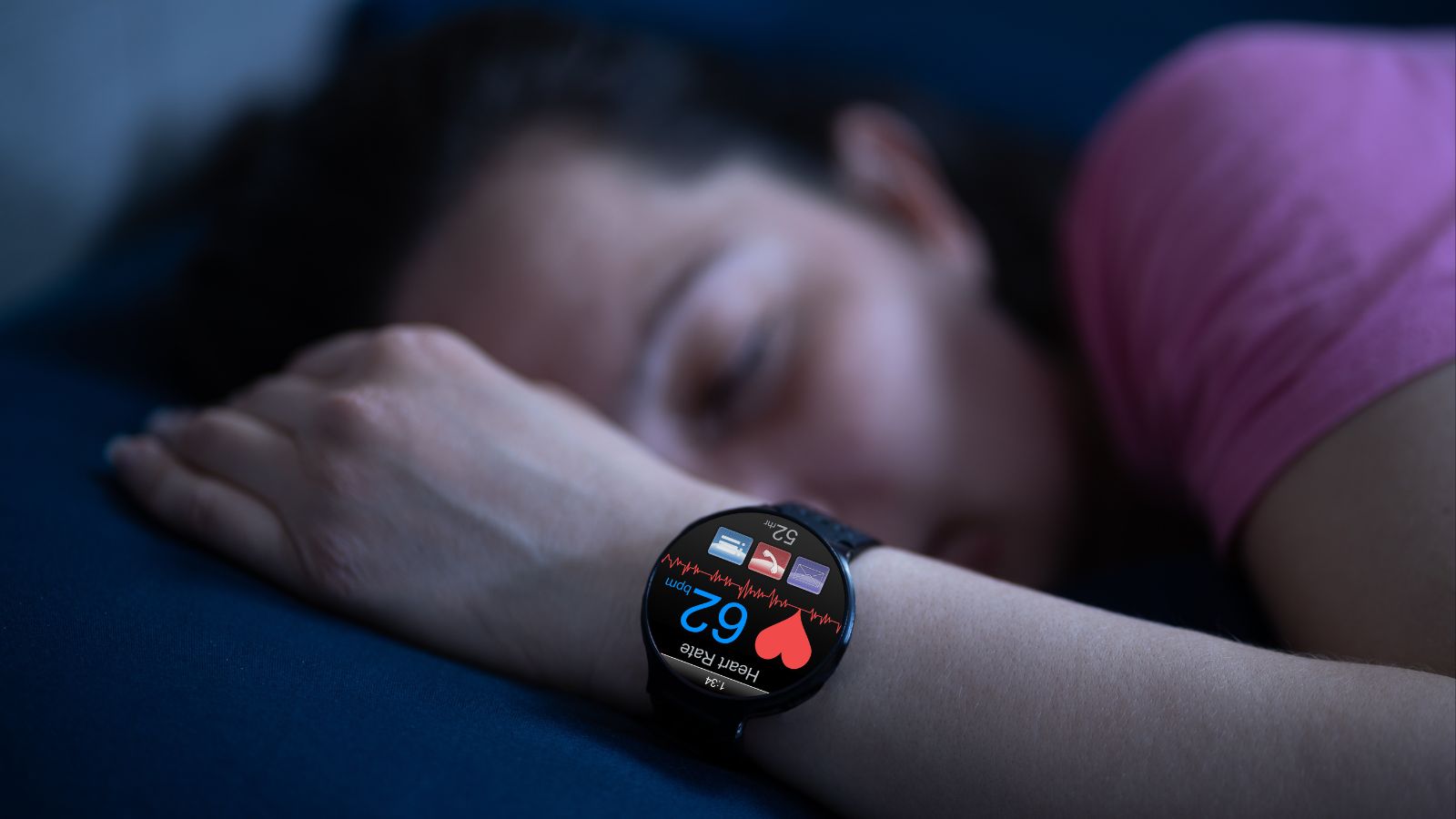
Sleep tracking wearables are common in Canada for monitoring rest. These devices estimate sleep stages using movement and heart rate. They can show patterns over several nights. Estimates are not equal to medical sleep studies. Numbers may cause worry if taken too seriously. Watching scores can sometimes increase sleep anxiety. Still, trends can highlight bedtime consistency. Wearables may motivate earlier bedtimes for some users. Data should be viewed as general guidance. Devices cannot diagnose sleep disorders. Talking with a healthcare professional is still needed for symptoms. Using trackers as tools, not verdicts, supports a healthier relationship with sleep data.
Herbal Teas for Nighttime Relaxation

Herbal teas are a popular winter routine in Canadian homes. Chamomile and peppermint are common evening choices. Warm drinks can feel soothing before bed. Some herbs may promote relaxation for certain people. Effects are usually mild and vary widely. Caffeine-free options are better near bedtime. Drinking large amounts may increase nighttime bathroom trips. Herbal products can still interact with medicines. Reading labels helps identify ingredients. Teas alone do not treat chronic insomnia. A calming routine and regular sleep times matter more. Enjoying a warm drink can be part of winding down, yet other habits still shape overall sleep quality.
Digital Detox Before Bed

Digital detox before bed is gaining attention across Canada. Reducing device use helps lower mental stimulation at night. Scrolling can delay sleep by extending wake time. Bright screens also affect light exposure. Setting a device cutoff time may help routines. Replacing screens with reading or quiet activities can help. Notifications can keep the brain alert. Charging phones away from the bed reduces temptation. Detox does not mean removing all evening technology. The goal is to lower stimulation close to bedtime. Consistency matters more than occasional breaks. Building a wind-down routine supports sleep timing and relaxation through regular daily practice.
Bedtime Stretching Routines

Bedtime stretching has become part of evening routines in many Canadian homes. Gentle stretches may help muscles relax after a long day. Slow movements can lower physical tension before sleep. Stretching does not cure insomnia on its own. Intense exercise close to bedtime may feel stimulating instead. Calm, low-effort movements are usually better at night. Breathing slowly during stretches can support relaxation. Routines should stay short and comfortable. Pain during stretching is a sign to stop. A regular wind-down pattern matters more than specific poses. Pairing stretching with dim lights can help signal bedtime. Consistency helps the body connect these cues with sleep.
Aromatherapy with Lavender Oils

Lavender oils are widely used in Canada for evening relaxation. The scent is linked with calming associations for some people. A few studies suggest lavender aroma may support relaxation. Effects are usually gentle rather than strong. Oils can be used in diffusers or on fabrics. Skin contact may cause irritation in some individuals. Pets and children may react differently to scents. Quality and concentration vary between products. Aromatherapy does not replace sleep treatment when problems persist. Smell preferences are personal and not universal. Using light scent levels can reduce irritation. Creating a calm bedroom environment works best alongside steady sleep habits.
Early Morning Light Exposure

Morning light exposure is gaining attention during Canadian winters. Sunlight helps regulate the body’s internal clock. Getting light soon after waking can support alertness. Natural light signals daytime to the brain. Short winter days can limit exposure. Light therapy lamps may help in darker months. Timing matters more than long duration. Looking outside or walking in daylight can help. Indoor lighting is often dim compared with daylight. Morning light can make evening sleep onset easier. It does not fix all sleep issues alone. Combining light exposure with regular sleep times supports stronger daily rhythms and more stable sleep patterns.
Limiting Caffeine After Noon

Limiting caffeine after noon is a common sleep tip in Canada. Caffeine can stay in the body for several hours. Afternoon coffee may affect nighttime rest for some people. Sensitivity varies widely between individuals. Tea, energy drinks, and chocolate also contain caffeine. Reducing intake later in the day may help with sleep onset. Cutting caffeine suddenly can cause headaches. Gradual changes may feel more comfortable. Decaffeinated options still contain small amounts. Watching portion size also matters. Avoiding caffeine late in the day supports natural sleep signals. Other habits like light exposure and stress levels also shape how easily sleep comes at night.
Consistent Sleep and Wake Times
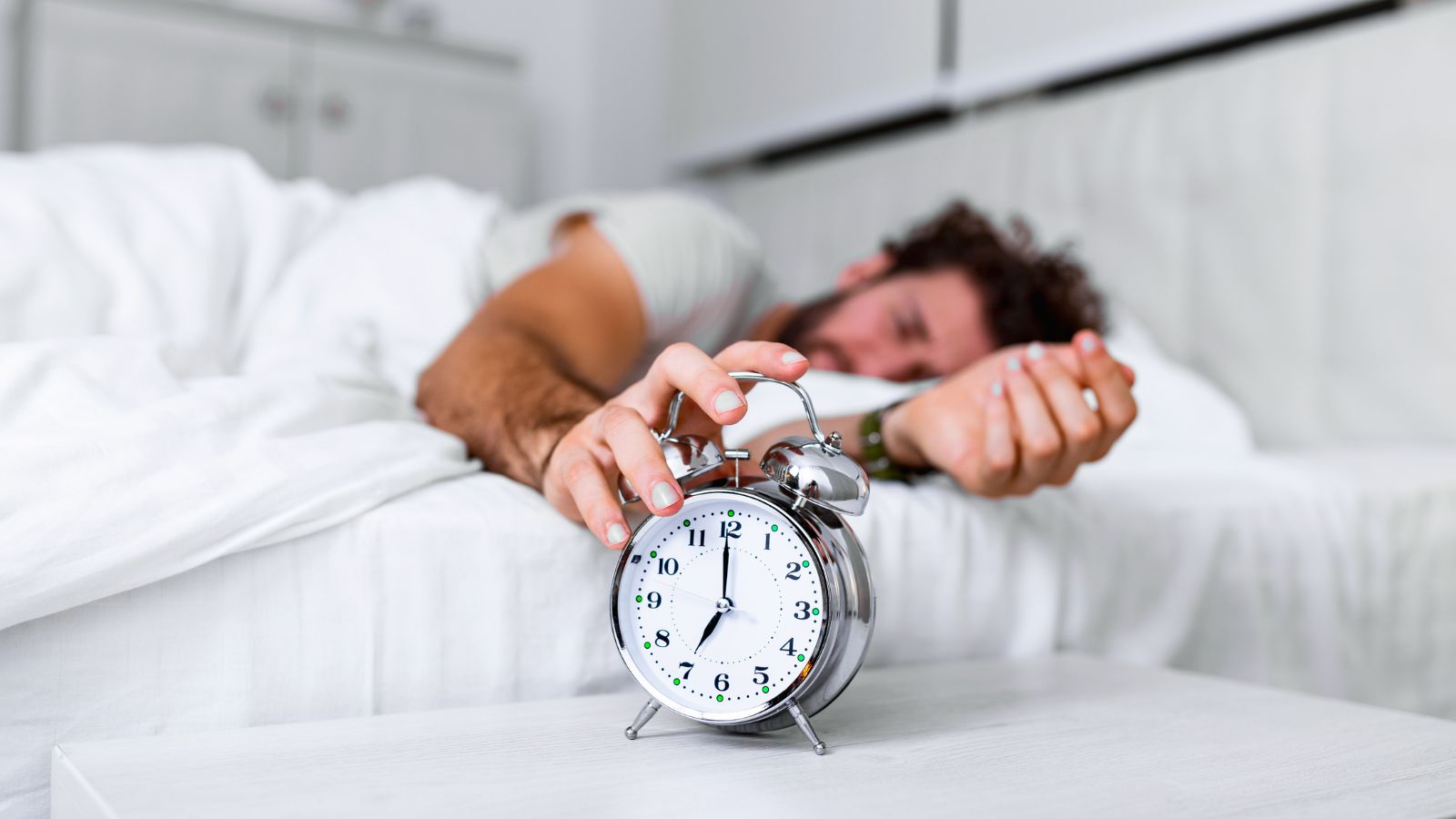
Keeping consistent sleep and wake times is a key focus in Canada. Regular timing supports the body’s internal clock. Going to bed and waking at similar hours helps maintain a stable sleep rhythm. Irregular schedules can make falling asleep harder. Weekends with large schedule shifts may disrupt patterns. Consistency does not mean perfection every night. Gradual adjustments work better than sudden changes. Exposure to morning light reinforces wake timing. Evening routines can signal bedtime readiness. This habit often supports other sleep strategies. It may take days or weeks to feel changes. Steady timing builds a foundation for better rest across seasons and daily demands.
22 Groceries to Grab Now—Before another Price Shock Hits Canada

Food prices in Canada have been steadily climbing, and another spike could make your grocery bill feel like a mortgage payment. According to Statistics Canada, food inflation remains about 3.7% higher than last year, with essentials like bread, dairy, and fresh produce leading the surge. Some items are expected to rise even further due to transportation costs, droughts, and import tariffs. Here are 22 groceries to grab now before another price shock hits Canada.
22 Groceries to Grab Now—Before another Price Shock Hits Canada
