
Personalization used to sound like convenience with better timing. Now it increasingly feels like a system that is always watching, always inferring, and always a little too eager to prove how much it knows. That shift matters because the discomfort is no longer limited to privacy advocates or regulators. Public concern has become broad, mainstream, and stubborn.
These 15 examples capture why the mood is changing. Some involve familiar things like ads, feeds, and shopping apps. Others come from cars, wearables, smart speakers, and AI assistants. Put together, they show how personalization crosses a line when it stops feeling helpful and starts feeling like quiet surveillance dressed up as service.
The Ad Knows the Stop Before the Store

The unnerving part about location-based personalization is not that a phone can tell where someone is. It is that the system can also infer patterns, context, and intention from those movements. A quick stop at a pharmacy, a regular visit to a specialist, or a route that passes through the same neighborhood every week can become part of an advertising profile. Once that happens, personalization stops feeling like convenience and starts feeling like observation. The person using the app may never have typed anything revealing, but the system still seems to know what kind of day it has been.
That discomfort is not hypothetical. U.S. regulators have taken action against data firms accused of using or selling precise and sensitive location data, including visits to health-related locations and places of worship. What makes that so unsettling is the gap between what people think they have shared and what can actually be derived from movement alone. A personalized coupon after walking through a shopping district may seem minor. A highly targeted message after a visit to a clinic feels different. It suggests that the line between “helpful relevance” and intrusive surveillance can vanish without warning.
Silent Inferences About Age, Gender, and Interests

A person does not have to explicitly declare anything for modern platforms to start building a surprisingly detailed profile. Watching certain videos, pausing on particular posts, clicking a few creators, and ignoring other categories can be enough for systems to infer age range, likely gender, hobbies, and long-term interests. That is what makes the experience feel especially eerie: the profile seems to appear from behavior that feels casual and forgettable. A few seconds of hesitation or a cluster of late-night searches can suddenly reshape what an account sees for weeks.
This kind of personalization can make platforms feel uncannily observant. Someone who never once says “I am shopping for a new apartment” may still start getting moving tips, furniture ads, and local real-estate content. Someone who watches a few videos about burnout might quickly get a feed full of productivity advice, therapy language, and wellness products. The creepiness comes from the speed and confidence of the inference. When a system begins sorting people into categories they never knowingly supplied, it stops feeling like a responsive tool and starts feeling like a quiet analyst working in the background.
Feeds That Learn How to Hold Attention
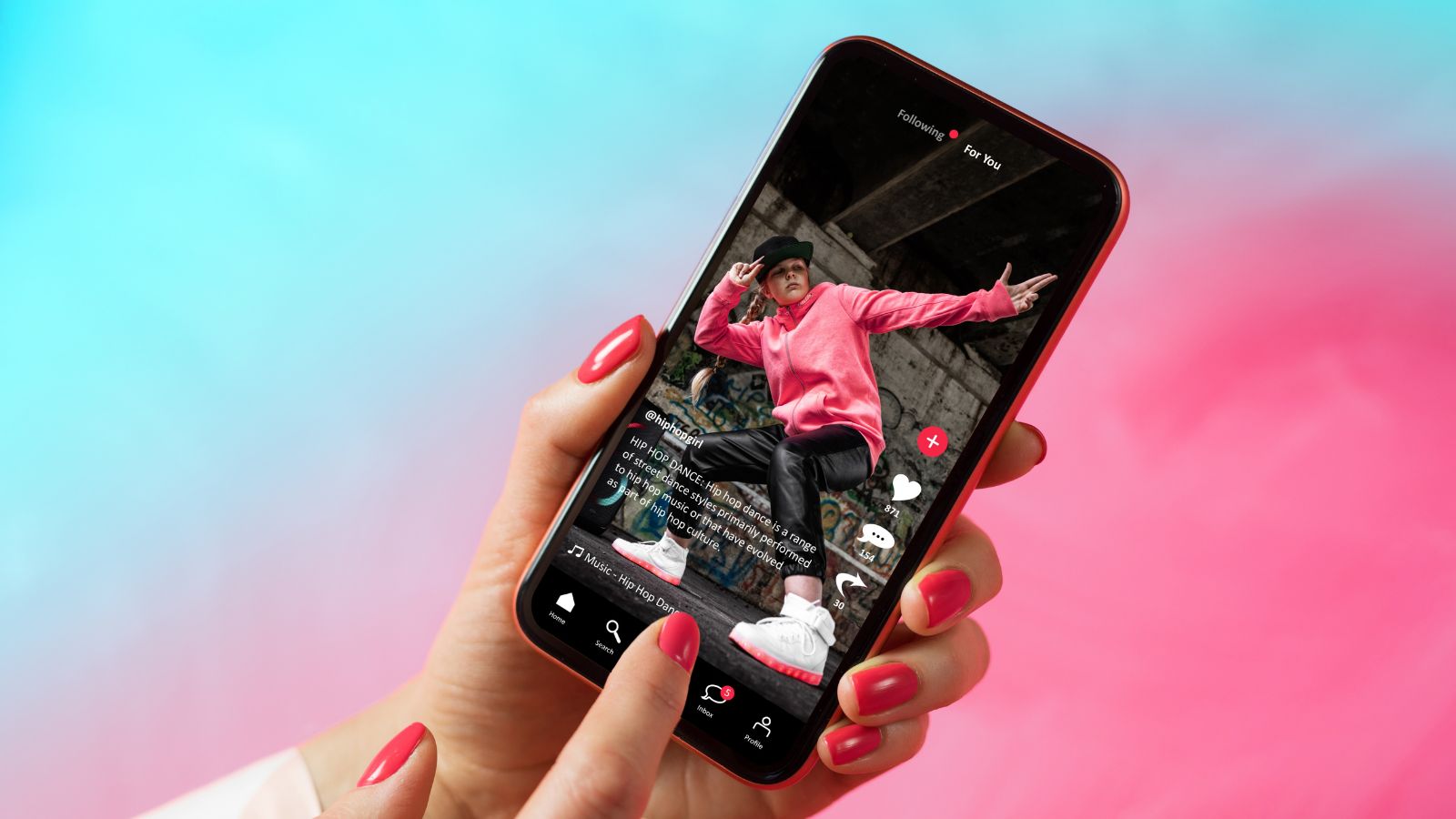
Recommendation systems are often presented as digital hospitality: less searching, fewer dead ends, more content that fits a person’s taste. But many of these systems are optimized not just to understand preference, but to predict what will keep someone engaged. That changes the emotional texture of personalization. The feed no longer feels like a mirror of genuine interests. It starts to feel like a machine studying impulses in real time and learning which ones are easiest to extend. The result can be a stream that feels unnervingly intimate, especially when it seems to recognize boredom, anxiety, outrage, or loneliness before the user does.
That is part of why personalized feeds can feel manipulative instead of merely smart. A platform that notices repeated pauses on conflict-heavy or emotionally loaded material may serve more of it because the metric being rewarded is attention, not well-being. In practice, that can make the system seem to “know” a user at their most reactive moments. The discomfort does not come from one suggested clip or one recommended post. It comes from the cumulative sense that the platform has learned how to keep the screen interesting even when what it is really feeding is compulsion.
Retail Offers That Arrive Before the Announcement

Retail personalization feels creepy when it appears to anticipate life changes that have not yet been shared with friends, family, or even fully processed by the shopper. The classic example remains the long-discussed Target case, which became famous because purchase data was used to infer pregnancy-related behavior before a family conversation had taken place. More than a decade later, the story still resonates because it captured a fear that has only grown stronger: ordinary buying patterns can expose intimate transitions long before people intend to reveal them.
That same tension now shows up in loyalty ecosystems that stretch beyond one store and one transaction. Health-adjacent apps, rewards programs, and shopping histories can work together in ways that make routine purchases feel newly sensitive. A customer who joins a program for discounts on shoes or supplements may not imagine that the broader data trail could contribute to health-related inferences. Yet that is exactly where personalization becomes unsettling. The offer itself may look harmless. The problem is the realization that a retailer might not just know what someone bought, but what stage of life those purchases seem to signal.
Personalized Prices No One Else Sees

Few things make personalization feel more predatory than the possibility that two people looking at the same product may not be seeing the same price. Once personal data moves from marketing into price-setting, the tone changes immediately. The system is no longer just trying to guess what someone likes. It may be trying to guess what they will tolerate. That creates a different kind of creepiness because the invisible profile is no longer shaping ads alone. It may be shaping the terms of the deal itself.
This feels especially disturbing because it is so hard to notice. A tailored price does not announce itself. There is no label saying, “This number was adjusted because of your browsing history, location, or purchase profile.” That hidden quality is exactly why surveillance pricing sounds sinister to many people. Personalization used to promise a more relevant shopping experience. When it starts resembling a private negotiation run by algorithms, it begins to feel like the market is watching the customer more closely than the customer can watch the market.
Smart Speakers That Wake Up Uninvited
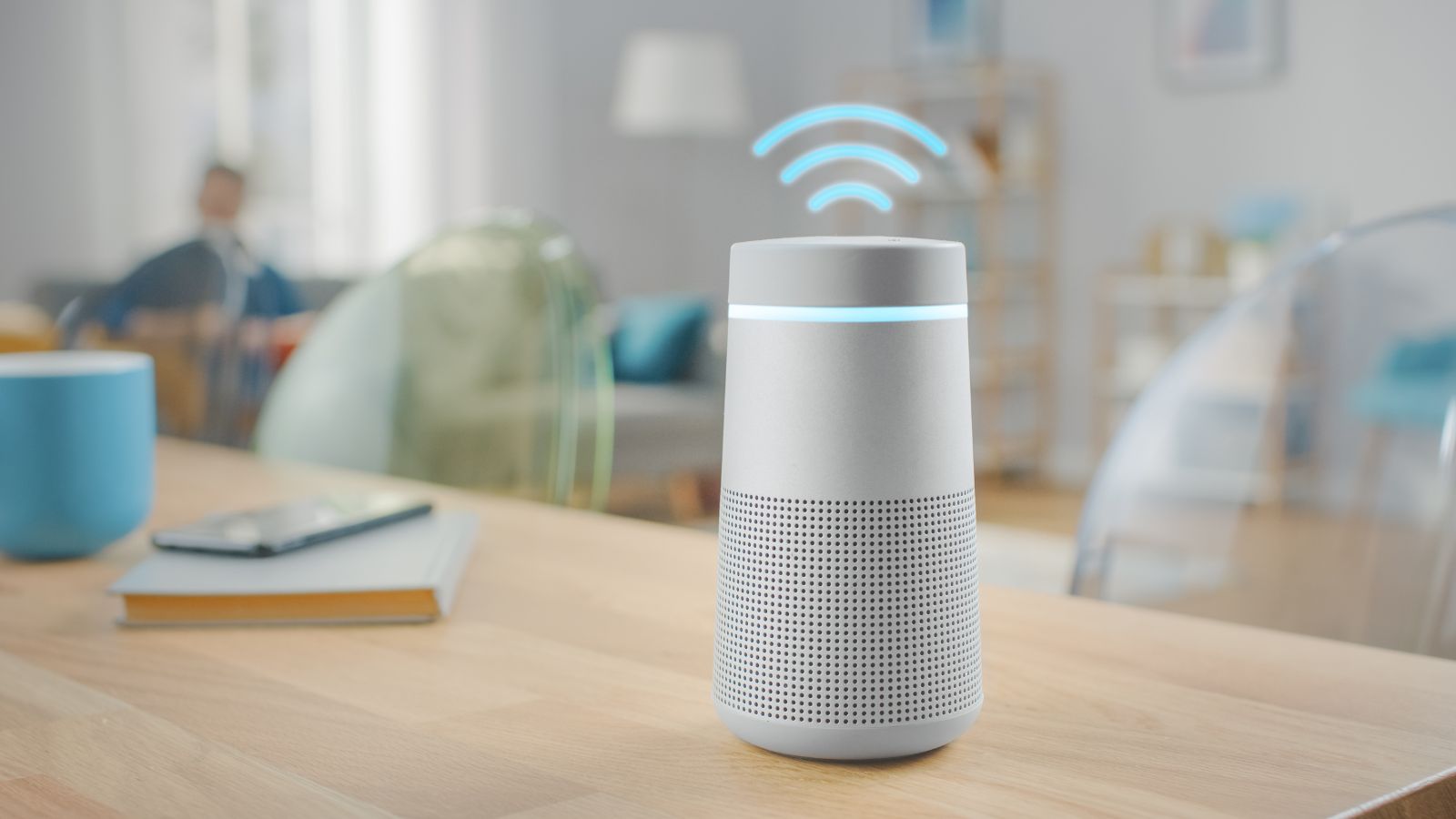
Voice assistants feel creepy for a simple reason: they sit in private spaces and wait for a cue, which means people must trust that the listening is narrow, accurate, and restrained. That trust erodes quickly when researchers show how easily wake words can be triggered by accident. Misheard speech, television audio, or phonetically similar words can cause devices to activate when no command was intended. Once that possibility becomes real, the assistant stops feeling like a passive convenience and starts feeling like an uncertain boundary inside the home.
The discomfort deepens because accidental activation is not just a quirky user-experience problem. It has privacy consequences. If a device wakes at the wrong time, audio can be transmitted for cloud processing even though no one meant to involve the system at all. That makes everyday noise feel newly consequential. A family conversation, a joke from the television, or background chatter in a kitchen can suddenly become part of a process the household never intended to start. The unsettling part is not simply that the device listens for a wake word. It is the realization that the line between “waiting” and “recording” can sometimes be crossed by mistake.
Wearables That Notice More Than Steps
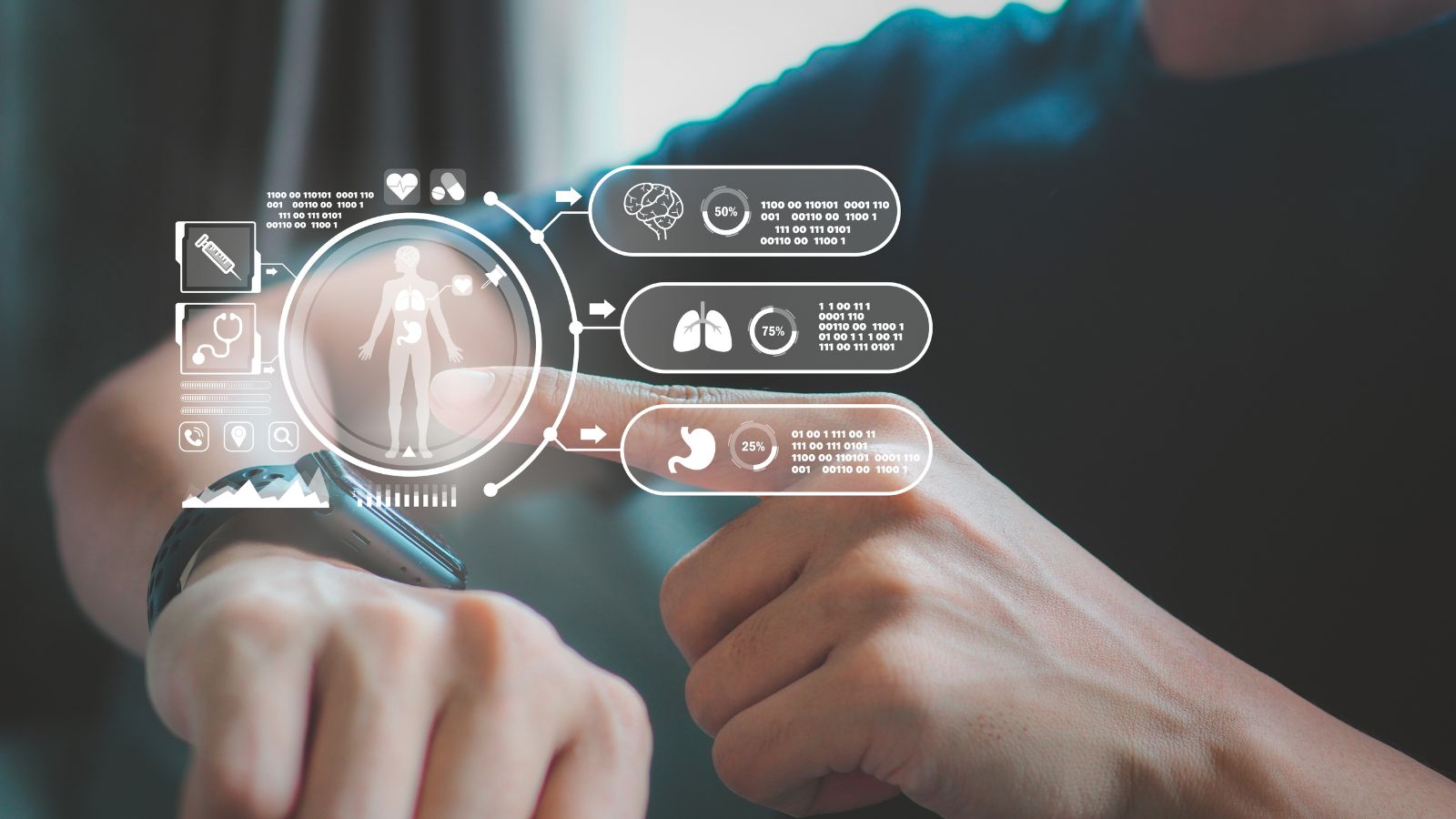
Fitness bands and smartwatches originally sold themselves as companions for movement: step counts, workouts, resting heart rate, maybe sleep. Now they increasingly sit closer to continuous interpretation. Stress estimation, recovery scores, temperature changes, and behavioral signals can turn a wearable into a tool that feels less like a tracker and more like a quiet observer of mood and health. That is useful in many settings, but it can also feel invasive. When a watch seems to know someone is exhausted, run down, or emotionally strained before they have even said it aloud, the device begins to feel more intimate than many people expected.
The broader research trend makes that feeling understandable. Digital phenotyping work now explores how data from wearables, phones, and related apps can be used to monitor psychological and physiological states over time. That may be clinically promising, but it also sharpens the uneasy question of where the boundary lies between support and scrutiny. A user may open an app hoping for exercise feedback and end up confronting a dashboard that hints at stress, sleep disruption, or risk patterns. At that point, personalization is no longer simply adapting to routine. It is interpreting the body, and that can feel uncomfortably close to being read.
Cars That Report on the Driver
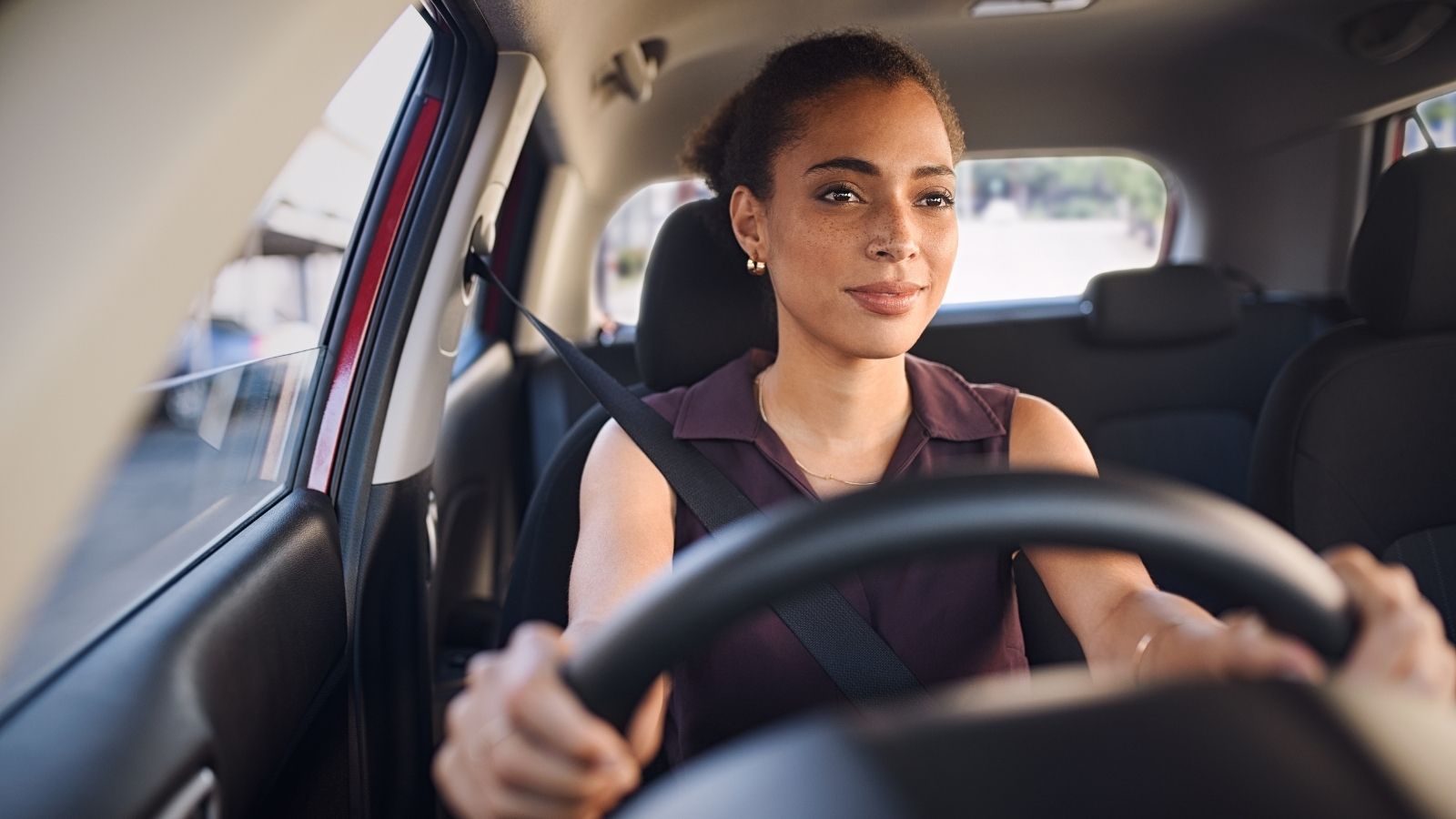
Cars used to reveal very little unless something broke down or a driver volunteered details. Connected vehicles have changed that. Modern cars can collect location, speed patterns, braking behavior, and other forms of telemetry, all in the name of safer driving, convenience, insurance benefits, or improved services. The creepy turn happens when that data moves beyond the dashboard and into systems the driver never really pictured. A car begins to feel less like personal transportation and more like a rolling sensor platform.
That shift became impossible to ignore once regulators accused General Motors and OnStar of collecting precise geolocation and driving-behavior data without clear enough disclosure and of selling that data to third parties. Reports that such data could affect insurance outcomes made the issue especially personal. Drivers can accept a vehicle that notices harsh braking if they believe the information stays in the car. They react differently when the same behavioral trail might shape a financial profile somewhere else. Personalization becomes creepy when the car that was sold as “smart” starts acting like a witness with an external audience.
Facial Recognition in Ordinary Errands
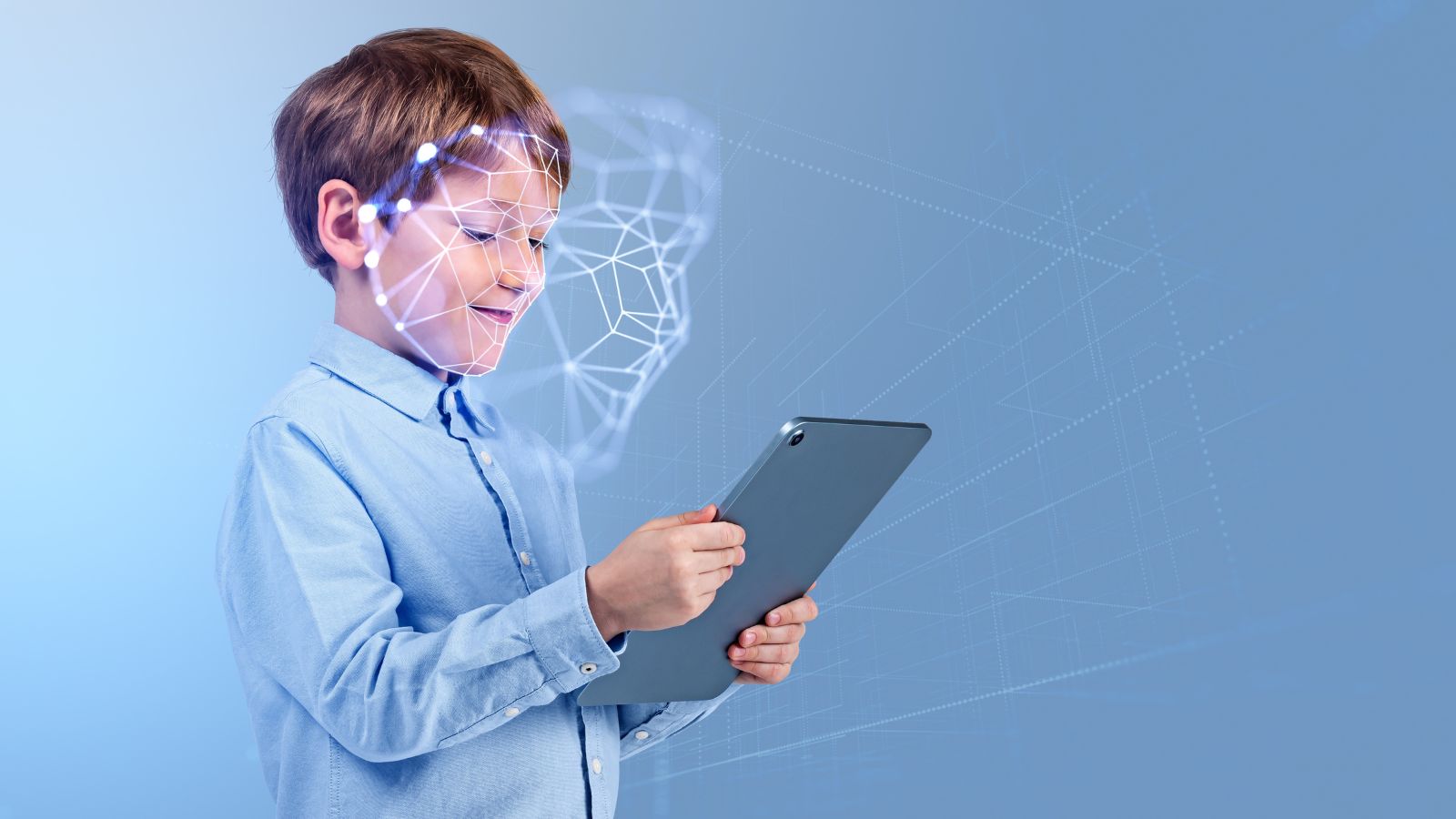
Facial recognition feels most unsettling not in airports or secure facilities, where heightened surveillance is at least expected, but in routine places like pharmacies and retail chains. That is where personalization or identification technology can seem wildly out of proportion to the setting. A person walking in to pick up shampoo or allergy medicine does not expect to be scanned, matched, flagged, or scored. Once that possibility enters everyday errands, even ordinary shopping begins to feel charged with suspicion.
The Rite Aid case sharpened that discomfort because the issue was not only deployment, but flawed deployment. The system was used in hundreds of stores, and regulators said the company lacked reasonable safeguards. News coverage cited thousands of inaccurate matches, including one involving an 11-year-old girl. That combination is what makes the whole category feel creepy: a highly sensitive technology placed into ordinary environments, with real mistakes landing on real people. When personalization crosses into biometric recognition without clear notice and strong safeguards, the human cost becomes easier to imagine than the convenience.
Childhood Profiling Starting Too Early

Personalization becomes especially disturbing when it reaches children and teens, because the people being profiled often do not fully understand the trade they are making. A child sees a game, a funny clip, or a bright interface. The system sees engagement signals, ad potential, and the beginnings of a durable behavioral profile. That mismatch is what makes the practice feel so invasive. It is one thing for adults to debate privacy after the fact. It is another for platforms to build persuasive environments around users who are still learning what persuasion even looks like.
That concern has become strong enough to shape regulation. The FTC’s updated COPPA rule now limits how companies can monetize children’s data and requires parental opt-in for targeted advertising involving kids. Broader public concern is also high. The underlying discomfort is easy to understand: if personalization begins early enough, it can normalize being watched before a person has any meaningful sense of what data collection is or how it works. By the time that child becomes a teen, a “helpful” feed may already feel natural even though it was built on years of quiet profiling.
Tracking That Jumps Across Devices
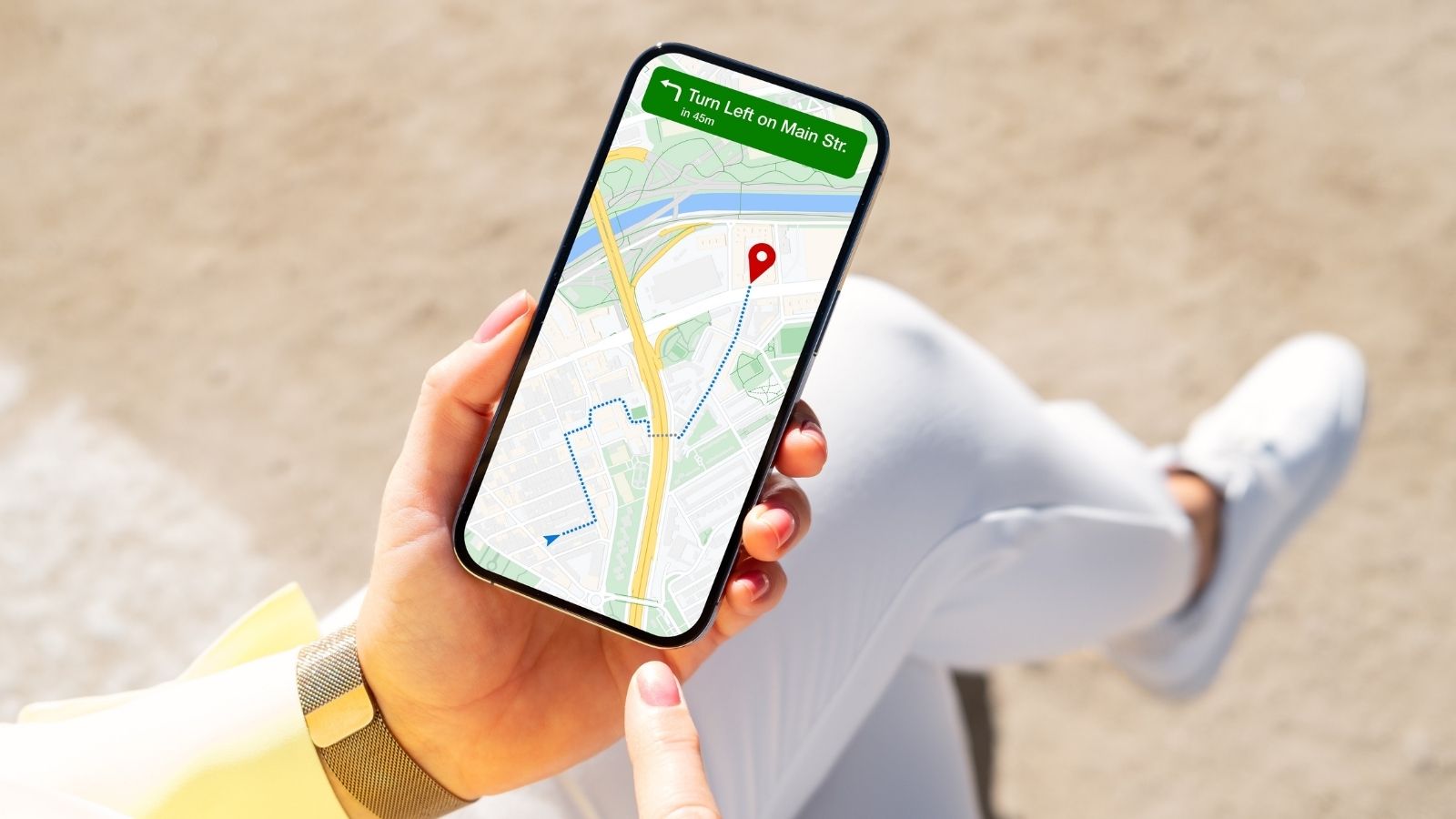
One of personalization’s least visible tricks is its ability to follow a person from one screen to another. Search something on a phone, notice related content later on a laptop, and then see aligned ads on a tablet or connected TV, and the effect can feel almost supernatural. In reality, it is often cross-device tracking: the linking of multiple devices to one consumer. That linkage is convenient when it lets a show resume where it left off. It becomes creepy when it starts to feel like there is no practical boundary between one context and another.
What unsettles people is not only the tracking itself but the hidden continuity it creates. The bedroom phone, the office browser, the living-room television, and the family tablet can begin to behave as if they are all reading from the same private file. Regulators have warned for years that this kind of tracking often happens without consumers’ knowledge and with limited choices to control it. That is why it feels less like personalization and more like persistence. The technology quietly removes the little resets people used to get when moving from device to device.
Fingerprinting That Sidesteps Familiar Controls
Cookies at least taught people the rough outline of digital tracking. There was a banner, a browser setting, or a cleanup ritual, however imperfect. Fingerprinting feels creepier because it suggests a form of identification that is harder to see and more difficult to manage through ordinary habits. Instead of relying on a small file that can be cleared, the system may rely on characteristics of the device or browser environment itself. That makes the whole process feel less like consent-based personalization and more like detection.
The recent fight over fingerprinting sharpened that unease. When Google said advertisers using its products would no longer be prohibited from using fingerprinting techniques, the U.K.’s privacy regulator pushed back and stressed that the technology still had to be used lawfully and transparently. That response matters because it captures the core public fear: the more invisible the tracking becomes, the more personalization starts to feel like something done to people rather than for them. When the identifier is baked into the technical surface of the device, the experience feels less optional, and therefore more intrusive.
Data That Lingers After the Account Is “Deleted”

A personalized system becomes especially unsettling when it seems unable to forget. Many users assume that deleting a post, clearing a history panel, or even closing an account meaningfully reduces the amount of data attached to them. Yet modern platforms often retain information longer than people expect, sometimes under vague labels like business needs, legal obligations, or trust and safety. The problem is not only retention itself. It is the mismatch between the mental model users have and the one companies operate under.
That mismatch makes personalization feel haunted. Old interests, abandoned obsessions, outdated identities, and temporary worries can keep resurfacing because the system has a longer memory than the person using it. Regulators have criticized companies for vague retention practices and for failing to delete all user data even after deletion requests. That turns personalization into something stickier than many people consented to. If an algorithm is still working from traces that a user thought were gone, then the tailored experience in front of them is being built with information from a past self they may have tried to leave behind.
Smart Homes That Learn Household Rhythms

Smart home technology often promises a softer life: lights that respond automatically, thermostats that anticipate comfort, sensors that improve security, and appliances that can be managed from anywhere. But a home is not just another setting for personalization. It is the place where routines reveal some of the most sensitive patterns people have. When devices learn wake times, absences, sleep habits, movement patterns, or voice activity, the resulting profile can feel far more intimate than anything gathered on a shopping site.
That is why smart-home personalization can start to feel invasive even when no single feature seems objectionable. The value comes from pattern recognition, and those patterns are deeply personal. Researchers and regulators now treat this as a genuine privacy concern rather than a niche technical issue. The home stops feeling fully private when the surrounding devices continuously interpret how it is used. A thermostat that “knows” when the family leaves for work, or a voice assistant that anchors itself to everyday household rhythms, may be efficient. It can also make the domestic space feel less like a refuge and more like an instrumented environment.
AI Assistants That Remember Across Contexts
Perhaps the newest source of discomfort is the personalized AI assistant that does not merely answer questions, but accumulates context. This sounds convenient in theory. It means less repetition, more continuity, and recommendations shaped by earlier conversations. In practice, it can feel strange very quickly. The assistant begins to sound less like a tool being used in the moment and more like a system building an ongoing model of the person speaking to it. That emotional difference matters. Memory changes the relationship.
The feeling intensifies when the assistant can pull from more than chats alone. Once past conversations, saved preferences, email, photos, search history, or social data can all contribute to future responses, personalization starts to feel deeply personal in the literal sense. A strong answer may also feel like proof that the system has been quietly paying attention across contexts that used to feel separate. For some users, that will feel impressively useful. For others, it will cross into something more unnerving: an assistant that does not just help with tasks, but steadily assembles a portrait.
19 Things Canadians Don’t Realize the CRA Can See About Their Online Income

Earning money online feels simple and informal for many Canadians. Freelancing, selling products, and digital services often start as side projects. The problem appears at tax time. Many people underestimate how much information the CRA can access. Online platforms, banks, and payment processors create detailed records automatically. These records do not disappear once money hits an account. Small gaps in reporting add up quickly.
Here are 19 things Canadians don’t realize the CRA can see about their online income.
