
Retirement can feel like a finish line, but in Canada, many senior households discover that “set” is not a one-time status. Benefits change, health needs shift, housing costs evolve, and paperwork that once seemed complete can quietly become outdated. A plan that worked at 65 may need a second look at 72, 80, or after the death of a spouse.
These 16 things Canadian seniors should recheck before assuming they’re set focus on the areas most likely to affect comfort, independence, family clarity, and long-term financial stability. The goal is not to create alarm, but to encourage a practical review of the details that often matter most later.
Government Benefit Eligibility

Many seniors assume that once Old Age Security, Canada Pension Plan, or the Guaranteed Income Supplement starts, the benefit picture is settled. In reality, government programs often depend on age, income, residency, marital status, and annual tax filing. A widow in Halifax, for example, may qualify differently after a spouse dies, while a couple in Winnipeg may see income-tested benefits shift after one partner begins RRIF withdrawals.
The details are worth rechecking because even modest monthly amounts can matter when grocery, rent, dental, and transportation costs rise. Seniors with low income should pay particular attention to GIS eligibility, since it is tied to receiving OAS and meeting income thresholds. A missed filing, outdated address, or changed household situation can delay or reduce payments that were quietly built into the household budget.
CPP Timing and Survivor Impact

Canada Pension Plan decisions can seem finished once payments begin, but the timing choice still shapes retirement income for years. CPP can be taken early, at the standard age, or delayed, and the monthly amount changes depending on the start date. Someone who began CPP at 60 for cash-flow reasons may later need to consider how that lower payment affects long-term budgeting as costs rise.
Couples should also recheck how survivor benefits might work in their own case. It is common for one spouse to handle the finances while the other assumes the combined monthly deposits will continue unchanged. After a death, pension income, tax status, and household expenses often change at the same time. A clear income map can prevent a surviving spouse from discovering too late that the household was less protected than it appeared.
RRIF Withdrawals and Taxable Income

Registered Retirement Income Funds can create a false sense of certainty because the withdrawals are scheduled and predictable. Yet minimum withdrawals rise with age, and those amounts are taxable. A senior who feels comfortable at 72 may face a different tax picture at 80, especially if investments have recovered, withdrawals are larger, or other income sources are still active.
The issue is not just paying tax. RRIF withdrawals can affect income-tested benefits and credits, especially for households near key thresholds. A retiree in Ontario who withdraws extra money for a renovation, vehicle repair, or adult child’s emergency may unintentionally push annual income higher than expected. Rechecking withdrawal plans each year can help balance cash needs, taxes, benefit eligibility, and the goal of making savings last.
Income Thresholds for GIS and Other Supports

The Guaranteed Income Supplement can be especially important for seniors living mostly on public pensions, but it is also one of the easiest benefits to misunderstand. Eligibility is income-tested, and different household situations are treated differently. A single senior, a couple where both receive OAS, and a couple where only one partner receives OAS can face different thresholds and payment amounts.
This is why “set” can change after a small income shift. Part-time work, RRSP or RRIF withdrawals, pension splitting choices, or investment income can alter the benefit calculation. Even a one-time transaction may create confusion if it lands in the wrong tax year. Seniors who rely on GIS should recheck income plans before selling investments, taking extra withdrawals, or assuming that last year’s benefit amount will automatically continue.
Tax Credits and Medical Expense Claims

Many Canadian seniors leave money on the table because tax credits feel complicated or too small to bother with. The age amount, pension income amount, medical expense tax credit, disability-related supports, and caregiver-related credits can all make a difference depending on income and household circumstances. The most overlooked part is often documentation, not eligibility.
Medical expenses are a good example. Receipts for dental work, mobility aids, travel for medical care, prescriptions, or professional services may be scattered across wallets, email inboxes, and pharmacy accounts. A couple may also benefit from checking which spouse should claim medical expenses, since the lower-income spouse may sometimes produce a better result. A once-a-year receipt folder can turn an afterthought into real savings.
Dental Coverage and Out-of-Pocket Health Costs

Dental care is one of the places where seniors often discover that retirement planning was too optimistic. Public health coverage does not automatically mean every oral health need is covered, and private dental insurance may disappear when employment ends. The Canadian Dental Care Plan has changed the conversation, but seniors still need to understand eligibility, covered services, co-payments, provider participation, and what remains out of pocket.
A delayed dental appointment can become expensive quickly. A small cavity may turn into a root canal; a loose denture may affect nutrition; untreated gum problems can worsen overall health. Seniors should recheck dental coverage before booking major work, not after the invoice arrives. Asking the clinic for a written estimate and confirming what the plan covers can prevent an unpleasant surprise at the reception desk.
Prescription Drug Coverage and Pharmacy Costs

Prescription costs can shift quietly in retirement. A senior may move from employer coverage to a provincial drug plan, add new medications after a diagnosis, or discover that a brand-name drug is not covered the way expected. Even when coverage exists, deductibles, dispensing fees, generic substitutions, and prior authorization rules can affect the final bill.
The human side is often simple: someone starts stretching medication because the refill cost feels high. That can create health risks and higher costs later. Seniors should review all prescriptions with a pharmacist or health professional at least once a year, especially after hospitalization or a specialist visit. It is also worth asking whether a larger refill, generic option, synchronized renewal date, or provincial program could reduce both cost and confusion.
Housing Suitability for Aging in Place

A paid-off home can look like security, but it does not always mean the home is suitable for aging in place. Stairs, icy walkways, narrow bathrooms, poor lighting, and distant services may become larger issues after a fall, surgery, or loss of driving ability. The house that supported independence at 68 may become isolating at 82.
Rechecking housing means looking beyond market value. It includes repair costs, property taxes, insurance, snow removal, accessibility upgrades, transit access, and proximity to health care and groceries. A senior in a rural area may be house-rich but service-poor. Planning early allows for practical fixes such as grab bars, safer entrances, main-floor sleeping options, or a move made by choice rather than crisis.
Home Care and Long-Term Care Assumptions

Many families believe they will “figure out care later,” but later often arrives suddenly. A fall, stroke, dementia diagnosis, or caregiver burnout can turn a comfortable routine into a scramble. Home care, community supports, retirement residences, and long-term care each have different availability, costs, eligibility rules, and wait times depending on province and region.
The biggest mistake is assuming one family member can absorb everything. Adult children may live far away, still work full time, or have health issues of their own. Seniors should recheck who could realistically help with meals, bathing, transportation, medication reminders, and overnight support. A written care preference plan, even if informal, can spare families from guessing during a stressful hospital discharge or emergency meeting.
Emergency Cash for Real-Life Surprises

A retirement budget may cover normal bills but still fail under ordinary surprises. A furnace breaks in January, a hearing aid needs replacing, a pet needs surgery, or a child asks for temporary help. For seniors on fixed income, even a manageable expense can become stressful when it lands between pension deposits.
Emergency cash does not need to be dramatic, but it should be accessible, separate from day-to-day spending, and not fully tied up in investments that may be down when funds are needed. Seniors should recheck whether their emergency reserve reflects current prices, not prices from five years ago. Inflation changes the meaning of “enough,” especially for groceries, utilities, home repairs, insurance, and transportation.
Debt, Mortgages, and Reverse Mortgage Decisions

Some seniors enter retirement with mortgages, lines of credit, credit card balances, or co-signed debt. Others consider reverse mortgages to unlock home equity while staying in place. These tools may solve a cash-flow problem, but they can also reduce future flexibility if the terms, interest costs, fees, and estate impact are not fully understood.
A reverse mortgage can be useful in certain circumstances, but it is not just “free money from the house.” The loan grows over time and must eventually be repaid, usually when the home is sold or the borrower dies or moves out. Seniors should recheck alternatives first, including downsizing, refinancing, expense reductions, family agreements, or local support programs. The right answer depends on health, income, housing plans, and family expectations.
Insurance and Beneficiary Details

Insurance policies often sit in a drawer for years after retirement. Life insurance, travel insurance, home insurance, auto insurance, and extended health policies may no longer match the household’s needs. A policy bought to protect young children may be less useful later, while travel medical coverage may become more important after new diagnoses.
Beneficiary designations deserve special attention. A former spouse, deceased sibling, estranged relative, or outdated estate plan can create confusion. Seniors should recheck names, addresses, contingent beneficiaries, and whether designations match the will and overall estate plan. The same applies to registered accounts and workplace pensions. Families often assume “everything is obvious,” but insurers and financial institutions follow documents, not family memory.
Wills, Powers of Attorney, and Joint Accounts

A will written years ago may no longer reflect today’s family structure, assets, or relationships. Blended families, a widowed spouse, a child with disability, a sold property, or a move to another province can all affect whether old instructions still make sense. The same is true for powers of attorney and personal care documents.
Joint bank accounts also need careful review. They can be convenient for bill payments, but they may create ownership, tax, estate, or family-conflict questions if intentions are not clearly documented. A senior who adds one child “just to help” may unintentionally create resentment among siblings later. Rechecking these documents with qualified legal guidance can prevent small administrative shortcuts from becoming major family disputes.
Fraud Protection and Digital Security

Fraud is not just a technology problem; it is an emotional problem. Scammers often create urgency, secrecy, fear, or affection. A call about a grandchild in trouble, a fake bank warning, a romance message, or a fraudulent investment opportunity can bypass common sense by making the situation feel personal and immediate.
Seniors should recheck digital habits the same way they recheck smoke alarms. Strong passwords, two-factor authentication, trusted contacts at the bank, credit report monitoring, and a family code word for emergencies can reduce risk. It also helps to normalize a pause: no legitimate emergency should require secrecy from family, gift cards, cryptocurrency, or rushed transfers. A prepared response can protect both money and dignity.
Social Support and Isolation Risks

Being financially organized is not the same as being supported. Many older Canadians live alone, and even those with family nearby can become isolated after a spouse dies, driving stops, mobility declines, or friends move into care. Isolation can make daily life harder and can also increase vulnerability to scams, missed appointments, and untreated health issues.
A practical support network should be specific. Who can check in after a storm? Who has a spare key? Who can drive to a specialist appointment? Who knows the pharmacy, doctor, lawyer, and financial contact? Seniors who recheck these connections before a crisis are more likely to remain independent longer. A neighbour’s phone number on the fridge can sometimes matter as much as a balanced investment statement.
Transportation and Mobility Plans
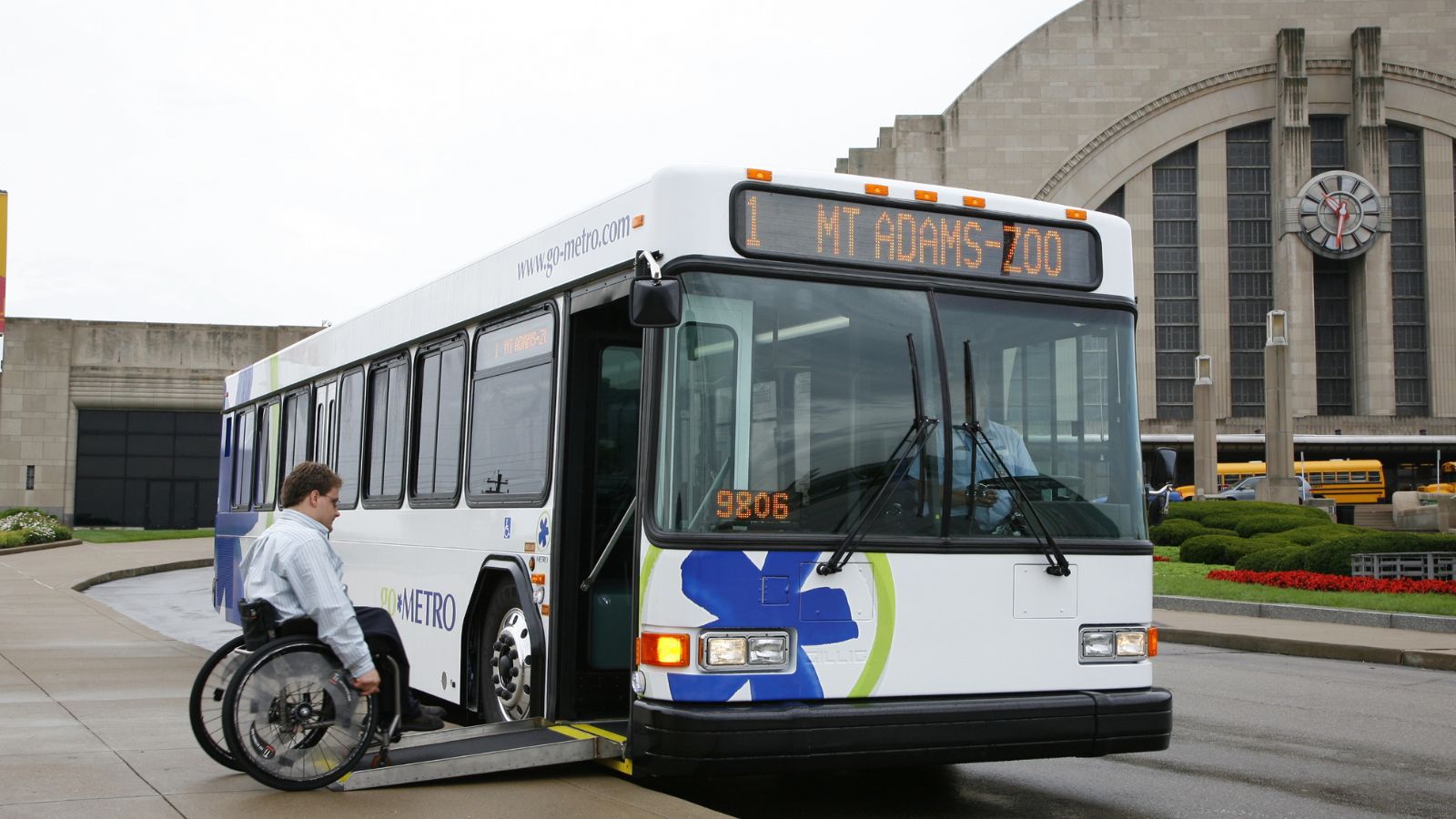
Driving often represents freedom, especially outside major transit routes. But seniors should recheck transportation plans before driving becomes unsafe, stressful, or unavailable. Vision changes, medication side effects, winter conditions, insurance costs, and vehicle repairs can all alter the practical value of keeping a car.
The question is not only whether someone can drive today. It is whether they can still reach groceries, appointments, social events, worship services, and family if driving stops tomorrow. Communities vary widely in transit, taxis, volunteer ride programs, accessible vans, and delivery services. Planning early can make the transition feel like a change in routine rather than a loss of independence. It can also reduce pressure on family members who may not be available every week.
Final Instructions and Household Information

Many seniors have handled their affairs responsibly but still leave loved ones searching for basic information. Bank accounts, passwords, insurance contacts, funeral preferences, subscriptions, property documents, tax returns, keys, and recurring bills may be spread across paper files and digital accounts. When no one knows where anything is, grief becomes administration.
A household information sheet can solve much of this without exposing every password. It can list key contacts, account locations, recurring payments, safe deposit box details, professional advisers, health card information, and end-of-life preferences. This is not about giving up control. It is about making sure a trusted person can act quickly if illness, hospitalization, or death makes ordinary tasks urgent.
19 Things Canadians Don’t Realize the CRA Can See About Their Online Income

Earning money online feels simple and informal for many Canadians. Freelancing, selling products, and digital services often start as side projects. The problem appears at tax time. Many people underestimate how much information the CRA can access. Online platforms, banks, and payment processors create detailed records automatically. These records do not disappear once money hits an account. Small gaps in reporting add up quickly.
Here are 19 things Canadians don’t realize the CRA can see about their online income.
