
Canadian loyalty programs are no longer quiet little cards tucked beside a debit card. They now shape grocery trips, fuel stops, movie nights, credit-card choices, travel plans, and even how much personal data shoppers trade for savings. In 2026, several familiar names are changing how points are earned, redeemed, transferred, or protected.
These 17 loyalty program changes Canadians should watch closely this year highlight where value may be shifting, where fine print matters more than before, and where everyday rewards could either become more useful or more complicated.
Air Miles’ Move Into Blue Rewards

One of the biggest loyalty changes in Canada is the planned transition of Air Miles into Blue Rewards under BMO. For many collectors, this is not a small branding tweak. Air Miles has been part of Canadian wallets for decades, and a full transition raises practical questions about point value, redemption habits, partner availability, and whether the program will become more bank-centred over time.
BMO has said existing Miles will convert automatically into Blue Points at equivalent value, with no action required from collectors. That may calm fears of an immediate loss, but it does not remove the need to watch details closely. Members should pay attention to launch timing, whether Cash Miles and Dream Miles are simplified into one structure, and how easy redemptions feel once the new platform is fully live.
Aeroplan’s Updated Flight Reward Chart

Aeroplan remains one of Canada’s most closely watched travel programs because its points can unlock real value, especially on expensive flights. This year, the major item to monitor is the updated Aeroplan flight reward chart taking effect for bookings or reissued tickets on or after June 1, 2026. For travellers who compare routes carefully, even small changes in reward bands can alter the best time to book.
The concern is not simply that some trips may require more points. It is that members increasingly need to treat points like a currency with moving prices. A family saving for a long-haul trip could discover that yesterday’s goal is no longer enough. Anyone holding a large Aeroplan balance should review target routes before major chart changes take effect rather than assuming old redemption estimates still apply.
Shell Joining Scene+ Nationwide

Scene+ has become more useful for drivers now that Shell Canada has joined the program nationwide. Members can earn Scene+ points on eligible fuel, car wash, and convenience purchases, and the partnership also connects with Scotiabank and Tangerine card-linked fuel savings. For households that fill up weekly, this turns a routine cost into a more visible rewards opportunity.
The change is worth watching because gas rewards often look simple at first but become more complex once stacking enters the picture. A member may earn base Scene+ points, receive Shell Go+ benefits, and get additional value through a linked payment card. That can be useful, but only if the station price, card choice, and redemption value still make sense. Rewards should not distract from comparing actual pump prices nearby.
Cineplex’s Scene+ Earn-Rate Split

Cineplex has changed how Scene+ members earn points at theatres, and the details matter. Starting May 13, 2026, regular movie tickets and many theatre purchases moved from 5 Scene+ points per dollar to 3 points per dollar, while premium movie tickets increased to 6 points per dollar. That creates a sharper split between standard moviegoers and those paying for premium formats.
For someone who regularly buys regular tickets and concessions, the change can feel like a quiet devaluation. Premium-format fans may benefit, but casual moviegoers could earn fewer points on the same entertainment night. This is the kind of loyalty shift that looks minor until repeated several times a year. Canadians should compare the new earning rate with actual ticket habits instead of assuming Scene+ value at Cineplex remains unchanged.
Grocery Rewards Becoming More Personalized

Grocery loyalty programs such as PC Optimum, Scene+, Moi Rewards, and More Rewards increasingly rely on digital offers that change by shopper, store, and buying pattern. The appeal is obvious: a household that buys diapers, coffee, or pet food every week may see targeted offers that feel genuinely useful. In a high-price grocery environment, personalized points can soften the bill.
The trade-off is that value becomes harder to compare. Two shoppers may buy similar baskets but receive different offers because their apps, purchase histories, or store banners differ. That makes “best grocery program” less universal than it once sounded. Canadians should watch whether bonus points are rewarding regular habits or steering them toward higher-priced items, larger basket sizes, or brands they would not otherwise choose.
PC Optimum and the PC Financial Sale
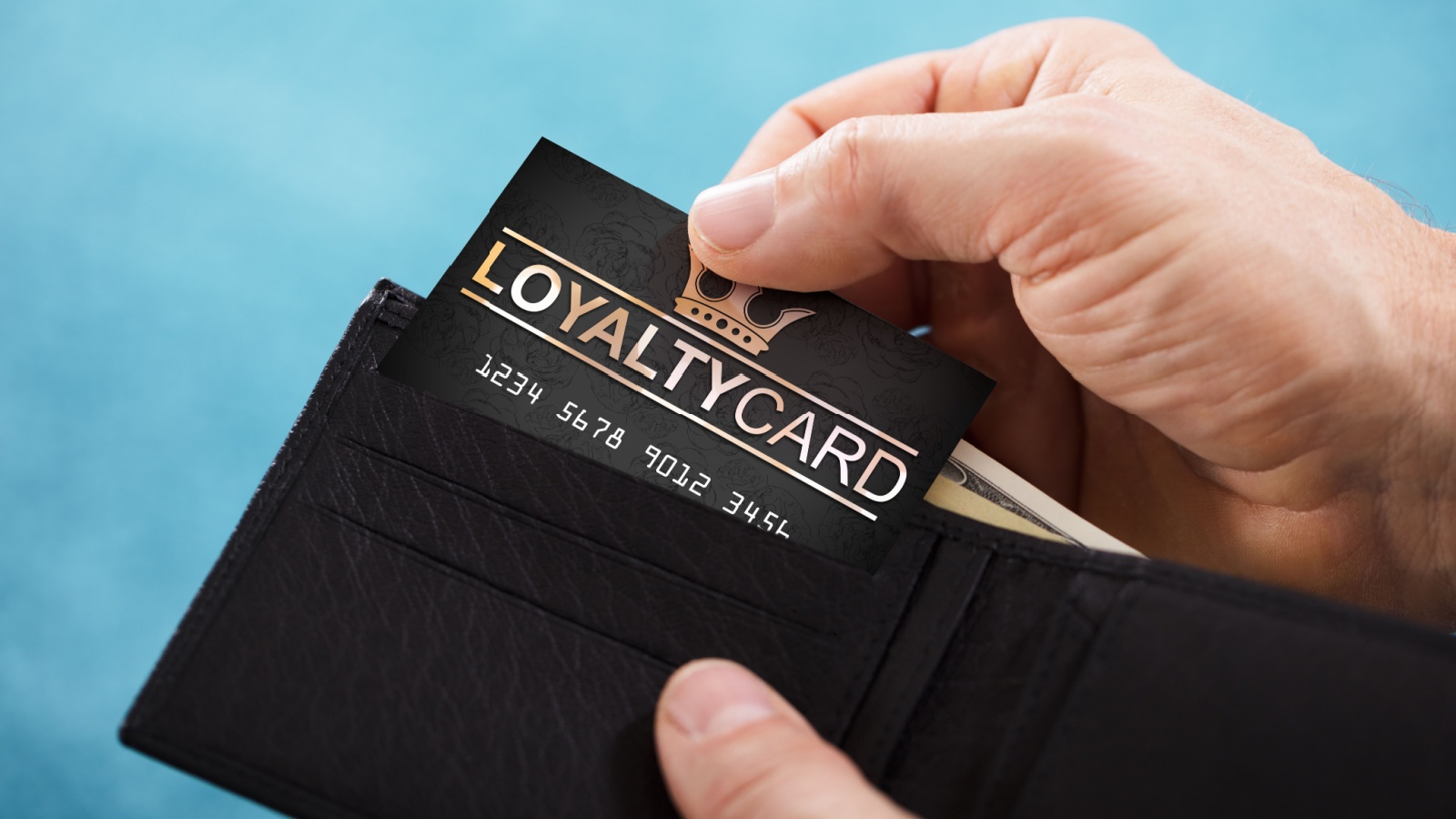
PC Optimum remains one of the most important loyalty programs in Canada because it connects groceries, pharmacies, fuel, and financial products across a large retail network. A major development to watch is EQB’s planned purchase of PC Financial from Loblaw, while Loblaw continues to own and operate PC Optimum. Reports on the transaction emphasized that customers were not expected to see immediate changes.
That “not immediate” point is still worth watching. Financial partnerships can shape how quickly points accumulate through cards, bank accounts, and promotional offers. Even if PC Optimum itself remains under Loblaw, the banking relationship around it may evolve after approvals and integration. Members who rely on PC Financial products for extra points should monitor card terms, earn rates, account perks, and any notices tied to the ownership change.
Expiry and Inactivity Rules Getting More Attention
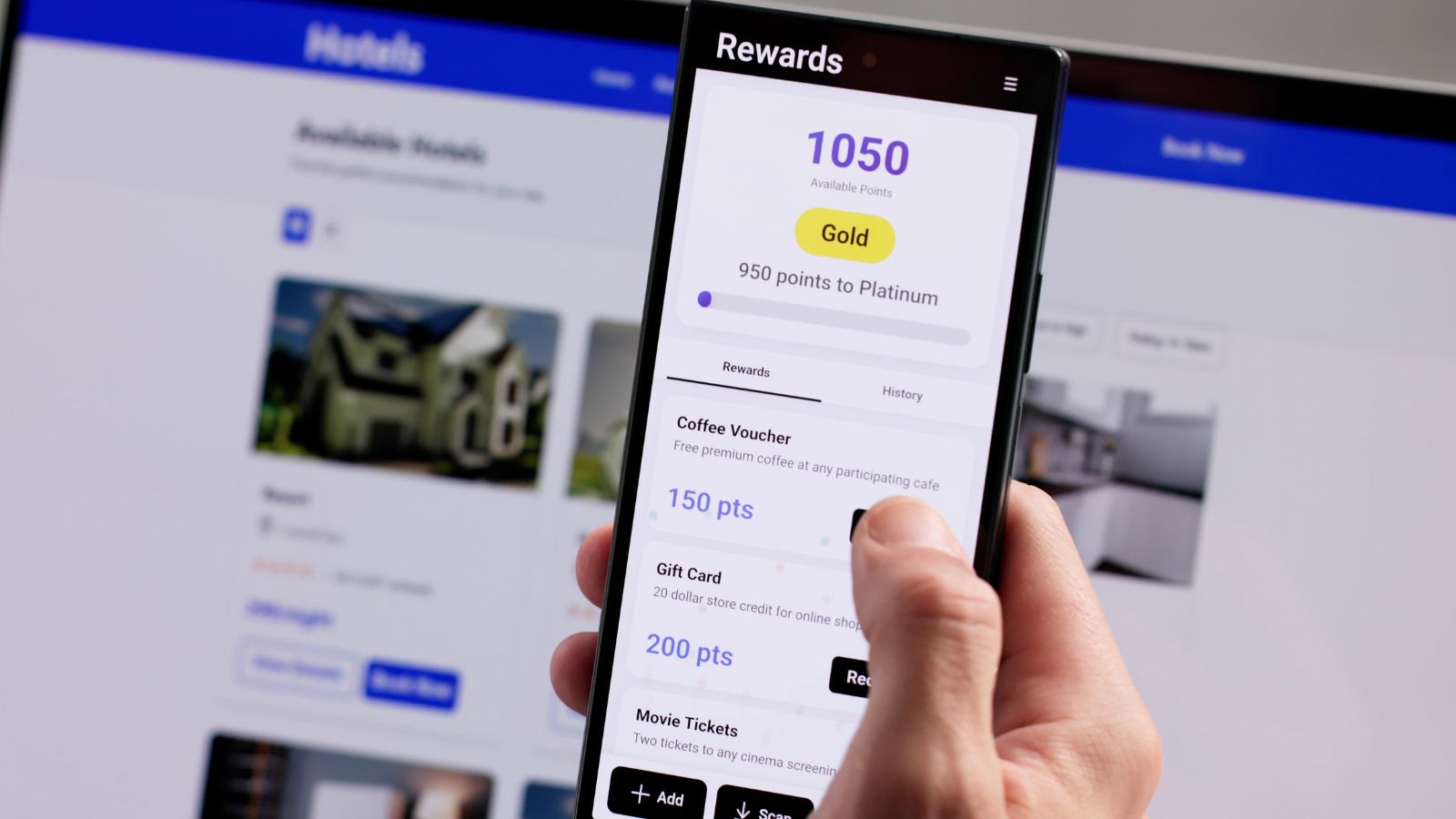
Loyalty points can feel like money, but they are usually governed by program terms rather than the protections attached to cash. In Canada, expiry rules vary widely by program. Some points do not expire as long as an account stays active, while others can be affected by inactivity rules, account status, or specific program conditions. That makes “set it and forget it” increasingly risky.
Ontario has had rules preventing reward points from expiring due only to the passage of time, but legal and policy discussions continue to draw attention to disclosure and transparency. The practical lesson is simple: Canadians should check each program’s inactivity policy, especially for travel, hotel, dining, and app-based rewards. A small qualifying transaction or redemption can sometimes protect a balance that took years to build.
Redemption Value Becoming Less Automatic
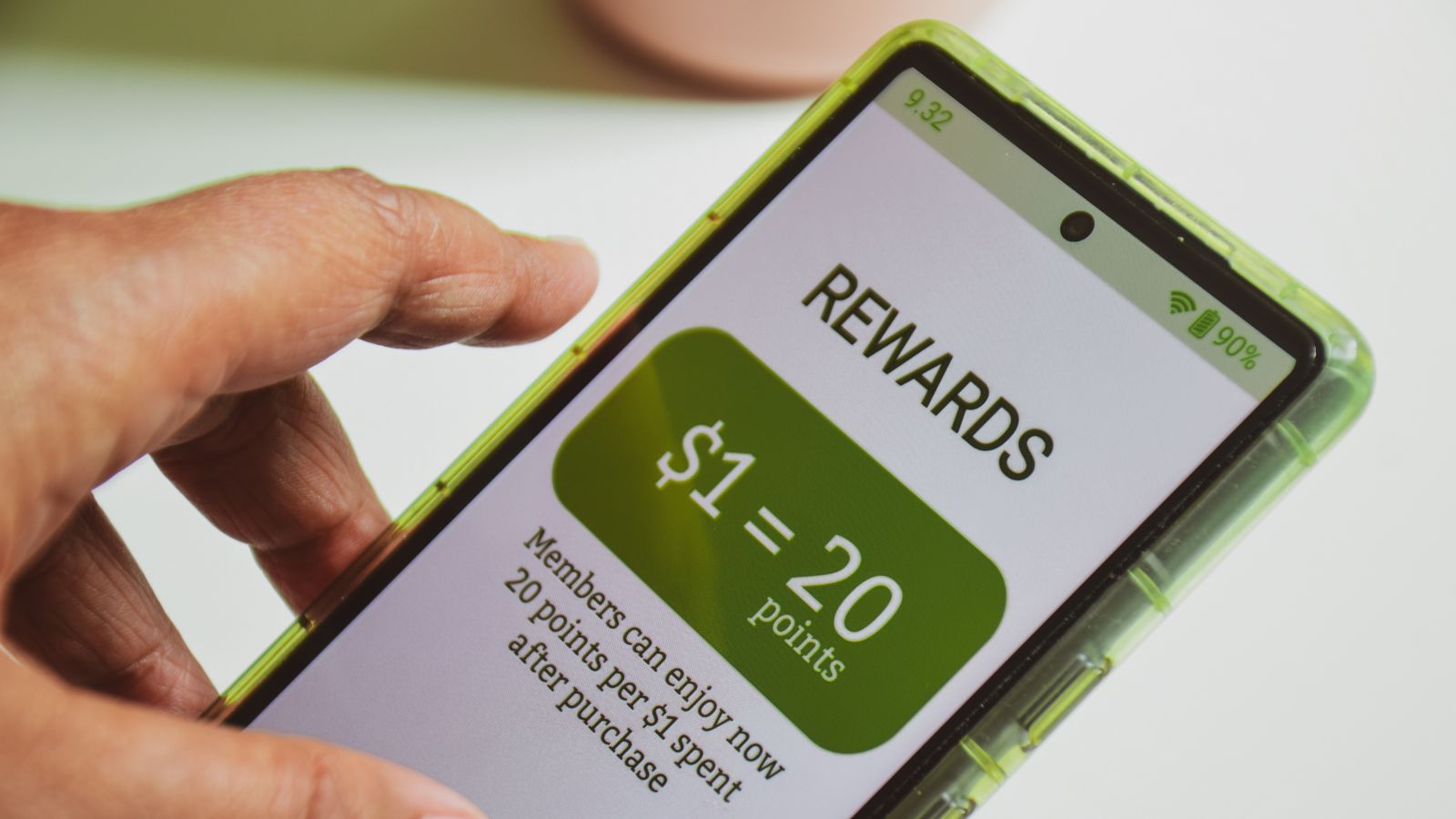
A loyalty program may advertise points, miles, stars, or dollars, but the real value depends on redemption rules. Scene+ often uses an easy-to-understand structure where 1,000 points can equal $10 at many partners, while PC Optimum commonly uses 10,000 points for $10 off eligible purchases. Other programs, especially travel programs, can fluctuate far more depending on route, date, availability, and booking method.
This year, Canadians should watch whether programs keep simple redemption values or gradually push members toward more conditional rewards. A point that is easy to earn but awkward to redeem may be less valuable than it appears. The most useful programs are not always those with the highest advertised multiplier; they are the ones where points can be used at full value on purchases people already planned to make.
Credit Card Rewards Facing Fee Pressure

Credit-card rewards are tied to economics that most consumers rarely see. Interchange fees, annual fees, merchant acceptance costs, and cardholder benefits all influence how generous a rewards card can be. The federal government has highlighted reductions in credit-card fees for eligible small businesses, while the Financial Consumer Agency of Canada advises consumers to compare annual fees against the real value of rewards received.
That matters because a rich-looking points card can become less attractive if annual fees rise, category caps tighten, insurance benefits shrink, or earn rates change. A card that once paid for itself through travel perks may not fit a household that now spends mostly on groceries and fuel. Canadians should re-run the math annually, especially when loyalty programs and card partnerships are being refreshed.
Fuel Rewards Becoming More Stackable
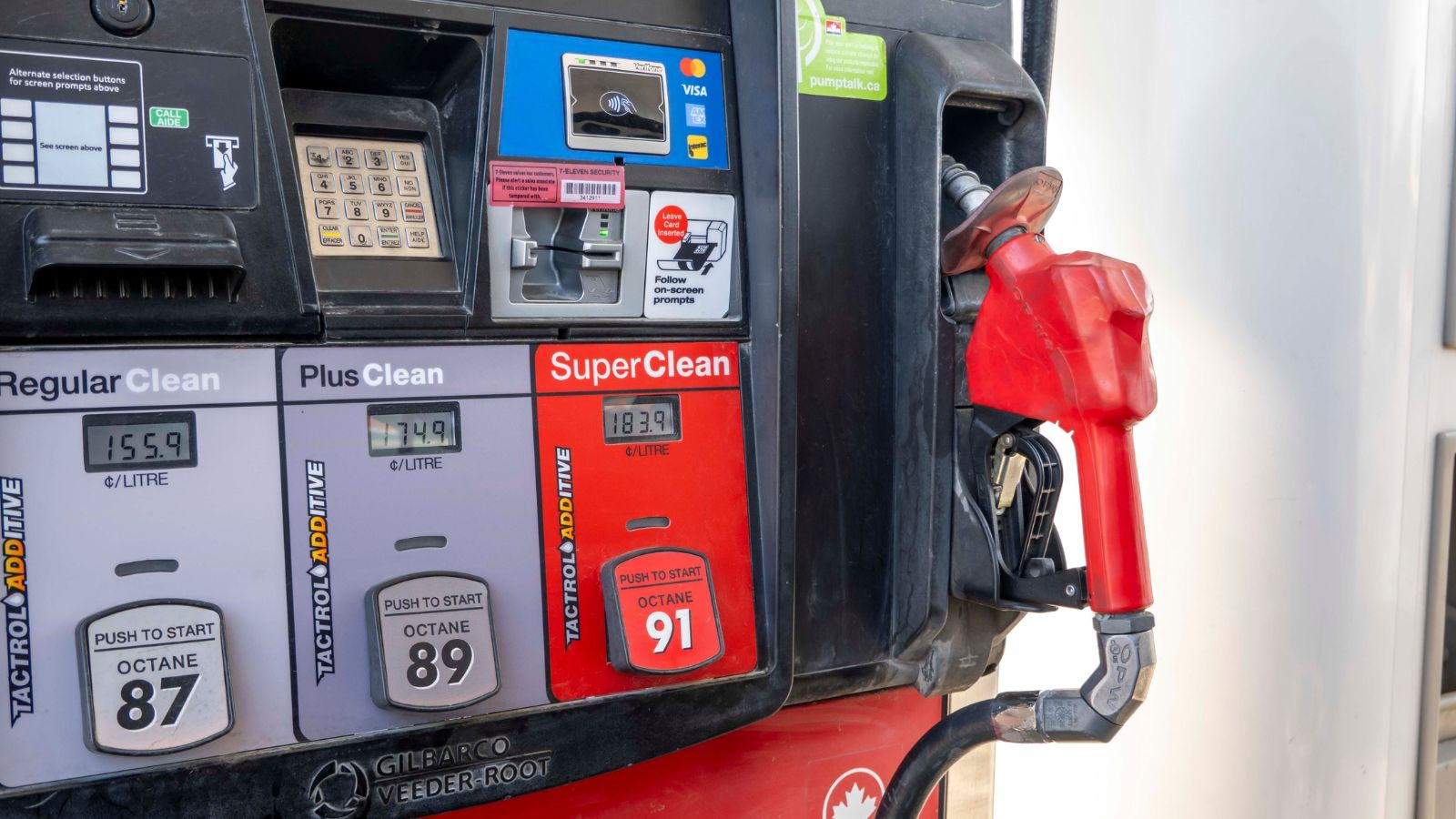
Fuel loyalty is becoming more layered. The Shell and Scene+ partnership shows how one purchase can involve a loyalty account, a fuel app, a bank card, and a payment-network reward all at once. For drivers who enjoy optimizing, this can produce meaningful value. A commuter who fills up frequently may benefit from points, instant cents-per-litre discounts, and credit-card category rewards.
The risk is that stacked offers can make the advertised savings look larger than the guaranteed savings. Some value may come as redeemable points rather than an immediate pump discount. Some savings may require account linking, eligible cards, monthly limits, or premium fuel. Canadians should separate instant discounts from estimated points value, then compare the total against the price at competing stations.
Loyalty Apps Asking for More Linking

Many loyalty programs now work best when members link accounts, cards, apps, or payment credentials. Scene+ at Shell, bank-card partnerships, grocery apps, and travel accounts all point in the same direction: better rewards are often tied to deeper digital participation. This can be convenient, especially when offers load automatically and receipts appear in one place.
However, linked accounts also create a broader data trail. Purchase history, location patterns, payment cards, redemption behaviour, and app engagement can all help companies personalize offers. That is not automatically harmful, but it changes the loyalty bargain. Canadians should watch privacy settings, account permissions, and whether an offer is valuable enough to justify the data exchange. The best reward is not only the biggest one; it is the one that feels worth the trade.
Fraud Risks Around Points Rising

Loyalty balances are increasingly attractive to scammers because points can be redeemed quickly and may not be monitored as carefully as bank accounts. Air Canada warns customers to watch for fake ads, emails, texts, calls, and social media accounts claiming to represent Air Canada or Aeroplan. Scotiabank has also warned that loyalty accounts are becoming common targets for scammers.
The human side of this problem is easy to understand. A member may ignore a small bank charge but forget that a rewards account holds hundreds or thousands of dollars in travel or grocery value. Canadians should use strong unique passwords, turn on multifactor authentication where available, avoid clicking “points expiring” links, and check transaction histories. Points should be treated like stored value, not harmless digital confetti.
Coalition Programs Reshuffling Partners

Coalition loyalty programs are powerful because they let members earn points across many brands, but they also change when major partners move. Shell joining Scene+ is a clear example. Air Miles becoming Blue Rewards is another. These shifts can alter everyday routines, especially for Canadians who built habits around specific grocery, fuel, banking, or travel partners.
The key issue is not only whether a program gains or loses a partner. It is whether the member’s real-life spending still matches the program’s network. Someone who used to collect at a familiar gas station may need a new strategy. A shopper who prefers one grocery banner may gain little from a program’s expansion elsewhere. Partner lists should be reviewed like a map, not a slogan.
Travel Rewards Becoming More Dynamic

Travel rewards have become harder to value because flights, hotels, and vacation bookings often depend on dynamic pricing, demand, partner inventory, and changing charts. Aeroplan’s 2026 chart update reinforces that travel points should not be treated as fixed-value coupons. A redemption that looked excellent last year may be average this year, while another route may still deliver strong value.
This creates a planning challenge for Canadians saving points for a major trip. A single traveller may adapt quickly, but families need multiple seats and predictable budgets. Waiting too long can expose a balance to chart changes, limited availability, or higher cash surcharges. The safest approach is to define a target redemption, monitor pricing regularly, and avoid hoarding travel points without a clear plan.
Bonus Offers Becoming Shorter and More Conditional
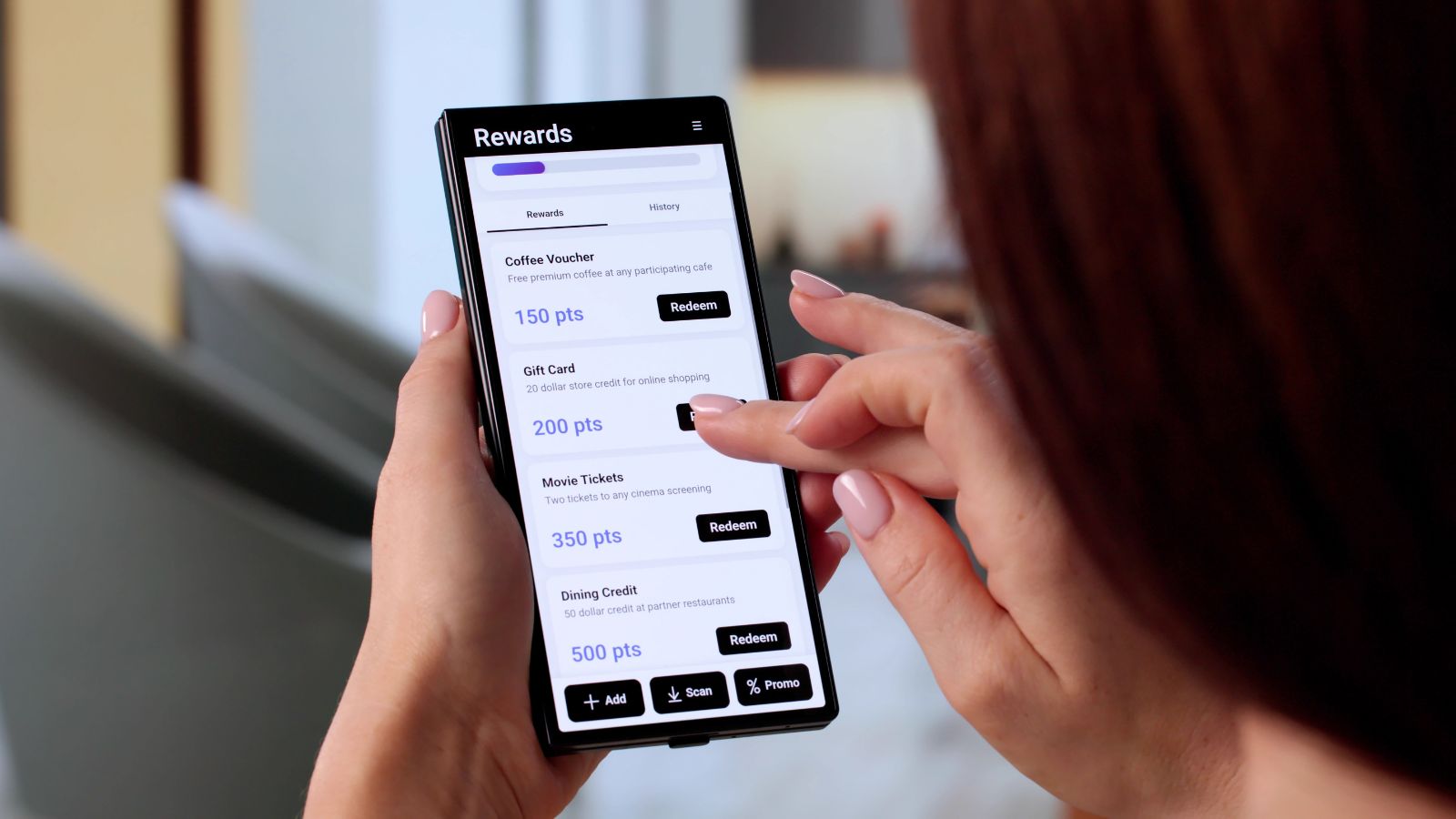
Loyalty programs increasingly rely on limited-time offers, app-only bonuses, partner multipliers, and loaded digital coupons. These can be valuable, but they also reward attention and timing more than simple loyalty. A shopper who checks an app before leaving home may earn far more than someone who shops the same store with only a physical card.
The caution is that bonus offers can nudge people into overspending. “Spend $100, get points” may be helpful for a planned stock-up, but it is less useful when it pushes a basket beyond the household’s needs. Canadians should watch minimum-spend thresholds, category exclusions, expiry dates, and whether offers apply before or after taxes. A strong bonus only matters if it does not create a larger bill.
Provincial Rules and Transparency Debates

Loyalty programs sit in a complicated space between marketing, consumer protection, privacy, and contract law. Ontario’s reward-point rules have drawn attention because they limit expiry based only on time, while legal commentary has noted possible changes around notice when points expire, are cancelled, or are suspended. Even when rules do not change immediately, the debate itself signals that transparency remains a public concern.
For Canadians, the practical issue is clarity. Members deserve to know when points can disappear, when accounts can be frozen, and how disputes are handled. Programs should make these terms easy to find, not bury them behind promotional language. Until rules become more consistent across provinces and programs, consumers should save important notices, screenshot large balances, and review terms before relying on points for major purchases.
Points Hoarding Becoming Riskier

Saving points for a dream trip, holiday shop, or large grocery redemption can feel satisfying, but hoarding has become riskier. Inflation, devaluations, partner changes, account inactivity, fraud, and changing redemption rules can all reduce the practical value of a balance. Unlike cash in a savings account, loyalty points usually do not earn interest, and programs can change terms with notice.
That does not mean every point should be spent immediately. It means Canadians should hold points with a purpose. A modest grocery balance for bonus redemption events may make sense. A travel balance tied to a specific flight goal may be worthwhile. But large idle balances deserve attention. In 2026, the smartest loyalty habit may be earning deliberately, redeeming regularly, and refusing to treat points as permanent wealth.
19 Things Canadians Don’t Realize the CRA Can See About Their Online Income

Earning money online feels simple and informal for many Canadians. Freelancing, selling products, and digital services often start as side projects. The problem appears at tax time. Many people underestimate how much information the CRA can access. Online platforms, banks, and payment processors create detailed records automatically. These records do not disappear once money hits an account. Small gaps in reporting add up quickly.
Here are 19 things Canadians don’t realize the CRA can see about their online income.
