
A household can look steady from the outside: jobs are intact, bills are paid, the mortgage or rent clears, and there may even be a vacation photo or a new appliance now and then. Yet in many Canadian homes, the real story is not crisis but compression. The math still works, but only because choices have become narrower, buffers have shrunk, and every ordinary cost seems to arrive a little heavier than before.
Here are 17 signs a Canadian household may be doing fine on paper while quietly feeling stretched.
The Paycheques Are Solid, but the Breathing Room Is Gone

A household can earn a respectable income and still feel as though every payday has already been spoken for. After deductions, mortgage or rent, utilities, groceries, transportation, insurance, phone plans, debt payments, and children’s activities, the remaining amount may be surprisingly small. On paper, the income looks stable. In real life, the household is managing a tightly packed schedule of automatic withdrawals.
This is especially common when income rose during the same years that prices, borrowing costs, and housing expenses rose too. A couple may feel confused because they are earning more than they did five years ago, yet saving less. The problem is not always overspending. Often, it is that the “normal” cost of maintaining a middle-class life has moved faster than the household’s ability to absorb it.
Housing Costs Take the First and Biggest Bite

For many Canadian households, the most obvious sign of pressure is that housing no longer feels like one bill among many. It acts more like the centre of the entire budget. Mortgage payments, rent, property tax, condo fees, home insurance, utilities, and repairs can leave little flexibility for everything else, even when the household technically qualifies for the home it occupies.
The strain can be especially sharp for owners approaching mortgage renewal. A family that bought carefully, stayed employed, and never missed a payment may still face a higher monthly obligation when an older low-rate mortgage term ends. Renters can feel a similar squeeze when lease increases, moving costs, and limited vacancy make downsizing or relocating less practical than it sounds.
Grocery Trips Keep Getting Smaller but Not Cheaper

One quiet warning sign is a household bringing home fewer bags while spending the same amount, or more. Meat is bought less often, brand names are swapped for private labels, snacks disappear from the cart, and takeout becomes harder to justify. Nothing dramatic happens at the checkout. The total just feels a little less connected to what actually came home.
Food costs are emotionally powerful because groceries are not optional. Families can postpone furniture, delay travel, or skip entertainment, but meals keep returning every week. Parents may notice the pressure first through school lunches, sports snacks, and the price of basic staples. A household can still look financially stable while quietly redesigning meals around discounts, loyalty points, bulk buying, and whatever is marked down that day.
Credit Cards Are Paid, but Not Always in Full
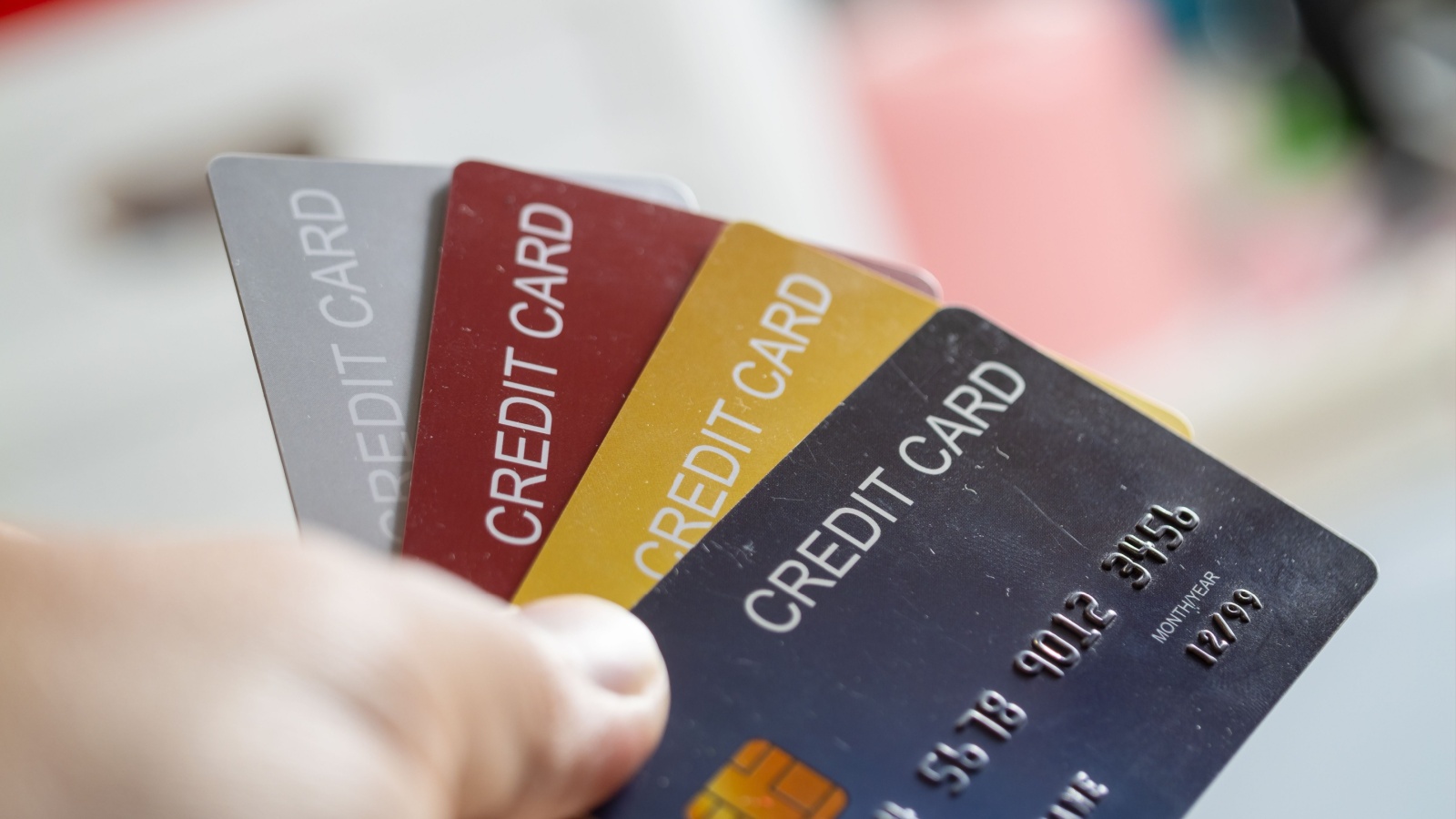
A household may have no collections calls, no late-payment notices, and a decent credit score, yet still be leaning heavily on credit. The sign is subtle: balances that used to be cleared monthly now carry over. The card is not funding luxury purchases so much as filling gaps between paydays, covering groceries, gas, children’s needs, or an unexpected prescription.
This kind of pressure can be easy to rationalize because the minimum payment is manageable. The trouble is that revolving balances turn ordinary expenses into longer-term obligations, especially when interest rates are high. A family may feel responsible because it pays every bill on time, but the growing balance tells a different story: the household is staying current by borrowing from future income.
The Emergency Fund Has Become a Revolving Door
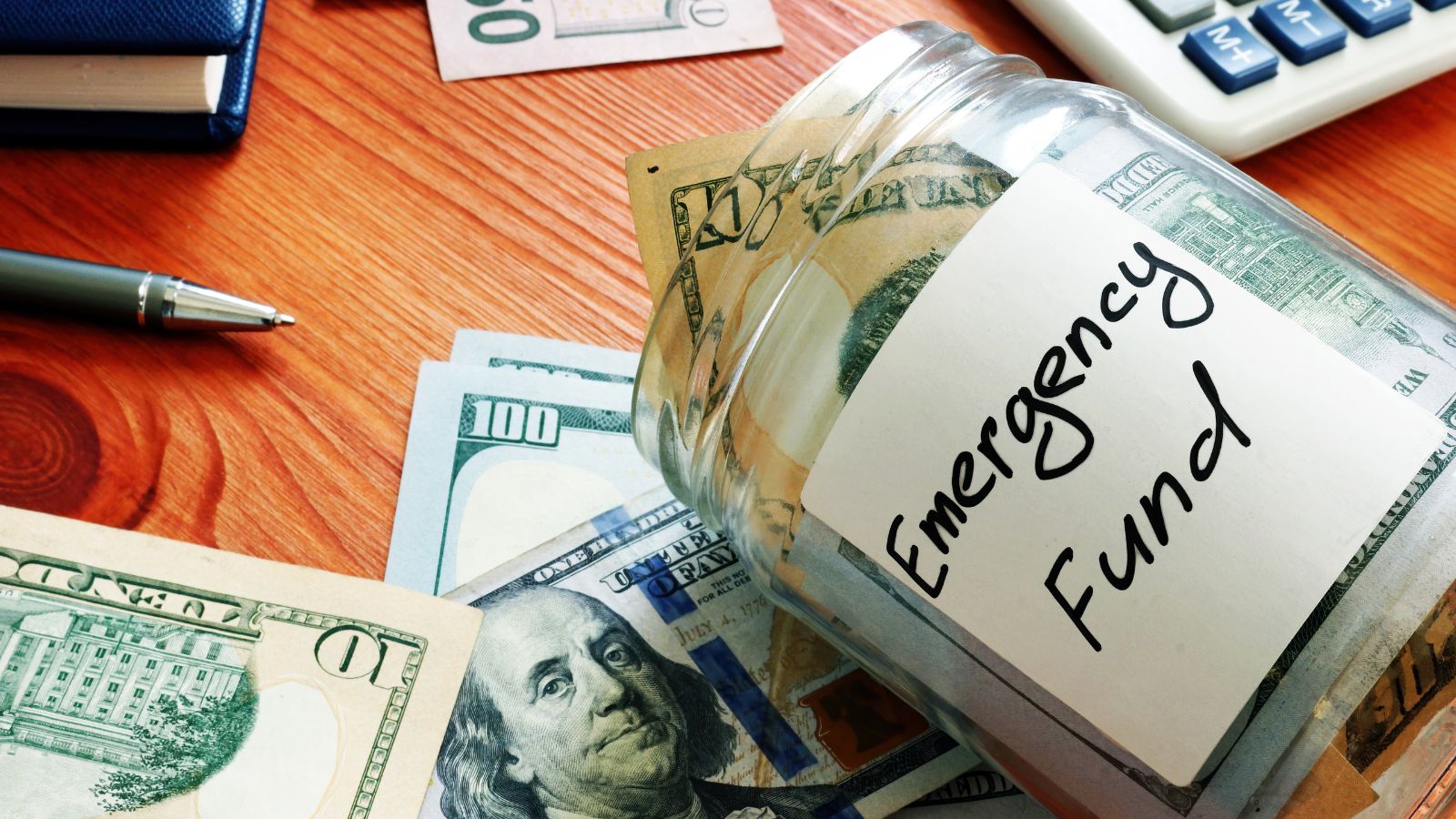
A healthy emergency fund is supposed to sit quietly until something unusual happens. In a stretched household, it gets used for ordinary surprises: winter tires, a dental bill, a school fee, a higher-than-expected hydro bill, or a car repair that cannot wait. The savings account is replenished after payday, then drained again before the month ends.
This pattern can create a strange feeling of progress without security. The household may technically be saving, but the savings never stay saved long enough to become a real cushion. It is not always a sign of poor planning. It may simply mean the margin between income and expenses has become too thin for the number of small shocks that normal Canadian life now produces.
Vehicle Costs Are Eating the Raise

For many households outside dense urban centres, a vehicle is not optional. Commuting, school drop-offs, groceries, appointments, and family visits may all depend on it. The pressure builds when loan payments, insurance, fuel, maintenance, parking, tolls, and winter tire changes add up to far more than the original monthly payment suggested.
The stretched feeling often appears after a raise or promotion. Instead of improving the household’s position, the extra income disappears into a newer car payment, higher insurance, or repairs on an older vehicle being kept alive. A family may still have reliable transportation and a normal driveway, but the cost of mobility can quietly reduce savings, delay debt repayment, and make every other decision feel tighter.
Child-Related Costs Keep Expanding Beyond the Obvious

Children’s expenses are rarely limited to food, clothing, and school supplies. There are childcare fees, lunch programs, field trips, birthday gifts, sports registrations, music lessons, tutoring, transit passes, technology, and sudden growth spurts that make last season’s boots useless. Each cost can seem reasonable alone, but together they can reshape the household budget.
The pressure is often social as well as financial. Parents may not want their children to feel left out, so they absorb costs quietly and cut back elsewhere. A household can look comfortable because the children are enrolled, equipped, and included. Behind the scenes, adults may be delaying dental appointments, skipping savings contributions, or using credit to keep family life feeling normal.
Subscriptions and Monthly Bills Have Become Hard to Track

A stretched household may not be overspending on one obvious luxury. Instead, money leaks through many small recurring charges: streaming services, cloud storage, apps, gaming subscriptions, delivery memberships, security monitoring, gym fees, and device financing. Add telecom bills, insurance premiums, and banking fees, and the monthly total becomes harder to see clearly.
The danger is that recurring bills blend into the background. A $12 charge here and a $19 charge there may not trigger concern, especially if each one once felt useful. Over time, however, they reduce flexibility. The household may still appear organized because everything is paid automatically, but automatic payments can hide how much of the budget is already committed before anyone makes a fresh choice.
Home Maintenance Is Being Deferred, Not Ignored

A household that owns a home may appear secure because it has equity and a stable address. Yet one sign of strain is a growing list of deferred repairs. The roof can wait another year. The deck needs attention, but not immediately. The furnace is serviced only when it acts up. Small leaks, aging appliances, and drafty windows become things to monitor rather than fix.
Deferral is not the same as neglect. Often, it is a rational response to limited cash flow. The household knows the work matters but chooses the least urgent option because groceries, mortgage payments, and insurance renewals come first. The risk is that delayed maintenance can turn a manageable repair into a larger bill, making the household feel even more stretched later.
Insurance Renewals Create a Sense of Dread
Insurance is one of those expenses that can rise without changing daily life in any visible way. Auto, home, tenant, life, disability, and pet insurance premiums can all climb while coverage feels abstract. A household may stay insured because cancelling feels risky, but every renewal notice creates a fresh round of budget anxiety.
This pressure is especially frustrating because insurance is tied to responsible behaviour. People are not buying something fun; they are protecting themselves from bigger losses. Yet higher premiums can force uncomfortable trade-offs, such as raising deductibles, reducing optional coverage, or shopping aggressively for quotes. A household may look prudent and well-protected while quietly resenting how much protection now costs.
Retirement Contributions Are Treated as Optional

One of the clearest signs of hidden strain is when retirement saving becomes the pressure valve. RRSP, TFSA, workplace pension top-ups, or education savings contributions may be reduced, paused, or postponed because today’s bills feel more urgent than tomorrow’s goals. The household may promise to catch up later, but later keeps moving.
This can happen even among people who understand money well. Long-term planning requires short-term surplus, and stretched households often lack that surplus. On paper, they may have good jobs, home equity, and no missed payments. In practice, their future security is being quietly used to subsidize the present. The damage may not show immediately, which makes the decision easier to repeat.
Tax Refunds and Bonuses Are Used to Catch Up

A tax refund, work bonus, GST/HST credit, or other lump-sum payment can reveal a lot about household pressure. In a comfortable budget, extra money may go toward savings, investing, travel, or a planned purchase. In a stretched household, it disappears into overdue maintenance, credit card balances, property tax, school expenses, or bills that were waiting for relief.
There is nothing irresponsible about using a lump sum to stabilize the budget. The warning sign is when every windfall is already assigned before it arrives. That means regular income is not fully covering regular life. The household may feel a short burst of relief after catching up, only to realize that the next cycle of bills is already forming.
Eating Out Has Shifted From Pleasure to Exhaustion Management

Restaurant meals and takeout are often criticized as wasteful, but in stretched households they may serve a different role. They become a fatigue expense. After long commutes, childcare logistics, overtime, and errands, ordering dinner can feel less like indulgence and more like the only manageable option at the end of a demanding day.
The strain shows up when households feel guilty either way. Cooking saves money but costs time and energy. Ordering food saves the evening but hurts the budget. A family may cut restaurant meals sharply and still feel squeezed because groceries, utilities, and transportation have already absorbed the savings. The issue is not simply dining out; it is the shrinking amount of energy and money left after essentials.
Utility and Telecom Bills Keep Absorbing Small Savings

A household may try hard to save by buying sale items, cutting subscriptions, or reducing entertainment spending, only to see those savings swallowed by electricity, heating, water, internet, and cellphone bills. These services are central to modern life, especially for remote work, school communication, banking, and government services. They are difficult to eliminate entirely.
The result is a budget that feels resistant to improvement. A family can spend an hour comparing grocery prices and still lose the benefit to a seasonal heating spike or a mobile plan increase. This creates frustration because the household is making responsible adjustments, yet the overall monthly total barely moves. The pressure is real even when no single bill looks outrageous.
A Line of Credit Has Become the Backup Plan

A personal line of credit or home equity line of credit can be a useful tool when used carefully. In a stretched household, however, it can become the default emergency fund. Instead of drawing from savings, the household borrows for repairs, tax bills, travel to see family, appliance replacement, or short-term cash gaps.
The problem is not the existence of credit. It is the emotional shift from “available if needed” to “needed more often than expected.” Because lines of credit usually feel less alarming than maxed-out credit cards, balances can grow quietly. A household may still appear financially stable because payments are manageable and assets exist, but the buffer is borrowed rather than saved.
Net Worth Looks Better Than Cash Flow Feels

Some Canadian households are asset-rich and cash-tight. They may own a home that has appreciated, hold retirement accounts, or have workplace pensions, yet still feel squeezed each month. Net worth can look reassuring on paper, but it does not buy groceries unless assets are sold, borrowed against, or income improves.
This mismatch can be emotionally confusing. A household may feel guilty for feeling stressed because it appears better off than many others. But cash flow determines daily comfort. If most wealth is locked in housing or long-term accounts, it may not help with a furnace repair, childcare bill, or rising mortgage payment. Financial stability and financial ease are not always the same thing.
Everyone Is Working More, but the Household Is Not Moving Ahead

Another sign of hidden strain is when the household becomes busier without becoming more secure. Adults take extra shifts, freelance on weekends, delay vacation days, or keep a side gig going longer than planned. The additional income helps, but it may only preserve the current lifestyle rather than create progress.
This can wear people down because effort no longer produces the expected reward. A household may be doing everything “right”: working, budgeting, paying bills, shopping carefully, and avoiding obvious splurges. Still, the savings account grows slowly, debt falls unevenly, and every new expense feels personal. The household is not failing. It is operating in a narrow margin where stability requires constant motion.
Financial Conversations Have Become More Careful

Money stress often shows up in tone before it shows up in missed payments. Couples may avoid checking balances together, parents may say “not this month” more often, and ordinary purchases may trigger quiet tension. The household is still functioning, but decisions carry more emotional weight than they used to.
This kind of pressure is easy to miss because it rarely looks dramatic from the outside. Bills are paid. Children are cared for. Work continues. The home looks normal. Yet the mental load of constant calculation can be exhausting. When every grocery run, renewal notice, school request, and repair estimate requires a trade-off, a household can be financially intact while feeling deeply stretched.
19 Things Canadians Don’t Realize the CRA Can See About Their Online Income

Earning money online feels simple and informal for many Canadians. Freelancing, selling products, and digital services often start as side projects. The problem appears at tax time. Many people underestimate how much information the CRA can access. Online platforms, banks, and payment processors create detailed records automatically. These records do not disappear once money hits an account. Small gaps in reporting add up quickly.
Here are 19 things Canadians don’t realize the CRA can see about their online income.
