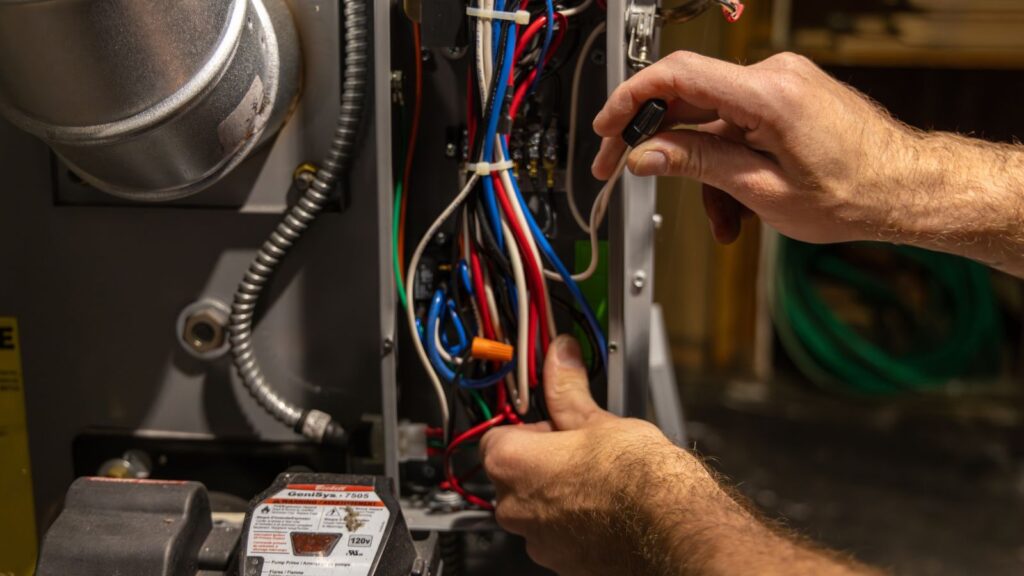
A furnace that seemed perfectly fine in April can reveal a very different personality when the first cold nights arrive. Across Canada, space heating accounts for a major share of household energy use, and fall is the ideal time to catch problems before a system is asked to run for hours at a stretch. Some warning signs point to simple maintenance needs, while others can signal combustion, venting, electrical or carbon-monoxide hazards that demand immediate attention.
From unfamiliar noises and weak airflow to unusual flames, water leaks and rising heating costs, these 18 furnace warning signs can help Canadian homeowners recognize when routine maintenance has turned into a repair — or a genuine safety concern.
A Carbon Monoxide Alarm Sounds — or People Feel Sick Indoors
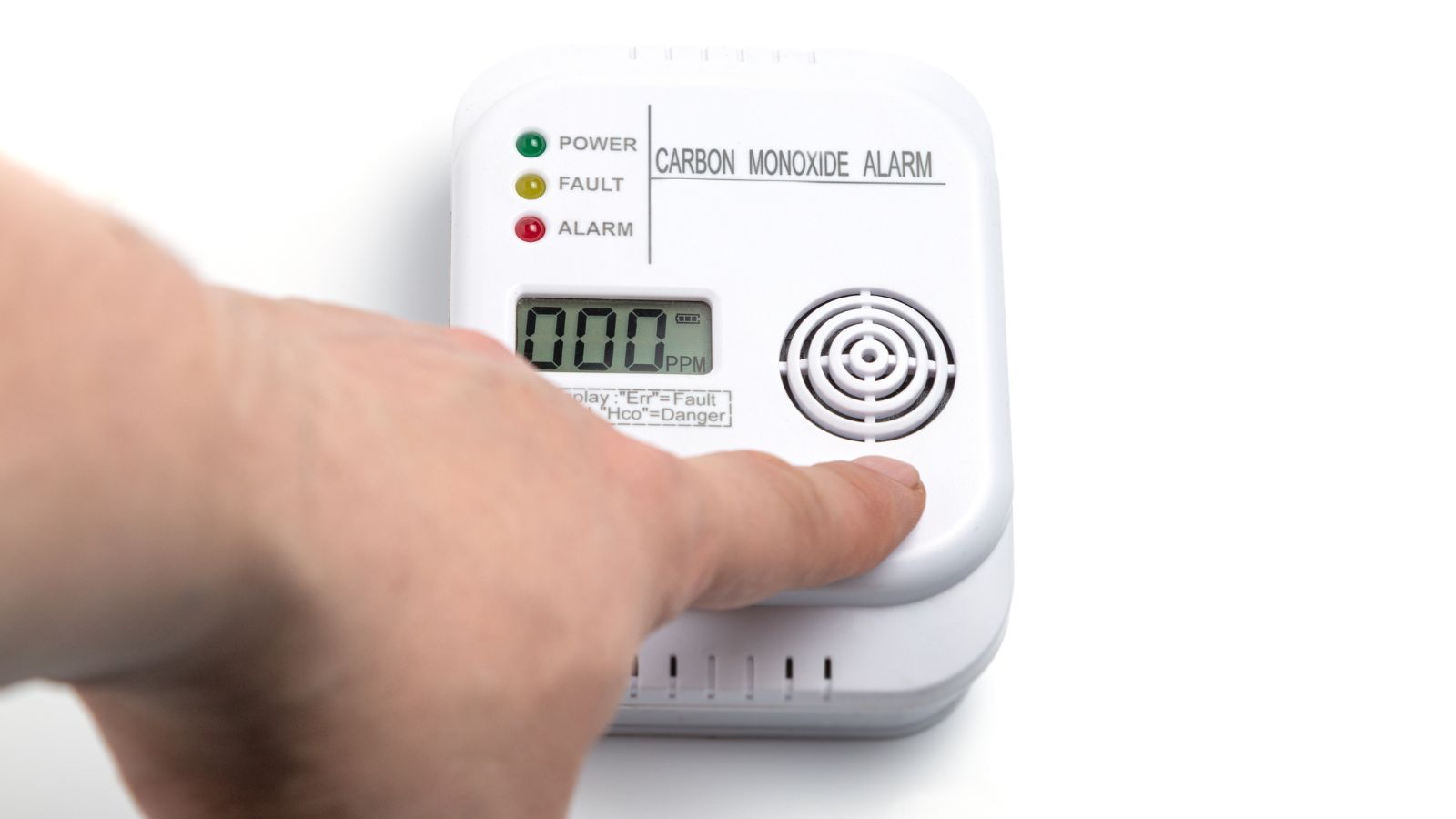
A carbon monoxide alarm is not a furnace-maintenance reminder. It is an emergency warning. Carbon monoxide, or CO, has no colour, smell or taste, and fuel-burning equipment such as natural-gas, propane and oil furnaces can become a source when combustion or venting goes wrong. Health Canada says exposure can cause tiredness, headaches, shortness of breath and flu-like symptoms at lower levels, while heavier exposure may lead to dizziness, chest pain, confusion, unconsciousness and death. The risk deserves particular attention once Canadian homes begin relying heavily on heating equipment in colder weather.
If an alarm activates, occupants should leave the building immediately for fresh air and contact 911, the fire department or local emergency services from outside. Nobody should wander through the basement trying to locate the source first. A pattern of several people developing unexplained headaches or nausea while inside the home is also worth taking seriously. The furnace may not ultimately be responsible, but CO exposure is too dangerous to diagnose by guesswork.
A Persistent Rotten-Egg or Sulphur-Like Smell Appears

Natural gas is deliberately odorized so leaks can be noticed, often producing the familiar rotten-egg or sulphur-like smell. A strong or persistent gas odour around a furnace, utility room or elsewhere in a home therefore requires a much different response than the dusty smell that sometimes accompanies the first heating cycle of autumn. FortisBC specifically identifies continuous or intermittent natural-gas odours as signs that gas heating equipment needs professional attention.
Homeowners should not investigate a suspected leak by repeatedly starting the furnace, relighting a pilot or flipping electrical switches. Gas utilities and furnace manufacturers advise leaving the building when a leak is suspected and contacting the appropriate gas utility or emergency service from a safe location. That distinction matters because not every furnace smell represents the same hazard. A brief dusty scent after months of inactivity can have a relatively ordinary explanation, while a continuing gas-like odour cannot safely be treated as an annoying seasonal smell. When uncertainty exists, treating the situation cautiously is the sensible choice.
The Burner Flame Looks Yellow or Wavers Instead of Burning Blue
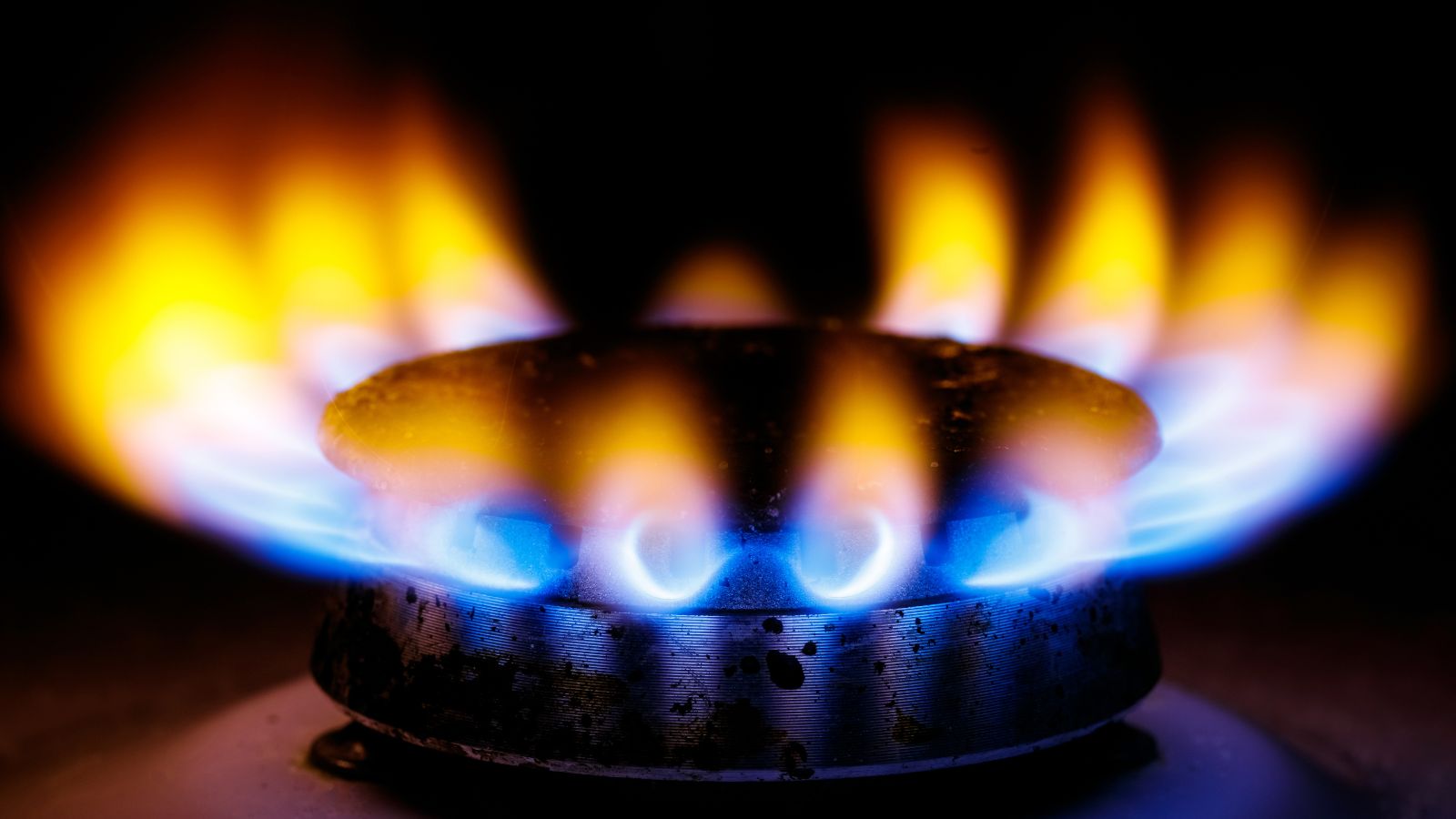
Where a furnace design allows the flame to be safely observed without removing panels or defeating safety devices, its appearance can provide useful information. Canadian gas-safety guidance from ATCO advises that a natural-gas furnace flame should be clear blue and recommends contacting a qualified technician when it appears yellow. FortisBC similarly lists a yellow or wavering flame among signs that a gas furnace or boiler may need professional service.
A colour change does not tell a homeowner exactly which component has failed. Problems involving combustion air, burner cleanliness, gas pressure or other combustion conditions can affect how a flame behaves, and modern furnaces may use sealed combustion systems where homeowners should not attempt to inspect the burner themselves. The important point is the change from normal operation. A flame that has suddenly become yellow, lazy or unstable is not something to correct by experimenting with gas components. Combined with soot, strange odours or a CO alarm, abnormal flame behaviour becomes an especially strong reason to shut the system down as appropriate and obtain qualified service.
Soot, Scorch Marks or Corrosion Starts Appearing
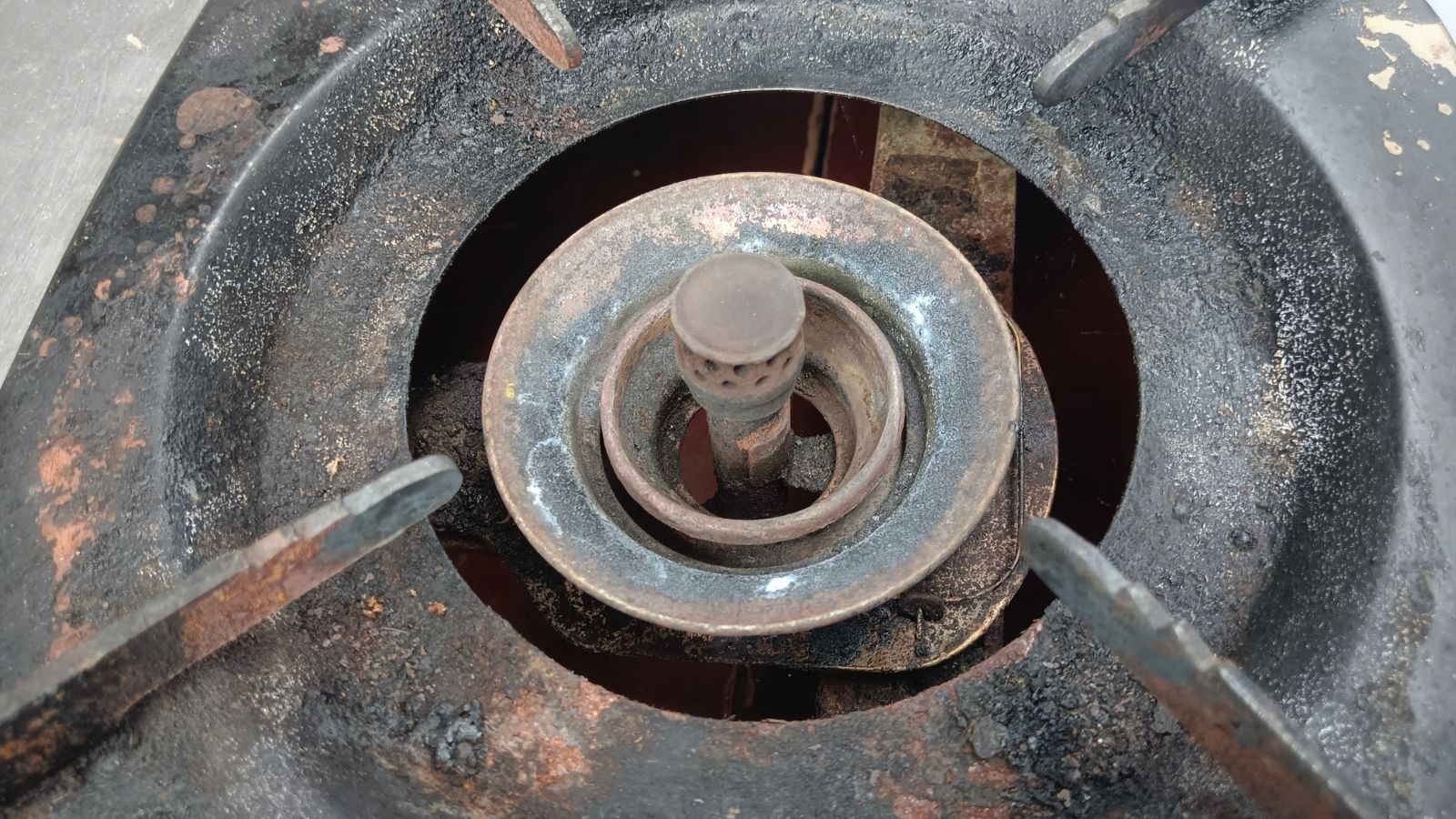
Black soot around burners or venting is more than a housekeeping problem. FortisBC lists excessive soot, appliance damage and white, brown or black streaking around vent systems among furnace trouble signs. Scorch marks around an access opening can also indicate that flame has moved outside the area where combustion is supposed to remain. Carrier identifies soot, yellow flames and visible scorching among warning signs associated with potentially serious heat-exchanger or combustion problems.
Rust and corrosion deserve attention as well, particularly when they appear around vent connections or parts that previously remained clean. Moisture, condensation and venting deterioration can all contribute to corrosion, while combustion problems may leave visible deposits. A homeowner who notices a new dark stain above the furnace door, for example, should not simply wipe it away and assume the problem is solved. Its location, colour and timing can give a technician useful clues. Fall maintenance is an opportunity to catch these visual changes before weeks of continuous winter operation make an underlying problem worse.
New Banging, Booming, Grinding or Squealing Noises Develop
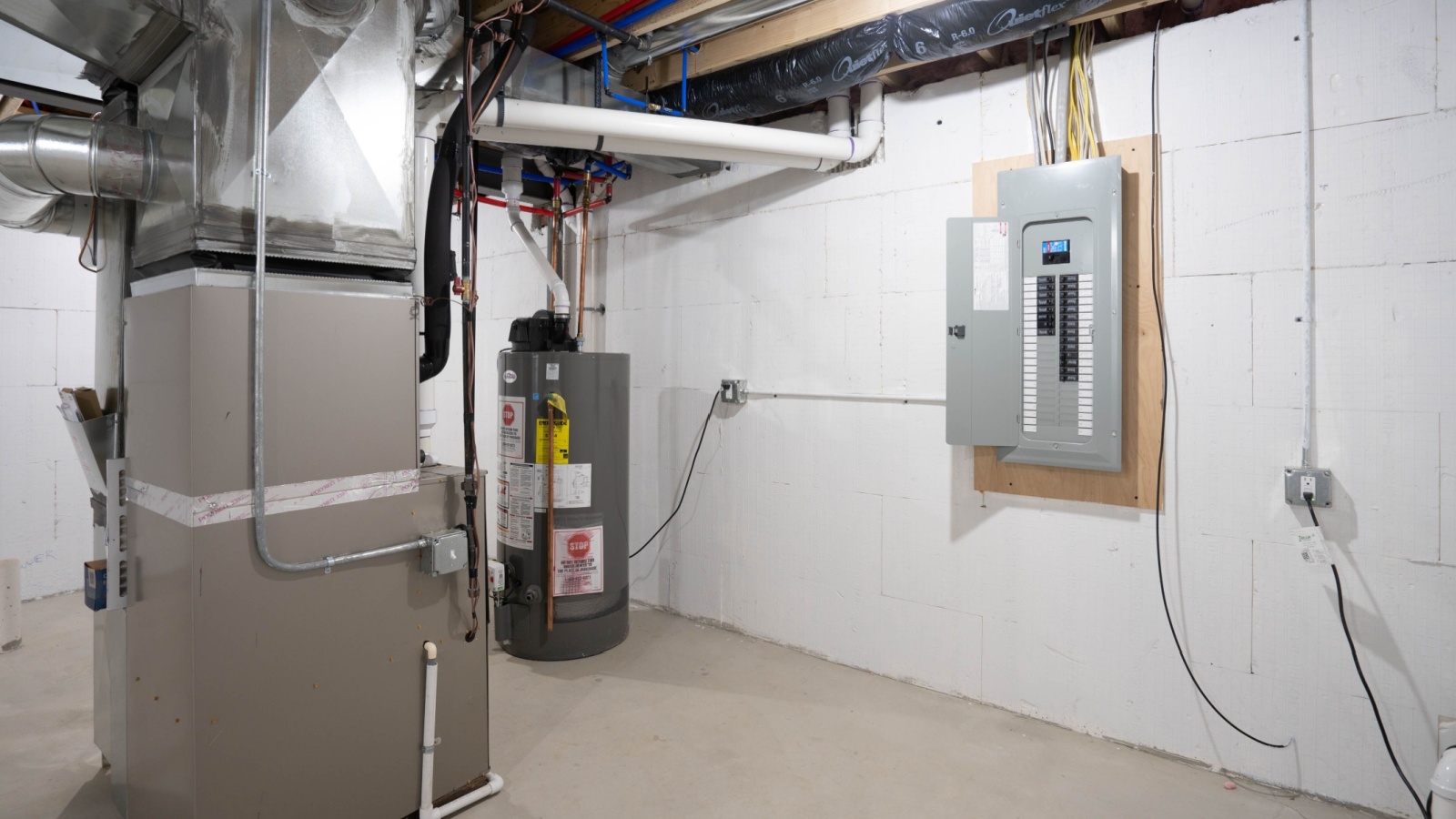
Every furnace makes some noise. Air begins moving, metal ductwork expands and burners start, so a normal heating cycle is rarely silent. What matters is a noticeable departure from the sounds the system has made in previous seasons. Carrier Canada identifies banging, grinding and squealing as possible indicators of worn or damaged parts, while FortisBC specifically flags booming during ignition as a reason gas equipment may require service.
The timing of the noise can be just as important as its volume. A boom immediately after the furnace attempts to ignite can indicate delayed ignition and should not be dismissed as ordinary duct expansion. Grinding or squealing may point toward blower-motor or mechanical problems, while rattling can sometimes originate in panels or duct connections. Homeowners do not need to diagnose the sound themselves; recording when it happens can be more useful. A thirty-second phone video showing a technician exactly what occurs at startup may reveal more than simply reporting that the furnace “sounds weird.” A new furnace noise is information, and repeated loud noises deserve investigation.
The Furnace Starts and Stops Every Few Minutes
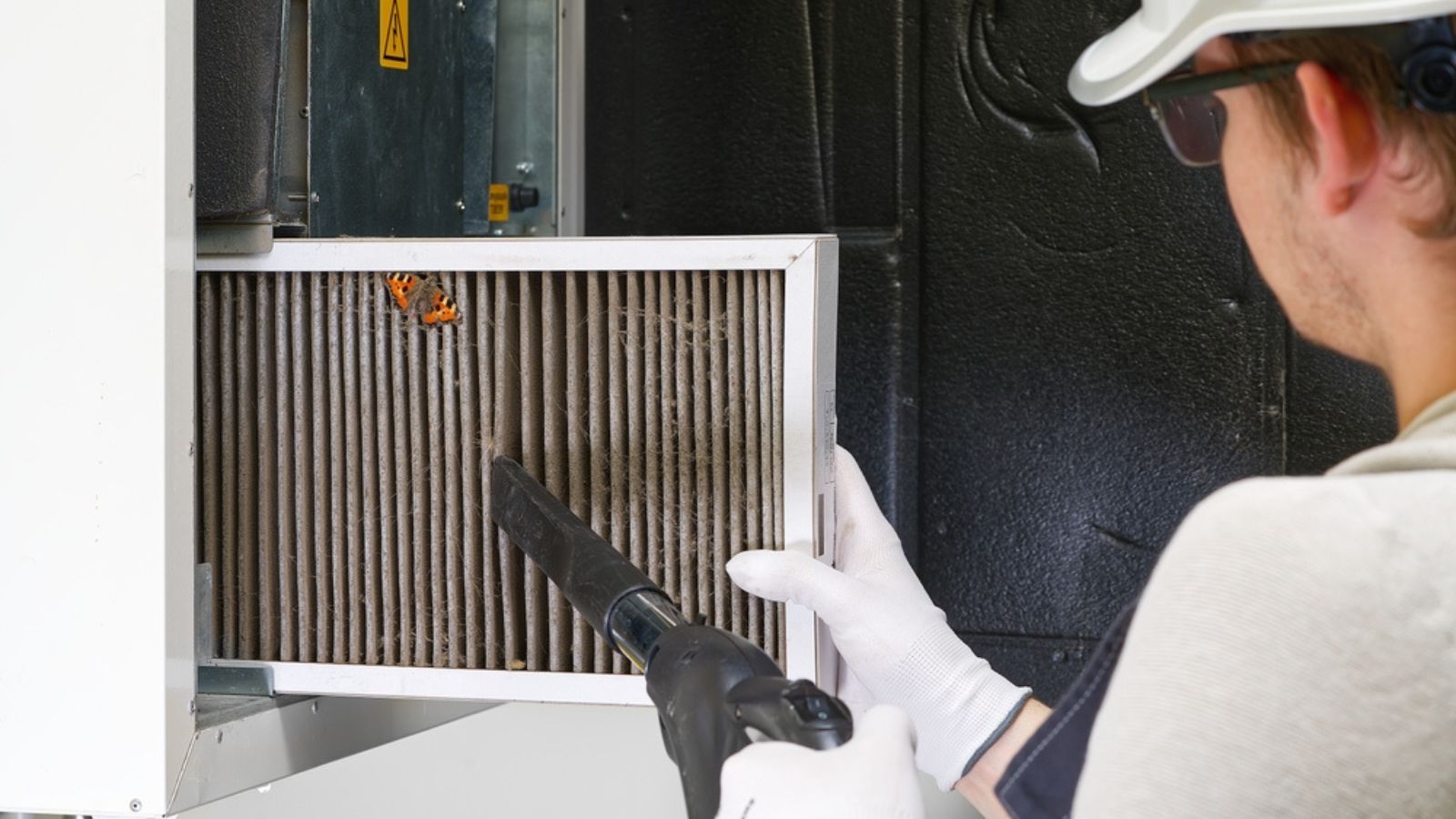
A furnace that repeatedly fires up, shuts down and then starts again shortly afterward may be short cycling. Instead of completing normal heating cycles, the equipment operates in brief bursts. Carrier Canada notes that dirty filters, restricted airflow, thermostat problems and incorrectly sized equipment can all contribute. Safety controls can also shut a furnace down when operating conditions move outside acceptable limits.
Short cycling can be easy to overlook during mild fall weather because the house may still feel reasonably comfortable. The mechanical pattern is the warning. Repeated startups can increase wear, reduce efficiency and produce uneven indoor temperatures. Natural Resources Canada also notes that oversized equipment can contribute to inefficient short cycling, particularly when a home’s heating requirements have changed after major insulation or air-sealing upgrades. A homeowner who hears the burner or blower starting again every few minutes should first check accessible basics such as a dirty filter and blocked registers. If the behaviour continues, the cause should be professionally diagnosed rather than allowing the furnace to repeat the cycle throughout winter.
The Furnace Seems to Run Almost Constantly
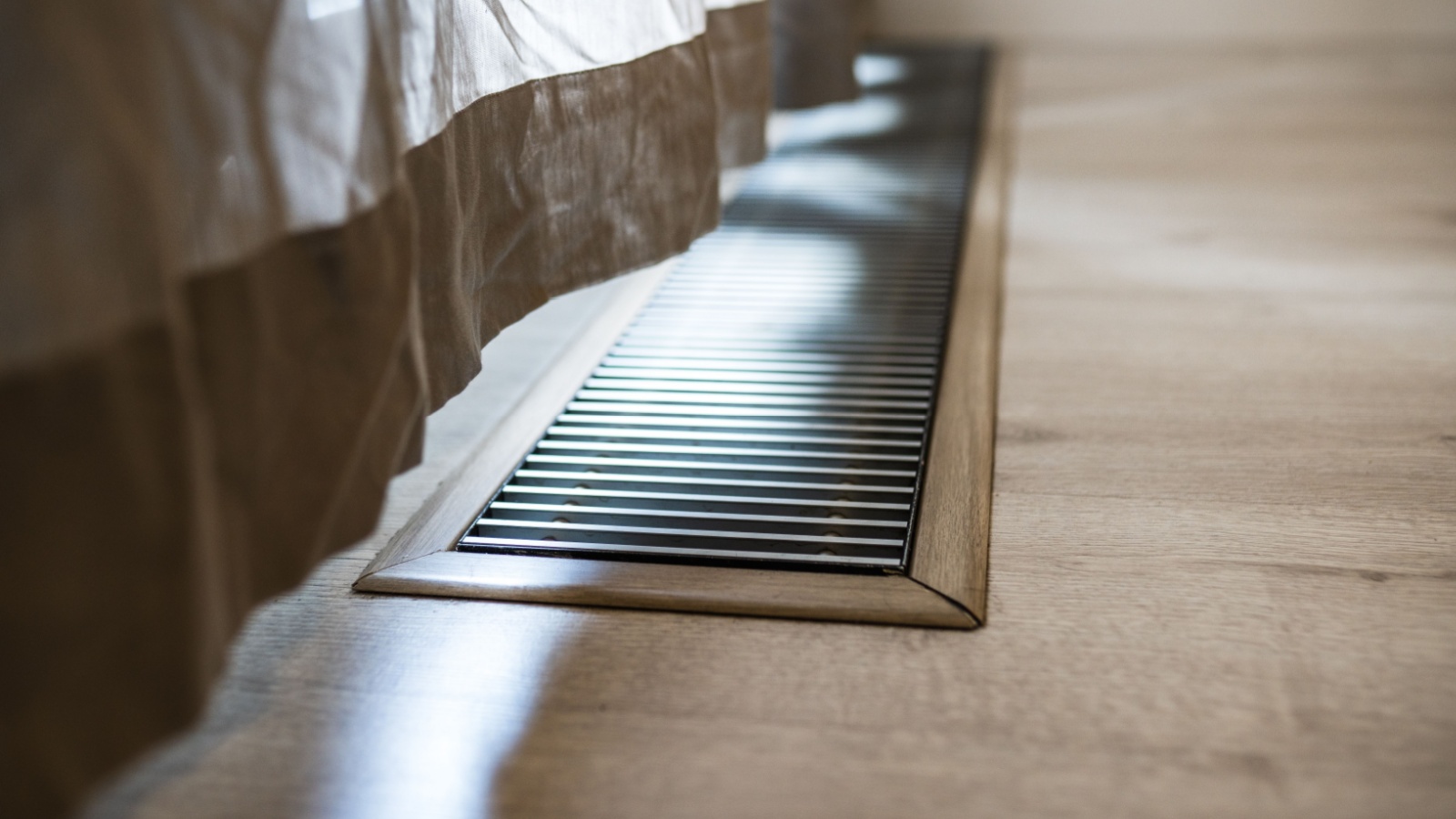
Long furnace cycles are not automatically a problem during severe Canadian cold. When outdoor temperatures plunge, a properly functioning system may legitimately spend much of the day heating. Continuous operation during mild autumn weather, however, deserves closer attention — especially when the thermostat setting still is not being reached. An undersized system can struggle continuously, but restricted airflow, duct leakage, thermostat issues, insulation problems and equipment faults can also lengthen operating time.
Carrier Canada explains that an undersized furnace may run constantly because it cannot produce enough heating capacity for the home. Dirty filters can have a similar practical effect by making the equipment work harder to move air. Context therefore matters. A furnace labouring through a -30°C prairie cold snap is different from one running almost nonstop on a cool October afternoon. Homeowners can check whether filters and vents are clear and whether thermostat settings make sense, but persistent excessive runtime should prompt a broader assessment. The furnace may be signalling that either the equipment or the house around it is making the heating job unnecessarily difficult.
Airflow From the Registers Has Become Noticeably Weak
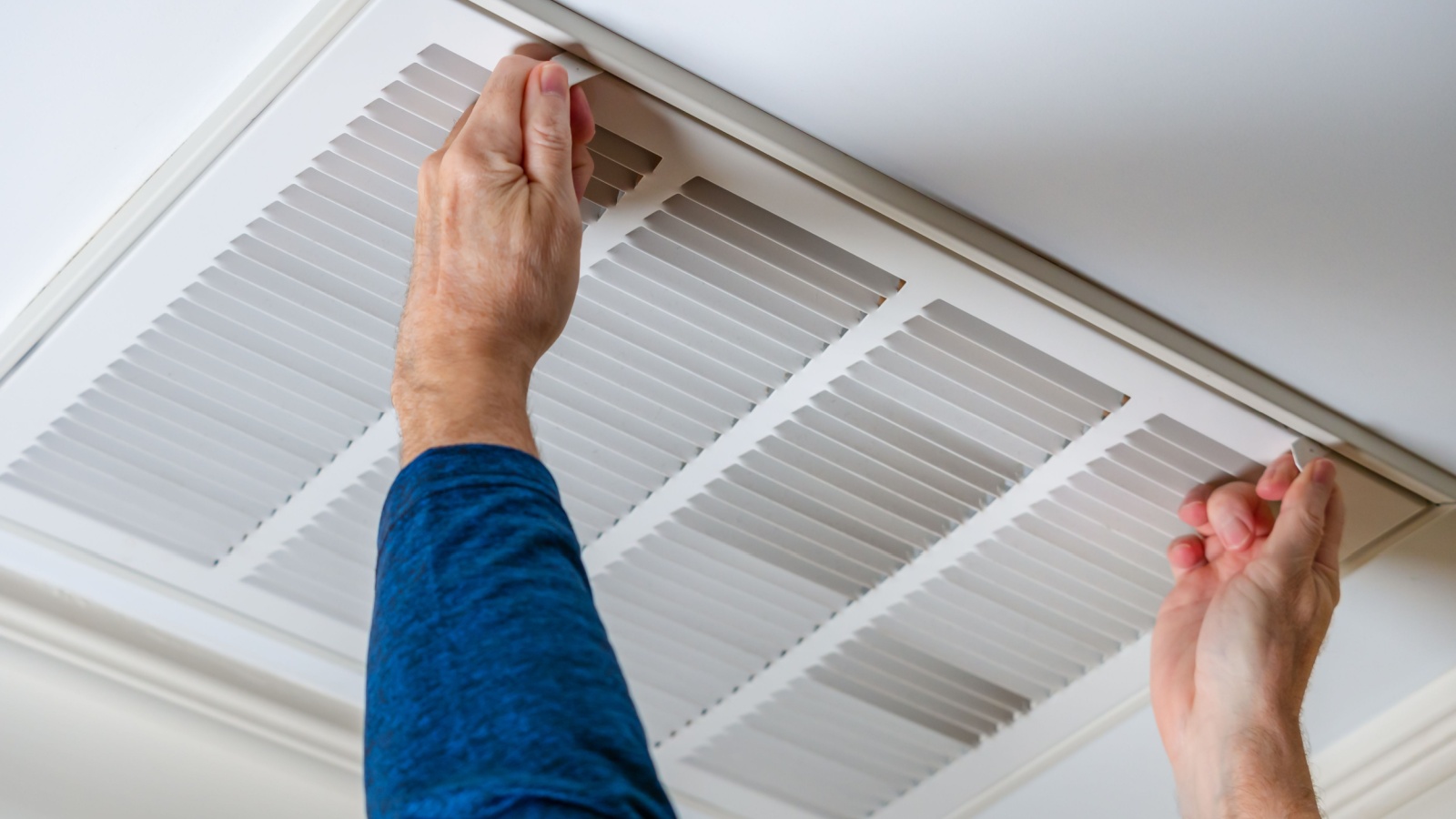
Warm air reaching a register is only useful if enough of it is moving into the room. Weak airflow can point toward a dirty filter, obstructed return or supply vents, duct problems, incorrect fan operation or a deteriorating blower motor. Carrier Canada identifies poor airflow and cold rooms as potential indications of blower problems, while Natural Resources Canada emphasizes keeping return-air grilles and warm-air vents unobstructed.
The change is often easiest to notice in a familiar room. A bedroom vent that previously moved curtains slightly may suddenly produce only a faint stream of air, or upstairs rooms may take much longer to warm than they did the previous winter. Before assuming the furnace itself has failed, homeowners can look for furniture, rugs or stored objects covering registers and check the filter according to the manufacturer’s instructions. If airflow remains weak across several vents, a professional assessment becomes more useful. Restricting airflow does more than reduce comfort: it can force equipment to operate under greater stress, and in some circumstances insufficient airflow can contribute to overheating and furnace shutdowns.
The Furnace Is Running but the Air Is Cold or Barely Warm
A blower operating without delivering useful heat can make a furnace sound healthy even while the house steadily cools. Carrier Canada lists clogged filters, thermostat problems, pilot or ignition failures, fuel-supply issues and other component problems among possible reasons a furnace can run without producing adequate heat. The precise cause depends on the furnace type and how far it gets through its normal startup sequence.
There is also an important difference between briefly feeling cool air and having persistent cold airflow. A blower can move unheated air for part of a normal startup or shutdown sequence, depending on the system. The warning sign is when vents remain cool through what should be a complete heating cycle or when indoor temperature continues falling despite the furnace apparently running. Checking thermostat settings and the condition of the filter is reasonable. Repeatedly resetting the system, however, can mask a fault rather than solve it. If the burners will not remain on or heat never arrives, a technician can determine whether the problem involves ignition, controls, airflow, fuel delivery or another component.
Some Rooms Become Much Colder Than Others

A Canadian home does not need to have perfectly identical temperatures in every room, particularly across multiple storeys. A sudden increase in temperature differences, however, can be a useful furnace or distribution-system warning. Carrier Canada lists blocked vents, dirty filters, duct leakage, airflow imbalance, thermostat issues and blower problems among causes of weak or uneven heating. Natural Resources Canada likewise notes that undersized ducts, leaking ducts and inadequate or poorly located return-air grilles can produce discomfort and higher heating costs.
This often shows up first in places occupants know well. An upstairs bedroom that was always slightly cool may suddenly become uncomfortable even with its register fully open, while a room closer to the furnace overheats. Before blaming furnace capacity, homeowners can make sure vents and return grilles have not been blocked by furniture after summer rearranging. Persistent differences are worth investigating because the cause may be somewhere in the air-distribution system rather than the furnace cabinet itself. Proper balancing allows the heating equipment to deliver its output where the house actually needs it.
The Thermostat Setting No Longer Matches the Actual Comfort Level
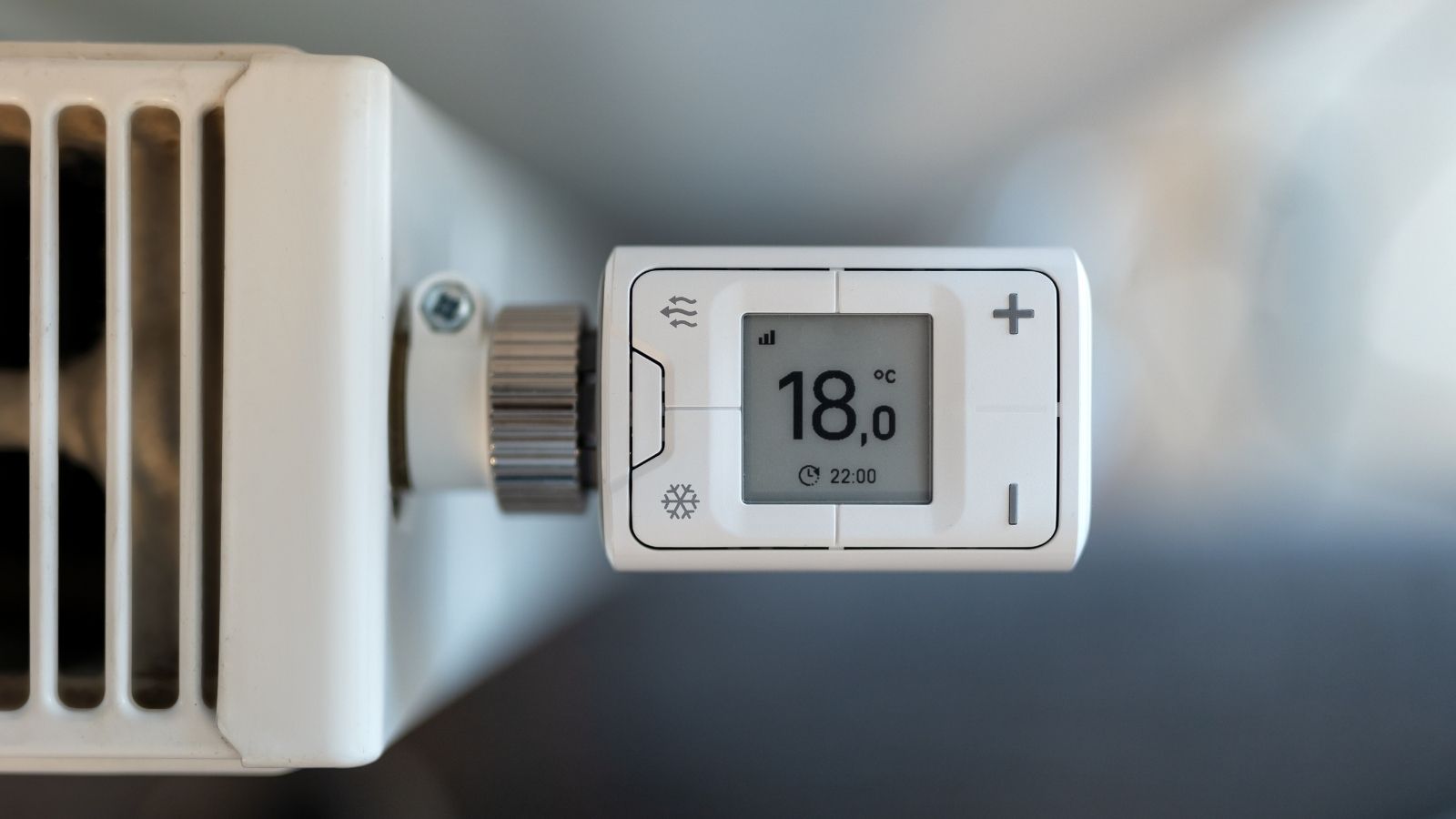
A thermostat set to 21°C should not leave the house stubbornly several degrees colder for hours under ordinary conditions. Carrier Canada identifies incorrect temperature readings, inconsistent temperatures and excessive HVAC cycling as potential signs of thermostat trouble. A thermostat can also influence furnace behaviour if it is poorly located, improperly configured, incorrectly wired or simply failing with age.
Homeowners can start with uncomplicated checks: confirm that the system is in heating mode, verify the programmed schedule and compare the displayed temperature with a reliable thermometer positioned nearby. Placement can matter because direct sunlight, drafts or nearby heat sources may distort what a thermostat senses. But a large or recurring gap between the selected temperature and actual indoor conditions can also point beyond the thermostat to furnace performance, airflow or sizing problems. The important warning is the loss of control. If occupants repeatedly raise the setting without achieving the expected warmth, the solution is unlikely to be endlessly increasing the number. Diagnosing why the system cannot satisfy a normal thermostat call is the more useful next step.
Heating Bills Rise Sharply Without an Obvious Explanation

Energy bills naturally change with weather, fuel prices and thermostat settings, so one expensive month does not prove a furnace is failing. An unexplained increase in consumption under comparable conditions, however, is worth investigating. Natural Resources Canada notes that dirty furnace filters can raise energy costs and damage equipment, while Carrier Canada identifies dirty filters, duct leaks, short cycling, aging equipment and other efficiency problems as possible contributors to higher heating bills.
The best comparison is not simply dollars this October versus dollars last October. Homeowners can look at actual gas or electricity consumption, weather differences and any changes in occupancy or thermostat schedules. If a household is using materially more energy to achieve the same indoor comfort, the heating system may be working harder than it once did. That does not necessarily mean immediate replacement; a clogged filter or maintenance problem can sometimes explain the change. But steadily rising consumption combined with long runtimes, weak airflow or repeated repairs creates a stronger pattern. A furnace can continue producing heat while becoming increasingly inefficient, making the utility bill one of the first visible clues.
Ignition Becomes Unreliable or the Furnace Keeps Trying to Start
Modern furnaces generally use electronic ignition, while some older units still rely on standing pilot systems. Either way, repeated failed starts deserve attention. Carrier Canada notes that ignition-system faults, damaged igniters, flame-sensor problems and pilot issues can prevent a furnace from starting normally. Modern units may also display flashing diagnostic lights or error codes when a control detects a fault.
A common homeowner observation is a sequence of clicking, an attempted ignition and then silence, followed by another attempt a short time later. Another furnace may light briefly and shut down almost immediately. Because flame sensors and other safety controls are designed to stop fuel flow when proper combustion is not confirmed, repeated shutdowns should not be defeated or bypassed. If a modern furnace shows an error code, recording the code or photographing the diagnostic light pattern can help the service technician. Owners of older pilot-equipped systems should follow the manufacturer’s instructions and should never keep relighting a pilot when a gas smell, unstable flame or other abnormal condition is present.
The Breaker Keeps Tripping or an Electrical Burning Smell Appears
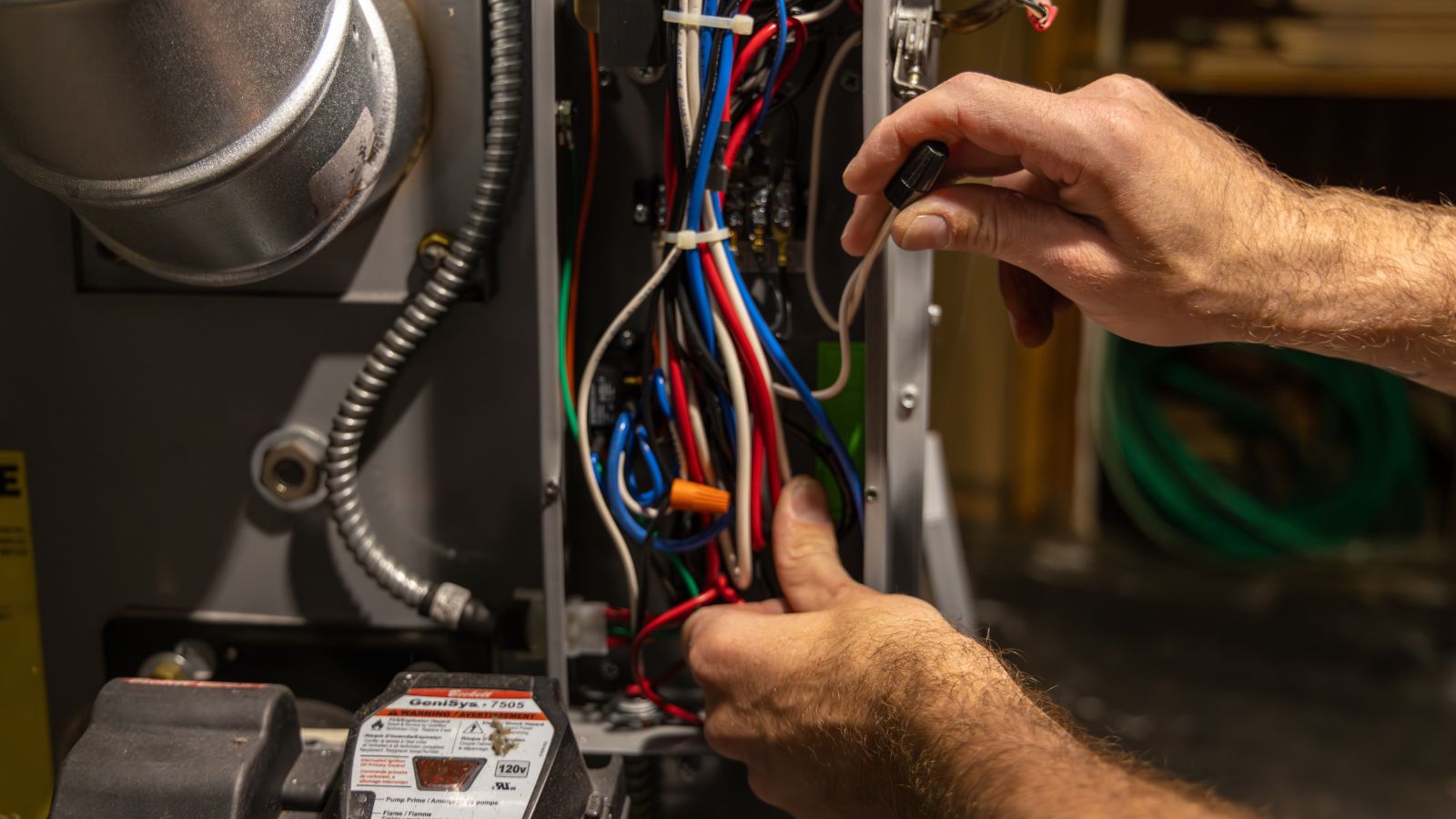
A single tripped breaker can result from several causes, but a furnace circuit that repeatedly trips should not simply be reset again and again. Heating equipment contains blower motors, controls and electrical components that can develop faults. Trane notes that restricted airflow can make a furnace work harder and contribute to excessive electrical demand, while Carrier Canada advises that electrical or mechanical overheating can produce a burning smell around a furnace.
There is an important seasonal wrinkle: dust accumulated during months of inactivity can sometimes create a temporary dusty-burning smell when heating first starts. A persistent sharp, plastic-like or electrical odour is different. Carrier recommends stopping use when a furnace appears to be producing an electrical burning smell and having the system inspected. The same caution applies when a breaker trips repeatedly after being reset once. Circuit protection exists for a reason. Continuing to energize a system with an unresolved electrical fault can worsen damage. A qualified HVAC technician — and, where appropriate, an electrician — can determine whether the problem lies in the furnace, wiring or electrical supply.
Water Starts Pooling Around the Furnace
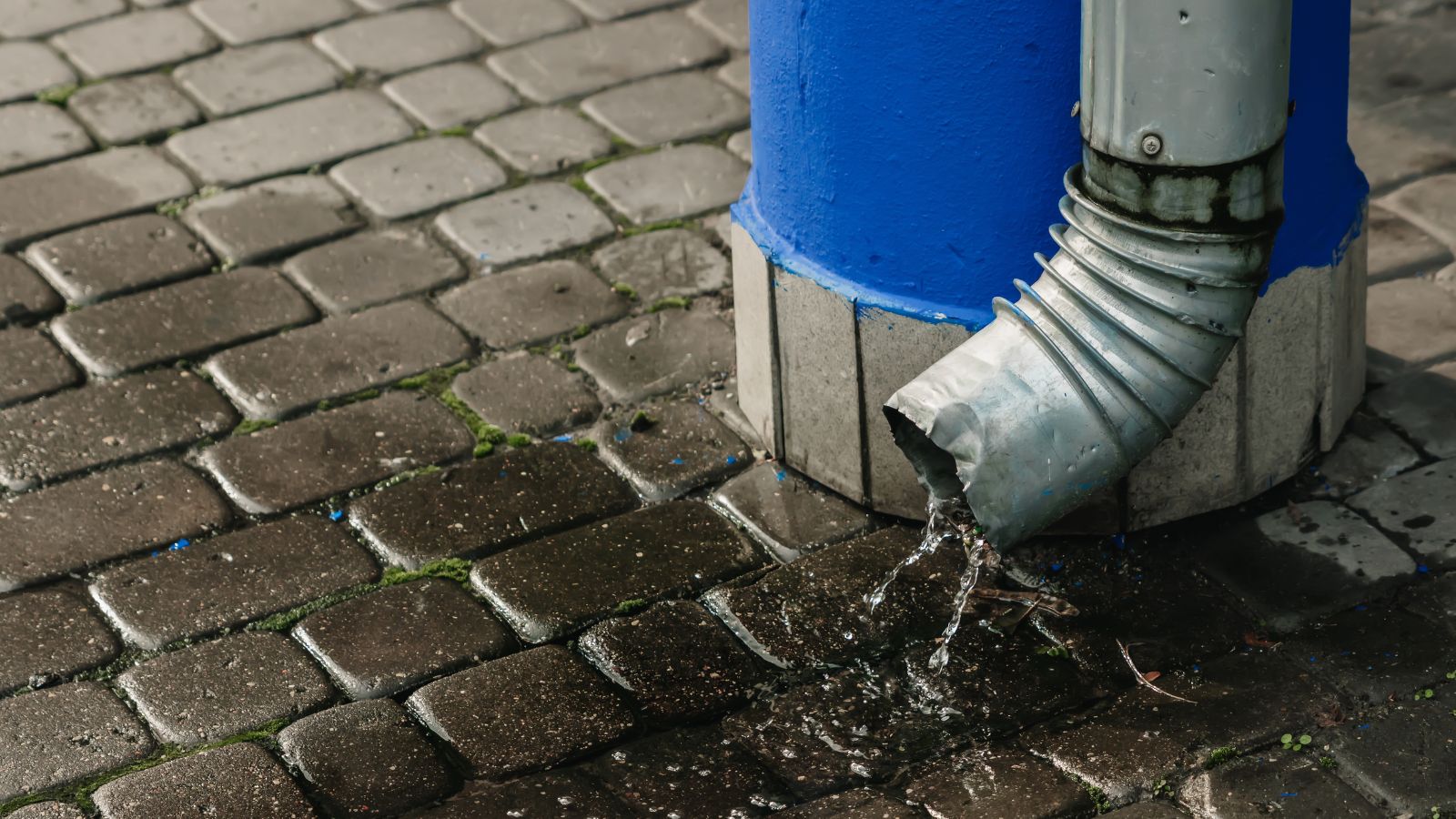
A high-efficiency condensing furnace produces water during normal operation, but that water should travel through its condensate drainage system rather than spread across the mechanical-room floor. Carrier Canada identifies clogged condensate drains, malfunctioning pumps, humidifier problems and other faults as possible causes of water pooling around a furnace. Natural Resources Canada also includes condensate-drain inspection as part of recommended HVAC maintenance because a plugged drain can cause water damage.
A small puddle may look harmless beside a machine designed to operate through winter, yet moisture can damage nearby flooring and equipment and may promote mould growth if the problem persists. The source matters too. A homeowner may assume the furnace is leaking when the water is actually coming from an attached humidifier, nearby plumbing or another appliance. High-efficiency furnace drainage lines can also be vulnerable to blockage or freezing in certain installations. Rather than repeatedly mopping up the floor, the useful response is to find why water is escaping. Persistent leakage deserves prompt professional diagnosis, particularly if it occurs whenever the furnace operates.
The Flue, Intake or Exterior Vent Looks Damaged or Blocked
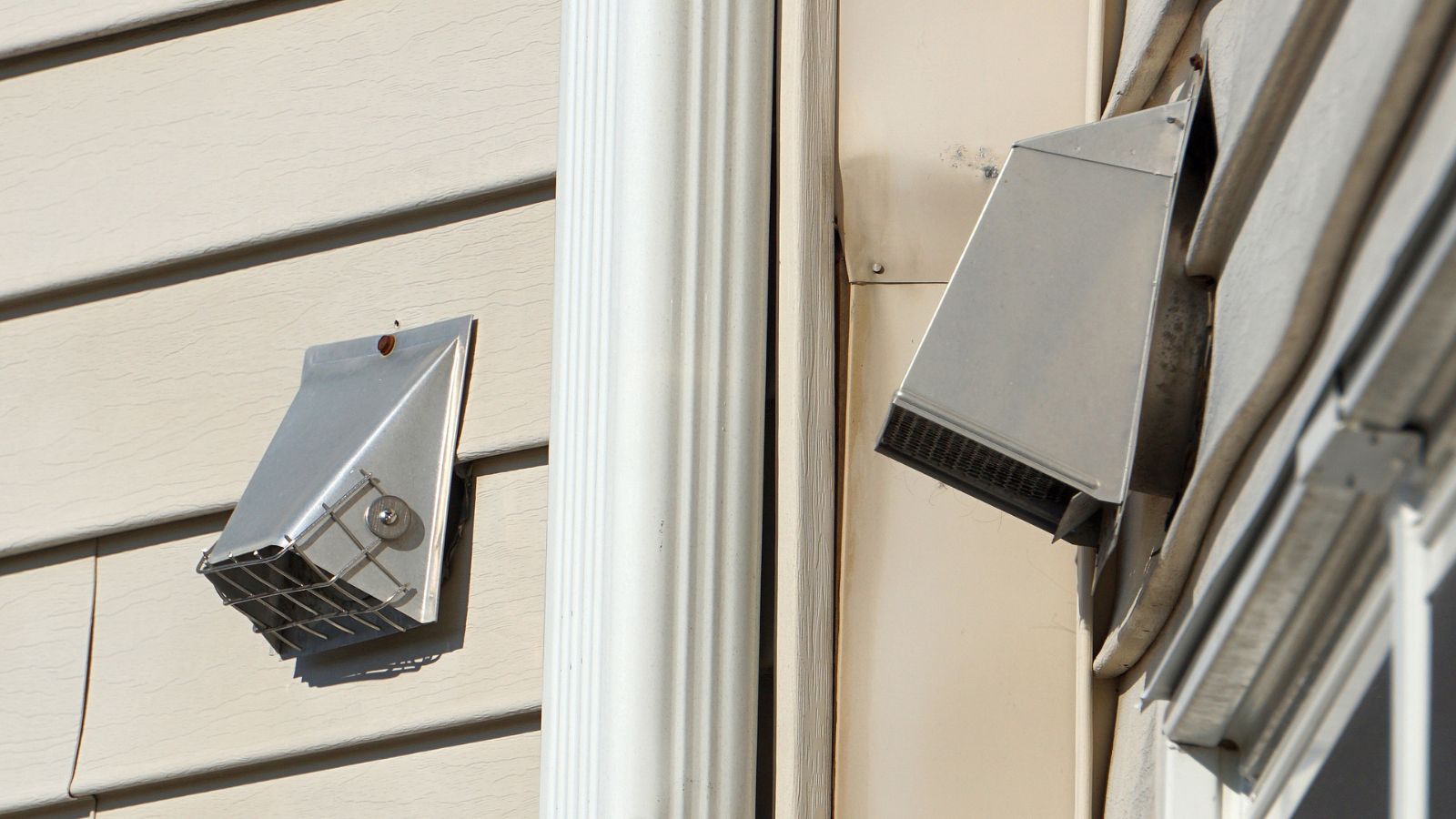
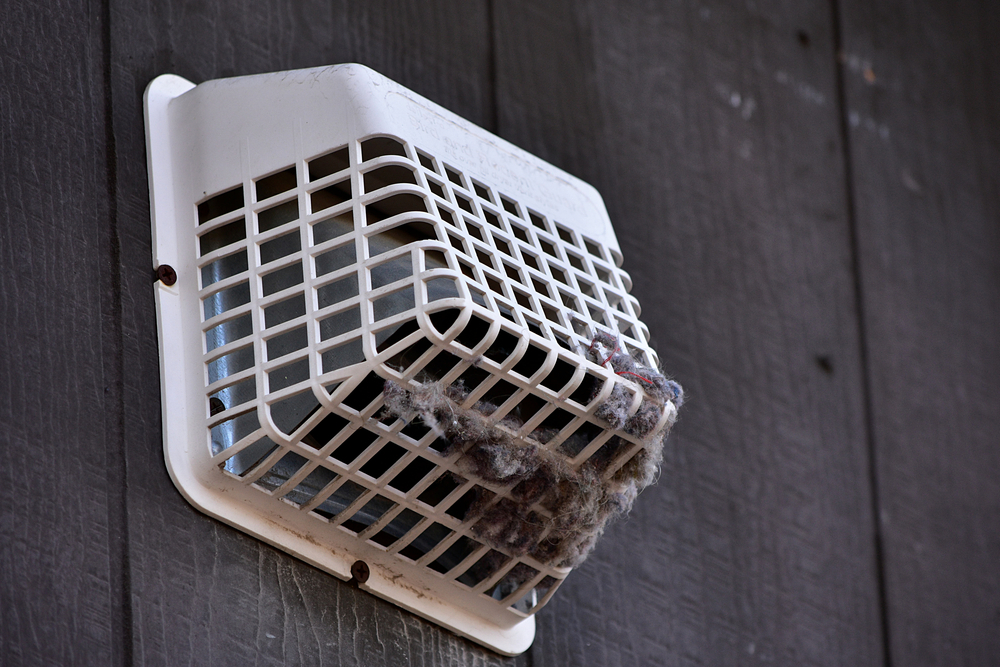
A furnace must be able to bring in combustion air where required and send exhaust gases safely outdoors. Health Canada recommends checking furnace exhaust vents during and after snowstorms to ensure they are not obstructed by snow, ice or debris. Natural Resources Canada similarly advises inspecting furnace vent piping and having cracking or shifting evaluated by a service professional.
This is particularly relevant in Canada because sidewall vents on high-efficiency furnaces may sit relatively close to ground level. Drifting snow, ice accumulation, leaves or other debris can create problems that were not present during summer. Conventional furnaces that vent through chimneys have different configurations but still depend on an intact, unobstructed exhaust path. Homeowners can visually check accessible exterior terminations without taking equipment apart. Inside, disconnected, corroded or damaged venting should be treated as a professional repair issue. Blocked or defective venting can interfere with furnace operation and, with fuel-burning equipment, contribute to combustion gases entering spaces where they do not belong. Clear venting is a safety requirement, not merely an efficiency detail.
The Furnace Filter Is Visibly Clogged or Keeps Getting Neglected
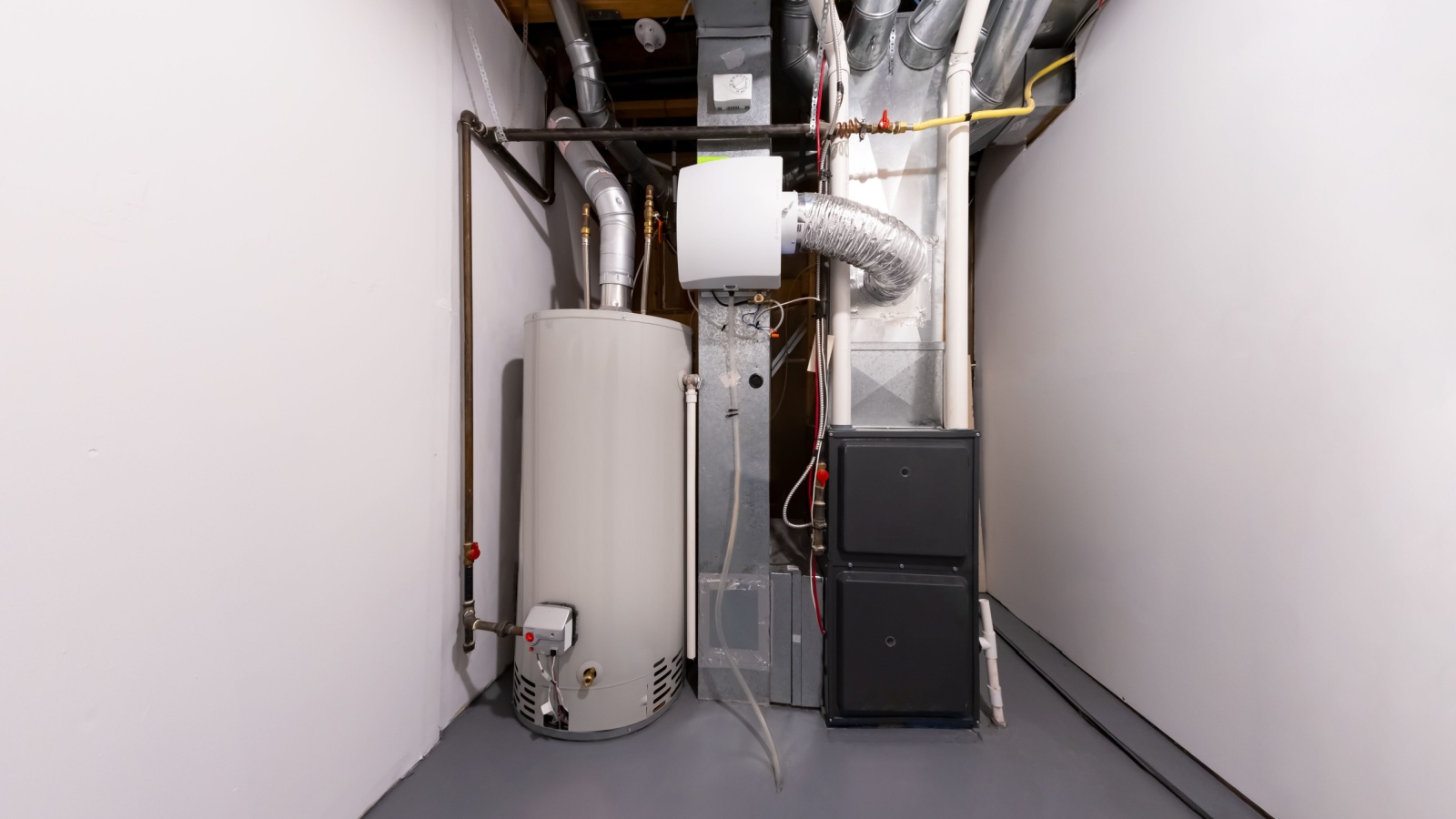
A filter may be inexpensive compared with most furnace components, but ignoring it can produce consequences throughout the heating system. Natural Resources Canada recommends inspecting, cleaning or replacing furnace filters regularly according to manufacturer guidance and notes that dirty filters can increase energy costs and damage equipment. Its homeowner guidance commonly suggests checking filters frequently and replacing or cleaning them as they become loaded.
A grey filter covered in a visible layer of dust is therefore more than a cosmetic issue. Restricted airflow can contribute to weak heating, longer runtimes, overheating and short cycling. How quickly a filter becomes dirty varies with filter type, pets, renovations, household dust and system use, so the owner’s manual remains more useful than a universal calendar rule. Fall is an especially sensible time to check because a filter that accumulated dirt during the cooling season may still be in place when heating begins. If a new filter becomes heavily clogged unusually quickly, that pattern can also justify asking an HVAC professional about airflow, return-air conditions or excessive dust entering the system.
An Older Furnace Is Needing Repairs More and More Often
Age alone does not condemn a furnace. A well-maintained system can continue working reliably for years, and there is no universal expiration date. Carrier Canada says a properly maintained furnace commonly lasts at least 15 to 20 years, while maintenance history, usage, installation quality and climate all influence actual service life. The more revealing warning is age combined with deteriorating performance or repeated repair calls.
A furnace that is 16 years old and has needed little beyond regular service presents a different decision from one of the same age that now needs another motor, ignition component or control repair after several recent breakdowns. Rising bills, new noises, uneven heating and increasingly expensive repairs strengthen the case for discussing replacement before an emergency occurs. Fall provides more room for that decision than a January failure during a cold snap, when heating contractors may be busy and equipment choices can be constrained. Homeowners do not need to replace a functioning older furnace automatically, but recurring failures are a warning that planning ahead may soon be cheaper and considerably less stressful.
16 Costco Canada Habits That Could Be Costing Shoppers More Than They Save
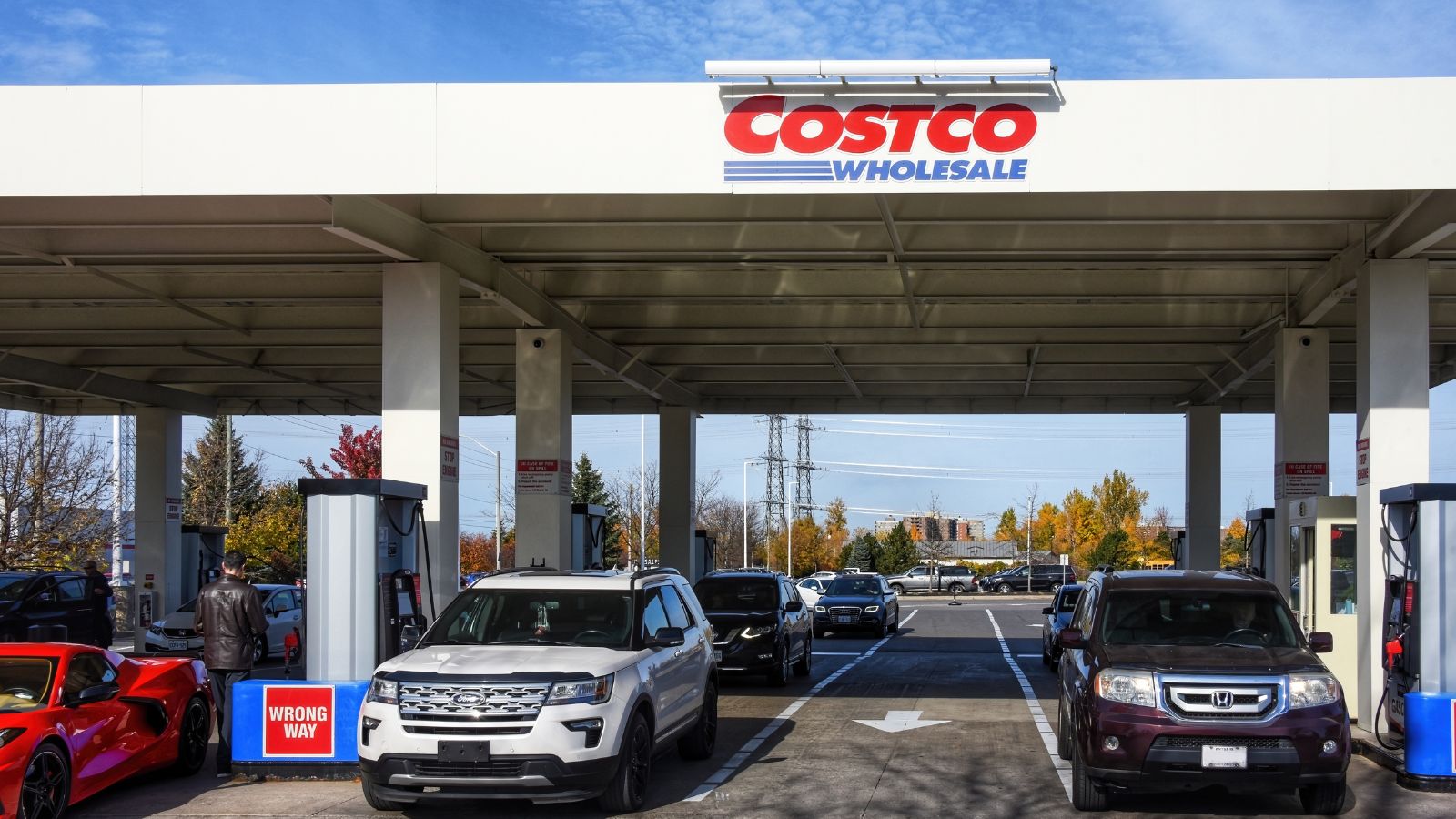
The Executive Membership can feel like an obvious upgrade because the 2% annual reward sounds straightforward. For households that spend heavily at Costco Canada, the extra fee may be easy to justify. But the habit becomes costly when shoppers upgrade first and calculate later. A Gold Star Membership costs less, while Executive costs more and only pays off if eligible annual spending is high enough to offset the difference.
16 Costco Canada Habits That Could Be Costing Shoppers More Than They Save
