A Canadian summer can turn from comfortable to costly surprisingly quickly. Heat can become a problem inside the house, a thunderstorm can overwhelm drainage within minutes, and smoke from a distant wildfire can affect homes hundreds of kilometres away. Recent Canadian experience has also shown how hail, powerful winds, flooding and extended outages can produce serious property losses during the warmest months.
The risks are not identical in every province or neighbourhood, and no single trend applies everywhere. Still, these 18 summer problems deserve to be treated as realistic household planning scenarios rather than freak occurrences. For homeowners, preparation increasingly means thinking about cooling, drainage, electricity, air quality and insurance before the forecast turns threatening.
Extreme Heat Turning the House Into a Heat Trap

Canadian homes built primarily to hold warmth through winter can become uncomfortable surprisingly quickly during prolonged summer heat. Large west-facing windows, dark roofing, limited shading and upper-floor bedrooms can all contribute to rising indoor temperatures. The concern is more than comfort. Health Canada now recommends an upper indoor temperature of 26°C for protecting older adults during hot weather, while its evidence review identifies temperatures above 31°C as a level where health impacts can rise dramatically.
That makes indoor overheating something homeowners should consider before a heat warning arrives. Closing blinds or exterior shades during the hottest part of the day can reduce solar gain, while nighttime ventilation may help when outdoor temperatures and air quality permit it. A family that has always managed with open windows may discover that several consecutive hot nights prevent the house from cooling. Having at least one reliably cool room can become an important part of summer preparedness.
Power Outages During Otherwise Ordinary Summer Storms

A summer blackout does not require a hurricane or a once-in-a-generation storm. Thunderstorms can bring lightning, falling branches, strong winds and damaged electrical infrastructure, sometimes leaving neighbourhoods without power long after the rain has stopped. Canadian emergency guidance treats power outages as a hazard households should actively prepare for and recommends having enough supplies to function independently for at least 72 hours.
The consequences are different in July than in January but can still become serious. Air conditioning and fans stop working just when temperatures may be at their highest. Refrigerators begin warming, internet equipment shuts down, electrically powered sump pumps can fail and some medical devices may require backup arrangements. After the May 2022 derecho swept across Ontario and Quebec, more than one million hydro customers lost power. That event demonstrated how quickly a warm-weather storm can become a household infrastructure problem rather than simply an inconvenient evening of thunder.
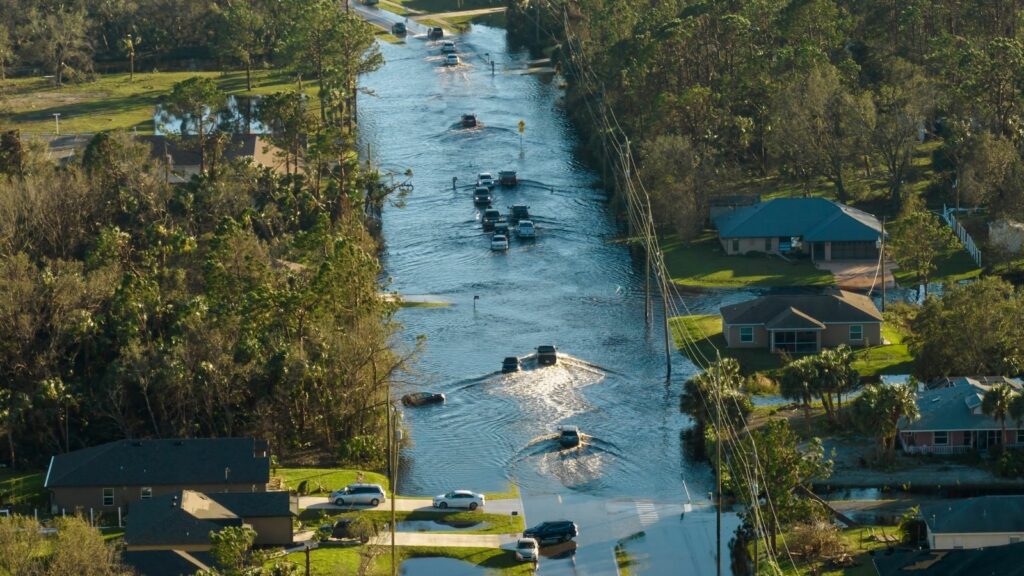
Flash Flooding Reaching Homes Far From a River

A house does not need a waterfront view to face flood risk. Intense rainfall can exceed the ability of streets, catch basins, soil and drainage systems to move water away quickly enough. The federal government specifically warns that homeowners may be exposed to flooding even when they have never experienced it before. Heavy rainfall can send water across lawns, driveways and roads before it finds low openings around a home.
The financial stakes can be substantial. Federal flood-preparedness information describes floods as Canada’s most common and costly natural hazard and places the average cost of repairing a flooded basement above $40,000. That makes pooling water beside the foundation worth investigating rather than dismissing because previous summers were dry. Grading soil away from the building, keeping drains clear and knowing where water naturally travels across the property can determine whether a cloudburst remains an outdoor problem or becomes a basement renovation.
Sewer Backups After Heavy Rain
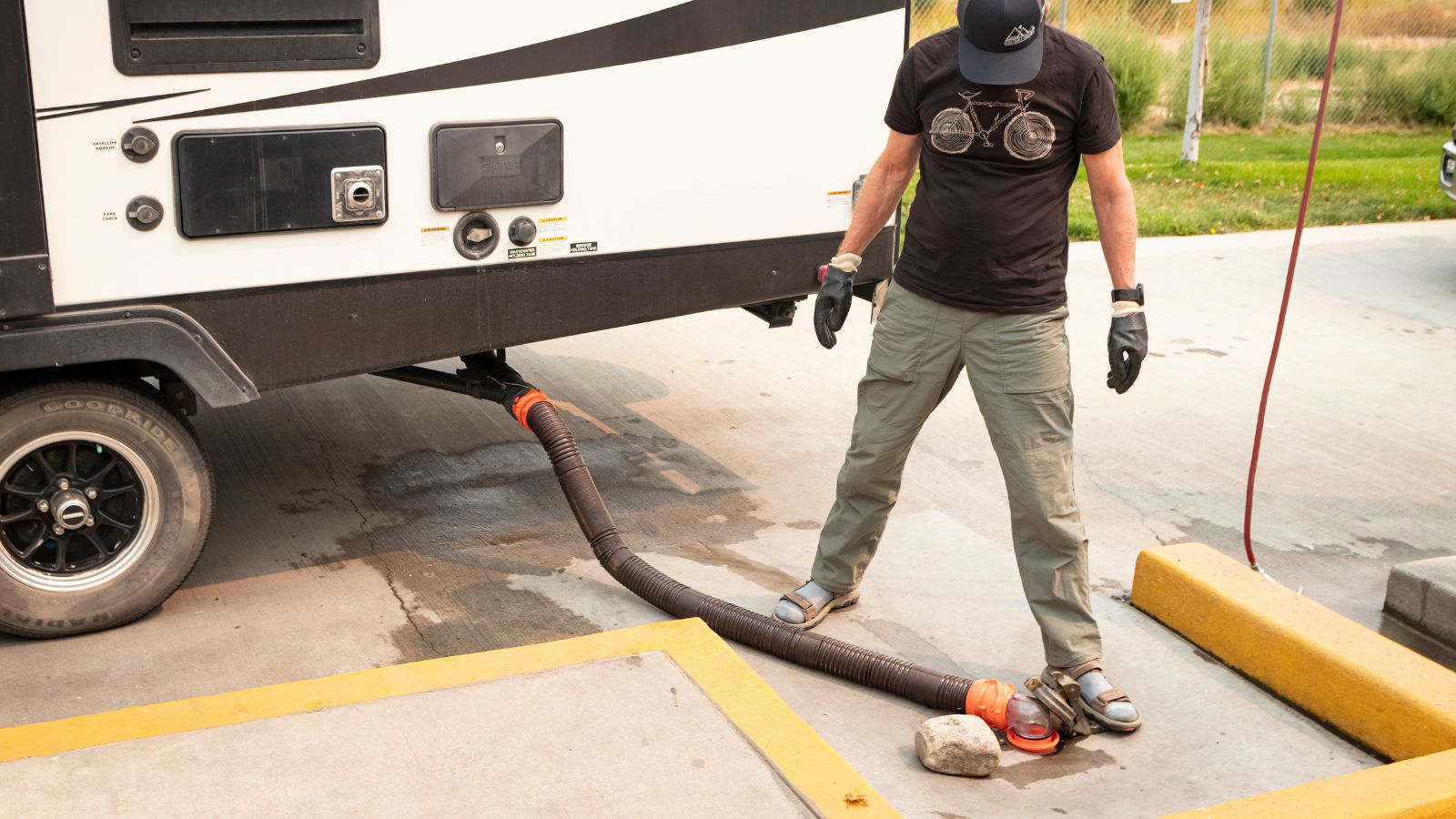
Floodwater does not always enter through a door or foundation crack. During intense rain, overwhelmed municipal drainage systems can force wastewater or stormwater backward through household plumbing. Floor drains, basement toilets, sinks and showers can become entry points. Federal preparedness guidance specifically identifies heavy rainfall that overwhelms municipal systems as one cause of sewer backup and recommends properly installed backwater valves as a protective measure.
The cleanup can be particularly disruptive because contaminated water may require more than ordinary drying. Furnishings, flooring and drywall can all be affected, and professional remediation may be necessary. Insurance is another complication: sewer-backup damage frequently requires specific optional coverage rather than being automatically included in every standard policy. A homeowner who has never experienced a backup can therefore face two surprises at once—water coming from an unexpected direction and a policy that does not respond in the way assumed.
Hail That Does More Than Dent the Car
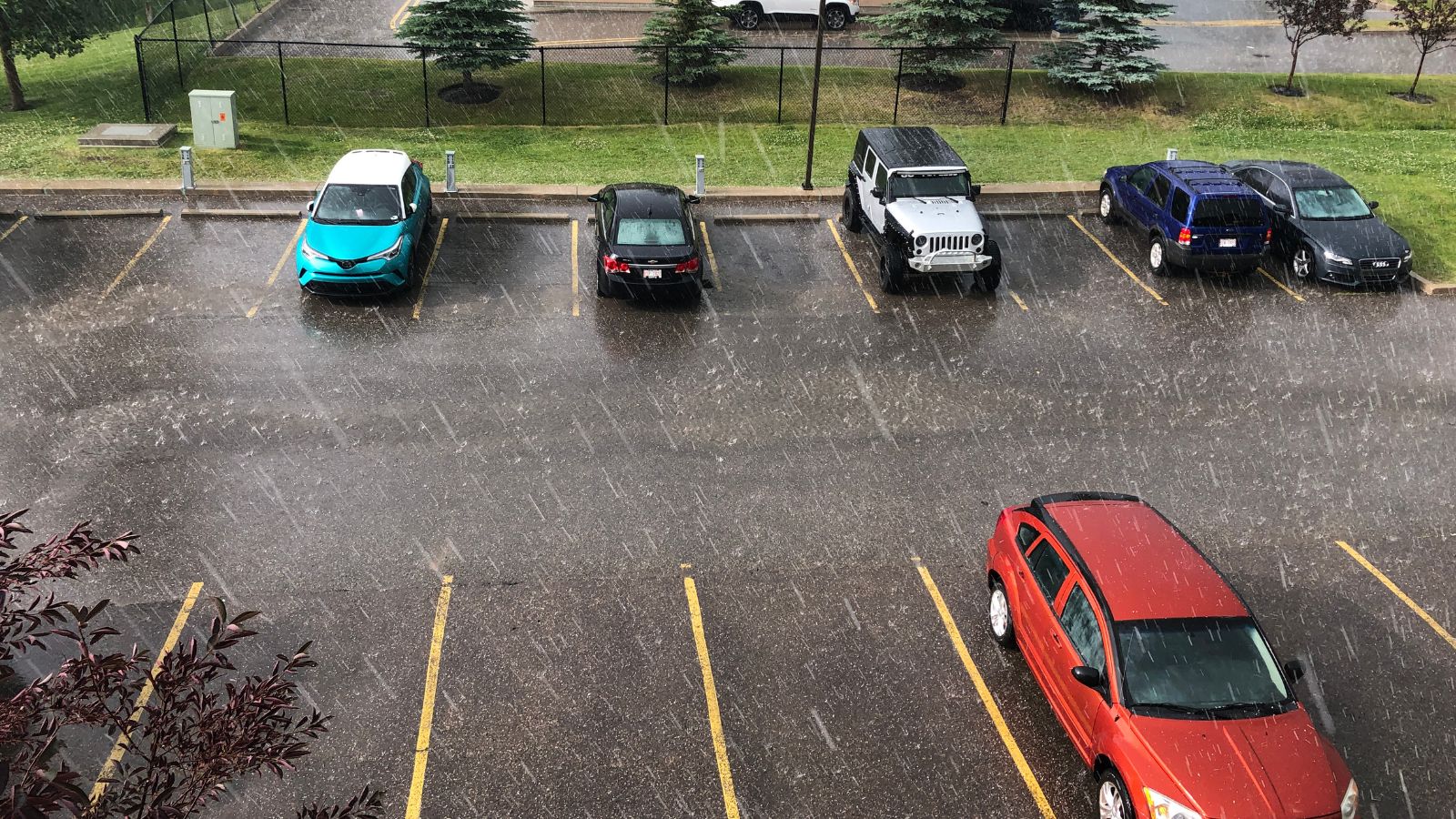
Hail often gets treated as a brief spectacle: people stand at the window, photograph the lawn turning white and wait for the storm to move away. Yet Canadian hailstorms can damage shingles, siding, skylights, windows, outdoor equipment and vehicles. Environment and Climate Change Canada warns that hail is often associated with severe thunderstorms and can also block storm drains when accompanied by heavy rain, potentially creating localized flooding.
Recent storms demonstrate the scale involved. In August 2025, parts of Saskatchewan experienced hail reported as large as baseballs while severe thunderstorms also produced wind gusts reaching 155 km/h. Calgary’s August 2024 hailstorm was even more financially significant, producing roughly $2.8 billion in insured losses according to the federal government’s review of that year’s major weather events. The practical lesson is that deteriorated shingles, fragile skylights and exposed outdoor property deserve attention before severe-weather season rather than after the first damaging storm.
Straight-Line Winds Peeling Away Roof and Siding Materials
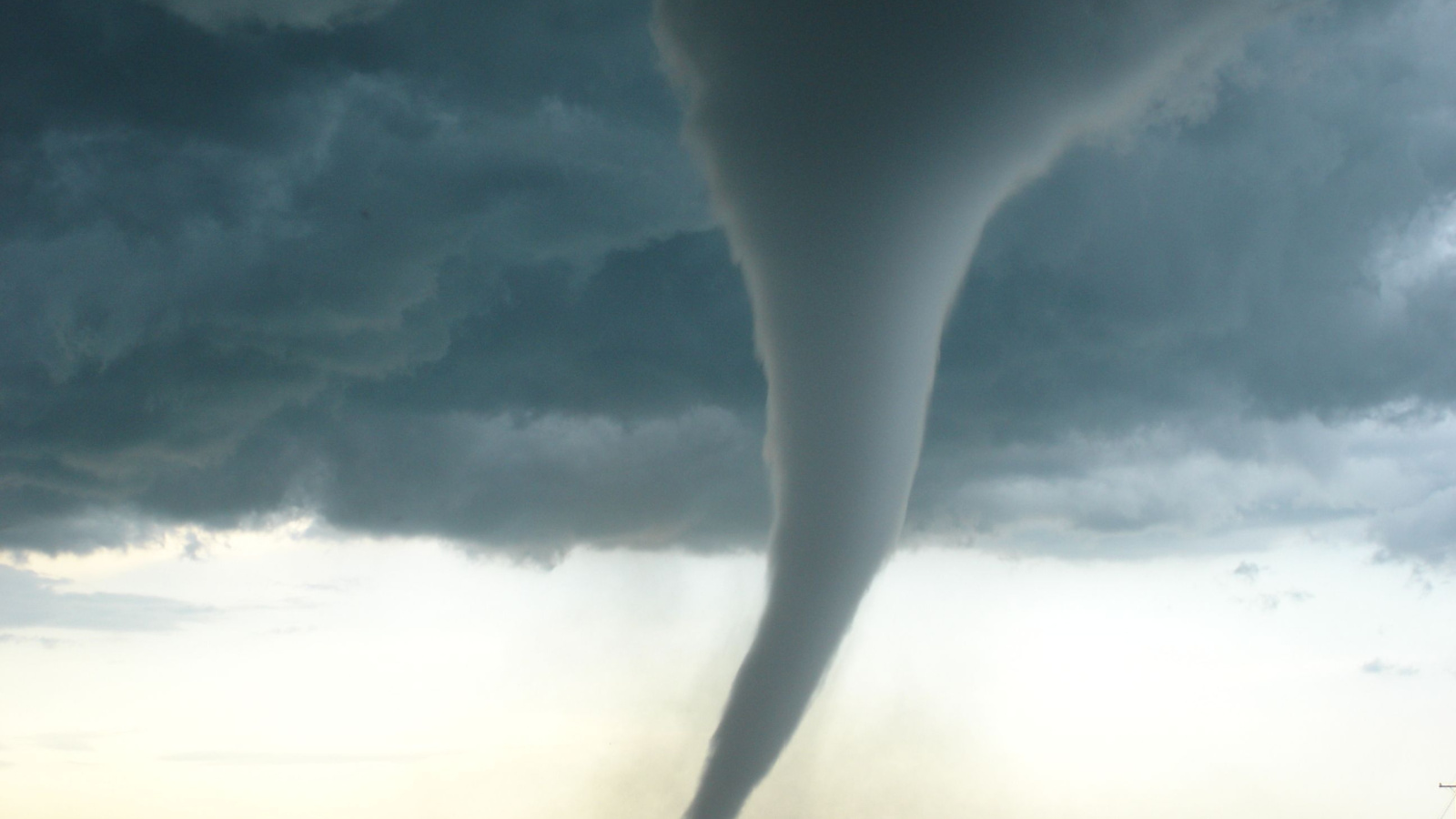
Many homeowners associate destructive summer wind almost exclusively with tornadoes. Thunderstorms, however, can produce extremely damaging straight-line winds and downbursts without a tornado ever forming. Federal preparedness guidance specifically advises homeowners to inspect roof shingles, chimneys and other exterior components that could loosen during high winds. Environment and Climate Change Canada’s newer impact-based warning system also lists roof and structural damage among possible consequences of stronger wind events.
The May 2022 derecho across Ontario and Quebec offered an unforgettable Canadian example. The fast-moving storm travelled roughly 1,000 kilometres from the Sarnia area toward Quebec City, with a damage corridor more than 100 kilometres wide. Winds ripped shingles from roofs, damaged homes, overturned objects and knocked trees across power infrastructure. A loose soffit or aging patch of shingles may seem like a maintenance item on a calm Saturday. During a severe thunderstorm, the same weakness can become the point where considerably larger damage begins.
Wildfire Smoke Getting Inside Closed Homes
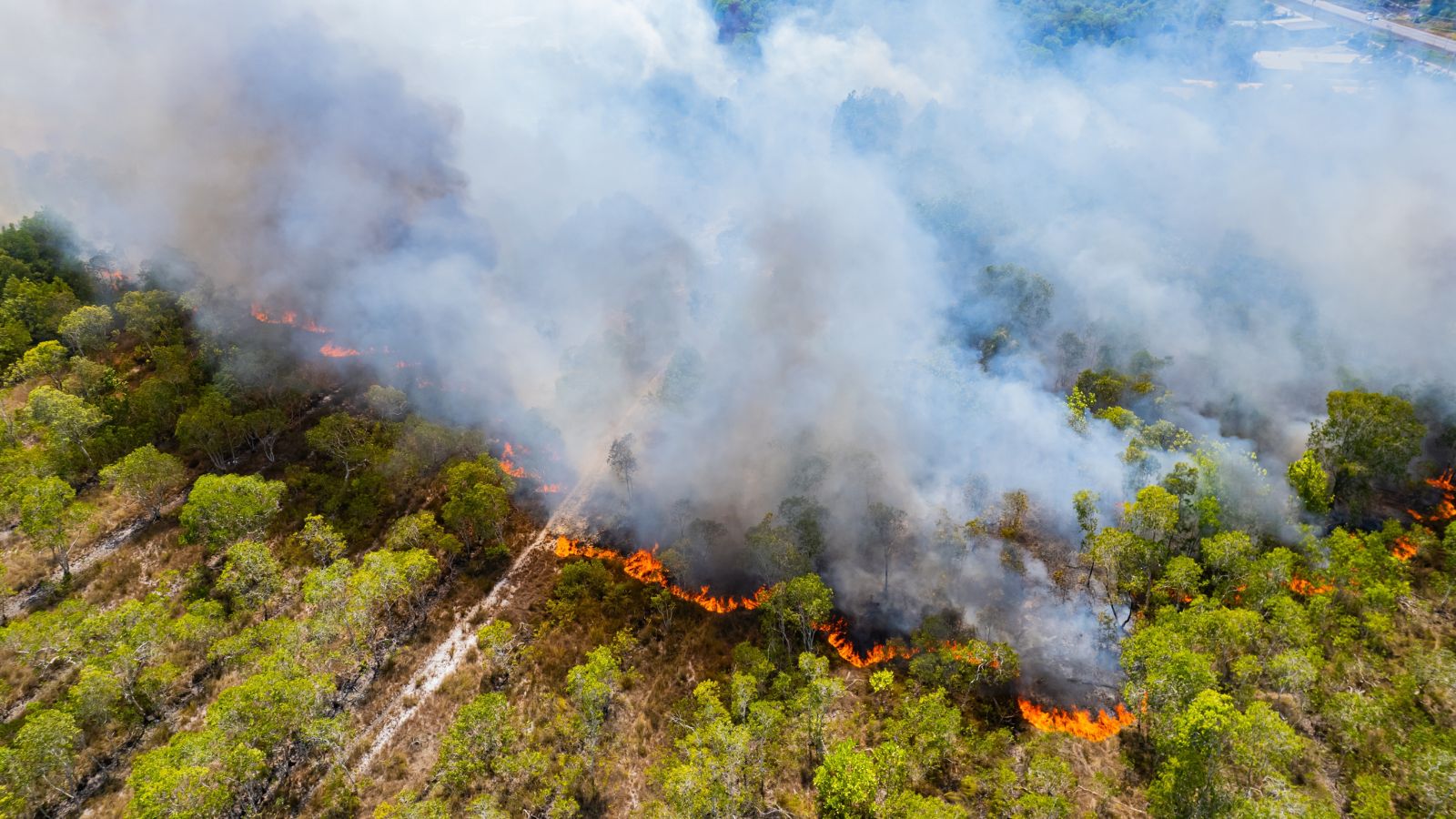
Wildfire smoke is no longer only a concern for properties located beside a forest. Smoke can travel enormous distances, affecting urban and suburban neighbourhoods far removed from active flames. Outdoor particles enter homes through doors, windows, ventilation openings and other gaps, which means closing the windows does not necessarily create perfectly clean indoor air. Health Canada recommends paying attention to indoor air quality during smoke events and identifies high-efficiency particle filtration as an important tool.
Portable air cleaners equipped with HEPA filtration can remove fine particles from indoor air, while central systems may be able to use higher-quality filters when permitted by the equipment manufacturer. The complication comes when wildfire smoke and extreme heat occur simultaneously. Keeping windows closed may improve protection from smoke but allow indoor temperatures to climb, particularly in homes without mechanical cooling. A practical summer plan therefore has to consider clean air and cooling together rather than assuming one response works for every weather emergency.
Wildfire Embers Reaching Houses Before Flames Do

Homes near forests, grasslands and other fire-prone areas face another problem that is easy to underestimate: windblown embers. A wildfire does not necessarily have to advance directly to a building for ignition to occur. Parks Canada notes that embers can travel beyond fire-control lines and ignite combustible materials on private property. That is one reason FireSmart approaches pay close attention to the immediate area surrounding a structure rather than focusing only on the distant forest.
Small details can matter during an ember shower. Dry leaves beneath a deck, combustible material beside exterior walls or debris accumulated in vulnerable areas can provide ignition points. The 2024 Jasper wildfire made the risk tangible for Canadians after hundreds of structures in the townsite were destroyed. Exposure differs dramatically by location, so wildfire preparation will not be equally urgent for every homeowner. In higher-risk communities, however, treating the possibility as something that happens only deep in the wilderness can leave properties unnecessarily vulnerable.
Cooling Equipment Failing During the Hottest Week

An air conditioner that worked during a mild June afternoon is not guaranteed to perform the same way through several days of intense heat. Filters, condensers, electrical components and aging mechanical equipment can all become problems when a cooling system is placed under sustained demand. Canadian emergency-preparedness guidance specifically recommends checking that air-conditioning equipment works properly before extreme heat occurs rather than discovering a problem during the event itself.
That matters because mechanical cooling can provide meaningful protection during extreme temperatures, particularly for people more susceptible to heat. Health Canada’s 2026 indoor-temperature guidance for older adults recommends keeping temperatures at or below 26°C where possible. Homeowners without air conditioning are encouraged to use shading and other cooling strategies and to identify air-conditioned places they can reach if the home becomes excessively hot. A preseason service call may feel optional in May; during a heat warning, technician availability can suddenly become much more important.
Humidity Quietly Creating Mould Problems
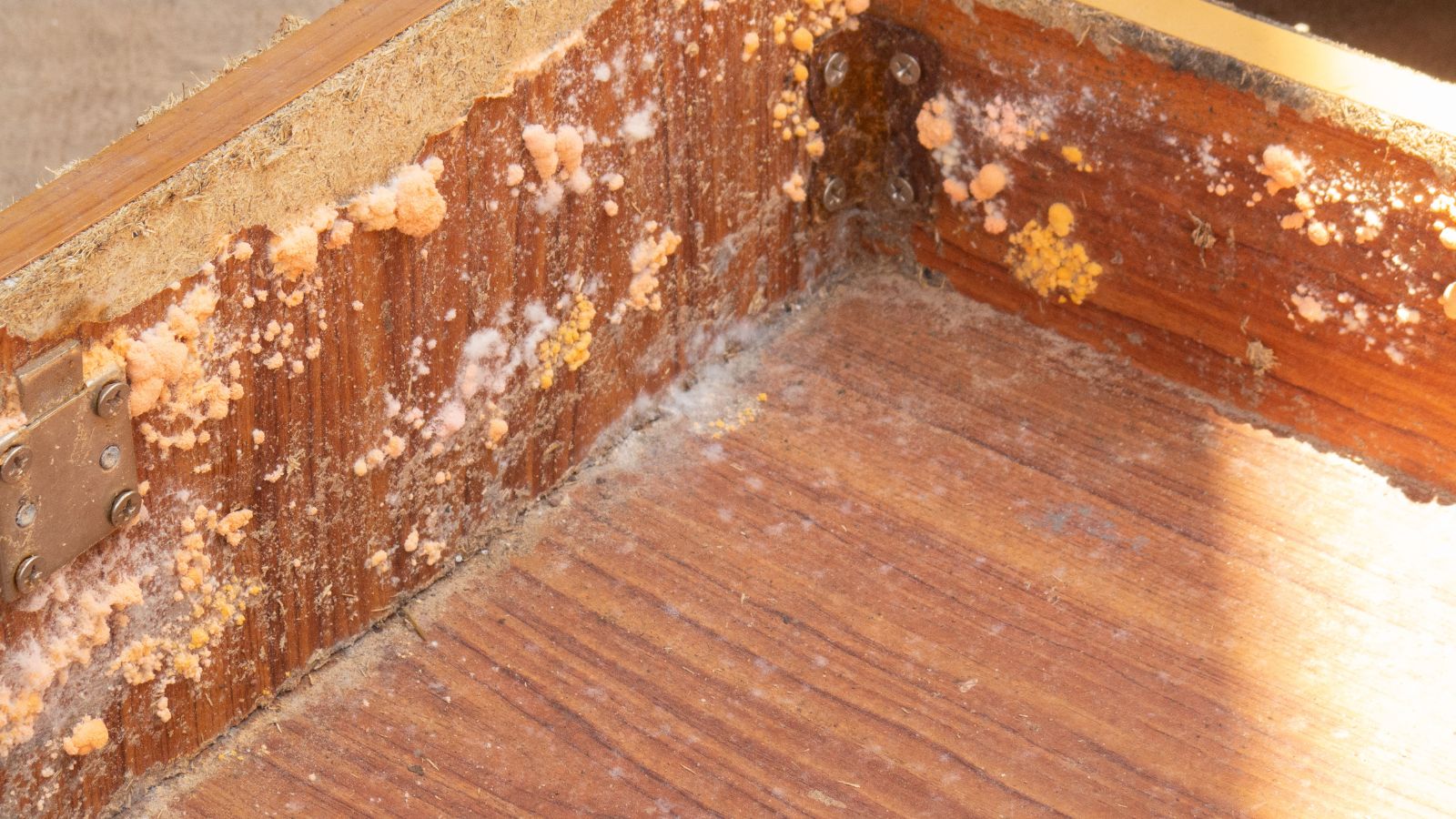
Summer moisture problems can develop without an obvious flood. Warm humid outdoor air, basement condensation, inadequate ventilation and small plumbing leaks can keep parts of a house damp enough for mould to grow. Health Canada recommends maintaining indoor relative humidity between approximately 30% and 50% and notes that mould can develop on wood, drywall, paper, fabrics and insulation when suitable moisture is present.
Basements are particularly easy to overlook because the first clues may be subtle—a musty smell, damp cardboard or condensation around cool pipes. Mechanical ventilation can also affect summer humidity; federal guidance notes that some ventilation arrangements may bring additional moisture into a house and increase the cooling system’s workload. The important distinction is between wiping away visible mould and solving the moisture source. A homeowner repeatedly cleaning the same basement corner may be seeing evidence of a drainage, condensation or ventilation problem that will continue until the underlying moisture is controlled.
A Sump Pump Quitting Exactly When It Is Needed
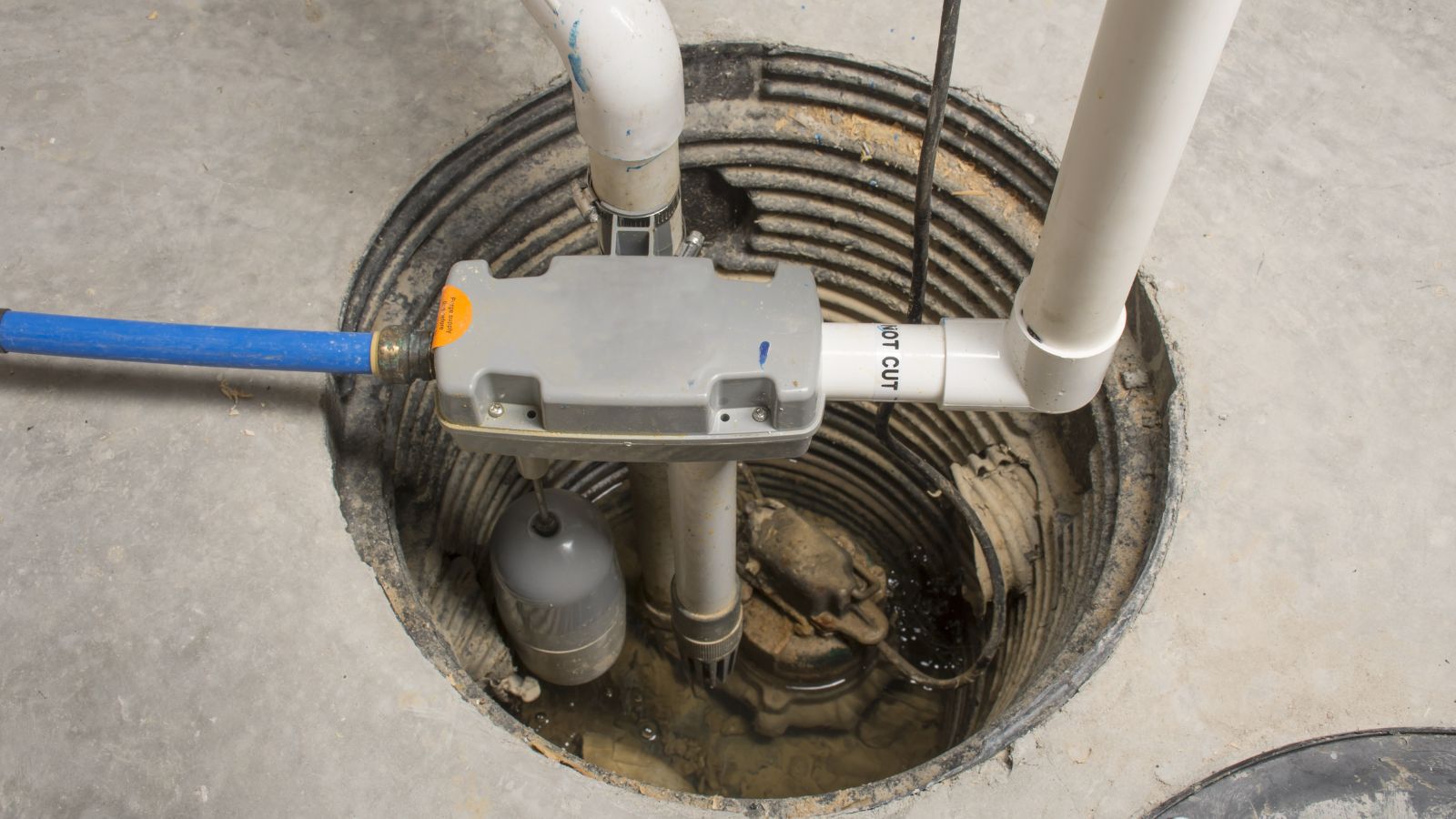
A sump pump can spend months doing almost nothing, which makes it easy to assume that it will work when a major storm finally arrives. Federal flood guidance warns otherwise. Pumps can fail because of float-switch problems, maintenance issues, excessive incoming water, aging equipment or electrical failure. The last cause is especially frustrating because severe storms capable of filling a sump pit can also knock out the power needed to empty it.
Canada’s preparedness guidance recommends an alternate power source and a backup sump pump rather than depending entirely on one electrically powered unit. Battery-powered backups are among the most common options. Homeowners can also test the main pump periodically by confirming that the float activates and water is discharged properly away from the house. The cost and inconvenience of maintaining equipment that rarely operates may seem unnecessary during dry weather. Once water begins rising rapidly in a basement pit, however, there may be very little time to repair a neglected system.
Overflowing Eavestroughs Sending Water Toward the Foundation
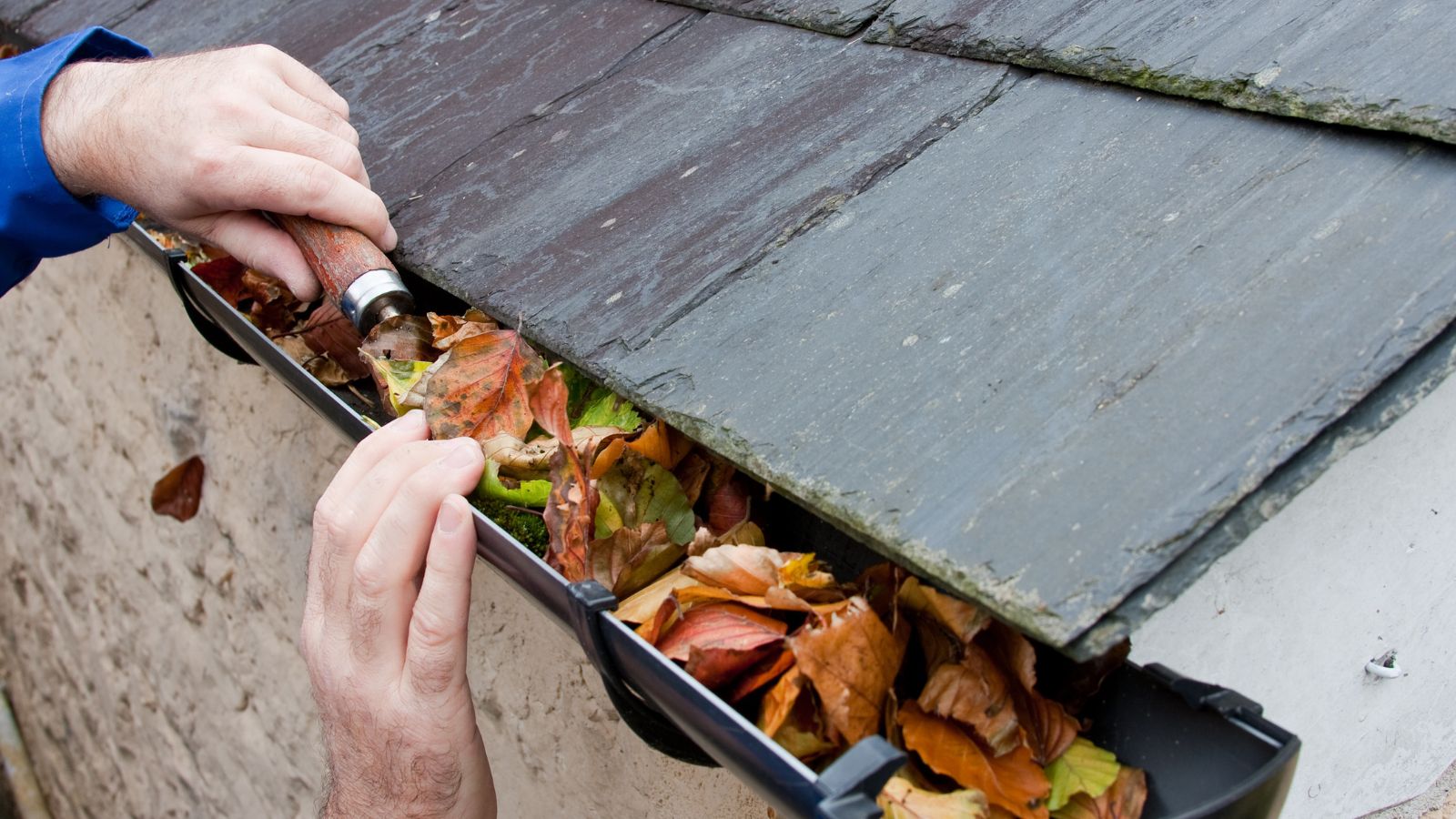
Eavestroughs can look like minor exterior hardware until a heavy downpour exposes every blockage, sagging section and poorly positioned downspout. Their basic job is significant: collect roof runoff and move it away from the house. Federal flood-prevention guidance recommends maintaining eavestroughs and downspouts and directing discharged water away from the foundation. Government emergency advice calls for downspouts to drain at least two metres from the home where appropriate.
A roof can shed an impressive amount of water during a short cloudburst. If leaves, seed pods or debris clog the route, water may cascade over the edge and saturate soil directly beside basement walls. A downspout terminating beside the foundation can create a similar problem even when the gutter itself is perfectly clean. Homeowners often discover these weaknesses by standing outside during heavy rain and watching where the water actually goes. That simple observation can reveal drainage problems that remain invisible during months of ordinary weather.
Small Foundation Cracks Becoming Water Entry Points
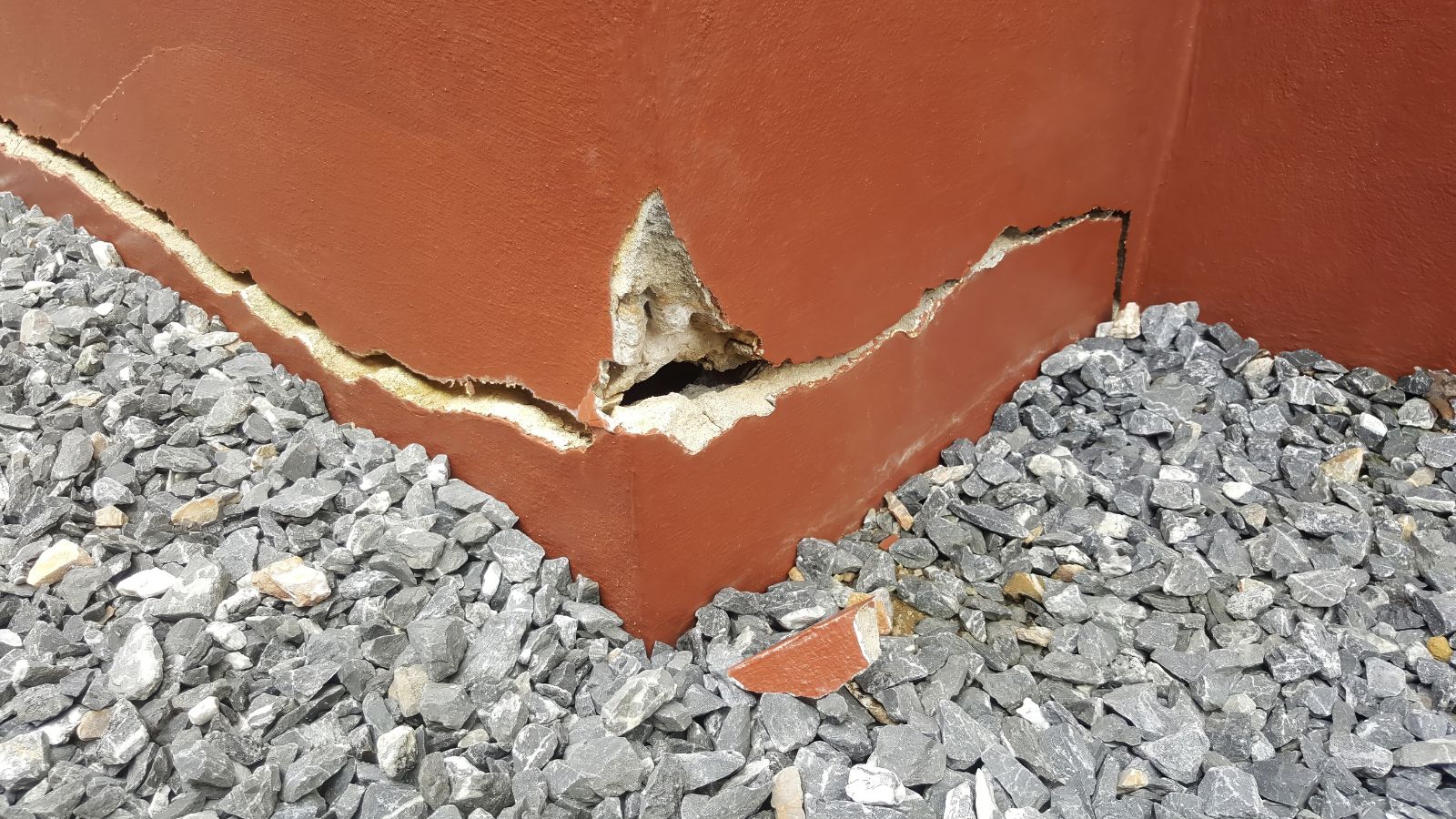
A narrow foundation crack can remain dry for years and still become significant when groundwater rises or unusually intense rainfall saturates the surrounding soil. Government of Canada guidance recommends inspecting foundations at least annually and watching repaired cracks for dampness during heavy rainfall. It also notes that rising groundwater can place pressure against foundations and that properly designed drainage systems can reduce risks involving leaks, cracks and moisture.
The surrounding landscape plays an important role as well. Federal guidance encourages homeowners to look for low spots where water pools or flows toward the building and identifies grading away from the house as a first line of defence. Inside, bubbling paint, staining or peeling wall finishes may provide clues that moisture is moving through areas that appear sound from outdoors. Treating every crack as a structural emergency would be unnecessary, but treating persistent dampness as cosmetic can be equally unwise. Water often reveals weaknesses long before more dramatic damage becomes visible.
Mature Trees and Branches Becoming Storm Hazards
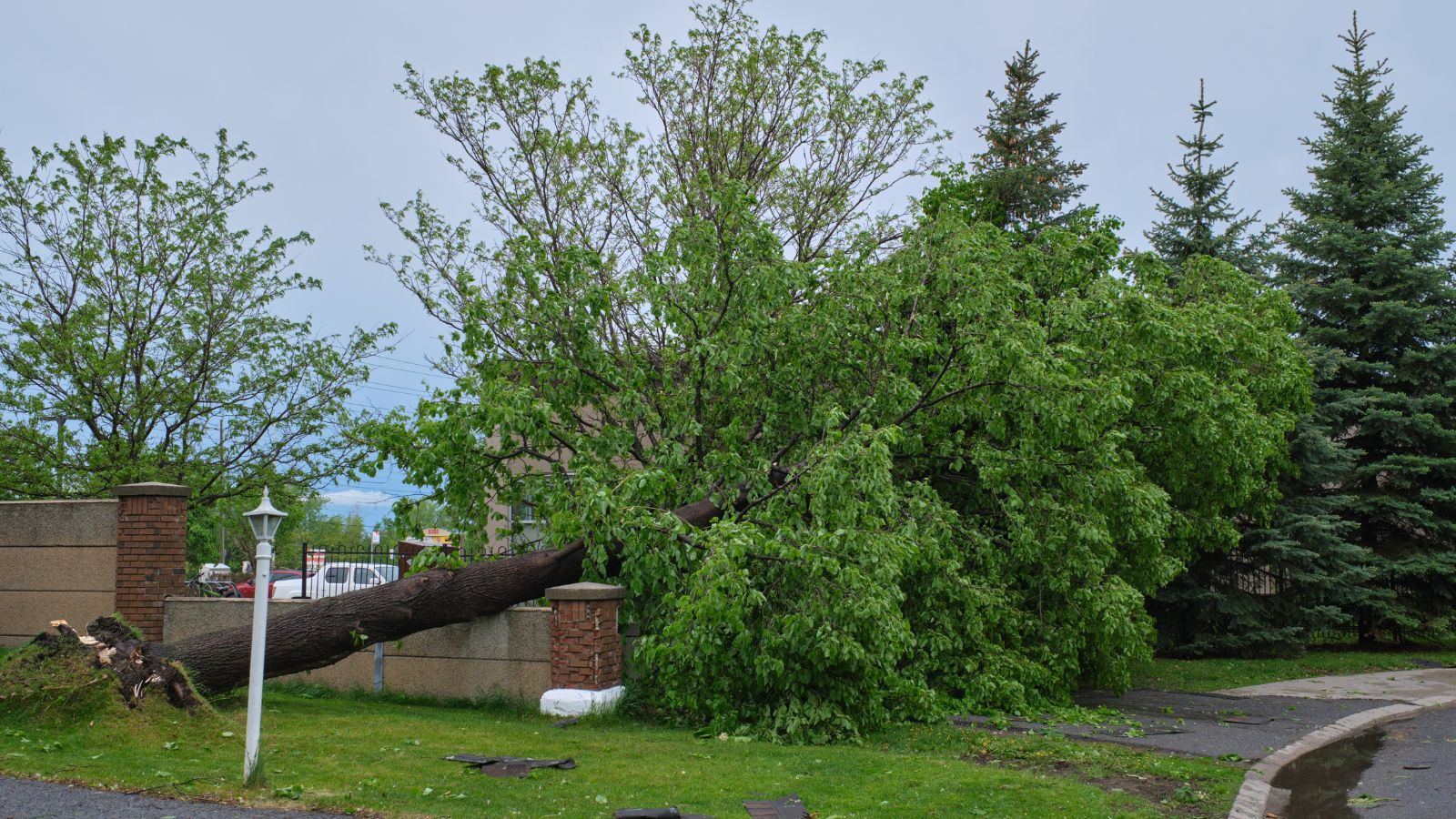
A large shade tree can be one of the most valuable features on a summer property, yet dead or weakened branches can become dangerous when thunderstorms arrive. Federal thunderstorm guidance advises trimming trees and shrubs to improve wind resistance and removing damaged branches. Environment and Climate Change Canada’s impact guidance also recognizes broken branches, snapped trees, roof damage and power interruptions as possible outcomes of high-wind events.
The danger is not theoretical. Severe Canadian storms have repeatedly brought trees onto homes, vehicles and electrical lines. During the 2022 Ontario-Quebec derecho, winds broke branches and uprooted mature trees across an enormous area; many homes were damaged by falling trees. Homeowners do not need to remove every tall tree to prepare responsibly. Periodic inspection for dead limbs, major cracks, root problems or trees leaning toward structures can identify cases requiring a qualified arborist. Waiting until the forecast shows a severe thunderstorm warning is generally too late for safe pruning work.
Lightning and Surges Damaging Household Electronics
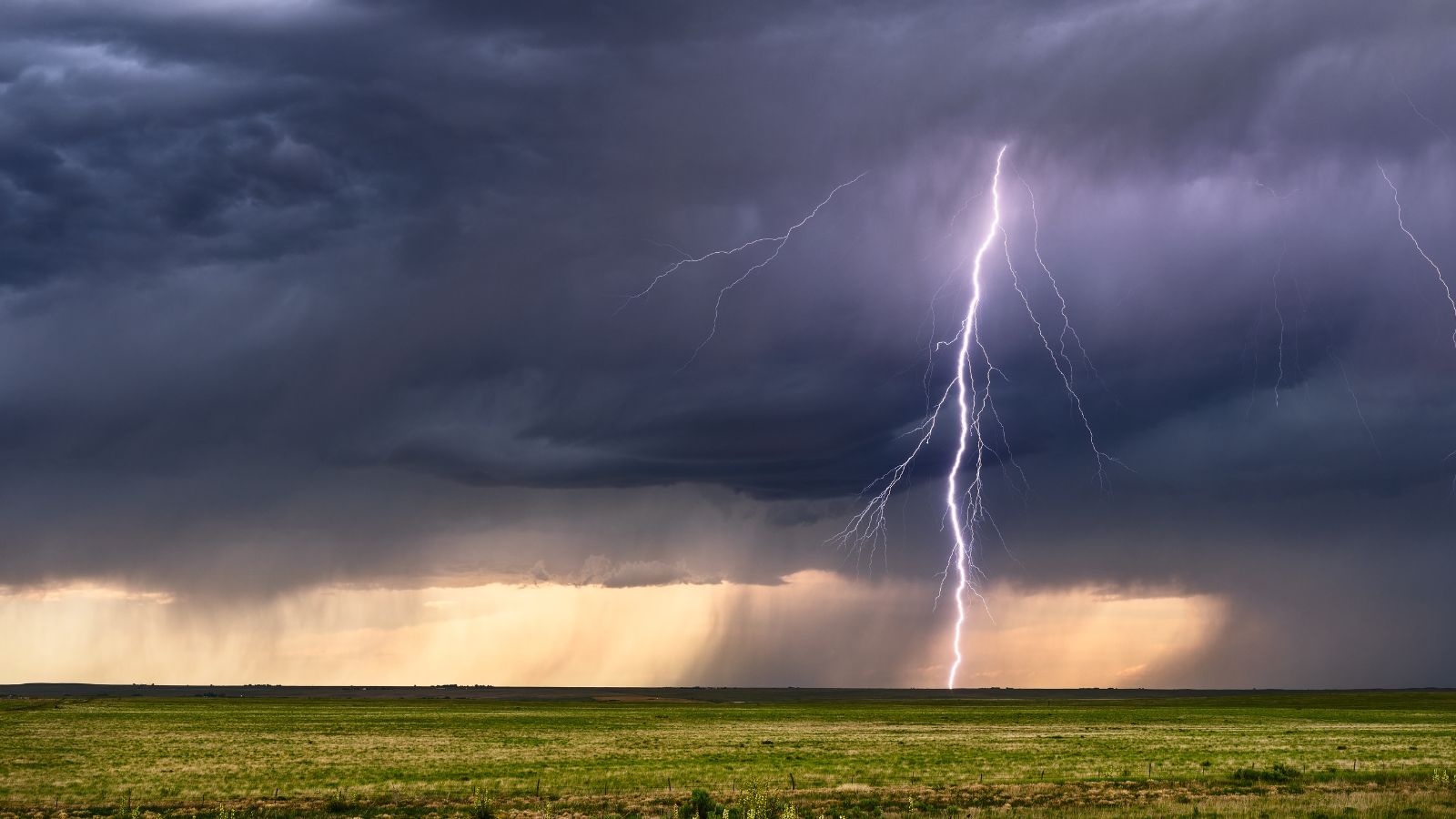
Lightning does not have to leave a dramatic scorch mark on the roof to create an electrical problem. Thunderstorms can affect utility equipment and produce electrical disturbances capable of damaging appliances and electronics. Public Safety Canada’s thunderstorm guidance specifically recommends using surge protectors for household appliances and electronic equipment. Lightning can also contribute to outages when transformers or other parts of the electricity system are affected.
Modern homes contain far more sensitive electronics than they once did. Televisions and computers are obvious, but refrigerators, ranges, furnaces, heat pumps, security systems and even some plumbing equipment now contain electronic controls. That increases the potential cost of an electrical event that might once have meant replacing only a television or clock radio. Individual plug-in protection can be useful for selected devices, while homeowners considering broader protection can discuss whole-home surge equipment with a qualified electrician. Thunderstorms are routine enough that surge protection makes more sense as basic resilience than as preparation for an extraordinary lightning strike.
Drought Affecting Household Water and Property

Flooding may dominate summer-weather imagery, but parts of Canada can face the opposite problem at the same time. The federal National Adaptation Strategy identifies increasing risk of summer water-supply shortages, and government assessments have documented drought conditions affecting domestic water supplies as well as agriculture, electricity generation and wildfire response. For homeowners relying on private wells, prolonged dry periods can therefore become more than a lawn-care inconvenience.
Private-water systems also require attention after changing weather conditions. Health Canada recommends that private-well owners test for E. coli at least twice a year and identifies extended dry spells and heavy rainfall as periods when contamination risk deserves particular attention. Municipal homeowners may instead encounter watering restrictions or requests to reduce outdoor consumption during drought. The practical lesson is not that every Canadian community faces chronic water scarcity. It is that a dry well, stressed landscape or local restriction should no longer be treated as inconceivable simply because plenty of water was available during previous summers.
Window Wells Filling During Intense Rain
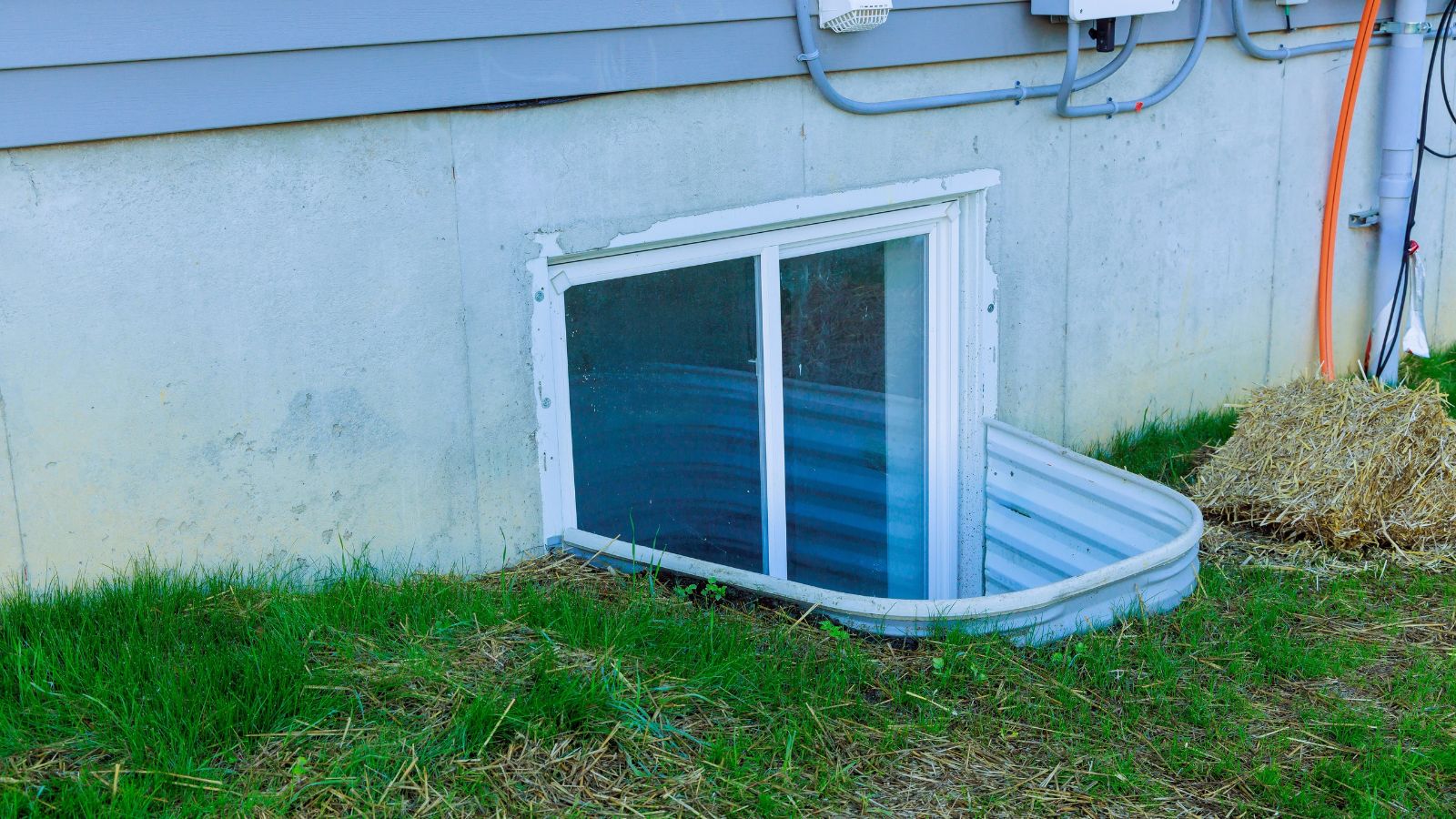
Basement windows are another deceptively small vulnerability. During heavy rainfall, a blocked or poorly drained window well can collect water against the glass and frame instead of allowing it to move safely into the ground. Federal flood-prevention guidance recommends keeping wells clear of debris and sealing cracks or openings around basement windows because both measures help reduce water intrusion.
The warning signs can appear only during the strongest downpours. A well that drains adequately during ordinary rain may fill when soil becomes saturated or a drain becomes obstructed by leaves, mulch or other debris. Water entering through a basement window can then damage finished walls, flooring, furniture and stored possessions even if the rest of the foundation remains dry. For homeowners who have converted basements into bedrooms, offices or family rooms, the potential loss can be much greater than it was when the same space held only concrete floors and storage shelves. Window wells deserve the same seasonal inspection as gutters and sump equipment.
Discovering an Insurance Gap After the Damage

One of the costliest summer problems can arrive after the sky clears: discovering that the assumed insurance coverage is different from the actual policy. Canada’s Financial Consumer Agency explains that standard home policies may not cover certain hazards, including some floods and sewer backups, and that additional coverage may be required. The Insurance Bureau of Canada similarly notes that overland flooding and sewer backup are commonly handled through optional coverage.
Maintenance exclusions add another layer. A storm may be insured while deterioration that existed before the storm may not be. For example, coverage can differ when interior water damage results from a sudden event versus a roof that has been leaking because of long-term wear. Deductibles, limits and endorsements also vary between insurers and properties. The sensible time to understand those details is before a basement contains water or a roof has been damaged by hail. A brief annual policy review can turn an unpleasant summer surprise into a known financial risk that has already been considered.
16 Costco Canada Habits That Could Be Costing Shoppers More Than They Save

The Executive Membership can feel like an obvious upgrade because the 2% annual reward sounds straightforward. For households that spend heavily at Costco Canada, the extra fee may be easy to justify. But the habit becomes costly when shoppers upgrade first and calculate later. A Gold Star Membership costs less, while Executive costs more and only pays off if eligible annual spending is high enough to offset the difference.
16 Costco Canada Habits That Could Be Costing Shoppers More Than They Save
