Extreme weather can turn an ordinary home-repair question into a costly insurance lesson. Canada recorded more than $2.4 billion in insured severe-weather damage in 2025, after the record-breaking $8.5 billion incurred in 2024. Yet even when a loss looks obviously weather-related, coverage depends on the precise cause, policy wording, endorsements, limits and deductibles involved. A wind-driven roof opening can be treated very differently from a worn roof that finally leaks during rain; river flooding is different from sewer backup, and a damaged car follows different rules again. These 20 things Canadians should know before assuming insurance will cover weather damage highlight the distinctions that can determine whether a household receives a substantial settlement, partial reimbursement or no coverage at all.
“Weather Damage” Is Not One Insurance Category
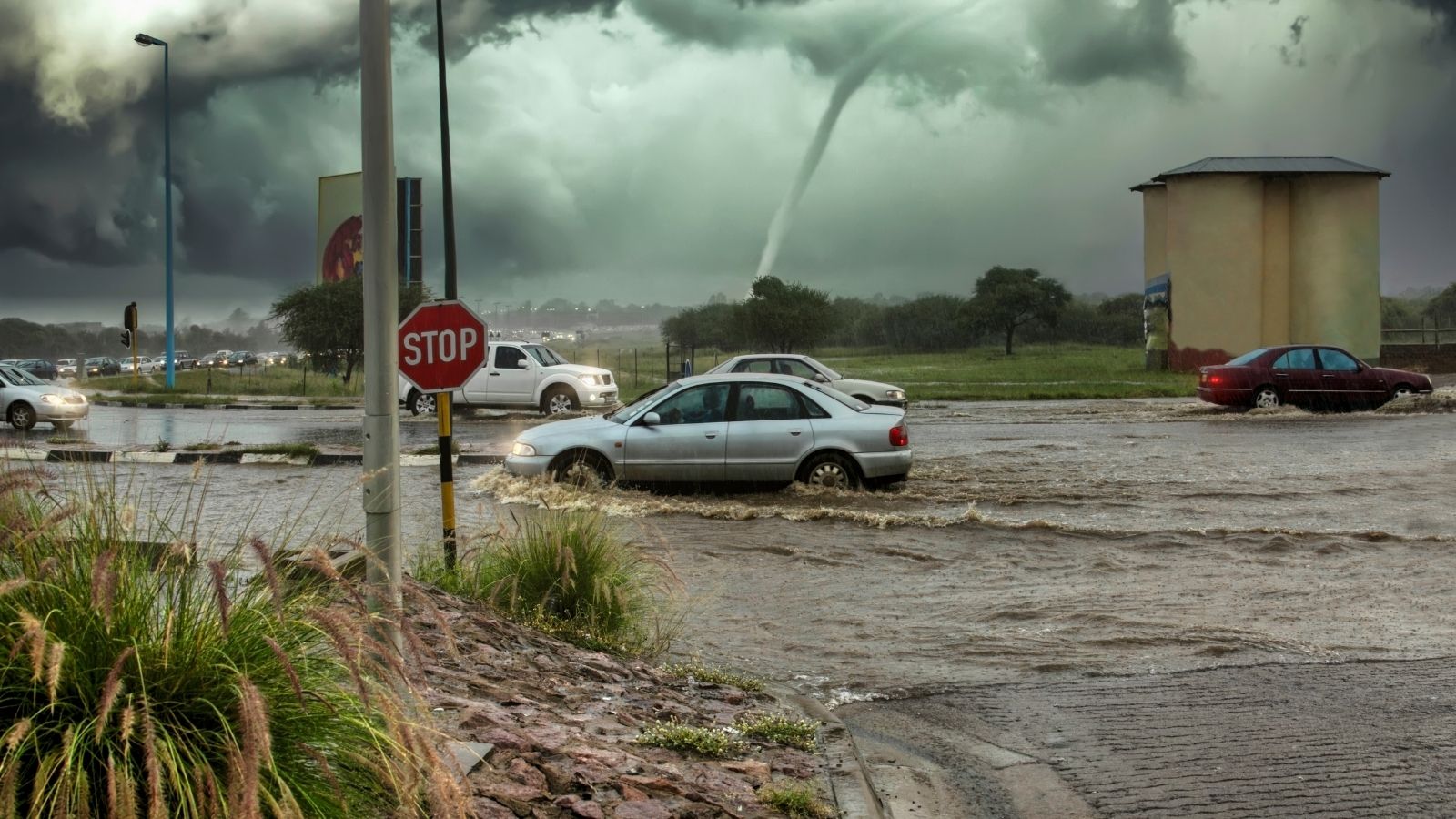
A violent storm can produce wind, hail, rain, flooding, falling trees and electrical damage within the same neighbourhood, but insurance does not necessarily treat those losses as one event. Canadian home policies are built around insured “perils,” meaning specific causes of accidental loss. Fire, wind and hail are commonly insured, while flooding, sewer backup, earthquakes and some other hazards may require additional protection or be excluded altogether.
That distinction can surprise homeowners after a major storm. Two neighbouring houses might both have water covering a basement floor, yet one claim may involve rain entering through an opening suddenly torn into the roof by wind, while the other involves surface water entering through a basement window. Their insurance outcomes could be completely different. Before assuming that a storm automatically makes damage covered, the more useful question is what directly caused the loss and whether that particular peril appears in the policy.
Overland Flood Coverage Usually Has to Be Added
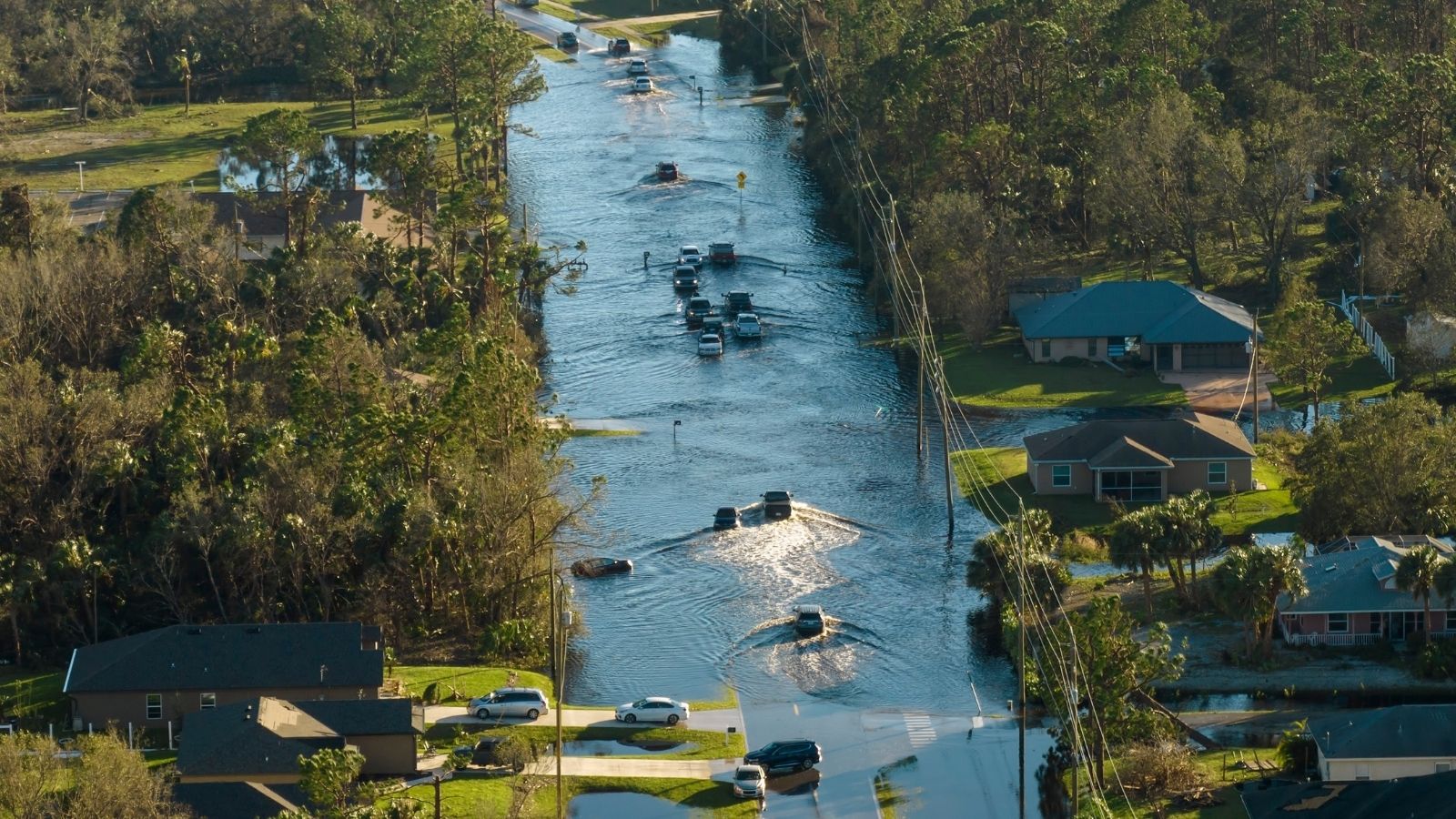
Flooding is one of the clearest examples of why a standard home policy should never be treated as unlimited weather protection. The federal government says flooding is not typically included in standard home or tenant insurance. Overland flood coverage is designed for situations such as excessive rainfall, snowmelt or overflowing freshwater sources that send water across the ground and into a building.
That matters even for households nowhere near a major river. Intense rainfall can overwhelm drainage systems and create surface-water flooding in ordinary residential neighbourhoods. The federal government says floods are Canada’s most common and costly natural hazard and reports that repairing a flooded basement costs more than $40,000 on average. Optional overland flood protection is increasingly available, but eligibility, limits, deductibles and pricing depend partly on the property’s assessed flood risk. A policyholder therefore needs to confirm that the endorsement actually appears on the policy rather than assuming “water damage” automatically includes flooding.
Sewer Backup Is Usually a Separate Coverage Question
Water coming up through a basement drain may look like another form of flooding, but insurers commonly classify it as sewer backup. Insurance Bureau of Canada says damage caused by the backing up of sewers and drains is typically excluded from a standard home policy, while optional sewer-backup coverage is offered by most insurers.
This distinction becomes especially important during severe rainstorms, when overland flooding and municipal sewer problems can occur at roughly the same time. A household could have purchased flood protection but still need to examine whether sewer backup is separately included, bundled with that protection or subject to a different limit. Conversely, having sewer-backup insurance does not automatically prove that surface water entering through doors or windows is insured. The source and pathway of the water matter. Before storm season, policyholders can ask specifically what happens if both sewer backup and overland flooding contribute to the same basement loss, rather than relying on a general assurance that the policy includes “water coverage.”
Groundwater and Storm Surge Can Fall Into Different Gaps
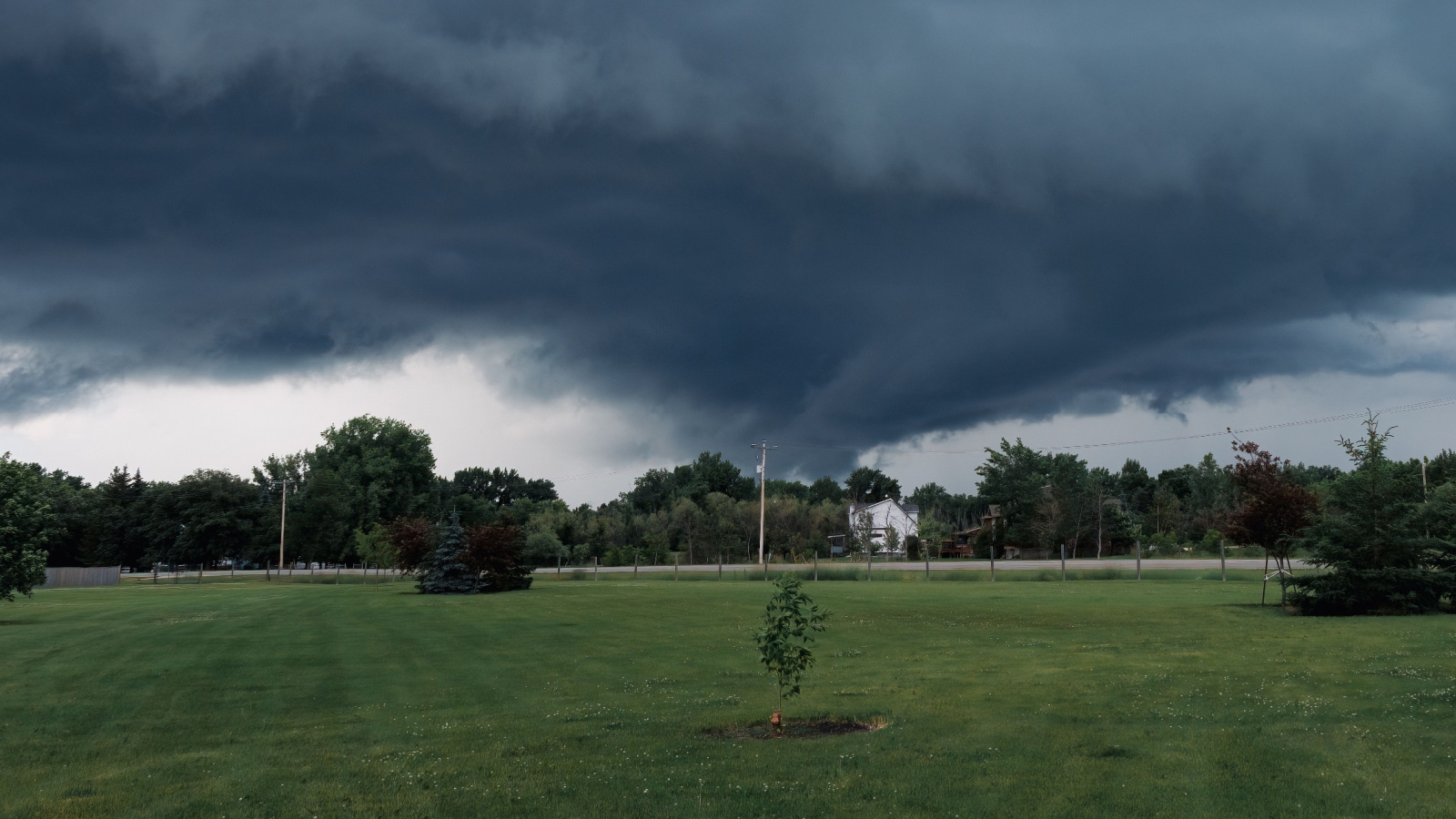
Not every flood begins with a river spilling over its banks. Groundwater can rise or seep through foundations, while coastal storms can drive ocean water onto land through storm surge. Insurance Bureau of Canada notes that groundwater and seepage protection is not standard across all policies, although some insurers offer optional endorsements. It also says most home policies generally do not cover coastal flooding or storm-surge damage.
That makes location particularly important. A homeowner in a low-lying coastal community may face a different insurance problem from someone dealing with a flooded suburban basement after heavy rainfall. Even optional “flood” protection should be read closely because insurers can define the covered sources of water differently. A broad policy label is not enough. Canadians in coastal areas, neighbourhoods with high water tables or homes with recurring foundation seepage should ask whether groundwater, seepage, storm surge and tidal water are separately included, excluded or unavailable. Those details can become decisive only after thousands of dollars of damage has already occurred.
Insurance Is Not Designed to Replace Routine Maintenance

One of the most important dividing lines in property insurance is the difference between sudden damage and gradual deterioration. The Financial Consumer Agency of Canada states that home insurance does not cover maintenance costs or damage resulting from a lack of maintenance. Roof shingles wearing down with age are one straightforward example: their eventual replacement is normally the homeowner’s responsibility, even if bad weather exposes the problem.
That principle applies beyond roofing. Rotting materials, long-standing leaks and deterioration that develops over months or years can produce damage that becomes obvious during a storm without necessarily turning the underlying maintenance problem into an insured loss. Consider a fence weakened by years of decay before finally collapsing on a windy afternoon. The weather may have delivered the final push, but the condition of the property may still matter when the insurer investigates. Keeping inspection records, maintenance invoices and photographs can help distinguish a genuinely sudden event from a problem that developed gradually.
A Roof Leak and a Worn-Out Roof Are Not the Same Claim
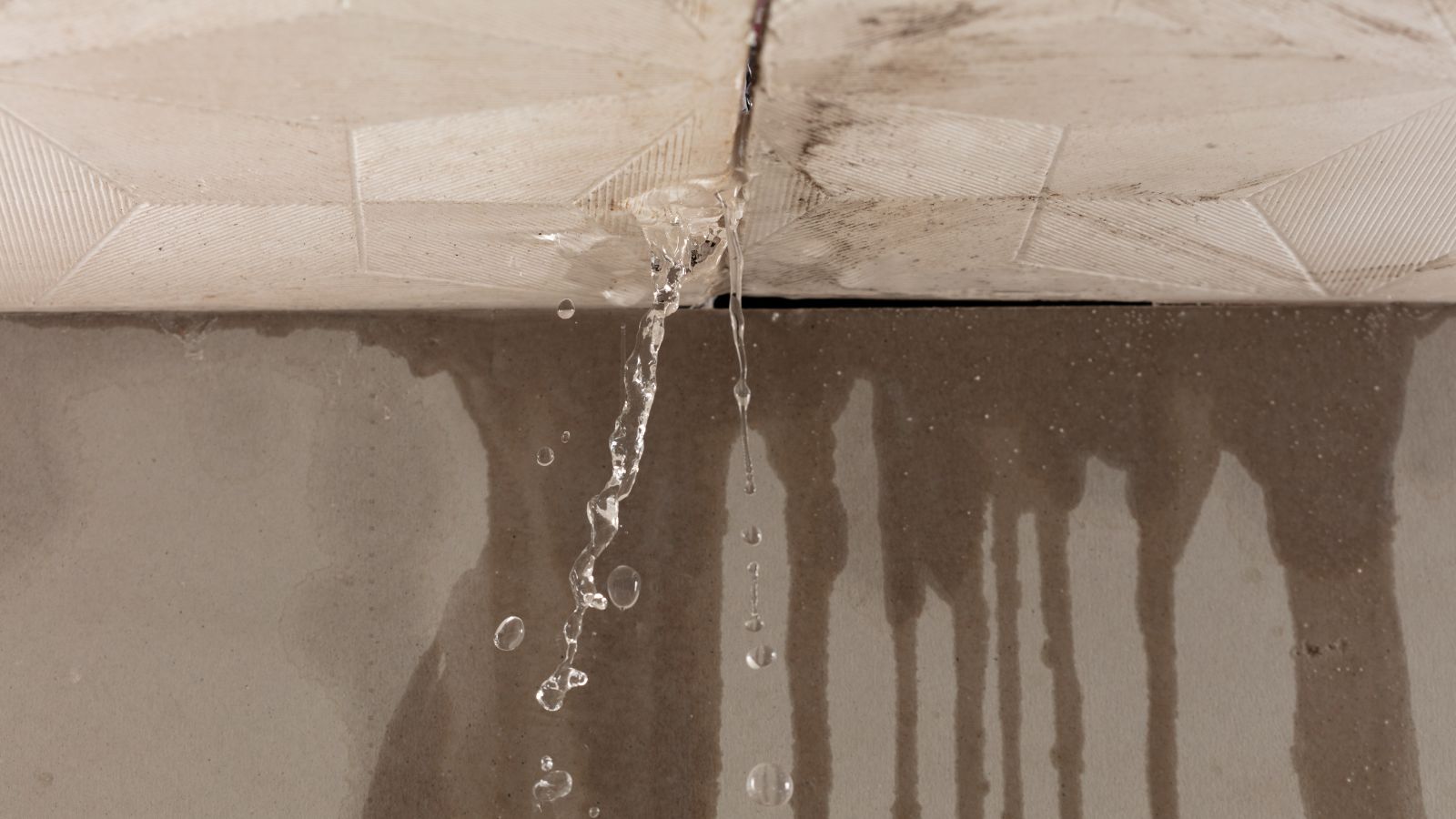
Rain dripping through a ceiling after a storm may appear to create an obvious roof claim, but insurers often separate resulting interior water damage from the condition of the roof itself. Insurance Bureau of Canada says interior water damage from a roof leak is typically covered in certain circumstances, while roof damage caused by wear and tear or poor maintenance is not.
A different outcome may apply when wind or hail suddenly creates an opening and rain subsequently enters. Wind damage is generally insured, including damage from flying debris, falling branches and water entering through storm-created openings. That means the adjuster may need to determine whether shingles were torn away by a recent storm or whether an aging roof had already deteriorated. For homeowners, photographs taken before and after significant weather can be surprisingly useful. So can receipts showing when shingles, flashing or other roof components were replaced. The rain itself does not settle the coverage question; the cause of the opening often does.
Ice Dams Can Be Covered—Until They Become a Maintenance Problem
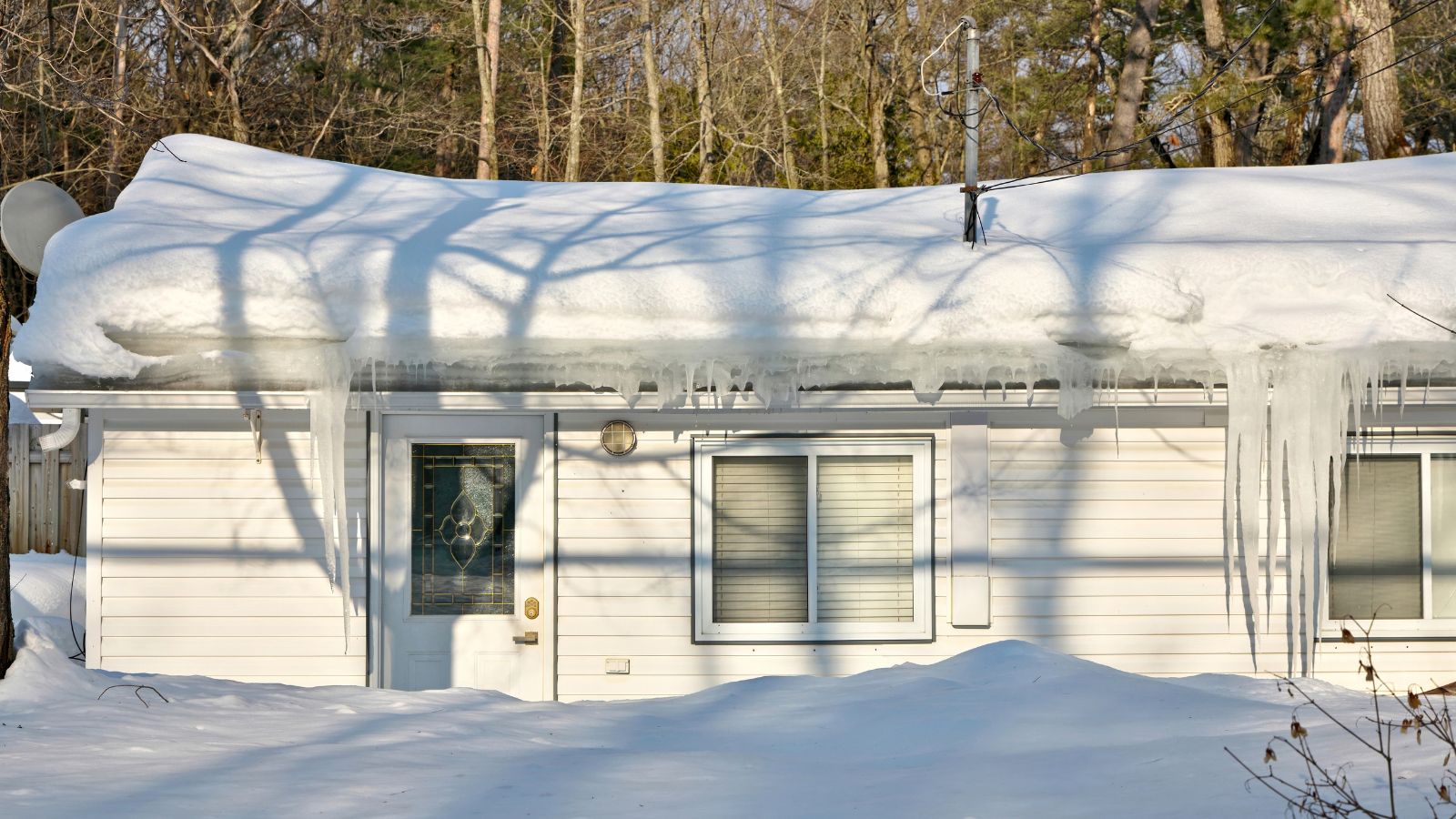
Canadian winters create a particularly complicated water-damage risk when snow melts on a roof and refreezes near the edge, forming an ice dam. Trapped meltwater can move beneath shingles and eventually damage ceilings, insulation and walls. Insurance Bureau of Canada says standard homeowner policies commonly cover sudden and accidental water damage caused by ice dams, although policy wording varies.
Repeated or ongoing ice-dam problems can be viewed differently. IBC says long-term damage associated with recurring ice dams may be treated as a maintenance issue and may not be covered. That makes prevention more than a home-care concern. Clearing eavestroughs, maintaining insulation and ventilation, managing roof snow and correcting conditions that repeatedly create ice dams can help reduce both physical damage and potential claim disputes. A homeowner who has watched the same section of ceiling stain during several winters should not assume another episode will automatically be treated as a new accidental loss simply because temperatures happened to fluctuate again.
Frozen-Pipe Claims Can Depend on What Happened While the Home Was Empty
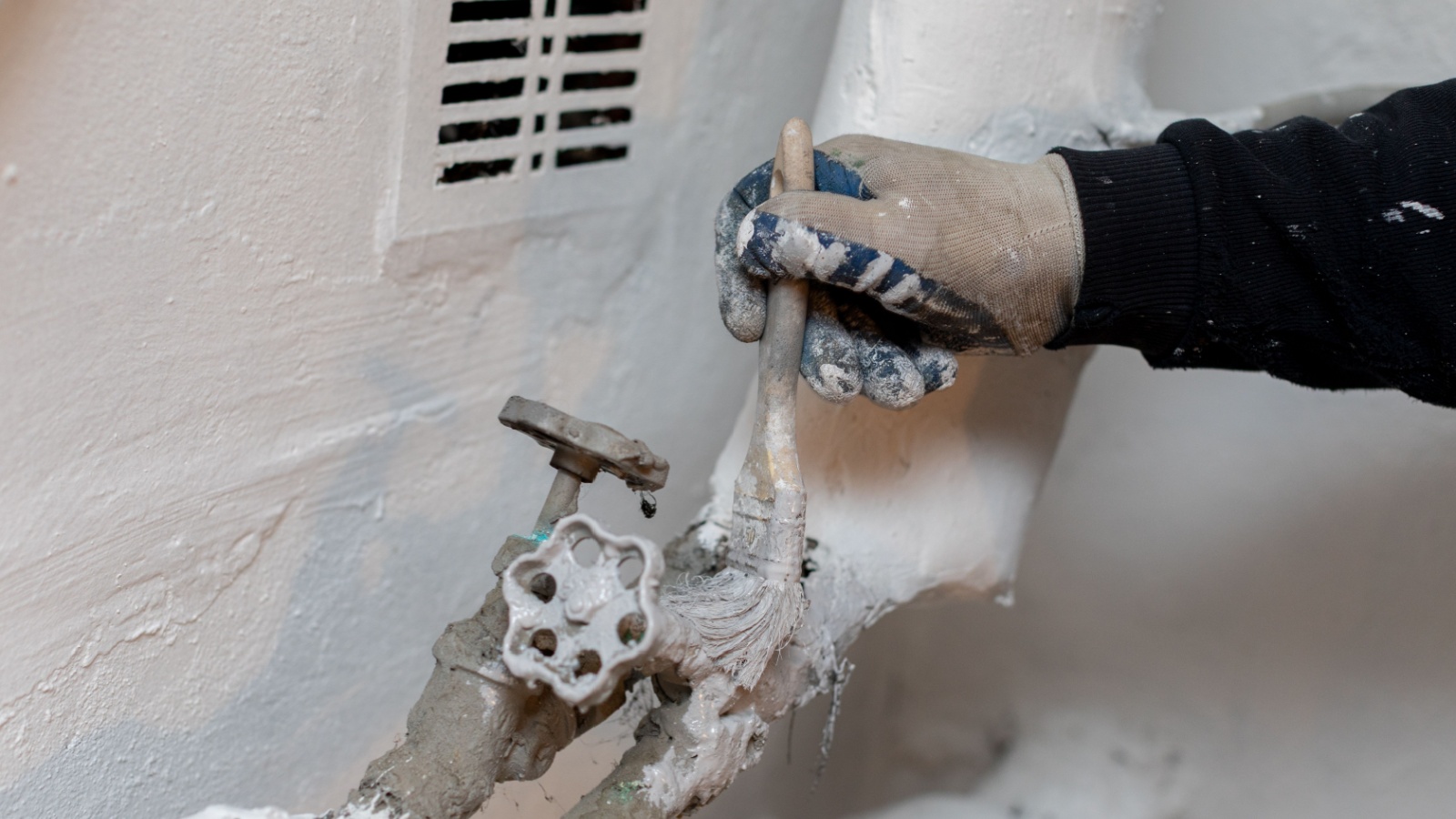
Burst pipes are a classic winter insurance loss, but coverage is not unconditional. The Financial Consumer Agency of Canada warns that a policy may not cover freezing damage when a homeowner has been away for an extended period during cold weather. Insurance Bureau of Canada similarly notes that insurers may require plumbing to be drained or the property to be checked regularly so adequate heat is maintained.
The exact requirements vary by policy, making vacation plans surprisingly relevant to winter coverage. A pipe that bursts despite appropriate precautions may be covered, while a similar loss in an unattended, inadequately heated property may face additional scrutiny. This can matter to snowbirds, cottage owners and households leaving during the holidays. Rather than relying on a neighbour’s routine, policyholders should check the absence clause in their own contract. Some policies may specify how often someone must inspect the property. Knowing that requirement before leaving is far easier than trying to prove compliance after a frozen pipe has released thousands of litres of water.
Wildfire Damage Is Generally Better Covered Than Flooding
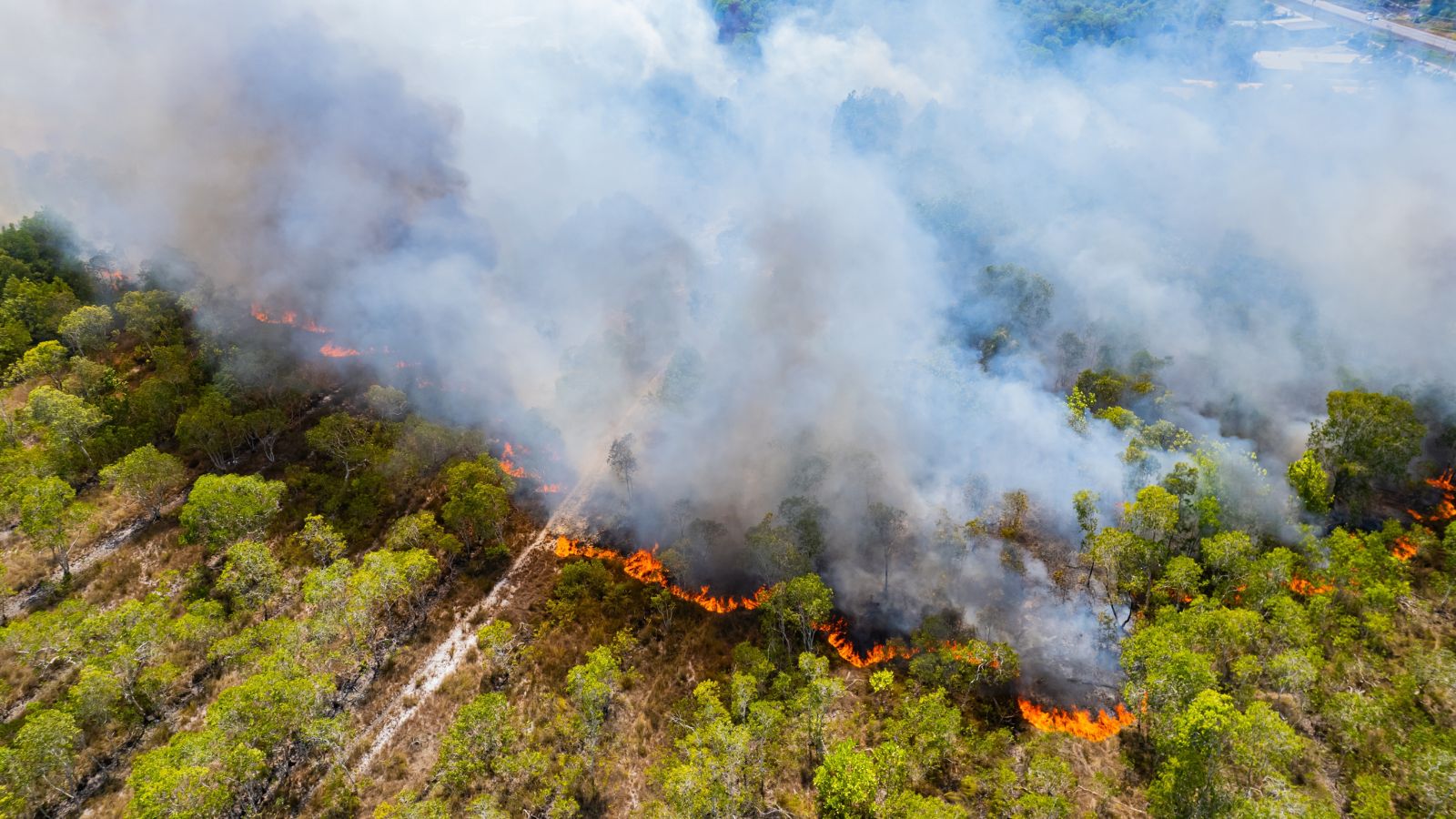
Wildfire produces enormous losses, but the basic insurance position is different from overland flooding. Insurance Bureau of Canada states that standard homeowner and tenant policies cover damage caused by fire. That means a house destroyed or damaged directly by wildfire is generally dealing with an insured peril rather than an optional form of protection that might have been left off the policy.
The details still matter. Smoke contamination, damaged belongings, debris removal, rebuilding costs and temporary accommodation can each involve separate policy provisions and limits. Wildfire can also damage vehicles, but that moves the loss into auto insurance, where comprehensive or all-perils protection becomes important. For families forced to evacuate, the first question may not even be whether the house burned. Standard property policies can include mass-evacuation protection that assists with eligible additional living costs. Fire may be one of the better-established insured weather-related perils, but the final settlement still depends on the limits and coverage attached to the individual policy.
Evacuation Does Not Mean Every Living Expense Becomes Reimbursable

When authorities order an evacuation, hotel rooms, restaurant meals, fuel and other expenses can accumulate rapidly. Most homeowner, condominium-owner and tenant policies include some form of Additional Living Expenses coverage when an insured event makes a home uninhabitable, and policies may also provide limited coverage when a civil authority prohibits access.
However, Additional Living Expenses coverage is not a blank cheque. Insurance Bureau of Canada explains that it is generally intended to cover the increased cost of living caused by displacement, rather than every ordinary household expense. Coverage is also subject to policy limits and time restrictions. A family that normally spends $700 a month on groceries, for example, should not assume its entire food budget suddenly becomes an insurance expense; qualifying additional costs are the key issue. Receipts are therefore essential. Policyholders displaced by wildfire, wind or another insured event should ask immediately what categories are reimbursable, how long coverage lasts and whether advances are available.
Wind and Hail Are Commonly Covered, but Pre-Existing Damage Is Not
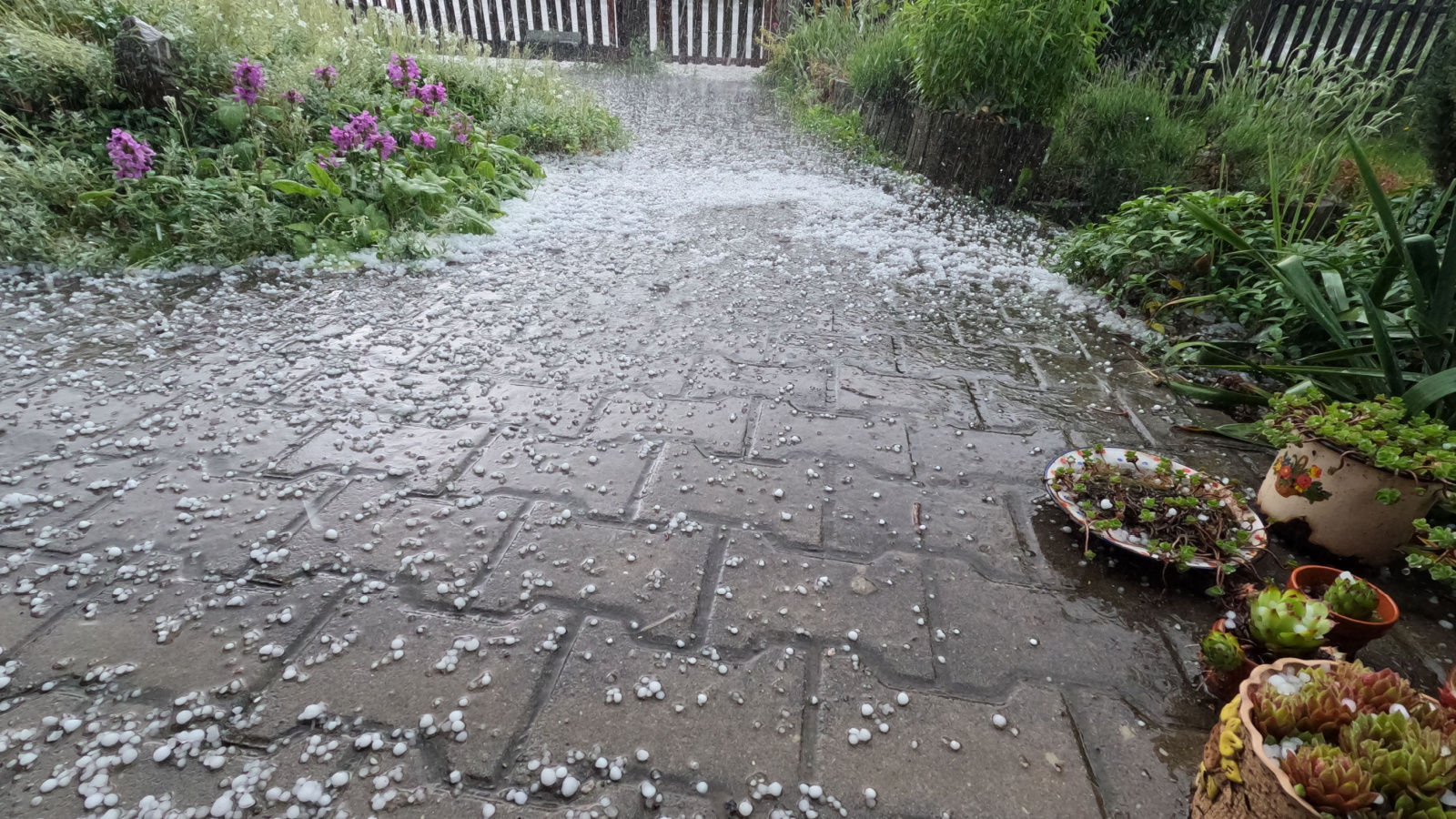
Windstorms and hail generally sit on the covered side of the insurance divide. Insurance Bureau of Canada says standard home and business policies cover damage caused by wind or hail, including damage from flying debris and falling branches. Water entering through a hole suddenly created by wind or hail can also fall within insured damage.
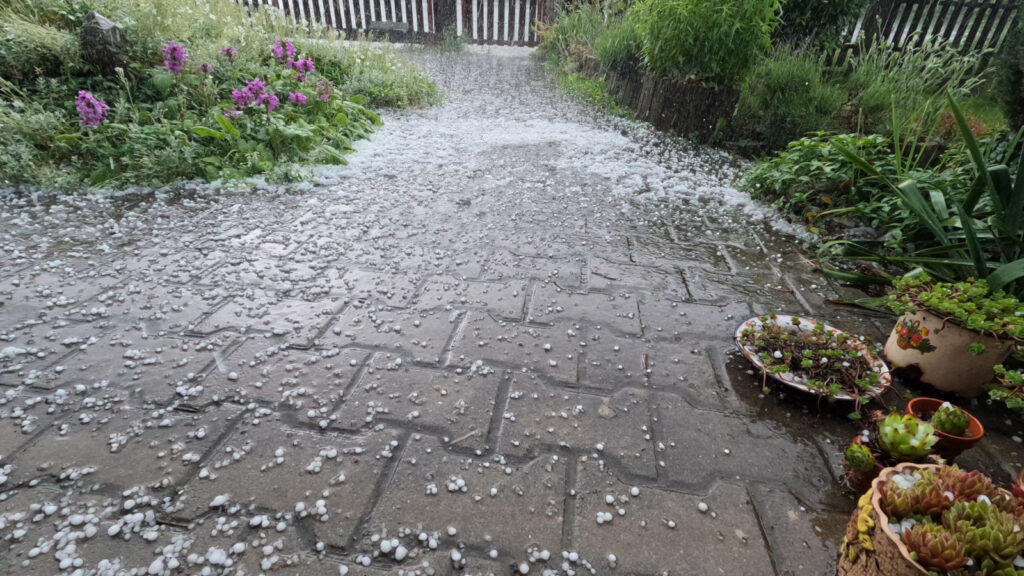
The phrase “suddenly created” matters. IBC specifically notes that pre-existing damage is not covered. A hailstorm cannot normally be used to replace siding that was already cracked, nor does a windstorm automatically turn old deterioration into a new insured loss. Coverage limits and deductibles may also vary, particularly in regions with substantial hail exposure. Alberta’s government advises property owners to ask insurers specifically about hail coverage limits and differences between basic and more comprehensive property policies. After a severe storm, photographs showing fresh impact marks, broken windows or newly missing shingles can help establish what changed during the event.
Fallen Trees May Be Covered Even When the Tree Itself Is Not
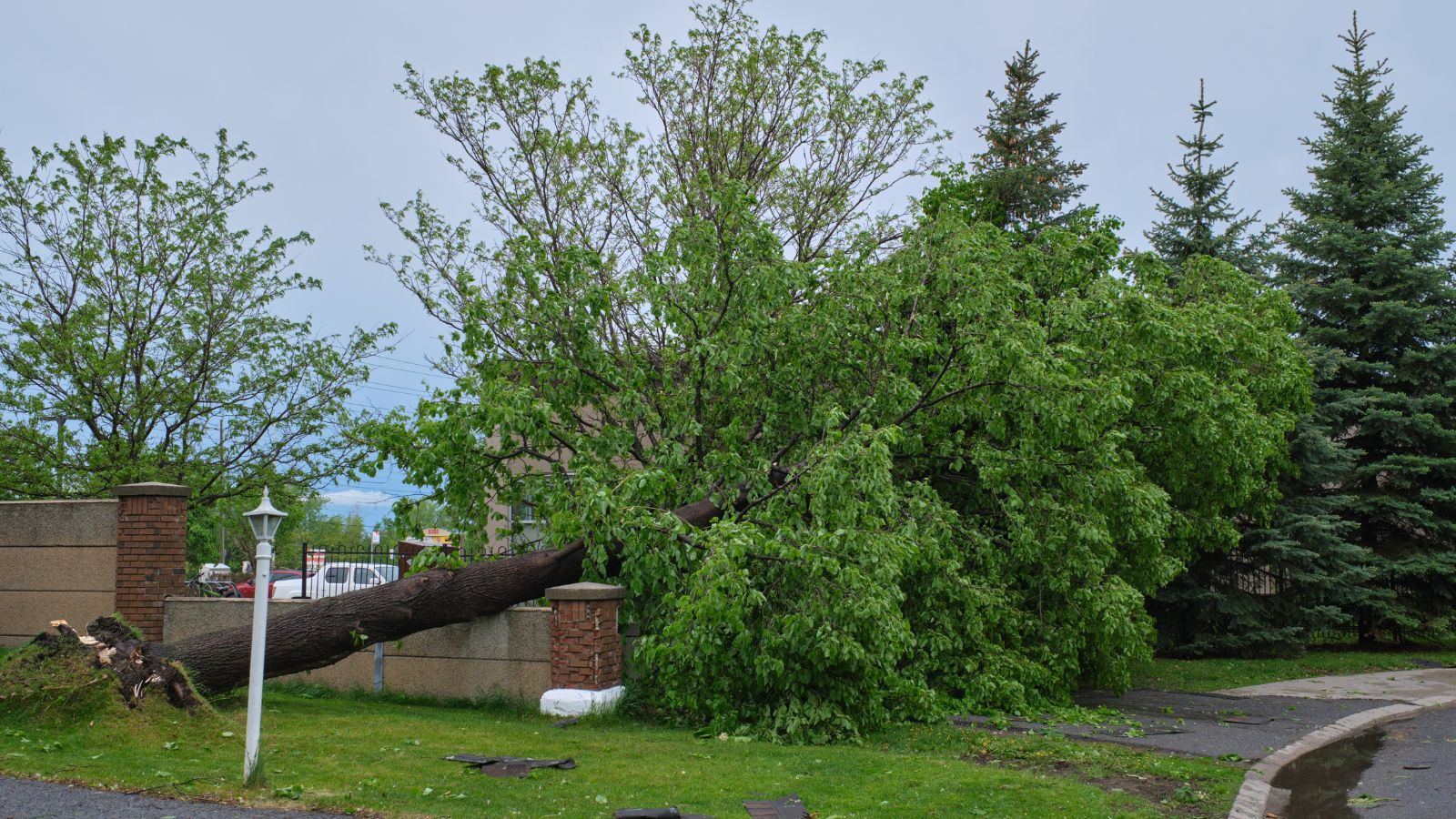
A windstorm that sends a mature tree through a garage roof can create several different insurance questions at once. Insurance Bureau of Canada says home policies generally cover damage caused by trees falling because of insured events such as wind or lightning. Coverage can extend beyond the main house to structures including garages, sheds, fences and decks.
Replacing the tree is another matter. IBC says trees, plants and shrubs are generally covered only for particular risks and subject to limits; a tree blown down by wind may not itself be replaced even when the resulting building damage and debris removal are insured. Gradual root damage is also normally excluded because it develops over time. This creates an unintuitive outcome: removing a fallen tree from a damaged roof may form part of a claim, while purchasing a new mature tree for the yard may not. Homeowners with large trees should therefore view arborist inspections and maintenance as part of their property-risk strategy.
“Covered” Does Not Tell a Household How Much It Will Receive

Even when the insurer accepts that a weather event is covered, the settlement method can make a major difference. The Financial Consumer Agency of Canada distinguishes between actual cash value and replacement-value coverage. Actual cash value generally reflects what an item was worth after depreciation, while replacement coverage is designed around the cost of replacing damaged property under the policy’s terms.
Imagine a ten-year-old television destroyed during an insured fire. A settlement based on depreciated value may be much lower than the price of buying a comparable new television. The same principle can affect furniture, electronics and other household contents damaged in severe weather. Policyholders should therefore examine more than the maximum dollar amount printed on the declarations page. They should understand whether belongings are settled at replacement cost or depreciated value, whether replacement must actually occur before the full amount is paid and what documentation is required. Those details determine how closely an insurance cheque matches the real cost of rebuilding household life.
Valuable Belongings May Have Their Own Lower Limits

A home policy may contain a large overall contents limit while still placing smaller “special limits” on particular categories of property. Insurance Bureau of Canada identifies items such as jewellery, fine art, antiques, cash, furs and certain collections as belongings that are commonly subject to specific dollar limits. Higher protection may be available through endorsements or other additional coverage.
That becomes relevant after a fire, tornado or other destructive weather event because losing everything does not necessarily eliminate those category limits. A household with a valuable watch collection, artwork or inherited jewellery could discover that the general contents figure is not the amount available for those individual possessions. The practical solution comes before the storm: inventory important property, keep photographs and receipts, obtain appraisals when appropriate and compare those values with the policy’s special limits. A weather claim is already stressful enough without discovering afterward that a treasured $15,000 item had only a fraction of that amount protected under the existing contract.
Home Insurance Usually Will Not Pay for Weather Damage to a Car

A vehicle sitting in the driveway may be damaged by the same hailstorm, flood, wildfire or falling tree that damages the house, but the car does not simply become part of the home claim. Weather damage to vehicles is generally handled through automobile insurance. Insurance Bureau of Canada says optional comprehensive coverage commonly responds to hazards including hail, wind, fire and rising water.
The word “optional” is important because provincial mandatory auto-insurance requirements differ, and not every driver automatically has comprehensive physical-damage protection. A person carrying only required basic coverages could therefore have adequate liability insurance while still lacking protection against a hail-damaged hood or a vehicle flooded in a parking lot. Some public insurance systems structure physical-damage coverage differently, so the precise answer depends on the province and policy. Canadians should review the auto declarations page separately from their home policy and confirm whether comprehensive, specified-perils or all-perils protection is actually in force before severe-weather season arrives.
Renters and Condo Owners Have Different Insurance Responsibilities

Living in a building insured by someone else does not mean personal property is automatically protected. The Financial Consumer Agency of Canada explains that condo corporations generally insure the outside structure and common areas, while an individual condo policy can cover belongings, interior improvements, liability and certain additional living expenses. Owners should review both policies because gaps can arise between them.
Renters face a similar misconception. A landlord may insure the building, but tenants ordinarily need their own insurance for personal possessions and certain additional living costs. The federal government’s flood-readiness guidance specifically encourages renters to ask about optional flood coverage that can repair or replace belongings and help with displacement expenses. After a flooded apartment, the landlord may deal with damaged walls and building systems while the tenant must pursue a separate claim for furniture, electronics and clothing. Knowing which policy responds to which property before a storm avoids a frustrating search for responsibility after damage has already occurred.
The Policy Limit May Not Equal the Actual Cost to Rebuild

Rebuilding a severely damaged home can cost much more than its market value or original construction price. Labour, materials, demolition and current building requirements all influence the final bill. The Financial Consumer Agency of Canada recommends knowing the cost to rebuild a home and checking whether the policy includes guaranteed building replacement coverage.
Guaranteed replacement can allow an insurer to pay beyond the stated building limit after an insured loss, but conditions normally apply. Policyholders may be required to insure the home to an appropriate value and report renovations or upgrades that change reconstruction costs. Without suitable protection, a homeowner can discover that being “fully insured” in everyday language does not necessarily mean every rebuilding dollar is available. Major renovations, additions, finished basements and expensive upgrades are therefore worth reporting promptly. The goal is to make sure the reconstruction estimate reflected in the policy still resembles the home that actually exists when a wildfire, tornado or other severe event occurs.
A Deductible Can Make a Technically Covered Claim Uneconomic

Coverage does not mean the insurer pays the first dollar of every repair. A deductible is the part of an insured loss that the policyholder must absorb before insurance responds. The Financial Consumer Agency of Canada gives a simple example: with a $500 deductible on a $2,000 covered claim, the insurer would generally pay $1,500.
That arithmetic matters after smaller storms. If a covered loss is only slightly higher than the deductible, the potential insurance payment may be modest. FCAC also notes that premiums may increase at renewal after a claim, meaning some households may decide not to claim relatively inexpensive damage after comparing the possible payment with longer-term consequences. Different coverages can also have different deductibles, and certain disaster endorsements—particularly earthquake protection—may use percentage-based deductibles rather than ordinary fixed-dollar amounts. Before storm season, Canadians should know not only whether a peril is insured but how much they would personally need to pay before meaningful coverage begins.
Policyholders Are Expected to Prevent Further Damage

Once a storm has passed, insurance responsibilities do not end with a phone call. Insurance Bureau of Canada says property policies require policyholders to take reasonable action to limit additional damage when it is safe to do so. That can include temporarily covering a damaged roof or boarding up broken windows so later rain does not make the original loss substantially worse.
Documentation is equally important. Insurers recommend photographs, detailed lists of damaged possessions, receipts, warranties and other proof of ownership whenever available. Damaged property should generally be kept unless it creates a health or safety hazard, and receipts for emergency repairs and displacement expenses should be saved. Consider a windstorm that tears shingles away before another rainfall arrives overnight. Arranging a safe temporary tarp may help prevent a small opening from becoming a far larger interior-water claim. Policyholders should not make dangerous repairs themselves, but neither should they assume the insurer expects damaged property to remain completely untouched until an adjuster arrives.
Government Disaster Assistance Is Not a Substitute for Insurance

After a major disaster, government aid may become available, but households should not assume it will fill every insurance gap. The Financial Consumer Agency of Canada warns that provincial and territorial disaster-assistance programs have their own eligibility rules, exclusions and limits. In some jurisdictions, people may be ineligible for assistance when insurance for the relevant hazard was considered available.
Alberta offers a clear example. Its Hazard Assistance and Resilience Program is intended for eligible uninsurable disaster losses and does not cover damage that could have been insured. The province also states that the program does not necessarily return property to its previous value or cover every loss. Other provincial and territorial programs have their own rules, which is why government assistance is best viewed as a separate safety net rather than guaranteed replacement for private insurance. Reviewing flood, sewer-backup, wildfire, wind, hail and other relevant protections annually remains one of the strongest ways to understand where household financial exposure actually begins.
16 Costco Canada Habits That Could Be Costing Shoppers More Than They Save

The Executive Membership can feel like an obvious upgrade because the 2% annual reward sounds straightforward. For households that spend heavily at Costco Canada, the extra fee may be easy to justify. But the habit becomes costly when shoppers upgrade first and calculate later. A Gold Star Membership costs less, while Executive costs more and only pays off if eligible annual spending is high enough to offset the difference.
16 Costco Canada Habits That Could Be Costing Shoppers More Than They Save
