
Canadian storms rarely arrive in just one form. A summer thunderstorm can bring hail, wind and flash flooding within minutes, while winter systems can combine snow, ice, rain and long power outages. The financial consequences have become difficult to ignore: severe weather has produced billions of dollars in insured losses across Canada in recent years, while many household losses still depend on maintenance, drainage and optional insurance coverage.
A home can look perfectly sound on a calm afternoon yet reveal weak points once rain starts falling sideways or the electricity disappears. These 16 signs highlight practical vulnerabilities that can turn an ordinary storm into a major repair bill, from aging shingles and clogged drainage to powerless sump pumps, vulnerable windows and insurance gaps.
The Roof Is Already Showing Small Signs of Wear

A few curled shingles or a slightly loose piece of flashing can seem like jobs that will survive another season. Wind does not necessarily agree. Environment and Climate Change Canada’s Beaufort wind guidance notes that winds in the 75-to-88-km/h range can produce slight structural damage, including loosening or removing roofing shingles. Once a storm creates an opening, even a relatively small one, wind-driven rain can reach insulation, ceilings and interior walls.
Hail adds another layer of risk. Federal preparedness guidance recommends impact-resistant roofing for homes in areas with moderate to high hail risk, while Natural Resources Canada has cited research suggesting that impact-resistant asphalt shingles can produce substantial long-term savings. A homeowner does not necessarily need a complete new roof every time a shingle looks tired, but recurring granules in gutters, lifted edges, missing pieces, deteriorated flashing or evidence of old leaks are all reasons to arrange an inspection before the weather provides its own much harsher test.
Gutters and Downspouts Cannot Handle a Heavy Downpour
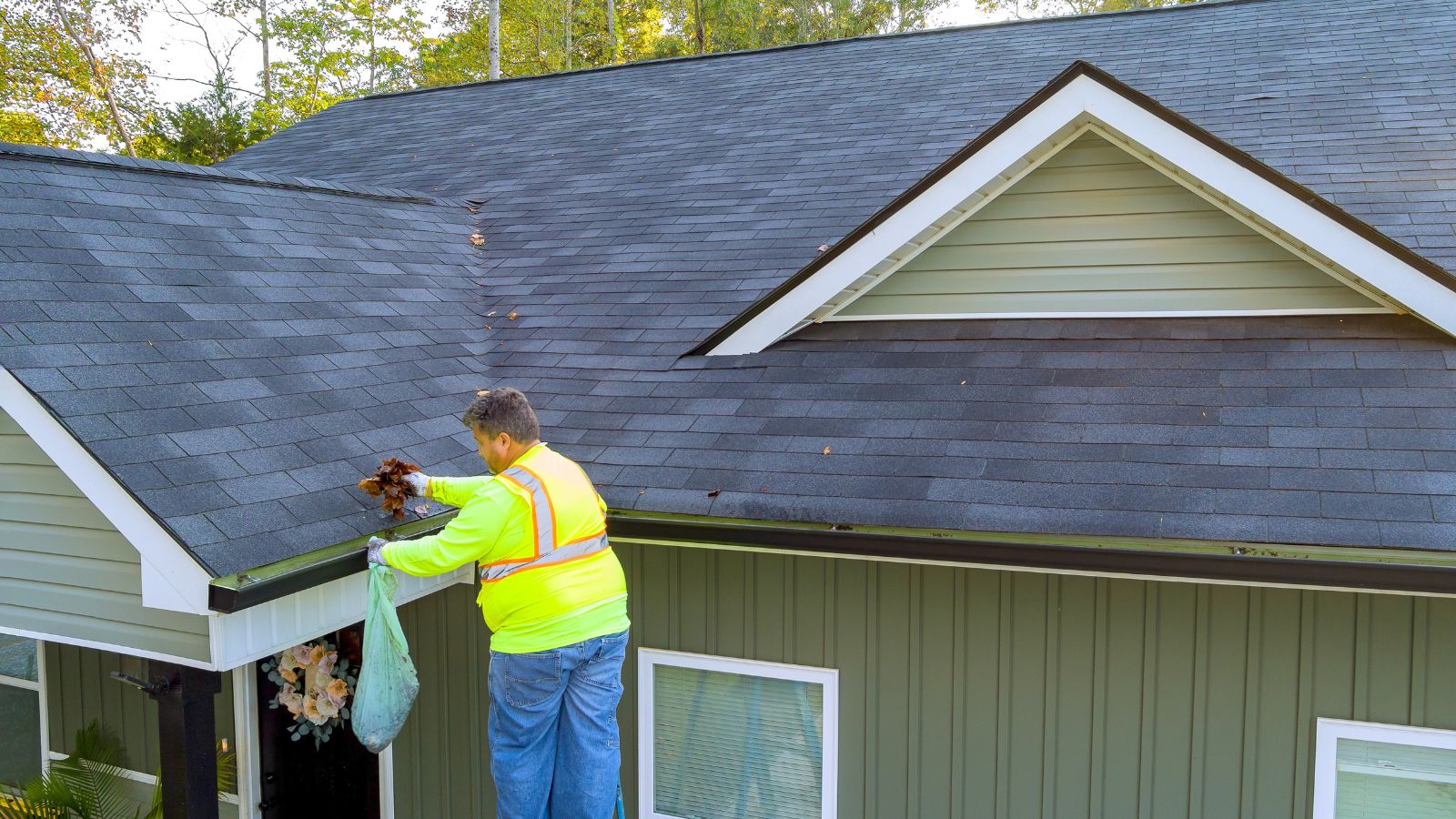
A gutter system that works during light rain may still be overwhelmed when a severe storm arrives. Leaves, roof granules, twigs and poorly positioned downspouts can cause water to spill beside exterior walls instead of moving safely away. The Government of Canada describes properly installed and maintained eavestroughs and downspouts as a high-impact flood-prevention measure and recommends them for both new and existing homes.
The volume involved can be surprisingly large. A 20-millimetre rainfall falling on a 100-square-metre roof represents roughly 2,000 litres of water that needs somewhere to go. If a downspout empties beside the foundation, that water is being concentrated exactly where it can become troublesome. Overflow marks on siding, eroded soil below downspouts, sagging gutters and basement dampness after rain are useful warning signs. Storm preparation should therefore include clearing debris, checking connections and making sure discharge points send water toward an appropriate drainage area rather than back toward the building.
Water Regularly Pools Beside the Foundation

A puddle beside the house after every substantial rain is more than a landscaping annoyance. Federal flood-prevention guidance describes correct property grading as the first line of defence against water reaching a foundation. Heavy rainfall, groundwater and snowmelt can seep toward basements and crawl spaces, while rising groundwater can place pressure on below-grade structures. Drainage systems such as weeping tiles, French drains and trench drains can provide additional protection when site conditions require them.
The important clue is repetition. If the same low spot fills whenever it rains, the property is demonstrating how water will behave during a larger event. Soil can settle over time, patios can slope toward the house, and landscaping projects can unintentionally create channels that direct runoff toward walls. Correcting the grade may be relatively straightforward in some yards and more complicated in others. Persistent pooling, erosion near the foundation or water marks in the basement should prompt a closer assessment rather than another season of assuming the next storm will be different.
Basement Windows Sit in Low or Poorly Drained Wells
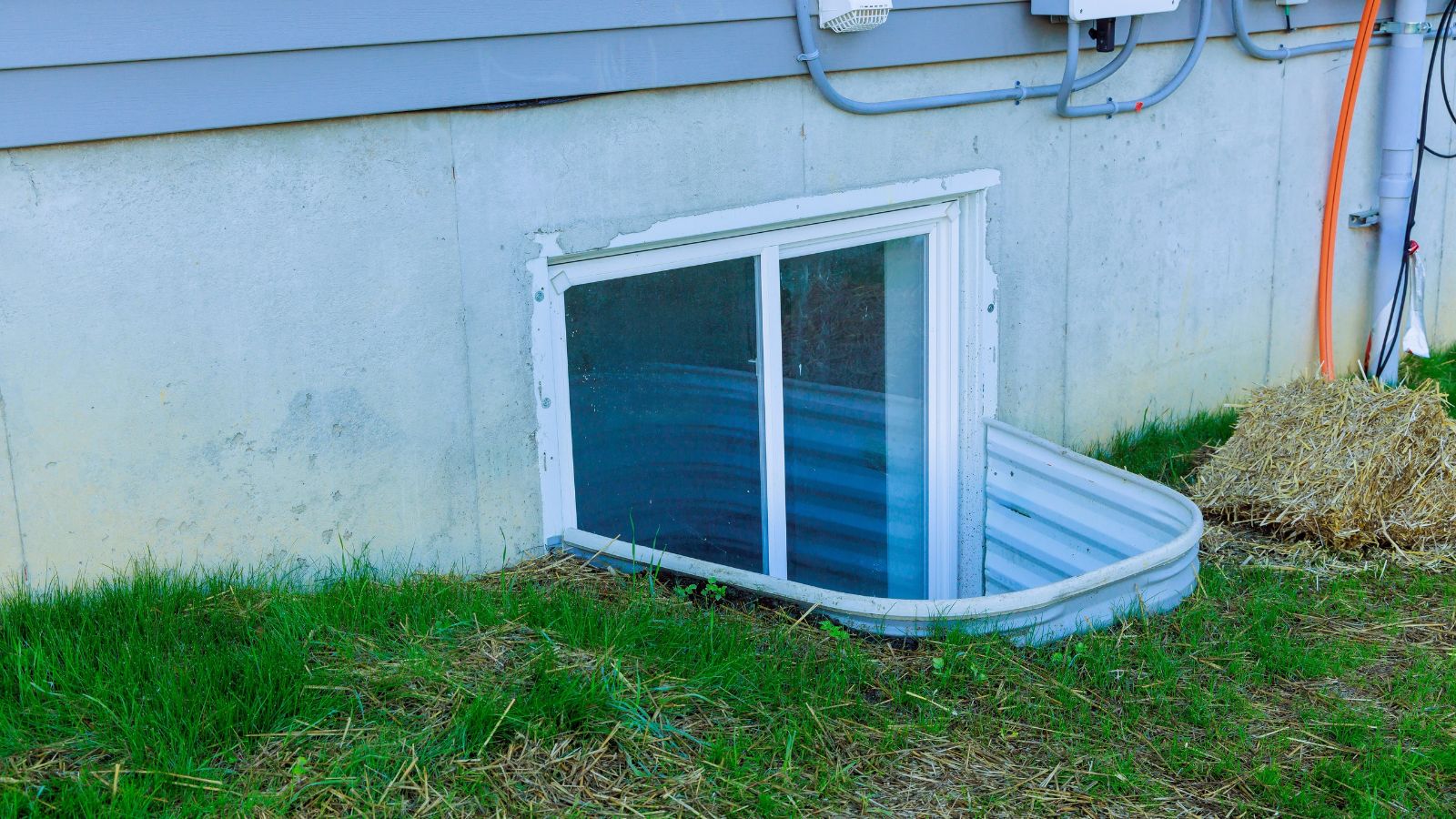
Basement windows are often several feet below surrounding ground level, which means poorly maintained window wells can behave like collection basins. Leaves can clog drains, soil can build up, covers can crack and winter snow can accumulate until melting water has nowhere to escape. Federal flood guidance specifically identifies basement-window maintenance as a way to prevent water from entering and damaging both the basement and foundation.
Seasonal maintenance matters as much as installation. Government winter guidance recommends removing snow and ice from window wells and, where possible, moving cleared snow roughly 1 to 1.5 metres away from the foundation. That advice becomes particularly relevant during a rapid thaw followed by rain, when frozen or saturated ground may absorb little additional water. Rust marks, standing water inside a window well, deteriorated seals or evidence that water has previously touched the glass deserve attention. A finished basement can contain thousands of dollars in flooring, furniture and electronics, making one neglected window well an unexpectedly expensive weak point.
The Sump Pump Has No Independent Backup
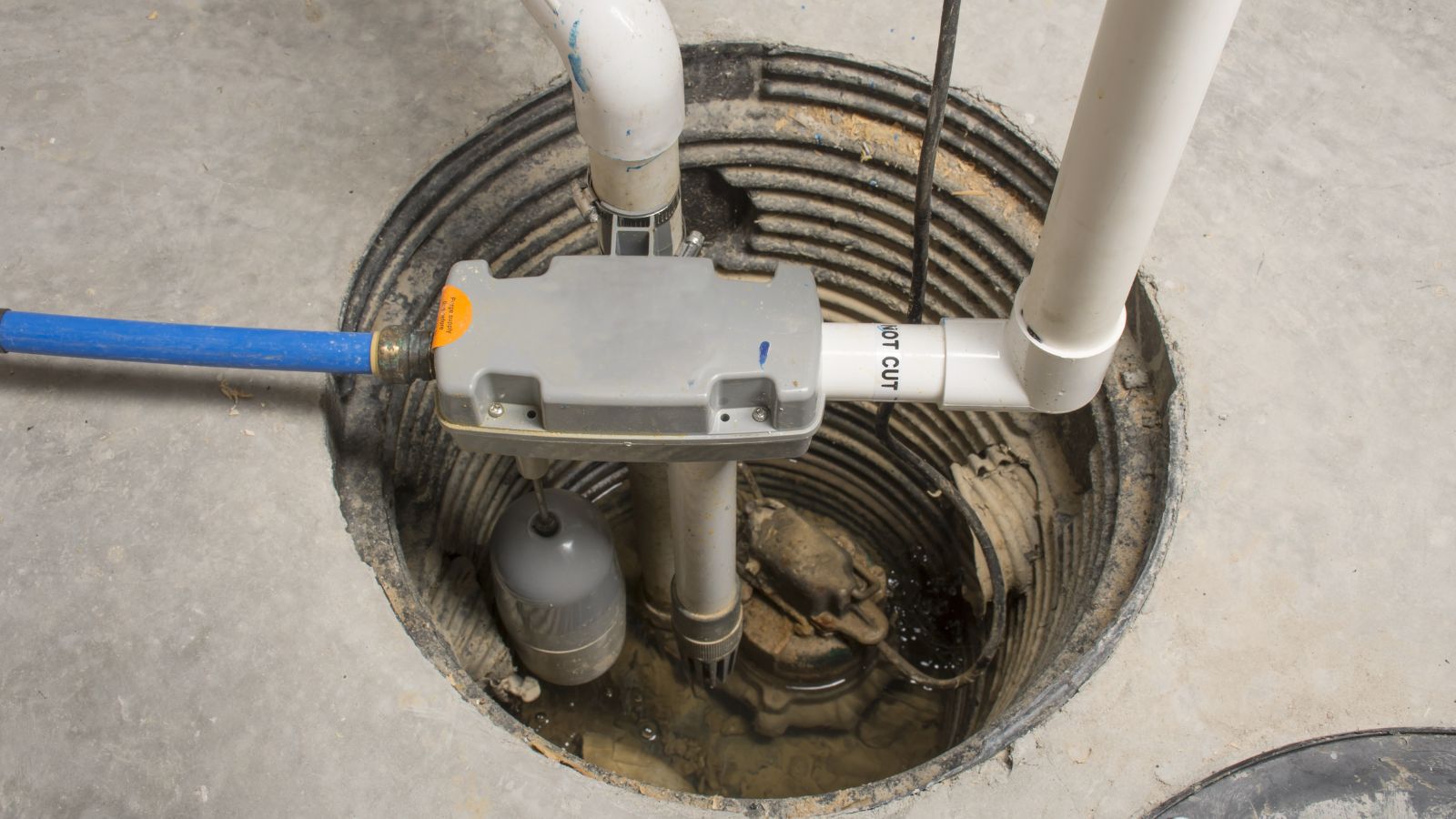
A sump pump may offer a reassuring hum during heavy rain, but there is an obvious weakness if it relies entirely on household electricity. Storms capable of overwhelming drainage systems are also capable of knocking out electrical service. The Government of Canada warns that a sump pump will not operate without power and recommends an alternate power source along with a backup pump capable of taking over when the primary unit fails.
That creates a simple readiness test: what happens to the basement if the electricity disappears for eight hours while the rain keeps falling? A second pump connected to the same electrical source does not solve that problem. Federal guidance notes that battery-powered backup pumps are common, while generator-powered arrangements are another option when properly designed. Homeowners should also test pumps periodically and consider high-water alarms. A basement that has stayed dry for a decade can create false confidence; the real question is whether the protective system will still work during the combination of heavy water flow and power failure that severe storms can produce.
There Is No Protection Against Sewer Backflow
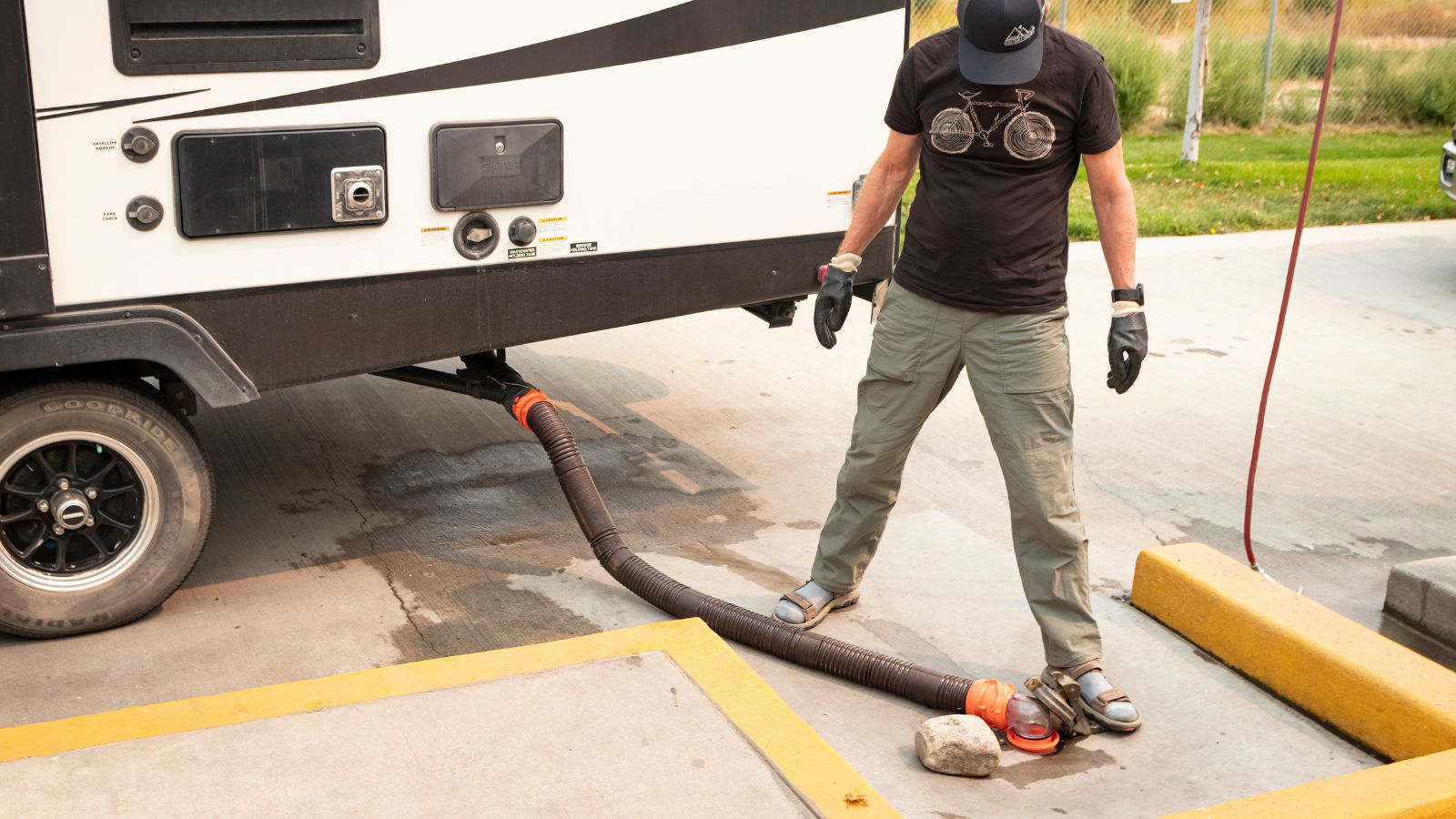
Water does not always enter a basement through cracks or windows. During intense rainfall, overloaded drainage infrastructure can create conditions in which wastewater moves backward toward a home. A backwater valve is designed to reduce that risk. The Government of Canada describes it as a one-way device that normally allows household wastewater to leave but closes when backflow is detected.
The financial implications make this more than a plumbing detail. Federal guidance states that the average cost of repairing a flooded basement is more than $40,000, while insurance coverage for sewer backup often requires specific optional protection rather than being automatically included in every policy. A homeowner who does not know whether a backwater valve exists may want a plumber to inspect the system, particularly in an older property or an area with a history of sewer problems. Where a valve is already installed, maintenance also matters because moving parts and access points need to remain functional. Storm readiness becomes considerably weaker when the sewer line has an unobstructed path back into the house.
Mature Trees Have Not Been Inspected in Years
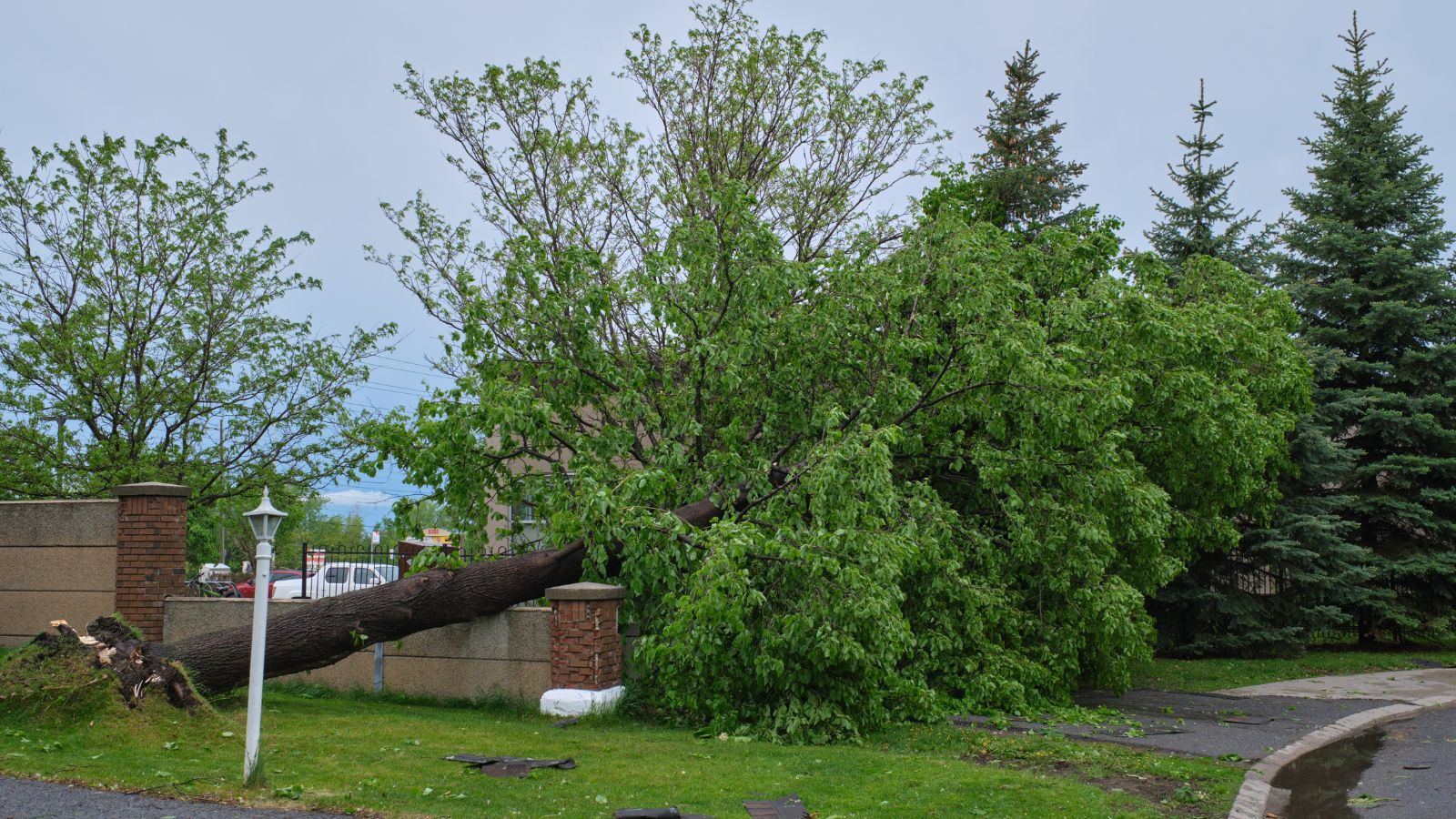
Large trees can be one of a property’s most attractive features until a storm reveals a dead limb, weakened trunk or unstable root system. Canada’s recent severe-weather history offers vivid examples. During major Ontario and Quebec ice storms in 2025, Environment and Climate Change Canada reported widespread tree damage, downed power infrastructure and branches collapsing onto homes and vehicles.
Insurance may address the resulting structural damage, but prevention remains preferable. Insurance Bureau of Canada guidance recommends having qualified professionals inspect trees showing disease, damage or other warning signs and dealing with hazardous trees early. Homeowners should pay particular attention to dead branches over roofs, trunks with significant decay, newly leaning trees and large limbs extending toward service lines. That does not mean removing every tree close to a house; healthy trees provide valuable shade and environmental benefits. The warning sign is neglect. If no one has assessed a large, aging tree for years, the next wind or ice event may effectively perform the inspection in the most destructive way possible.
Patio Furniture and Yard Equipment Have Nowhere Secure to Go

A calm backyard can contain an impressive inventory of potential projectiles: chairs, umbrellas, planters, recycling bins, children’s toys, tools and lightweight barbecues. Environment and Climate Change Canada warns that strong thunderstorm winds can turn loose objects into dangerous airborne debris. Federal thunderstorm guidance specifically recommends securing or putting away outdoor furniture and garbage containers when strong winds are forecast.
The concern is not limited to tornadoes. Environment Canada notes that straight-line thunderstorm winds can be among the most destructive wind events, sometimes producing tornado-like effects. A loose object does not need to travel far to break a window, damage siding or injure someone nearby. Storm-ready homes therefore need a realistic storage plan, not just good intentions once a warning appears. If a shed is already full or patio furniture requires a complicated disassembly process, preparation may be delayed until winds are already increasing. Creating a designated sheltered area and keeping tie-down equipment accessible can make the difference between a ten-minute precaution and a frantic scramble outside.
Large Windows, Skylights or Doors Have No Impact Protection

Modern homes often use expansive areas of glass, which can become vulnerable during hail or wind-driven debris events. Federal hailstorm guidance recommends considering window safety films, impact-resistant storm shutters and other protective measures for windows, skylights and doors. It also advises people to stay away from those openings during a hailstorm because broken glass can create an additional injury hazard.
Canada’s alert system illustrates just how extreme severe hail can become. Environment and Climate Change Canada’s current Alert Ready criteria include severe thunderstorms producing baseball-sized hail of about seven centimetres, alongside exceptionally damaging wind thresholds. Most storms will never approach that level, but weaker hail can still damage exterior materials. Existing chips, cracked panes, deteriorated frames and poorly sealing doors make the building envelope more vulnerable before the first stone falls. Homes in hail-prone regions may benefit from discussing resilient roofing, siding and glazing options during planned renovations rather than waiting until storm damage forces replacement on an emergency timetable.
The Household Could Not Function for 72 Hours Without Services

Storm preparedness becomes much more demanding when power, water, internet or road access disappears at the same time. The Government of Canada recommends that households be prepared to remain self-sufficient for at least 72 hours. An emergency kit should be portable, easy to reach and familiar to everyone in the home rather than scattered across cupboards, garages and basement shelves.
Water is particularly important. Health Canada recommends planning for about two litres of drinking water per person per day, alongside non-perishable food and a manual can opener. Medication, flashlights, batteries, power banks, basic first-aid supplies, copies of important information and necessities for children or pets may also need to be included. The simplest test is practical: could everyone find the kit in darkness, and does it still contain usable batteries, current medication and unexpired food? A collection of emergency products purchased years ago is not necessarily an emergency plan. Storm readiness depends on supplies being organized, maintained and actually accessible when normal household systems stop working.
Nobody in the House Regularly Checks Official Weather Alerts

Physical improvements cannot protect a home effectively if occupants learn about severe weather only when the wind starts shaking the windows. Environment and Climate Change Canada now uses colour-coded alerts designed to communicate potential impacts as well as the hazard itself. Yellow, orange and red indicate increasing levels of expected disruption and danger, while warnings, advisories and watches continue to describe how immediately people need to act.
Timing can vary dramatically. Federal guidance says many warnings are issued roughly six to 24 hours ahead, yet fast-developing hazards such as tornadoes may provide less than 30 minutes of notice. WeatherCAN can send official alerts for selected locations, while Alert Ready delivers certain critical warnings through compatible phones and broadcasters. A storm-ready household should therefore know where alerts will come from and what actions correspond to them. If notifications are disabled, phones are routinely left uncharged or nobody understands the difference between a watch and warning, valuable preparation time can disappear before anyone realizes the situation has become serious.
A Generator Exists, but Nobody Has Planned How to Use It Safely

Buying a portable generator is not the same as having a safe backup-power system. Carbon monoxide can accumulate when fuel-burning equipment is operated too close to buildings or in enclosed spaces. Health Canada explicitly says portable fuel-burning generators should never operate inside a home, garage or shed and recommends positioning them at least six metres, or 20 feet, from any building while directing exhaust away from doors and windows.
That guidance matters because generators often come out during the worst possible conditions: darkness, cold, rain and a widespread outage. Those circumstances encourage shortcuts. Extension cords may be inadequate, fuel may be stored poorly, or someone may place the generator inside a garage to protect it from weather. A safer plan identifies the operating location in advance, keeps appropriate equipment available and ensures household members understand carbon-monoxide risks. Health Canada also recommends regular professional inspection of fuel-burning appliances. Backup power should reduce the danger created by a storm, not introduce an invisible hazard while the household is already dealing with an emergency.
Electronics Have No Plan for Lightning or Power Surges

Storm damage is not always visible from the street. A thunderstorm can leave the roof intact while creating problems for televisions, computers, networking equipment or other electronics connected to household power. Government of Canada thunderstorm guidance specifically advises unplugging appliances to protect them from power surges when severe weather threatens.
That recommendation is easy to overlook in homes where nearly everything stays permanently connected. Routers, entertainment systems, chargers and office equipment may remain plugged in even when a storm warning gives occupants time to prepare. Whole-home or point-of-use surge protection can also be discussed with a qualified electrician, particularly where valuable electronics or home-office equipment are involved. The practical sign of poor readiness is not simply the absence of a particular device; it is the absence of any procedure. If nobody knows which sensitive equipment should be disconnected, important files are not backed up and phones or power banks are already low when an outage begins, a manageable thunderstorm can quickly create communication and work problems inside the home.
Smoke and Carbon-Monoxide Alarms Depend on Household Power Alone
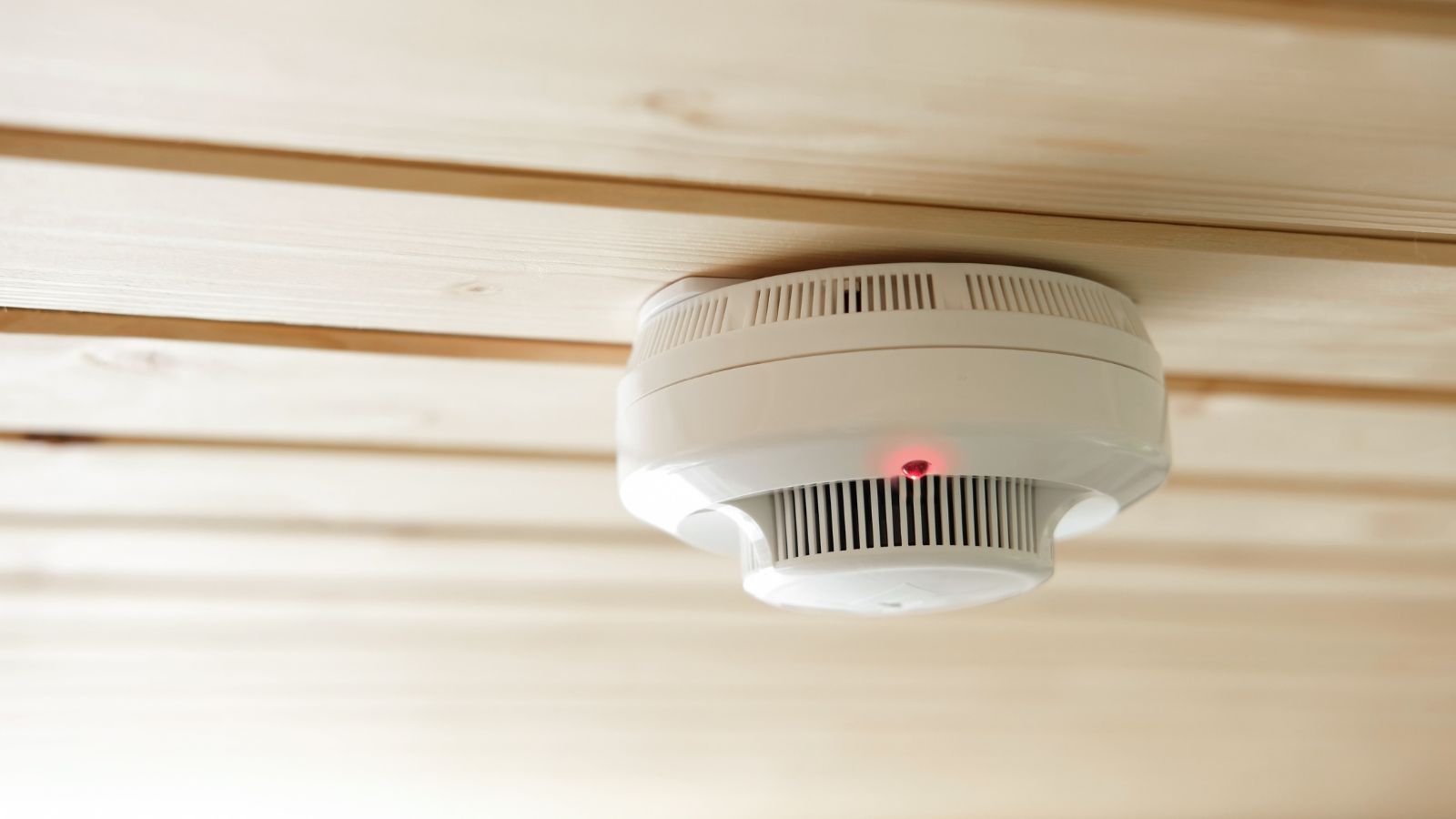
A severe storm can change how a home is used. Portable generators appear, fireplaces may run longer, heating systems work under unusual conditions and electricity can disappear for extended periods. That makes functioning smoke and carbon-monoxide alarms particularly important. Federal hail-preparedness guidance specifically recommends working carbon-monoxide alarms and smoke detectors with battery backup.
The warning sign is often mundane: an alarm was disconnected after nuisance beeping, batteries have not been changed, or nobody remembers when the devices were last tested. A detector that appears normal during everyday life may become useless during an outage if its backup battery is missing or dead. Carbon monoxide deserves particular attention because it cannot be reliably detected by sight or smell. Generator and combustion-equipment safety therefore needs to work together with alarm maintenance. Before storm season, household members should confirm that alarms operate correctly, follow manufacturer replacement instructions and understand what to do when an alarm sounds. One of the least expensive pieces of storm preparation may also be among the most important.
Snow and Ice Routinely Build Up Around the Roof and Foundation
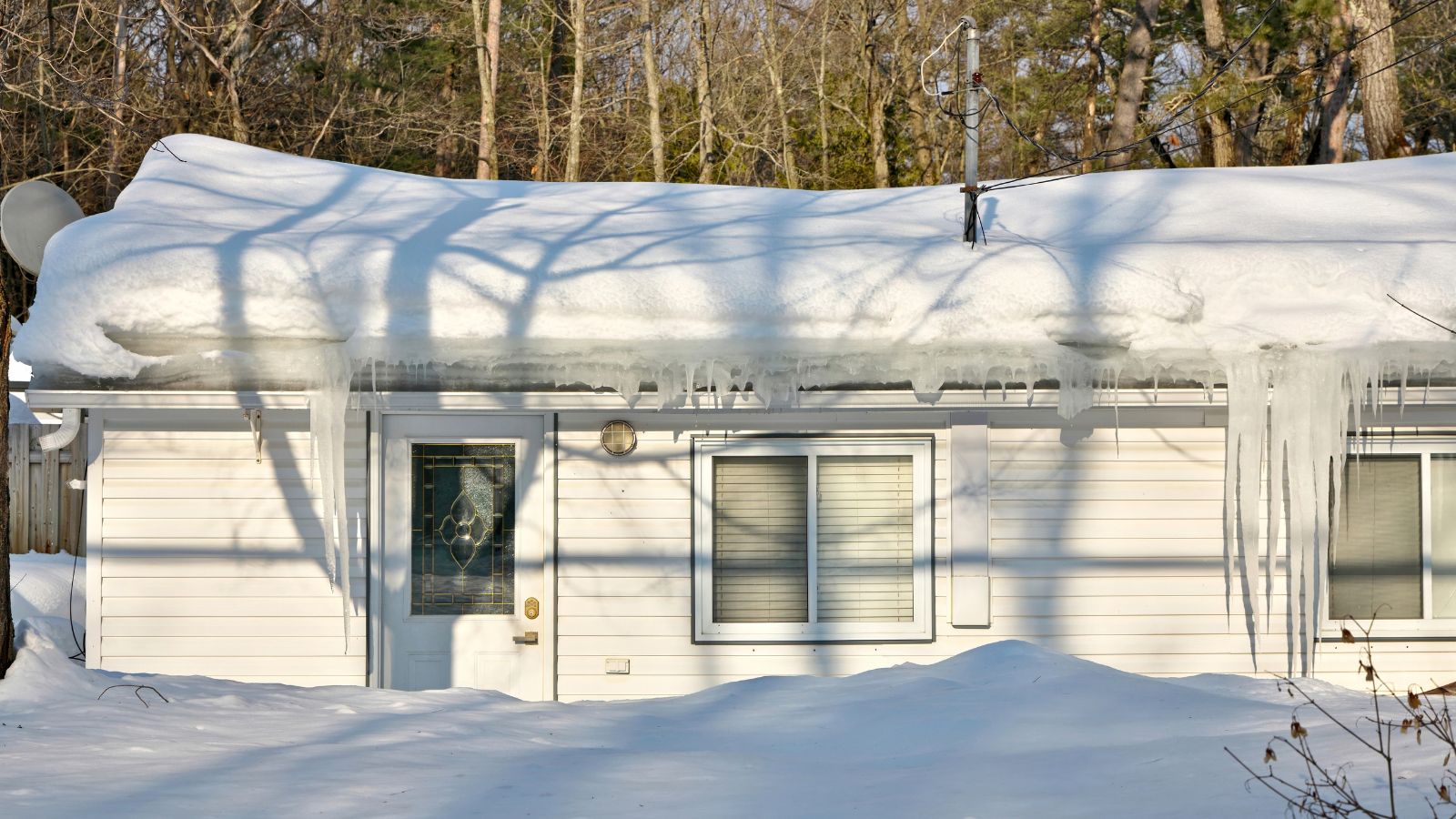
Storm season does not end when summer thunderstorms disappear. Canadian homes can face freeze-thaw cycles, heavy snow, ice and rain in combinations that test roofs and drainage systems differently. Government guidance recommends clearing snow and ice around foundations, downspouts and window wells and keeping snow away from vents. Where practical, snow should be moved approximately one to 1.5 metres from the foundation to reduce the amount of meltwater collecting directly beside the building.
Ice dams are another warning sign. They can form along roof edges and interfere with normal drainage, allowing water to work beneath roofing materials. Insurance Bureau of Canada notes that sudden and accidental damage from ice dams may be covered under some policies, but repeated or long-term problems can be treated as maintenance issues, and coverage varies. Recurring icicles, attic frost, stains near exterior walls or previous ice-dam leaks deserve investigation. A house that repeatedly develops the same winter problem is signalling that insulation, ventilation, drainage or roof conditions may need attention.
Insurance Coverage Has Not Been Reviewed Since the Home Was Purchased

A home can be physically prepared and still carry a significant financial vulnerability. The Financial Consumer Agency of Canada notes that home insurance may cover risks such as wind, hail and some forms of water damage, but flood and sewer-backup protection may require additional coverage. It also makes an important distinction between sudden insured events and maintenance: damage caused by poor ongoing maintenance may not be covered.
Flood risk deserves particular attention. Federal guidance says floods are Canada’s most common and costly natural hazard, account for roughly half of home-insurance claims, and can leave an average flooded-basement repair bill exceeding $40,000. Overland-flood coverage is not necessarily included automatically or available on identical terms everywhere. Households should also maintain an inventory of possessions and their approximate values; federal flood guidance recommends doing so to support potential insurance claims and moving valuable or irreplaceable belongings away from high-risk basement areas. If policy limits, deductibles, exclusions and endorsements are unfamiliar, storm readiness still has one important unfinished task.
16 Costco Canada Habits That Could Be Costing Shoppers More Than They Save

The Executive Membership can feel like an obvious upgrade because the 2% annual reward sounds straightforward. For households that spend heavily at Costco Canada, the extra fee may be easy to justify. But the habit becomes costly when shoppers upgrade first and calculate later. A Gold Star Membership costs less, while Executive costs more and only pays off if eligible annual spending is high enough to offset the difference.
16 Costco Canada Habits That Could Be Costing Shoppers More Than They Save
