
Weather has always shaped household budgets in Canada, but the financial consequences are becoming harder to dismiss as occasional bad luck. Severe storms, floods, wildfire smoke, heat waves, hail and prolonged outages can create expenses long before a major insurance claim is filed. In 2025 alone, severe weather caused more than $2.4 billion in insured damage across Canada, after record-setting losses the previous year.
For households, the growing concern is not one spectacular repair bill but the accumulation of smaller costs: insurance changes, preventive upgrades, cooling, drainage, emergency supplies and routine maintenance. These 22 weather-related costs show how preparedness is increasingly becoming part of ordinary financial planning rather than something considered only after a disaster.
Home Insurance Premiums and Bigger Deductibles

Home insurance is increasingly being viewed as a weather expense rather than merely another annual bill. Canadian insurers have faced a sharp rise in claims from hail, wildfire, flooding and wind. Severe-weather insured losses exceeded $2.4 billion in 2025, while 2024 produced a record $8.5 billion. Over the decade ending in 2025, insured catastrophic losses were dramatically higher than during the previous ten-year period.
That does not mean every household experiences the same increase. Premiums reflect location, construction, claims history, coverage and many other factors. Still, heavier claims costs create pressure throughout the insurance system. A family renewing a policy may encounter a higher premium, a larger deductible or different terms for certain weather risks. That makes the renewal package worth reading rather than automatically filing away. Even a modest annual increase can become meaningful when combined with higher mortgage payments, property taxes and everyday maintenance expenses.
Optional Flood and Sewer-Backup Coverage
One uncomfortable discovery often comes too late: a standard home policy does not necessarily cover every type of water entering a house. Overland flooding and sewer backup are commonly handled through optional coverage, with availability, limits, deductibles and terminology varying among insurers. Flood risk can also influence whether coverage is offered and how much a household must pay for it.
For households near rivers, low-lying streets or neighbourhoods with overwhelmed drainage systems, those additions have become more relevant. The expense is not simply the extra premium. There is also a budgeting decision around deductibles and coverage limits. A lower-priced policy may leave substantially more financial responsibility with the homeowner after a loss. Renters also have reason to check their policies because flooding can damage possessions or force temporary relocation. Insurance remains highly contract-specific, making a detailed conversation with a licensed representative more valuable than assuming “water damage” means every possible source of water is insured.
Recovering From a Basement Flood
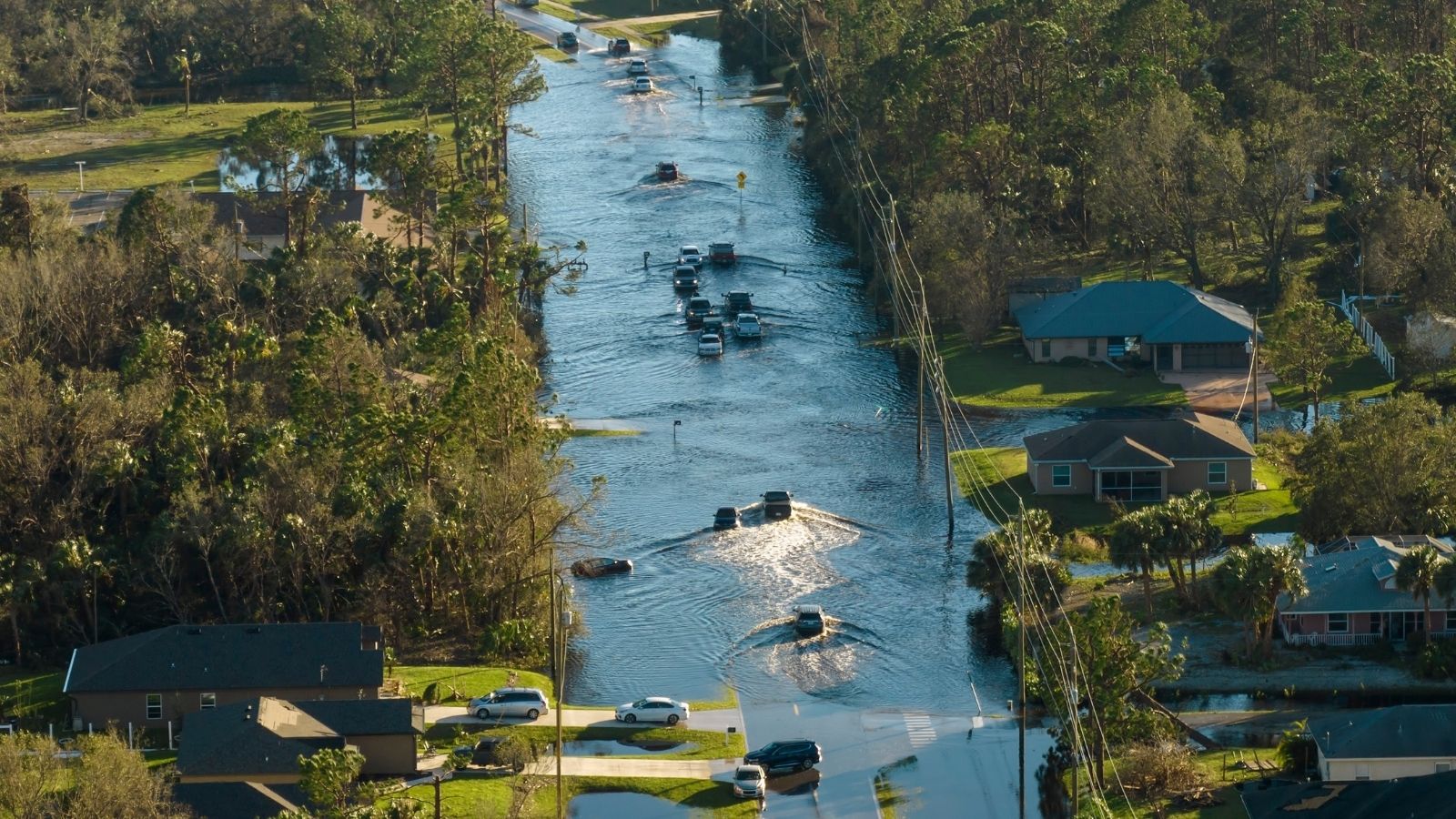
Few household expenses expand as quickly as a flooded basement. Water can reach flooring, drywall, insulation, electrical systems, furnaces, stored belongings and finished living areas within hours. The Intact Centre on Climate Adaptation has estimated that even relatively straightforward basement floods can average about $43,000 in damage, illustrating why prevention is receiving far more attention than it once did.
The visible cleanup can also understate the final bill. Wet materials may need to be removed, rooms dried and disinfected, electrical equipment inspected and damaged finishes rebuilt. Insurance deductibles and coverage limits can leave part of those costs with the household, while uninsured flooding can leave far more. Federal adaptation information also points to the broader scale of the issue: residential flooding generates billions of dollars in estimated annual losses nationally. For a household that once regarded basement water as an inconvenient puddle, one serious storm can completely change the way drainage and flood protection are budgeted.
Sump Pumps, Backwater Valves and Battery Backups
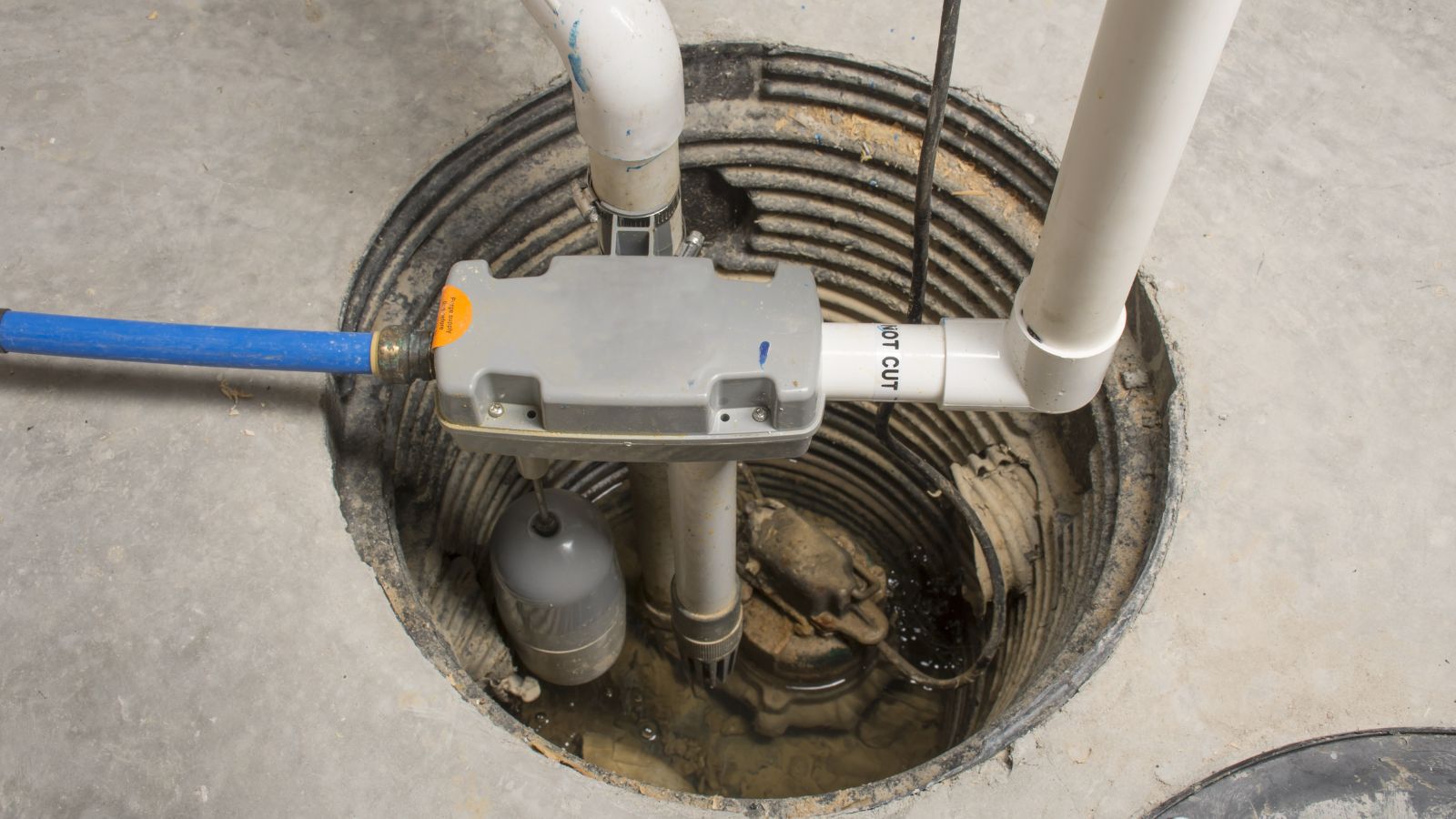
Flood protection increasingly looks like a small household infrastructure project. Sump pumps move groundwater away from foundations, while backwater valves can help prevent sewage from flowing backward into a basement. Neither device is glamorous, and installation may involve plumbers, electricians or alterations to existing drainage. Yet households in flood-prone areas are increasingly comparing those costs with the potential price of a single basement loss.
Municipal programs illustrate how substantial the investment can become. Toronto expanded its Basement Flooding Protection Subsidy Program in 2026, allowing eligible properties to receive as much as $6,650 toward approved measures. Eligible categories include plumbing assessments, backwater valves, sump pumps and battery backup systems. The city specifically increased support as market and installation costs had risen. A battery backup deserves particular attention because the worst time for a sump pump to lose electricity is during a storm that has already saturated the ground. Prevention therefore carries both an upfront price and an ongoing maintenance responsibility.
Hail-Resistant Roofing and Exterior Repairs
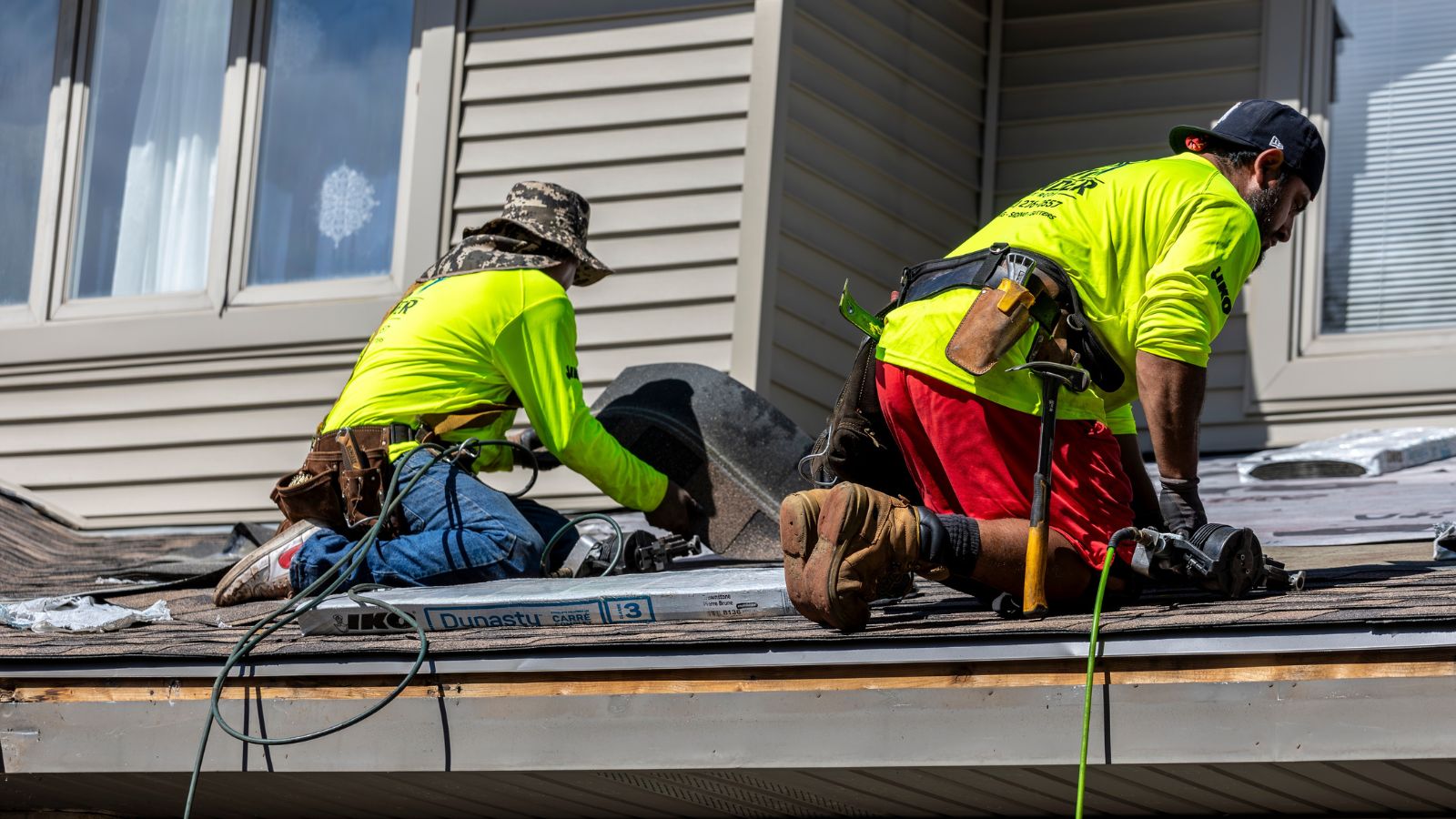
A roof may look perfectly ordinary until a severe hailstorm tests every shingle. Large hail can crack roofing materials, damage siding, break skylights and windows, dent flashing and create openings where water later enters. Alberta has provided particularly dramatic examples. The August 2024 Calgary hailstorm generated more than 130,000 insurance claims and ultimately exceeded $3 billion in insured damage according to updated industry estimates.
That experience is changing how some households think about roof replacement. Instead of choosing solely by initial price, owners in hail-prone regions may compare impact-resistant shingles, stronger siding or other resilient materials. Insurance Bureau of Canada information indicates that some insurers offer meaningful premium incentives for qualifying hail-resistant materials in high-risk locations. Even without a discount, resilience can matter because a cheaper roof that repeatedly suffers storm damage may prove expensive over its lifespan. The calculation becomes less about buying the toughest possible product everywhere and more about matching materials to the actual hazards facing a particular property.
Eavestroughs, Downspouts and Better Drainage
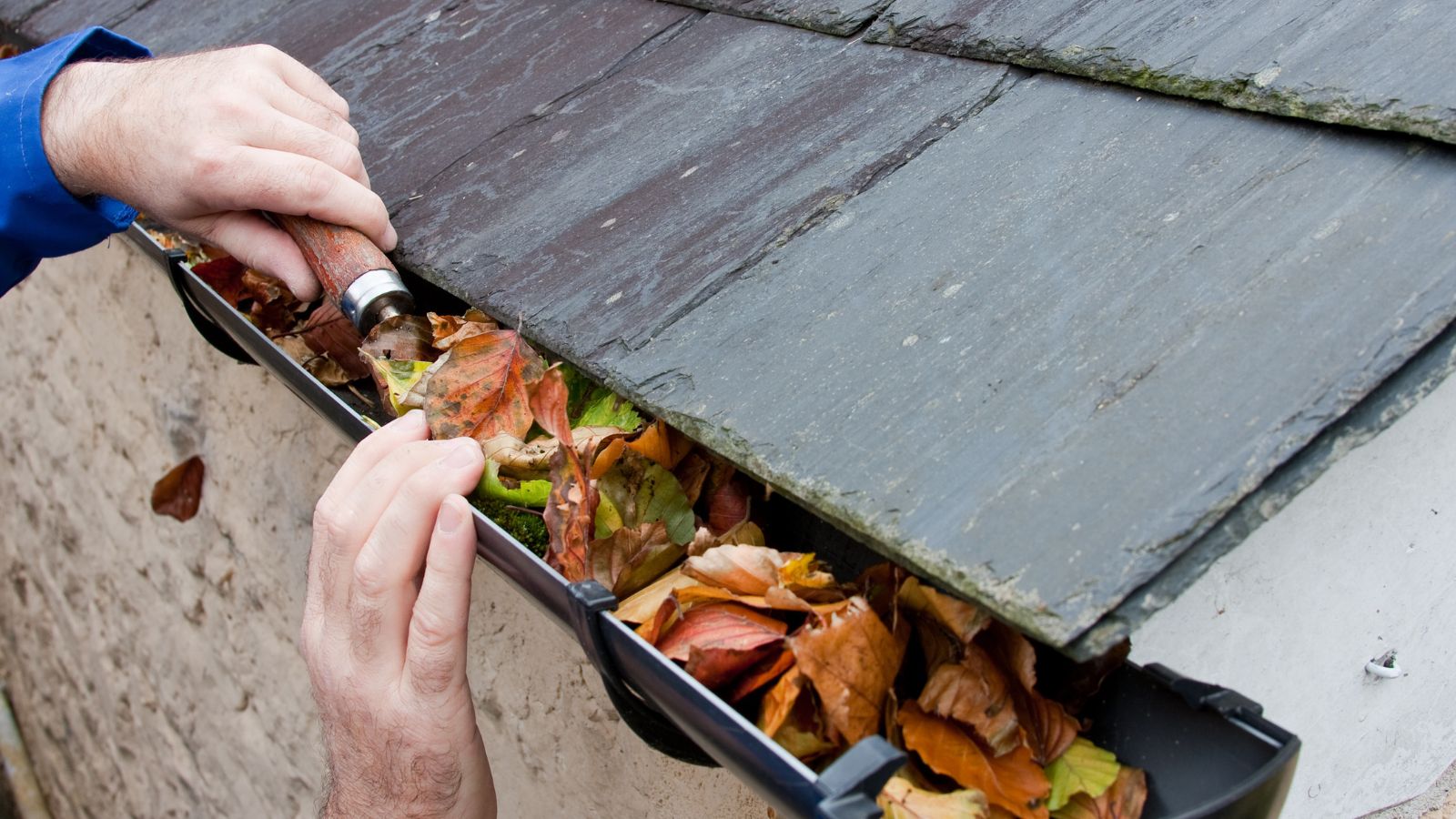
Water does not need to rise from a river to damage a basement. Sometimes the problem begins with an overflowing eavestrough, a short downspout or soil that slopes toward the foundation. Heavy rainfall can concentrate surprisingly large quantities of water around a house, which is why routine drainage work is taking on greater financial importance in places experiencing intense downpours.
Federal flood-preparedness guidance recommends keeping eavestroughs and downspouts working properly, directing water away from foundations and maintaining grading that encourages drainage away from buildings. More extensive properties may benefit from measures such as French drains, trench drains, rain gardens or permeable surfaces. Some solutions are inexpensive DIY jobs; others require excavation or landscaping contractors. Flood-wise landscaping can also provide useful capacity: federal guidance notes that a properly designed rain garden can absorb substantially more water than an equivalent area of conventional lawn. What once looked like landscaping maintenance can therefore function as practical flood protection.
Tree Pruning and Hazardous-Tree Removal
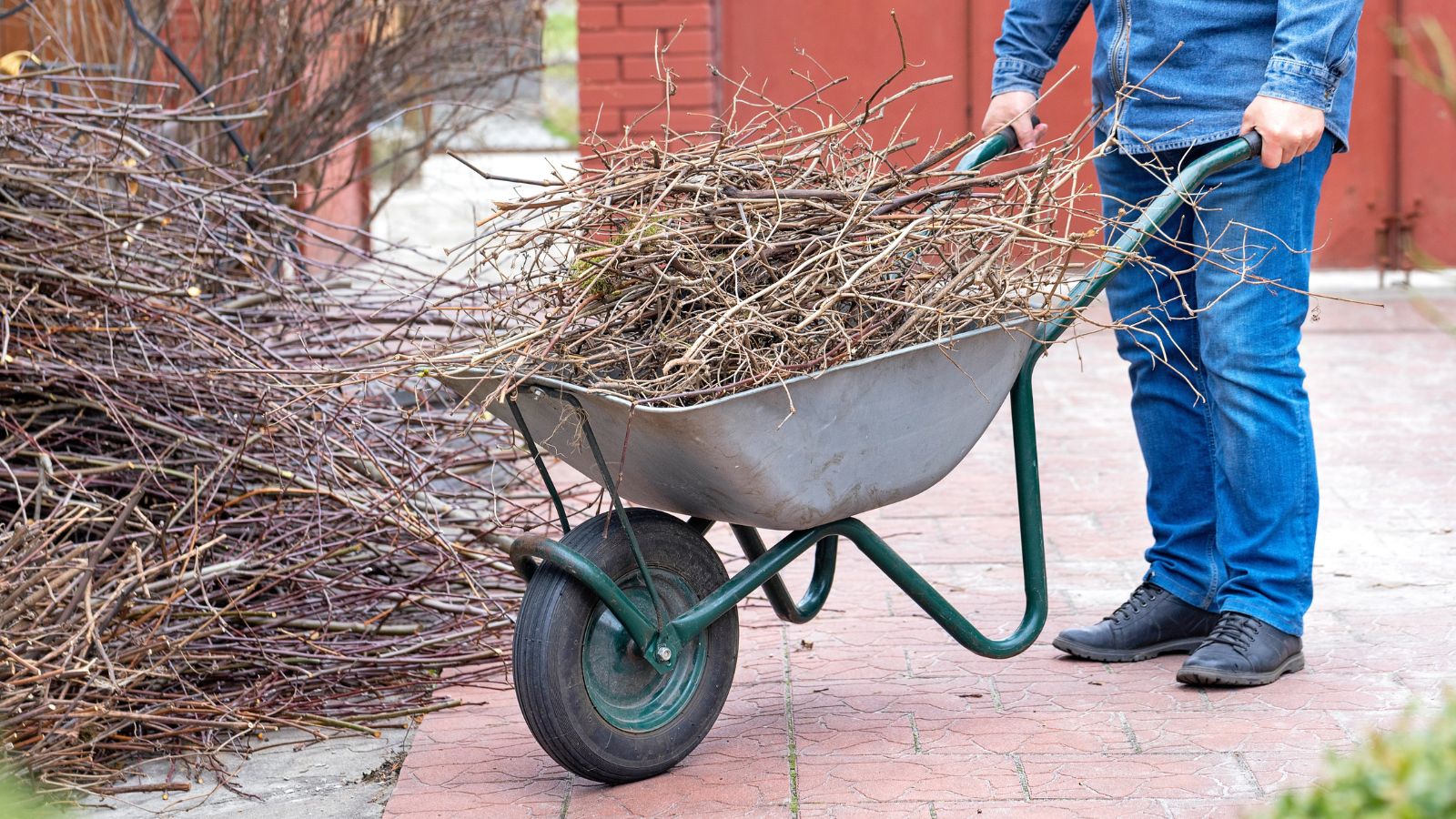
Large mature trees add shade and character, but storms can turn neglected limbs into expensive hazards. Strong winds, freezing rain and heavy wet snow can break branches or topple weakened trees onto roofs, fences, sheds, vehicles or utility lines. Preventive pruning is therefore becoming another weather-related maintenance cost for households with established trees close to buildings.
Insurance may respond when an insured wind event causes a tree or branch to damage a home, but that does not make routine tree maintenance an insurance expense. Homeowners remain responsible for ordinary upkeep, including addressing obviously dangerous limbs and declining trees. Professional arborist work can be particularly important where branches overhang a roof or approach electrical lines. The cost can feel discretionary in calm weather, which makes it easy to postpone. After a major windstorm, however, the value calculation looks different. Paying periodically to assess and prune vulnerable trees can be easier to absorb than dealing with emergency removal, structural repairs and a blocked driveway simultaneously.
Backup Power and Generator Equipment
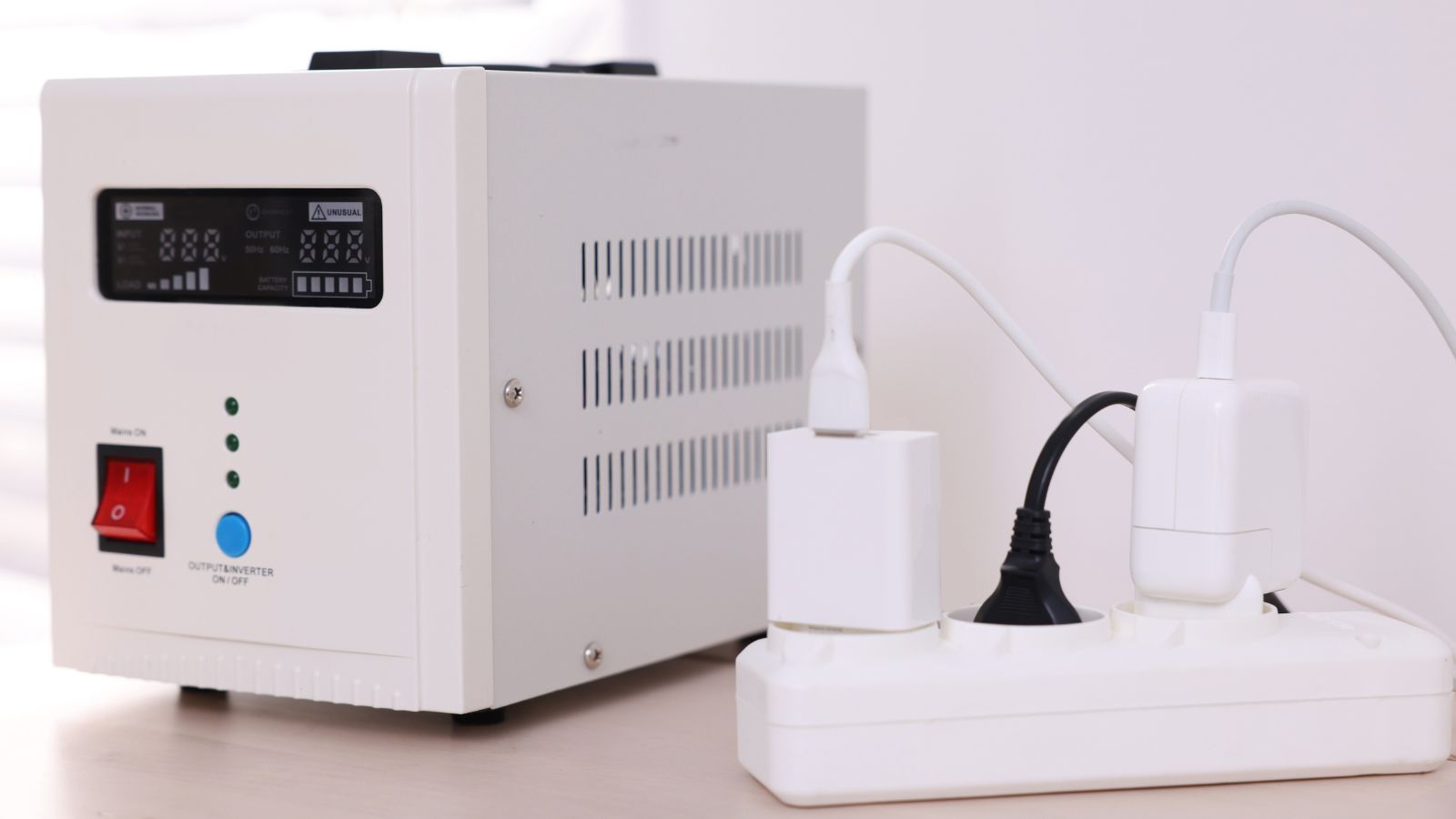
An extended outage can quickly become more expensive than a few candles and an evening without television. Refrigeration stops, sump pumps may fail, electronic devices run down and electrically powered heating or cooling can become unavailable. As severe weather places households at greater risk of interruptions, backup electricity is becoming part of preparedness discussions.
Options range from portable battery stations and power banks to fuel-powered generators and permanently installed standby systems. The total expense may include more than the machine itself: appropriate electrical connections, transfer equipment, fuel, maintenance and safe storage can all matter. Federal safety guidance says portable fuel-burning generators should be operated outdoors and at least six metres, or roughly 20 feet, from buildings because of carbon-monoxide risk. Utilities also encourage households to prepare for outages lasting several days. A backup-power purchase therefore requires both budgeting and planning; improperly installed or operated equipment can create a new hazard while trying to solve the original one.
Food Lost During a Long Power Outage

A full refrigerator and freezer can represent hundreds of dollars in groceries, making food spoilage one of the most relatable costs of an extended outage. Health Canada advises that an unopened refrigerator will generally keep food cold for about four hours. A full freezer can maintain temperature for roughly 48 hours, while a half-full freezer lasts closer to 24 hours.
Those timelines suddenly matter when storm damage leaves a neighbourhood without power overnight or for several days. Families may need to discard meat, dairy products, prepared meals and other perishables even when the appliances themselves remain undamaged. Some insurance policies may provide limited food-spoilage coverage, but deductibles and policy conditions can affect whether making a claim is worthwhile. Households can reduce losses by keeping refrigerator and freezer doors closed, maintaining thermometers and planning how food will be handled during an outage. The broader lesson is that weather-related losses are not limited to buildings; sometimes they disappear one grocery bag at a time.
The Electricity Needed for Extreme-Heat Cooling

Air conditioning was once considered optional in many Canadian homes. Repeated episodes of dangerous heat have changed that conversation, particularly for seniors and people with medical vulnerabilities. Health Canada now recommends an indoor temperature limit of 26°C for adults aged 60 and older during extreme heat and identifies temperatures above 31°C as potentially dangerous for vulnerable populations.
Comfort and health protection, however, come with an energy bill. Central air conditioners, window units and portable systems can run for long periods during heat waves, precisely when electricity demand across the grid is elevated. A household that historically spent little on summer cooling may therefore notice a new seasonal peak in utility costs. The expense is not necessarily avoidable, especially where safe indoor temperatures are concerned. Instead, households are paying more attention to efficiency: closing blinds, reducing heat gain, maintaining equipment and cooling occupied areas effectively. Summer electricity is increasingly becoming as deliberate a budget consideration as winter heating.
Heat Pumps and HVAC Upgrades

For some households, the response to hotter summers and heating costs is a larger capital investment: replacing or supplementing existing HVAC equipment. Modern heat pumps can provide both heating and cooling, and cold-climate models are designed to operate at temperatures far below freezing. Natural Resources Canada notes that certain cold-climate systems can operate at temperatures around -30°C.
The equipment can still represent a significant household project. Costs may involve the heat pump itself, installation, electrical upgrades, ductwork changes and ongoing maintenance. Whether the economics work depends heavily on the building, existing heating fuel, electricity prices, climate zone and system design. Federal information has shown that households switching from oil heating to cold-climate heat pumps can achieve substantial annual energy savings in suitable circumstances, which helps explain government incentive programs. The important budgeting shift is that heating and cooling are increasingly being considered together. A replacement furnace or aging air conditioner is no longer always evaluated as an isolated appliance decision.
Air Purifiers and Wildfire-Smoke Filters

Wildfire smoke has created a household cost that barely registered for many Canadians a decade ago: maintaining cleaner indoor air. Fine particles from smoke can infiltrate homes even when windows are closed. Health Canada recommends properly sized portable air cleaners and higher-efficiency HVAC filtration as useful measures for reducing indoor particulate concentrations during smoke events.
The recurring expense matters. Portable units consume electricity, and their filters eventually need replacement. Health Canada warns that wildfire smoke can load filters quickly, meaning replacement may be required more frequently during prolonged smoky conditions. Homes using central forced-air systems may also need to determine whether their equipment can accommodate higher-efficiency filters, commonly around MERV 13 or better, without compromising airflow. For a household with several bedrooms or multiple floors, one purifier may not be enough. What starts as a single appliance purchase can therefore turn into a seasonal supply cost involving replacement filters, maintenance and power—similar to the way furnace filters already appear on many household maintenance lists.
FireSmart Landscaping and Vegetation Removal

In communities exposed to wildfire, the yard itself is increasingly treated as part of the home’s protective system. FireSmart Canada promotes measures designed to reduce the likelihood that flames, embers or radiant heat will ignite buildings. That can mean removing combustible vegetation, clearing accumulated debris, pruning trees and rethinking what is planted immediately around a house.
Some work is inexpensive and labour-intensive rather than costly: cleaning gutters, removing dead material and keeping combustible items away from structures. Larger properties may require professional tree work, vegetation thinning or replacement landscaping. Parks Canada’s FireSmart demonstrations show how treatment becomes more selective farther from a structure, with the area immediately beside buildings receiving particularly careful attention. These measures do not guarantee that a home will survive a wildfire, but they can reduce vulnerability. For households in fire-prone communities, landscaping decisions are consequently being judged not only by appearance, shade and resale value but also by how much combustible material sits close to the building.
Stronger Windows, Shutters and Protective Film

Windows are vulnerable points during hail and windstorms. Large hailstones can break glass, while strong winds can propel branches and debris against windows and doors. Federal and insurance-industry preparedness guidance therefore includes options such as impact-resistant windows, storm shutters and protective safety film for households facing elevated severe-weather risk.
The price varies enormously depending on the approach. Applying safety film to selected windows is very different from replacing every window with a higher-performance product or installing permanent shutters. Yet replacement can have benefits beyond storm protection. Natural Resources Canada estimates that windows, doors and skylights can account for as much as 35% of heat loss in a typical home, meaning an upgrade may also affect comfort and energy efficiency. That allows some households to treat resilience as part of an already-planned renovation rather than a standalone storm expense. The key is avoiding expensive upgrades that do not match local hazards while giving vulnerable openings more attention where hail or damaging winds are recurring concerns.
Ice Dams and Heavy Snow on the Roof
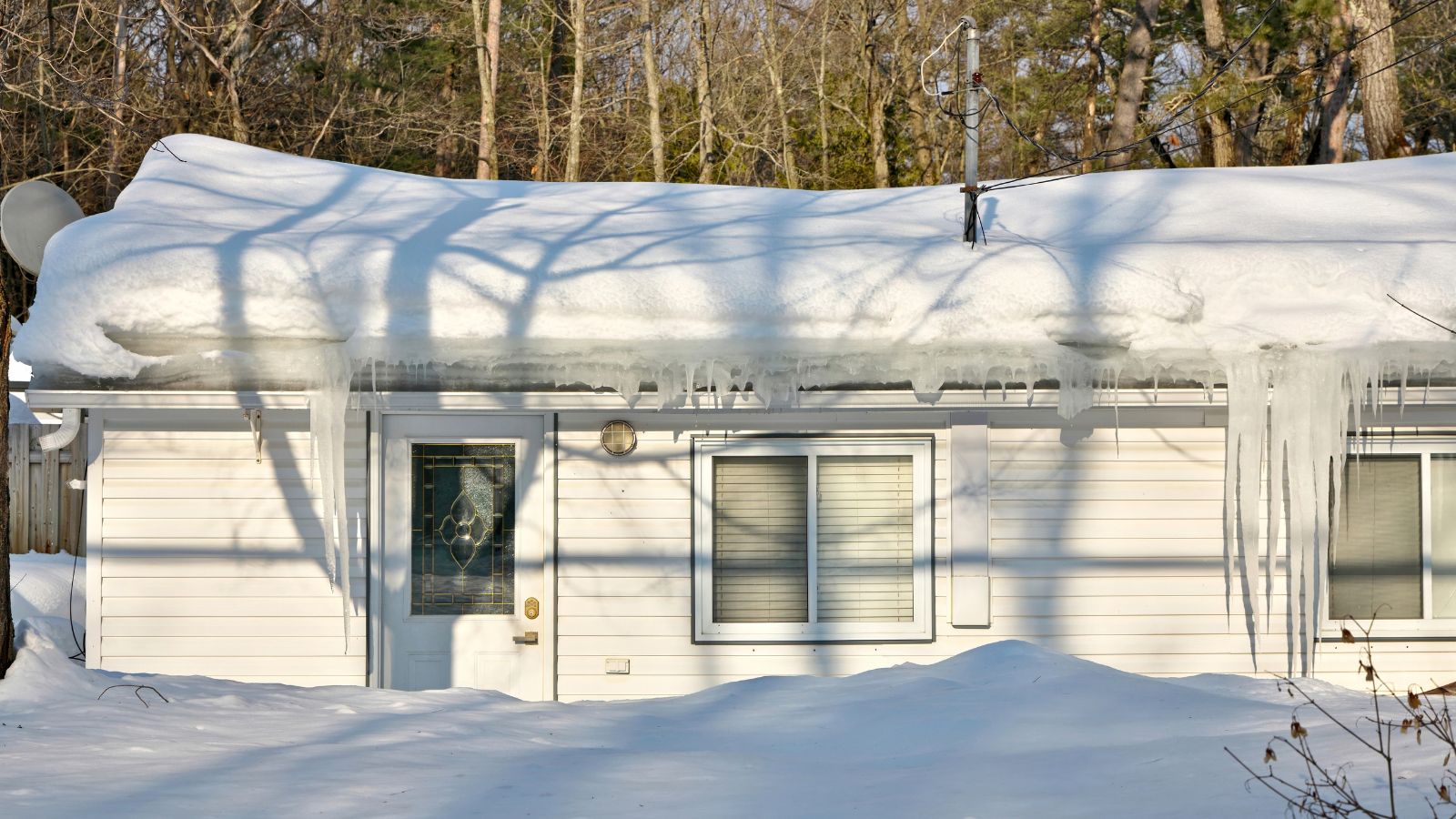
A deep Canadian winter can turn the roof into its own maintenance category. Snow accumulation adds weight, while repeated melting and refreezing near the eaves can form ice dams. Water trapped behind an ice dam may work beneath roofing materials and leak into ceilings, walls or insulation, creating damage that is much less visible than the ice outside.
Insurance Bureau of Canada guidance notes that sudden and accidental water damage caused by an ice dam may be covered, while repeated damage associated with unresolved maintenance problems can be treated differently. Prevention can involve better attic insulation and ventilation, clean eavestroughs, roof rakes or professionally installed heating systems in persistent trouble spots. Federal winter guidance also advises households to consider professional snow removal when roof accumulation becomes unsafe to handle personally. Those services and upgrades create real winter costs, but they can be preferable to interior water damage or structural problems. A snowy roof is no longer automatically something to ignore until spring.
Frozen Pipes and Cold-Weather Plumbing Repairs
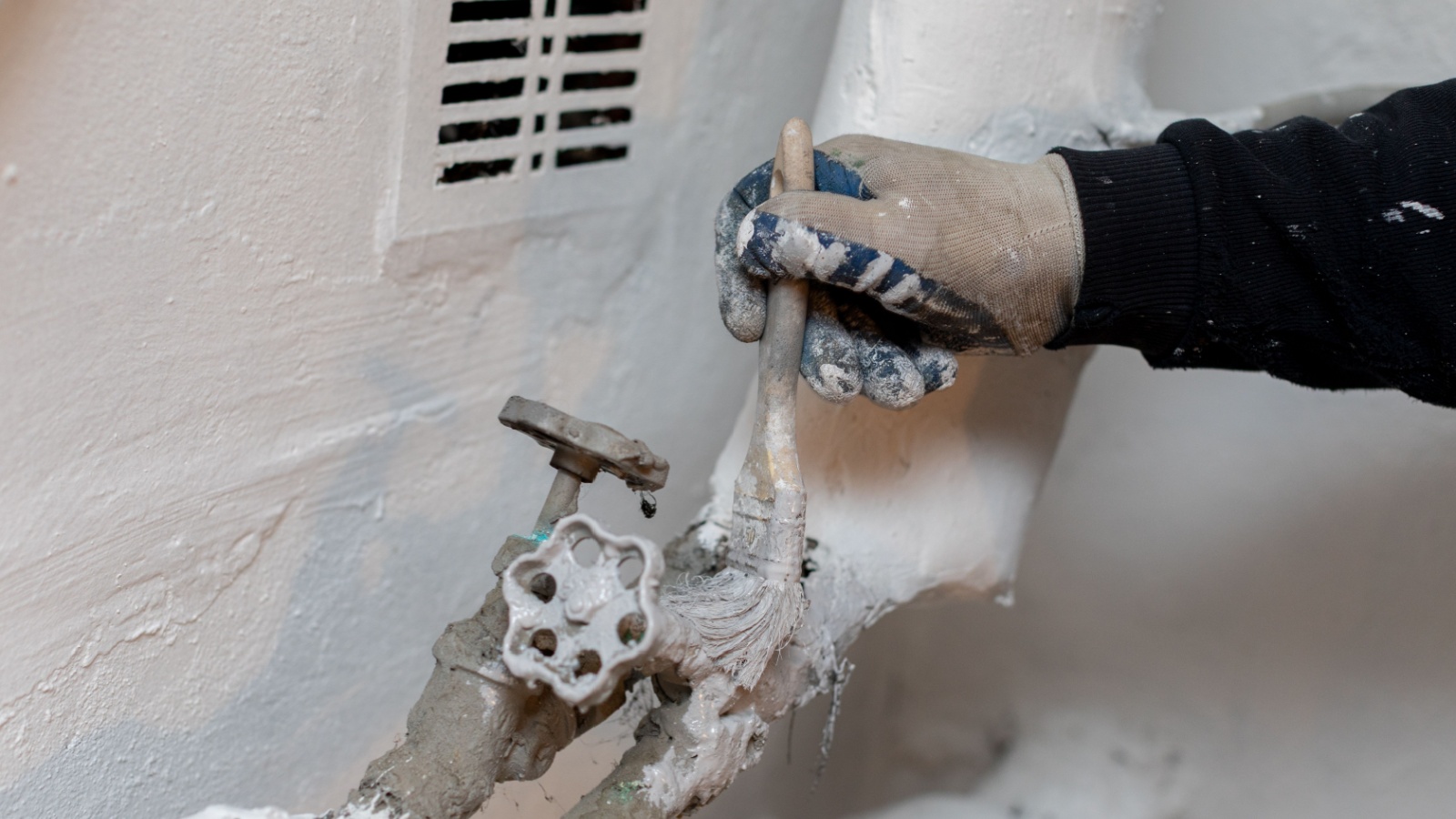
Frozen plumbing has a deceptively simple cause: water expands when it freezes. Inside a pipe, that pressure can eventually contribute to a rupture, with the full damage sometimes becoming obvious only when temperatures rise and water begins flowing again. A burst pipe hidden behind drywall can affect insulation, flooring, ceilings and adjoining rooms before anyone notices the leak.
Canadian insurance guidance consequently emphasizes prevention. Pipes in vulnerable areas can be insulated, indoor heat should be maintained during cold periods, and households leaving a property vacant during heating season need to understand the precautions required by their insurance policy. Extended winter power failures create another concern because interior temperatures can fall rapidly when heating systems depend on electricity. The household cost therefore extends beyond a plumber’s invoice. It can include pipe insulation, monitoring equipment, emergency heating arrangements and repairs to water-damaged finishes. Spending a relatively small amount before a cold snap may prevent a much more complicated restoration project afterward.
Snow Removal, Salt and Winter Services
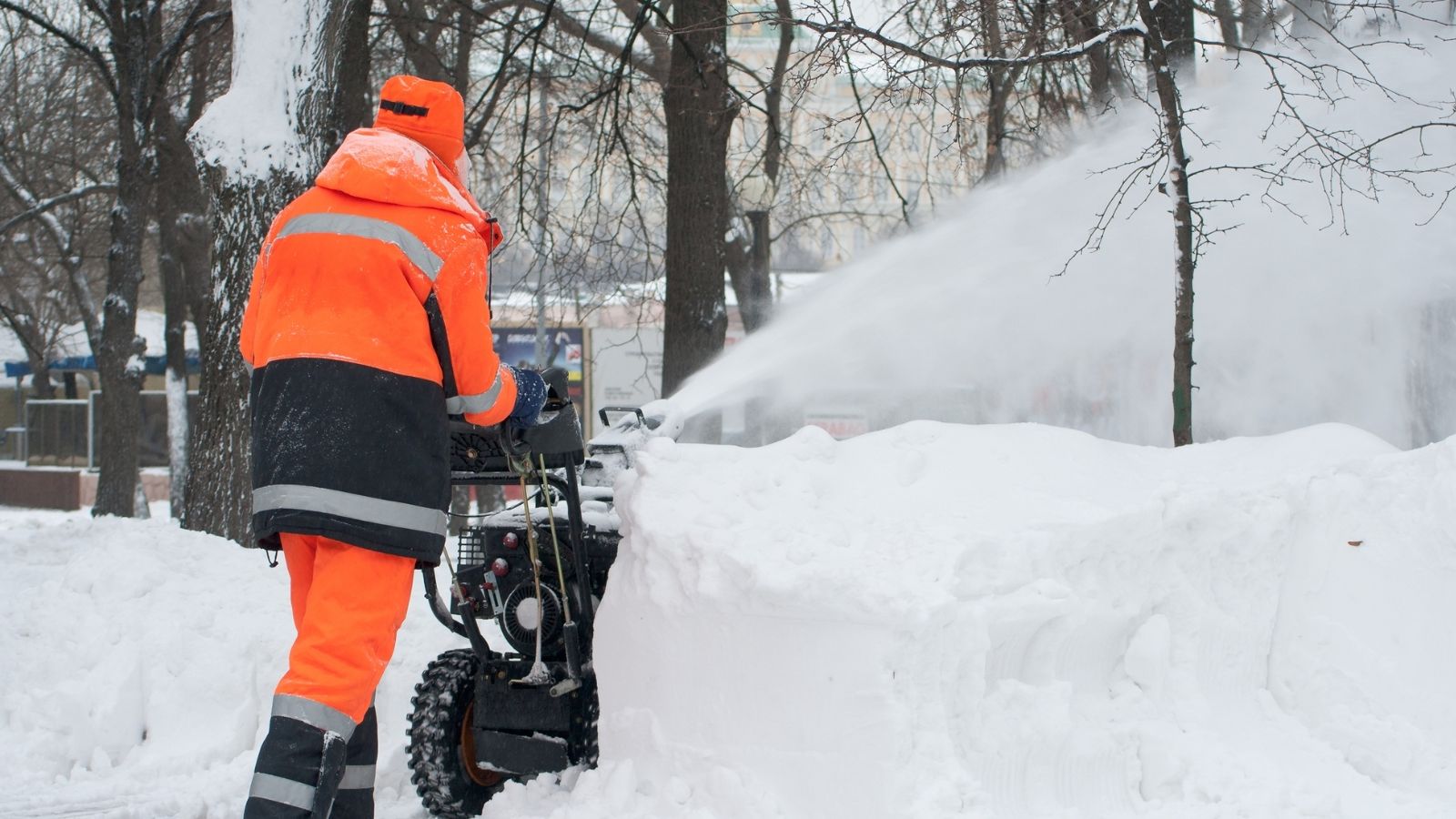
Snow removal is so familiar in Canada that its cost can fade into the background. Yet households may buy shovels, ice scrapers, salt, sand, traction products or snowblowers, while others pay contractors to clear driveways and walkways throughout the winter. Frequent storms can turn what looks like a modest seasonal expense into a recurring service bill.
The work also has a safety dimension. Insurance and government winter guidance encourages property owners to keep entrances, stairs and walkways clear of snow and ice, subject to local rules. Shovelling itself can put significant strain on the body, making paid removal especially relevant for older adults or people with mobility or cardiovascular concerns. Even mechanically equipped households face fuel, charging, repair and maintenance costs. Weather variability makes the expense difficult to predict: a light winter may barely use the budget, while repeated heavy snowfalls can exhaust a seasonal contract quickly. It is a mundane cost, but precisely the kind Canadian households increasingly plan for rather than leave to chance.
Mould Cleanup After Water Intrusion

The storm may last an afternoon; the moisture problem can last for months. Floodwater, roof leaks and persistent dampness create conditions in which mould can develop, especially when wet drywall, insulation, carpets or wood cannot dry quickly. Health Canada recommends addressing moisture immediately and cleaning visible mould rather than waiting to determine what species is present.
The size of the affected area changes the financial picture. Health Canada considers a single mould patch larger than three square metres extensive enough to warrant professional assessment and remediation. After serious flooding, porous materials such as insulation, drywall, carpeting and certain furnishings may need to be discarded if they cannot be adequately dried. Dehumidifiers, fans, HEPA equipment and replacement building materials add further costs. Health Canada also emphasizes rapid drying; homes and furnishings are less likely to develop mould when dried within approximately 48 hours. That makes post-storm response speed a financial issue as well as a maintenance concern. Delayed cleanup can transform a water problem into a larger renovation.
Weather Damage to Cars
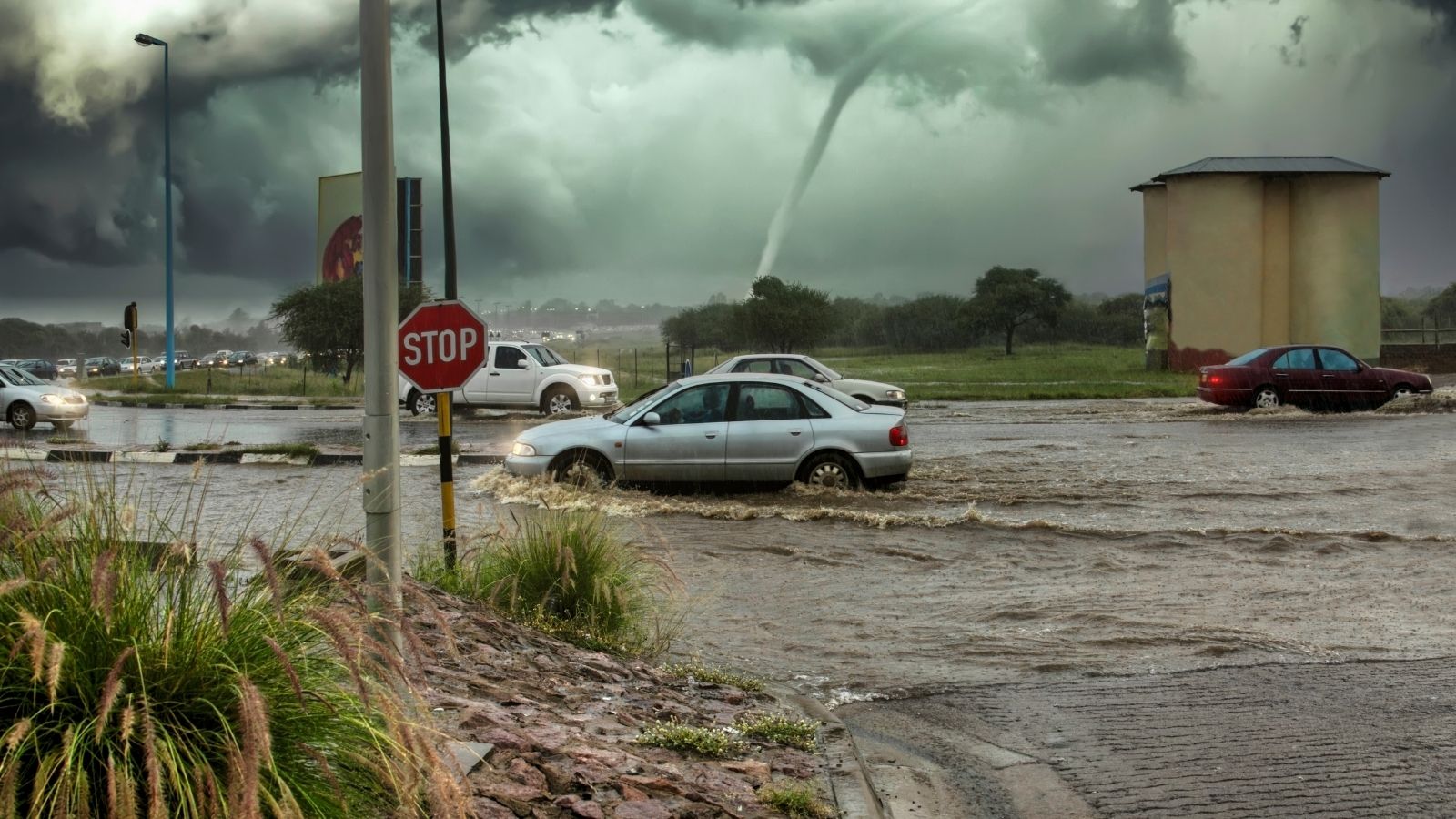
Homes are not the only major household assets sitting in a storm’s path. Hail can cover a vehicle with dents in minutes, floodwater can damage electrical and mechanical systems, and falling branches or wind-blown debris can break glass and body panels. Environment and Climate Change Canada documented severe vehicle damage during the large-hail storm near Brooks, Alberta, in 2025.
Coverage deserves attention because weather damage is not handled identically by every auto policy. Insurance Bureau of Canada notes that optional comprehensive or all-perils coverage commonly responds to hazards such as hail, wind and certain water damage, while mandatory minimum coverage varies by province. Households carrying older vehicles sometimes remove optional physical-damage protection to reduce premiums, which changes how much weather risk they retain themselves. The financial decision therefore extends beyond the deductible. A vehicle parked outdoors in a hail-prone region presents a different risk profile from one regularly stored in a garage, making weather exposure part of the insurance calculation.
Replenishing a 72-Hour Emergency Kit

Preparedness has a grocery-list side that is easy to underestimate. Public Safety Canada recommends that households be capable of remaining self-sufficient for at least 72 hours during an emergency. A basic kit can include water, non-perishable food, flashlights, batteries, a radio, first-aid supplies, charging equipment and items specific to children, seniors, pets or medical needs.
Building the kit is only the first expense. Food reaches expiry dates, water needs rotation, batteries discharge and family needs change. Health Canada recommends storing two litres of drinking water per person per day, with additional water potentially required for cooking and cleaning. Larger households therefore accumulate supplies quickly. Pet owners must plan for animals as well. None of these purchases is especially dramatic by itself, but together they form another recurring preparedness cost. The advantage is that money can be spent gradually instead of during the rush before a major storm, when stores may be crowded and key items may already be unavailable.
Temporary Accommodation After a Disaster

A home does not have to be destroyed to become temporarily unlivable. Smoke contamination, extensive water damage, fire, structural repairs or a mandatory evacuation can force a household into a hotel or rental property. Meals, laundry, transportation and other routine expenses may also rise when normal household facilities are unavailable.
Home, condo and tenant policies commonly provide some form of additional living expense coverage when displacement results from an insured loss, but limits and conditions matter. The Financial Consumer Agency of Canada specifically advises checking how evacuation-related expenses are handled and notes that flood- or earthquake-related displacement may require the corresponding optional coverage. Insurance Bureau of Canada explains that additional living expense coverage generally addresses costs above normal household spending rather than every expense while displaced. Receipts therefore become important. For families facing weeks or months away from home, the gap between actual expenses and policy reimbursement can become significant, turning temporary accommodation into a major part of disaster budgeting.
Taxes and the Cost of Weather-Proofing Public Infrastructure
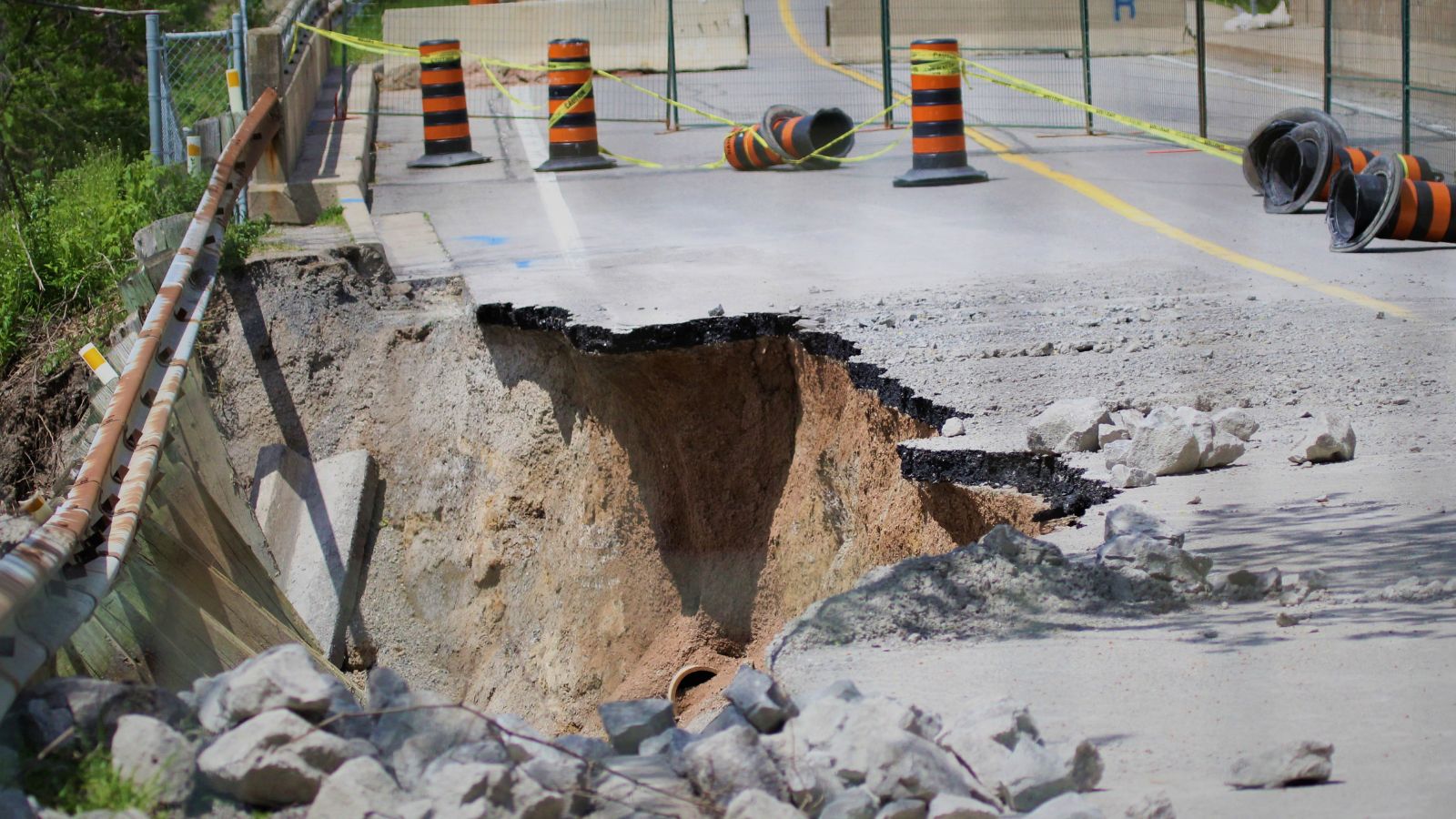
Not every weather expense arrives with a contractor’s invoice. Roads, bridges, drainage systems, sewers and public buildings also need repairs and adaptation as extreme heat and intense rainfall create additional wear. Those costs eventually affect government budgets, which means households can feel the impact indirectly through taxes, utility charges or reduced room for other public spending.
The Canadian Climate Institute estimated in 2026 that climate change could add nearly $15 billion a year to public-infrastructure costs if governments fail to adapt to increasing heat and intense rainfall. Its analysis also found that municipalities are expected to bear a large share of adaptation investment because they own and operate much of Canada’s public infrastructure. Earlier institute research estimated that climate-related damage was already adding roughly $700 annually to the average household’s cost of living through channels including insurance, disrupted goods and tax-funded recovery. The precise impact differs by community, but weather resilience is increasingly a household fiscal issue even when the damaged asset belongs to the city.
16 Costco Canada Habits That Could Be Costing Shoppers More Than They Save
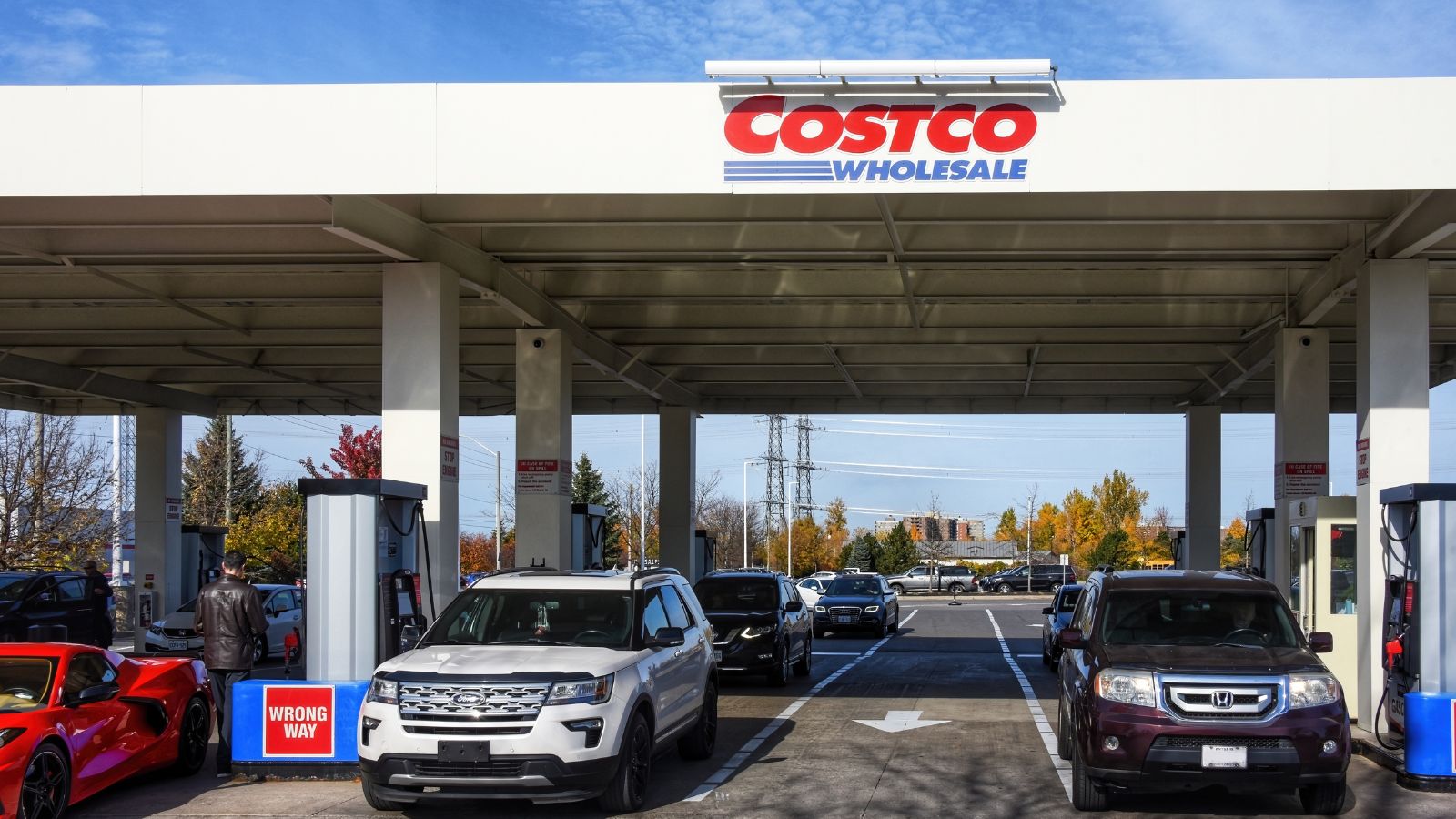
The Executive Membership can feel like an obvious upgrade because the 2% annual reward sounds straightforward. For households that spend heavily at Costco Canada, the extra fee may be easy to justify. But the habit becomes costly when shoppers upgrade first and calculate later. A Gold Star Membership costs less, while Executive costs more and only pays off if eligible annual spending is high enough to offset the difference.
16 Costco Canada Habits That Could Be Costing Shoppers More Than They Save
