
Climate change can sound like a distant environmental issue until it begins changing ordinary decisions at home, at work and around the neighbourhood. Across Canada, hotter indoor temperatures, wildfire smoke, flooding, drought and more damaging storms are increasingly overlapping with household budgets, health concerns and daily routines.
The effects are not identical from one region to another, and individual weather events can have many causes. Still, Canadian climate and public-health research shows that a changing climate is increasing exposure to several important hazards. These 19 ways climate stress is showing up in everyday Canadian life reveal how adaptation is becoming less about preparing for an abstract future and more about navigating conditions already shaping summers, homes, commutes and family plans.
Keeping a Home Cool Is Becoming a Bigger Summer Concern
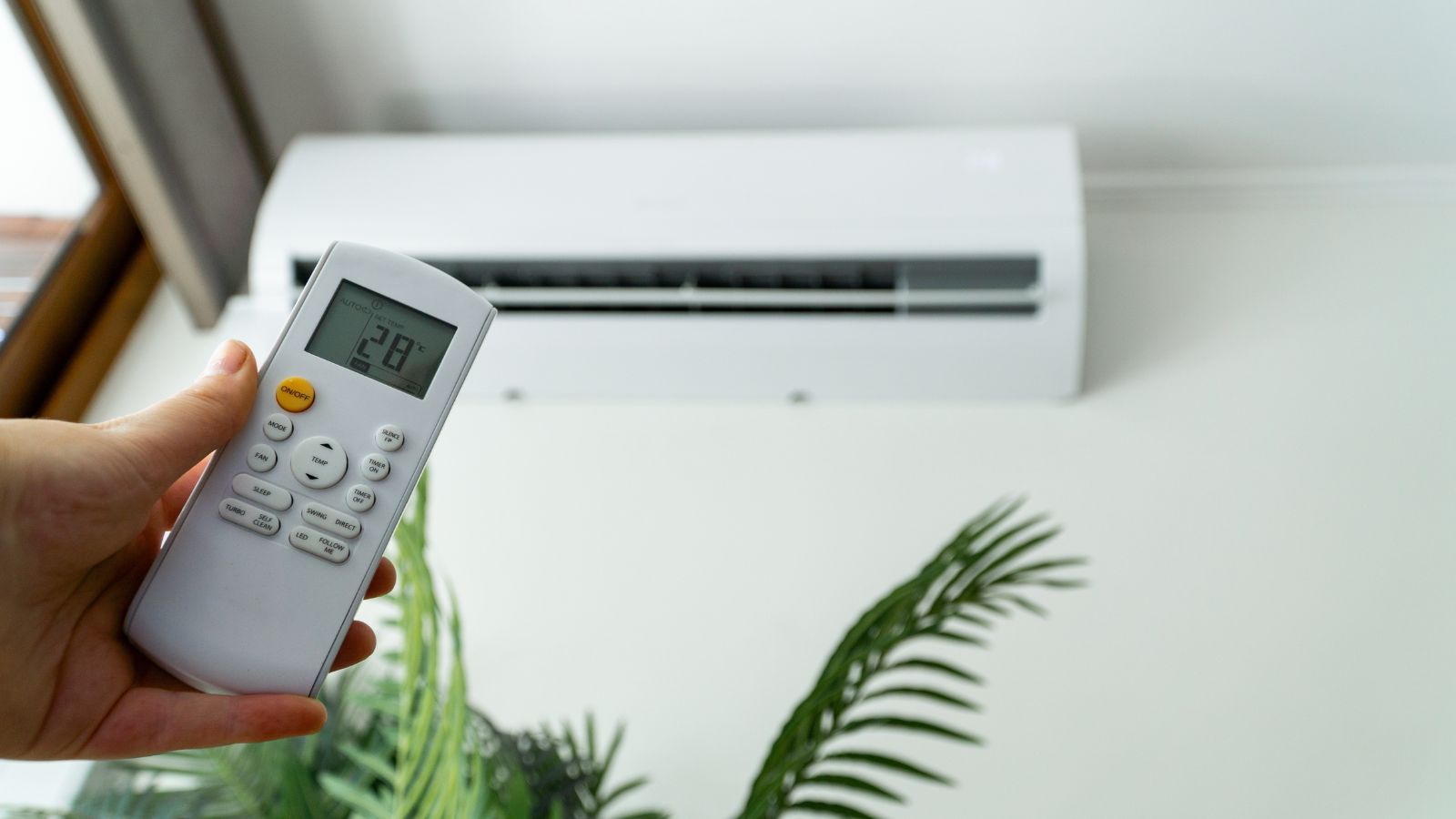
For generations, many Canadian households treated air conditioning as optional, especially in regions known for mild nights or short summers. That calculation is changing. Statistics Canada reported that about 68% of Canadian households used air conditioning or similar cooling equipment in 2025. Ontario households were especially likely to have cooling, while adoption remained considerably lower in British Columbia. The difference matters because homes designed primarily to retain winter heat can become uncomfortable during prolonged summer heat.
Cooling is increasingly being discussed as a health issue rather than simply a comfort upgrade. Health Canada now recommends keeping indoor temperatures at or below 26°C to reduce heat-related risks for older adults, while warning that sustained temperatures above that level can increase physiological strain. After British Columbia’s deadly 2021 heat dome, decisions about heat pumps, window units, blinds, fans and access to cooled community spaces began carrying much greater significance.
Checking the AQHI Has Become Part of the Morning Routine
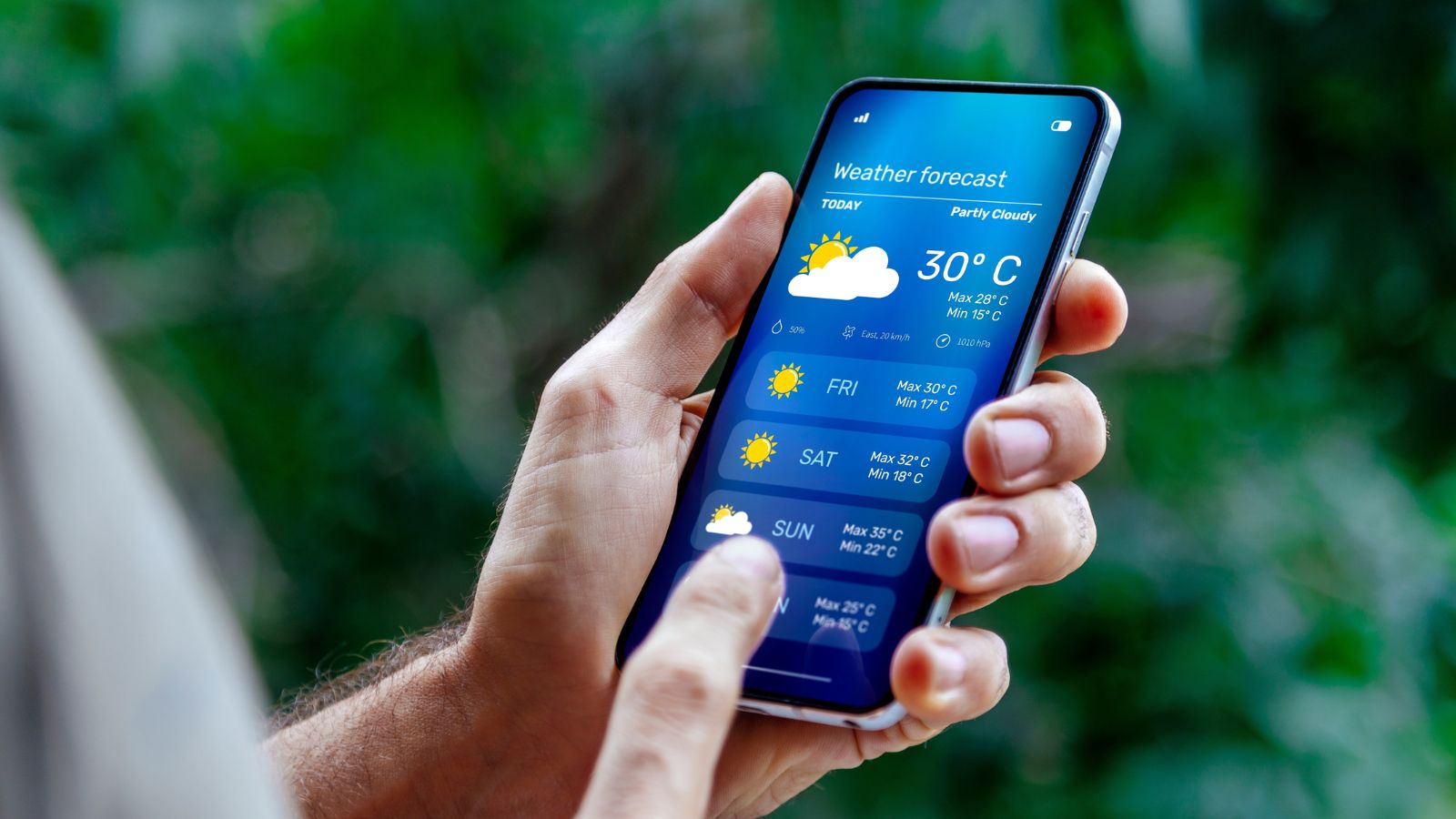
A blue sky no longer guarantees that it is a good day for a long run, children’s soccer practice or an afternoon on the patio. Wildfire smoke can travel hundreds or even thousands of kilometres from a fire, leaving communities far from the flames dealing with unhealthy concentrations of fine particulate matter. Health Canada emphasizes that air quality can be poor even when smoke cannot easily be seen or smelled.
The scale of the change became particularly visible during Canada’s extraordinary 2023 wildfire season. Federal officials reported that Canadian regions collectively experienced 870 poor-air-quality days between April and September, with wildfire smoke responsible for most of them. That experience pushed the Air Quality Health Index, portable air cleaners and well-fitting respirators into more household conversations. For parents, runners, older adults and people with asthma or heart conditions, checking smoke forecasts is increasingly becoming as ordinary as checking whether rain is expected.
Insurance Renewals Are Carrying More Weather Anxiety

Home insurance paperwork once felt largely disconnected from climate discussions. That separation is becoming harder to maintain. Insurance Bureau of Canada data show that severe-weather insured damage surpassed $8 billion in 2024, breaking Canada’s previous annual record by a wide margin. Losses eased in 2025 but still exceeded $2.4 billion, making it one of Canada’s costliest years for insured severe-weather damage.
Those national totals eventually reach households through claims experiences, underwriting decisions and conversations about what policies actually protect. Coverage can also be more complicated than homeowners expect. The Financial Consumer Agency of Canada notes that standard home insurance may not automatically cover hazards including certain floods and sewer backups, meaning additional protection may be needed. For a household opening a renewal notice, climate stress can therefore appear not as a dramatic storm image but as a higher deductible, a coverage question or a new reason to read the exclusions carefully.
Basements Are Being Treated More Like Flood-Risk Zones

A finished basement can represent a family room, office, rental suite or years of stored belongings, which makes water entering it particularly disruptive. Canadians are increasingly paying attention to sump pumps, grading, sewer-backup protection, backwater valves and where valuables are stored. Federal flood-preparedness guidance now makes a point that many homeowners need to hear: a property may face flood risk even if it has never flooded before.
That shift reflects the growing importance of heavy rainfall and flood preparedness. Canada’s National Adaptation Strategy identifies flooding as one of the country’s most costly and widespread hazards. Municipal infrastructure projects in cities such as Toronto have also focused specifically on relieving overloaded sewer systems and reducing basement flooding during intense rainfall. As a result, seemingly mundane maintenance—cleaning gutters, checking foundation drainage or moving boxes off a basement floor—can increasingly feel like climate adaptation carried out one household at a time.
Weather Is Adding Another Layer of Uncertainty to Grocery Bills

Food prices move for many reasons, including labour, transportation, exchange rates, energy costs and international markets. Climate-related crop disruptions are another source of volatility. Agriculture and Agri-Food Canada warns that more frequent or intense droughts, floods and storms can increase uncertainty in agricultural production, while warmer conditions may also alter pest and disease pressures.
The 2021 Prairie drought offered a stark example. Federal food-security material citing Statistics Canada reports that Canadian wheat production fell 37% compared with the previous year. Reduced harvests do not translate mechanically into an equivalent increase at the supermarket, but they can tighten supplies and contribute to price pressure farther along the food chain. Statistics Canada’s Food Price Data Hub showed grocery prices still running 3.9% higher year over year in June 2026. For shoppers, climate stress can therefore appear through substitutions, smaller seasonal bargains or greater price swings in familiar staples.
Water Restrictions Feel Less Like a Temporary Oddity

Canada’s abundance of lakes can create the impression that water scarcity belongs somewhere else. In reality, freshwater is unevenly distributed, and drought can leave farms, municipalities and ecosystems competing with much tighter local supplies. Environment and Climate Change Canada notes that water availability is influenced by weather patterns that are increasingly being affected by climate change.
Recent droughts have made that vulnerability easier to see. Federal reporting on 2025 described drought across much of the country, with impacts on agriculture, water levels and community supplies. In the Prairies and interior British Columbia, federal assessments project more frequent and intense drought conditions. That translates into ordinary restrictions: lawns allowed to be watered only on designated days, municipalities asking residents to reduce consumption, farmers needing more irrigation and homeowners reconsidering thirsty landscaping. Climate adaptation can begin with something as modest as a rain barrel or choosing plants that require less watering.
Hot Days Are Changing How Some Canadians Work

For people working outside, in warehouses, kitchens, construction sites or other hot environments, extreme heat is more than an uncomfortable forecast. Federal occupational-health guidance explains that high temperatures can create heat stress as the body struggles to release excess heat. That risk grows when physically demanding work, direct sun, protective clothing or insufficient recovery time are added to the temperature itself.
As hotter conditions become a more prominent workplace hazard, practical changes follow. Shifts may start earlier, outdoor tasks may be postponed, water and shade breaks become more important, and supervisors need to watch for symptoms such as dizziness, weakness and confusion. These changes are especially noticeable in jobs where working from an air-conditioned location is impossible. A heat warning that once meant planning an evening at the beach can now influence construction schedules, delivery routes and staffing decisions. Climate stress, in this setting, shows up on the clock.
Schools Are Having to Think More Seriously About Heat

Canadian schools were traditionally built around surviving winter, not extended periods of oppressive summer heat. Many older classrooms lack comprehensive mechanical cooling, and increasingly hot late-spring or early-fall days can leave students and staff trying to concentrate in uncomfortable conditions. Canada’s National Framework for Environmental Learning acknowledges that many schools and childcare facilities are not equipped to protect children and staff adequately during extreme weather.
The problem extends beyond comfort. Federal guidance notes that extreme heat can affect children’s health, well-being and ability to learn, while unequal access to shade, green space and cooling can deepen existing inequities. As a result, school boards and communities are paying greater attention to tree cover, shaded playgrounds, ventilation, cooling spaces and scheduling decisions during heat events. Families may notice climate adaptation through shortened outdoor activities, water reminders or classrooms with portable cooling equipment—small operational changes that would have seemed less urgent a generation ago.
Commutes and Deliveries Are More Vulnerable to Weather Disruption

Climate stress can arrive before breakfast as a road closure notification, a delayed train or a delivery that never reaches the store. Canada’s National Adaptation Strategy identifies roads, power distribution and other critical infrastructure as vulnerable to extreme weather. Transport Canada has separately warned that railways face growing risks from flooding, landslides, fire and high temperatures.
Rail operators now work under rules requiring additional precautions during periods of high temperature and fire risk, including inspections and, under some conditions, slower train speeds. Those measures are intended to improve safety, but they also demonstrate how weather can affect the movement of passengers and freight. When a highway is washed out or a rail corridor is interrupted, the inconvenience can spread far beyond the damaged location through commuting patterns and supply chains. A household may experience climate stress not at the disaster site itself but through a longer drive, a delayed shipment or emptier shelves.
Power Reliability Is Becoming Part of Household Preparedness

Electricity systems have always had to withstand storms, ice and temperature extremes, but climate change adds complexity to that task. Federal adaptation documents warn that climate-related infrastructure failures can interrupt essential services and economic activity. Electricity regulators must also prepare for sudden weather disturbances while balancing periods of unusually high demand, including summer peaks driven by cooling.
Drought adds another wrinkle in provinces that rely heavily on hydroelectric generation. Federal electricity regulations explicitly recognize that drought conditions can reduce hydro generating capacity, while heat waves can simultaneously increase household demand. For families, the practical response may be much smaller in scale: keeping power banks charged, knowing how a garage door operates manually, protecting refrigerated medication or considering backup power for critical equipment. Climate stress is increasingly turning electrical resilience from a utility-company issue into a household planning question, particularly during periods of severe heat, storms or wildfire danger.
Camping and Vacation Plans Need More Backup Options
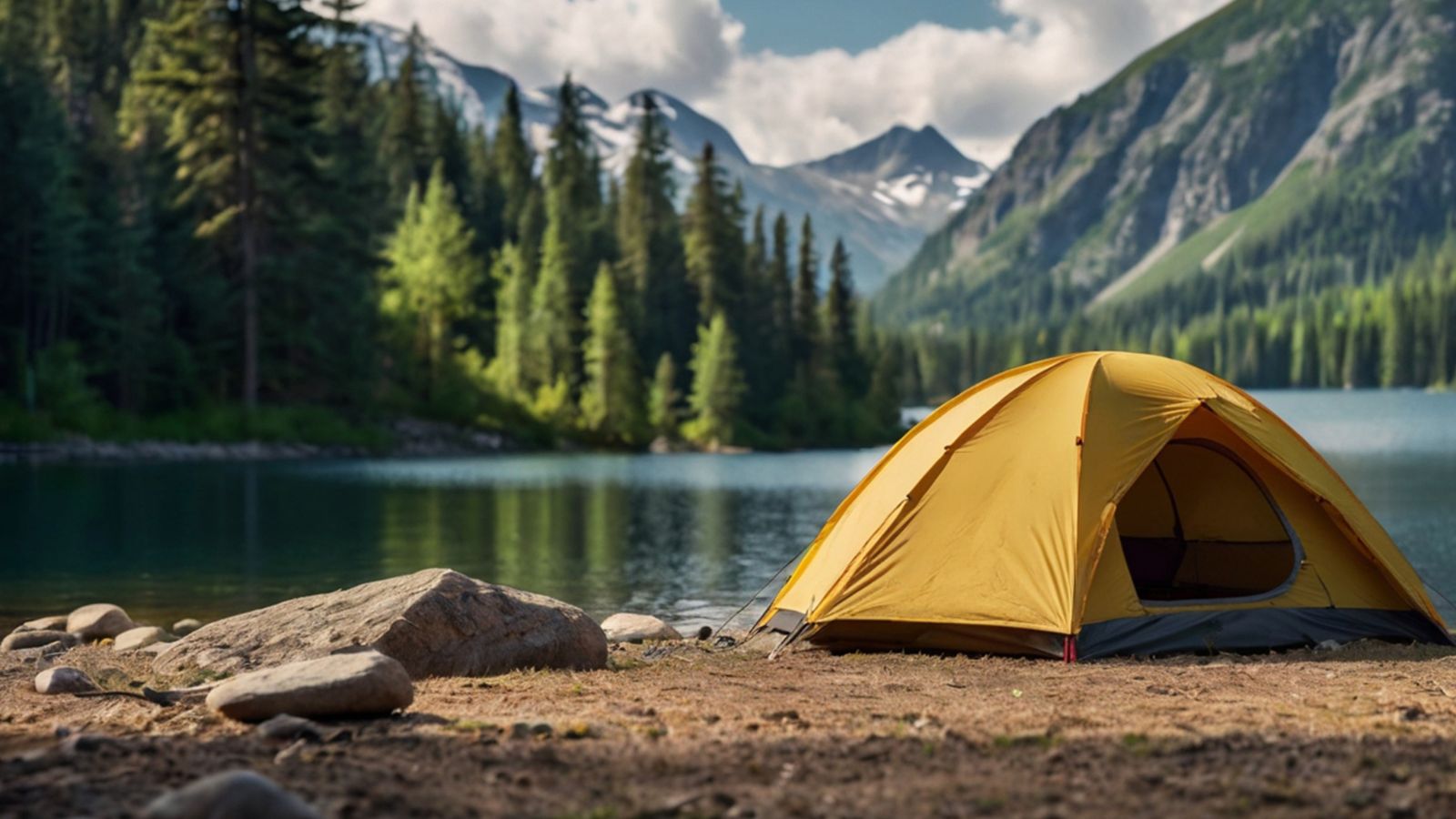
Canadian summers are closely tied to campgrounds, hiking trails, cottages and national parks, but wildfire risk is making outdoor plans less predictable. Fire bans, smoke, evacuations and safety closures can change conditions quickly. Parks Canada says changing climate conditions are expected to contribute to longer fire seasons and potentially larger or more severe wildfires in places such as Banff National Park.
The disruption can outlast the fire itself. Some areas of Jasper remained closed while recovery and safety work continued after the devastating 2024 wildfire, and Wood Buffalo National Park was still listing closures in 2026 associated with hazards left by fires from 2023. That reality encourages travellers to check fire information and park bulletins alongside accommodation reservations and weather forecasts. A family may still make the same summer road trip, but the packing list increasingly includes an alternative route, smoke forecast and backup destination—another subtle way climate risk is reshaping ordinary Canadian recreation.
Landscaping Choices Are Becoming Part of Home Protection

The traditional Canadian yard—lawn, wooden fence, shrubs tucked against the house and perhaps a row of evergreens—was rarely designed with wildfire or prolonged drought in mind. In higher-risk communities, landscaping is increasingly viewed as part of the home’s protective system. FireSmart principles encourage homeowners to reduce combustible materials close to buildings and manage vegetation carefully.
Jasper offers a particularly visible example following its wildfire experience. Current townsite requirements call for a 1.5-metre non-combustible buffer around buildings and restrict coniferous trees within 10 metres of homes. Those rules are specific to Jasper, not a Canada-wide standard, but they illustrate how climate risk can change what an ordinary residential yard looks like. Elsewhere, drought encourages homeowners to consider native or lower-water plants, rain capture and less thirsty lawns. The result is a gradual shift from landscaping mainly for appearance toward landscaping for resilience, water efficiency and fire safety.
Tick Checks Are Becoming a More Familiar Outdoor Habit

A hike through tall grass can now end with more Canadians checking pant legs, pets and children’s hair for ticks. Climate change is one factor affecting the geographic range of disease-carrying ticks because warmer conditions can allow suitable habitats to expand. Canada’s adaptation strategy specifically identifies changing ranges of vector-borne pathogens as an increasing health concern.
The growth in reported Lyme disease illustrates why public awareness has intensified. The Public Health Agency of Canada says provincial and territorial authorities recorded 28,033 human Lyme disease cases between 2009 and 2025. Reported cases depend on surveillance and many ecological factors, so the increase cannot be reduced to temperature alone. Still, the practical response is increasingly visible: repellent, long clothing, trail awareness, tick removal tools and post-hike body checks. Something once regarded by many families as a specialized concern in a few wooded regions has become a much more recognizable part of warm-weather life.
Climate Anxiety Is Becoming Easier to Recognize

Climate stress is not limited to damaged property or physical illness. Repeated images of burning towns, evacuations, flooded homes and record heat can affect how people think about their own future, especially younger Canadians and communities repeatedly exposed to disasters. A 2026 Canadian public-health review found recurring evidence of eco-anxiety and grief connected to environmental change, with longer-term mental-health effects appearing in more than half of the studies included.
Immediate disasters can carry their own emotional burden. Canada’s Chief Public Health Officer has noted that wildfire evacuations and prolonged smoke exposure can leave people feeling worried, sad or isolated. Those reactions can persist after roads reopen and smoke clears, particularly for residents who lose homes, routines or a sense of security. Climate conversations therefore increasingly overlap with discussions about stress management, community support and mental-health services. The emotional dimension is becoming part of what Canadians mean when they talk about weather resilience.
Extreme Weather Can Put Additional Pressure on Health Care

Hotter summers and smoky skies can translate directly into more calls for medical help. Health Canada reports that several thousand people visit emergency departments across the country during an average summer for heat-related concerns. During British Columbia’s 2021 heat dome, the province experienced 619 heat-related deaths, while federal public-health reporting documented hundreds of excess hospitalizations and extraordinary pressure on emergency services.
Climate hazards can also interfere with the health system itself. Canada’s national climate-health assessment notes that floods, wildfires, severe storms and extreme heat have damaged health facilities or disrupted the delivery of care. Road closures can make appointments harder to reach, smoke can aggravate respiratory illness, and evacuation orders may force facilities to relocate patients. For most households, this stress is indirect until the moment a prescription, ambulance trip or medical appointment is affected. Then climate resilience stops being an environmental-policy concept and becomes part of the reliability of everyday health care.
Coastal Families Are Thinking More About Erosion and Storm Surge
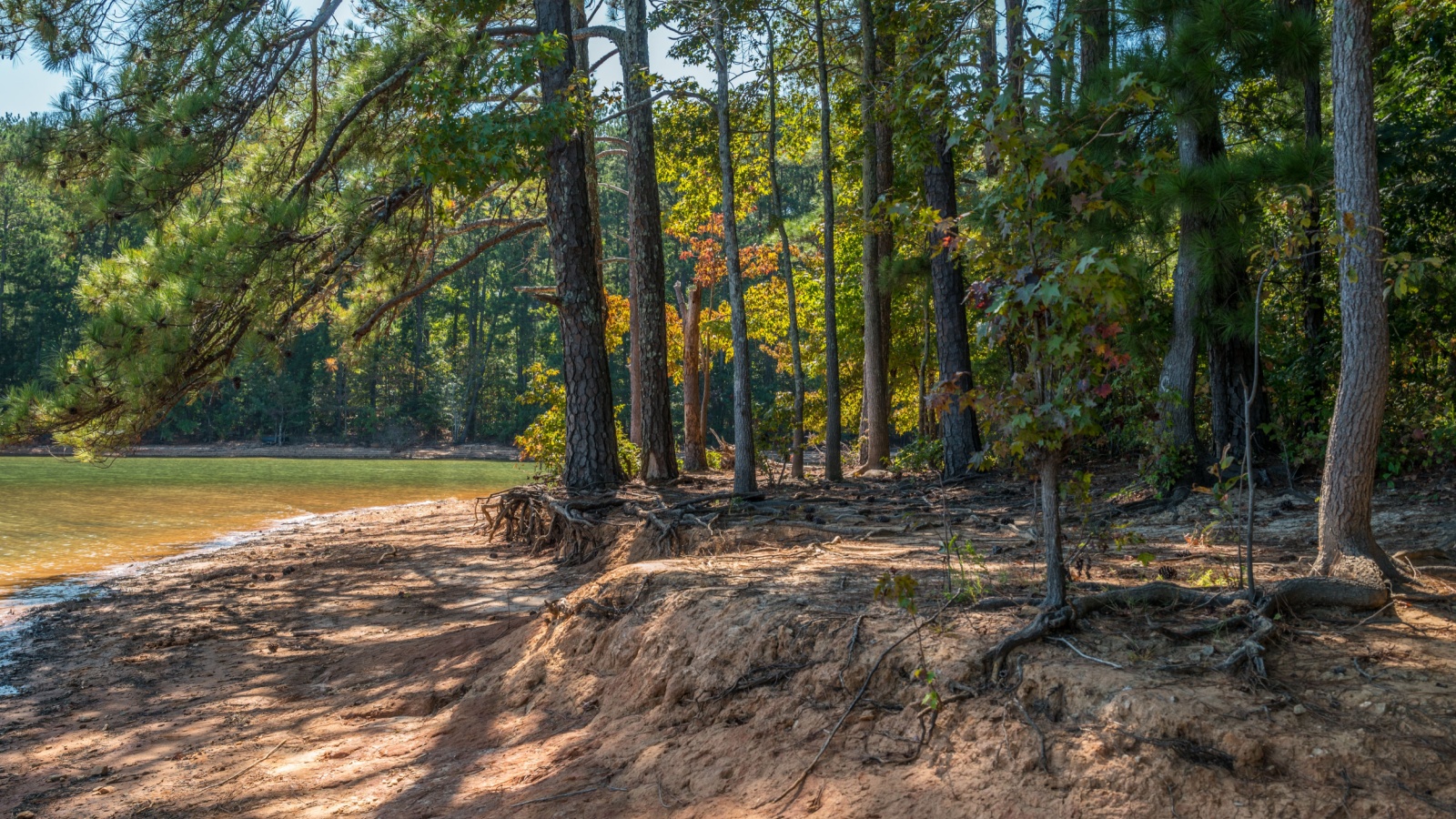
Along Canada’s Atlantic, Pacific and Arctic coastlines, climate change can alter something as fundamental as where land meets water. Rising sea levels, coastal erosion and storm surge can threaten homes, roads and essential infrastructure. Natural Resources Canada is funding adaptation projects specifically aimed at communities facing those risks, including areas of British Columbia and the Northwest Territories.
The consequences can reshape personal decisions long before a home is physically lost. Owners may question whether to reinforce a shoreline, rebuild after repeated damage or continue investing in a vulnerable property. Municipal governments may face expensive choices involving roads, seawalls and drainage. In northern communities, coastal erosion can combine with thawing permafrost, creating additional challenges for buildings and access routes. Climate stress therefore becomes intertwined with mortgages, inheritance, relocation and attachment to place. For families whose lives are connected to the coast, the changing shoreline is not theoretical—it can become a recurring household calculation.
Hail Is Turning Parking Decisions Into Financial Decisions
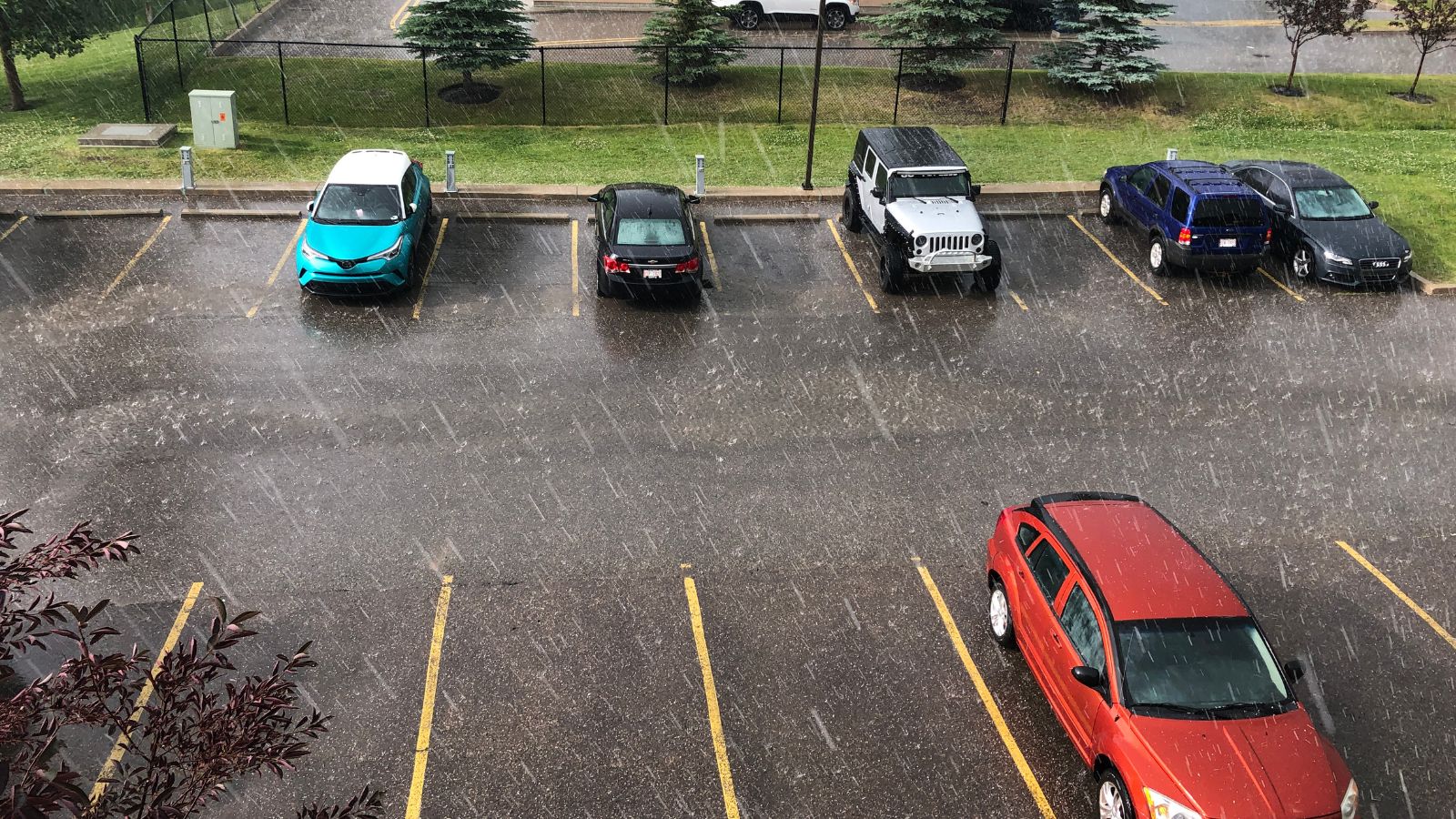
Anyone who has watched a Prairie thunderstorm roll toward a driveway full of vehicles understands how quickly weather can become a financial concern. Calgary’s August 2024 hailstorm became the costliest hailstorm in Canadian history. Updated Insurance Bureau of Canada figures put insured losses above $3.2 billion, with homes and vehicles among the major sources of claims.
The problem did not disappear the next summer. A July 2025 Calgary hailstorm eventually generated about $164 million in insured damage, with vehicles accounting for more than half of the claims. Numbers on that scale influence ordinary behaviour: watching storm alerts more closely, clearing space in the garage, seeking covered parking or reconsidering insurance deductibles. Hail has always been part of Prairie weather, so no individual storm can simply be labelled a climate-change event. The broader financial exposure, however, is part of Canada’s growing severe-weather burden and is making storm protection increasingly practical.
Emergency Kits Are Moving Out of the “Someday” Category
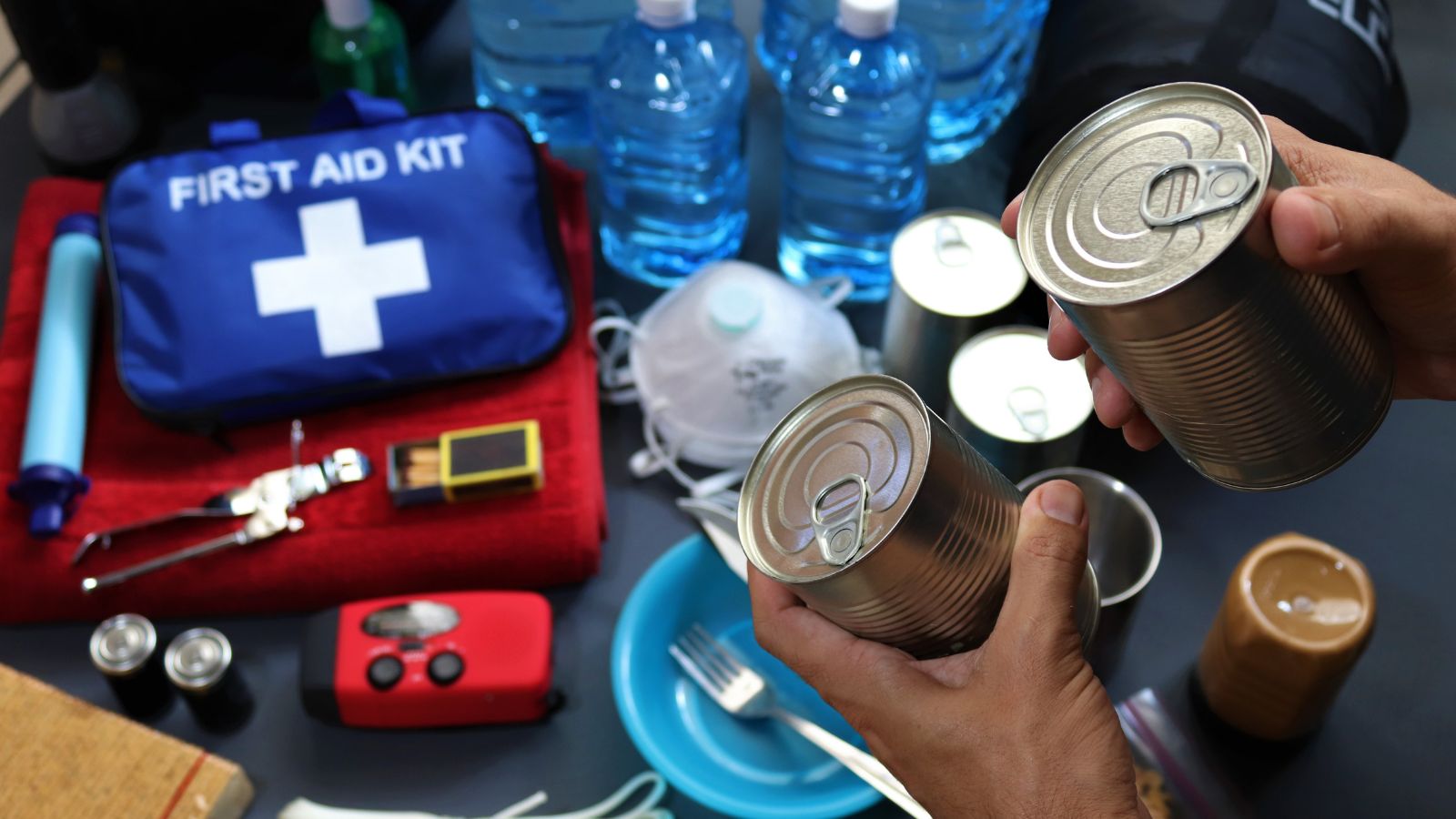
Flashlights, bottled water, battery packs and canned food are not glamorous purchases, yet preparedness officials are treating them with increasing urgency. Public Safety Canada says one in three Canadian adults has experienced a major weather-related emergency or disaster during their lifetime. Federal guidance recommends that households know their local hazards, create an emergency plan and assemble supplies capable of supporting them for at least 72 hours.
That advice has become easier to relate to after evacuations, floods, ice storms and extended power outages affected communities across the country. The contents of a useful kit can include water, non-perishable food, medications, a radio, first-aid supplies, lighting and items needed by children or pets. Families may also keep important documents accessible or maintain a grab-and-go bag during wildfire season. Climate stress is showing up not only through emergency alerts but through the quiet decision to keep cupboards stocked before an emergency begins.
Home Renovations Increasingly Include a Resilience Question

Renovation decisions used to revolve mainly around appearance, comfort, resale value and energy bills. Climate risk is adding another question: will the improvement help the home handle the conditions expected over its lifetime? Federal climate-resilience guidance says building design increasingly needs to account for higher temperatures, extreme precipitation, flooding, wildfire and other changing hazards.
That thinking can influence surprisingly ordinary projects. A basement renovation may include better drainage and flood-resistant materials. A replacement heating system might become a heat pump capable of cooling during summer. Roof work may prompt questions about wind or hail resistance, while homeowners in wildfire-prone areas may reconsider combustible landscaping near exterior walls. Not every household needs every adaptation, and risks differ sharply across Canada. Still, resilience is gradually becoming another lens through which Canadians evaluate maintenance and renovations. Climate stress is no longer confined to emergency response; it is becoming part of decisions about how homes should be built, repaired and upgraded.
16 Costco Canada Habits That Could Be Costing Shoppers More Than They Save

The Executive Membership can feel like an obvious upgrade because the 2% annual reward sounds straightforward. For households that spend heavily at Costco Canada, the extra fee may be easy to justify. But the habit becomes costly when shoppers upgrade first and calculate later. A Gold Star Membership costs less, while Executive costs more and only pays off if eligible annual spending is high enough to offset the difference.
16 Costco Canada Habits That Could Be Costing Shoppers More Than They Save
