
Canadian shoppers have become experts at scanning flyers, chasing loyalty points, and comparing sale stickers. Still, familiar bargain signals do not always mean the same thing they once did. Grocery inflation, shrinkflation, changing loyalty programs, online marketplaces, and tighter household budgets have made old shopping shortcuts less reliable.
These 18 assumptions cover everyday purchases that can still look sensible at first glance: bulk packs, store brands, clearance racks, “member-only” prices, warehouse runs, online discounts, and more. The real value often depends less on the sticker price and more on unit cost, quality, timing, fees, and whether the purchase fits actual household use.
Bigger Packages Are Automatically Cheaper

Large boxes, family-size tubs, and warehouse packs still feel like classic Canadian bargain territory, especially for households trying to keep grocery bills steady. The trouble is that bigger no longer guarantees cheaper. When food prices move quickly and package sizes change quietly, the shelf price can hide a weaker deal. A jumbo cereal box may look comforting beside the smaller one, but the price per 100 grams can tell a very different story.
This matters even more when storage, freshness, and household habits are part of the equation. A family may save on rice, oats, or laundry detergent by buying large, but lose money on salad greens, yogurt, or snacks that go stale before they are finished. The more reliable habit is to compare unit prices and ask whether the full package will actually be used. In many aisles, the best deal is no longer the biggest item, but the one with the lowest cost per usable serving.
Loyalty Prices Are Always Real Savings

Many Canadian shoppers now see two prices on the same shelf: one for everyone, and one for loyalty members. The lower number can feel like an instant reward for carrying the right card or opening the right app. But loyalty pricing can blur the line between savings and access. If the regular price is higher than what other stores charge, the member price may simply bring the item back to normal.
There is also the data-for-discounts trade-off. Loyalty programs can be useful when points accumulate on items a household already buys, but they can also steer shoppers toward brands, bundle offers, or bonus events that do not fit the original list. A parent stopping in for milk may leave with three extras because the app promised a personalized offer. The smarter assumption is that loyalty prices deserve the same comparison as any other sale. Points only help when the underlying price is competitive.
Dollar Store Groceries Are Always the Cheapest Pantry Fix

Dollar stores can be genuinely helpful for certain pantry staples, party supplies, cleaning items, and emergency top-ups. The name itself creates a bargain frame before a shopper even reaches the aisle. But many items are smaller, lighter, or packaged differently than supermarket equivalents. A low shelf price on crackers, spices, canned goods, or toiletries may not hold up once the cost per gram, millilitre, or unit is checked.
The other issue is choice. Dollar stores often carry limited sizes and brands, which reduces the chance to compare a sale, a house brand, or a larger economy pack elsewhere. For shoppers without easy access to multiple stores, that convenience can still matter. But the best approach is selective. Batteries, greeting cards, storage bins, or occasional snacks may be worthwhile. Regular grocery staples should be checked against nearby supermarkets, discount grocers, and unit pricing before assuming the dollar-store version is the winner.
Store Brands Are Always the Better Buy

Private-label products have improved dramatically, and many Canadian households rely on them to soften the blow of rising grocery bills. Store-brand pasta, canned tomatoes, frozen vegetables, flour, and basic cleaning products can be excellent value. The old stigma around plain labels has faded because many store brands now compete on quality, packaging, and variety rather than price alone.
Still, the assumption can go too far. Some premium private-label lines are priced close to, or even above, national brands on sale. A store-brand sauce with upscale packaging may cost more per millilitre than a name-brand jar during a promotion. Quality can also vary by category. A household may love one store’s frozen fruit but dislike its paper towels or coffee. The practical move is to treat store brands as contenders, not automatic winners. Ingredient lists, unit prices, and actual household satisfaction matter more than the label.
Multi-Buy Offers Save Money Every Time

“Buy two,” “three for $10,” and “mix and match” promotions can be useful when they apply to items that are already on the list. They can also create a quiet form of overspending. A shopper who planned to buy one jar of peanut butter may buy three because the sign makes the larger purchase feel responsible. The receipt is higher, the pantry is fuller, and the savings may be smaller than expected.
The risk grows with perishable items. Three bags of salad, two loaves of specialty bread, or a multi-pack of yogurt can turn into waste if a household cannot use them in time. Multi-buy offers are strongest for shelf-stable staples, school snacks that move quickly, or household goods with predictable use. They are weaker when they create new consumption. The best test is simple: if the deal disappeared tomorrow, would the same quantity still be worth buying today?
Warehouse Membership Runs Always Pay for Themselves

Warehouse stores can produce real savings, especially for large families, small businesses, and households with enough storage. Meat, cheese, frozen food, prescriptions, fuel, and household basics can be strong categories. But the membership model only works when savings exceed the annual fee and the larger basket size does not create waste or impulse spending. A cheap rotisserie chicken does not automatically make a $300 trip a bargain.
The psychology of warehouse shopping also matters. Oversized carts, treasure-hunt displays, and limited-time products encourage shoppers to buy beyond the list. A family may save on toilet paper but add seasonal décor, snacks, clothing, and a small appliance that was not planned. For some households, the best strategy is to calculate savings on repeat purchases only. If the membership pays for itself through items that would be bought anyway, it can make sense. If it depends on “discoveries,” the deal is shakier.
Clearance Stickers Mean the Best Price in the Store

Clearance stickers create urgency. They suggest that a shopper has stumbled onto the final chance to grab something below its normal value. In grocery aisles, clearance can be useful for meat, bakery items, seasonal products, and discontinued goods. But the markdown does not always beat a competitor’s regular price, especially when the original price was high or the package size changed.
Expiration dates and actual need should guide the decision. A reduced pack of chicken is only a deal if it can be cooked or frozen safely. A discounted holiday chocolate box may still be expensive per gram compared with a standard bar. Clearance can also turn into clutter when shoppers buy items simply because they are marked down. The best clearance buys are planned substitutes: bread for tonight, freezer-ready meat, or a household item already on the list. A sticker alone is not enough.
Black Friday Electronics Are Automatically the Year’s Lowest Prices

Black Friday has become a major shopping season in Canada, but it is no longer a single-day guarantee of unbeatable prices. Retailers often stretch promotions across weeks, rotate inventory, and use limited models made for seasonal events. A television or laptop may show a dramatic discount, yet the comparison price might refer to a short-lived regular price or a model with slightly different specifications.
Electronics require more homework than a bold sale tag suggests. Storage, processor generation, screen quality, warranty terms, and return windows can matter more than the headline discount. A shopper replacing a broken laptop may still find a good buy, but someone upgrading casually should compare historical pricing and model numbers. The strongest deals tend to be on specific, researched products rather than whatever is stacked near the entrance. A Black Friday price can be good; it should not be treated as proof by itself.
Extended Warranties Are Cheap Peace of Mind

Extended warranties are often sold at the exact moment a shopper feels most protective of a new purchase. A phone, appliance, television, or laptop feels expensive, and a service plan can make the decision feel safer. But these plans often include exclusions, deductibles, repair limits, or overlap with the manufacturer’s warranty. The monthly or upfront cost can quietly reduce the value of the original deal.
For durable goods, the better question is whether the likely repair cost is greater than the plan cost. A basic microwave, small appliance, or low-cost television may not justify extra coverage. Some credit cards and retailers also provide warranty extensions or return protections, though terms vary. Extended warranties can make sense for high-risk items or accident-prone situations, but they should be read like insurance, not accepted like a checkout accessory. Peace of mind is only a deal when the coverage is clear and useful.
Online Marketplace Deals Are Safer Because They Look Local

Local marketplace listings can feel more trustworthy than anonymous websites because the seller appears nearby. A couch in the same neighbourhood, a used phone across town, or a discounted game console with familiar landmarks in the photos can look reassuring. But fraudsters often exploit exactly that sense of familiarity. Fake listings, deposit requests, stolen photos, and pressure to pay before viewing are common warning signs.
Even legitimate listings can be poor value if the item has missing parts, hidden damage, no receipt, or no warranty. A discounted stroller, appliance, or phone may cost more after repairs or replacement accessories. The safest deals involve in-person inspection, secure payment habits, public meetups where appropriate, and skepticism toward urgency. If a seller claims several buyers are waiting but refuses basic questions, the bargain deserves a pause. Local does not automatically mean low-risk.
Free Shipping Means the Online Price Is Better

Free shipping can make an online cart feel instantly more attractive, especially in a country where distance can make delivery expensive. But shipping costs may already be built into the item price, or the free-shipping threshold may push shoppers to add unnecessary extras. A $42 order can quickly become $75 because the site offers free delivery at $70.
Online shopping also adds comparison challenges. Prices can change quickly, marketplace sellers may vary widely, and return costs can erase savings. A jacket that costs less online may become a worse deal if sizing is uncertain and return shipping is not covered. For household staples, subscriptions, and repeat purchases, free shipping can be useful. For one-off items, the full landed cost matters: item price, taxes, delivery, return policy, and time. Free shipping is a feature, not a final price comparison.
Meal Kits Are Always Cheaper Than Groceries
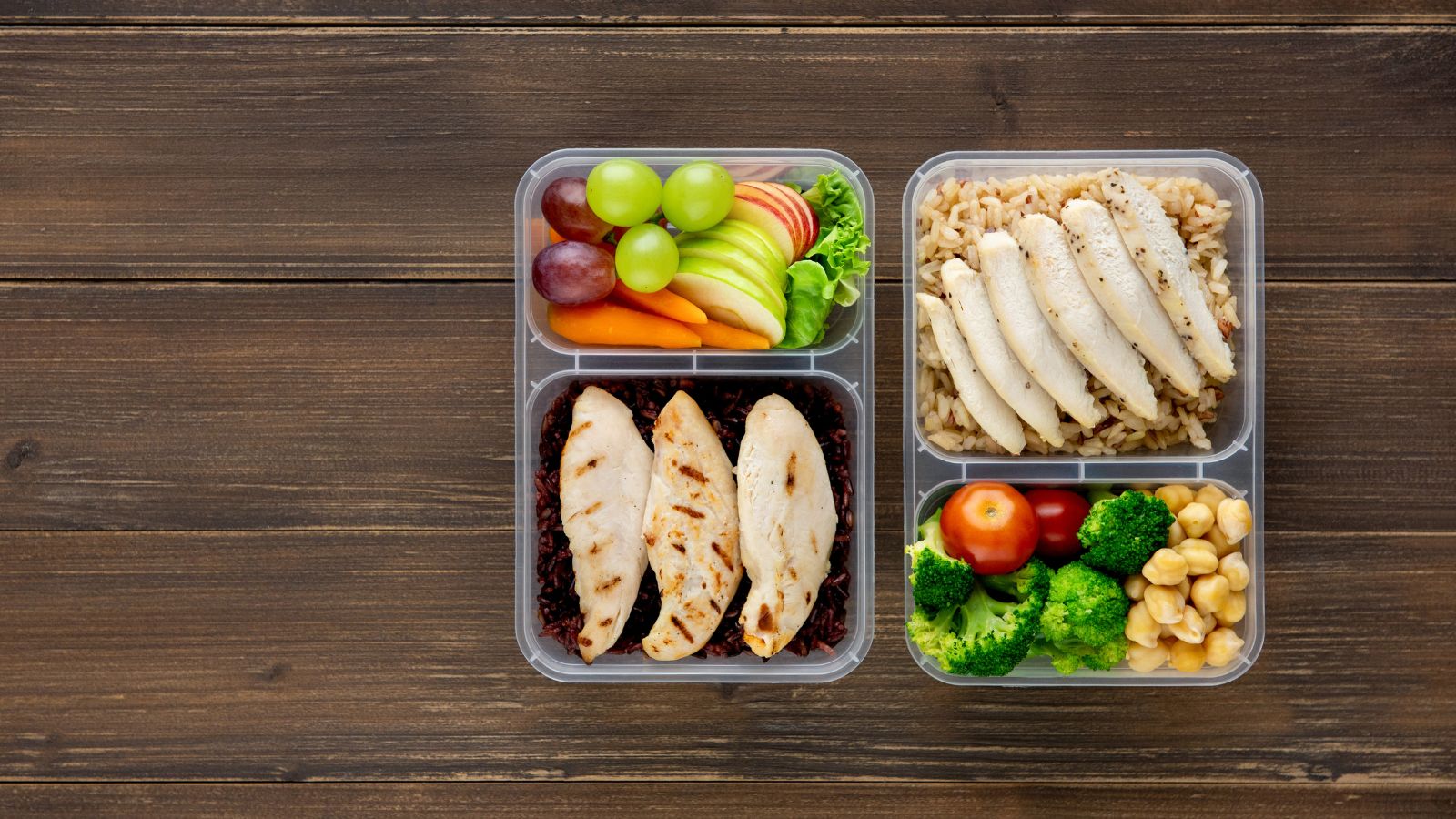
Meal kits can reduce food waste, simplify planning, and help busy households avoid takeout. Introductory discounts can make the first few boxes feel impressively cheap. But the long-term price often rises once promotions end, and the per-serving cost may exceed a carefully planned grocery shop. The value depends heavily on whether the kit replaces restaurant meals or replaces lower-cost home cooking.
For a single professional who often buys takeout, meal kits may save money and reduce decision fatigue. For a family already cooking rice, beans, pasta, soups, and freezer meals, the economics can be less favourable. Packaging, delivery fees, premium recipes, and skipped-but-not-cancelled weeks can also add friction. Meal kits are best treated as a convenience tool rather than a permanent grocery strategy. The deal is strongest when it prevents pricier habits, not when it replaces affordable staples.
Subscription Discounts Stay Valuable After the First Month

Subscription offers are everywhere: coffee, pet food, razors, vitamins, streaming, beauty boxes, software, and pantry goods. The first month often arrives with a friendly discount, bonus item, or free trial. That opening deal can be real, but the long-term cost depends on renewal pricing, usage, cancellation rules, and whether the household still needs the product after the novelty fades.
The danger is quiet accumulation. One small monthly box may not matter, but five subscriptions can become a hidden bill. Auto-renewal works best for products with predictable use, such as pet food or contact lenses. It works poorly for items that pile up under the sink or expire in a cupboard. Shoppers should check renewal dates and regular prices before judging the first shipment. A subscription is only a good deal when it continues to solve a real need at a competitive price.
Gas Station Convenience Deals Are Worth the Stop
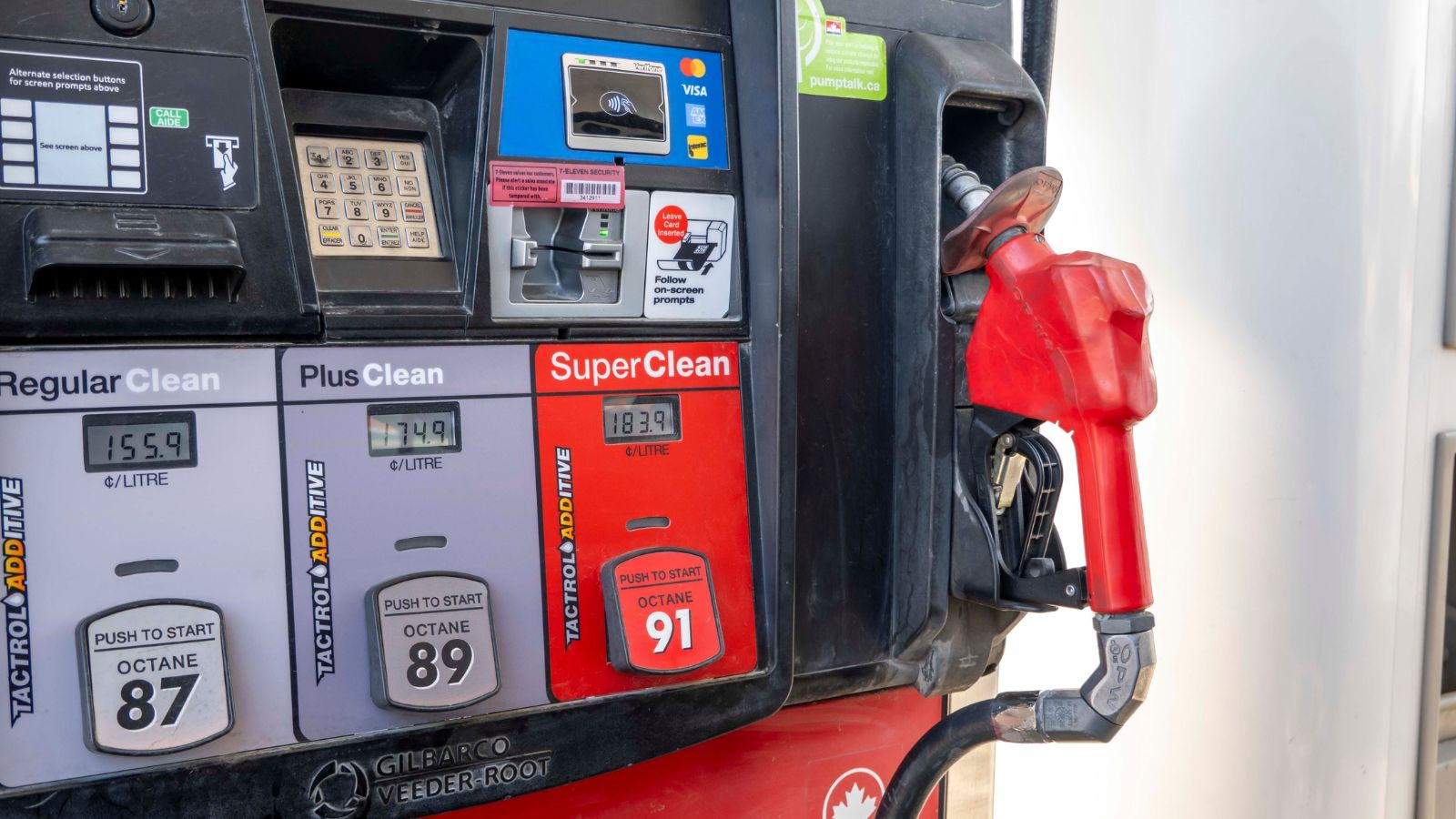
Gas stations and convenience stores often promote snacks, drinks, car washes, and loyalty points at the pump. The convenience is real, especially during commutes, road trips, and school runs. But convenience pricing can make small purchases expensive. A drink, sandwich, and snack bought beside the pump may cost far more than the same items from a grocery store or packed at home.
Fuel rewards can also distract from the bigger math. Saving a few cents per litre is helpful, but not if the driver buys higher-priced extras to earn the reward. A commuter who fills up 50 litres may save a modest amount while spending much more inside the store. Gas station deals are strongest when they involve fuel price comparisons or planned purchases. They are weakest when hunger, fatigue, or points prompts turn a quick stop into a premium-priced mini shop.
“Made in Canada” Always Means Better Value
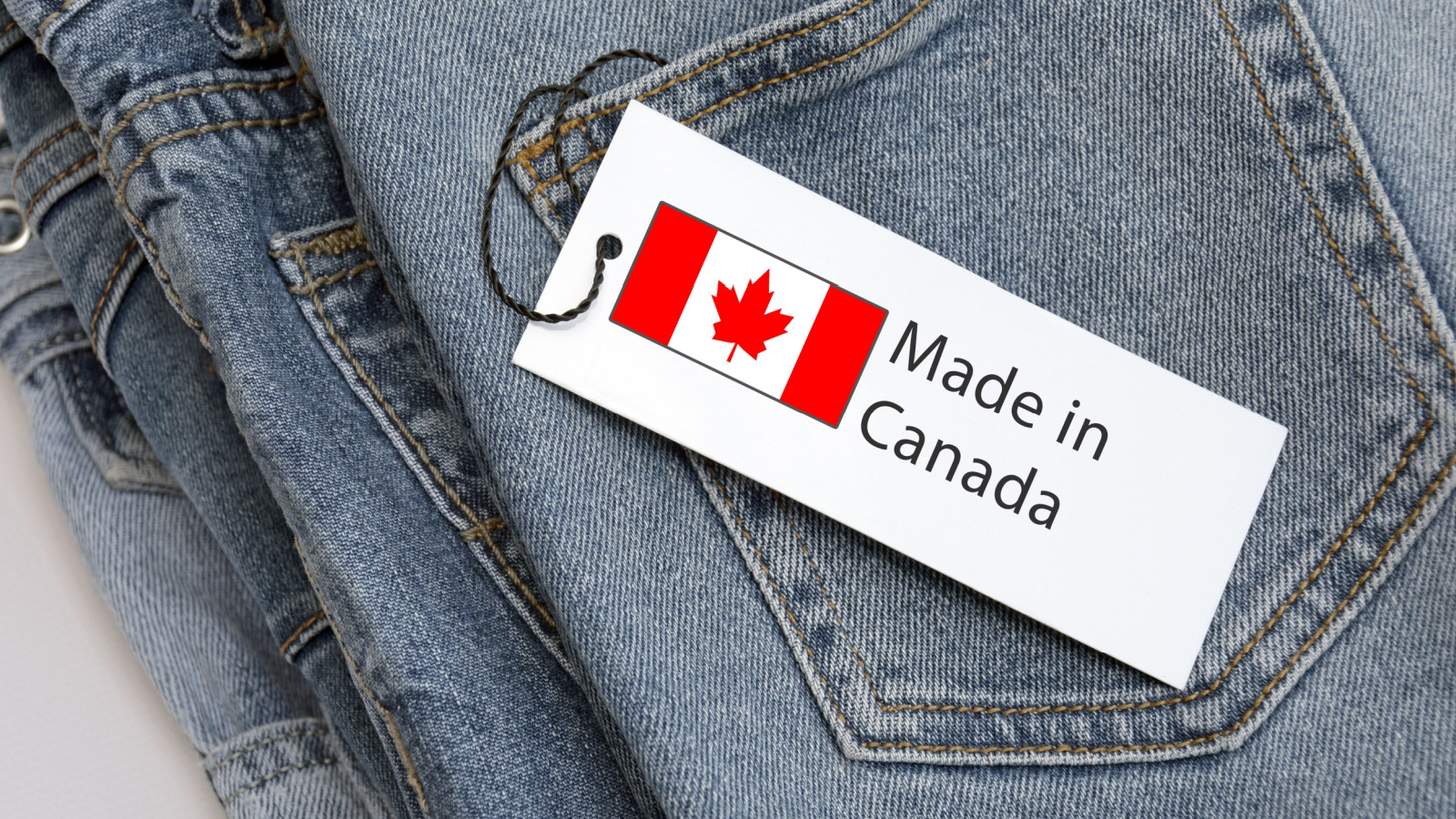
Many Canadians want to support domestic producers, and that instinct has become more visible during trade tensions, supply disruptions, and “buy Canadian” campaigns. Local or Canadian-made goods can offer freshness, shorter supply chains, and support for regional businesses. In some cases, they are absolutely worth a higher price.
But “made in Canada” is not automatically a value guarantee. Some products use Canadian branding while relying on imported ingredients, packaging, or components. Others cost more because of smaller production runs, distribution challenges, or premium positioning. The better question is what kind of value is being measured. A local jam from a farmers’ market may be worth more because of quality and community impact, not because it is cheaper. Shoppers should separate emotional value from financial value. Supporting Canadian businesses can be a valid choice, but it should not be confused with automatic savings.
Outlet Stores Always Carry the Same Quality for Less

Outlet shopping has a strong bargain reputation. The setting suggests overstock, last season’s colours, or leftover inventory from regular retail stores. Sometimes that is exactly what shoppers find. But outlets may also carry merchandise made specifically for outlet channels, with different fabrics, trims, construction, or product lines than the main store.
That does not mean outlet goods are bad. A winter coat, cookware set, or pair of shoes can still be a smart purchase if the price and quality match the need. The problem is assuming the discount compares to an identical full-price item. A handbag marked down from a dramatic “compare at” price may not have spent much time in a regular boutique. Outlet shopping works best when shoppers inspect materials, stitching, return policies, and actual use. The deal should be judged by the item in hand, not the imagined original price.
Fashion Sale Racks Are Automatically Budget-Friendly

A sale rack can feel like the most responsible corner of a clothing store. Markdowns on sweaters, jeans, shoes, and children’s clothes can be genuinely useful, especially for families replacing sizes every season. But cheap clothing is not always low-cost clothing. If the fabric pills quickly, seams twist after washing, or the item only matches one outfit, the cost per wear can be surprisingly high.
Fast-changing trends also make markdowns tempting. A shopper may buy a $19 top because it is 60 percent off, then wear it once. Meanwhile, a better-made $50 item worn weekly for a year offers stronger value. Sale racks are best for basics, durable fabrics, replacement items, and known sizes. They are weaker for impulse colours, awkward fits, and “maybe someday” pieces. The real bargain is not the deepest discount; it is the item that earns its place in regular rotation.
Buy Now, Pay Later Makes a Deal Easier to Manage

Buy now, pay later options can make a purchase feel smaller by splitting the cost into installments. For disciplined shoppers, that structure may help manage cash flow without interest. But the low payment shown at checkout can reduce the emotional weight of the total price. A $240 item becomes “four payments of $60,” which can make it easier to add one more thing.
The risk rises when several plans overlap. Groceries, clothing, electronics, and gifts can each carry their own payment schedule, creating a future bill that feels disconnected from the original shopping trip. Missed payments, account restrictions, or fees can turn a sale into a financial headache. Installments should be judged by the full purchase price, not the smallest payment. A deal that only works when broken into pieces may not be a deal at all.
19 Things Canadians Don’t Realize the CRA Can See About Their Online Income

Earning money online feels simple and informal for many Canadians. Freelancing, selling products, and digital services often start as side projects. The problem appears at tax time. Many people underestimate how much information the CRA can access. Online platforms, banks, and payment processors create detailed records automatically. These records do not disappear once money hits an account. Small gaps in reporting add up quickly.
Here are 19 things Canadians don’t realize the CRA can see about their online income.
