
Small-town Canada is often described as timeless, but daily life in many communities is shifting faster than the familiar streetscapes suggest. New residents are arriving, older residents are changing what services are needed, and once-routine errands can involve longer drives or longer waits. At the same time, remote work, better internet and new immigration programs are creating opportunities that barely existed a decade ago.
These 19 changes are not unfolding evenly, and no single community reflects all of them. Together, however, they show how population pressures, economic transitions, technology, climate risks and service gaps are quietly reshaping towns across the country.
Population Growth Is Becoming Less Predictable

The old assumption that every small town is steadily losing residents no longer fits the national picture. Statistics Canada estimates that rural and small-town populations increased between 2021 and 2025 in 10 of the 13 provinces and territories. Some communities are attracting retirees, remote workers, newcomers and households priced out of nearby metropolitan areas. Others continue to shrink as young adults leave for education or specialized employment.
That uneven growth is highly visible at the local level. One town may suddenly need more classrooms, rental units and family doctors, while another struggles to keep a school or grocery store open. Even growing communities can feel unsettled when housing construction, roads and public services fail to keep pace. Residents notice unfamiliar traffic patterns, crowded recreation programs and subdivisions appearing where open fields once began. Small-town change is increasingly less about simple decline and more about communities growing, aging or contracting in very different ways.
The “Cheap Housing” Advantage Is Narrowing

Housing may still cost less in many small communities than in major metropolitan centres, but the complete household budget tells a more complicated story. Statistics Canada’s Housing and Transportation Cost Index found that provincial median costs in rural and small-town areas ranged from 22.5% of household income in Prince Edward Island to 29.2% in Alberta. Longer drives, limited transit and multiple vehicles can reduce much of the apparent housing advantage.
The available housing stock can also be older and slower to expand. More than half of occupied rural dwellings recorded in the 2021 Census had been built in 1980 or earlier. Only about 120,630 new rural dwellings were constructed between 2016 and 2021, compared with more than 908,000 in urban areas. Locals therefore see bidding competition for well-maintained homes, basement apartments appearing in detached houses and longtime residents worrying that their children may not be able to buy locally. Affordability has become less about the listing price alone and more about transportation, repairs, utilities and availability.
Remote Work Has Changed the Weekday Rhythm

Remote employment has given some people the freedom to live farther from corporate offices, bringing city-based salaries and work routines into smaller communities. Statistics Canada reported that roughly 20% of Canadian workers were working most of their hours from home in November 2023, well below the pandemic peak but still substantially above pre-pandemic levels. Rural service businesses have also become increasingly open to remote arrangements.
This change can be noticed in places that were once quiet during the workweek. Coffee shops fill with laptops, library meeting rooms become informal offices and reliable cellular service becomes a serious home-buying consideration. Remote workers may shop locally during hours when most residents previously commuted elsewhere, supporting cafés, fitness studios and professional services. However, the arrangement can create tension when newcomers earning metropolitan wages compete for limited housing. It also exposes connectivity gaps: a picturesque farmhouse loses appeal quickly when video meetings freeze. Remote work has not eliminated distance, but it has changed which kinds of jobs can exist within it.
Health-Care Access Feels More Fragile

Access to health care has become one of the most emotionally charged changes in many small communities. The Canadian Institute for Health Information reported that 17% of Canadians lacked a regular primary-care provider in 2024. Rural residents face additional complications because local hospitals and clinics generally offer a smaller range of services, requiring patients to travel for specialists, diagnostic imaging, childbirth or complex treatment.
Staffing numbers help explain the strain. CIHI found approximately 0.9 family physicians per 1,000 rural and remote residents in 2023, essentially unchanged from 2014. The number of registered nurses working in those areas declined from about 4.4 to 4.0 per 1,000 residents over the same period. A single retirement, resignation or temporary emergency-department closure can therefore affect an entire region. Locals notice appointment backlogs, rotating physicians and increased reliance on nurse practitioners or virtual care. Health services that once felt permanent can begin to look dependent on a handful of overextended professionals.
An Older Population Is Reshaping Daily Services

Canada is aging everywhere, but the shift is especially noticeable outside larger urban centres. In the 2021 Census, people aged 65 and older represented 23.2% of the rural population, compared with 18.2% of the urban population. Between 2016 and 2021, the proportion of older residents rose by 3.1 percentage points in rural areas, faster than the 1.9-point increase recorded in urban centres.
That demographic change affects nearly every local institution. Pharmacies deliver more prescriptions, recreation departments add low-impact programs and councils debate accessible sidewalks, benches and transportation. Large family homes may be occupied by one or two older residents who would prefer to downsize but cannot find an apartment or assisted-living unit nearby. Adult children often coordinate medical visits from another province, while volunteer drivers become essential. The local economy changes as experienced business owners retire and demand increases for home care, snow removal and property maintenance. Aging is not merely a statistic; it alters the pace, design and priorities of the community.
Newcomers Are Broadening Community Life

Smaller communities are increasingly using immigration to address labour shortages and population decline. The former Rural and Northern Immigration Pilot admitted 4,070 permanent residents in 2024 across 11 participating communities. Its successors—the Rural Community Immigration Pilot and Francophone Community Immigration Pilot—were launched with 18 participating communities and pathways tied to local employers and priority occupations.
The effects reach beyond workforce numbers. A town may gain a new grocery carrying international ingredients, a different place of worship or a community festival that did not exist several years earlier. Schools and clinics may need interpretation support, while employers learn how to help workers find housing and transportation. The transition is not always seamless, particularly where rentals are scarce or settlement services are limited. However, newcomers can help keep factories staffed, restaurants open and classrooms viable. For longtime residents, the most visible change may be hearing more languages on Main Street and seeing familiar institutions adapt to families with different cultural backgrounds and expectations.
Child-Care Shortages Are Steering Family Decisions

Affordable child care does not automatically mean available child care. Statistics Canada estimated that Canada had about 678,000 regulated full-day or part-day centre spaces in 2023, enough for approximately 31% of children aged five and younger. In small towns, the practical choices may be narrower because one centre closure, staffing shortage or provider retirement can remove a significant share of local capacity.
Families often respond by using grandparents, changing shifts, driving to another municipality or delaying a return to work. Home-based providers remain especially important where population density cannot support a large centre; Statistics Canada estimated that more than 28,000 licensed and unlicensed child-care homes served young children nationally in 2024. The shortage also affects employers. A hospital, processing plant or municipal office can advertise positions yet struggle to recruit parents who cannot secure care. Locals notice registration lists opening months in advance and families making housing decisions partly around proximity to grandparents or a dependable provider.
Main Street Is Entering a Succession Era

Many recognizable Main Street businesses are approaching a generational handover. According to Innovation, Science and Economic Development Canada, more than 17% of small and medium-sized business owners reported plans to exit their businesses within five years. In a small town, that transition can involve far more than a change of ownership because one operator may provide the only hardware store, repair shop, bakery or professional service for kilometres.
A successful sale can introduce fresh investment, longer hours and online ordering. An unsuccessful search for a buyer may leave an empty storefront and force residents to travel elsewhere. Family members are not always interested in taking over, while younger entrepreneurs may struggle with financing, commercial property costs or the expectation of working long hours. Locals consequently see longstanding shops shorten their schedules, advertise for partners or close after retirement sales. The question is no longer simply whether residents support local businesses; it is whether someone is prepared and financially able to operate them.
Grocery Choice Still Feels Thin

Grocery access remains one of the clearest differences between small-town and metropolitan life. The Competition Bureau concluded that Canadians living in rural and remote areas have significantly fewer grocery options than urban consumers. Limited competition means a community can become highly dependent on one supermarket, independent grocer or general store, particularly when the next major retailer is an hour away.
Residents feel the consequences when a store changes ownership, reduces hours or stops carrying less popular products. Families may organize monthly trips to a larger centre, while older adults and people without vehicles rely on neighbours. A new discount chain can be welcomed for lower prices but feared for its effect on an independent merchant that supports local teams and charities. Food selection can also change with immigration, tourism and dietary preferences, creating opportunities for specialized businesses. Still, the central vulnerability remains: when only one full-service grocery store operates locally, its staffing, prices and inventory become community-wide concerns rather than ordinary retail decisions.
A Bank Visit Can Mean a Longer Drive

Online banking has reduced the number of routine branch visits, but it has not eliminated the need for cash, financial advice, certified documents or in-person help. Bank of Canada researchers found that the number of financial-institution branches declined by 5.2% between 2019 and 2022. The decrease was steeper in rural areas, where branch access fell by 7.2%.
The average distance rural residents travelled to the nearest branch increased from 9.0 kilometres to 9.6 kilometres during that period. The change is much more dramatic when a community loses its final branch and the alternative is in another town. Businesses must reconsider cash deposits, seniors may need help with digital services and community organizations can struggle to find nearby signing officers. A former bank building may become offices or sit empty in the most prominent block downtown. Even residents who rarely entered the branch can feel its absence because it represented employment, financial expertise and another reason for people from surrounding areas to visit Main Street.
Better Internet Is Changing What Is Possible

High-speed internet has improved across Canada, turning connectivity into one of the most important forces changing small-town life. According to 2024 data cited by the CRTC, 96.4% of Canadian households had access to service offering download speeds of at least 50 Mbps, upload speeds of 10 Mbps and unlimited data. That level of access supports remote employment, online education, telehealth and digital business operations.
The remaining gaps, however, are concentrated in some of the hardest places to serve. Only 69.6% of households in the three territories and 65.7% of households on First Nations reserves had access to the same service standard. Even where a provider technically offers coverage, price, reliability and installation delays may remain obstacles. Locals notice fibre-optic crews, new towers and satellite dishes appearing on rural properties. A reliable connection can help a farm adopt precision technology or allow a professional family to remain locally. Poor service can make a home, business or tourism property far less viable.
Short-Term Rentals Are Altering Tourist Towns

Short-term rentals have added accommodation capacity in cottage regions, mountain communities and towns with seasonal festivals. They allow homeowners to earn income and give visitors access to places without large hotels. The same properties, however, can reduce the supply of housing available to year-round workers when entire homes are regularly offered to tourists rather than long-term tenants.
Statistics Canada estimated that 107,266 short-term rentals in 2023 were potential long-term dwellings. That represented only 0.69% of Canada’s total housing units, but national percentages can conceal concentrated effects in individual destinations. Locals may notice dark houses in the off-season, unfamiliar vehicles every weekend and service workers commuting from another municipality because they cannot find rentals nearby. Municipal councils increasingly debate licensing, occupancy limits, parking and enforcement. The disagreement often divides residents who view tourism income as essential from those who believe neighbourhood stability and workforce housing are being weakened.
Extreme Weather Is Rewriting Local Risk

Wildfire smoke, flooding, hail and prolonged heat are increasingly shaping municipal budgets and household decisions. Canada recorded a record $8.5 billion in insured damage from severe weather in 2024. Four catastrophic events within 27 days accounted for more than $7.5 billion, including the Jasper wildfire, major flooding and a destructive Alberta hailstorm.
Small communities often have fewer staff members, alternate roads and emergency facilities available when disaster strikes. Residents notice new evacuation signage, FireSmart work around properties, drainage projects and restrictions on water use or outdoor burning. Insurance renewals can bring higher premiums, larger deductibles or questions about flood and wildfire exposure. Tourism-dependent communities must also manage the reputational effect of closures and smoke. The Jasper evacuation demonstrated how quickly a celebrated destination can become an emergency zone. Climate risk is therefore moving from long-term planning documents into ordinary conversations about where to build, what to insure and how much municipalities can afford to protect.
Infrastructure Repairs Are Harder to Postpone
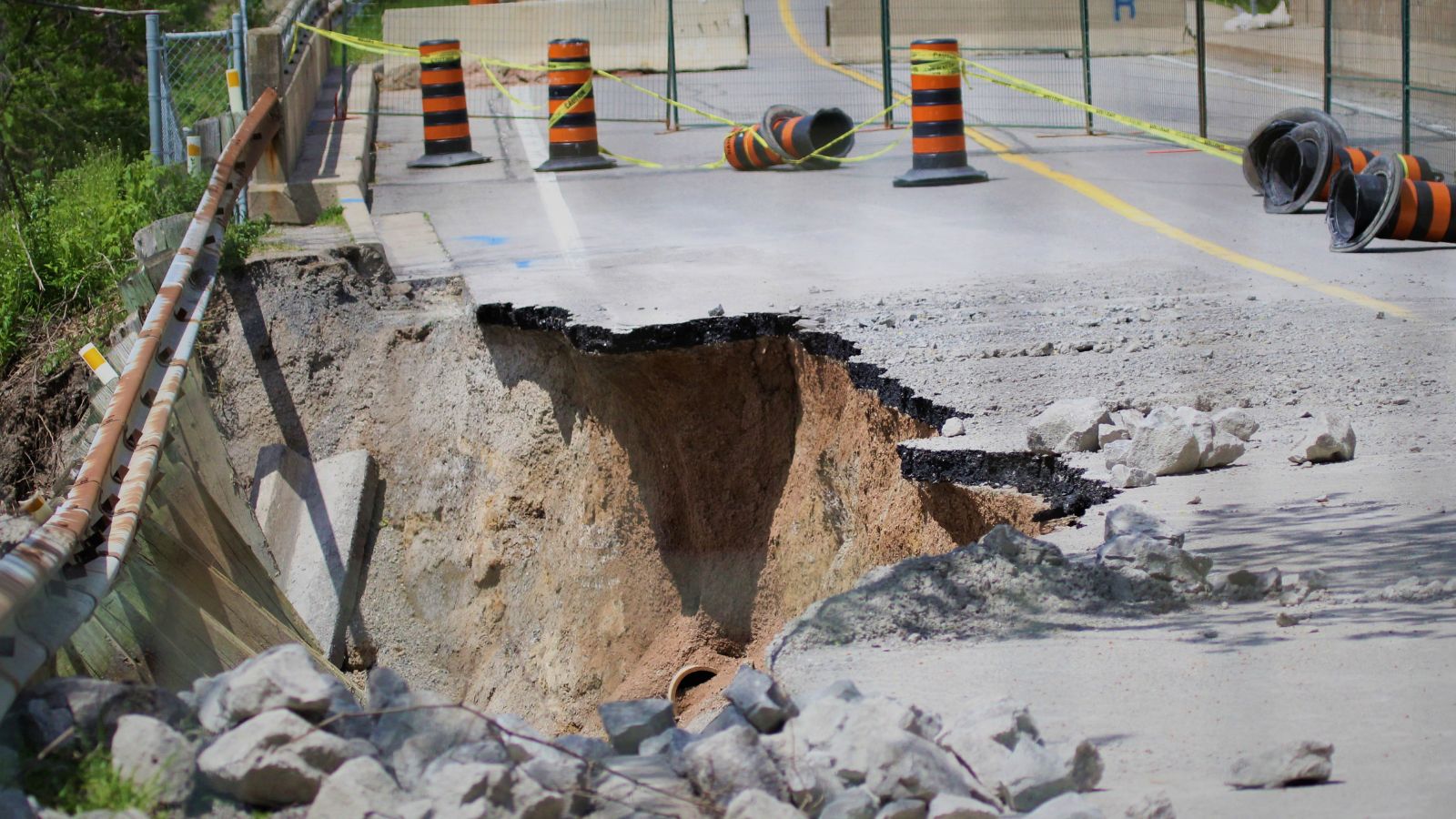
Roads, bridges, water systems and recreation buildings are easy to take for granted until repairs begin affecting taxes and service levels. The Federation of Canadian Municipalities estimates that local governments maintain approximately 60% of Canada’s essential public infrastructure. It placed the national municipal infrastructure deficit at roughly $270 billion in 2025, although the scale and condition of assets vary widely by region.
Small municipalities face a particular challenge because expensive projects must be funded across a limited tax base. Replacing a water plant or bridge can cost nearly as much in a town of 5,000 as it does in a much larger community, but fewer households share the bill. Locals notice boil-water advisories, weight restrictions, patched roads and arenas requiring emergency repairs. Councils must choose between raising property taxes, borrowing, delaying work or pursuing grants with complex applications. Climate adaptation adds another layer, as culverts and stormwater systems designed for past conditions may no longer be sufficient.
Rural Transit Is Becoming More Experimental
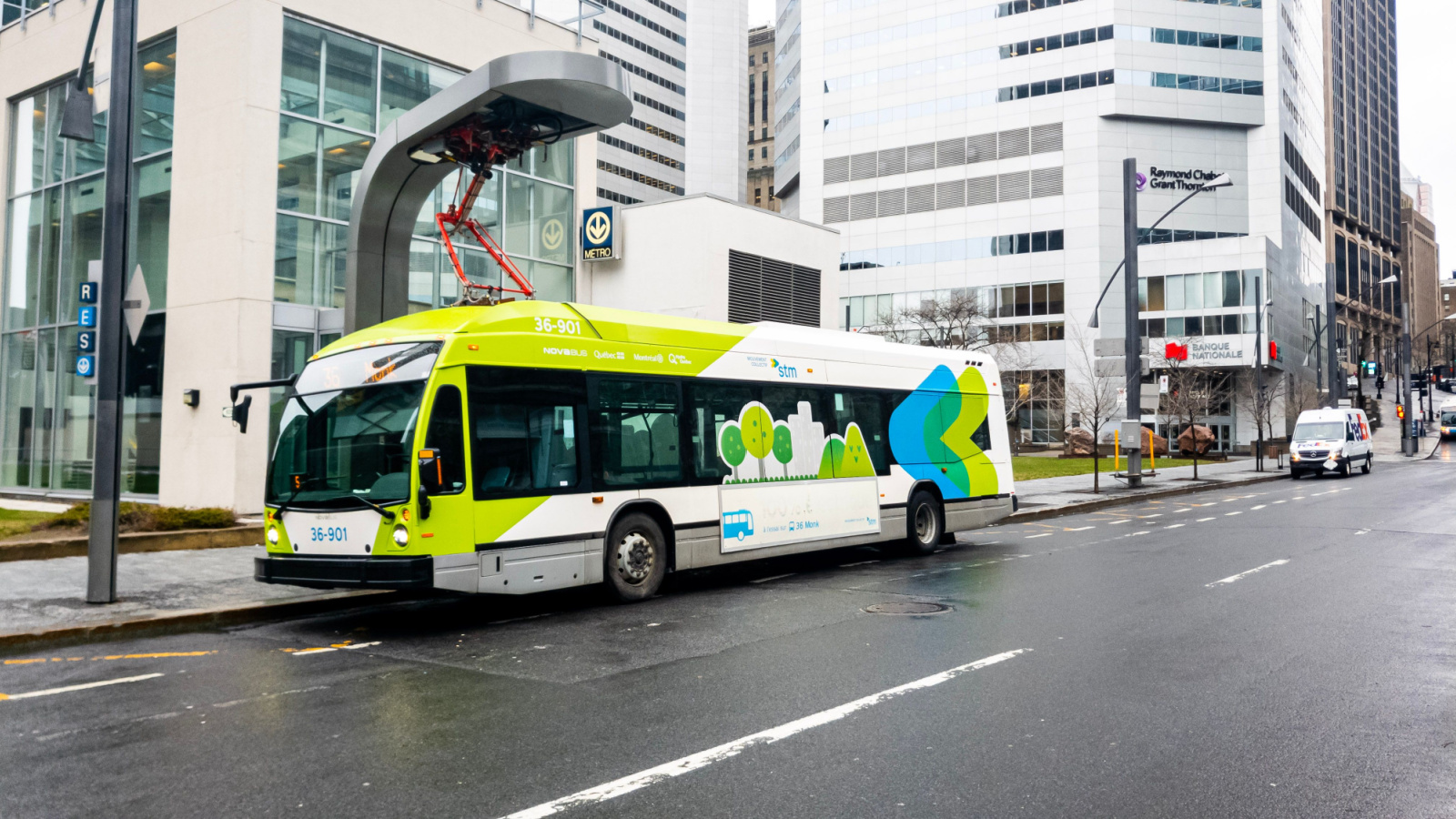
The private automobile remains essential in most small communities, yet the absence of alternatives is becoming harder to accept as populations age and essential services become more centralized. The federal Rural Transit Solutions Fund now supports fixed routes, on-demand transportation and micromobility options such as e-bikes. Planning grants can reach $50,000, while eligible capital projects can receive contributions of up to $10 million.
Instead of copying big-city bus networks, communities are experimenting with smaller vehicles, pre-booked rides and regional partnerships. A van might connect several municipalities to a hospital twice a week, or an app-based service may replace an underused fixed route at night. These programs can help older adults, students, workers and residents with disabilities, although low population density makes scheduling and operating costs difficult. Locals notice accessible vans at community centres and new conversations about transportation as a public service. The change is gradual, but car ownership is no longer treated as the only imaginable mobility plan.
EV Chargers Are Becoming New Town Landmarks

Electric-vehicle chargers are appearing beside municipal offices, hotels, grocery stores and highway businesses. Since 2016, the federal government has committed more than $1 billion to make zero-emission vehicles and charging infrastructure more accessible. Current federal targets call for 84,500 chargers and 45 hydrogen-refuelling stations to be selected for funding or operating by 2029.
For small towns, chargers can serve both residents and travellers. A driver who stops for 30 minutes may buy lunch, visit a shop or walk through the downtown, giving municipalities an economic-development reason to compete for installations. The transition also raises practical questions about winter performance, electrical capacity, maintenance and whether chargers are located where visitors actually spend time. In regions with long distances between communities, one broken fast charger can matter greatly. Locals increasingly view charging infrastructure much like fuel stations or cellular service: an amenity that influences travel routes, business decisions and perceptions of whether a community is prepared for technological change.
Volunteer Organizations Are Running Leaner

Small towns depend heavily on volunteers to operate festivals, food banks, minor sports, service clubs, museums and emergency organizations. That system is under pressure. Statistics Canada reported that the overall volunteering rate fell by 8% between 2018 and 2023. People who volunteered contributed an average of 173 hours in 2023, which was 33 hours fewer than in 2018.
The result is visible when the same small group appears at every fundraiser and community event. Committees reduce activities, sports organizations struggle to recruit coaches and longtime volunteers remain in leadership roles because no replacement has stepped forward. Busy households may still contribute, but they often prefer short, clearly defined assignments over year-round committee work. Informal help—driving a neighbour, clearing snow or delivering meals—continues even when formal participation declines. Still, institutions that require governance, training and dependable schedules cannot operate on goodwill alone. The local concern is increasingly not whether an event will attract attendees, but whether enough people will organize it.
Local News Is Thinner and More Digital

The disappearance of local newspapers has changed how residents learn about council decisions, court cases, school issues and community events. The Local News Research Project recorded 603 local outlet closures in 388 Canadian communities between 2008 and October 1, 2025. Only 264 new outlets had launched and remained active over the same period, leaving a substantial net loss.
In some towns, a weekly paper has been replaced by a regional website covering several municipalities. Elsewhere, Facebook groups, municipal notices and volunteer-run newsletters attempt to fill the gap. Information may circulate faster, but it is not always verified or accompanied by independent reporting. Council meetings can proceed with no journalist present, while rumours about crime, development or public spending spread before records are checked. New digital and nonprofit outlets are emerging, yet sustainable revenue remains difficult. Locals notice fewer reporters at community events and less detailed coverage of decisions that directly affect taxes, services and neighbourhoods.
Town Edges Are Pressing Against Farmland

The boundary between town and countryside is becoming more contested. Canada reported 189,874 farms covering approximately 153.7 million acres in the 2021 Census of Agriculture. Total farm area had declined by about 3.2% since 2016, while the number of farm operators fell from 271,935 to 262,455. Not all of that change was caused by development, but land conversion is highly visible near growing communities.
Residents see subdivisions, warehouses, highway businesses and larger agricultural operations replacing smaller fields and farmsteads. Municipalities must weigh housing supply and tax revenue against drainage, traffic, food production and the permanent loss of agricultural land. Farmers near town limits can face higher land values, complaints about noise or odour and pressure to sell. At the same time, new residents may value farmers’ markets and rural scenery without fully understanding working-farm conditions. The changing town edge captures the central small-town dilemma: communities need room to grow, but growth can gradually erase the landscape that once defined them.
19 Things Canadians Don’t Realize the CRA Can See About Their Online Income

Earning money online feels simple and informal for many Canadians. Freelancing, selling products, and digital services often start as side projects. The problem appears at tax time. Many people underestimate how much information the CRA can access. Online platforms, banks, and payment processors create detailed records automatically. These records do not disappear once money hits an account. Small gaps in reporting add up quickly.
Here are 19 things Canadians don’t realize the CRA can see about their online income.
