
Most driving rules become automatic after years behind the wheel, which is exactly why the smaller details are easy to forget. A manoeuvre that feels harmless—rolling through a stop sign, touching a phone at a red light or squeezing past a cyclist—can still violate provincial traffic law.
Canada does not have one uniform provincial road code, so requirements and penalties can change at a border or even with local signage. These 19 road rules Canadians commonly overlook draw on current government guidance from Ontario, Québec, British Columbia, Alberta and federal impaired-driving law. The recurring lesson is simple: familiarity with a road does not replace familiarity with the rule governing it.
A Rolling Stop Is Still Not a Stop
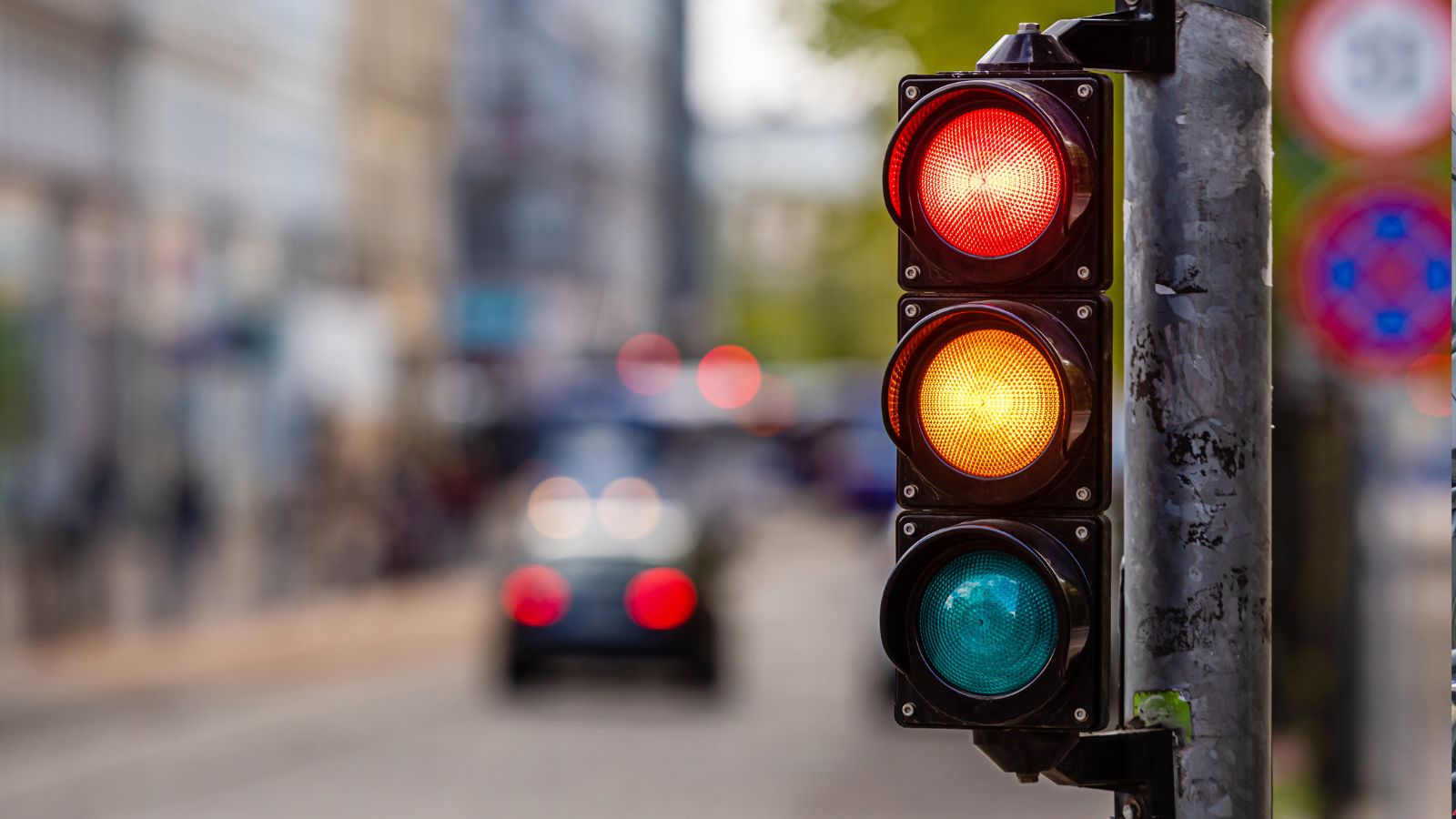
A quiet four-way stop can tempt a driver to slow to walking speed, look both ways and continue without the wheels ever completely stopping. That familiar “rolling stop” may feel practically identical to stopping when no one else is around, but the legal distinction matters. Ontario’s driver guidance, for example, states that drivers must come to a complete stop at stop signs. Where a stop line exists, the stop is made at that line; the location changes when markings, crosswalks or visibility require it.
The detail becomes especially important at all-way stops. In Ontario, the vehicle that arrives and stops first normally has the right-of-way, while drivers arriving together must apply the appropriate yielding rules. A driver who merely slows can create confusion because everyone else is judging priority from a presumed complete stop. What feels like saving two seconds can therefore become both an enforcement issue and an intersection-safety problem. The safest habit is the simplest one: stop fully, establish right-of-way and then proceed.
A Right Turn on Red Is Permission, Not Priority
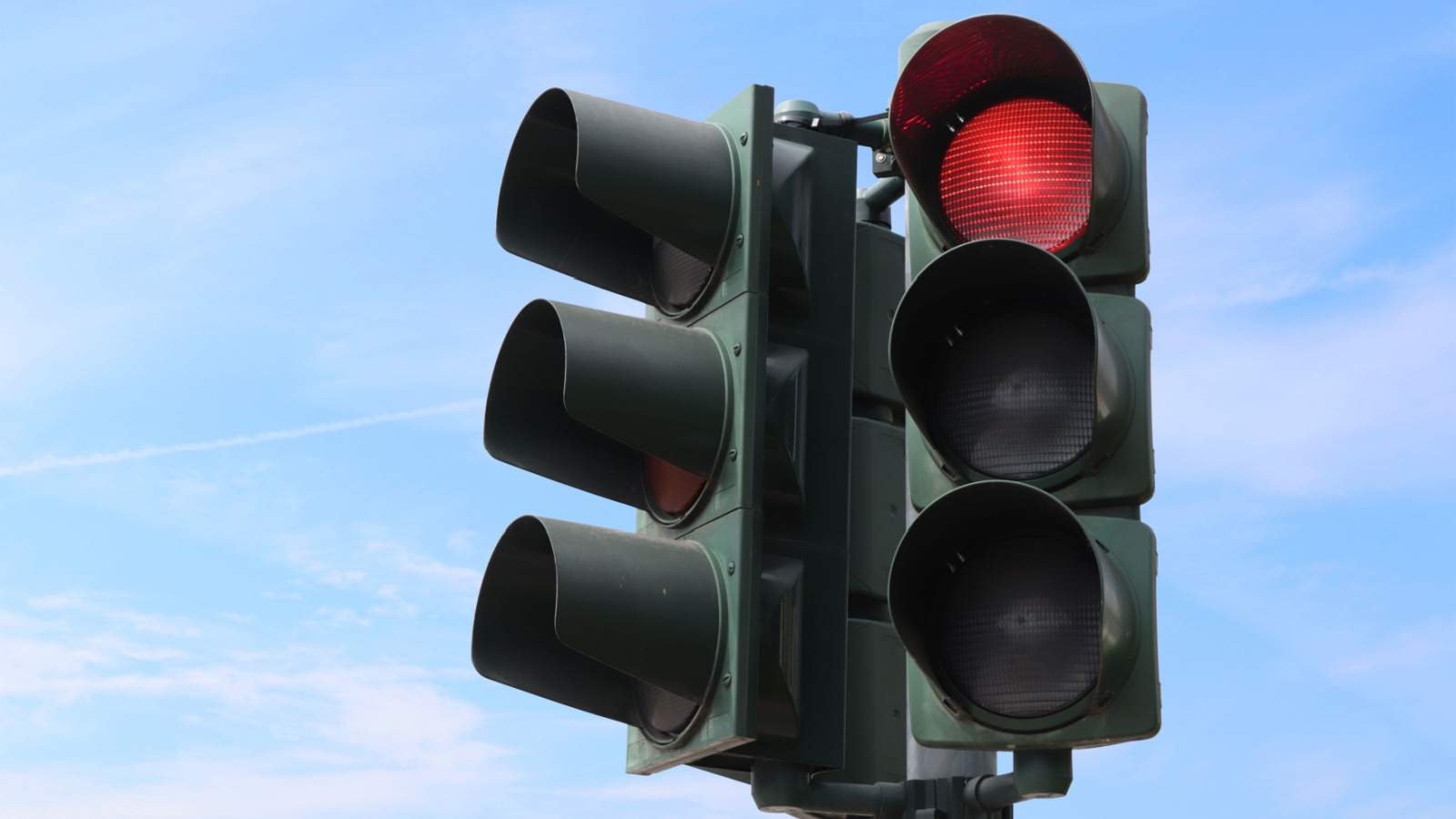
The red light does not suddenly become green simply because a vehicle is turning right. In provinces where a right turn on red is permitted, the manoeuvre normally begins with a complete stop and a check for pedestrians, cyclists, signs and other traffic. Ontario explicitly requires the driver to stop first and wait until the way is clear. Alberta similarly permits the movement unless signage says otherwise, but only after the driver has stopped and yielded.
Then comes one of Canada’s easiest geographic traps. Québec generally permits right turns on red, but not on the island of Montréal, and signs can prohibit them elsewhere in the province. Drivers visiting from another province—or Québec motorists who seldom drive in Montréal—can carry a perfectly legal habit into the wrong jurisdiction. Even where the turn is allowed, it is optional rather than compulsory. A honking driver behind does not create a legal obligation to turn when visibility, pedestrians or traffic make waiting the safer decision.
Flashing Red School-Bus Lights Change Everything

Few roadside situations demand a faster change in behaviour than a school bus displaying its alternating red lights and stop signal. Ontario requires approaching motorists to stop when a school bus is loading or unloading passengers, subject to the rules governing divided roadways. A vehicle approaching from behind in Ontario must stop at least 20 metres from the bus. Québec also requires motorists to stop, with its government guidance specifying a minimum distance of five metres.
The danger is that the rule can be forgotten on a wide road when a driver assumes the bus applies only to traffic travelling behind it. That assumption can be wrong. Requirements for opposing traffic depend on the road configuration and provincial rules, with physical medians often determining whether the opposite direction must stop. Alberta, for example, provides an exception for traffic on the opposite side of a physically divided highway. The red lights should therefore trigger a deliberate check of the roadway—not an instinctive attempt to slip past before a child appears.
“Move Over” Means More Than Slowing Slightly
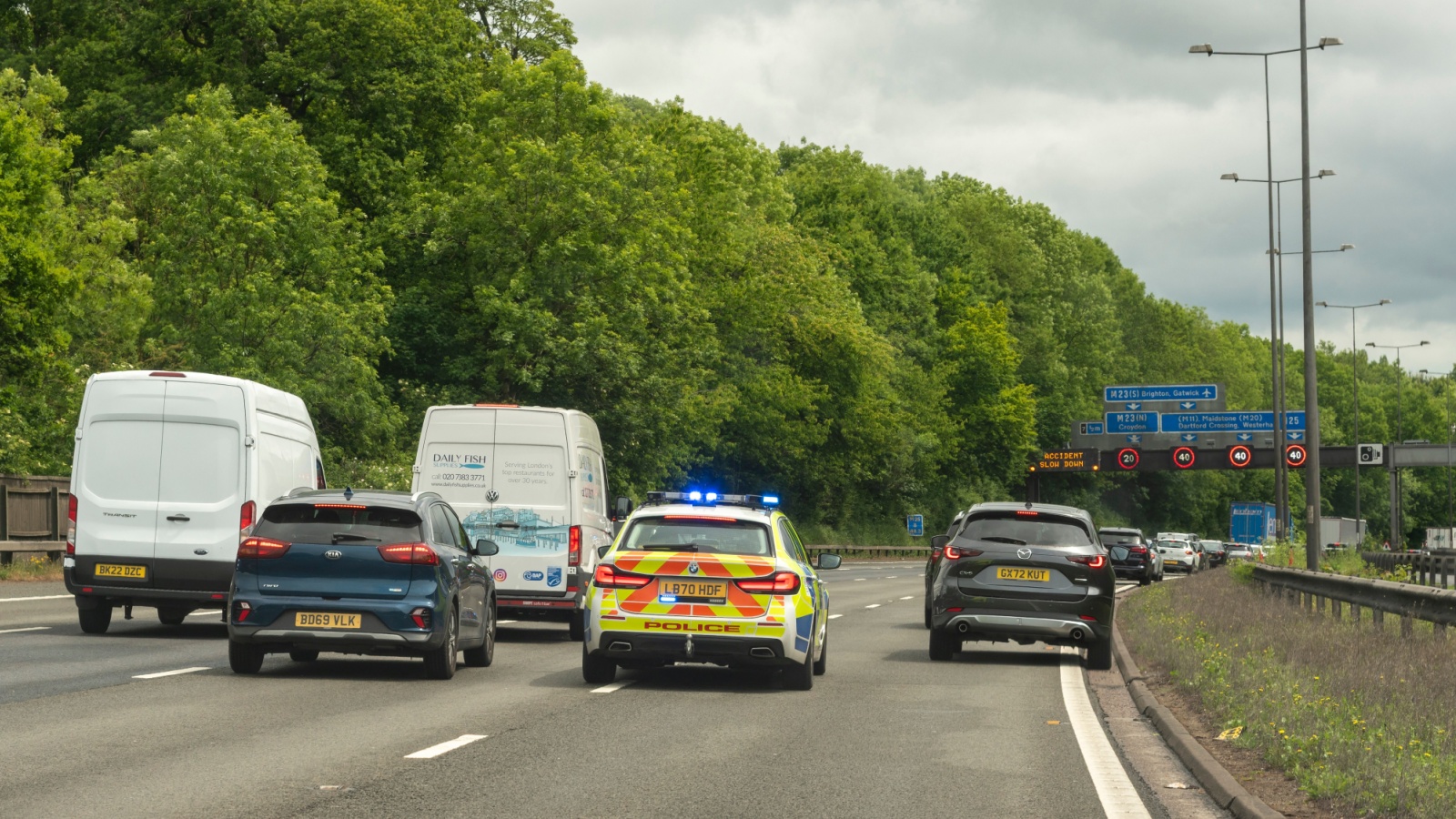
A police cruiser, ambulance or tow truck sitting on the shoulder can look safely removed from the travel lane, particularly on a broad highway. That does not mean motorists can simply maintain speed and pass inches away. Move-over laws are designed to create working space for people standing beside fast-moving traffic, and the specific requirement can involve both reducing speed and changing lanes when doing so is safe.
Ontario warns that motorists can be charged for failing to slow down or move over when approaching certain stopped emergency vehicles or tow trucks displaying required lights. Québec also has a formal Move-Over Law requiring drivers to create a safety corridor around qualifying stopped vehicles; the province lists fines and demerit points for violations. A driver should therefore notice the flashing lights early, check mirrors, reduce speed and move away from the stopped vehicle when conditions allow. Waiting until the last moment can leave no safe lane-change opportunity and turns a straightforward legal duty into an abrupt manoeuvre.
An Approaching Siren Requires a Different Response
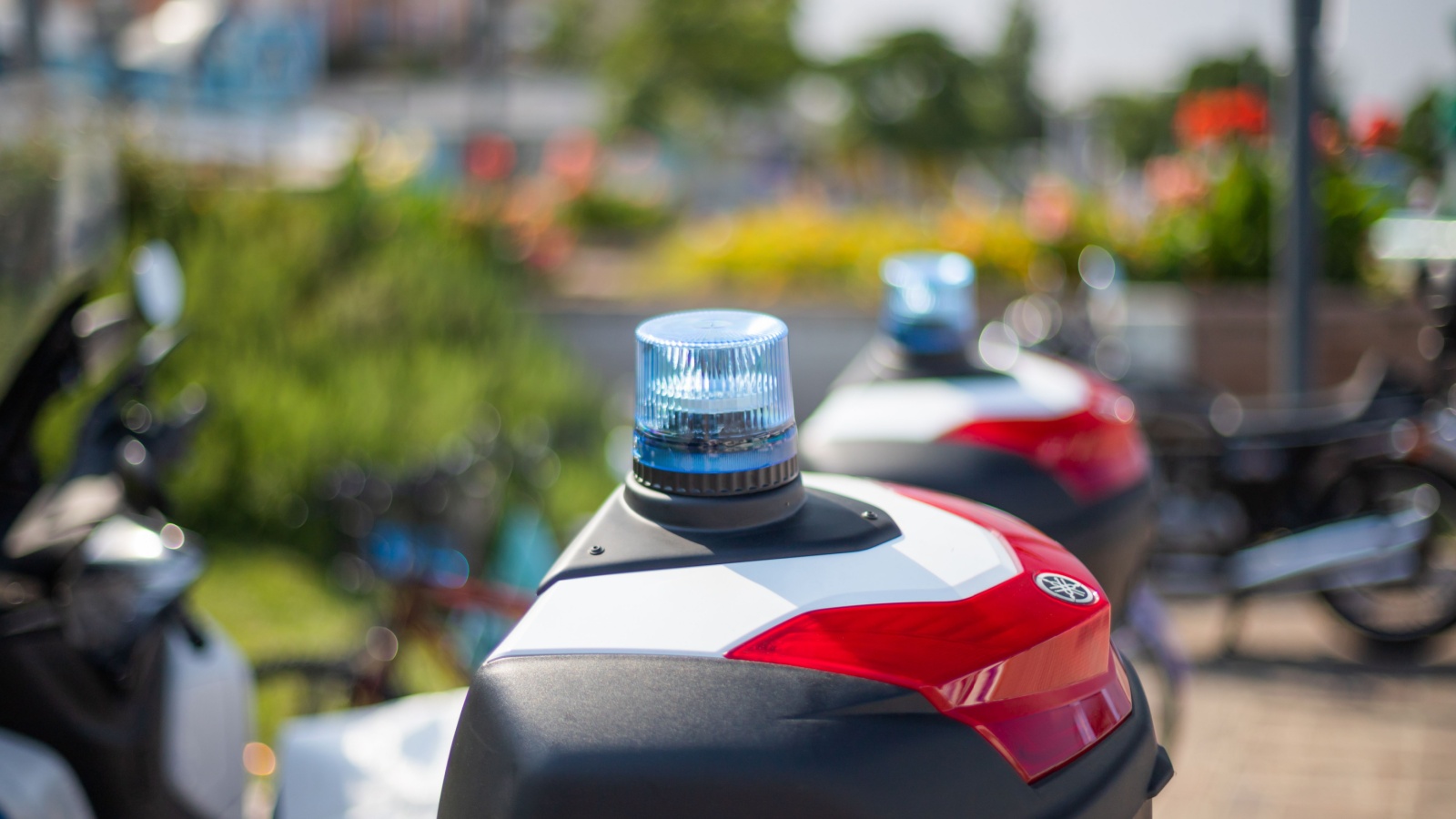
Move-over laws for stopped roadside vehicles are sometimes confused with the rules governing an emergency vehicle actively approaching with lights or a siren. The situations are related but not identical. When a police vehicle, fire truck or ambulance is coming through traffic, drivers generally have a duty to clear its path rather than merely slowing down. Ontario guidance tells motorists to pull to the right and stop when an emergency vehicle is approaching, while cautioning against stopping in a way that blocks an intersection.
British Columbia’s driver guidance similarly emphasizes giving emergency vehicles the right-of-way and creating a clear path. The awkward moment often occurs at a red light, in heavy traffic or on a multi-lane street where several drivers react differently. Panic is not useful; predictable movement is. Drivers should check where the emergency vehicle is coming from, signal where appropriate and avoid blindly entering an intersection. After one emergency vehicle passes, it is also worth checking again—another ambulance, fire engine or police vehicle may be close behind.
Seat Belts Are Not Just the Driver’s Personal Choice
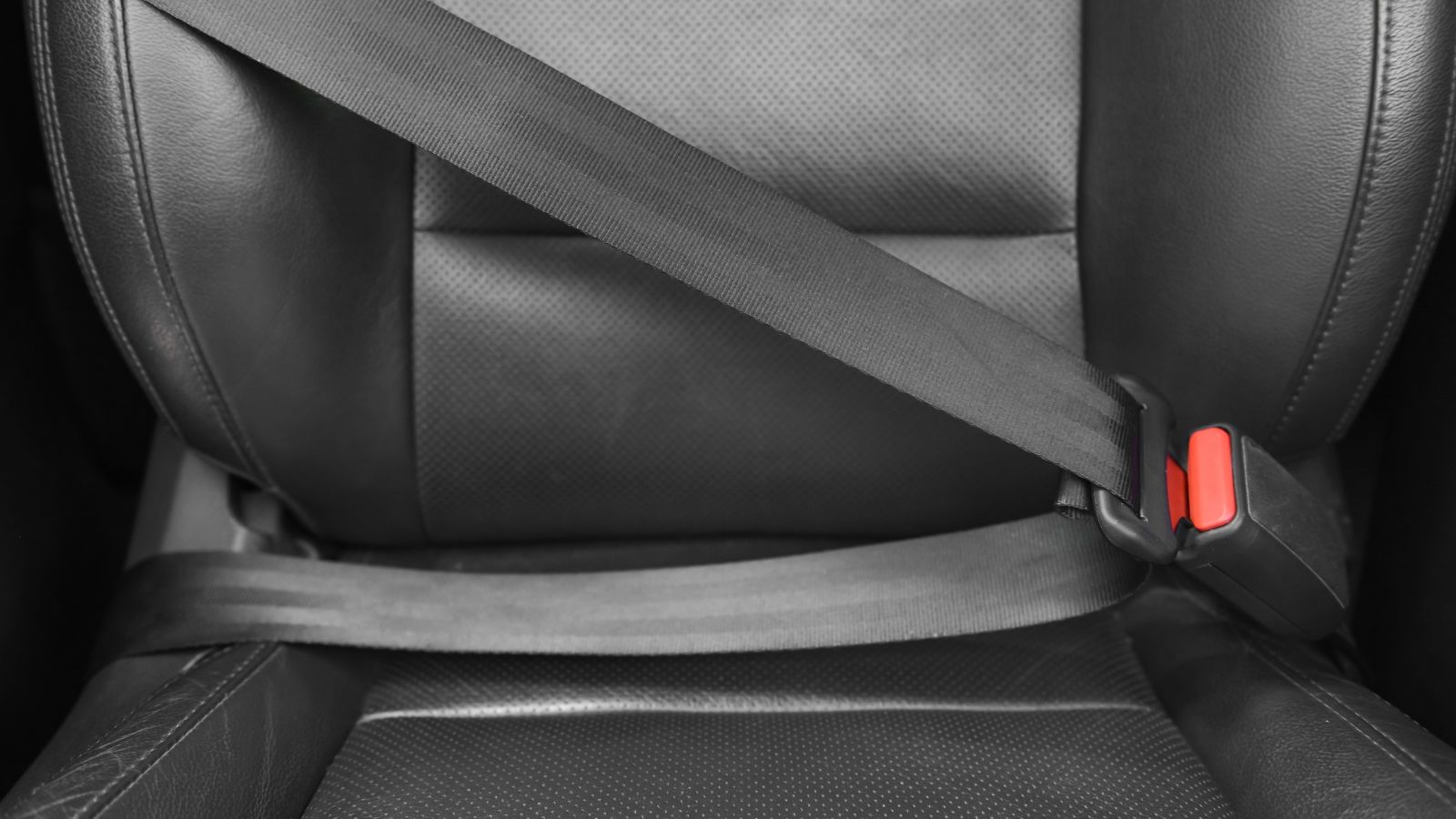
A driver fastening a seat belt while a passenger leaves theirs hanging beside the seat can create more than a safety concern. Provincial laws assign responsibilities that extend beyond the person holding the steering wheel. Ontario requires motor-vehicle drivers and passengers to wear properly adjusted, securely fastened seat belts, while drivers carry additional responsibility for ensuring younger passengers are appropriately restrained. British Columbia likewise requires seat-belt use and imposes responsibilities concerning passengers under 16.
The “short trip” exception that people sometimes apply in their own minds does not make an unbelted journey legal. A run from a driveway to the corner store still takes place on the road, and a low-speed urban collision can still produce major forces inside a vehicle. Nor is squeezing two people beneath one belt an acceptable substitute for separate restraints. The routine that prevents an uncomfortable roadside conversation is also remarkably simple: nobody moves until every occupant has an appropriate seating position and the required restraint is secured.
Children Can Outgrow a Seat Without Outgrowing the Law
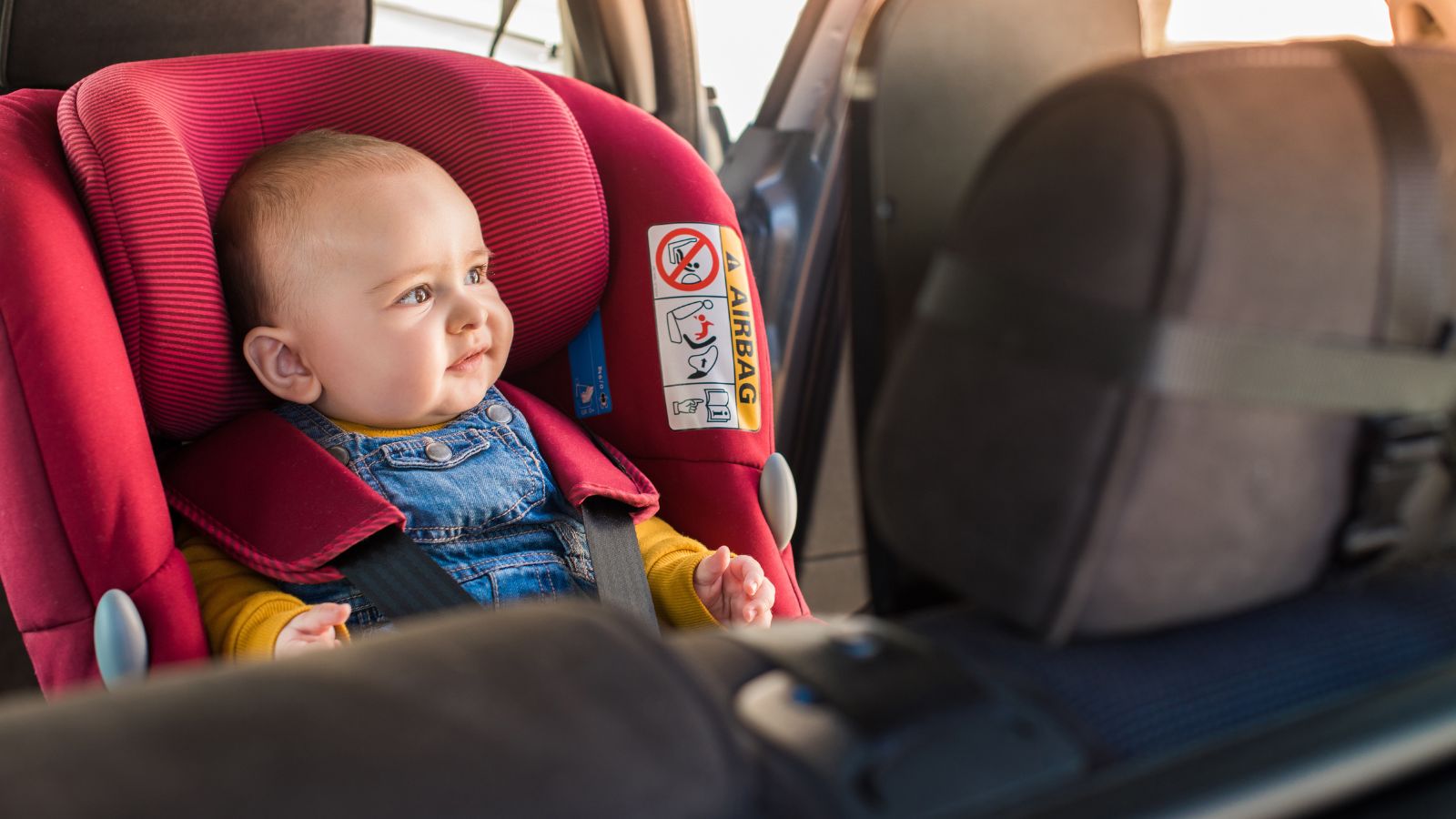
Parents often remember that babies need car seats but become less certain about the transition from a forward-facing seat to a booster and eventually to an adult seat belt. Those stages are governed by provincial requirements that can use age, height and weight thresholds. In Ontario, for example, booster-seat requirements apply to children who remain below specified age, weight and height thresholds, with government guidance identifying 145 centimetres as an important height benchmark.
British Columbia also requires children under 16 to be correctly restrained using the appropriate child seat, booster or seat belt. Another overlooked issue is the seat itself. Canadian child restraints should meet applicable Canadian safety standards, and ICBC advises consumers to look for the National Safety Mark. A visiting relative’s seat, an old booster stored in a basement or equipment purchased from a foreign website may deserve a closer inspection before a child is buckled in. The passenger may look comfortable while the restraint still fails the applicable requirement.
A Red Light Does Not Turn a Phone Into a Legal Device
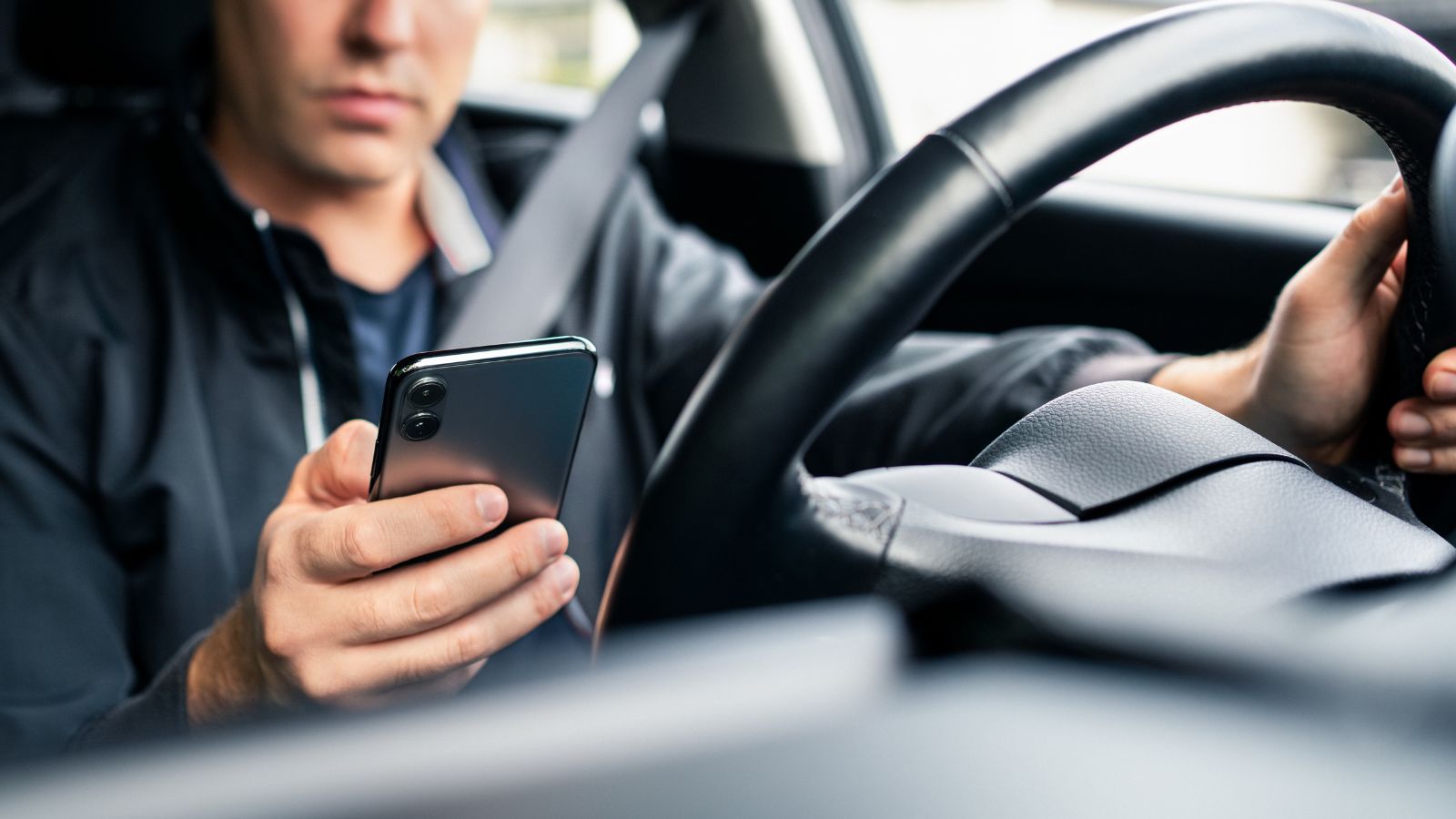
Traffic has stopped. The transmission is in drive. The light is red. A message appears on the screen. That combination causes plenty of motorists to assume the phone is temporarily fair game because the vehicle is not moving. Provincial distracted-driving rules can say otherwise. Ontario states that its restrictions on hand-held communication and entertainment devices apply while driving including while stopped in traffic or at a red light.
British Columbia gives the same basic warning: a driver should not use a cellphone simply because the vehicle is sitting at a red light or trapped in bumper-to-bumper traffic. Restrictions can become even tighter for novice drivers. In B.C., learners and novice licence holders face broader limits on electronic-device use than fully licensed motorists. The safest distinction is between being stopped in traffic and being safely parked. If a message genuinely cannot wait, pulling legally off the roadway removes the ambiguity and keeps the driver’s attention where traffic law expects it to be.
Legal Cannabis Did Not Make Cannabis-Impaired Driving Legal

Canada’s legalization of recreational cannabis sometimes blurred two entirely separate ideas: legal possession or consumption and legal driving. Impaired driving remains a criminal offence. Federal law establishes prohibited blood concentrations for THC and also creates offences involving combinations of alcohol and cannabis. The Criminal Code framework operates alongside provincial roadside sanctions and licensing consequences, meaning an impaired-driving incident can extend well beyond an ordinary traffic ticket.
Another trap is looking for a universal “safe waiting period” after cannabis use. Federal guidance says there is no standard waiting time that guarantees someone is safe to drive after consuming cannabis. Effects vary with the product, amount, method of consumption, individual and other substances involved; some effects can persist well after the obvious feeling of intoxication fades. Prescription medication can also impair driving. The practical rule is therefore broader than simply staying below a familiar alcohol number: when a substance affects judgment, reaction or alertness, driving should be removed from the plan.
Automatic Lights Do Not Eliminate Headlight Rules
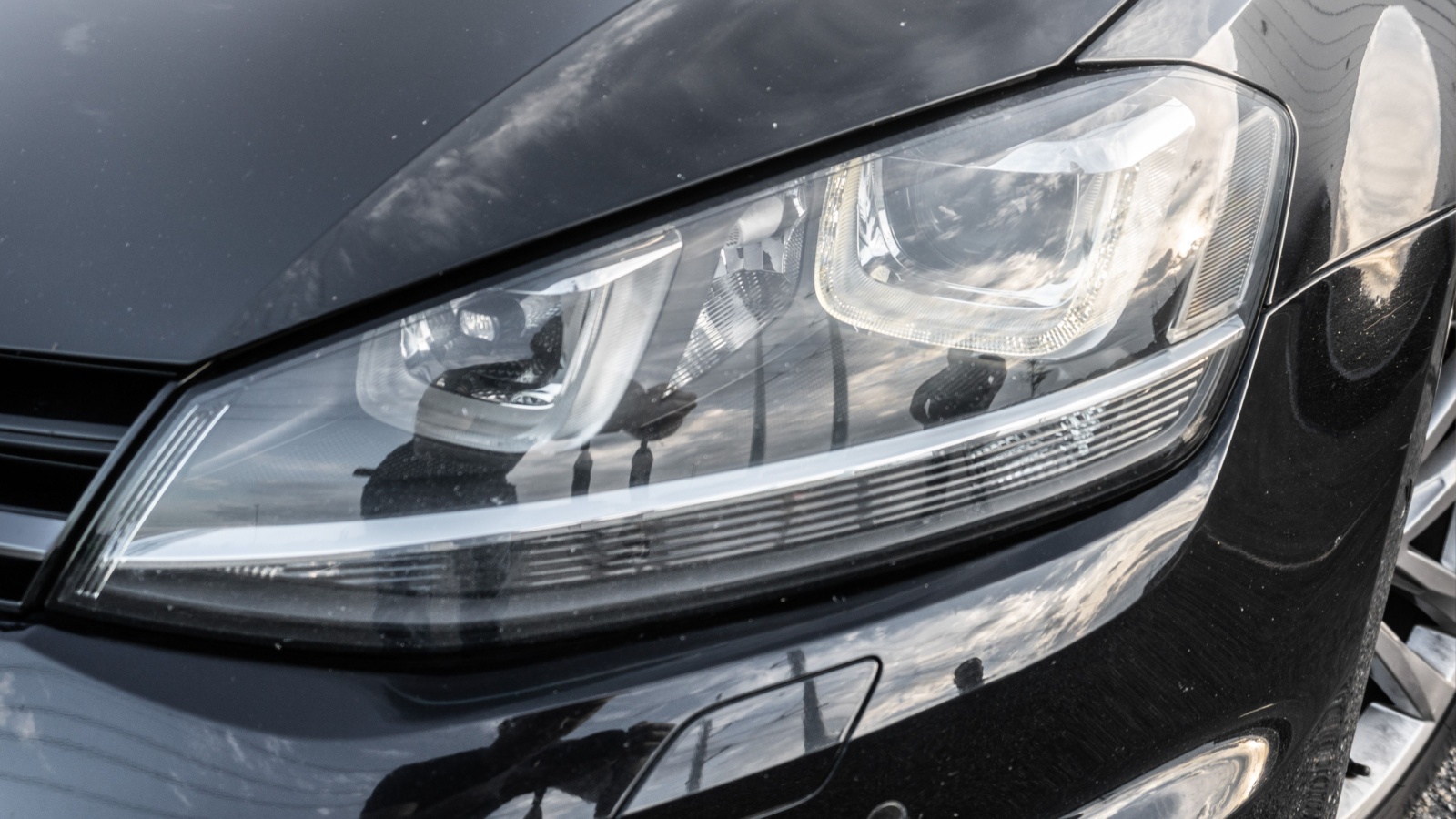
Modern vehicles can create a false sense that lighting decisions have been completely automated. Daytime running lights, automatic headlights and illuminated dashboards make it possible for a driver to leave a bright parking lot without realizing that the vehicle’s full nighttime lighting is not operating as expected. Ontario requires headlights during defined nighttime periods—between one-half hour before sunset and one-half hour after sunrise—as well as during other periods of poor visibility.
High beams create a second issue. They improve visibility on dark, empty roads but can become a problem around other traffic and in certain weather. Ontario guidance specifically recommends low beams in fog because high beams reflect against moisture and can make seeing more difficult. Drivers should understand what their vehicle actually does in the “auto” position rather than assuming every lamp is active whenever the dashboard lights up. Snow, road grime and salt can further reduce lamp effectiveness, making a quick walk-around worthwhile during Canadian winters.
Crosswalk Rules Do Not End When the Light Turns Green
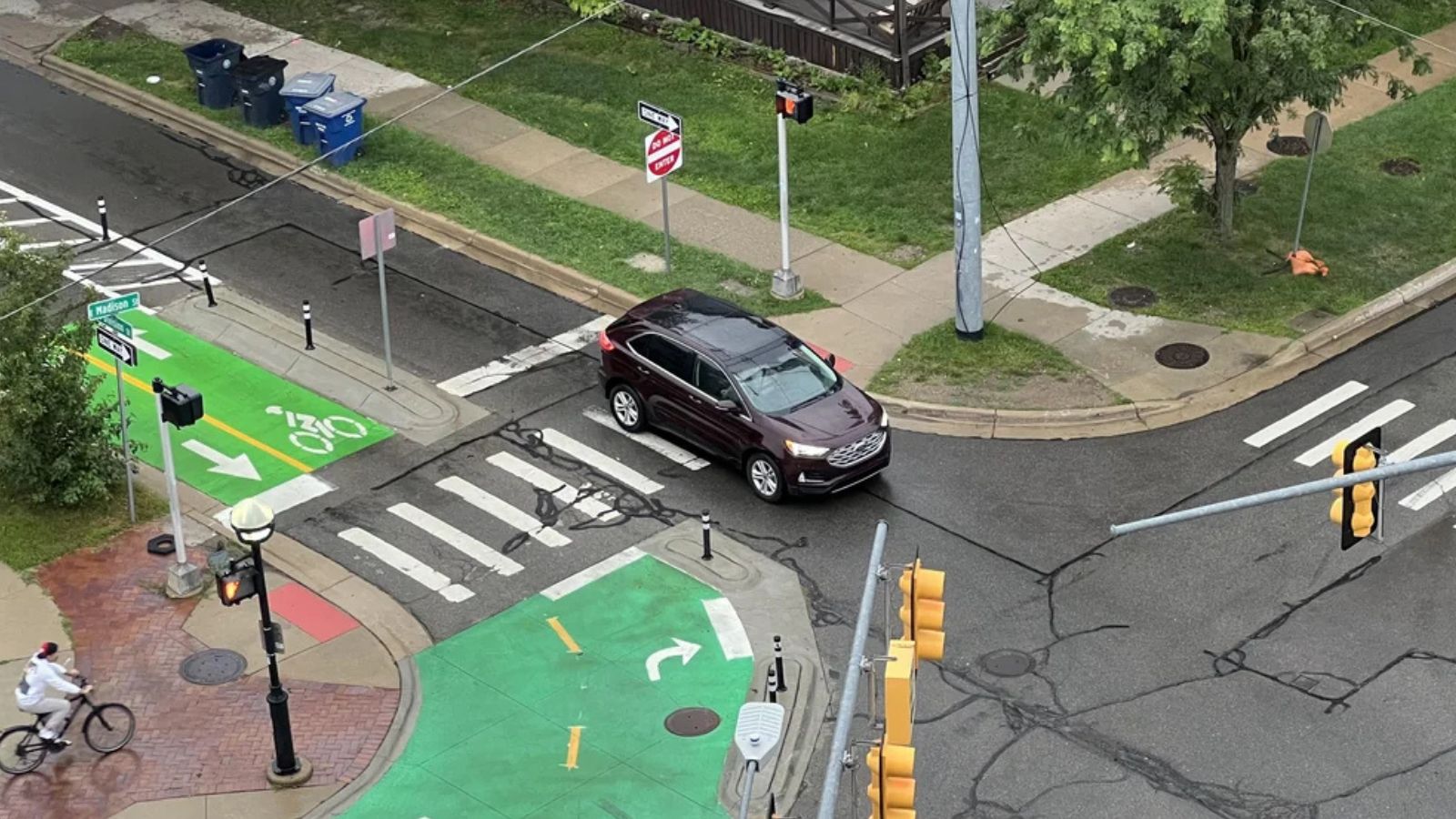
A green light tells a motorist that traffic may proceed; it does not authorize driving through a pedestrian who is still lawfully occupying the crossing. Provincial rules contain specific duties around pedestrian crosswalks and crossovers. Ontario requires drivers and cyclists at pedestrian crossovers to stop and yield until the pedestrian has completely crossed and cleared the roadway. Alberta also recognizes both marked and unmarked crosswalks at intersections and states that pedestrians generally have the right-of-way within them.
That distinction between a normal crosswalk and a specially designated pedestrian crossover is easy to miss, particularly for motorists who learned to drive before newer crossing designs became common. Turning drivers face another familiar trap: watching opposing traffic so closely that the pedestrian entering from the right disappears from attention. A vehicle in the neighbouring lane that unexpectedly stops may also be yielding to someone a second driver cannot yet see. Passing that stopped vehicle can turn impatience into a serious collision risk, which is why extra caution around crossings matters even when traffic signals appear favourable.
Passing a Cyclist Can Require Measured Space

A bicycle may occupy only a narrow strip of pavement, but the legal passing space around it can be much wider than an impatient motorist expects. Ontario requires drivers, where practical, to maintain at least one metre between a motor vehicle and a cyclist while passing. Québec uses a speed-based rule: provincial guidance calls for one metre of clearance in zones of 50 km/h or less and 1.5 metres where the limit is above 50 km/h.
Those measurements matter because cyclists rarely travel along a perfectly fixed line. Potholes, sewer grates, roadside debris and gusting winds can force a rider to move sideways without warning. On a narrow road, the correct response may therefore be to wait rather than squeeze between a cyclist and oncoming traffic. A few seconds behind a bicycle is not a traffic emergency. Crossing into an adjacent or opposing lane also requires the driver to confirm that the manoeuvre itself is lawful and safe before giving the cyclist the required room.
Railway Signals Are Not Suggestions When No Train Is Visible
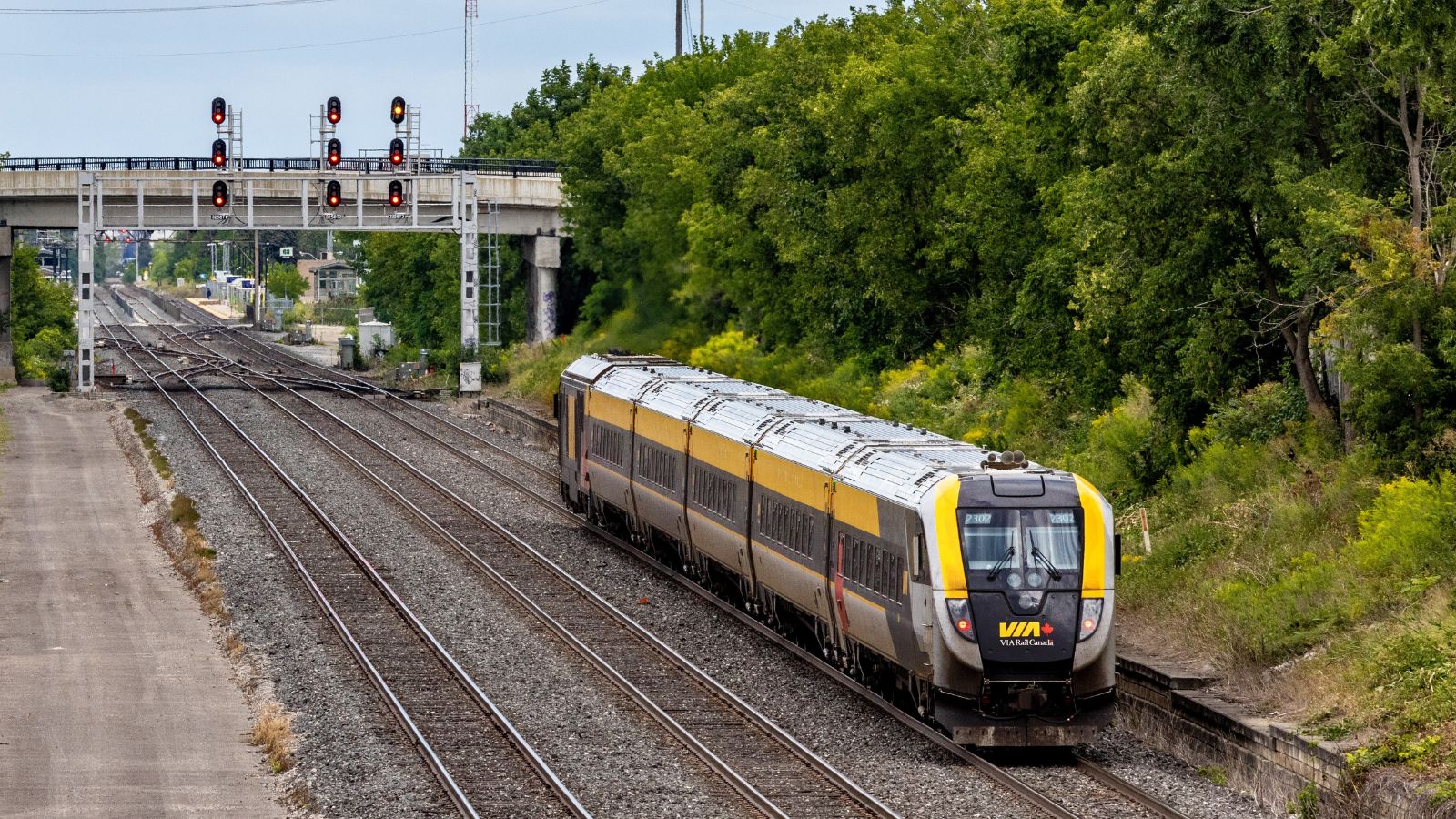
Railway crossings are familiar enough that drivers can become impatient when gates remain down or warning lights continue flashing after a train appears to have passed. That is precisely when a second train can become dangerous. British Columbia’s official driving material warns motorists that more than one track may be present and that another train can be hidden behind the first. Drivers must obey lowered gates and flashing red railway signals rather than proceeding based solely on what they can see.
Québec similarly directs drivers to comply with railway warning devices and cross only after the warnings have stopped and it is clear that another train is not approaching. Trains also have a physical disadvantage motorists cannot negotiate with: they cannot swerve around a vehicle and require enormous distances to stop. Driving around a lowered barrier because the crossing “looks clear” replaces a controlled wait with a situation in which the motorist has almost no margin for error. The signal, not impatience, determines when the crossing reopens.
A Licence Plate Has to Be Readable, Not Merely Attached

Canadian winters are excellent at coating the rear of a vehicle with a grey mixture of snow, salt and road grime. Unfortunately, having a licence plate physically bolted to the bumper does not necessarily satisfy the requirement that it remain properly displayed. Ontario’s Highway Traffic Act prohibits devices that obstruct plates in ways that prevent the entire plate, including its numbers, from being accurately photographed.
That rule is worth remembering when considering tinted covers, decorative frames, bicycle racks and other accessories positioned around the plate. Dirt and packed snow can create practical visibility problems as well, even when the obstruction was not deliberately installed. The situation is easy to discover only after emergency lights appear in the mirror: a plate that looked acceptable in a clean garage may be unreadable after several hours on a slushy highway. Checking it takes seconds during a fuel or coffee stop. Drivers should also remember that plate-display rules differ by province, including whether one or two plates are required.
Turn Signals Matter Even When Nobody Seems Close
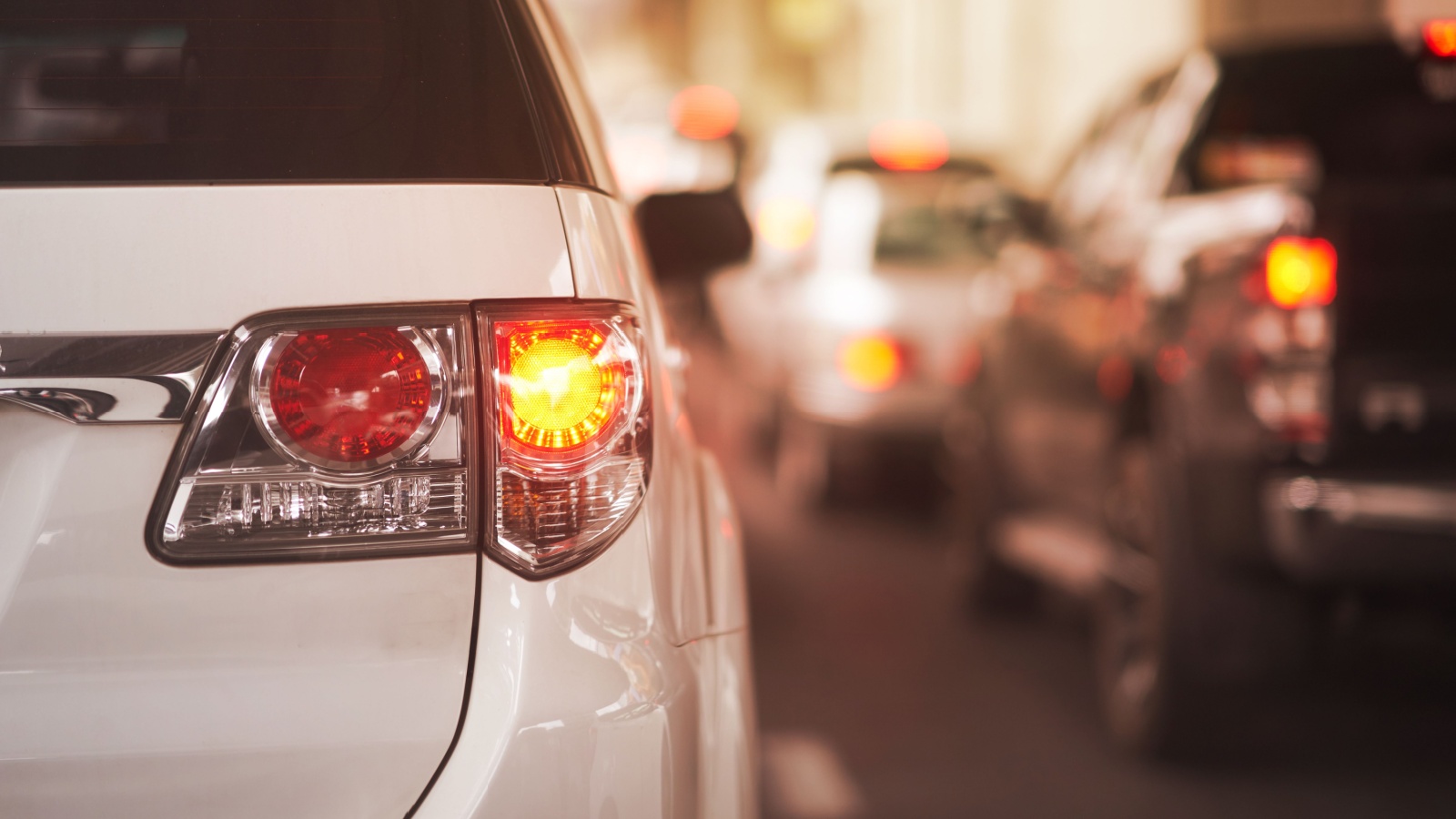
Some drivers use turn signals only when another vehicle appears near enough to benefit. Traffic law and defensive driving demand a broader view. Ontario’s driver guidance directs motorists to signal before turns, lane changes, slowing and other relevant changes of position. The signal communicates intention not only to the vehicle immediately behind but also to cyclists, pedestrians, drivers emerging from side streets and road users hidden in blind spots.
A signal also does not grant right-of-way. Activating the indicator and immediately moving sideways is not a substitute for checking mirrors, blind spots and available space. Québec’s passing guidance likewise requires drivers to signal their intention before moving out and again when returning to the lane in applicable passing situations. The everyday example is the nearly empty highway: a driver drifts into the next lane without signalling because “nobody is there,” only to discover a fast-moving vehicle that had been hidden behind the rear pillar. Signalling is inexpensive insurance against exactly that mistake.
U-Turns Depend on Visibility and Location
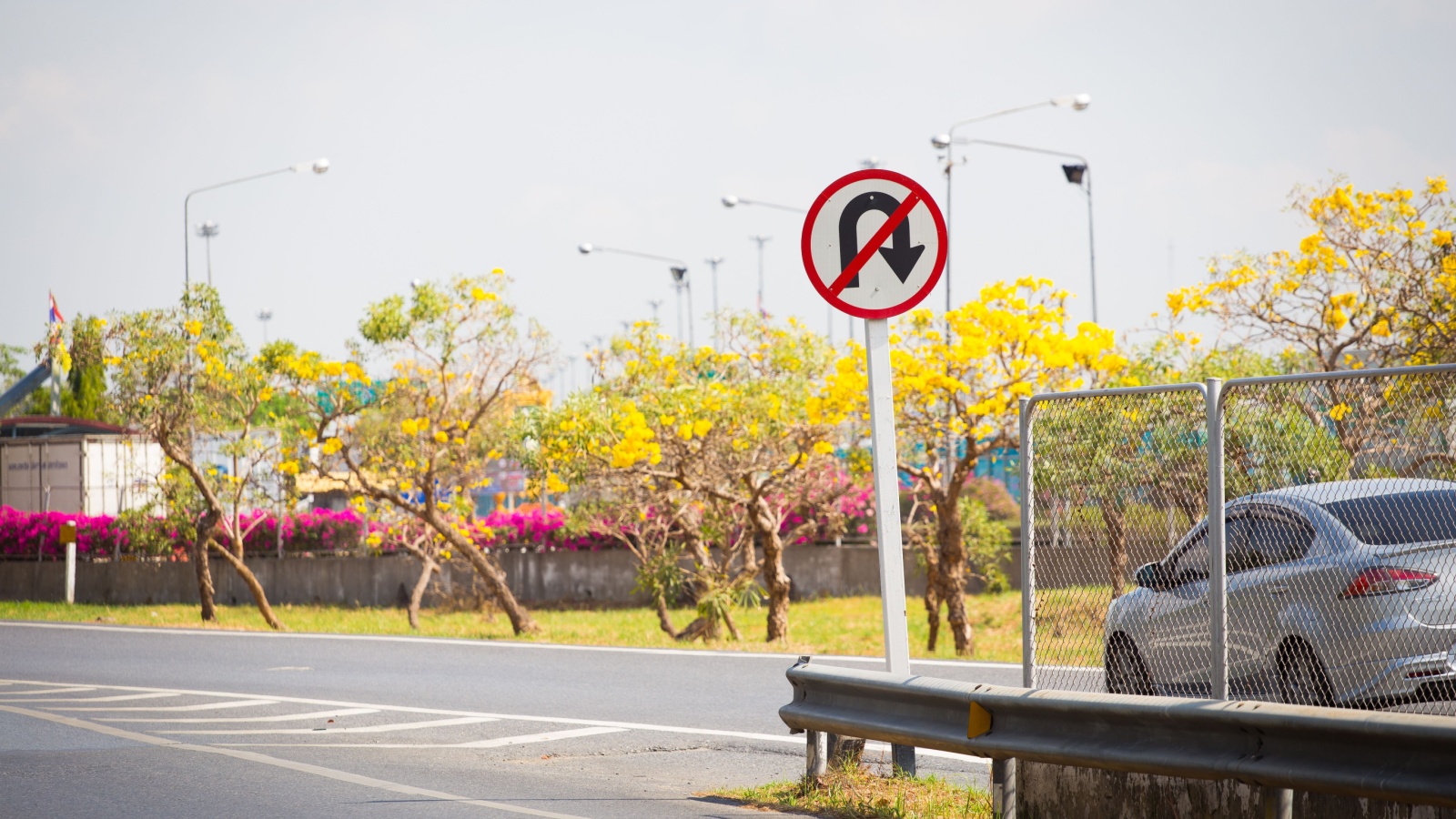
A missed driveway can make a U-turn feel like the fastest way to repair a navigation mistake. Whether it is legal depends on much more than whether another vehicle is immediately visible. Restrictions vary among provinces and municipalities, and signs can prohibit the manoeuvre outright. Ontario’s driver handbook tells motorists not to make a U-turn unless they can see at least 150 metres in both directions and describes the need to signal and ensure traffic is clear.
That makes hills, curves and obstructed locations particularly poor places to improvise. A driver may believe the road is empty simply because an approaching vehicle is hidden beyond the crest. Intersections introduce additional complications, as can divided roads and locations where local rules prohibit U-turns. Navigation apps sometimes encourage a quick reversal without understanding whether the physical manoeuvre is legal at the exact spot. Missing the turn and travelling another block may feel inefficient, but it is generally preferable to converting a minor navigation error into an unsafe or prohibited manoeuvre.
Parking “Just for a Minute” Can Still Be Illegal
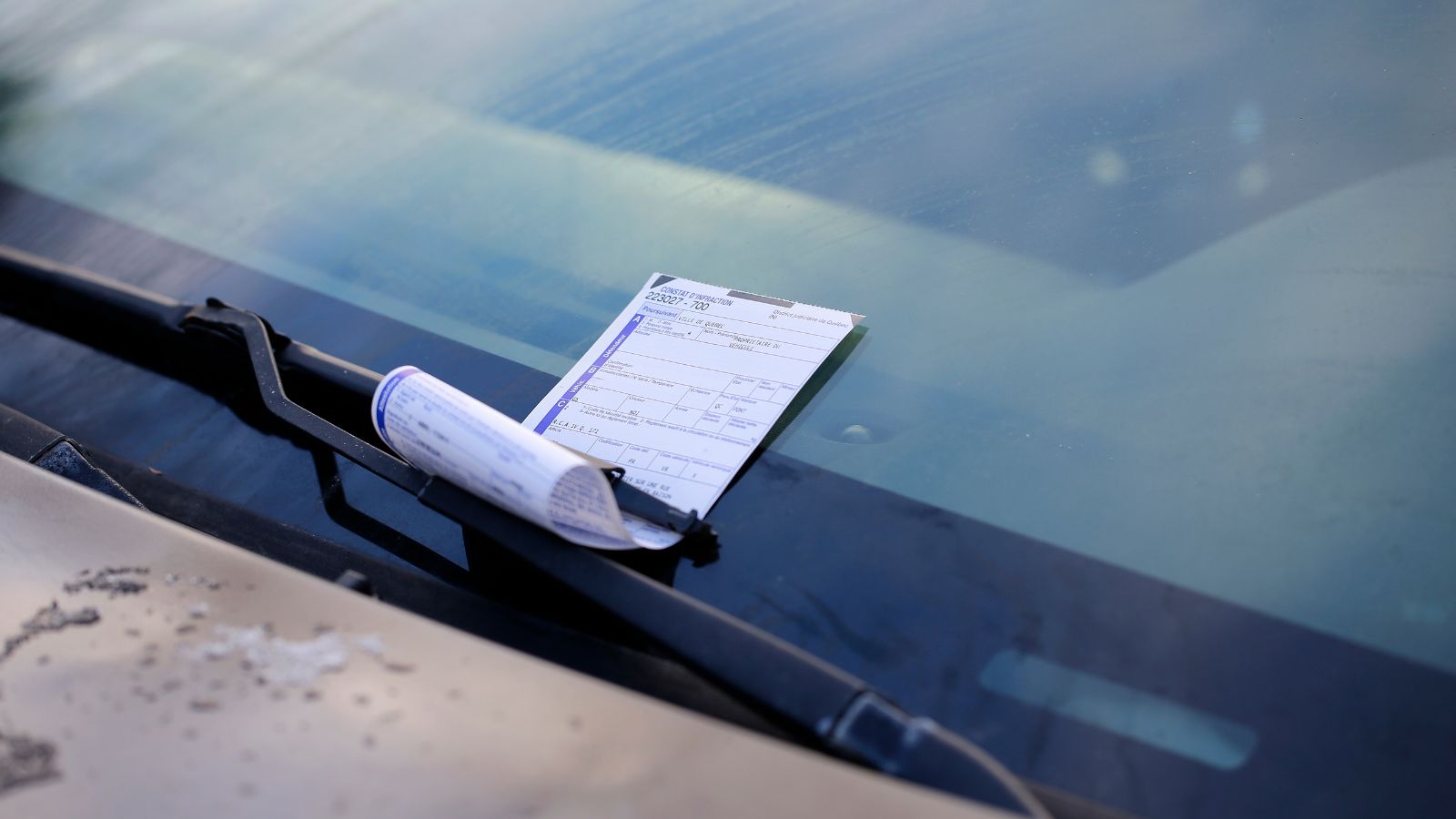
Hazards created by illegal parking do not disappear because the driver intends to return quickly. Fire hydrants are an obvious example. Ontario’s driver handbook states that motorists must not park within three metres of a fire hydrant, along with restrictions covering locations such as certain bridge approaches, intersections, crosswalk areas and entrances. Municipal bylaws can add further rules and different distances.
The human tendency is to judge parking by whether another car can still squeeze through. Emergency access, pedestrian visibility and sightlines tell a different story. A delivery stop beside a hydrant can obstruct firefighters precisely during the few minutes when access matters most. Parking close to a corner can hide a child or cyclist from a turning driver. Snowbanks make the problem worse by reducing the usable road width and obscuring signs. Before leaving a vehicle, checking nearby signs, curb markings, hydrants, driveways and intersection clearances is far cheaper than discovering the restriction through a ticket or tow.
Winter-Tire Rules Can Change at a Provincial Border
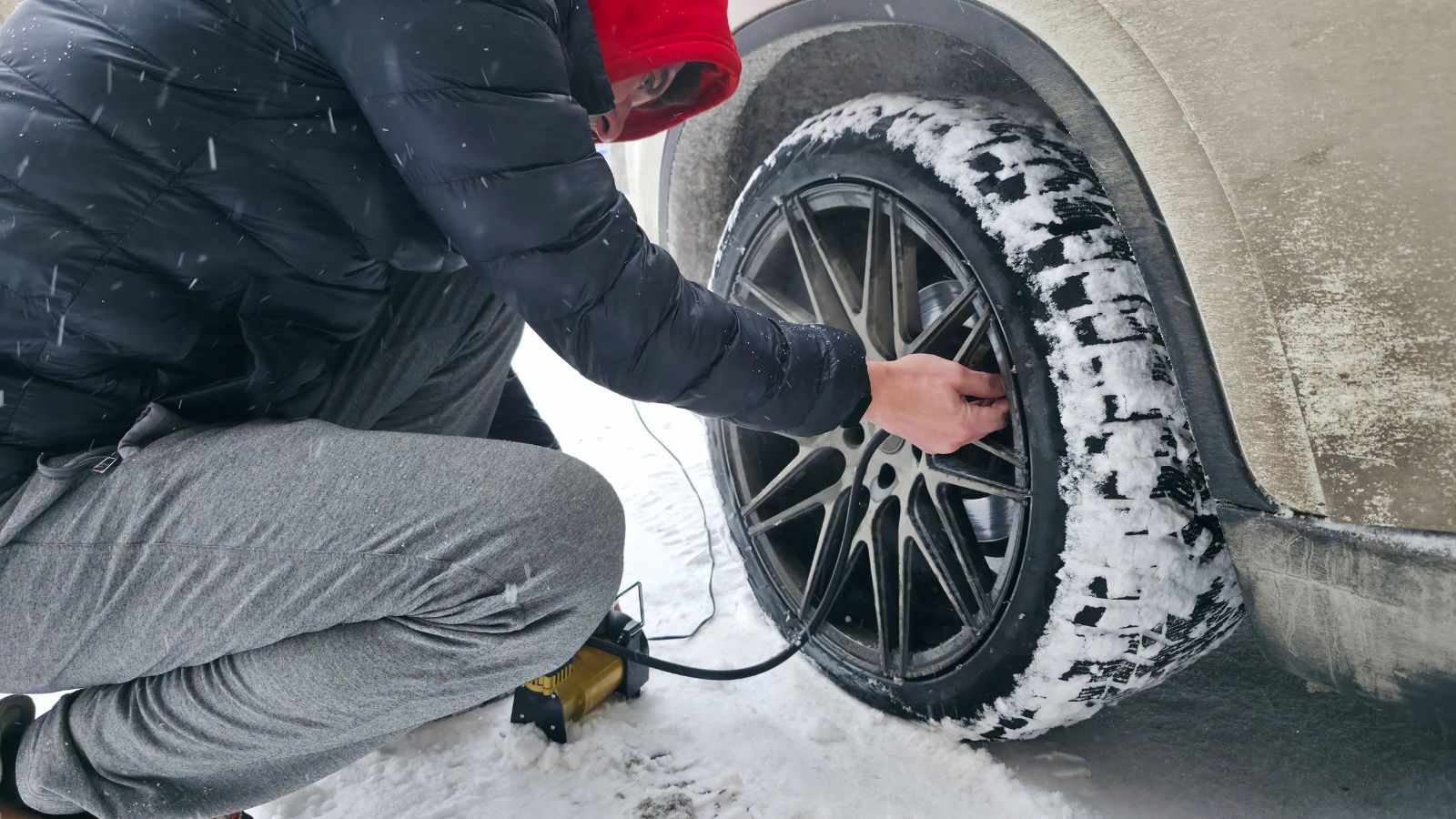
Winter tires are widely recommended across Canada, but in some places they are more than a recommendation. Québec requires most motor vehicles registered in the province to use compliant winter tires from December 1 through March 15, subject to specified exemptions. That can surprise motorists who assume winter-tire choices are governed entirely by weather conditions or insurance discounts.
British Columbia uses a different model. Winter tires or chains are required on most designated routes from October 1 through March 31, with the requirement continuing until April 30 on selected routes, including mountain passes and areas with heavier snowfall. Regulatory signs identify affected highways, and B.C. defines qualifying passenger-vehicle winter tires using approved markings and minimum tread requirements. The contrast shows why national assumptions fail: Québec largely ties the requirement to provincially registered vehicles and dates, while B.C. heavily emphasizes designated routes. Drivers crossing provincial borders should check the rules before the weather becomes the thing forcing the lesson.
School-Zone Limits Can Have Their Own Clock

A driver can travel the same street for months at one speed and suddenly face a lower legal limit because the school day has begun. The exact rules vary considerably across Canada, making the sign itself more important than habit. In British Columbia, ICBC states that a 30 km/h limit generally applies in school zones from 8 a.m. to 5 p.m. on school days unless otherwise posted. Playground zones operate differently, with a 30 km/h limit generally applying from dawn to dusk.
Québec uses its own framework. School-zone signs can specify the hours, days and months when a particular limit operates, and the province doubles applicable speeding fines in school zones during defined school-year hours. The practical mistake is relying on memory from another province—or even another street. Some restrictions depend on school days, others on posted time periods, and playground rules may continue when school itself is closed. Reading the entire sign rather than only the large speed number can prevent an expensive surprise.
16 Costco Canada Habits That Could Be Costing Shoppers More Than They Save

The Executive Membership can feel like an obvious upgrade because the 2% annual reward sounds straightforward. For households that spend heavily at Costco Canada, the extra fee may be easy to justify. But the habit becomes costly when shoppers upgrade first and calculate later. A Gold Star Membership costs less, while Executive costs more and only pays off if eligible annual spending is high enough to offset the difference.
16 Costco Canada Habits That Could Be Costing Shoppers More Than They Save
