Canadian winter has always been demanding on vehicles, but the financial consequences are becoming harder to ignore. Cold temperatures still punish batteries and fuel economy, while salt, slush, potholes and temperature swings attack everything from windshields to suspension components. At the same time, increasingly sophisticated vehicles can make what was once a modest winter repair considerably more complicated.
The pressure is not identical across the country. Vancouver, Winnipeg, Montreal and Yellowknife face very different conditions. Still, several winter-related expenses recur from coast to coast, often arriving when household budgets are already stretched. These 17 ways Canadian winters are getting harder on cars and wallets show how weather, road conditions, vehicle technology and rising ownership costs increasingly overlap.
Freeze-Thaw Cycles Can Turn Ordinary Roads Into Pothole Factories
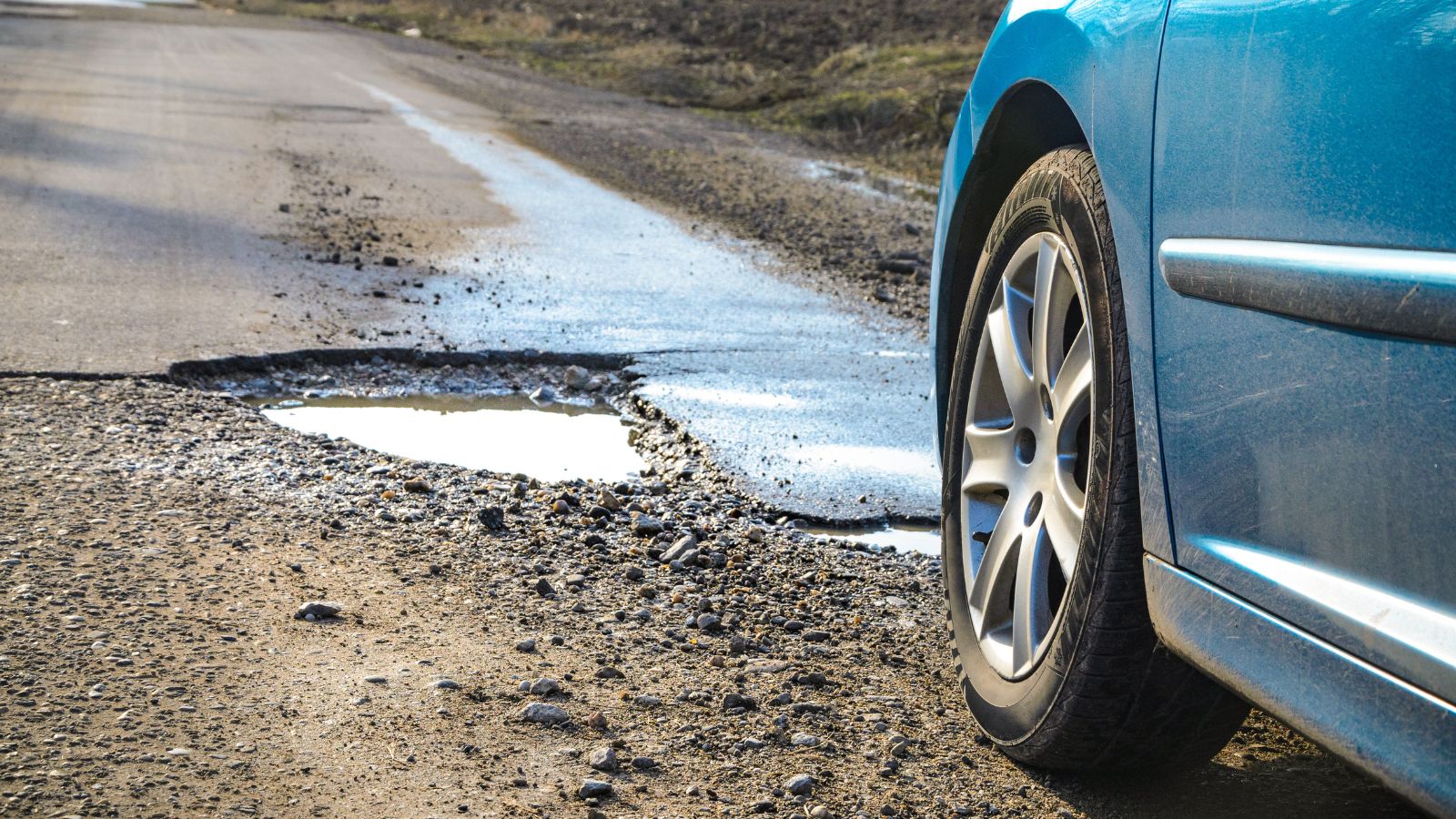
Deep cold is rough on pavement, but repeatedly crossing the freezing point can be even more destructive. Water works into small cracks in asphalt, freezes and expands, then thaws again. Vehicle traffic eventually breaks weakened pavement away. The City of Toronto specifically notes that milder winters can produce more potholes when they bring a higher number of freeze-thaw cycles, rather than keeping pavement continuously frozen.
That matters directly to motorists because the problem can build before spring officially arrives. Toronto reported repairing more than 22,000 potholes by early February 2024 after unusually workable winter conditions. A relatively mild week may therefore feel easier behind the wheel while quietly creating the next round of road damage. Tires, rims and suspension components eventually absorb that punishment. For households already budgeting for seasonal tires and maintenance, one hard pothole strike can abruptly turn an inconvenient winter road into an unexpected repair bill.
Road Salt Protects Drivers While Slowly Attacking Their Vehicles
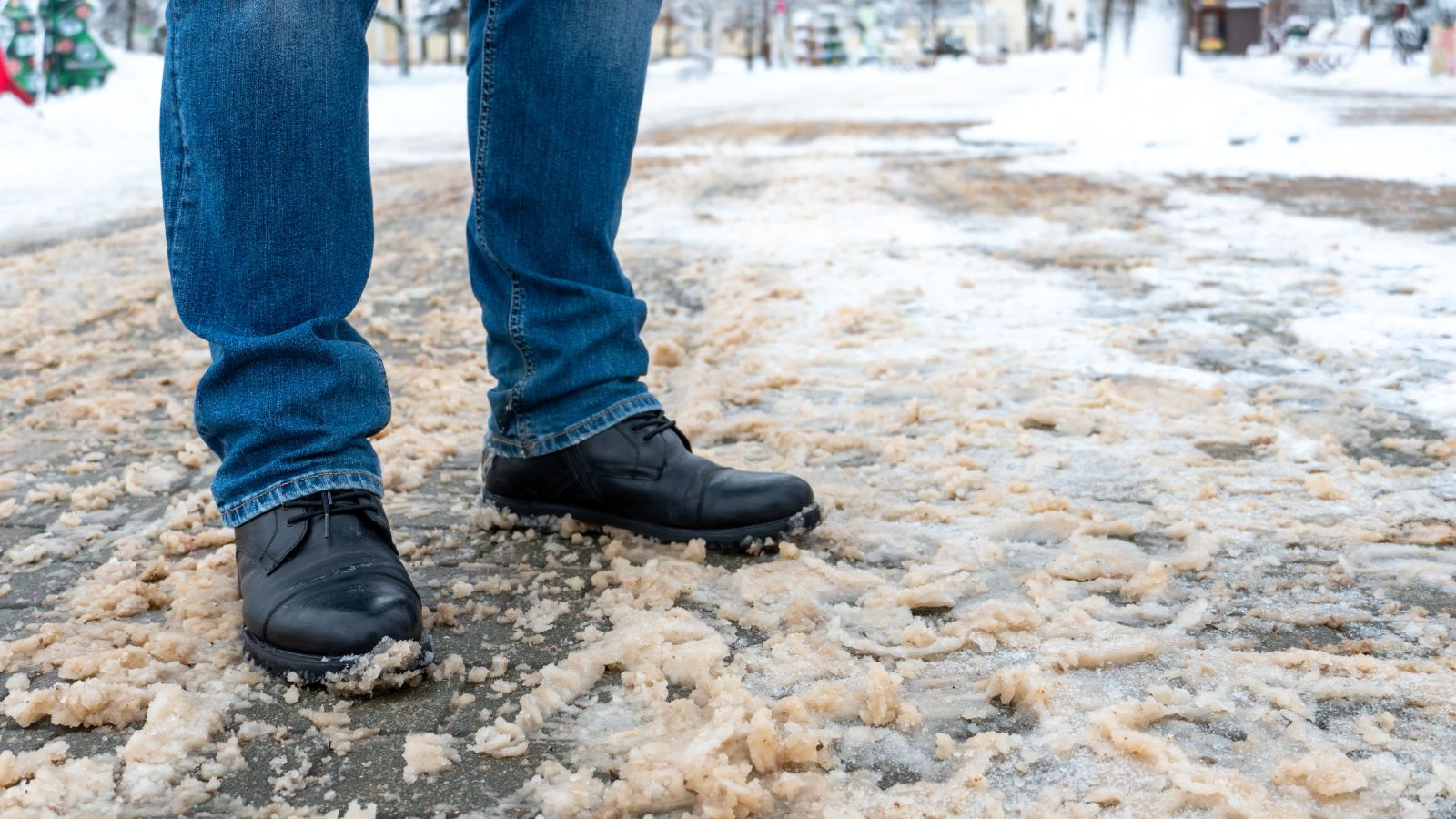
Salt presents one of the great contradictions of Canadian winter driving. It helps transportation agencies keep icy roads safer, yet the same chloride-rich mixture can accelerate corrosion when moisture and road grime remain on a vehicle. Environment and Climate Change Canada says road salts are widely used as de-icing and anti-icing chemicals, with salt dispersed through vehicle spray as well as runoff after snowmelt.
The consequences are not merely cosmetic. Transport Canada recall records provide real examples of salt-related corrosion affecting structural pieces, wiring connections, fuel-system components and subframes. That does not mean every salted vehicle will experience a serious failure, but it explains why Canadian mechanics pay particular attention to underbodies and exposed metal. Modern vehicles can remain on the road for many years, giving corrosion more time to accumulate. Keeping one longer may save the cost of replacing it, yet years of winter salt exposure make cleaning, inspection and corrosion prevention increasingly important parts of that ownership equation.
Winter Tires Create a Second Seasonal Tire Budget
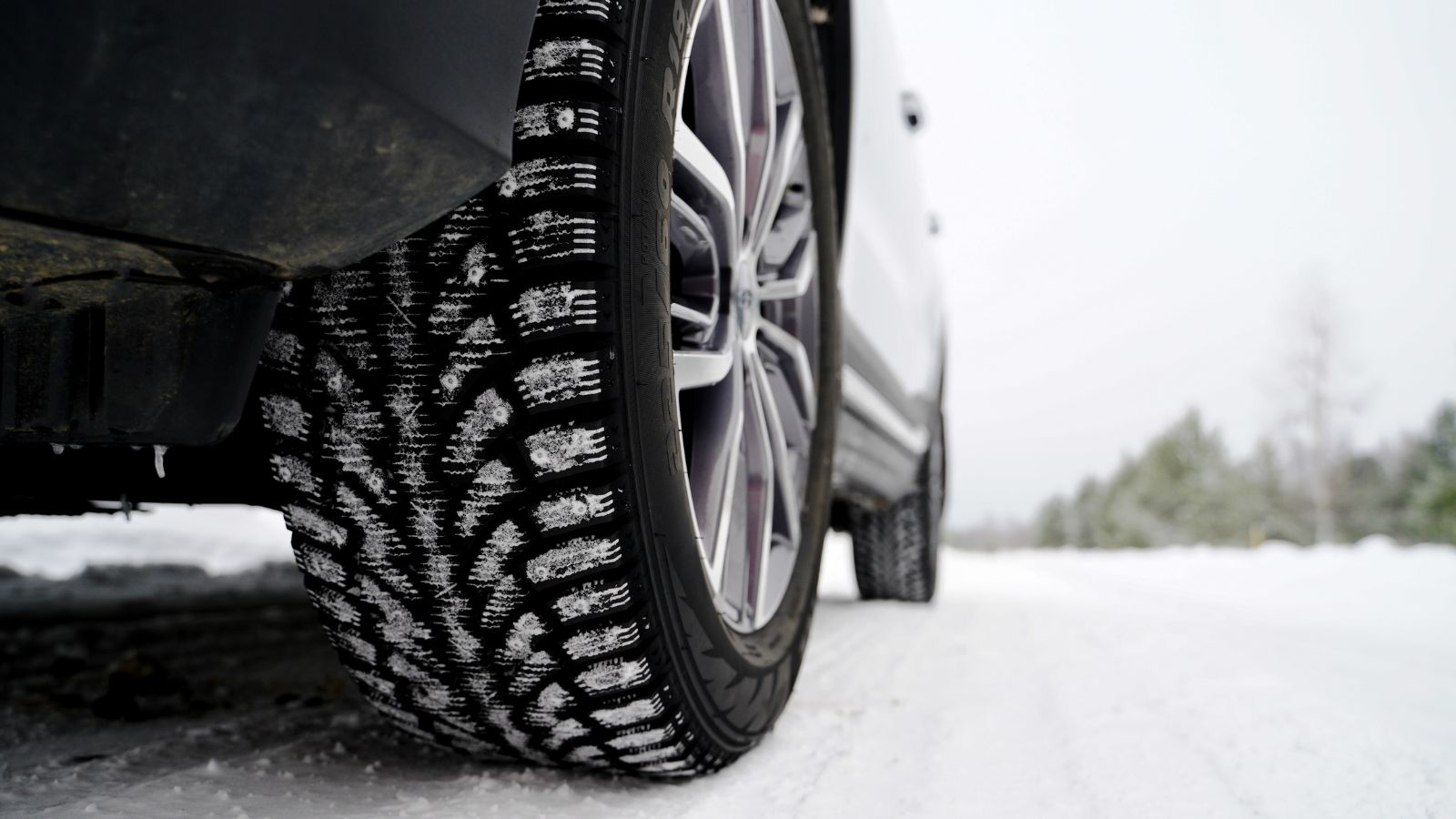
Canadian motorists do not simply buy tires and forget about them. Transport Canada advises that summer and all-season compounds begin losing elasticity below approximately 7°C, while winter tires remain flexible enough to provide better grip. That creates a practical reason for maintaining a dedicated winter set even in provinces where the changeover is not legally mandatory.
Quebec goes further: most vehicles registered in the province must use compliant winter tires from December 1 through March 15, with fines of $200 to $300 for non-compliance. Elsewhere, adoption remains widespread; CAA has cited industry research indicating that roughly 78% of Canadian motorists make the seasonal switch. Buying four tires can also mean purchasing separate wheels, paying installation fees twice yearly and finding storage space. There is a financial offset in some places—Ontario insurers must offer a winter-tire discount—but the upfront cash requirement remains substantial, particularly when several family vehicles need replacement tires in the same season.
Cold Weather Exposes Weak 12-Volt Batteries Quickly
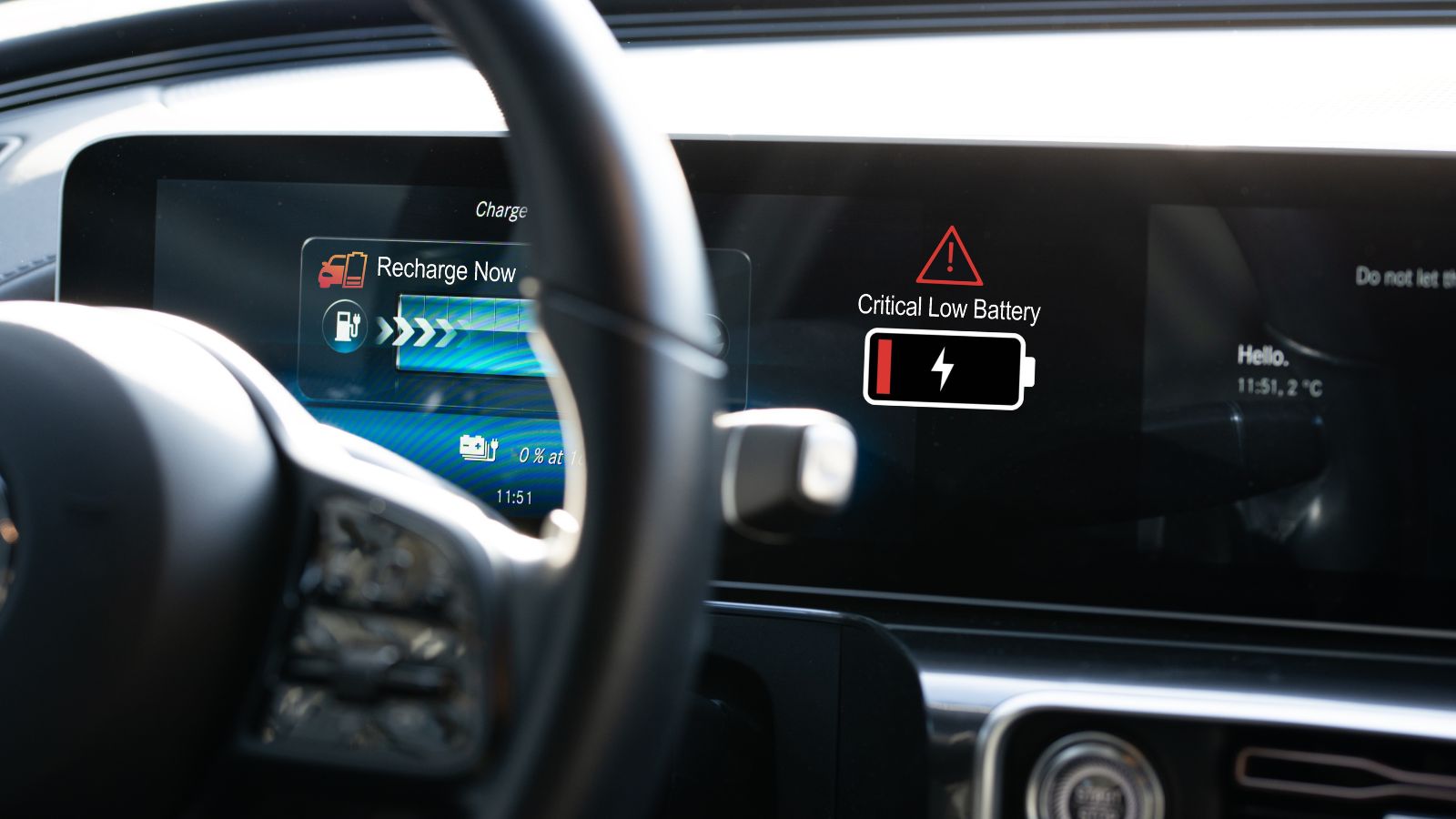
Few winter problems are as familiar as the starter that barely turns on the first truly frigid morning. Transport Canada advises motorists to enter winter with a fully charged battery because starting an engine in cold conditions demands reliable electrical power. CAA also warns that batteries between roughly three and five years old deserve particular attention because low temperatures can expose weakness that was not obvious during warmer months.
The numbers help explain the dramatic change. CAA-Quebec says that around -30°C, a conventional vehicle battery may have only about 25% of its normal starting power available. Meanwhile, the engine itself is more difficult to turn because lubricants are colder and mechanical resistance is greater. A battery that handled October commuting without complaint can therefore fail suddenly in January. Replacement is only one possible cost. A dead battery can also bring roadside-assistance calls, towing, missed work or an emergency purchase made with little opportunity to compare prices—a particularly unpleasant way for winter weather to reach a household budget.
Gasoline Vehicles Burn More Fuel in Cold Weather
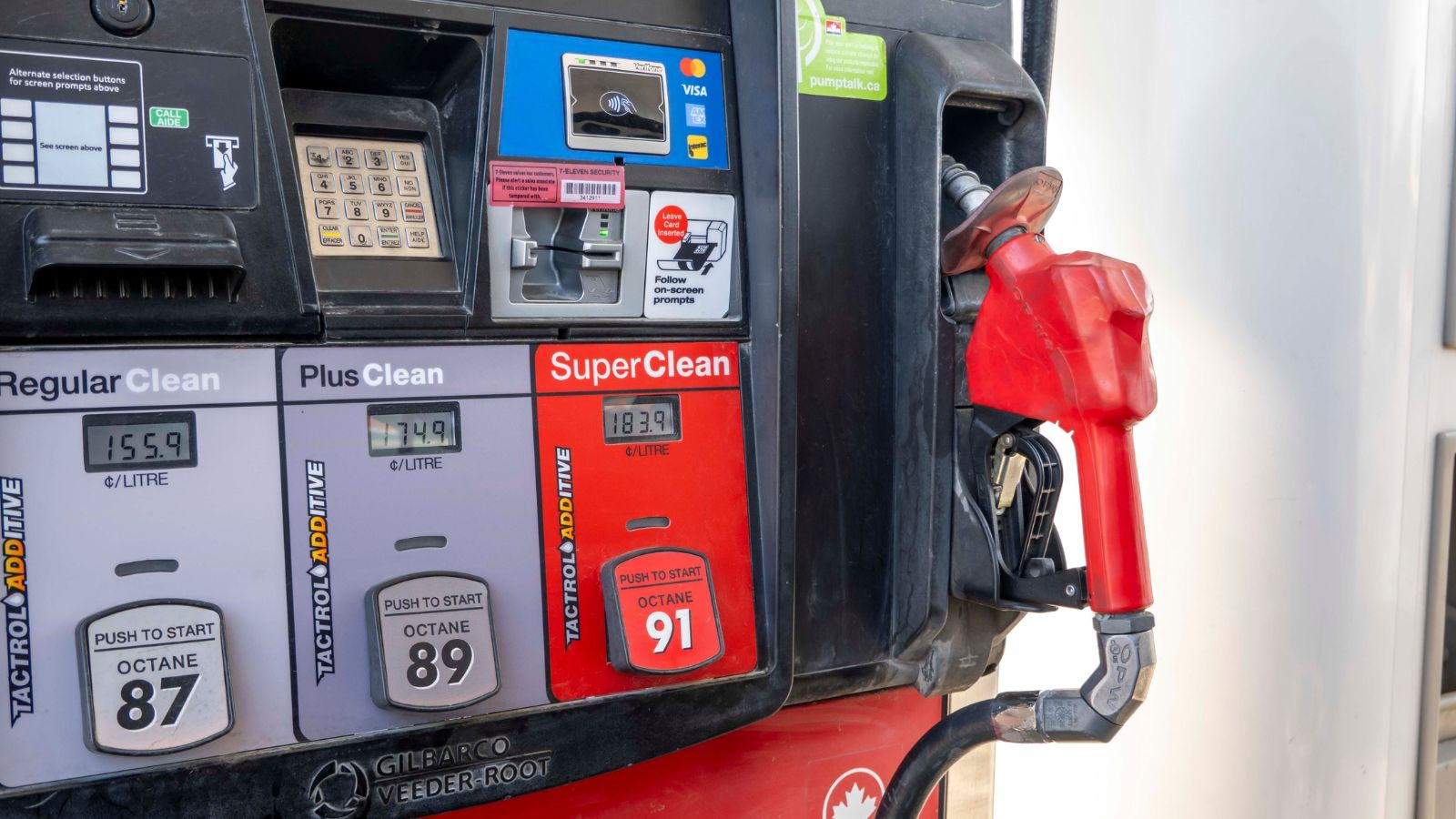
A litre of gasoline does not carry a special winter surcharge, but winter conditions can make a vehicle consume more of it. Natural Resources Canada says a temperature drop from 24°C to 7°C can increase fuel consumption during urban driving by roughly 12% to 28%. Cold engines take longer to reach efficient operating temperatures, while denser winter air increases aerodynamic resistance and snow or ice can increase rolling resistance and wheel slippage.
Short urban trips can make the effect especially noticeable because a large share of the journey occurs while the powertrain is still warming. Add windshield defrosting, heated accessories, winter tires and the temptation to idle before leaving, and a tank may disappear faster than expected. The percentage will vary greatly by vehicle, temperature, trip length and driving conditions, so there is no universal Canadian winter penalty. Still, the underlying effect is real. For commuters making the same trip all year, winter can mean buying more fuel without travelling any farther.
EV Owners Have to Budget More Range for the Same Winter Trip
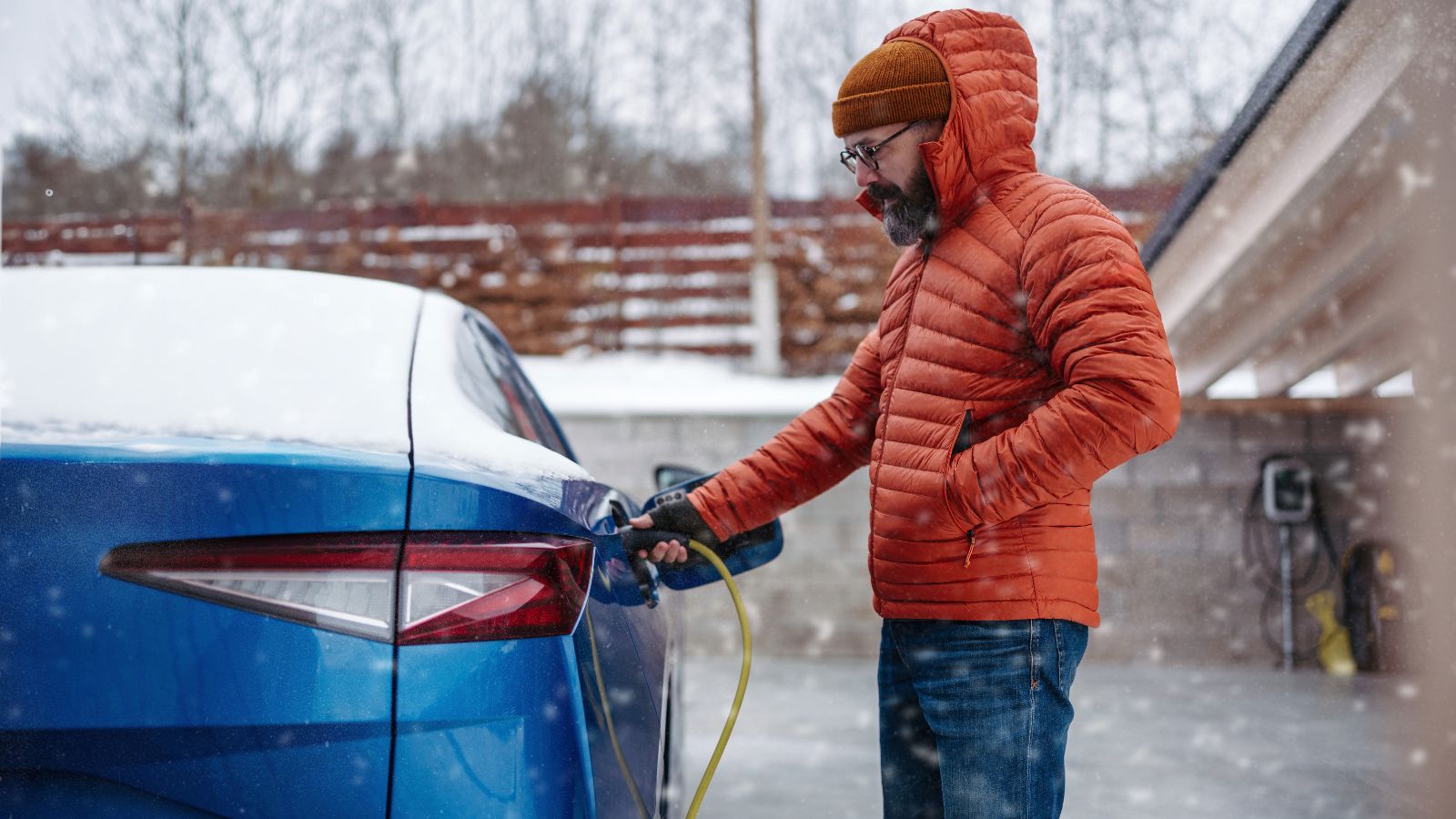
Electric vehicles eliminate gasoline purchases, but cold weather creates a different winter calculation. Batteries operate less efficiently when cold, while cabin and battery heating also consume electricity that could otherwise move the vehicle. Natural Resources Canada says EV range can fall approximately 25% to 30% in extreme cold, although the exact loss differs substantially among models and conditions.
CAA demonstrated that variation during a real-world Canadian winter test in 2025. Vehicles representing a large share of the Canadian EV market were driven between Ottawa and Mont-Tremblant in sub-zero weather. They travelled between 14% and 39% less than their official range figures, with some models coping substantially better than others. A driver with dependable home charging may simply plug in more frequently. Apartment residents or highway travellers can face a more complicated equation involving public charging, trip planning and potentially higher energy use. The vehicle still works, but winter reduces the margin for error—particularly on long rural journeys.
A Tiny Windshield Chip Can Become a Much Larger Winter Bill
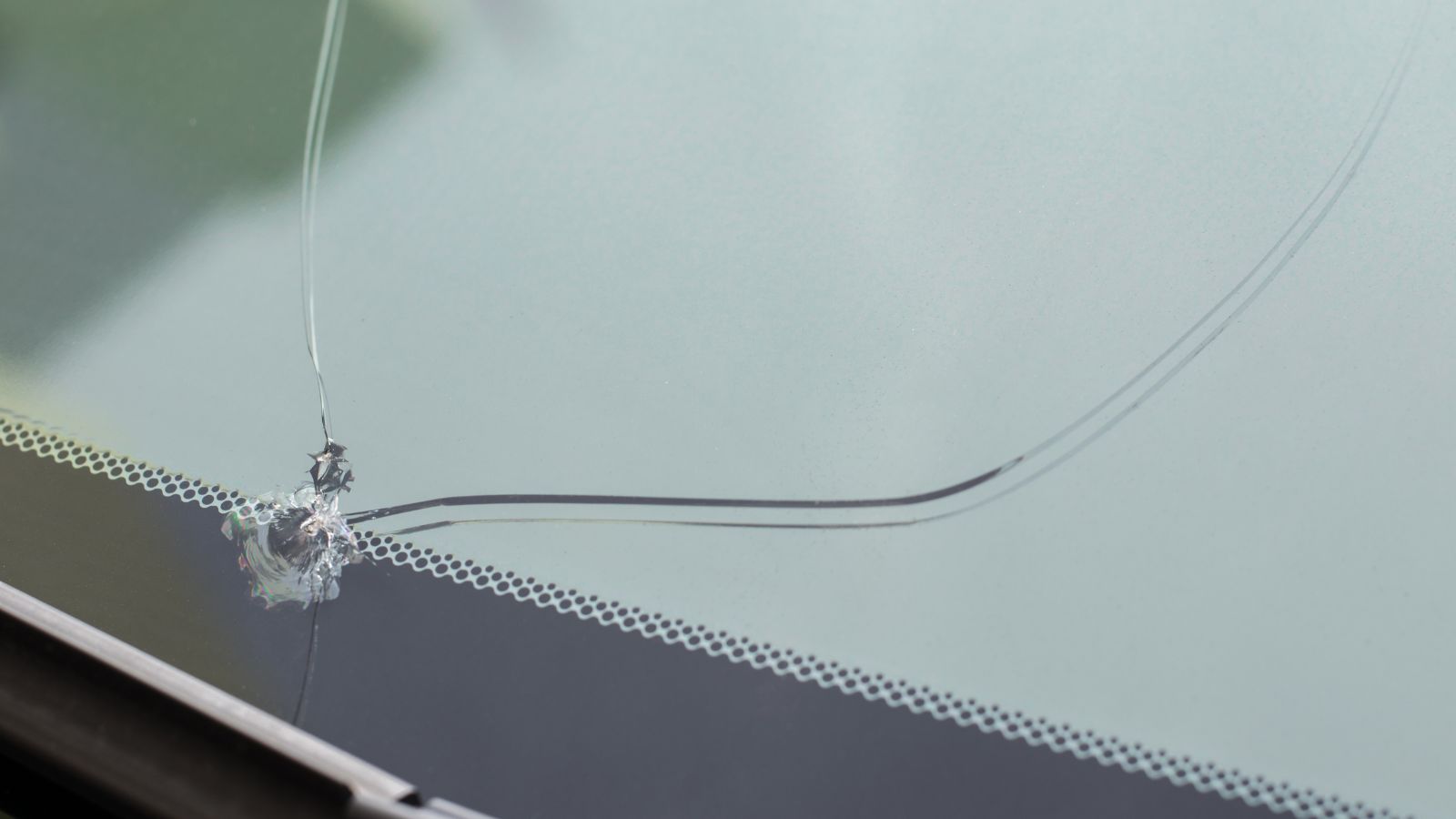
A pebble kicked up from a gritty winter road may leave nothing more than a tiny chip, yet freezing temperatures can make postponing the repair expensive. CAA-Quebec warns that temperature changes can worsen existing windshield damage and specifically advises avoiding sudden thermal shocks such as pouring hot water onto frozen glass. Road vibration and additional impacts can also turn small defects into spreading cracks.
Replacement costs have another modern wrinkle. Many contemporary vehicles position cameras and sensors near the windshield for lane assistance, collision warning and automatic emergency braking. CAA-Quebec notes that replacement cost can therefore depend on heated glass, embedded equipment and required advanced-driver-assistance-system calibration, not simply on the sheet of glass itself. Insurance can soften the blow when comprehensive coverage applies, but deductibles may be required for replacement even where chip repair costs little or nothing. The cheapest winter windshield problem is often the one repaired before the crack has time to travel.
Wipers and Washer Fluid Become Genuine Winter Consumables
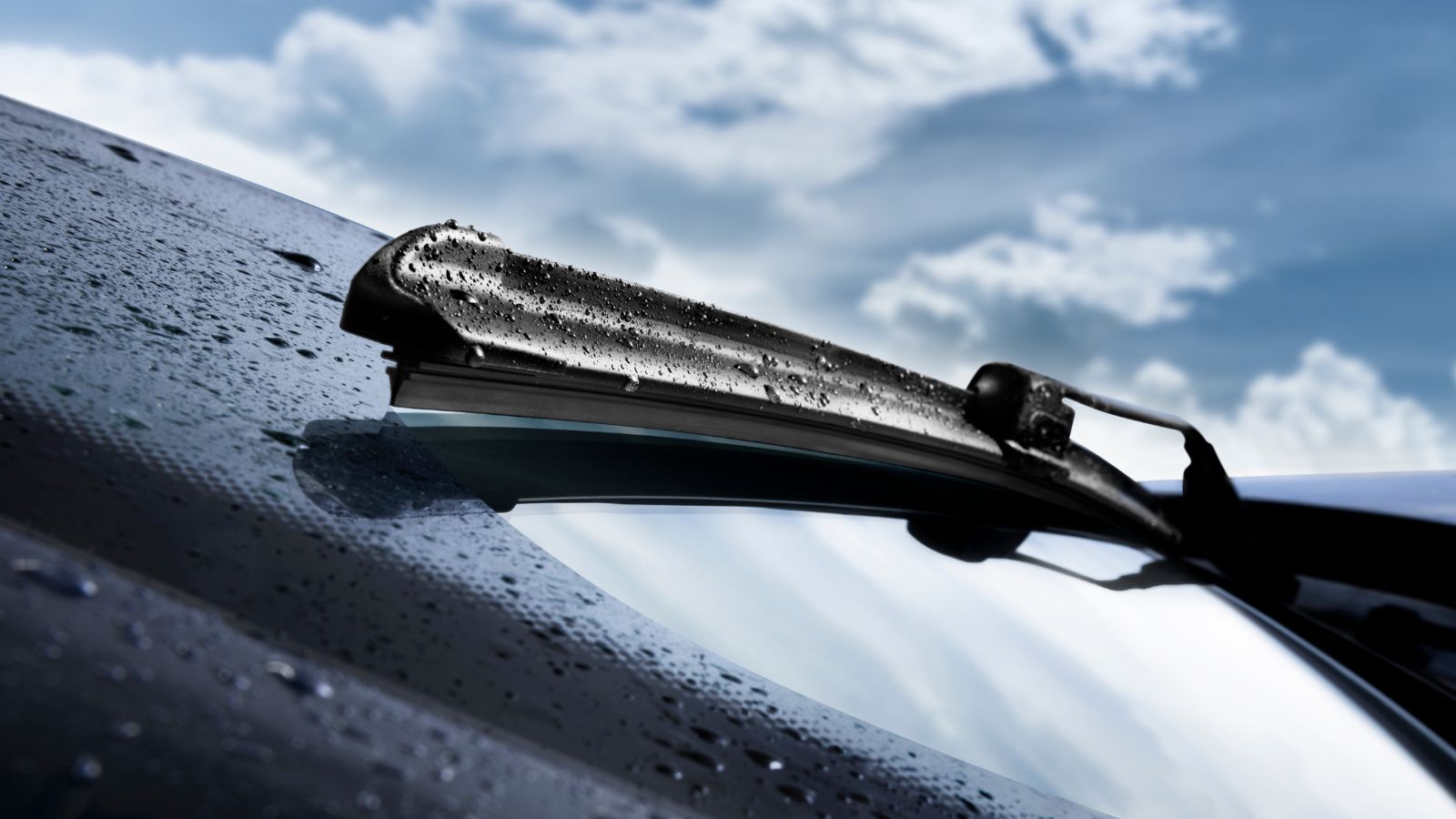
Visibility equipment works unusually hard during a Canadian winter. One drive on a salted highway can leave the windshield coated in a pale film of brine and dirt, only for freezing precipitation to arrive later. Transport Canada consequently recommends checking wiper condition, replacing blades that streak, considering winter-specific blades and filling the reservoir with washer fluid designed for freezing temperatures before the season becomes severe.
Those inexpensive items become meaningful when multiplied across several months and multiple vehicles. CAA says an average wiper blade may last only about six months, although actual durability depends heavily on use and conditions. Ice can damage rubber edges, while repeatedly wiping a dirty or insufficiently wet windshield accelerates wear. Washer fluid can also disappear surprisingly quickly during extended periods of road spray. Neither expense compares with a major mechanical repair, but they illustrate why winter ownership costs are cumulative: another jug of fluid, another pair of blades and another small purchase simply to maintain the visibility that summer often provides for free.
One Snowstorm Can Produce a Sudden Wave of Collision Claims
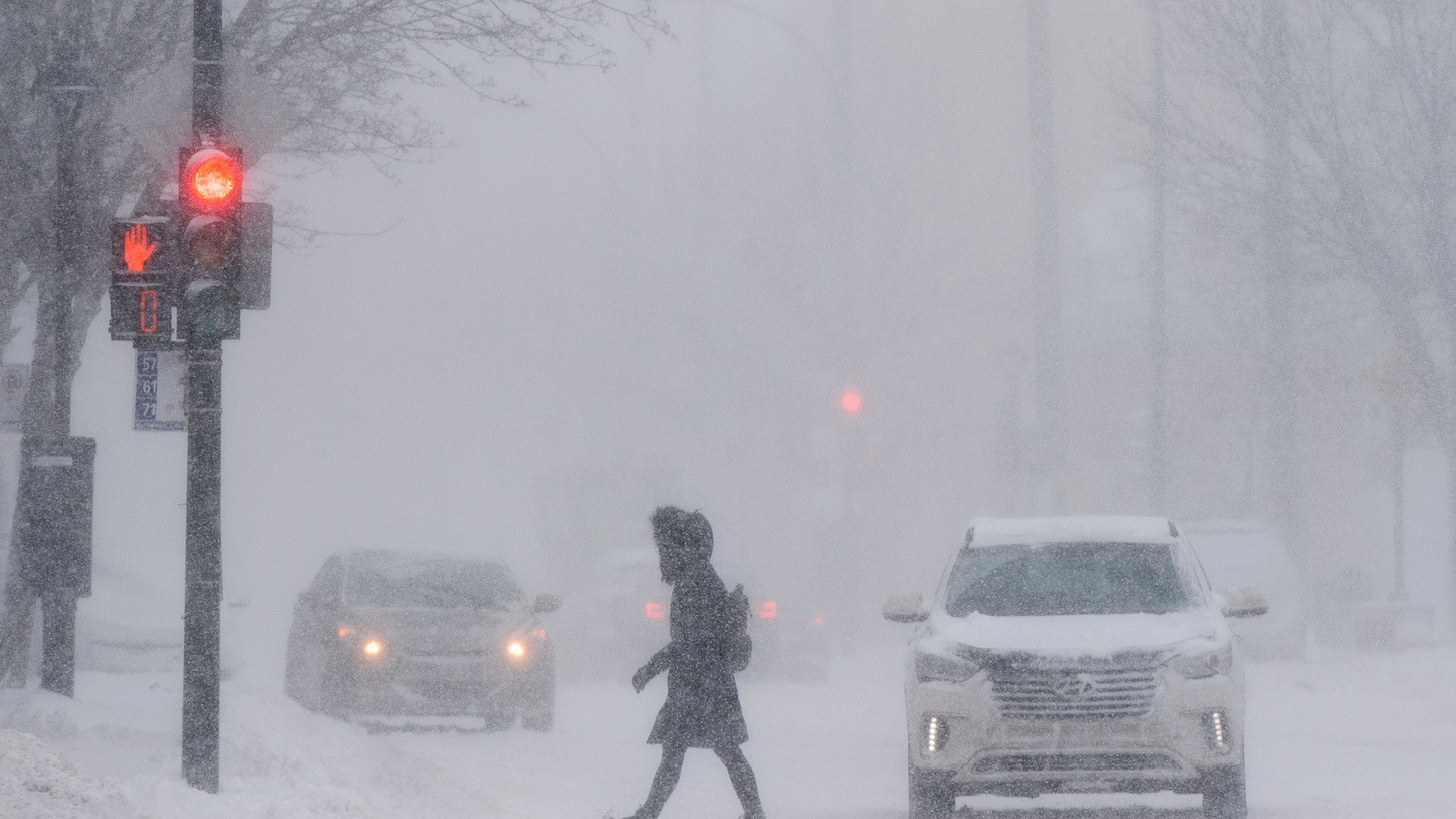
Winter road risk is difficult to express as one national number because conditions vary enormously, but regional insurance data show how quickly claims can surge when snow arrives. After significant snowfall on British Columbia’s South Coast in November 2022, ICBC reported 3,567 claims in one day—94% more than the 1,837 recorded on the comparable day one week earlier.
More recent ICBC guidance also reported that crashes involving driving too fast for conditions rise sharply in winter compared with October. Even without a severe injury, a winter collision can produce a deductible, temporary transportation costs, lost time and potentially future insurance consequences. Snow tires and slower speeds reduce risk but cannot eliminate other vehicles, black ice or rapidly changing visibility. For a household, that makes winter collision exposure different from routine maintenance: the probability may be uncertain, but the financial impact can arrive instantly. A ten-minute snow squall can create a repair process that lasts weeks.
Winter Damage Is Landing in a More Expensive Repair Market
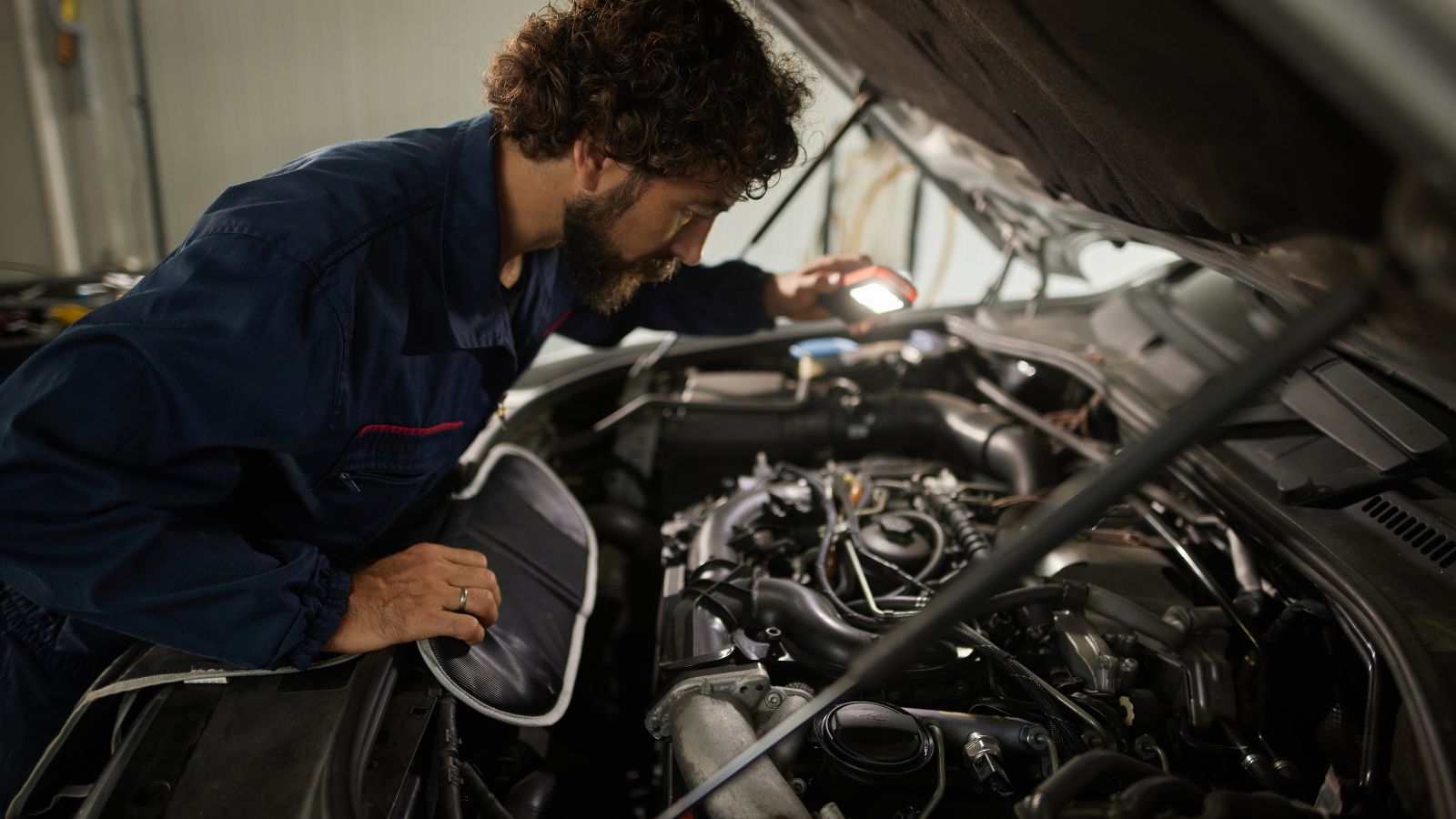
Winter has always broken automotive parts. What has changed is the amount of money that can be required once something breaks. Statistics Canada reported that consumers were already paying 7.9% more year over year for passenger-vehicle parts, maintenance and repairs in August 2022. More recent Statistics Canada work continues to identify repair costs as an important contributor to the financial pressure surrounding vehicle ownership and insurance claims.
The composition of vehicles matters too. Bumpers once associated mainly with cosmetic bodywork may now contain radar units, parking sensors and wiring. Headlamps can be complex assemblies rather than inexpensive sealed units, while some repairs require electronic diagnostics or recalibration. Winter therefore combines old hazards—ice, salt and potholes—with a modern repair environment. Even when a component is not substantially more likely to fail than it was a decade ago, repairing the resulting damage can be considerably more consequential to a household budget. Prevention carries more value when the alternative is an increasingly sophisticated repair.
Rising Claim Costs Eventually Show Up in Insurance Economics

A snowy driveway does not directly determine an insurance premium, but the overall cost of repairing and replacing vehicles does. Statistics Canada found that several pressures, including vehicle prices, features and repair expenses, helped push automobile claim costs 22.3% higher between December 2019 and December 2024. Its 2026 analysis similarly identified rising repair costs, higher vehicle prices and theft as major reasons automobile insurance has become more expensive.
Winter adds to that larger claims environment through weather-related crashes, glass damage and other insured losses. The precise effect varies because Canadian automobile insurance systems and regulations differ significantly by province. Individual premiums also reflect driving records, location, vehicle choice and numerous other factors. Still, higher claim severity matters to the system as a whole. The result is that a winter collision no longer occurs in isolation from broader affordability pressures. When repairs become more expensive across the fleet, insurers must price policies around an increasingly costly pool of potential losses.
Brakes and Exposed Hardware Need More Winter Attention

Brakes live close to the road, exactly where water, salt and grime are constantly thrown during winter. That environment makes regular inspection particularly important. Transport Canada has documented vehicle defect investigations and recalls in which corrosion affected brake lines and other safety-critical metal components, illustrating why corrosion underneath a vehicle deserves more attention than surface rust on a body panel.
Electric and hybrid vehicles introduce an additional maintenance consideration. Regenerative braking can handle part of the vehicle’s deceleration, reducing use of the conventional friction brakes. That may extend pad life, but it does not eliminate the need to inspect rotors, calipers and related hardware. CAA-Quebec recommends having braking systems checked at least annually, including on electric vehicles. For motorists, the lesson is financially straightforward: components that appear to be lasting longer should not automatically be forgotten. Salt, moisture and inactivity can still create problems, and dealing with sticking or deteriorating components early is usually preferable to replacing a larger collection of brake hardware later.
Every Major Temperature Drop Changes Tire Pressure
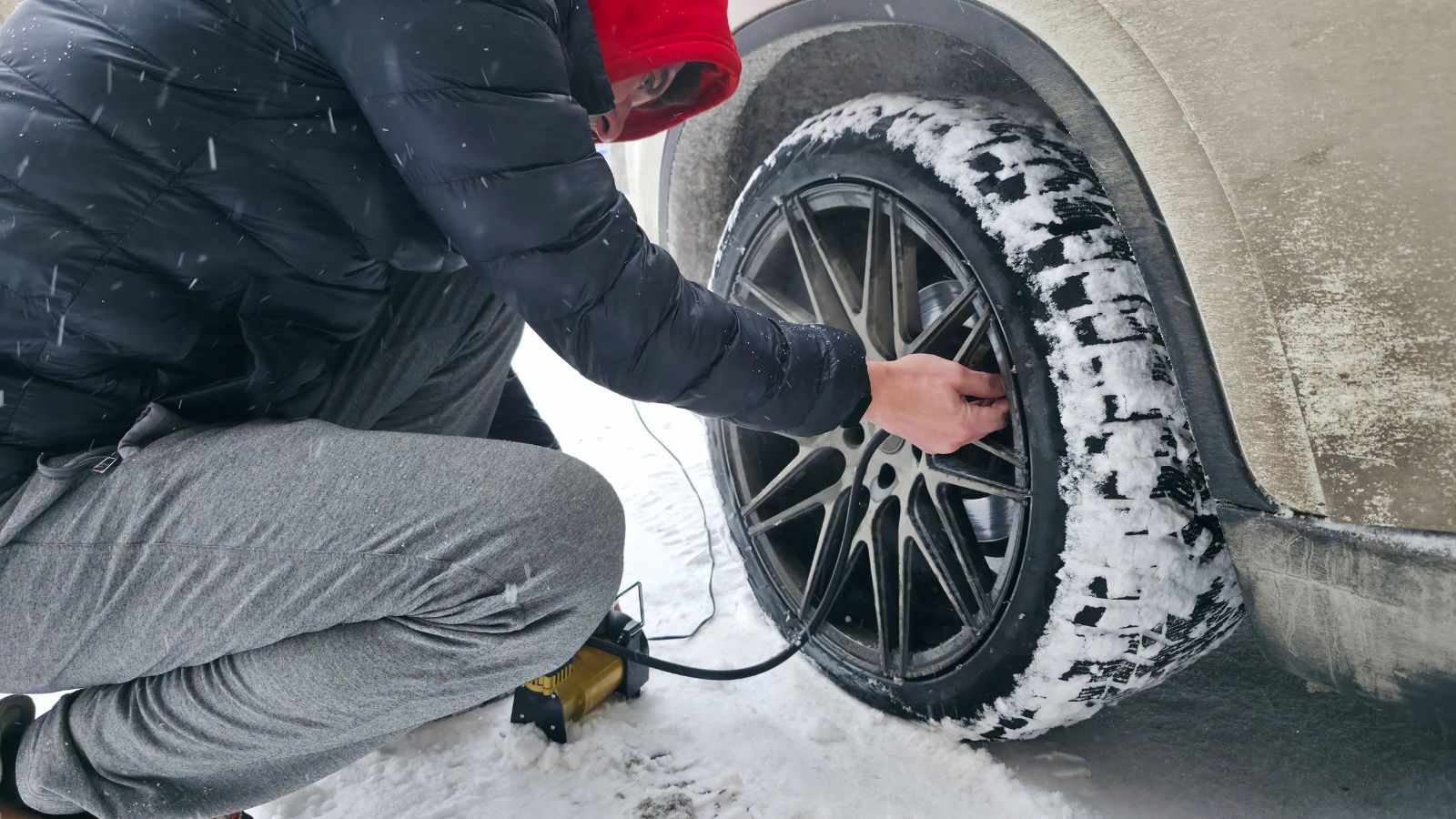
Tires do not need a puncture to lose meaningful pressure in winter. Transport Canada states that pressure falls by roughly 1 psi for every 5°C decline in air temperature. A tire adjusted during a mild autumn afternoon can therefore become noticeably underinflated after the first prolonged Arctic air mass arrives.
CAA-Quebec offers an easy example: tires set at 10°C could lose about 5 psi when the temperature reaches -20°C. Underinflation affects handling and can increase tire wear and fuel consumption, while an already damaged tire is less prepared for a hard encounter with a winter pothole. The solution is inexpensive—regular pressure checks and occasional inflation—but neglect can become costly. It is also important to use the vehicle manufacturer’s specified pressure rather than simply inflating to the maximum number moulded onto a tire. Winter therefore creates one more maintenance task that cannot be completed once in November and safely ignored until spring.
Car Washing and Rustproofing Become Preventive Maintenance
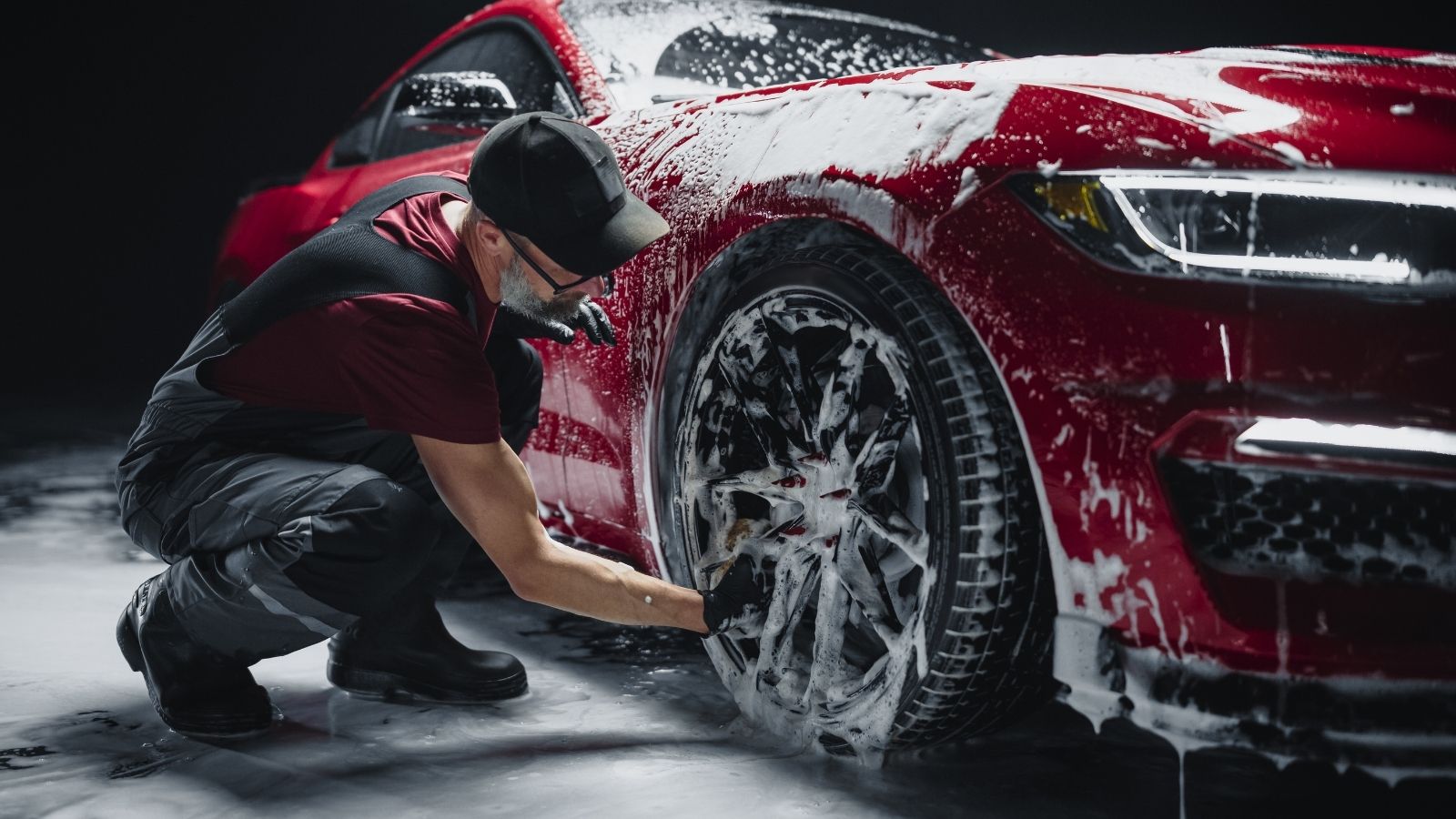
A winter car wash can seem almost pointless when the vehicle becomes dirty again during the drive home, but removing salt has a mechanical purpose. CAA-Quebec recommends regular washing and specifically advises cleaning wheels, trim and the undercarriage, where winter contaminants accumulate. Its guidance also recommends rustproofing as a way of slowing corrosion, particularly in regions with heavy road-salt use.
That turns cleanliness into another ownership expense. Drivers keeping a car for ten years may reasonably decide that underbody washes, paint touch-ups and corrosion treatments are cheaper than allowing deterioration to spread. CAA-Quebec’s July 2026 rustproofing guidance describes protective treatments as particularly worthwhile for people intending to keep a vehicle for a long time. The irony is unavoidable: municipalities apply salt partly to protect motorists from winter crashes, while motorists spend additional money removing that same material from their vehicles. Neither side of the equation can simply be eliminated without creating a different problem.
Snow and Ice Can Confuse the Technology Built to Protect Drivers
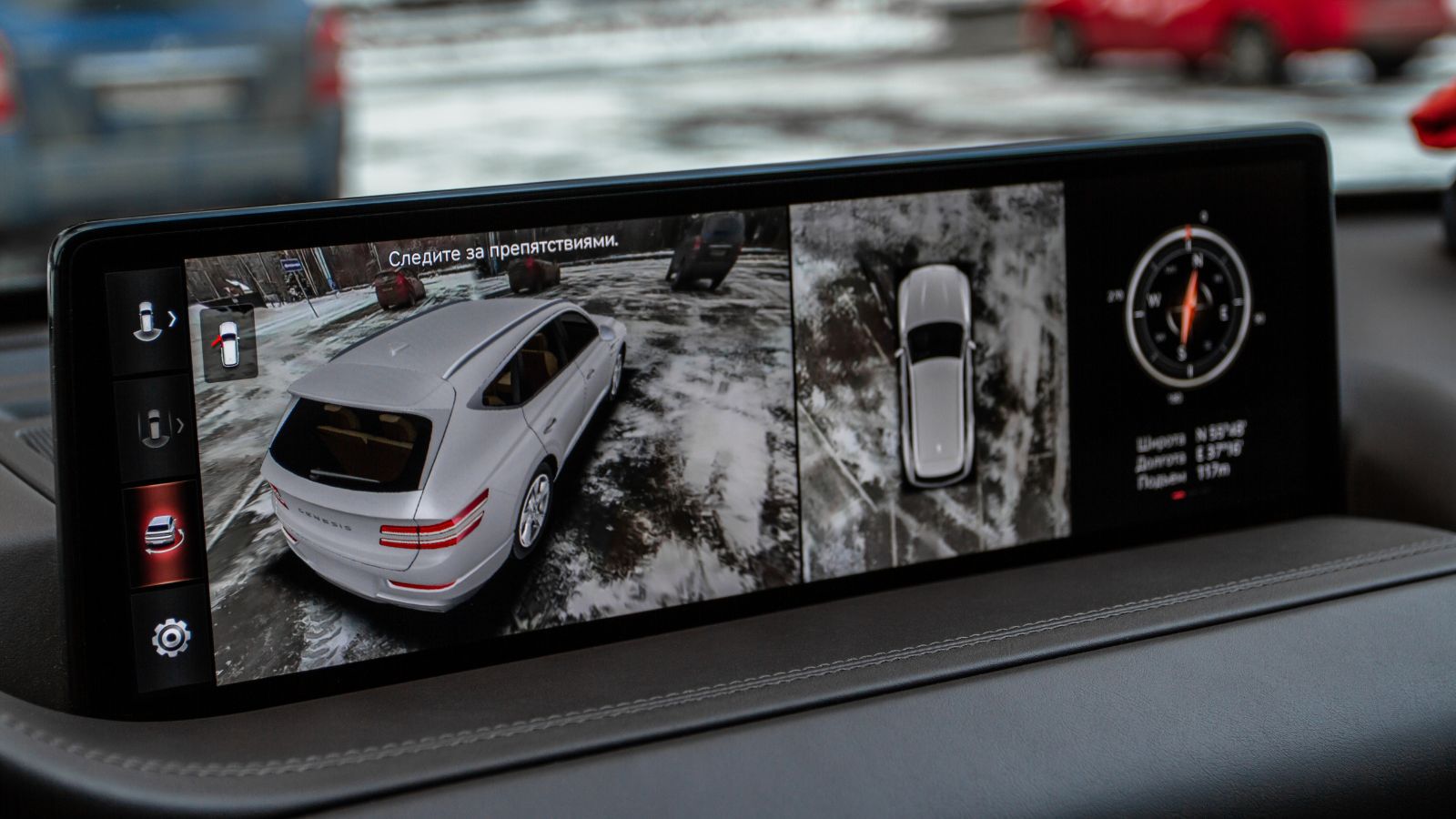
Modern vehicles increasingly depend on cameras, radar and other sensors for forward-collision warnings and automatic emergency braking. Canadian winter conditions give those systems an unusually difficult environment. Transport Canada conducted dedicated winter testing involving snow-covered targets and sensors covered by snow or ice and found that performance could be significantly affected.
One particularly striking result involved forward-collision-warning systems: three of five tested vehicles provided no warning when the relevant sensor was covered with ice, regardless of the test speed. Winter clothing and snowy visual backgrounds also affected the performance of some pedestrian-detection tests. The technology remains valuable, but it cannot be treated as immune to weather. Drivers increasingly need to keep camera areas, radar panels and sensors clear rather than merely brushing enough snow away to see through the windshield. And when sensors are damaged in winter bumps or pothole impacts, repairs can involve calibration work that older cars never required—another way automotive sophistication can increase winter’s financial consequences.
A Single Pothole Can Damage Far More Than a Tire
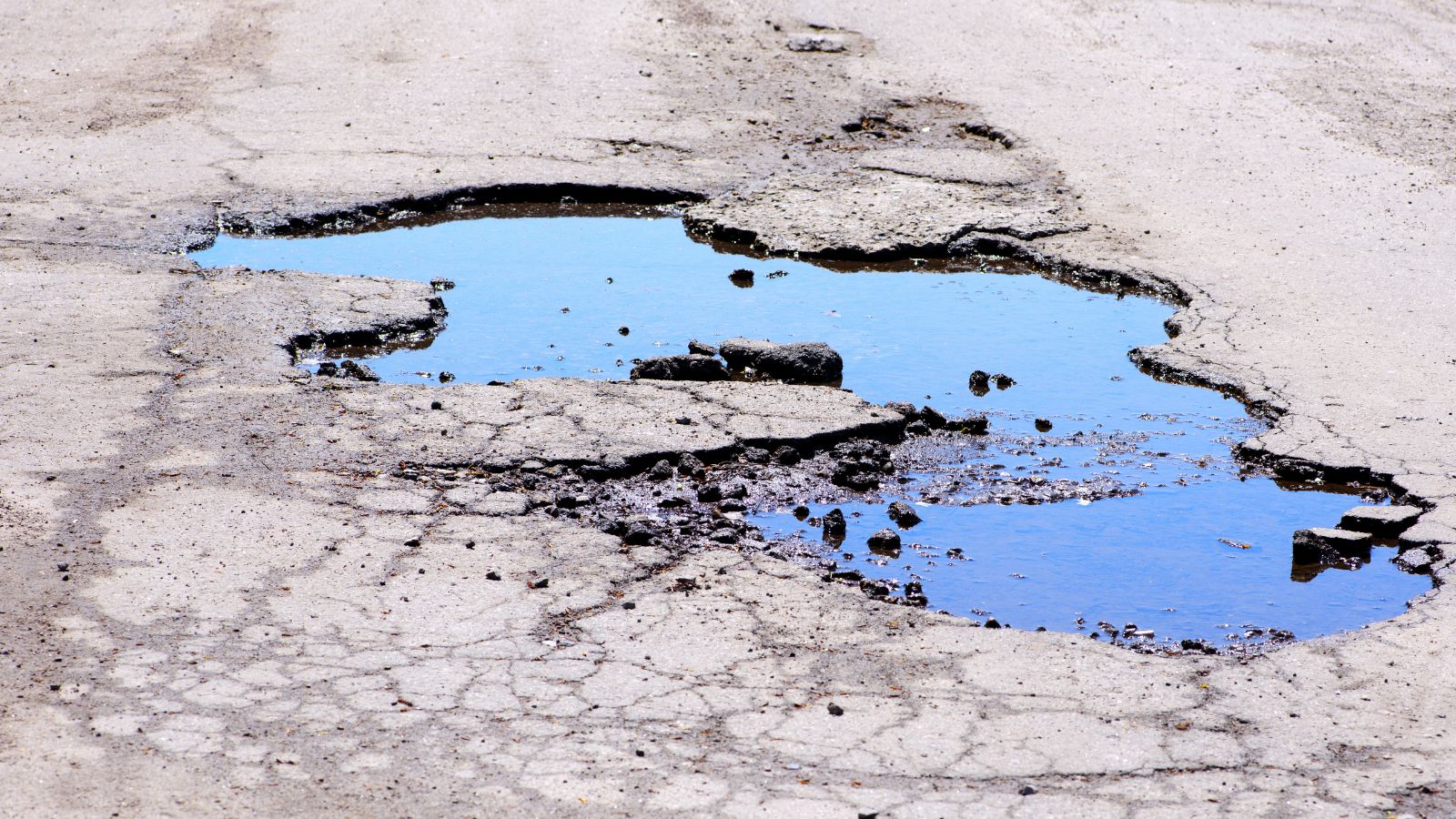
Potholes deserve attention not only because winter creates them, but because of the collection of components that can be damaged in one impact. CAA-Quebec’s updated guidance lists tires, wheels, control arms, tie rods, shock absorbers, alignment and underbody components among the potential casualties. Some damage, particularly alignment or suspension problems, may not be obvious immediately after the impact.
The possible bills accumulate quickly. CAA-Quebec estimated tire replacement at roughly $70 to more than $400 per tire depending on specification, wheel alignment at approximately $90 to more than $200, and some alloy wheels at more than $500. More severe underbody damage can exceed $1,000. These are Quebec-oriented estimates rather than universal Canadian prices, but they demonstrate the scale of the risk. A driver may successfully navigate months of snowstorms only to receive the season’s biggest repair bill from a water-filled hole encountered on a comparatively mild March afternoon.
Short Winter Trips Can Be Surprisingly Hard on Cars

A five-minute drive to the store looks inexpensive because so little distance is covered. In winter, however, those trips can be unusually inefficient. Natural Resources Canada notes that separate trips shorter than five kilometres may not allow a cold internal-combustion engine to reach its optimal operating temperature. That keeps fuel consumption elevated for a greater percentage of each journey.
The 12-volt battery faces its own short-trip problem. Starting a cold engine requires significant electrical energy, and CAA-Quebec advises avoiding repeated short trips because the charging system may not have enough operating time to replenish the battery fully. Add headlights, heated seats, fans and defrosters, and winter commuting can demand substantial electrical power before the car has travelled far. Longer idling is not an ideal solution either: Natural Resources Canada generally recommends driving gently after a brief warm-up rather than leaving a modern engine idling for extended periods. For households built around multiple short errands, winter can therefore increase both fuel use and maintenance risk without adding many kilometres.
16 Costco Canada Habits That Could Be Costing Shoppers More Than They Save
The Executive Membership can feel like an obvious upgrade because the 2% annual reward sounds straightforward. For households that spend heavily at Costco Canada, the extra fee may be easy to justify. But the habit becomes costly when shoppers upgrade first and calculate later. A Gold Star Membership costs less, while Executive costs more and only pays off if eligible annual spending is high enough to offset the difference.
16 Costco Canada Habits That Could Be Costing Shoppers More Than They Save
