Grocery shopping in Canada used to have a familiar rhythm: clip a few coupons, buy the biggest package, wait for the weekly flyer, and trust that the bill would come down. That rhythm has changed. Food prices have risen sharply in recent years, package sizes keep shifting, and loyalty programs often reward spending more rather than spending wisely.
These 20 Canadian grocery habits once had a reputation for saving money, but today they deserve a closer look. Some still work in the right situation; others can quietly inflate the total at the register, especially when shoppers rely on old rules instead of checking unit prices, meal plans, and actual household needs.
Buying the Biggest Package Automatically
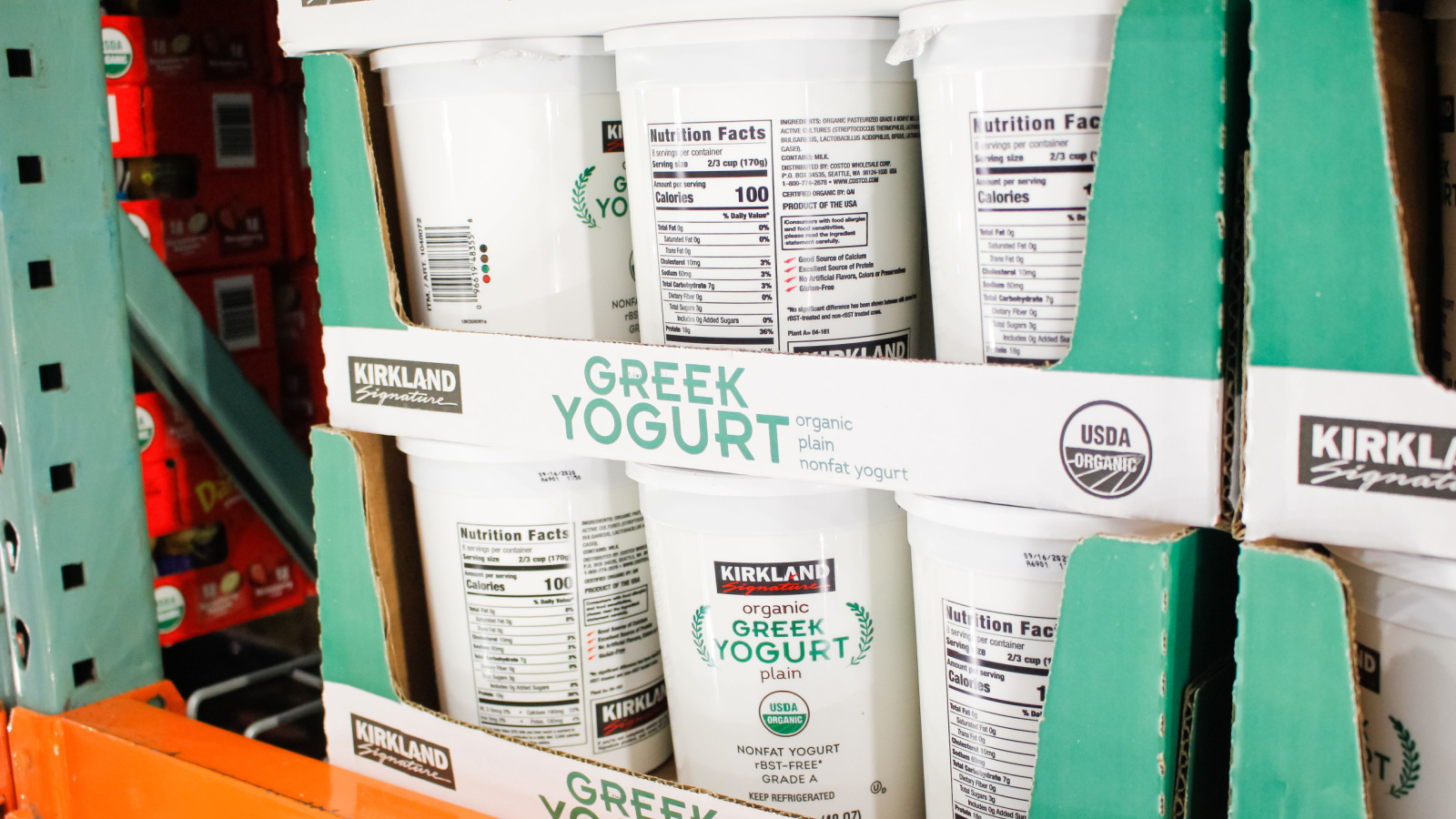
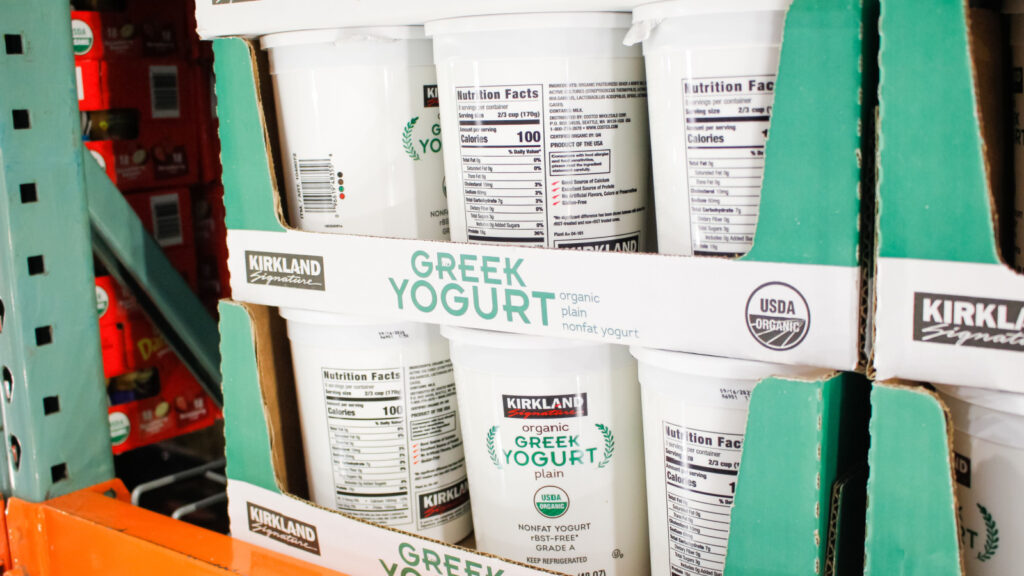
For years, warehouse-sized cereal boxes, family packs of chicken, and oversized tubs of yogurt felt like the safest way to save. The logic was simple: bigger packages usually meant a lower price per gram or millilitre. That can still be true, but it is no longer automatic. Package sizes, promotions, and private-label pricing now vary enough that the largest option may not be the best deal.
A family may buy a huge bag of spinach because the unit price looks better, then toss half of it by Friday. Meat, produce, dairy, and bakery items are especially risky when the household cannot use them quickly. In a period when Canadian food costs remain high, waste can erase the savings that bulk buying was supposed to create. The better habit is checking both unit price and realistic use.
Chasing Every Flyer Deal
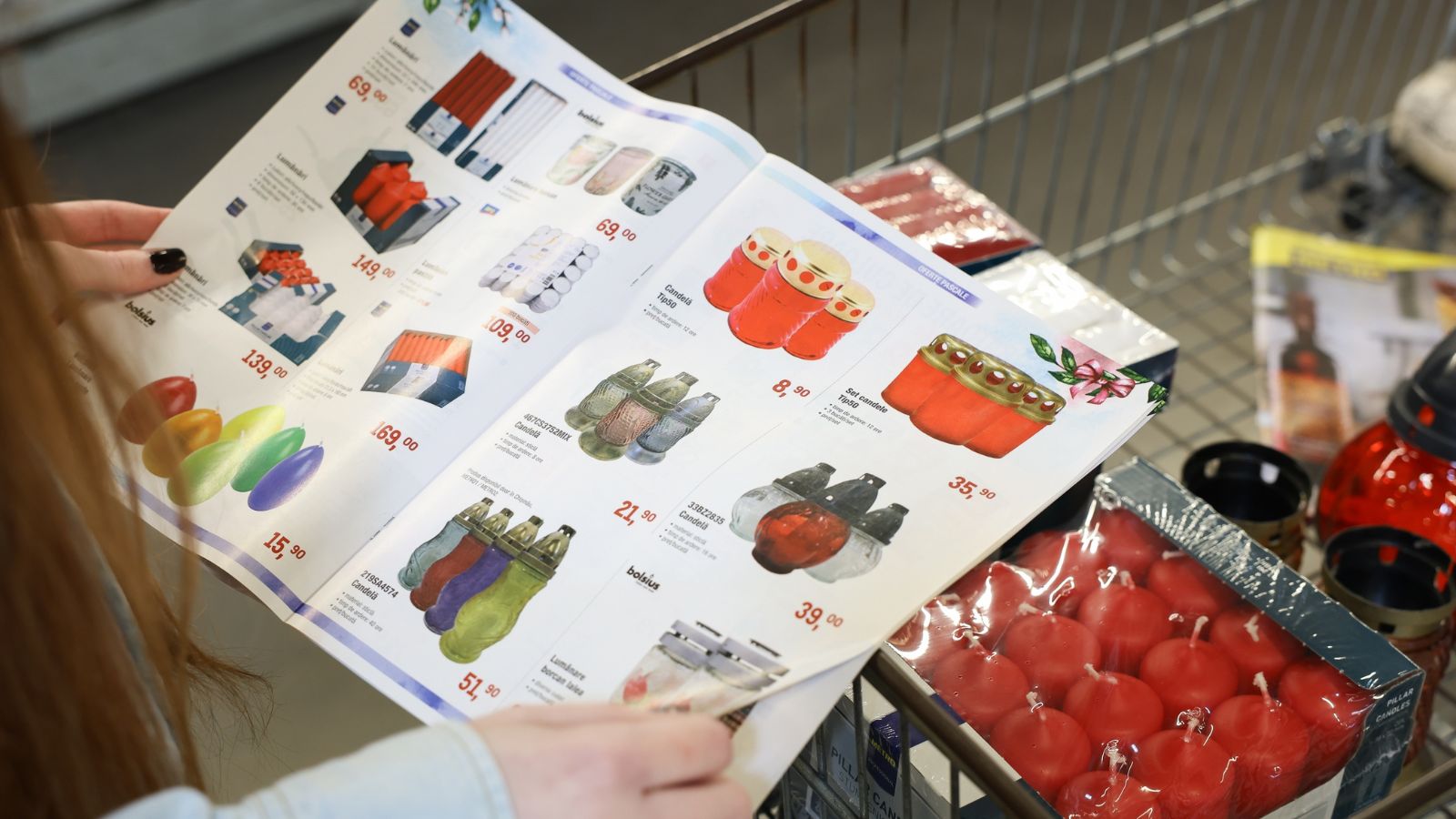
Weekly flyers once gave Canadian households a reliable map for cheaper groceries. Planning meals around discounts could stretch a budget, especially when meat, pantry staples, and produce rotated through predictable sales. Today, flyers still matter, but chasing every highlighted deal can lead to extra trips, impulse buys, and baskets filled with products that were not needed in the first place.
A $2 discount on crackers loses its power when it comes with an unplanned $18 detour through snacks, drinks, and bakery items. Flyers also promote multi-buy offers that require higher spending to unlock the advertised value. A household that shops several stores to collect small discounts may also spend more on fuel, time, or delivery fees. The smarter version is choosing a short list of meaningful deals before entering the store.
Assuming Store Brands Are Always Cheaper
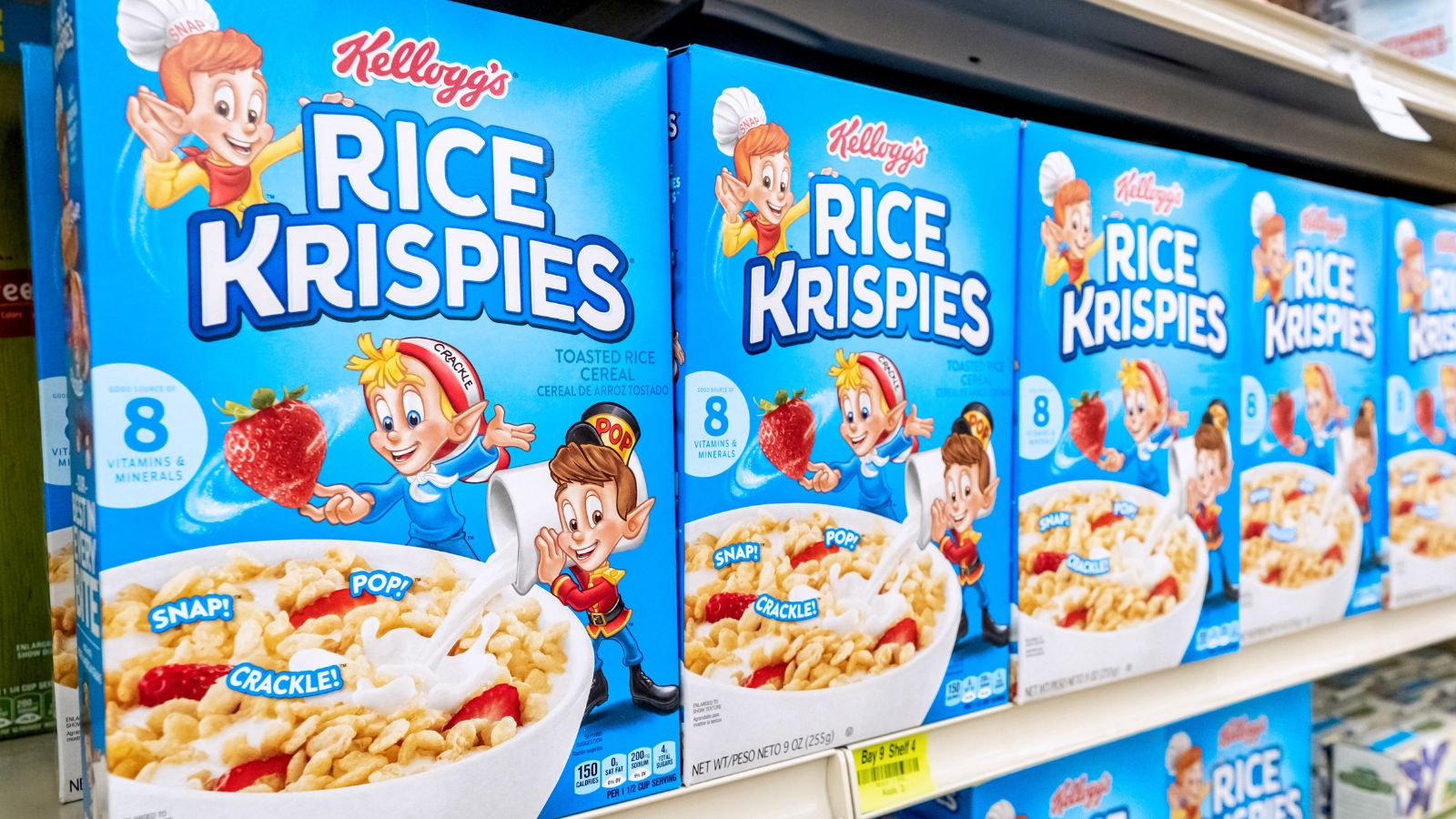
Store brands used to be the quiet hero of budget grocery shopping. Many Canadian shoppers switched from national brands to private-label pasta, canned tomatoes, cereal, and frozen vegetables because the price gap was easy to see. That habit still has value, but private labels are no longer always the bargain option, especially when retailers create premium store-brand tiers.
A basic store-brand product may still beat a national label, while an upscale private-label sauce or frozen meal may cost more than a promoted brand-name equivalent. Shoppers can also be nudged into staying loyal to one retailer because its store brand feels familiar. In a concentrated grocery market, that loyalty can reduce comparison shopping. The practical move is to treat store brands like any other product: compare size, ingredients, and price per unit instead of assuming the label guarantees savings.
Stocking Up During Sales
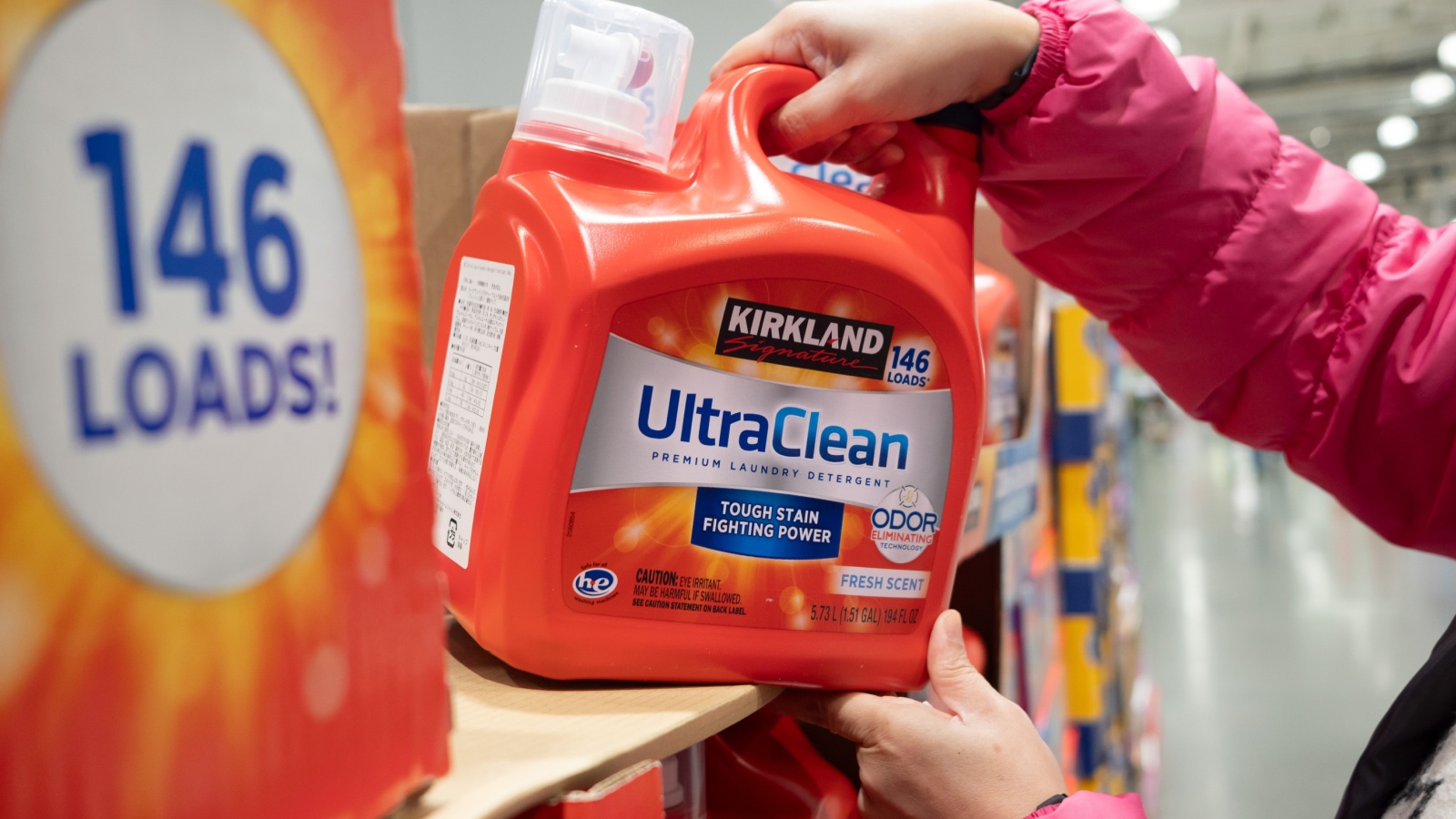
Buying extra when pasta, soup, coffee, or detergent goes on sale has long been a classic Canadian money-saving habit. It works best for shelf-stable goods that are genuinely used often. The problem is that stockpiling can become a form of prepaid overspending when the sale price is not unusually low or when the pantry is already full.
A household may buy six jars of peanut butter at a modest discount, then miss a better promotion two weeks later. Items can also expire, get forgotten, or crowd out food that would have been used for actual meals. With grocery prices changing unevenly by category, “on sale” does not always mean “good value.” A useful rule is to stock up only on items with a known regular price and a predictable place in the household’s routine.
Relying on Coupons Without Checking the Final Price

Coupons once felt like small wins at the checkout, especially for packaged foods, toiletries, and household staples. Digital offers have made the habit easier, but also more complicated. Many coupons apply only to specific sizes, flavours, minimum quantities, or loyalty-card accounts, and the discounted item may still cost more than a competing product.
A shopper might use a $1.50 coupon on brand-name granola bars while a store-brand box nearby is cheaper without any offer attached. Coupons can also pull households toward highly processed snacks, premium products, or items they would not normally buy. The savings are real only if the final price is lower than realistic alternatives. The modern coupon habit needs one extra step: compare after the discount, not before it.
Shopping Only at One Familiar Store

Sticking to one grocery store used to be convenient and sometimes economical. Regular shoppers learned the layout, sale cycles, loyalty offers, and house brands. In many Canadian communities, however, grocery options vary widely, and one store rarely has the best price across every category. A familiar store may be competitive on milk and bread but expensive on produce, meat, or pantry staples.
The comfort of routine can become costly when prices shift quietly. A shopper may keep buying the same eggs, apples, or coffee without noticing that a discount banner, independent grocer, or local produce market is consistently cheaper. This does not mean every household needs to visit four stores a week. It means a periodic price check on ten commonly purchased items can reveal whether loyalty is still paying off.
Buying Fresh Produce No Matter the Season
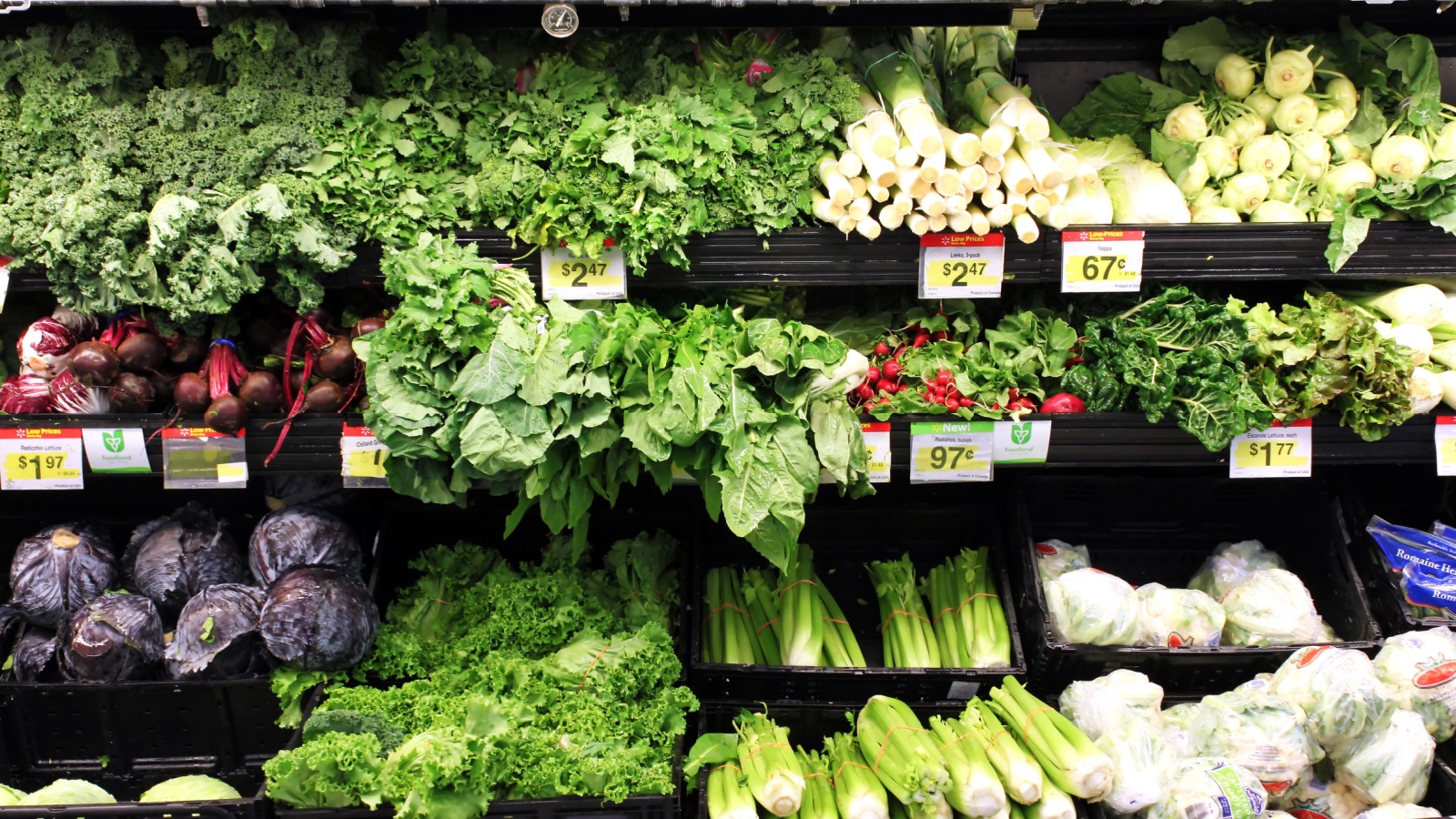
Fresh produce has long been associated with healthy, economical cooking, especially when compared with restaurant meals or packaged convenience foods. But in Canada, seasonality, weather, transportation, and import costs can make certain fruits and vegetables much more expensive at different times of year. A habit that saves money in August may not work in February.
A family that buys fresh berries, peppers, or leafy greens every week may face sharp price swings, especially outside peak season. Frozen vegetables and fruit can be less wasteful and more stable in price, while canned tomatoes, beans, and corn can keep meals affordable. Fresh produce still belongs in the cart, but the old habit of buying the same items year-round may no longer be budget-friendly. Flexibility now matters more than freshness alone.
Treating Warehouse Clubs as Guaranteed Savings
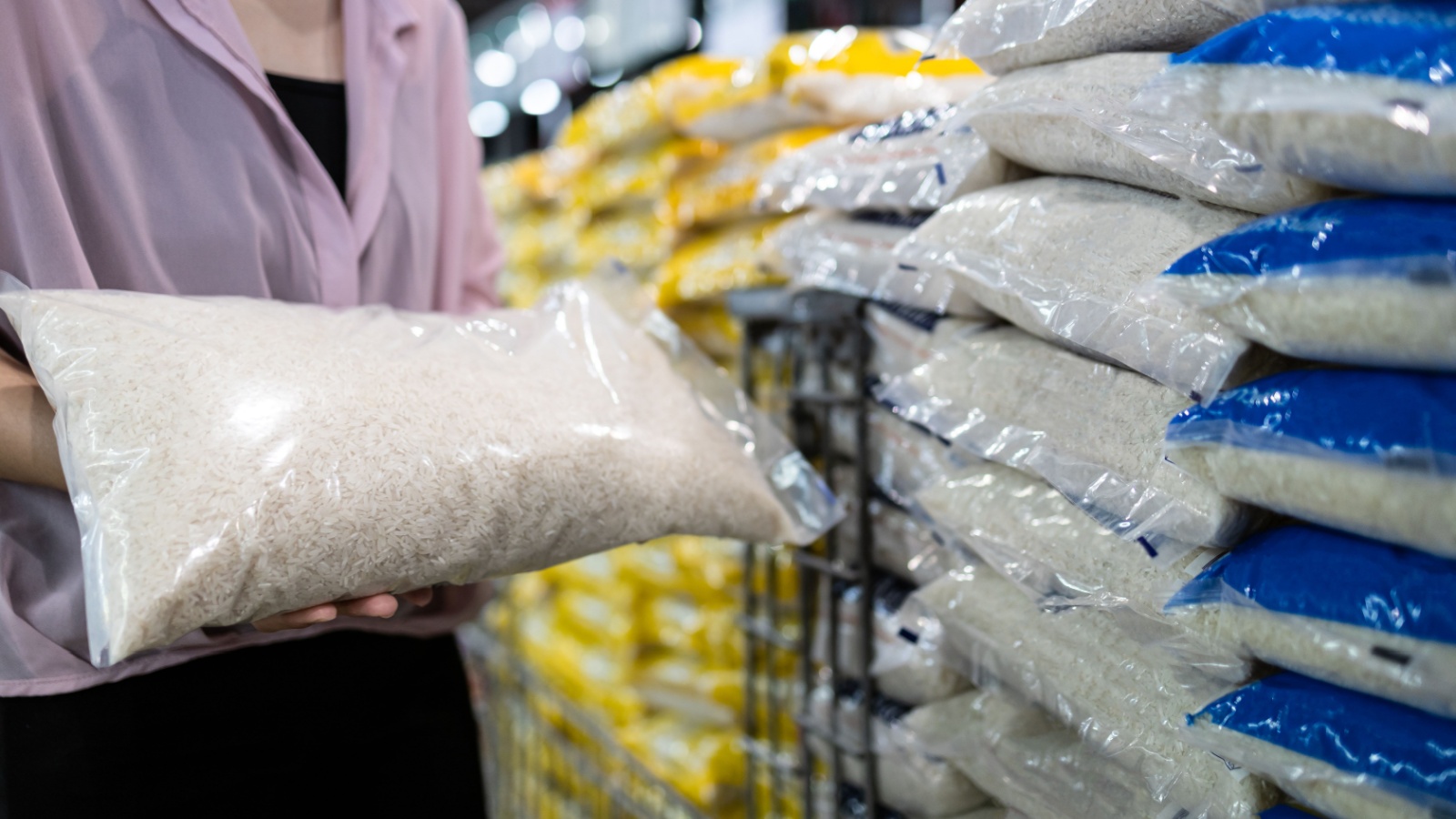
Warehouse clubs can save money for households that use large quantities of specific products. Rice, flour, eggs, frozen fruit, paper goods, and certain pantry items can be strong deals. But the membership fee, large package sizes, long aisles, and tempting non-grocery displays can change the math quickly. The savings depend on discipline and storage space.
A shopper may enter for chicken breasts and leave with snacks, clothing, seasonal décor, and a case of drinks. The grocery price may be fair, but the total trip becomes expensive. Smaller households also risk spoilage when perishable items are purchased in bulk. Warehouse shopping works best with a fixed list, a few tracked unit prices, and a clear understanding of what the household actually consumes before expiry.
Choosing Multi-Buy Deals Without Needing Multiples
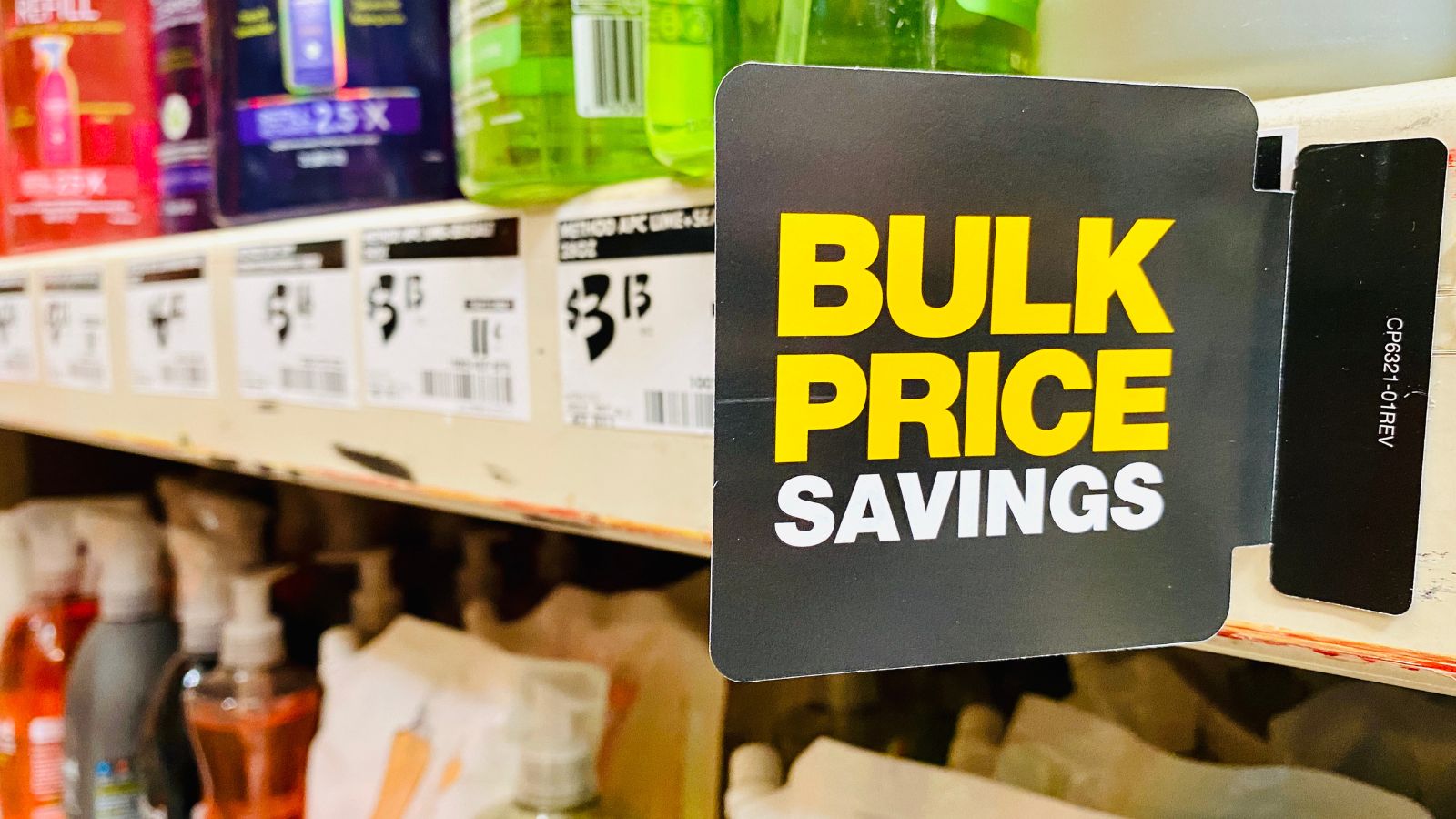
“Two for $7” or “Buy three, save $2” offers used to feel like straightforward bargains. They can still reduce the unit price, but only when the extra items are needed and will be used. Multi-buy promotions often push shoppers to increase the size of the basket, which benefits the retailer even when the household saves a little per item.
A person who came in for one bottle of salad dressing may leave with three because the shelf tag makes it feel wasteful not to. If two bottles sit unopened for months, the deal simply moved spending forward. Some stores allow the single-unit price to reflect the same discount, while others do not. The key is reading the tag carefully and resisting quantity-based deals on products that are not already part of the plan.
Assuming Meat Sales Always Beat Alternatives
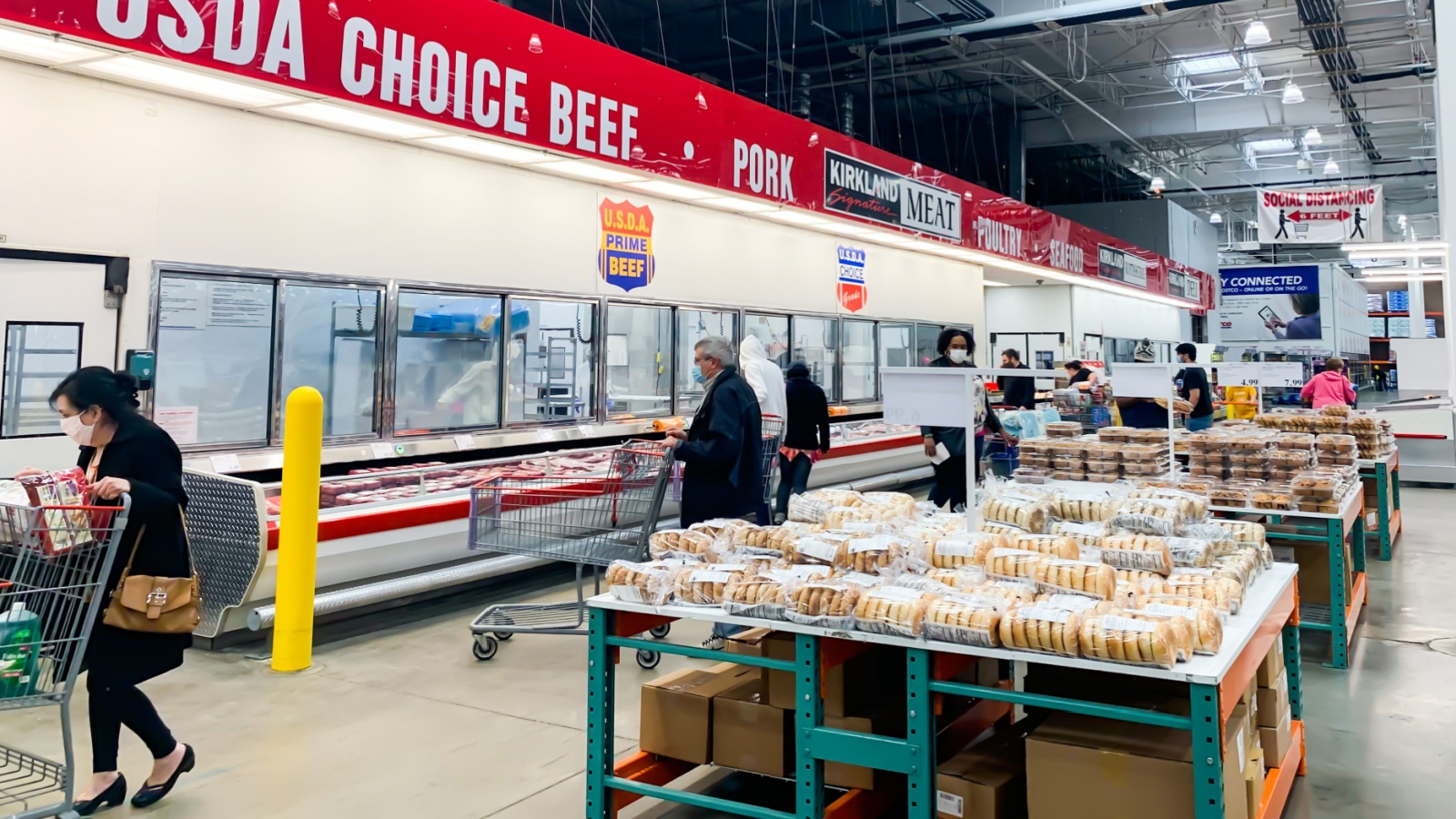
Meat has traditionally been one of the biggest opportunities for grocery savings. Waiting for discounts on chicken, beef, or pork could meaningfully lower the weekly bill. But meat prices have faced strong pressure, and even sale prices may be higher than regular prices once were. A “special” can feel like a bargain because it is compared with a new, higher baseline.
A household might buy a large tray of discounted beef, then build several meals around one expensive ingredient. Beans, lentils, eggs, tofu, canned fish, and frozen vegetables may deliver better value in certain weeks. This does not require eliminating meat. It means treating meat as one option among many instead of assuming a red sale sticker automatically makes it the cheapest centre of the plate.
Using Loyalty Points as the Main Savings Strategy
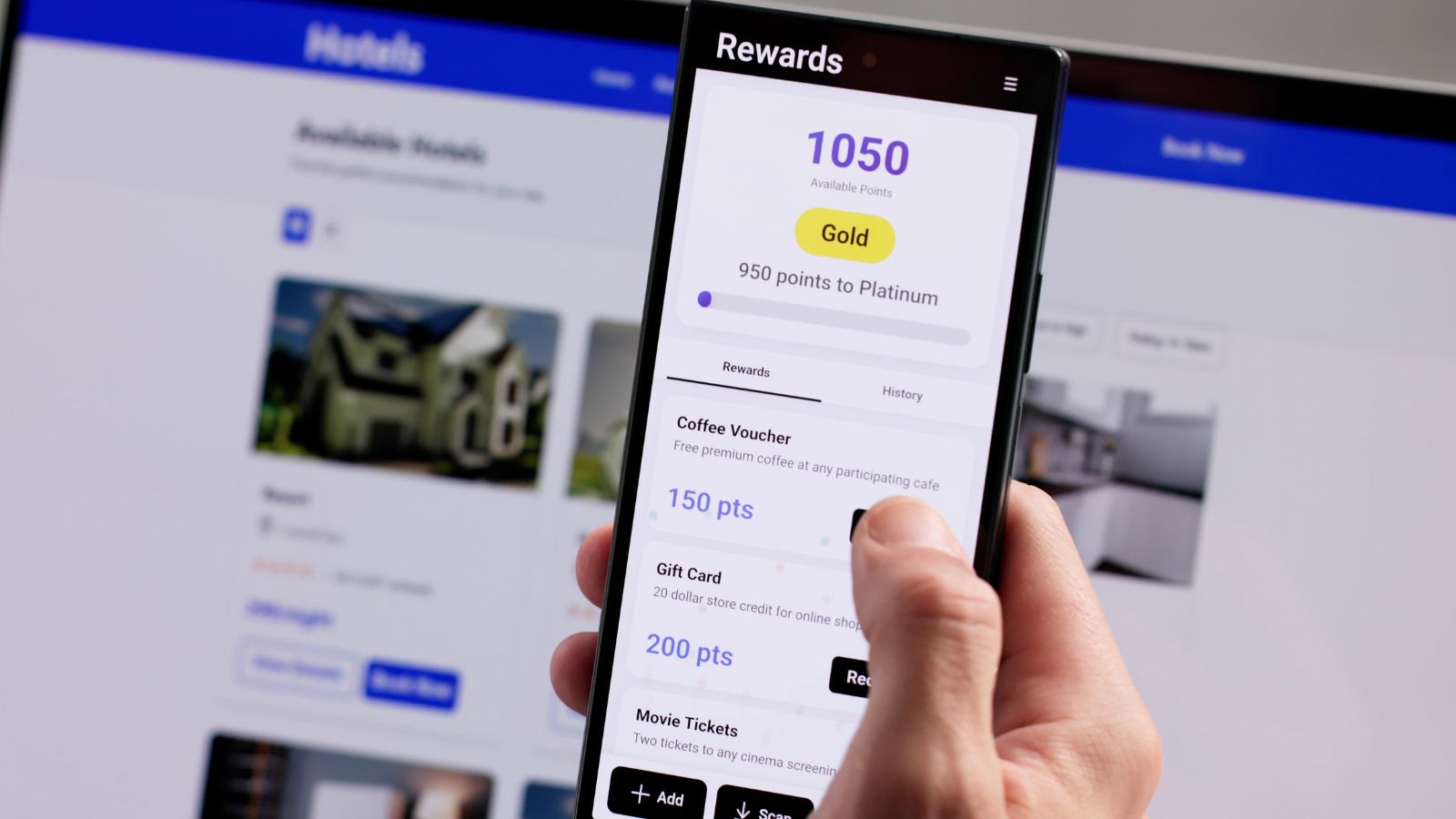
Loyalty programs once felt like free money: scan a card, collect points, and redeem later. In today’s grocery environment, points can still help, but they are often tied to targeted offers, minimum spending thresholds, or specific products. A shopper may spend more than planned to earn a points bonus that is worth less than the extra purchase.
For example, an offer that gives points after spending $100 can encourage a $22 top-up of snacks, drinks, or household items. The reward feels satisfying, but the budget may have been better served by stopping at $78. Loyalty programs can also make it harder to compare stores because shoppers focus on future rewards rather than today’s price. Points should be treated as a bonus, not the reason for buying.
Buying “Value Size” Packaged Snacks
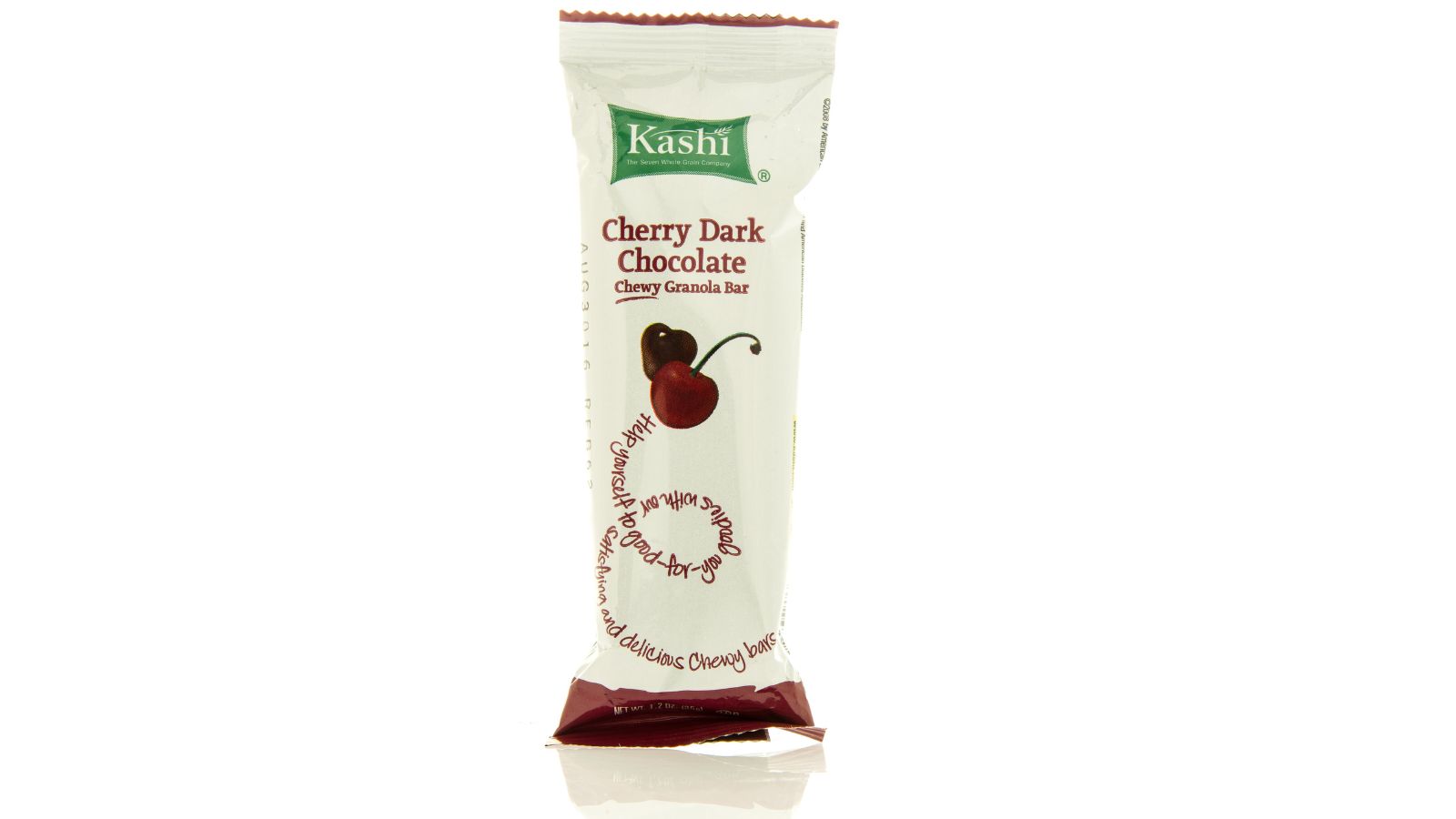
Large snack bags, club packs of granola bars, and family-size crackers used to look like easy lunchbox savings. The price per serving can be lower, but snacks are also vulnerable to faster consumption when more is available at home. A package meant to last two weeks may disappear in four days, turning a value purchase into a higher monthly habit.
Packaged snacks also occupy a tricky place in grocery budgets because they rarely replace full meals. A household may still buy bread, fruit, yogurt, and dinner ingredients while adding larger snack formats on top. The savings only exist if the bigger package reduces replacement purchases. Portioning snacks after purchase or rotating cheaper options like popcorn kernels, apples, or homemade muffins can help restore the original value.
Shopping Late in the Day for Markdowns
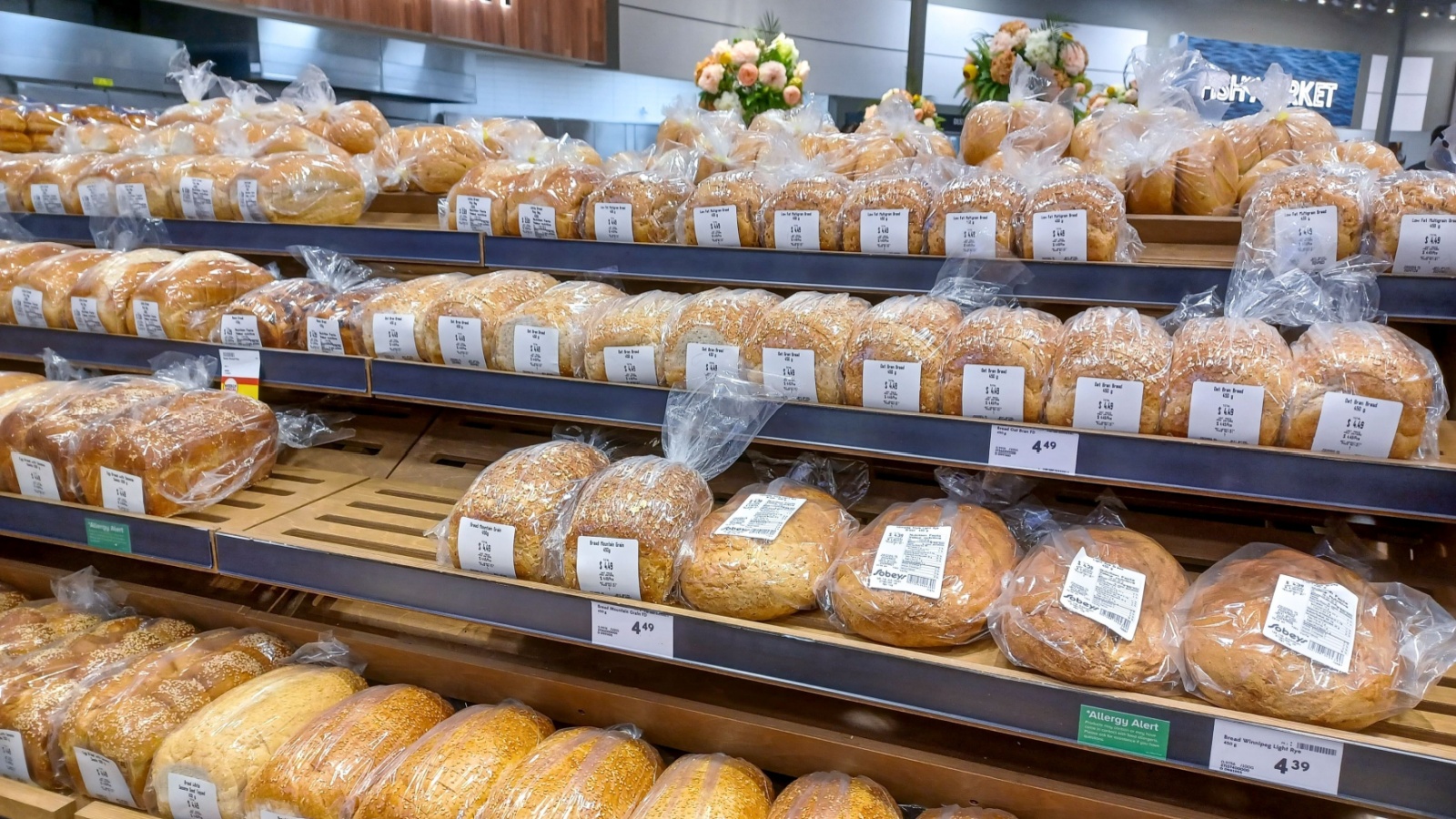
Evening markdowns on meat, bakery, and prepared foods were once a reliable trick for careful shoppers. Some stores still discount items close to best-before dates, and the savings can be meaningful. But markdown sections have become less predictable as retailers improve inventory systems, donate products, adjust pricing earlier, or reduce waste through prepared-food departments.
A shopper who arrives late hoping for discounted chicken may find nothing useful and still need dinner. There is also the risk of buying perishable food simply because it is marked down, then failing to use it in time. This habit works best for flexible meal planners who can cook or freeze the item immediately. Without that plan, markdown hunting can become a gamble rather than a strategy.
Buying Ingredients for Ambitious Meal Plans
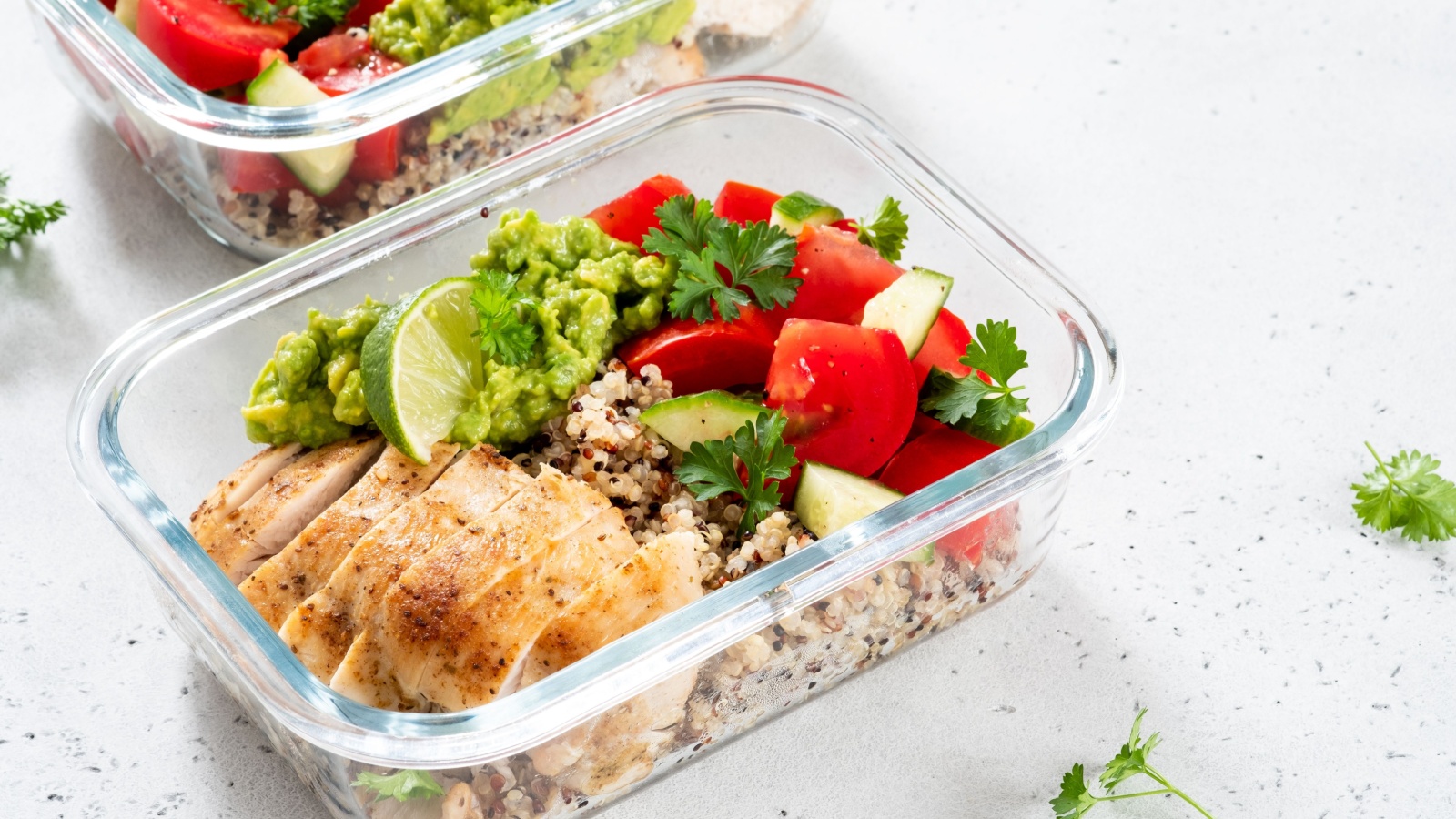
Meal planning is usually a smart grocery habit, but overly ambitious planning can backfire. A household may map out five detailed dinners with specialty herbs, sauces, vegetables, and proteins, then run into overtime shifts, kids’ activities, illness, or plain exhaustion. The result is a fridge full of ingredients that do not easily turn into quick meals.
This is especially costly when recipes require partial packages: half a tub of ricotta, a few tablespoons of curry paste, or one bunch of fresh herbs. The unused portions raise the real cost of the meal. A more resilient plan uses overlapping ingredients and includes backup meals such as eggs, soup, pasta, frozen vegetables, or rice bowls. The money-saving habit is not just planning meals; it is planning for real life.
Assuming Local Always Means Cheaper
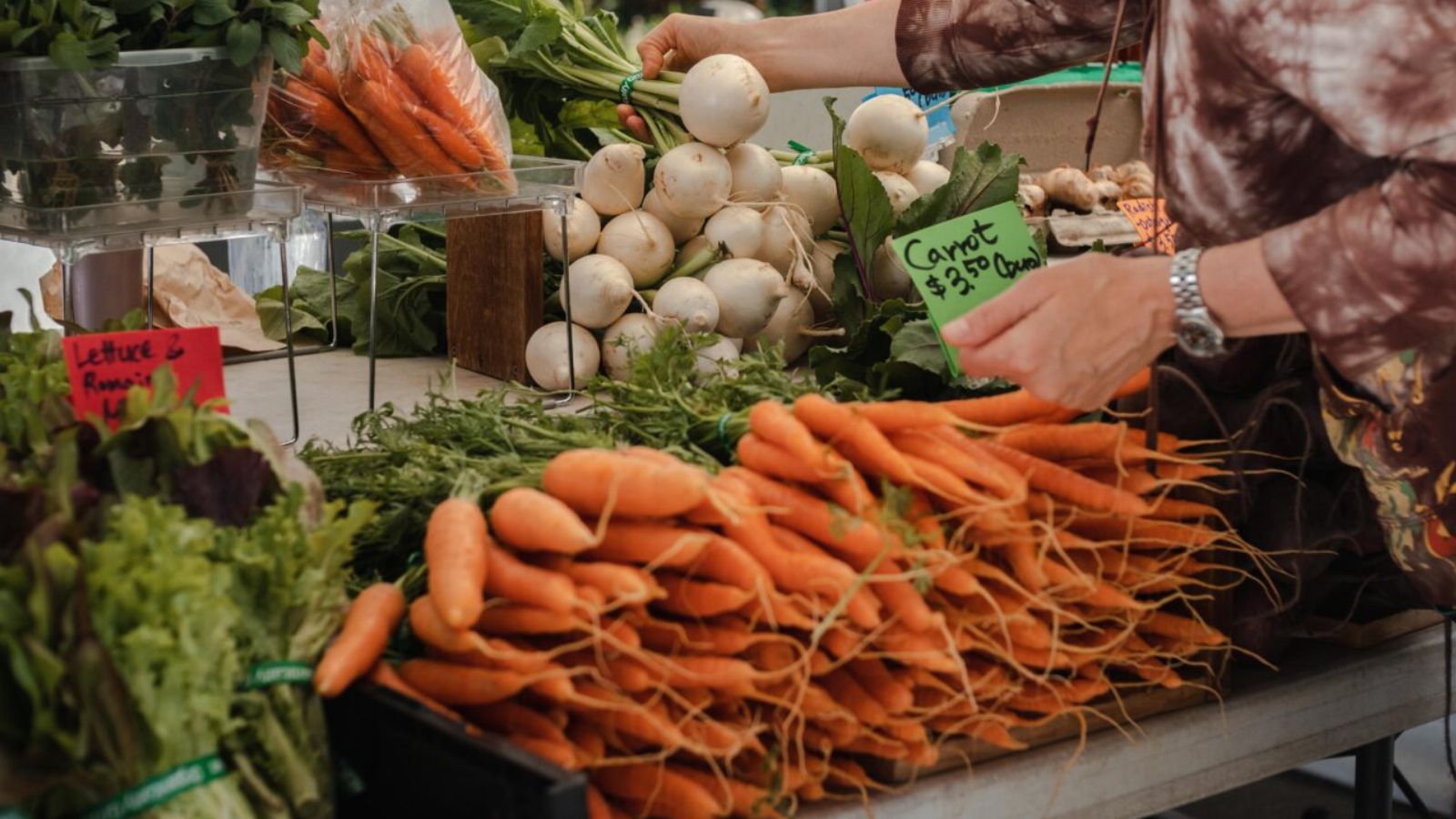
Buying local food can support regional producers and sometimes deliver excellent value, especially in peak season. Farmers’ markets, farm stands, community-supported agriculture boxes, and local grocers may offer competitive prices on certain items. But “local” is not automatically cheaper, particularly when small producers face higher labour, land, packaging, and distribution costs.
A basket of local strawberries in June may be a fair deal, while local specialty cheese, small-batch jam, or greenhouse greens may cost more than mass-market alternatives. The value may still be worth it for freshness, quality, or community reasons, but it should not be confused with guaranteed savings. Budget-conscious shoppers can use local buying strategically: seasonal produce first, premium specialty products only when the price fits.
Choosing the Cheapest Item Without Checking Waste
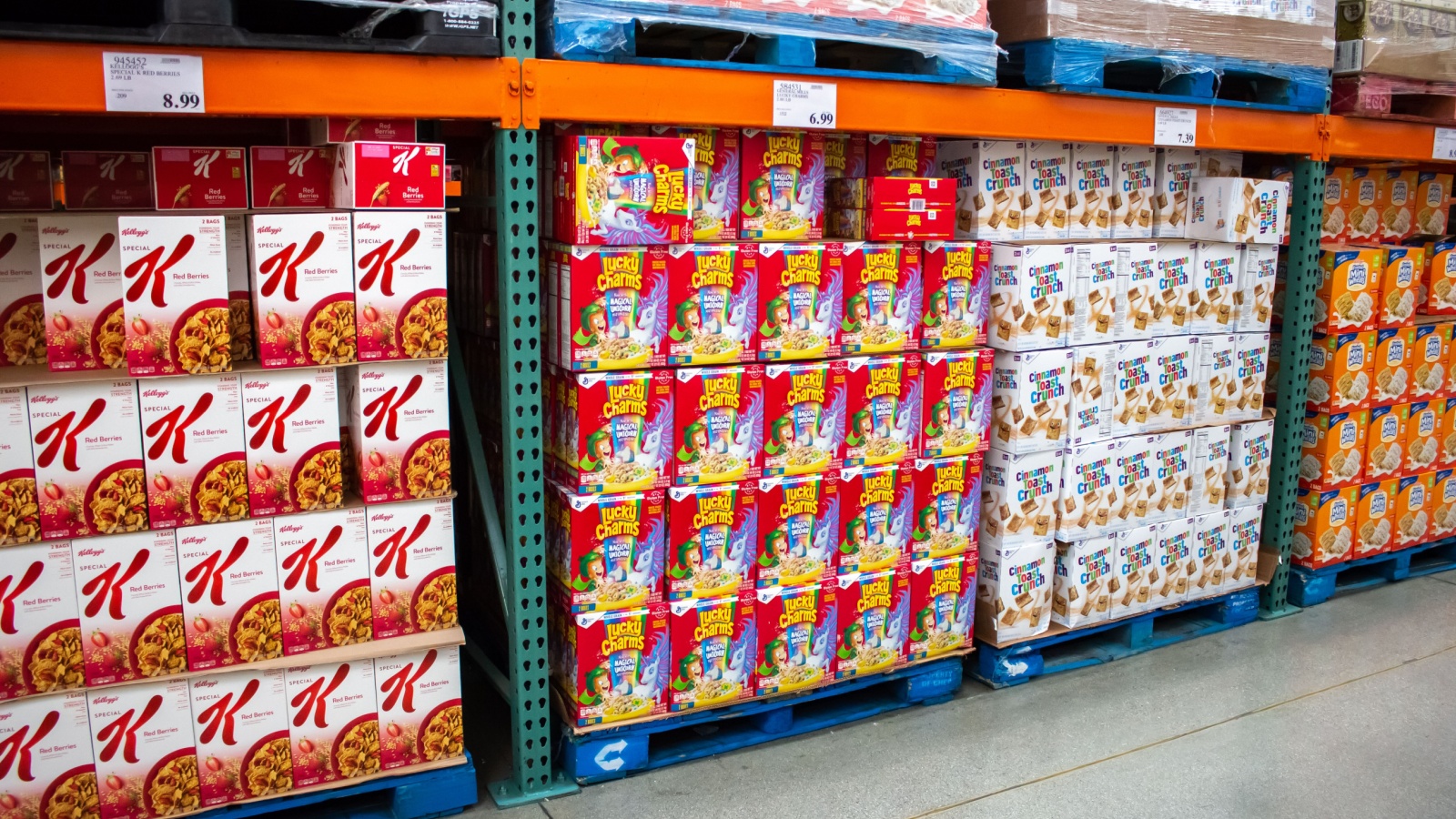
The lowest shelf price can be misleading when quality, shelf life, or household preference affects whether the food gets eaten. A cheaper loaf that goes stale quickly, bargain produce that spoils in two days, or a discount cereal no one likes can cost more in practice than a slightly pricier item that gets fully used. Food waste is one of the quietest grocery budget leaks.
This is where lived experience matters. A parent may know that a certain cheaper yogurt comes home in lunch bags untouched, while a mid-priced one actually gets eaten. A household that throws out wilted bargain lettuce every week may be better off buying frozen spinach or a smaller container. The best deal is not always the cheapest item; it is the cheapest item that reliably becomes food, not garbage.
Replacing Meals With Prepared Grocery Foods

Rotisserie chickens, deli salads, sushi trays, and ready-made soups can be cheaper than restaurant meals, so they earned a reputation as smart shortcuts. They still can be useful on busy nights. The problem appears when prepared grocery foods become a routine substitute for cooking without replacing other groceries in the cart.
A household might buy ingredients for dinners and then add prepared meals because the week gets hectic. That creates double spending: raw food waiting at home and convenience food for tonight. Prepared foods can also carry higher prices per serving than simple staples cooked in batches. The better habit is intentional use. A rotisserie chicken can stretch into sandwiches, soup, and rice bowls, but a spontaneous tray of prepared food may simply patch over poor planning.
Buying Organic by Default
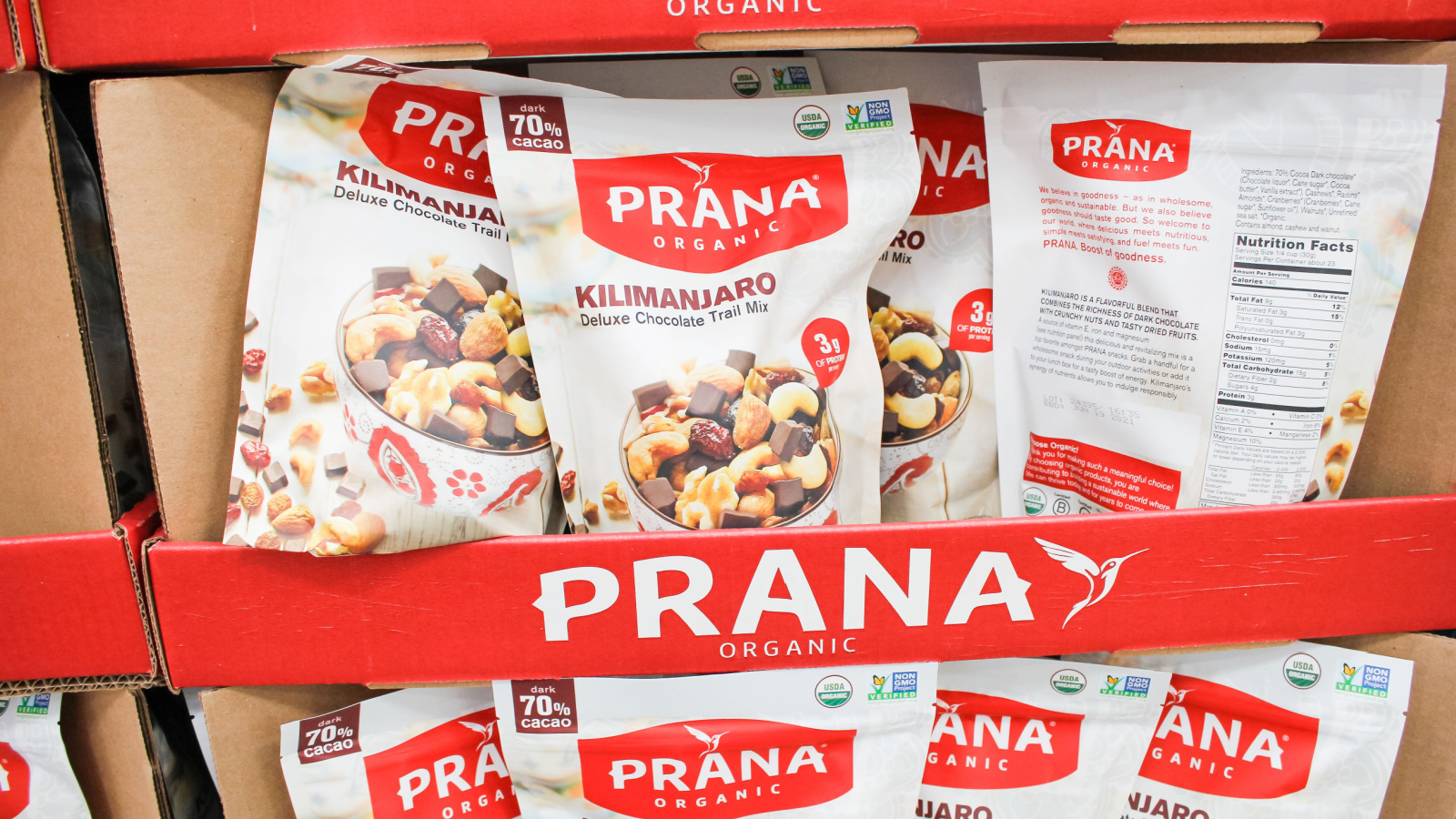
Organic products used to be a selective splurge for shoppers focused on farming practices, pesticide concerns, or perceived quality. Over time, some households began buying organic by default whenever a product was available. That can be expensive, especially when the premium applies to staples like milk, eggs, produce, flour, and packaged snacks.
The issue is not whether organic food has value. It is whether buying it automatically is still compatible with the grocery budget. Some items may matter more to a household than others, while conventional or store-brand alternatives may be acceptable in many categories. A shopper trying to control costs can prioritize organic choices where the preference is strongest, then compare unit prices elsewhere. Automatic upgrades are one of the easiest ways for a grocery bill to rise unnoticed.
Trusting “Buy Canadian” Labels to Save Money
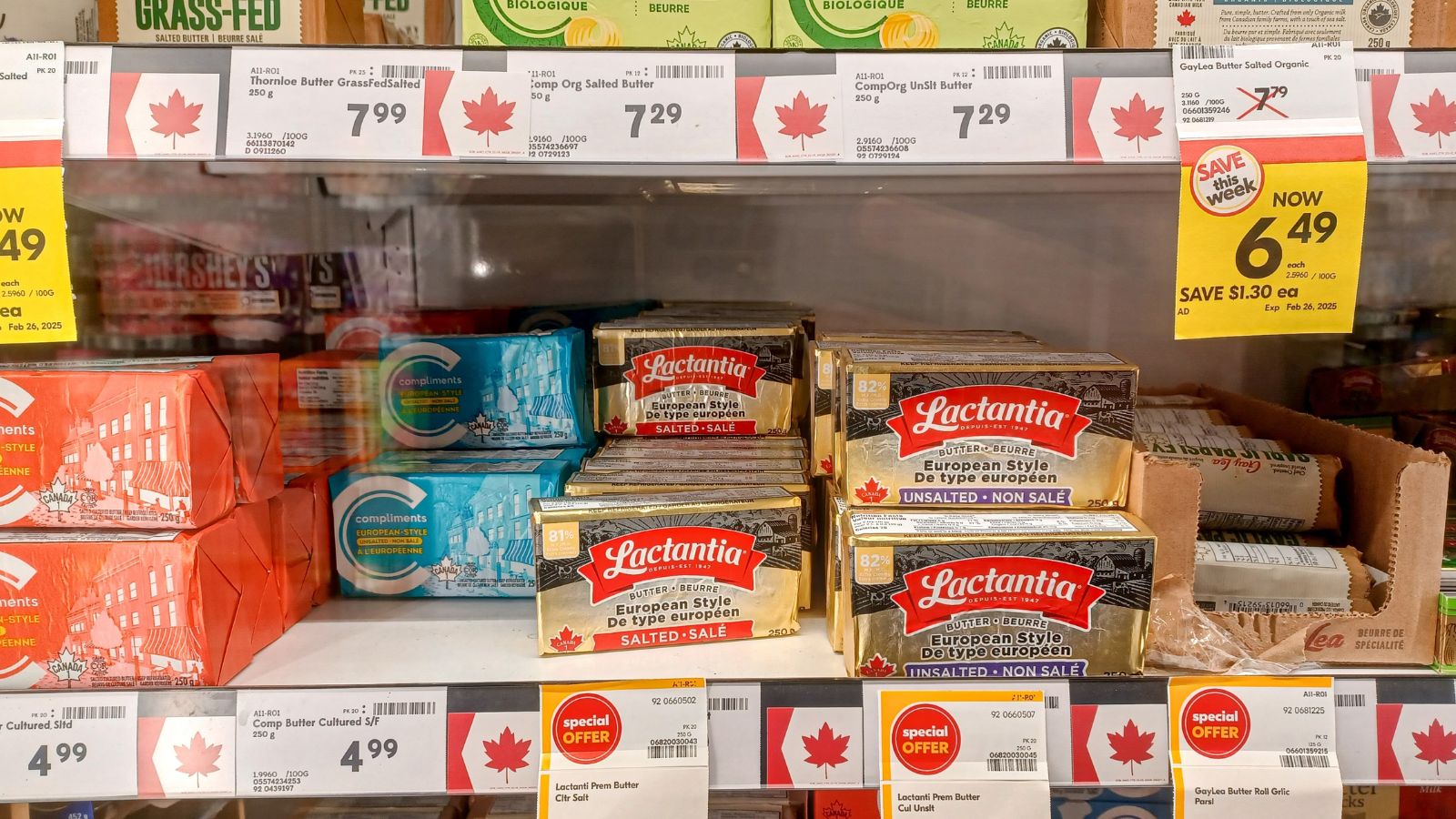
Canadian-made and Canadian-grown labels can influence grocery decisions, especially when shoppers want to support domestic producers. In some categories and seasons, local or Canadian products may be competitively priced. But buying Canadian is not the same as buying cheaper. Production costs, supply chains, weather, regional availability, and product type all affect the final price.
A Canadian greenhouse tomato in winter may cost more than an imported option, while Canadian potatoes or apples may be strong value in season. Shoppers may still choose domestic products for reasons beyond price, including freshness, traceability, or economic support. The habit becomes risky only when the label is treated as a savings shortcut. The modern version is to compare price and purpose: buy Canadian when it fits the budget, not because it automatically lowers the bill.
Avoiding Online Grocery Orders Completely
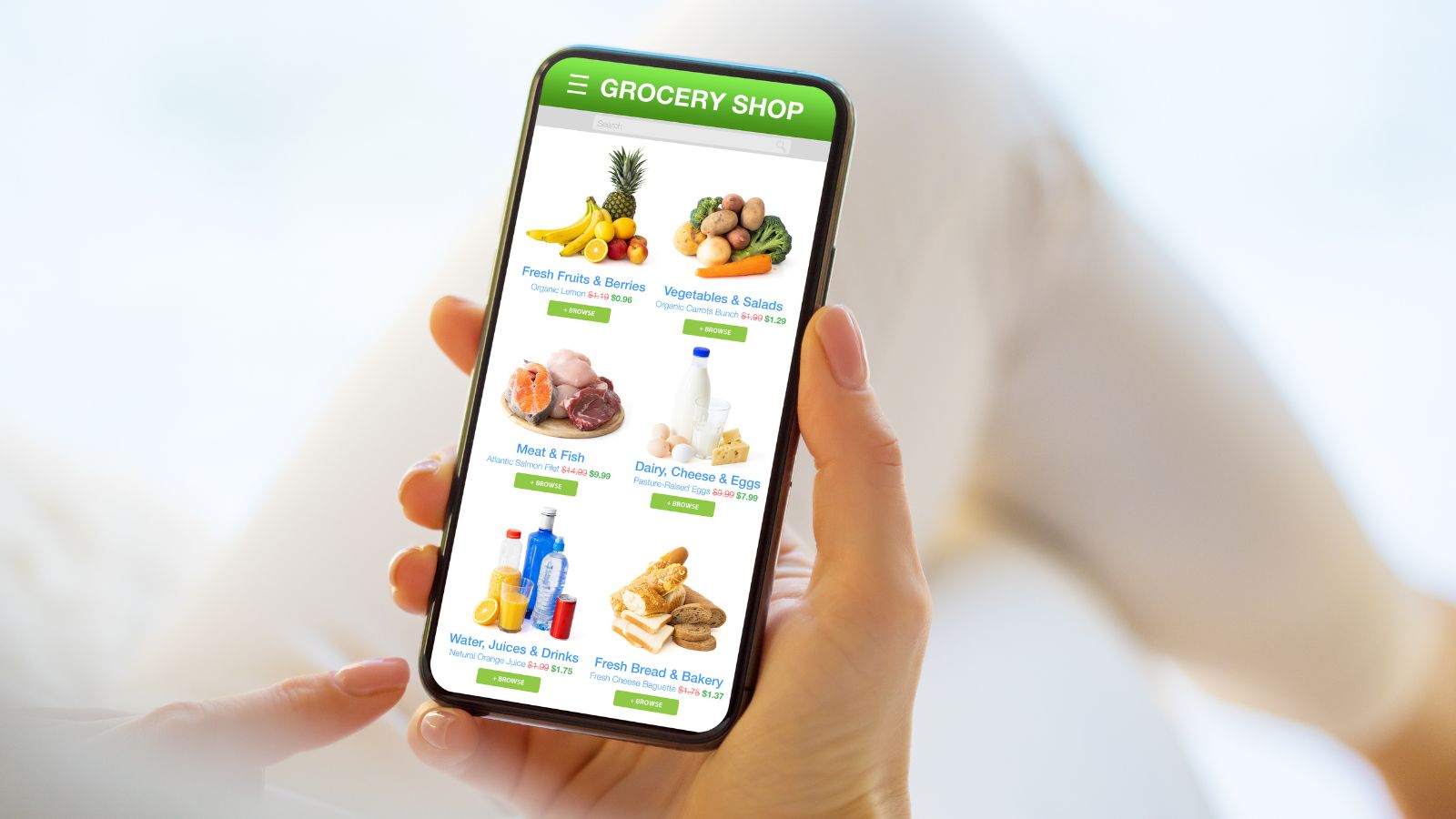
Online grocery ordering used to seem like a luxury because of fees, markups, substitutions, and delivery charges. For many households, in-store shopping still offers better control. But avoiding online tools entirely may also mean missing a useful budgeting advantage: the ability to review the cart total before paying and remove impulse items before checkout.
In a physical store, extra snacks, drinks, bakery items, and seasonal displays can slip into the basket unnoticed. Online shopping can make those additions more visible, especially for households that reorder basics from a saved list. Pickup fees, delivery costs, and item pricing still need scrutiny, so online ordering is not automatically cheaper. But for some shoppers, the controlled cart and reduced impulse buying can offset modest service costs.
19 Things Canadians Don’t Realize the CRA Can See About Their Online Income

Earning money online feels simple and informal for many Canadians. Freelancing, selling products, and digital services often start as side projects. The problem appears at tax time. Many people underestimate how much information the CRA can access. Online platforms, banks, and payment processors create detailed records automatically. These records do not disappear once money hits an account. Small gaps in reporting add up quickly.
Here are 19 things Canadians don’t realize the CRA can see about their online income.
