Autumn can make a Canadian home feel deceptively ready for winter. The furnace turns on, the roof looks intact from the driveway, and a few leaves in the eavestrough rarely seem urgent. Then freezing temperatures, heavy snow, ice, wind and mid-winter thaws expose problems that were far easier to correct in October.
Many cold-weather emergencies begin with ordinary maintenance that was postponed while conditions were mild. A blocked drain becomes basement water, a forgotten hose contributes to a frozen pipe, and a small attic leak becomes an ice-dam problem. The consequences vary by climate, house age and location, but the underlying pattern is remarkably consistent. These 20 fall home mistakes are among the problems Canadians often discover only after winter has made the repair harder, colder and considerably more inconvenient.
Leaving Eavestroughs Packed With Leaves
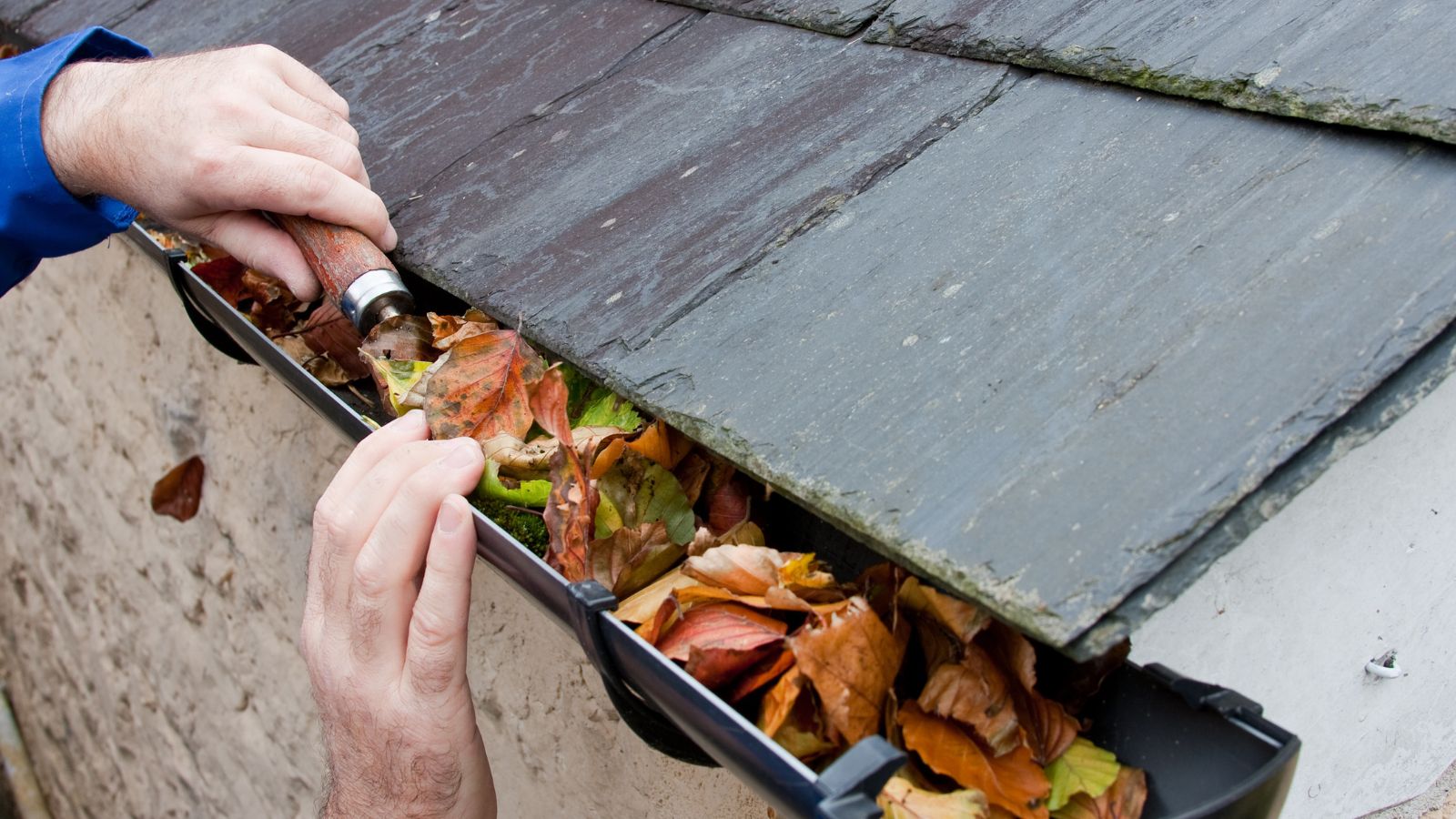
A handful of leaves in an eavestrough may not look serious on a dry October afternoon. The problem arrives when autumn debris combines with rain, melting snow and freezing temperatures. Water that cannot move freely through the eavestrough and downspout can overflow beside walls or remain trapped near the roof edge. Once temperatures drop, that standing water can freeze and create an even larger obstruction.
The Government of Canada recommends checking eavestroughs and downspouts at least twice annually, including in fall, and removing leaves, sticks and other debris. This is one job that becomes dramatically less pleasant after the first hard freeze. A homeowner who postpones it may not notice the blockage until water is spilling over an icy gutter or pooling near the basement. Fall cleaning also creates an opportunity to spot loose sections, cracks and downspouts that are no longer draining as intended.
Letting Downspouts Empty Beside the Foundation
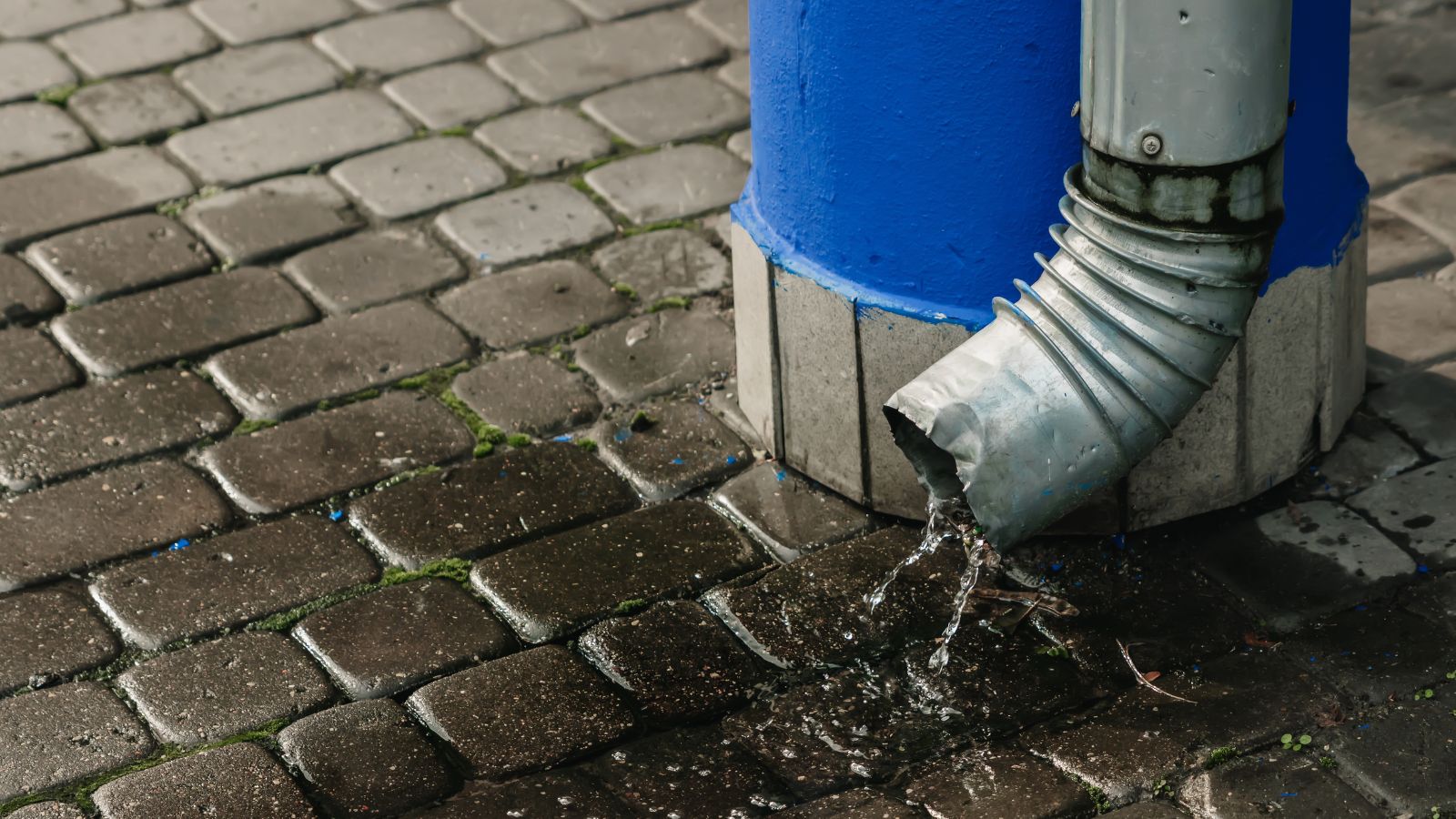
Cleaning an eavestrough only solves part of the drainage problem. Water still needs somewhere sensible to go. A downspout that ends directly beside the house can send large amounts of roof runoff toward the foundation during fall rain, winter thaws and spring snowmelt. The trouble may remain invisible until dampness appears in a basement or water works through an existing crack.
Federal flood-prevention guidance recommends directing discharge away from the foundation and watching for pooling around basement walls. Insurance Bureau of Canada guidance similarly stresses proper drainage, lot grading and keeping water away from basement windows and foundations. The mistake is particularly easy to miss when extensions have been moved for lawn cutting or landscaping and never put back. Once snow surrounds the house, the discharge point can disappear entirely, leaving meltwater with an easy path back toward the building instead of away from it.
Ignoring Roof Damage Before Snow Covers It

Fall is one of the last convenient opportunities to notice a roofing problem before snow and ice conceal the evidence. Loose or damaged roofing, deteriorated flashing and existing water marks may not create an obvious leak during a light autumn rain. Add wind-driven snow, freeze-thaw cycles and ice buildup, however, and a small weakness can become much more troublesome.
Natural Resources Canada advises homeowners inspecting attic spaces to look for water marks on sheathing and rafters, particularly near flashing, valleys and chimneys. Federal winter-storm guidance also recommends checking the house and roof for damage before severe winter weather arrives. The goal is not to encourage unsafe roof climbing; many roofs should be inspected from the ground or by a qualified professional. The real mistake is assuming that because no water is dripping from the ceiling in October, the roof is automatically ready for January.
Accepting Poor Drainage Around the House
A lawn can look perfectly harmless while quietly directing water toward the basement. Over time, soil settles, landscaping changes and patios or walkways can shift. A property that once drained well may develop low areas beside the foundation where rain and snowmelt collect. Winter often exposes that weakness during a warm spell when snow melts over partly frozen ground.
Canadian flood-prevention guidance recommends ensuring the ground around a home drains away from foundation walls. Insurance Bureau of Canada gives similar advice and notes that driveways, patios, decks and sidewalks can change over time and begin directing water toward the house. The issue is easy to dismiss in fall because puddles often disappear quickly. Winter thaws are less forgiving. When frozen soil cannot readily absorb water, surface runoff becomes more important, and a low spot beside a basement window or foundation wall can become an unwanted reservoir.
Putting Off Foundation Cracks
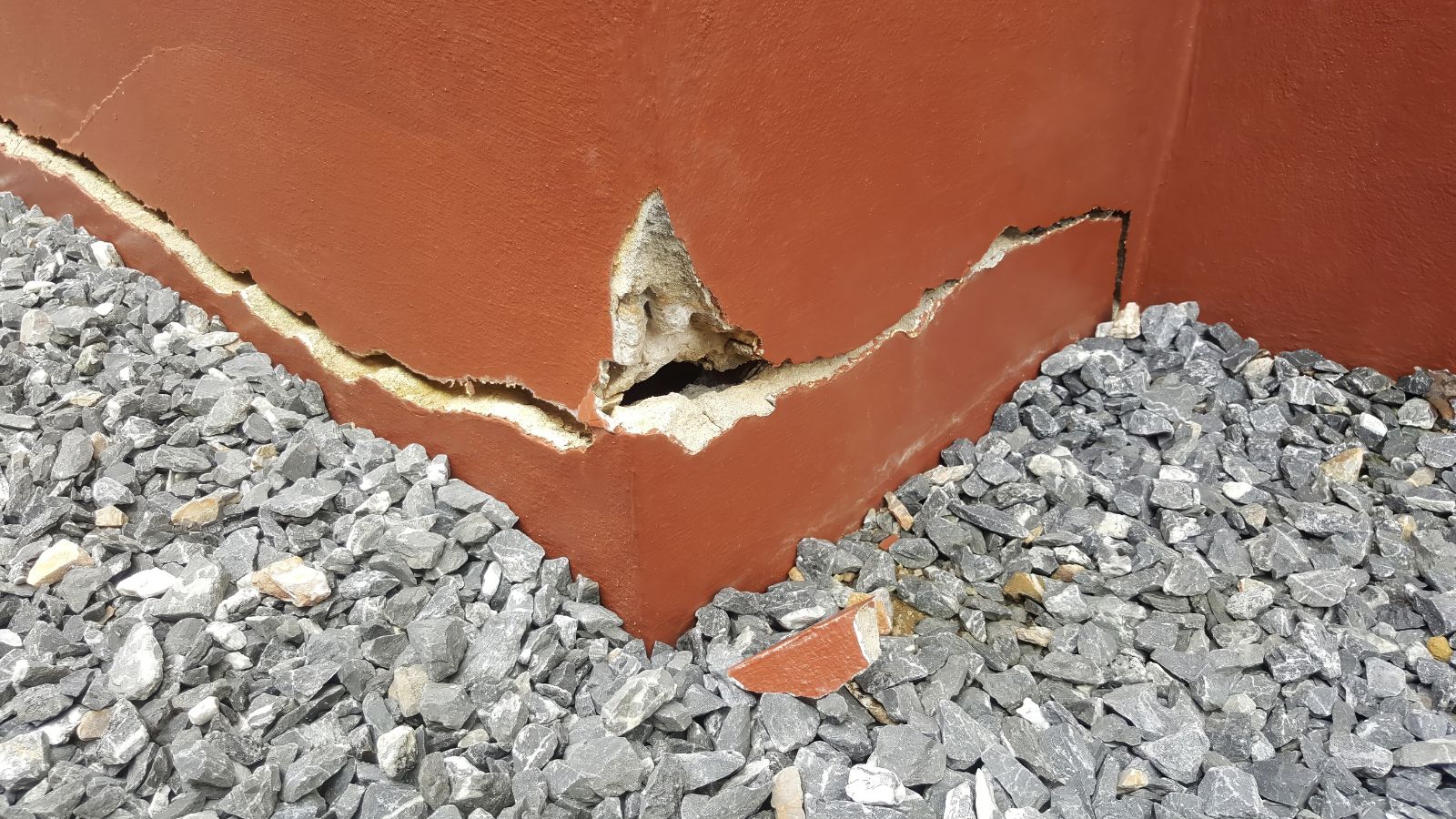
A small foundation crack is tempting to categorize as a project for another year, particularly when the basement remains dry. That decision becomes harder to defend once winter and snowmelt arrive. Federal guidance notes that cracks can provide routes for rain, groundwater, ice and snowmelt to enter a basement or crawlspace, and recommends inspecting foundations both inside and outside.
Not every crack represents structural failure, and homeowners should avoid diagnosing serious movement based on appearance alone. Changes in width or direction, recurring moisture, widespread cracking and active leakage deserve professional assessment. Fall is useful because exposed exterior walls and unfinished basement surfaces are easier to inspect before snow accumulates. Taking photographs and monitoring an existing crack can also reveal whether it is changing. The costly mistake is not simply having a crack; it is ignoring visible warning signs until water appears during a thaw, when access and repair conditions may be much worse.
Leaving Garden Hoses Connected
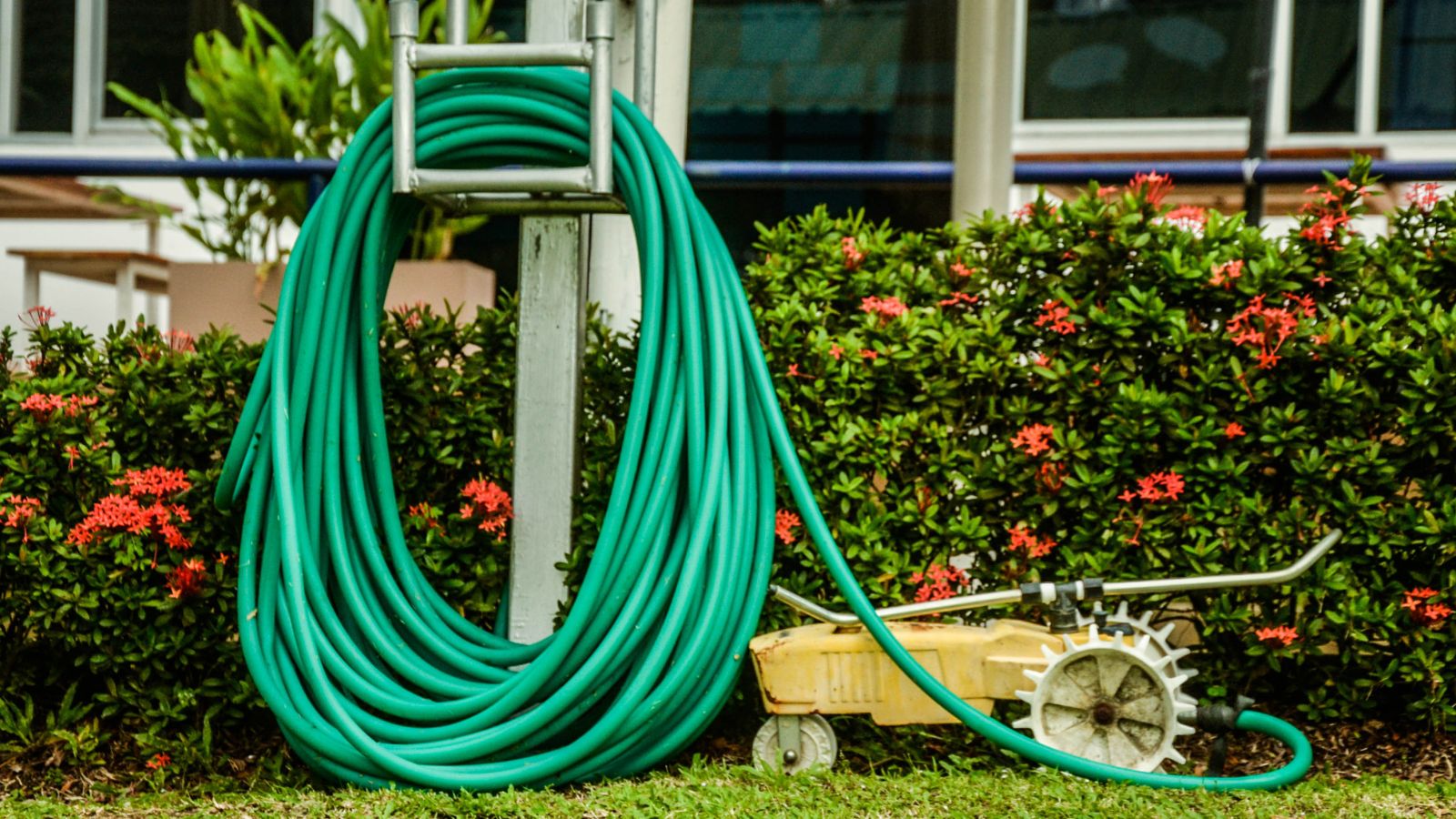
Few fall chores are easier to forget than disconnecting a hose after the final watering of the season. Unfortunately, an attached hose can retain water and interfere with proper drainage at an exterior faucet. In freezing conditions, trapped water creates pressure in plumbing components that were not meant to remain full through a Canadian winter.
Canadian cold-weather guidance from insurers and plumbing organizations consistently recommends disconnecting and draining hoses and protecting exterior water connections. Older seasonal guidance from CMHC also advised draining hoses and exterior hose connections before winter unless the installation is specifically designed to resist freezing. Frost-free equipment is not an excuse to leave accessories permanently attached because the installation still needs to drain as designed. The problem can be particularly sneaky: a damaged section of pipe may be inside a wall, meaning the homeowner does not immediately see a rupture. A two-minute autumn task can therefore prevent a surprisingly disruptive plumbing problem.
Forgetting to Winterize an Irrigation System

Underground irrigation is largely invisible once the lawn turns brown, which helps explain why winterization can slip off the fall to-do list. Yet water can remain in pipes, valves, fittings, backflow equipment and sprinkler heads after the final watering cycle. Freezing temperatures can damage components if the particular system has not been drained according to its design.
The Irrigation Association’s Canadian guidance recommends preparing irrigation systems before freezing weather and explains that winterization methods vary. Some systems use manual or automatic drains, while others may require a compressed-air procedure performed with suitable equipment and knowledge. That distinction matters because improperly using compressed air also creates hazards and can damage equipment. Homeowners should follow the system manufacturer’s instructions or use a qualified irrigation contractor. The unpleasant discovery usually occurs months later: the system is restarted in spring and cracked fittings, valves or heads begin leaking, revealing damage that actually occurred during winter.
Ignoring Pipes in Unheated Spaces
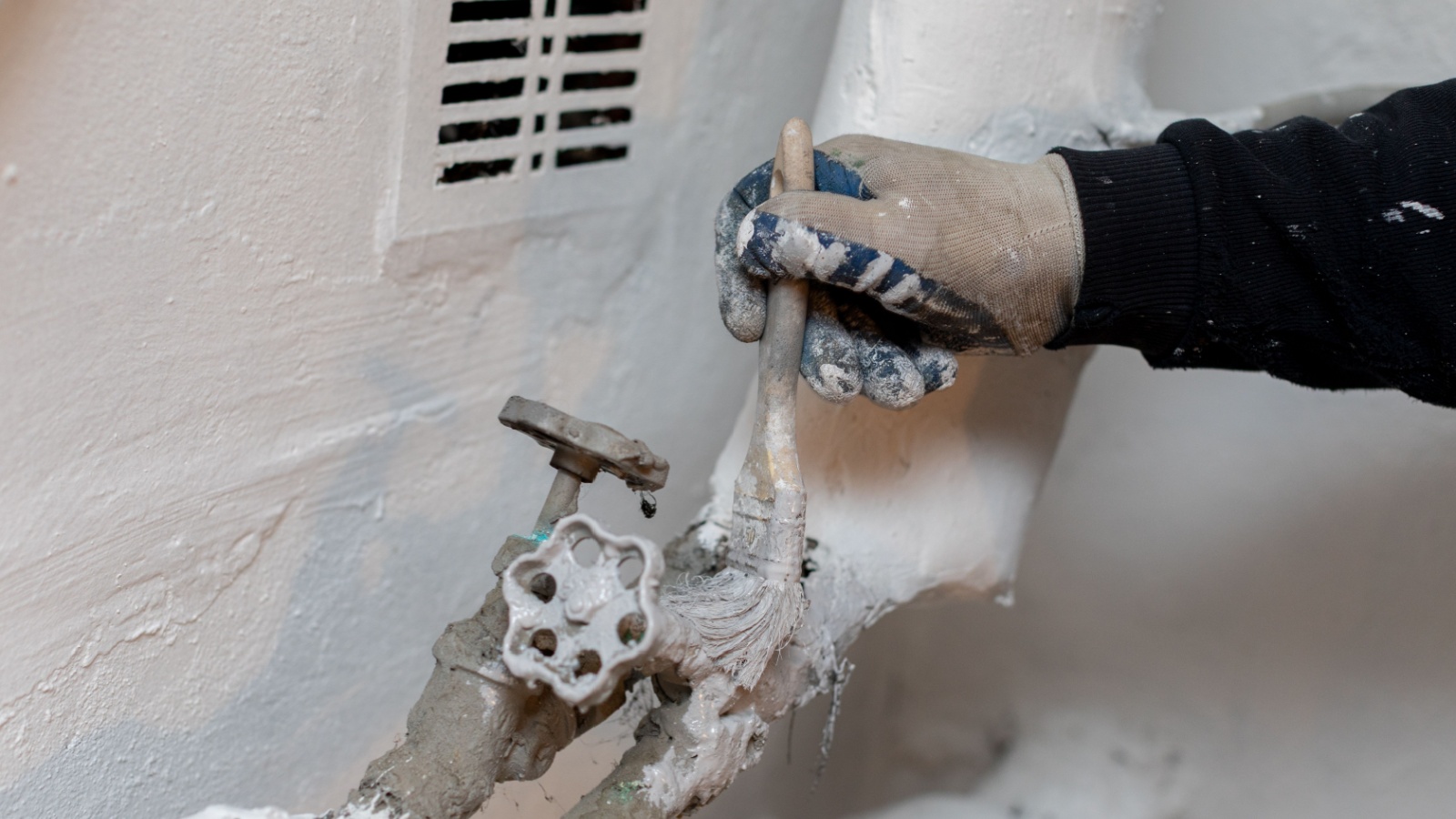
The pipes most likely to cause winter anxiety are not always outdoors. Plumbing routed through garages, crawlspaces, attics, poorly insulated utility areas or near exterior walls can encounter much colder conditions than the living space. A house can feel comfortably warm while a vulnerable pipe is only centimetres away from freezing air.
Canadian insurers advise paying special attention to plumbing in unheated areas and using appropriate pipe insulation where needed. Federal winter-storm guidance also warns that frozen pipes can burst because water expands when it freezes and recommends checking plumbing after extreme cold. Autumn is the practical time to identify exposed sections, drafts and missing insulation while access is still comfortable. Homeowners renovating older properties should be particularly cautious about pipes concealed in exterior walls. The fall mistake is assuming the thermostat protects every part of the plumbing system equally. Building cavities can experience very different temperatures from the room occupants actually feel.
Not Knowing Whether the Main Water Shutoff Works
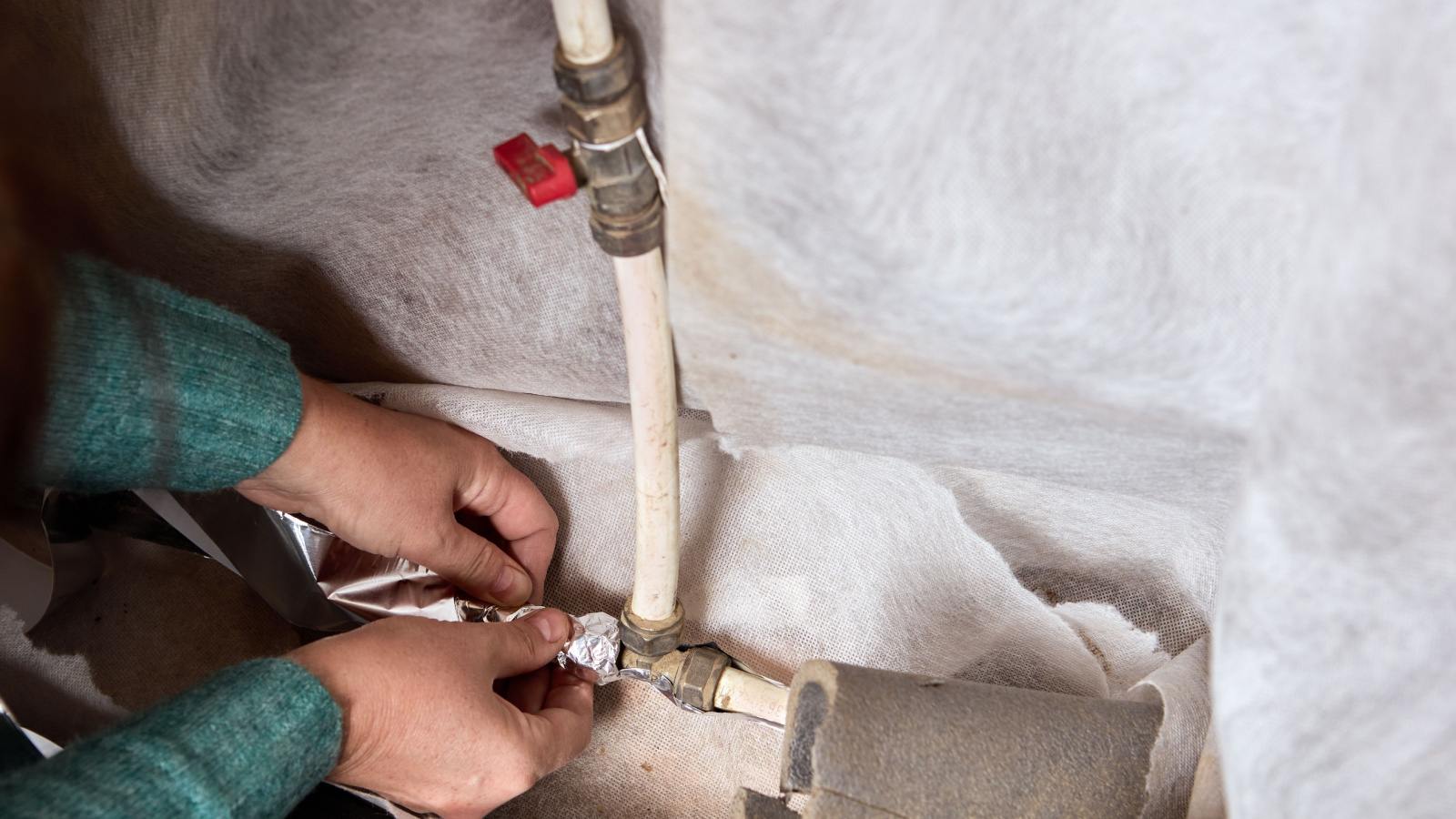
A burst pipe is a bad time to begin searching for the home’s main water shutoff. Yet many homeowners go years without touching the valve, particularly after moving into an older property. The handle may be hidden behind stored belongings, poorly labelled or difficult to operate. Federal power-outage guidance specifically recommends learning how to shut off a home’s water system.
The importance becomes obvious when a frozen pipe thaws and begins leaking. The faster the household can stop the flow, the easier it may be to limit water damage while waiting for professional help. Fall provides an opportunity to locate the valve, make sure household members know where it is and determine whether professional attention is needed if it appears seized or defective. No one should force an old or corroded valve and risk breaking it. The key is discovering a problem while the plumbing is functioning normally rather than during a freezing-night emergency.
Skipping Heating-System Maintenance

A furnace that ran normally last March may still have developed a problem by the time heating season returns. Dust, blocked filters, venting issues and mechanical wear do not conveniently announce themselves on the first cool evening. Once a prolonged cold spell begins, heating equipment may operate for far longer periods, turning a minor maintenance issue into a much more noticeable comfort or reliability problem.
Health Canada recommends keeping fuel-burning appliances well maintained and having them professionally inspected at least annually or according to manufacturer instructions. Its indoor-air guidance also emphasizes proper installation, maintenance and operation of furnaces and other combustion equipment. Filters should be checked and replaced according to the furnace and filter manufacturer’s recommendations rather than an arbitrary schedule that may not suit every system. Fall service is valuable because heating contractors can identify issues before the equipment is carrying its heaviest seasonal workload—and before a household is trying to arrange an emergency appointment on one of the coldest days of the year.
Forgetting About Exterior Exhaust Vents
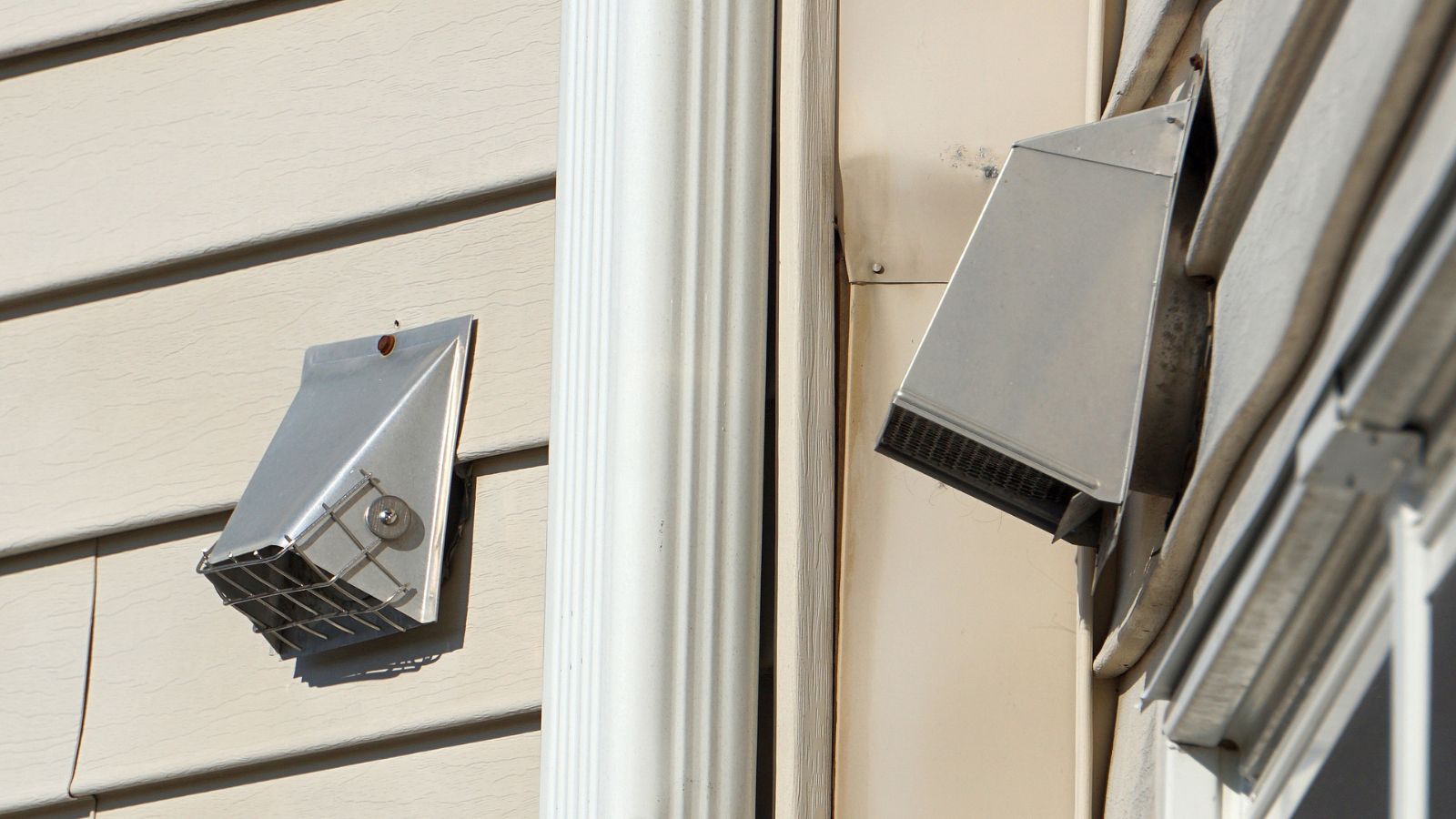
Exterior vents are easy to overlook because most of the equipment they serve is inside the house. Furnaces, dryers, fireplaces and other appliances may exhaust through openings relatively close to ground level. Once snow begins accumulating, a vent that was obvious in October can become hidden behind a drift or buried by snow thrown from a shovel or snowblower.
Health Canada advises inspecting appliance exhaust vents during and after snowstorms to make sure they are not blocked by snow, ice or debris. That is especially important for fuel-burning appliances because improper venting can contribute to dangerous carbon-monoxide conditions. Fall is a good time to locate every exterior vent, remove vegetation or debris around it and make sure the household knows which areas need to remain clear all winter. The preventable mistake is learning the vent’s location for the first time while digging through a metre-high snowbank during an emergency.
Using the Fireplace Without Checking the Chimney

The first truly cold evening often brings an urge to light the fireplace immediately. A chimney that has sat unused through spring and summer, however, can contain debris, animal nesting material or deposits from previous use. Fuel-burning systems also need a clear, properly functioning path for combustion gases to leave the building.
Health Canada recommends professional inspection of fuel-burning appliances and says wood-burning fireplace chimneys should be cleaned annually. Federal winter-preparedness guidance likewise advises cleaning chimneys and flues before severe cold. Frequency and service requirements can vary with the appliance, fuel, amount of use and local rules, so manufacturer guidance and qualified professionals remain important. The classic fall mistake is treating a fireplace as decorative until the moment heat is needed. A preseason check offers time to address a blockage, damaged component or venting concern before the fireplace becomes part of the household’s winter heating routine.
Failing to Test Smoke and Carbon-Monoxide Alarms
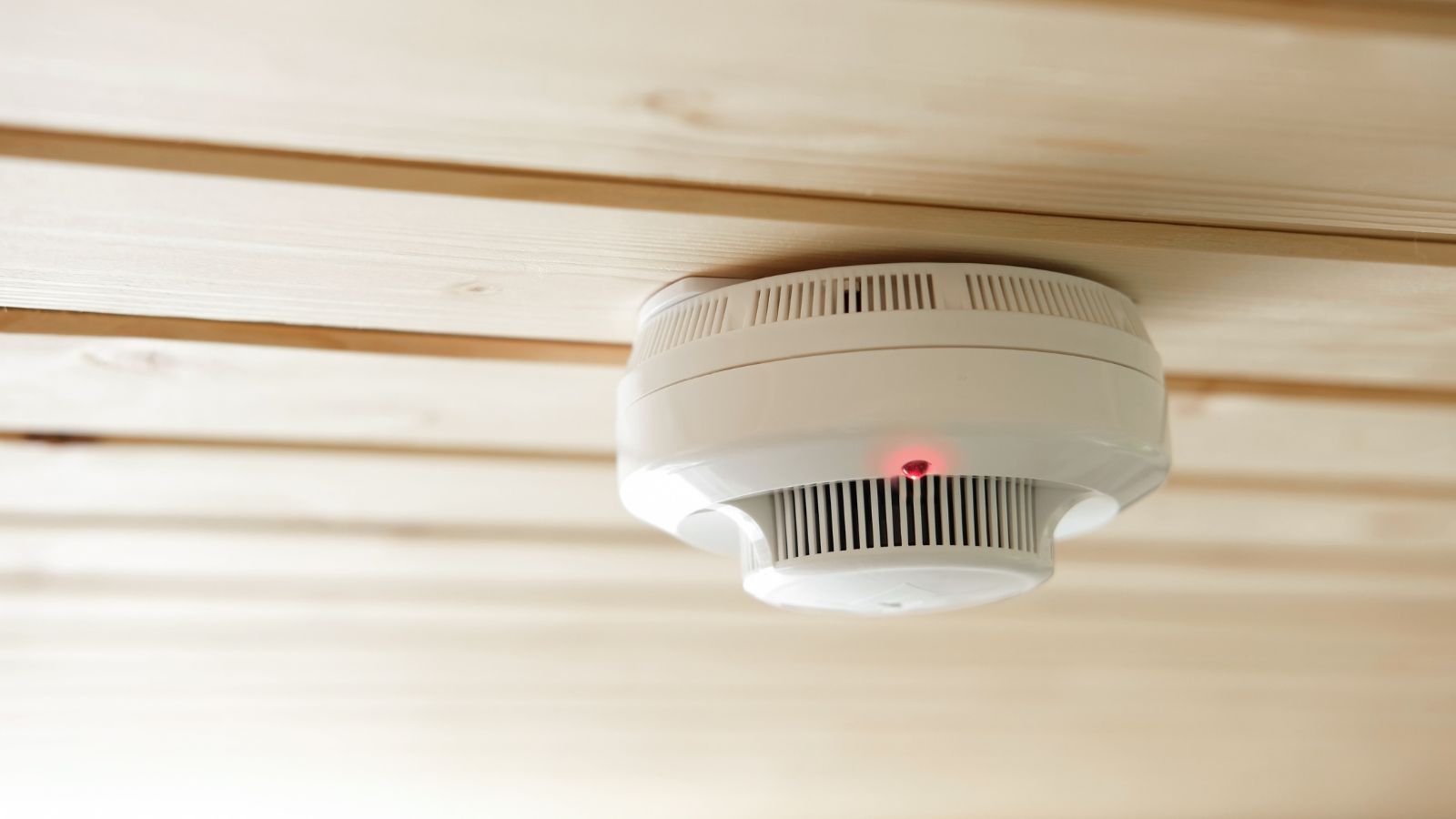
Alarms mounted quietly on ceilings and hallways are easy to treat as permanent fixtures rather than equipment that needs maintenance. Winter increases the use of furnaces, fireplaces and other heating appliances, making fall a logical time to confirm that safety devices work and have not reached their replacement dates.
Health Canada says carbon monoxide cannot be seen, smelled or tasted and recommends certified CO alarms, particularly near sleeping areas, while following manufacturer instructions for testing, batteries and replacement. Provincial and municipal fire authorities also advise routine smoke-alarm testing; Ontario, for example, recommends monthly testing and replacement according to applicable requirements and manufacturer instructions. Rules vary across provinces and housing types, so local fire-code requirements should always be checked. Discovering a dead alarm during a real emergency is the worst possible maintenance reminder. A simple test in fall is far preferable to assuming that a quiet device is a functioning one.
Living With Drafty Doors and Windows
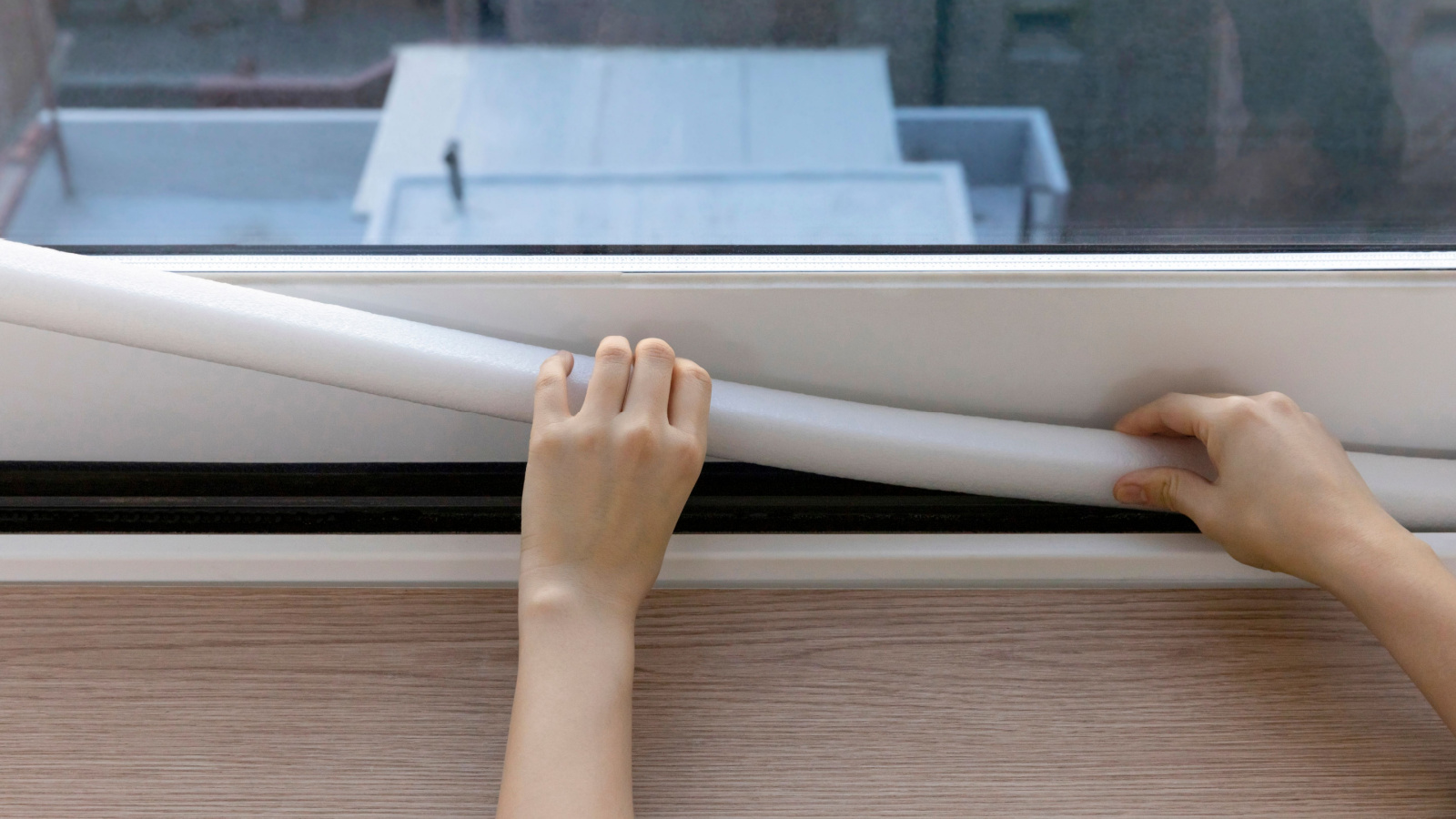
A small autumn draft can feel merely annoying when outdoor temperatures are still in the teens. At -20 C, the same leakage can make rooms uncomfortable and force the heating system to compensate. Air leakage can occur around doors, window frames, trim, service penetrations and numerous less obvious gaps in a building envelope.
Natural Resources Canada describes air-leakage control as a major component of improving home energy performance and recommends methods such as appropriate caulking, gaskets and weatherstripping. Federal winter-preparation advice also specifically mentions caulking and weather-stripping doors and windows. Autumn is well suited to checking deteriorated seals because windows and exterior doors remain accessible and many sealants have temperature requirements for application. The mistake is waiting until cold air is visibly moving curtains or frost has begun appearing around problem areas. A draft noticed during a mild October wind is useful information, not merely a seasonal nuisance.
Ignoring Attic Air Leaks and Insulation Problems

Attics can hide expensive winter problems because they are rarely visited during normal household routines. Warm, moisture-laden indoor air can escape through gaps around plumbing stacks, wiring, attic hatches, ducts and other penetrations. Natural Resources Canada notes that attic air leakage can contribute to heat loss and moisture problems even when insulation is already present.
A fall inspection can reveal wet or displaced insulation, staining, obvious gaps and signs of previous condensation. Homeowners should take care around electrical components, chimneys and potentially hazardous older insulation materials; some conditions require professional assessment rather than DIY work. Simply adding more insulation is not always the correct first step if air leakage or moisture is already present. Winter often exposes the problem through cold ceilings, frost in the attic, condensation or uneven roof snowmelt. By that point, the house has already provided evidence that its thermal envelope needs attention.
Missing the Warning Signs of Ice Dams
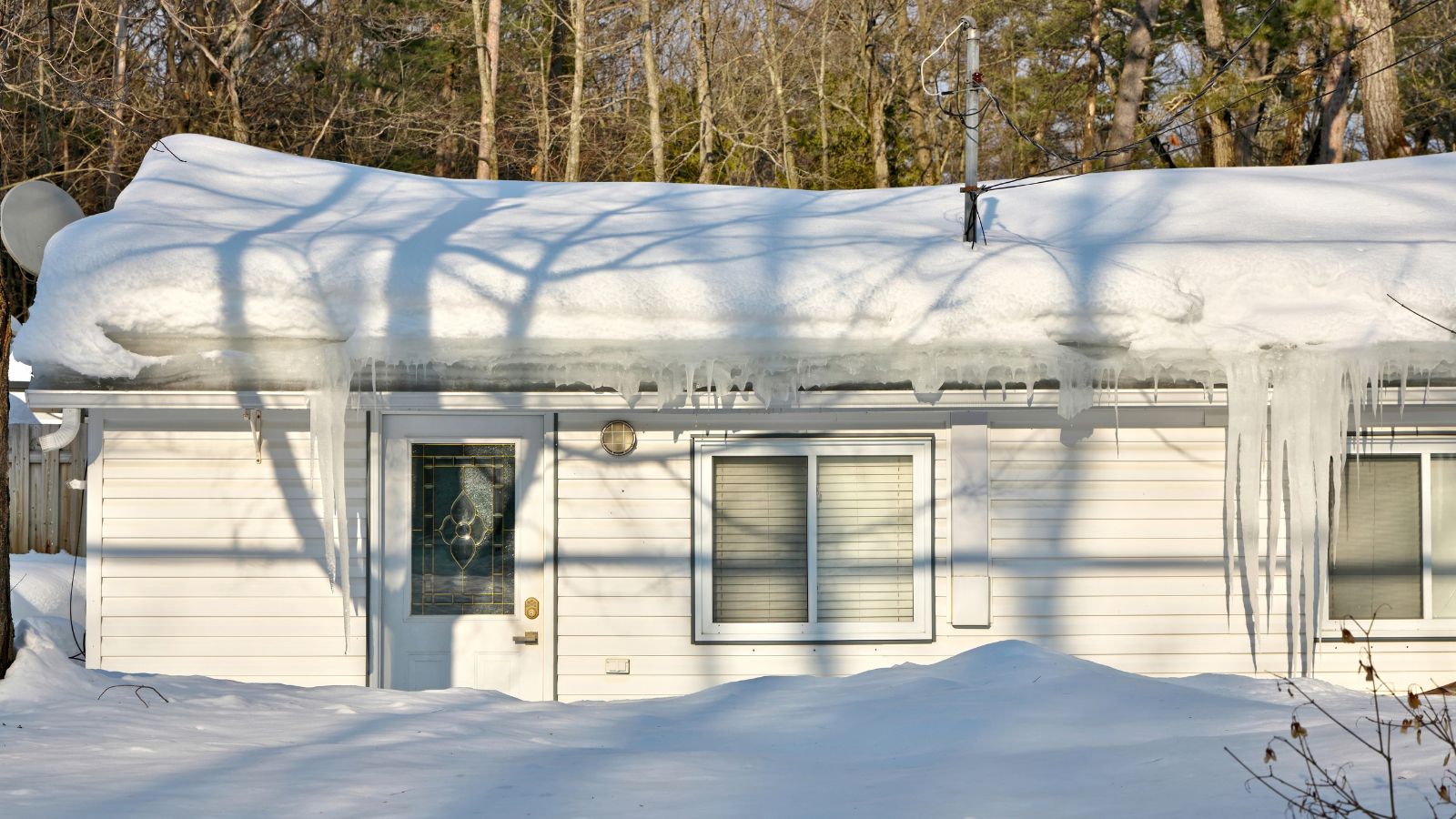
Ice dams often seem like a roofing problem that begins outside, but their underlying causes can include heat escaping into the attic. When parts of a snowy roof warm above freezing, meltwater can flow toward colder eaves and refreeze. Continued buildup can allow water to back up beneath roofing materials.
Natural Resources Canada explains that good attic air sealing, insulation and appropriate ventilation help keep the roof colder and reduce the conditions that contribute to ice damming. The agency also advises ensuring that attic vents are not blocked by insulation or debris. Autumn clues include past water staining, repeated icicles, uneven snowmelt from previous winters or visible problems around attic ventilation. Homeowners should not attempt dangerous roof work to investigate. A qualified contractor can evaluate complicated roof or attic conditions. The fall mistake is regarding last winter’s icicles as picturesque and forgetting them until the same moisture pathway develops again.
Assuming the Sump Pump Will Work When Needed
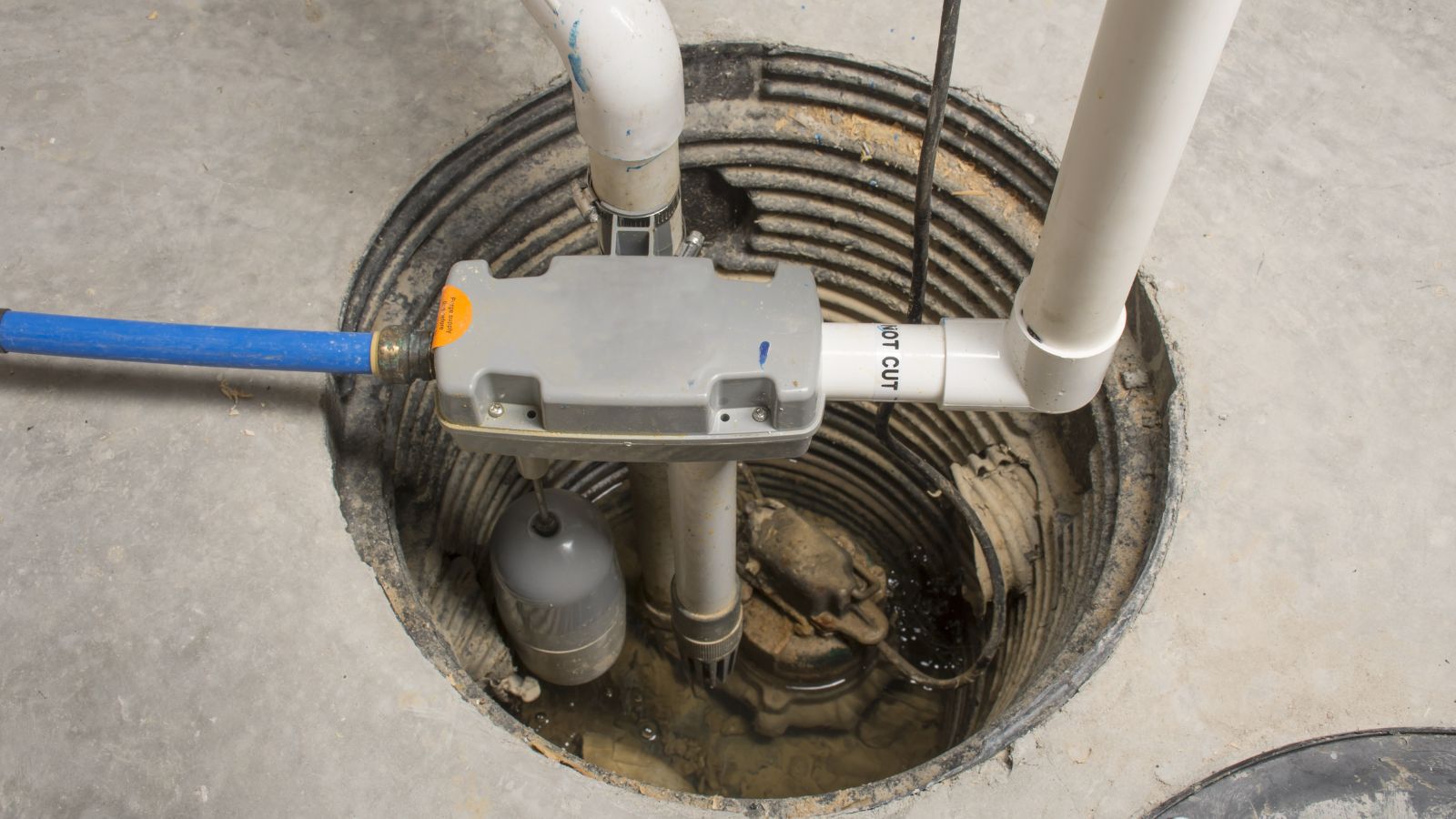
A sump pump can sit quietly for months, making it easy to assume that silence means reliability. The real test comes when rapid snowmelt, groundwater or heavy precipitation sends water into the sump pit. A seized float, blocked discharge, power failure or aging pump may not become obvious until the basement is already at risk.
The Government of Canada recommends a full sump-pump test annually and checking that the discharge route is unobstructed and sends water away from the foundation. It also recommends an alternate power source and backup pump because the primary unit cannot operate normally during an electrical outage. Some Canadian municipalities specifically encourage fall testing because the next major demand may come during spring thaw. Homeowners with sump systems can test and maintain them according to manufacturer instructions or call a professional when uncertain. Winter is the wrong season to discover that the home’s last line of drainage defence has not been exercised in years.
Neglecting Backwater Valves and Other Flood Protection
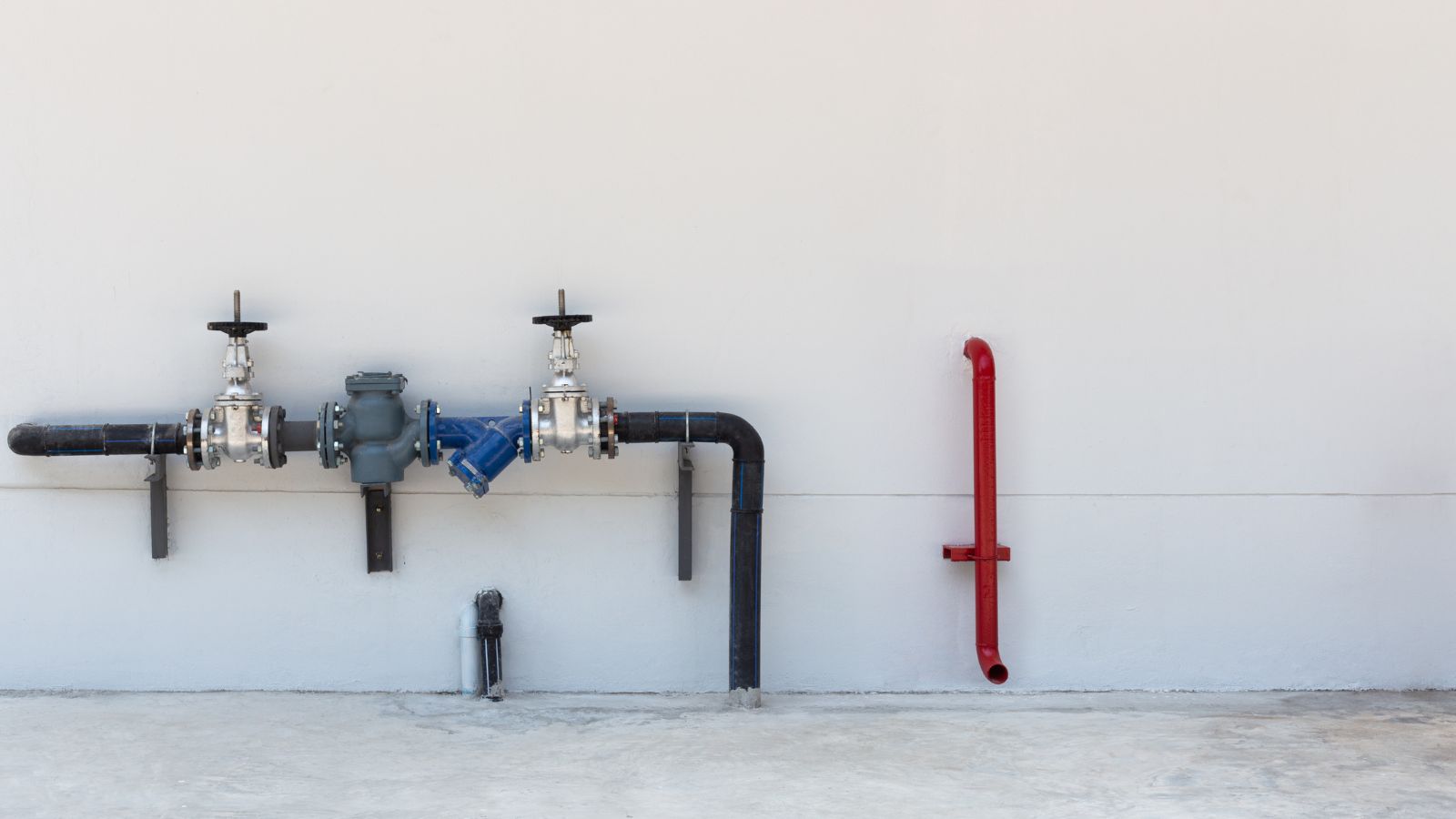
A backwater valve is another piece of infrastructure that may remain forgotten because it normally does nothing visible. Its purpose is to help prevent sewer flow from entering a home under certain backup conditions. Like other plumbing devices, however, it needs to remain accessible and maintained according to its design and local requirements.
Cities such as Toronto recommend regular inspection and maintenance of backwater valves and also encourage backup power for sump pumps as part of basement-flood protection. Requirements vary by municipality, and installation or alteration can require permits and qualified plumbing work. Fall is a useful time to identify what flood-protection equipment is actually present in a house rather than assuming previous owners installed it correctly or maintained it. Winter thaws and rain-on-snow events can place unexpected pressure on drainage systems. The mistake is discovering an inaccessible, dirty or malfunctioning protective device only after water starts moving in the wrong direction.
Leaving Dangerous Tree Limbs Until the First Storm
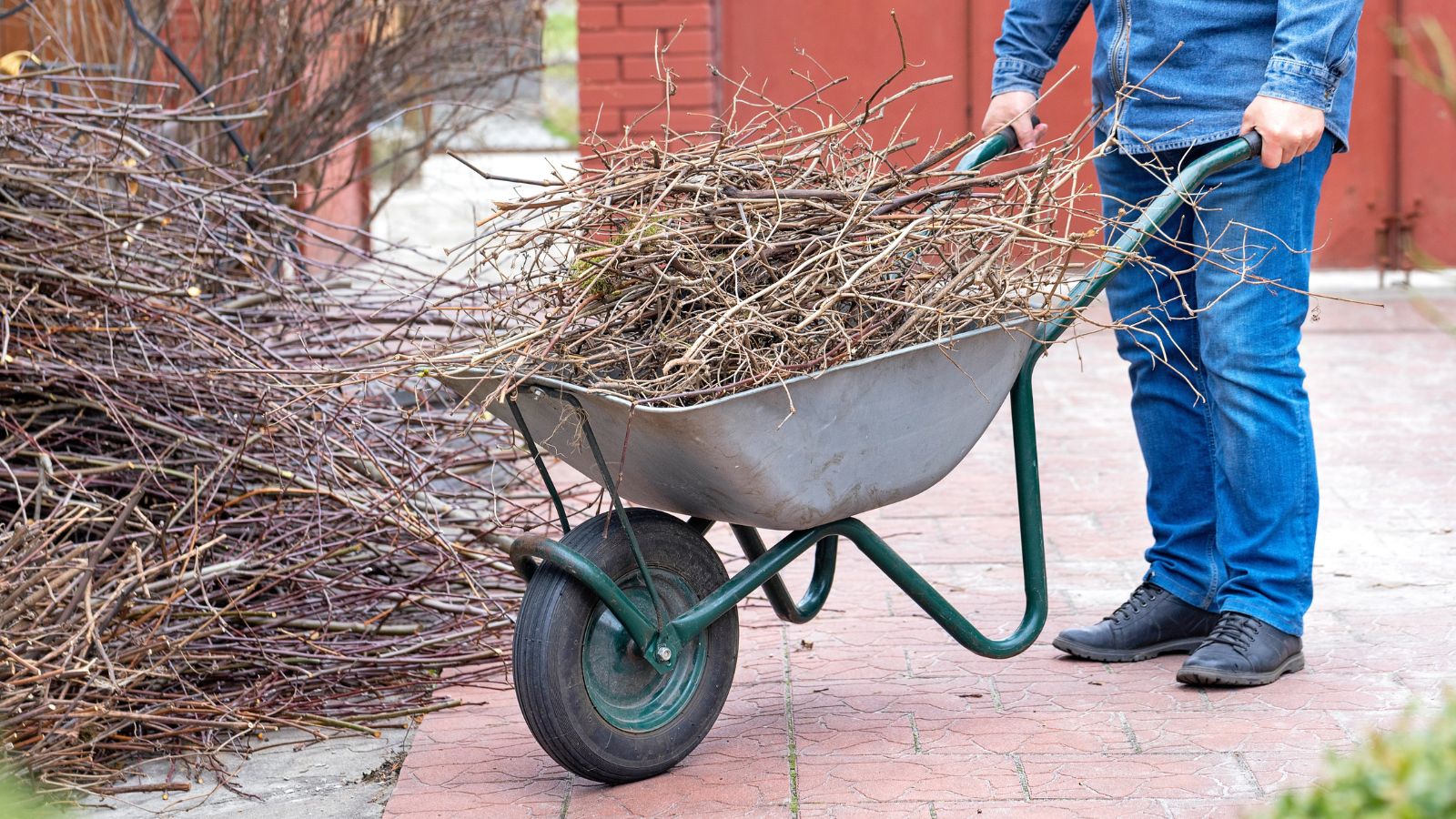
A dead or weakened branch may remain suspended over a roof, driveway or service line for months without incident. Snow, freezing rain and strong winter winds can change the equation quickly. Ice adds weight to branches, while wind can move trees far beyond what their calm-weather position suggests.
Hydro One warns that ice accumulation and wind can bring heavy branches down onto houses, vehicles and electrical lines. Utilities also emphasize that homeowners should not attempt pruning near energized power lines themselves; safe clearances and professional or utility involvement may be required. Fall is therefore a good time to look for dead wood, split branches or trees leaning toward vulnerable structures and arrange qualified help where necessary. The mistake is waiting for a branch to become urgent during a storm, when arborists, utilities and emergency crews may already be dealing with widespread damage and access may be much more difficult.
Waiting Until the First Storm to Find Winter Supplies
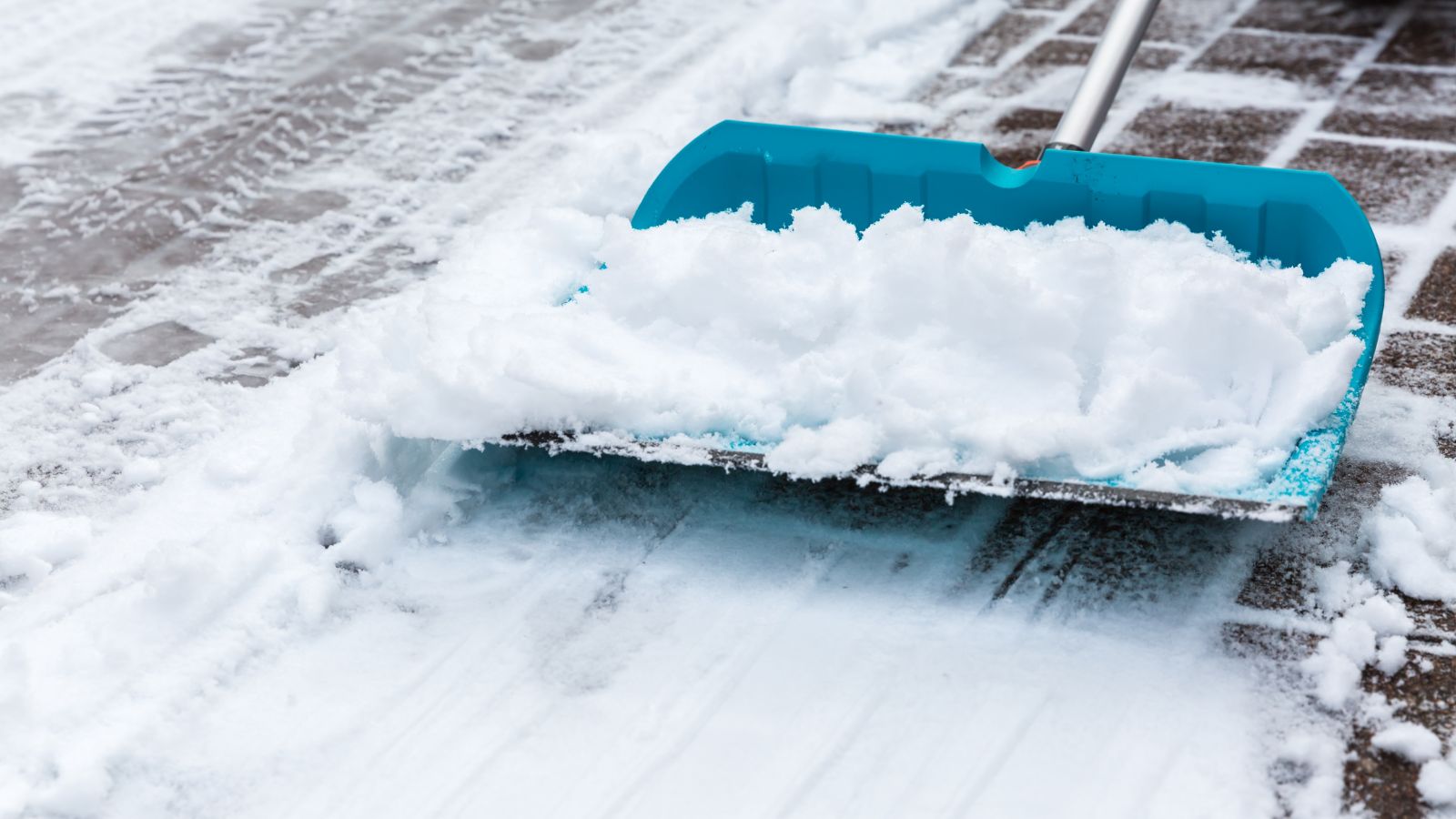
A snow shovel buried behind patio furniture is technically owned but not especially useful during a sudden storm. The same applies to ice melt, flashlights, batteries, blankets and emergency food scattered across the basement and garage. Severe Canadian winter weather can disrupt roads and electrical service, sometimes with little time for a last-minute shopping trip.
Federal emergency-preparedness guidance recommends keeping winter storm supplies readily accessible and maintaining a household emergency kit capable of supporting essential needs for at least 72 hours. Suggested items include water, non-perishable food, lighting, radio equipment, batteries, first-aid supplies and warm clothing tailored to household needs. Government guidance also specifically advises placing shovels, salt and snow-removal equipment where they can be reached easily. The final fall mistake is organizational rather than structural: owning everything needed but realizing, during darkness or heavy snow, that no one remembers where any of it was stored.
16 Costco Canada Habits That Could Be Costing Shoppers More Than They Save

The Executive Membership can feel like an obvious upgrade because the 2% annual reward sounds straightforward. For households that spend heavily at Costco Canada, the extra fee may be easy to justify. But the habit becomes costly when shoppers upgrade first and calculate later. A Gold Star Membership costs less, while Executive costs more and only pays off if eligible annual spending is high enough to offset the difference.
16 Costco Canada Habits That Could Be Costing Shoppers More Than They Save
