
Car ownership in Canada can look like a lifestyle choice until everyday geography enters the picture. Outside the most transit-rich neighbourhoods, getting to work, buying groceries, reaching medical care, managing school schedules, and visiting nearby communities can quickly become complicated without reliable access to a vehicle. Even within major metropolitan areas, the usefulness of transit can change sharply from one neighbourhood or work location to another.
That does not mean every Canadian household needs a car. Dense, walkable communities can make car-free living practical and attractive. Still, national transportation patterns reveal why millions of households continue absorbing the substantial cost of vehicle ownership. These 20 reasons show how commuting patterns, distance, family responsibilities, uneven transit access, winter conditions, employment geography, and basic errands can make a car feel considerably less optional than it first appears.
Most Canadian Commuting Is Still Built Around the Car

For all the attention paid to transit, cycling, and remote work, Canadian commuting remains heavily oriented toward private vehicles. Statistics Canada reported that 11 million of the country’s 13.1 million commuters in the 2021 Census travelled to work mainly by car, truck, or van. That represented 83.9% of commuters. Pandemic conditions affected those numbers, but later commuting data continued to show automobiles occupying a dominant position in many metropolitan areas.
That matters because transportation habits are partly shaped by infrastructure. A worker whose workplace has a large parking lot but sits far from rapid transit faces a very different calculation from someone employed beside a subway station. Moving to a car-free lifestyle may therefore require more than selling the vehicle; it can mean changing a job, residence, schedule, or all three. When millions of daily trips have developed around road access, owning a car starts looking less like an indulgence and more like an adaptation to how communities were built.
Rural Canada Often Has No Comparable Transit Alternative
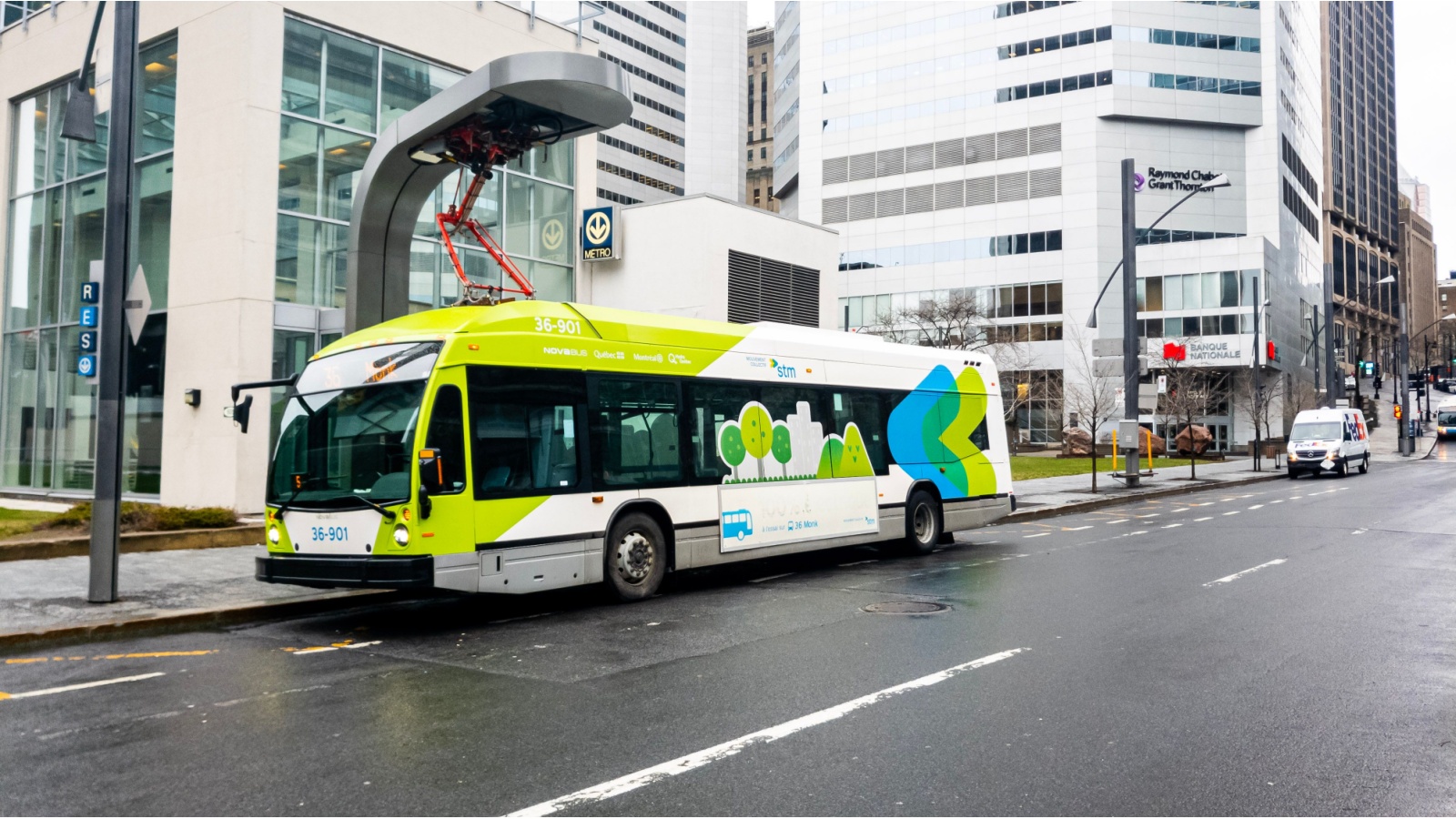
The urban Canadian experience can obscure just how different transportation becomes beyond major population centres. Millions of Canadians live in rural areas, where communities are spread farther apart and population density often cannot support frequent fixed-route transit. Statistics Canada has explicitly noted that car commuting is much more prevalent in rural and small-town Canada because public transit is often unavailable.
Consider the practical consequences of that sentence. A household may live 15 kilometres from the nearest supermarket, 30 kilometres from a workplace, and considerably farther from a specialist medical appointment. Walking and cycling are unrealistic for many of those journeys, while taxis or ride-hailing services may be limited or expensive. Even when a regional bus exists, its timetable may not match an eight-hour shift or a medical appointment. In such places, choosing not to own a vehicle can mean depending heavily on relatives, neighbours, community transportation programs, or occasional rentals simply to complete ordinary tasks.
Smaller Cities Can Have Surprisingly Uneven Transit Access
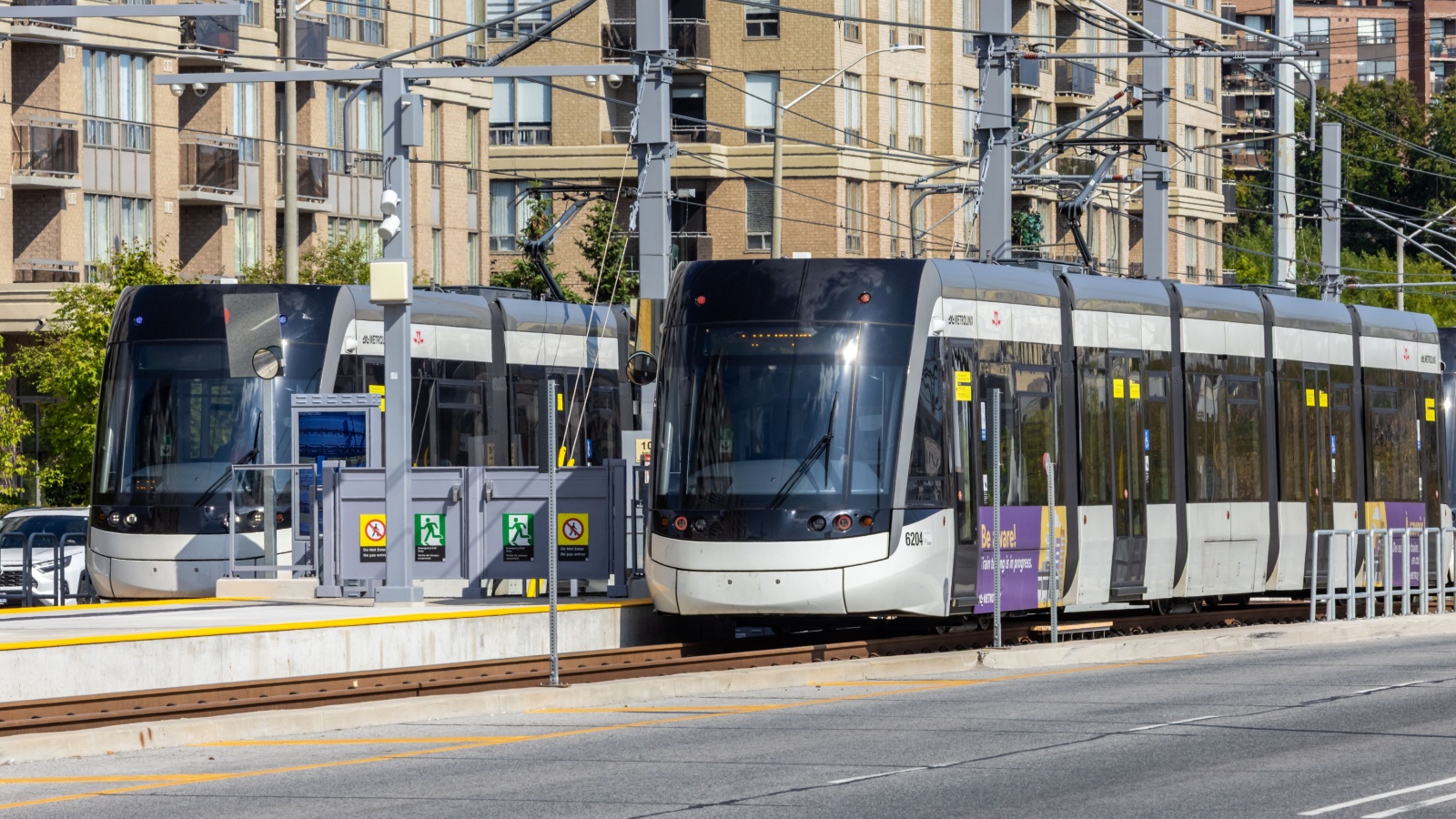
Living inside a census metropolitan area does not automatically mean living somewhere with convenient transit. Statistics Canada found substantial differences in access between Canadian urban regions. Among census metropolitan areas with fewer than 500,000 residents, convenient access to public transportation generally ranged from roughly 37% to 79%, although some communities performed considerably better.
The differences become more meaningful at household level. Statistics Canada estimated convenient transit access at about 50% in Windsor and 62% in Oshawa in its 2023 analysis, while cities such as Victoria and Regina scored considerably higher. Someone can therefore live in what clearly feels like a city and still discover that getting across town requires several connections, long walks, or infrequent buses. A vehicle becomes particularly valuable when home, work, shopping, and recreation sit on different transit corridors. Canadian car dependence is consequently not just a rural-versus-urban story. It can vary dramatically between neighbourhoods within broadly similar-sized cities.
Taking Transit Can Require Much More Time
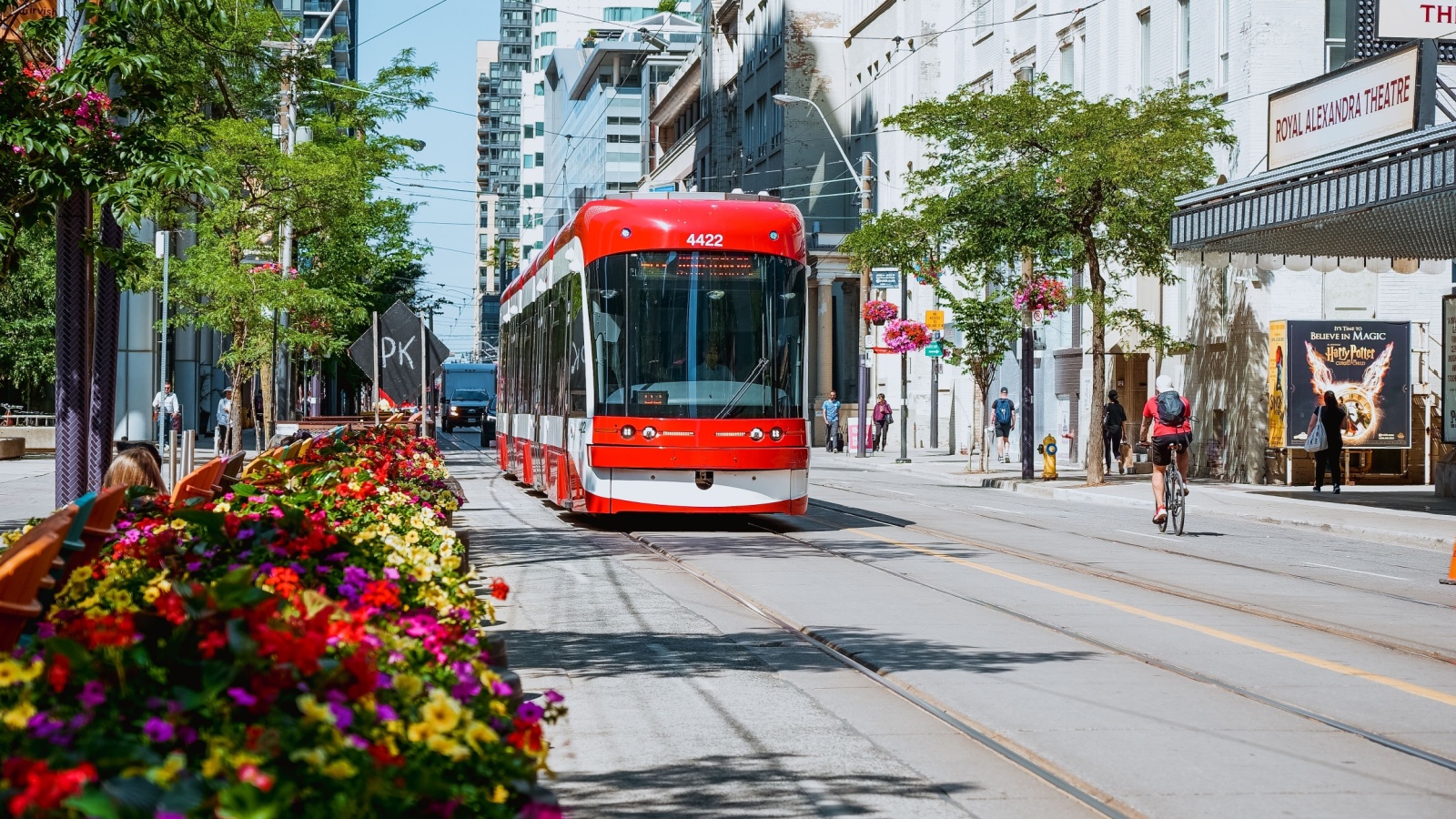
Cost is only one transportation calculation. Time matters too, especially when a commute occurs twice a day, five days a week. Statistics Canada reported that in May 2024, workers commuting by car, truck, or van averaged 24.6 minutes each way. Public-transit commuters averaged 43.1 minutes. Those are national averages rather than a guarantee about any particular trip, but the difference illustrates why households may resist giving up a vehicle.
An extra 15 or 20 minutes each way can become several hours over a working week. Add daycare pickup deadlines, evening classes, grocery shopping, or a second job and those minutes become increasingly valuable. Transit can still be cheaper and more relaxing when routes line up well, particularly in dense urban cores. Yet for a commuter making two transfers and waiting outdoors between them, driving may provide something beyond convenience: usable time. That time advantage can become one of the strongest hidden forces keeping a vehicle in the driveway.
Cheaper Housing Can Come With Higher Transportation Costs

A lower-priced home is not always located where transportation is cheapest. Statistics Canada has developed a Housing and Transportation Cost Index specifically to examine this connection, recognizing that the cost of a home’s location includes more than the mortgage or rent. Where households live affects how far they must travel and how easily they can reach employment and services without a private vehicle.
This creates a familiar Canadian trade-off. A household priced out of a central neighbourhood may find a more manageable townhouse or detached home farther from the urban core. The housing payment may improve, but suddenly two adults are travelling longer distances, transit requires transfers, and shopping is spread across several commercial areas. The family may even need a second vehicle. What looked like cheaper housing can therefore bring larger fuel, insurance, maintenance, and depreciation costs. Car dependence is partly a transportation issue, but it can also be a side effect of the housing choices households can realistically afford.
The Nearest Grocery Store Is Not Always Conveniently Reachable

Buying groceries sounds like the kind of routine trip that should not require a vehicle, but access varies significantly across Canada. Statistics Canada’s spatial-access work found that about one-third of Canadians did not have a grocery store reachable within 15 minutes by public transit. Around three in ten also could not reach one within 15 minutes on foot.
Distance becomes even more important once grocery bags enter the equation. A healthy adult might comfortably walk to a store, yet carrying several days of milk, produce, canned goods, detergent, pet food, and other heavy items home creates a different challenge. Families buying for four or five people face an even larger load. Winter snow and summer heat can add another layer of difficulty. Grocery delivery helps some households, but fees, service boundaries, and scheduling can limit its usefulness. A car turns a potentially complicated expedition into one stop on the way home, which helps explain why ownership can become embedded in ordinary household routines.
Parents Rarely Have Just One Destination

Family transportation is often less about travelling from home to work than linking several destinations together. Statistics Canada research has long identified the complexity facing parents who combine commuting with daycare and children’s activities. Its 2026 Canadian Survey on Everyday Travel even uses the example of dropping children at school and then continuing to work as two separate trips, reflecting the way household travel actually unfolds.
A parent’s morning might involve daycare at 7:45, an office at 8:30, a pharmacy after work, pickup before 5:30, and hockey practice at 6:15. Each destination may be perfectly reachable by transit on its own. Linking all five on a strict schedule can be another matter entirely. This is where the car’s perceived value becomes difficult to measure solely in kilometres or fuel costs. It provides scheduling flexibility. For households balancing two working adults, children at different schools, appointments, and extracurricular activities, that flexibility can become the reason the vehicle stays.
Medical Care Can Require Serious Travel Outside Major Centres

Accessing healthcare does not always mean travelling to a neighbourhood clinic. The Canadian Institute for Health Information has documented a significant travel burden for patients who need hospital care, particularly in rural and remote communities. Its analysis found that roughly one in four hospitalizations involving people from rural or remote areas carried a high or very high travel burden. Across Canada overall, the figure was about one in eleven.
Specialized services can require even longer journeys. A patient may need to leave a small community for diagnostic imaging, surgery, cancer treatment, or another specialist service located in a regional centre. Public transportation between those locations may be limited, particularly when appointments begin early or end unpredictably. Family members may also need to accompany the patient. A vehicle cannot solve Canada’s healthcare-access challenges, but having one can make geographically distant care easier to reach. For affected households, transportation becomes part of healthcare planning rather than simply another monthly expense.
Aging in Place Depends Heavily on Transportation

Many Canadians hope to remain in their homes as they grow older, yet transportation can become one of the biggest practical obstacles. Earlier Statistics Canada research on seniors found driving to be the principal way many older adults got around, particularly among younger seniors. The agency has also highlighted the difficulty that can arise when someone living independently becomes unable to drive and has few alternative transportation options nearby.
The consequences extend beyond getting to medical appointments. Independence can mean reaching a supermarket, pharmacy, bank, community centre, friend’s home, or family gathering without needing someone else to provide a ride. Dense neighbourhoods with accessible transit can make that transition much easier. Rural communities and automobile-oriented suburbs may not. This creates a difficult contradiction: an older Canadian may want to stop driving for safety or health reasons while living in a community designed around driving. For many households, access to a car therefore becomes closely connected to the broader question of whether independent living remains practical.
Accessible Transit Still Does Not Solve Every Mobility Need
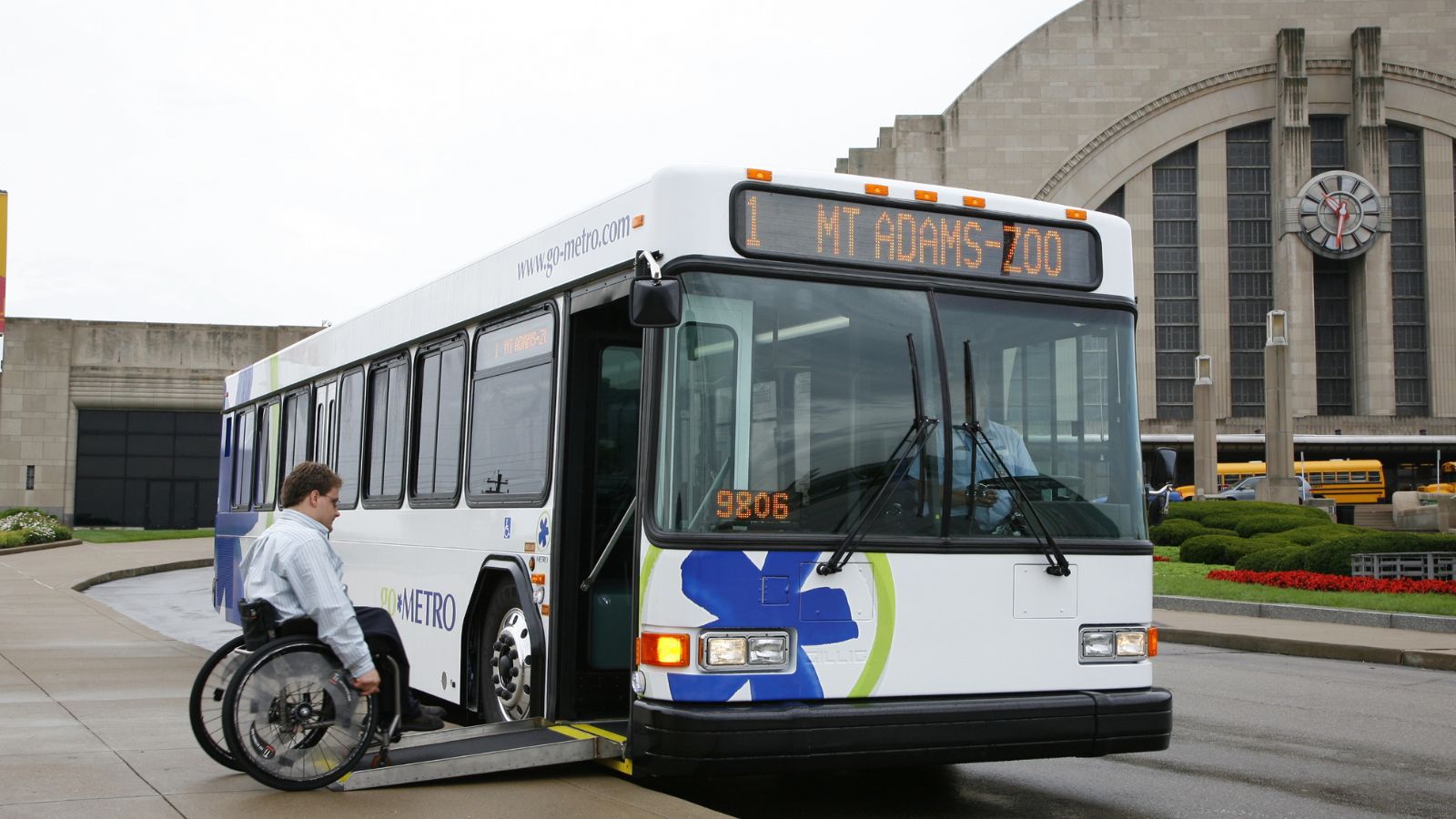
Public transit can provide essential independence for people with disabilities, but accessibility is not uniform across communities or individual needs. Statistics Canada tracks barriers such as inaccessible stations, missing ramps, and inadequate passenger information. Specialized transit services also operate in many communities, although availability and capacity vary. The number of specialized transit vehicles reported nationally increased from 2,231 in 2020 to 2,350 in 2022.
For some people, those services work extremely well. Others may face advance-booking requirements, service boundaries, long trip windows, or destinations that conventional transit does not conveniently reach. A private vehicle—sometimes modified for accessibility and sometimes driven by a family member or caregiver—can therefore become an important mobility tool. That should not be interpreted as a substitute for accessible public transportation. Rather, it illustrates why a theoretical bus route nearby does not automatically make car ownership optional for every household. Individual mobility requirements can change the transportation equation completely.
Many Jobs Do Not Sit Beside Convenient Transit Stops

Discussion about commuting often imagines a predictable journey from a residential neighbourhood to a downtown office tower. Canada’s labour market is much more complicated. Construction workers, repair technicians, health-care employees, industrial workers, tradespeople, and employees with changing work locations may travel to places that were never designed around commuter transit. Statistics Canada has documented substantial commuting differences between occupations and among workers without fixed workplace locations.
A tradesperson might be at a suburban construction site Monday, an industrial property Tuesday, and another municipality Wednesday. Carrying tools or equipment makes the problem harder. Likewise, distribution centres, factories, hospitals, and commercial parks may operate around the clock but sit on the edge of metropolitan areas. Transit networks typically perform best where passenger demand is concentrated along predictable corridors. Employment is not always arranged that way. For workers whose job location moves—or simply sits far from frequent transit—a personal vehicle can become part of the practical equipment required to stay employed.
Remote Work Did Not Eliminate the Need to Commute

The pandemic proved that millions of jobs could be performed from home, but it did not turn Canada into a permanently remote economy. Statistics Canada estimated that 20.1% of Canadians usually worked most of their hours from home in May 2023. Subsequent data showed the number of commuters increasing as more workers returned to workplaces or settled into hybrid arrangements.
Hybrid work can actually create a peculiar transportation problem. Someone commuting only two or three days per week may find a monthly transit pass less attractive while still needing reliable transportation on office days. Meanwhile, jobs in retail, manufacturing, construction, healthcare, hospitality, education, and countless other sectors generally require a physical presence. A nurse cannot treat a hospital patient from a home office, and a mechanic cannot remotely repair a customer’s vehicle. Remote work has reduced commuting for part of the labour force, but it has not removed the geographic link between home and workplace for millions of Canadians.
Canada’s Transit Resources Are Concentrated in Larger Urban Areas
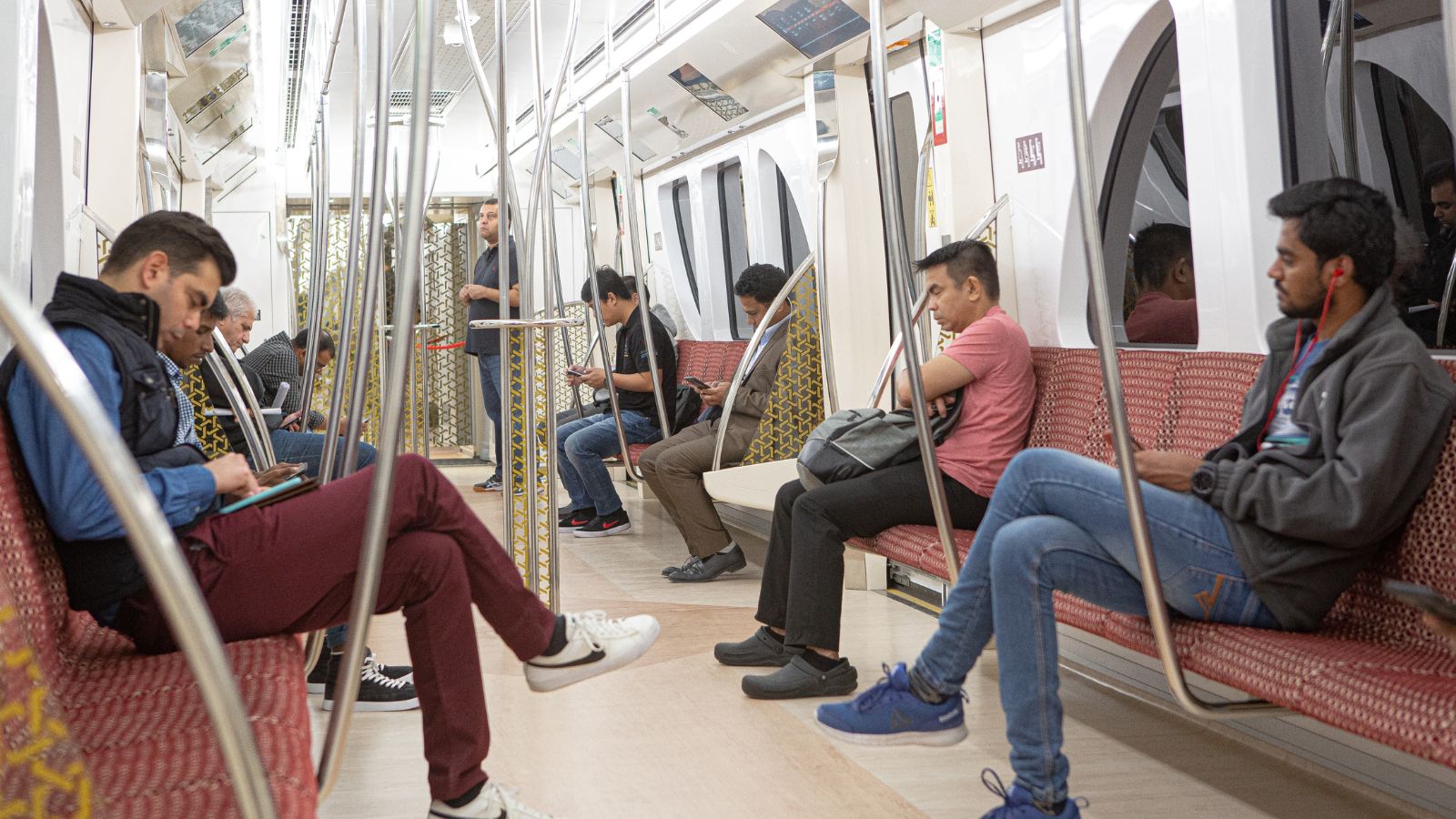
Canada possesses extensive transit networks in several major cities, but those systems are not evenly distributed. Statistics Canada’s infrastructure data showed that larger urban municipalities—those with populations of at least 30,000 in the referenced infrastructure study—owned about 80% of Canada’s public-transit rolling stock in 2020. Other Statistics Canada work has similarly shown substantially lower convenient transit access in many smaller metropolitan areas.
This concentration produces very different versions of Canadian life. Someone living close to Toronto’s subway, Montréal’s Métro, Vancouver’s rapid-transit network, or another strong urban corridor may comfortably organize daily life without a vehicle. Move farther from the core and the calculation can change rapidly. Bus frequency drops, transfers increase, and destinations become more dispersed. National conversations about whether cars are necessary can therefore produce completely different answers depending on postal code. Both experiences are legitimate: car-free living can be straightforward in one neighbourhood and logistically exhausting only a few dozen kilometres away.
Intercity Bus Gaps Make Regional Travel Harder
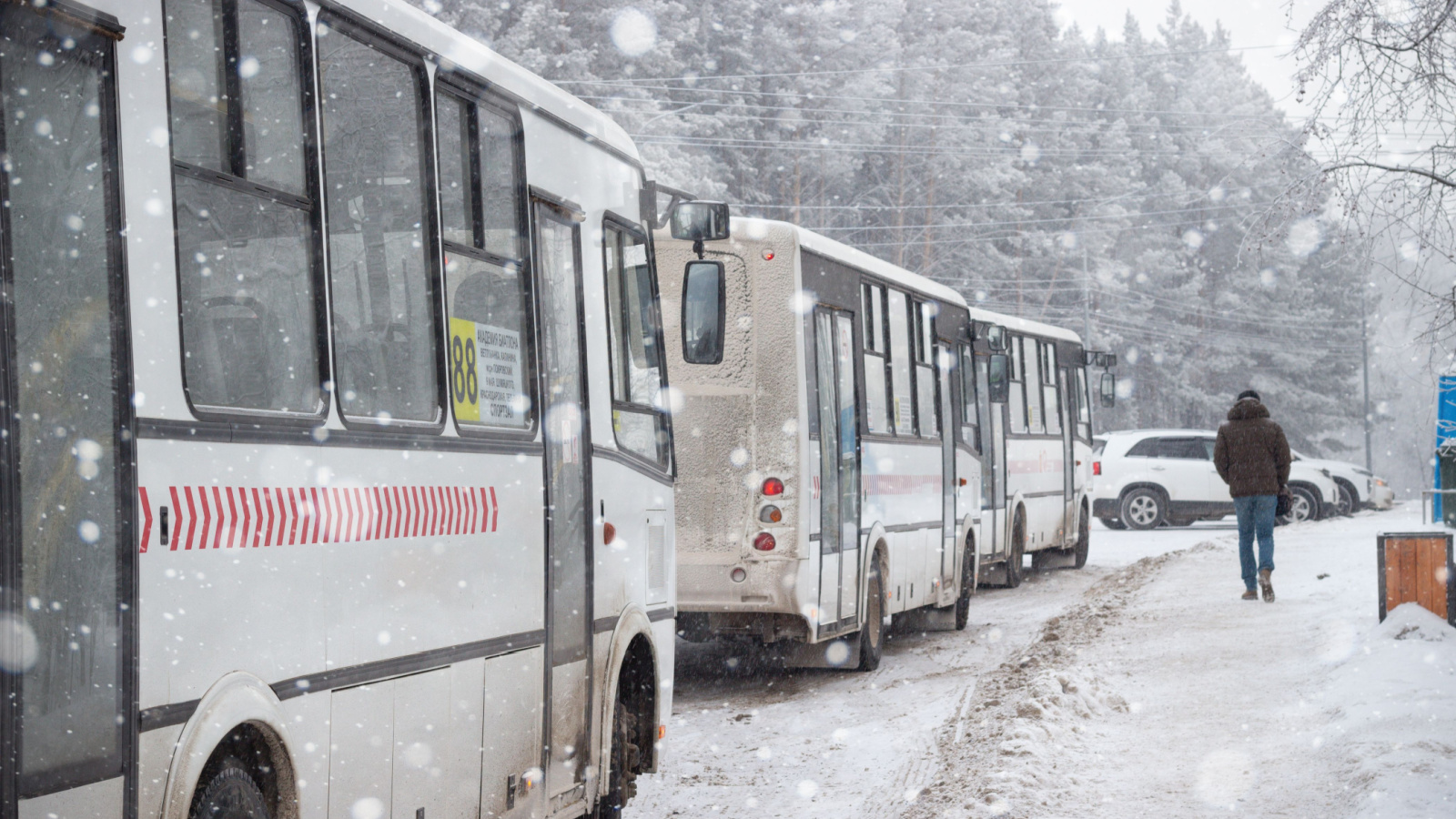
Going without a car becomes particularly complicated when the destination lies outside the local transit system. Transport Canada notes that Greyhound ended its domestic routes west of Sudbury in 2018 and discontinued its remaining Canadian services in 2021. Other operators entered parts of the market, but the department has acknowledged that gaps remain, particularly in smaller communities where passenger volumes are low.
The impact becomes obvious when someone needs to reach the next town rather than the other side of the city. Visiting an aging parent, attending a college campus, reaching an airport, getting to a medical appointment, or starting a job in a nearby municipality may require transportation that simply does not run at the necessary time. Rail serves selected corridors, while flights are generally unsuitable for short regional trips. Where intercity bus connections are thin, personal vehicles fill the gap. The result is a distinctly Canadian transportation problem: local transit may exist at both ends of a journey, yet there may be no convenient connection between them.
Winter Does Not Pause Everyday Travel

Canadian winter adds another layer to transportation planning. Transport Canada maintains detailed winter-driving guidance covering snow and ice, trip planning, tire condition, visibility, emergency supplies, and safe driving practices. The department notes that winter tires retain their elasticity and grip at lower temperatures, reflecting the reality that road travel continues through conditions that can be challenging for any mode of transportation.
A snowstorm does not automatically cancel a hospital shift, childcare pickup, grocery run, or family responsibility. For households already dependent on road travel, the response is often to prepare the vehicle rather than eliminate it. That comes with additional costs—winter tires, maintenance, washer fluid, batteries, and sometimes emergency equipment—but the need to travel remains. Walking, cycling, and waiting for buses can also become less appealing during extreme cold or heavy snow. Ironically, Canadian winter can make vehicle ownership more burdensome while simultaneously making households more reluctant to give up the flexibility that a properly prepared car provides.
Recreation and Domestic Travel Are Often Car-Based Too

A vehicle’s usefulness usually extends beyond work and errands. Statistics Canada’s National Travel Survey data show that a majority of trips Canadians take within Canada are made by car. That includes journeys connected with vacations, visiting friends and relatives, recreation, and other personal travel. The country’s tourism geography—spread across cities, small towns, cottages, campgrounds, parks, and rural destinations—helps explain why road transportation remains so prominent.
For a household in an urban neighbourhood, daily commuting might be manageable without a vehicle while weekend life is considerably harder. A campground, ski hill, cottage, hiking trail, children’s tournament, or relative’s home may have little or no practical public transportation. Car-sharing and rentals can work well for occasional trips, particularly for people who drive infrequently. But as those trips become more regular, repeated rentals introduce their own cost and scheduling considerations. Owning a vehicle can consequently feel unnecessary from Monday through Friday yet almost indispensable once weekends, holidays, and family visits enter the picture.
Transportation Determines How Many Jobs Are Realistically Reachable

A job may technically exist within a metropolitan area without being realistically accessible to every resident. Statistics Canada’s spatial-access research specifically measures how many employment opportunities people can reach by public transit within defined travel times. The agency cites previous Canadian research finding that some low-income households in major cities live in areas with limited access to employment by transit.
This is an important distinction. Looking at a map, an industrial district 20 kilometres away might appear reasonably close. If reaching it requires a bus, another bus, a long walk, and a schedule that does not operate before an early shift, the job effectively becomes much farther away. A car changes the radius within which employment can be considered, particularly for workers living outside rapid-transit corridors. That does not mean expanding automobile dependence is the ideal policy solution. Better land-use planning and transit can improve job access. For an individual making today’s employment decision, however, transportation options are constrained by the network that already exists.
A Household Vehicle Usually Does Far More Than Commute

Statistics Canada’s newest everyday-travel work treats vehicle access broadly, asking Canadians about vehicles available for commuting, errands, or leisure. That reflects how cars function in real households. The same vehicle can be used for work in the morning, groceries after work, a medical appointment the next day, and a family trip on the weekend. Its value therefore cannot be judged solely by the cost of replacing one commute.
The sheer scale of Canada’s vehicle fleet reinforces that point. Statistics Canada counted 26.8 million registered road motor vehicles in 2024, including 24.6 million light-duty vehicles. Those figures do not prove that every registration is essential, but they demonstrate how deeply road transportation is embedded in Canadian mobility. Once a household organizes several parts of life around one vehicle, abandoning it requires replacing several functions simultaneously. Transit might solve the commute, delivery might solve groceries, and a rental might solve vacations—but combining all those alternatives can be more complicated than simply keeping the car.
Many Households Need to Coordinate More Than One Driver
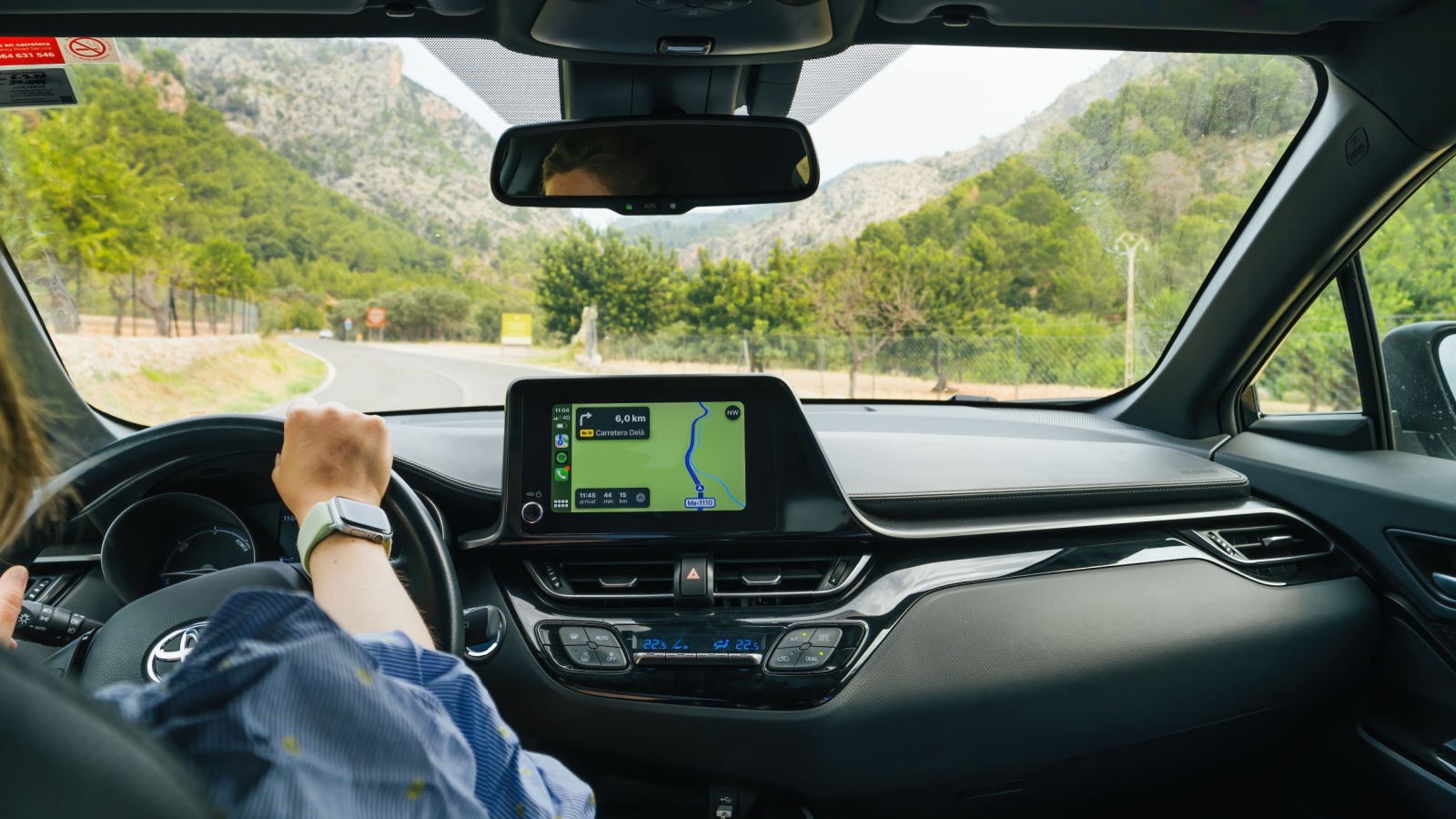
Canadian households do not necessarily organize their days around a single synchronized schedule. Statistics Canada estimated in a 2025 analysis that households own roughly 1.5 vehicles on average in most provinces, although the precise average varies geographically. That helps explain why debates about becoming a one-car household can be almost as significant as debates about becoming completely car-free.
Imagine two adults leaving for different workplaces, one child needing an early school drop-off, another finishing an activity at 8 p.m., and an appointment scheduled across town. One vehicle may handle those demands only if everyone rearranges schedules or someone regularly uses another transportation option. In transit-rich communities, that compromise can be straightforward. In automobile-oriented areas, the second vehicle can become the mechanism that lets two adults maintain independent work and caregiving schedules. The extra car is expensive and may sit unused for much of the day, yet households may judge its scheduling flexibility worth the financial burden.
Canadians Keep Paying High Transportation Costs Because the Alternatives Are Not Always Practical

Vehicle dependence would be easier to dismiss if driving were inexpensive. It is not. Statistics Canada’s Survey of Household Spending found average Canadian household transportation spending of $12,090 in 2023, up 19.7% from 2021. Private transportation accounted for most transportation spending in the agency’s household expenditure data. Fuel, insurance, maintenance, financing, depreciation, parking, tires, and repairs can turn a seemingly manageable monthly payment into a major household expense.
Yet Canada still recorded 26.8 million registered road vehicles in 2024. That combination—high costs alongside widespread ownership—captures the central issue. Many households are not necessarily keeping vehicles because driving is cheap or because every trip is enjoyable. They are paying because the car connects pieces of life that can be difficult to connect otherwise. Better transit, denser communities, safer active transportation, improved intercity service, and closer access to essential services can make vehicle ownership more optional. Until those alternatives work consistently, many Canadians will continue treating the car bill as difficult but unavoidable.
16 Costco Canada Habits That Could Be Costing Shoppers More Than They Save

The Executive Membership can feel like an obvious upgrade because the 2% annual reward sounds straightforward. For households that spend heavily at Costco Canada, the extra fee may be easy to justify. But the habit becomes costly when shoppers upgrade first and calculate later. A Gold Star Membership costs less, while Executive costs more and only pays off if eligible annual spending is high enough to offset the difference.
16 Costco Canada Habits That Could Be Costing Shoppers More Than They Save
