
For generations, public school has been the default choice for most Canadian families, but the questions surrounding that choice are becoming more complicated. Record enrolment, changing technology, mental-health concerns, classroom complexity and renewed debate over academic fundamentals have altered what many families expect from a school. At the same time, Canadian students continue to perform comparatively well internationally, making the picture far more nuanced than a simple story of decline.
Because education is governed provincially and territorially, experiences differ substantially from one community to another. Still, several common pressures are emerging. These 20 things Canadian parents are reconsidering about public school reflect changing expectations around academics, support services, technology, safety, practical skills and what families increasingly believe schools should—and should not—be responsible for providing.
Whether Growing Enrolment Is Changing the Classroom Experience

More students can be good news for a community, particularly in neighbourhoods attracting young families, but rapid enrolment growth can strain a school long before permanent classrooms are built. Statistics Canada reported record elementary and secondary enrolment for the 2023–2024 school year, with particularly strong growth in provinces including Alberta and New Brunswick. For parents, population growth therefore becomes more than an abstract demographic statistic. It can affect classroom space, schedules, staffing and access to specialized programs.
A school that appeared comfortably sized when an older sibling attended may feel quite different several years later. Growing communities sometimes rely on portable classrooms or adjust attendance boundaries while governments and school boards plan additional capacity. Parents are consequently paying closer attention to projected enrolment rather than simply assuming the neighbourhood school will operate much as it always has. School reputation still matters, but increasingly so do questions about how quickly local infrastructure and staffing are keeping pace with the number of children arriving at the door.
Whether There Will Be Enough Consistent Teachers

The total number of educators working in Canadian public elementary and secondary schools has been growing. Statistics Canada counted just over 422,000 educators in 2023–2024, an increase of 5.2% compared with five years earlier. Yet a growing national workforce does not guarantee that every community or specialty will find qualified staff easily. Recruitment challenges can be concentrated geographically or in areas such as French-language instruction, special education and certain rural or northern schools.
That distinction is becoming important to parents. A family may care less about the national number of teachers than about whether its child has a stable classroom teacher, qualified substitutes and access to specialists throughout the year. Staff turnover can also affect relationships that take months to build, particularly for younger children or students needing additional support. As enrolment expands and experienced educators age through the workforce, parents are increasingly considering staff stability as part of school quality rather than treating teaching personnel as something that can simply be assumed.
Whether Inclusive Classrooms Have Enough Support Behind Them

Most parents support the idea that children with disabilities or diverse learning needs should participate fully in school life whenever appropriate. The harder question is whether inclusion is accompanied by sufficient specialized support. Provinces dedicate substantial money to this area. Ontario, for example, projected roughly $1.93 billion for one component of its 2025–2026 Special Education Fund, while British Columbia has continued expanding funding connected with inclusive learning, specialists and student services.
Money, however, does not automatically translate into identical experiences from classroom to classroom. Parents often discover that individual education plans, educational assistants, psychologists, speech-language services and specialized interventions depend on a combination of student needs, staffing, provincial rules and local resources. The result is a more detailed conversation about inclusion. Families are increasingly asking not only whether a school accepts and welcomes a child with additional needs, but how those needs will actually be addressed during an ordinary Tuesday morning when one teacher may be responsible for a classroom containing a remarkably wide range of abilities.
How Much Mental-Health Support Schools Can Realistically Provide

Schools have increasingly become places where emotional distress is noticed, discussed and sometimes addressed. That role matters because Canadian youth mental health has changed substantially. Statistics Canada found that among a group followed from 2019 to 2023, the share rating their mental health as fair or poor rose considerably as those adolescents moved into their later teenage and young-adult years. Mental-health needs can affect attendance, concentration, relationships and academic progress.
The challenge is deciding where the responsibility of a school begins and ends. Teachers are educators, not replacements for psychologists, physicians or long-term therapists. Counsellors and other professionals can be invaluable, but availability differs across jurisdictions and schools. Parents who once primarily evaluated math programs and extracurricular activities may now ask about counsellors, referral procedures, crisis policies and how staff respond when a child suddenly stops attending regularly. Expectations are shifting toward a broader understanding of student wellbeing, while families are also recognizing that even well-resourced public schools cannot independently solve every mental-health challenge children bring into the classroom.
Whether Phones and Screens Belong in the School Day

The debate over student phones has changed quickly. Ontario strengthened restrictions on cellphone use in classrooms beginning in the 2024–2025 school year, while British Columbia required school districts to incorporate restrictions on personal digital devices. These policies reflect concerns that a device capable of delivering endless messages, videos and notifications can compete directly with lessons for a student’s attention.
The issue goes beyond phones. Canadian public-health research notes that the movement guidelines for children and youth aged five to 17 recommend no more than two hours of recreational screen time daily. Research has also found associations between higher recreational screen use and poorer mental-health indicators, although association does not establish that screens alone cause those outcomes. Parents are therefore reconsidering an earlier assumption that more technology automatically means more modern education. Laptops and tablets can be useful instructional tools, but many families now want clearer boundaries between purposeful digital learning and simply putting another screen in front of a child for several hours.
Whether Strong National Results Hide Important Academic Gaps

Canada remains a relatively strong performer internationally. In the OECD’s PISA 2022 assessment, 78% of Canadian 15-year-olds reached at least Level 2 proficiency in mathematics, compared with an OECD average of 69%, while 12% were top performers. That hardly supports the claim that Canadian education has broadly collapsed. Yet averages can hide meaningful weaknesses, and long-term Canadian performance has declined in several PISA domains.
Provincial results can make those concerns feel more immediate. In Ontario’s English-language schools, 51% of Grade 6 students met the provincial mathematics standard in 2024–2025, even though results had improved slightly. Reading and writing outcomes were substantially stronger. Such differences have encouraged parents to look beyond a school’s overall reputation and examine subject-specific performance. A child can attend a generally successful school while still needing extra help with numeracy, literacy or another foundational skill. Increasingly, parents are asking not whether Canada’s schools are globally “good” or “bad,” but whether their particular child is mastering essential knowledge at the expected stage.
What Standardized Tests Actually Tell Families

Large-scale assessments remain one of the few ways families and governments can compare educational outcomes beyond individual report-card marks. Ontario’s EQAO testing covers reading, writing and mathematics at several stages, while the Pan-Canadian Assessment Program evaluates samples of students across provinces. Approximately 31,500 Grade 8 or Secondary II students from more than 1,400 schools participated in PCAP 2023, giving policymakers a broad picture of achievement across the country.
Still, parents increasingly distinguish between useful system-level data and a complete description of an individual child. CMEC explicitly notes that PCAP is designed to measure results at the pan-Canadian and provincial level, not individual students or schools. Standardized assessments also cannot capture every worthwhile classroom outcome, from persistence to collaboration or artistic ability. The emerging middle ground is more practical: test results can expose patterns and identify areas requiring attention, but they work best alongside teacher observations, classroom assignments and a child’s longer-term progress rather than as a single definitive judgment of school quality.
Whether Bullying Really Ends When Students Leave School

The traditional image of bullying involves a hallway, playground or school bus. Smartphones have erased those boundaries. Statistics Canada reported that one in four Canadian youth aged 12 to 17 experienced cyberbullying in the previous year in 2019 data, with prevalence increasing from 20% among 12-year-olds to 27% among 17-year-olds. Another Statistics Canada analysis found that being mocked or insulted was particularly common among older teens.
That changes what parents expect from schools. A conflict beginning during lunch can continue through group chats, gaming platforms and social media long after students go home. Conversely, an online dispute originating outside school can arrive in the classroom the next morning. Parents are therefore reconsidering whether older anti-bullying approaches are sufficient for a world in which social interaction is continuous. Schools cannot police every private message, but families increasingly want to understand reporting procedures, codes of conduct, digital-citizenship education and how staff respond when online behaviour begins affecting a student’s safety or ability to learn.
Whether Attendance Should Be Treated as an Academic Issue
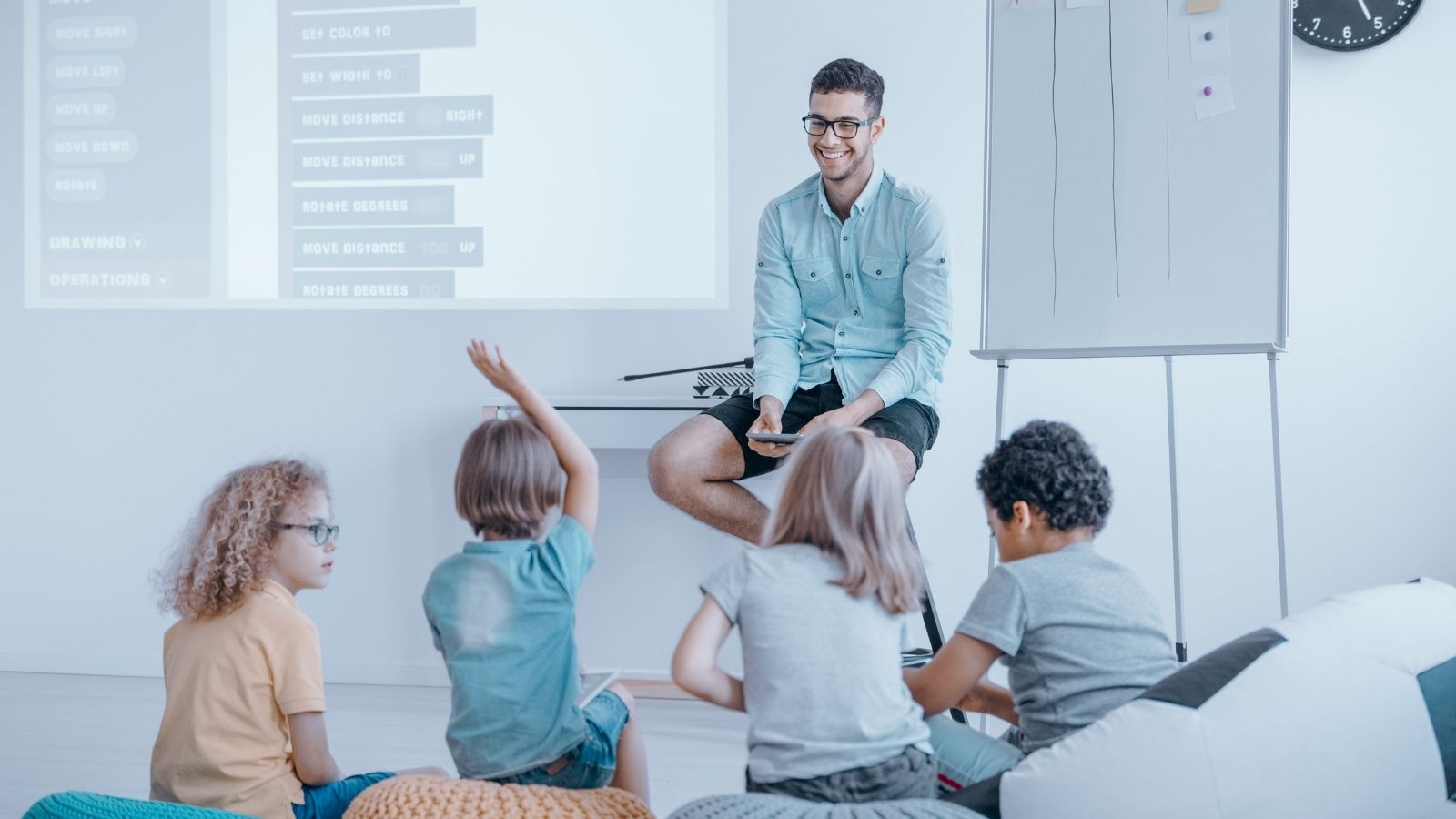
Regular attendance can sound so basic that it receives less attention than curriculum or test results. Yet education authorities have increasingly emphasized absenteeism because missed classroom time can become cumulative. Ontario, for example, requires attendance to be recorded daily at the elementary level and by course at the secondary level, and provincial policy recognizes persistent absenteeism as an issue requiring intervention.
For parents, the reconsideration involves distinguishing an occasional sick day from a pattern. A student missing two days every month may not seem chronically absent in any particular week, yet gaps accumulate over an entire school year. Mental-health concerns, transportation difficulties, family circumstances and disengagement can all contribute, meaning the solution is not always stricter enforcement. Families are paying more attention to whether schools identify patterns early and communicate before a problem becomes severe. Attendance is increasingly viewed not merely as an administrative checkbox but as one of the first observable signs that a student may be struggling academically, socially or emotionally.
Whether Food Has Become Part of the Education Equation

For decades, Canadian school food programs often depended heavily on local arrangements, volunteers and community organizations. The landscape is changing. Ottawa committed $1 billion over five years to a National School Food Program and had signed agreements with every province and territory by March 2025. The federal government says the expanded program is intended to provide meals to as many as 400,000 additional children annually.
That development has encouraged a broader conversation about what children need before instruction can work. A student who arrives hungry may technically have access to the same teacher and textbook as classmates while being far less prepared to concentrate. Parents are also sensitive to stigma: programs designed so children can participate without being singled out can make support easier to use. School meals remain structured differently across Canada, but families are increasingly considering nutrition alongside academics, recognizing that public education is affected by circumstances children bring through the school doors each morning.
Whether Children Are Moving Enough During the Day

Canadian children spend a large portion of their waking hours at school, making physical activity during that time increasingly important. Public Health Agency of Canada data have shown that fewer than half of Canadian children and youth meet the recommendation of an average of at least 60 minutes of moderate-to-vigorous physical activity each day. More recent national analysis has also identified meaningful differences in activity by gender and household income.
That has some parents questioning whether occasional gym classes are enough, especially when recess, active transportation and outdoor time must compete with academic scheduling and screens. Physical education does not need to turn every child into an athlete; for many students, daily movement may be more valuable when it is inclusive and enjoyable rather than intensely competitive. Families are therefore looking at playground access, recess, sports, walking routes and opportunities for movement throughout the day. The question has shifted from whether schools should value exercise to whether the structure of the school day actually gives children enough opportunities to move.
Whether French Immersion Is Equally Accessible

French immersion remains one of the most recognizable choices within English-language public education. Census data showed that nearly 700,000 school-aged children outside Quebec whose mother tongue was not French were in or had previously been in French immersion in 2021. Participation, however, varied dramatically: roughly 10% in Alberta and Saskatchewan compared with more than 37% in New Brunswick.
Geography matters as well. Statistics Canada found participation among eligible children in urban centres was nearly twice the rate observed outside urban centres. That leaves parents reconsidering the assumption that immersion is an equally available public-school option everywhere. Transportation, program entry points, nearby schools and teacher availability can influence whether participation is practical. Canada has also committed federal funding specifically toward recruiting and retaining educators in French-language and French-second-language programs. For families attracted to bilingual education, the question is increasingly not simply whether immersion is desirable, but whether their community can provide a stable program without unreasonable travel or limited access.
1How Much the Commute Shapes the School Experience
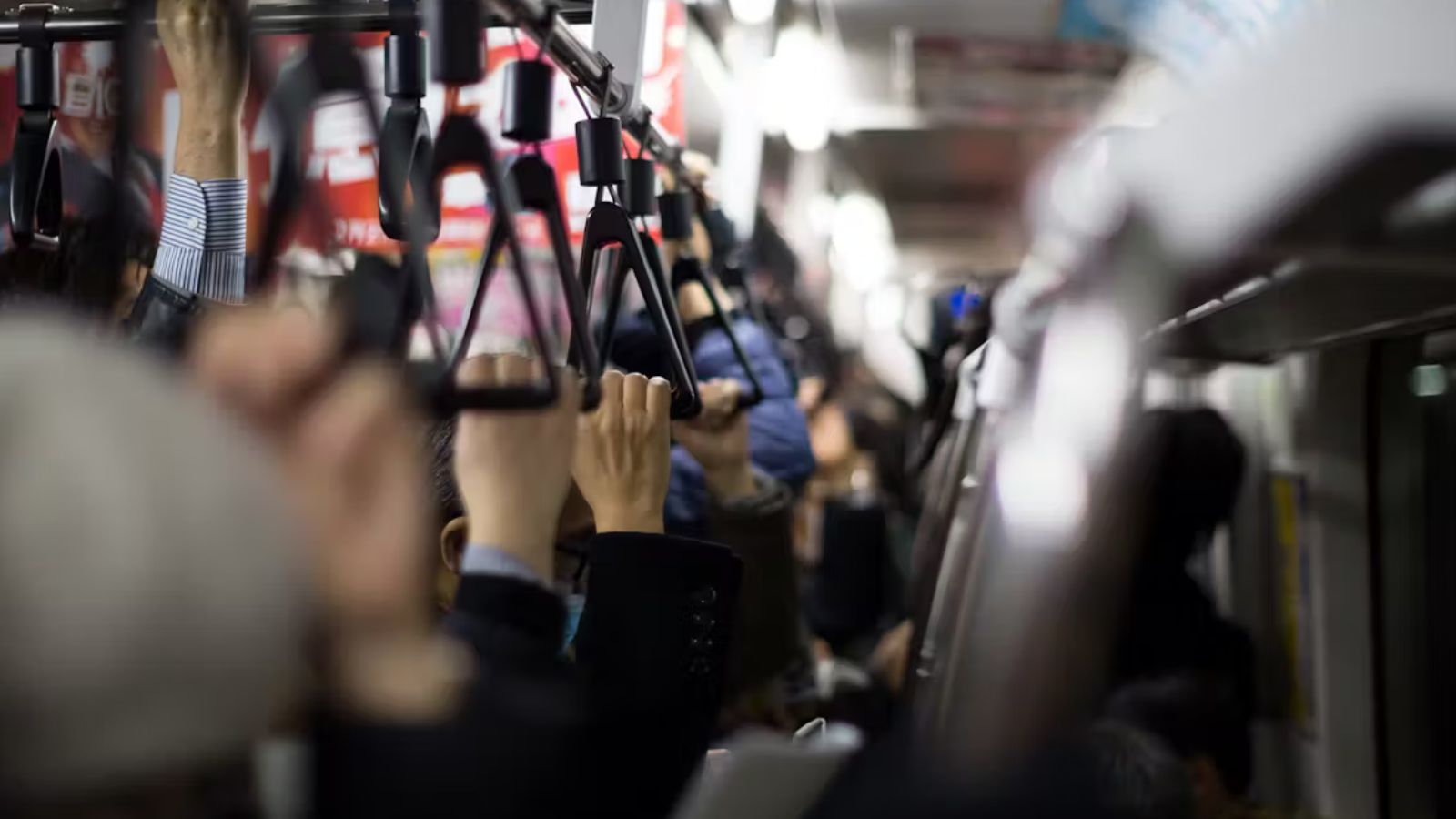
School quality is only one part of a child’s day. Getting there matters too. Provincial education funding systems recognize transportation as a significant cost, particularly in rural, remote and geographically dispersed communities. British Columbia, for example, includes transportation and geographic factors within supplemental public-school funding, while Ontario’s education allocations also include dedicated student transportation funding.
For some families, this translates into a surprisingly consequential question: is a specialized program still attractive if it adds a long bus ride every morning and afternoon? Transportation can influence sleep, extracurricular participation and the amount of unstructured time children have at home. It can also shape access to French immersion, specialized programs and schools outside immediate neighbourhoods. Parents accustomed to comparing academic offerings are consequently adding logistics to the equation. A program that looks exceptional on paper may produce a very different family routine when a young student must leave home much earlier than siblings simply to reach it.
Whether Schools Teach Enough About Money

Parents have long complained that students can graduate knowing academic formulas yet remain uncertain about taxes, credit, interest or budgeting. Provincial governments have been responding. Ontario has expanded financial literacy throughout its curriculum and introduced a financial-literacy graduation requirement tied to Grade 10 mathematics for newer secondary-school cohorts. Saskatchewan has likewise linked curriculum renewal and updated graduation requirements with financial-literacy and career preparation.
These changes reflect a broader shift in parental expectations. Financial education is no longer viewed solely as something families should provide around the kitchen table, particularly because children grow up in households with very different levels of financial knowledge. At the same time, parents may reasonably question how much curriculum time practical instruction should receive and how effectively it is taught. The emerging expectation is not that schools should replace family guidance, but that every graduate should understand basic concepts such as borrowing costs, saving, budgeting and financial risk before encountering credit cards, student loans and increasingly sophisticated digital financial products.
Whether AI Literacy Is Becoming as Important as Computer Literacy

Generative artificial intelligence moved into classrooms far faster than earlier technologies. Students can now produce summaries, brainstorm ideas, translate text or generate polished answers in seconds. British Columbia has developed provincial guidance and resources concerning digital literacy and responsible AI use in K–12 education, illustrating how education systems are beginning to address a technology that barely featured in ordinary classroom discussions only a few years ago.
Parents are therefore reconsidering what “technology skills” actually mean. Knowing how to operate a laptop is no longer enough. Students increasingly need to understand when an AI-generated answer may be inaccurate, biased or fabricated, how to protect personal information and where legitimate assistance crosses into academic dishonesty. Simply banning AI may leave students unprepared for workplaces where such tools are common; unrestricted use can undermine the process of learning to write, calculate and reason independently. Families are looking for a more demanding middle ground in which students learn both how to use powerful tools and how to think without them.
Whether Classroom Behaviour Is Taking Too Much Time From Learning

Classroom management has become a policy issue in its own right in parts of Canada. Alberta created an Aggression and Complexity in Schools Action Team in 2025 specifically to examine classroom disruptions, student aggression and supports for educators and students. Its work subsequently informed provincial planning for safer and more manageable learning environments.
Parents often encounter this issue indirectly. A child may not be involved in serious misconduct but can still lose instructional time when a teacher repeatedly has to stop a lesson. At the same time, disruptive behaviour can reflect disability, trauma, unmet mental-health needs or other complex circumstances, making simplistic punishment an incomplete answer. Families are increasingly asking how schools balance compassion for a struggling student with the right of classmates to learn in a calm environment. That is a difficult calculation, but one that increasingly influences perceptions of school quality alongside more familiar measures such as curriculum, test scores and facilities.
How Meaningfully Schools Teach Indigenous History and Perspectives
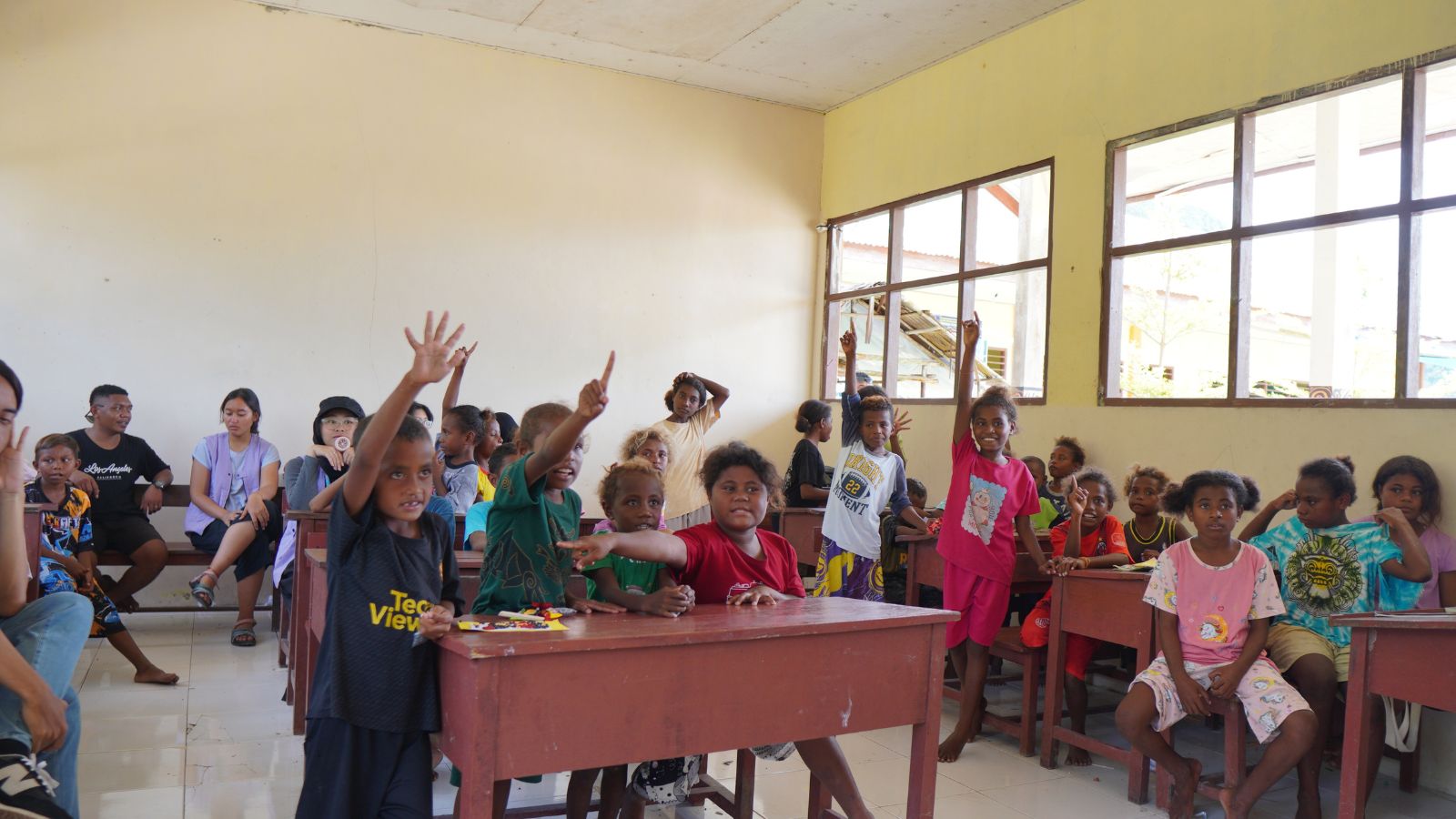
Education has become an important part of Canada’s reconciliation efforts. The Council of Ministers of Education notes that provinces and territories have developed curriculum and teaching resources involving Indigenous languages, histories and perspectives, while several jurisdictions formally recognize Indigenous languages. The Truth and Reconciliation Commission’s Calls to Action also place significant emphasis on education, language and culture.
For parents, the reconsideration is often about depth rather than simple inclusion. A short lesson during a commemorative date is different from sustained teaching that helps students understand residential schools, treaties, Indigenous cultures and contemporary communities. Families may also ask whether local First Nations, Inuit or Métis perspectives are presented authentically rather than treated as interchangeable. The goal is not identical curriculum across a country with profoundly different regional histories. Instead, expectations are moving toward education that gives students enough context to understand why reconciliation remains a current Canadian issue rather than something confined to a chapter about the distant past.
How Closely Parents Should Examine School-Level Information

Choosing a school was once heavily influenced by neighbourhood reputation and conversations with other parents. More education systems now provide public information that allows families to examine schools and boards more closely. Ontario’s EQAO, for example, publishes assessment information that can be explored at provincial, board and school levels, while British Columbia maintains a K–12 reporting system intended to provide data used for system planning.
Data can help, but it can also be misleading when stripped of context. A single test result cannot reveal teacher quality, student wellbeing or whether a school serves a population facing unusual economic or learning challenges. Parents are consequently learning to ask better questions rather than simply chase rankings. Trends over several years, student progress, program availability, school climate and communication may provide more useful signals than one headline number. Public-school accountability increasingly gives families more information, but it also requires greater care in interpreting what those numbers actually say.
Whether Learning Has to Happen in One Traditional Classroom

The pandemic made remote education unavoidable for a period, but online and blended learning did not disappear when classrooms reopened. Alberta continues to list numerous public online-learning options ranging from elementary programs to secondary courses, blended instruction and year-round high-school enrolment. British Columbia likewise operates provincial and district online-learning schools, with tens of thousands of students participating in online courses.
That does not mean digital schooling works equally well for every child. Some students thrive with flexible pacing and fewer classroom distractions; others need daily face-to-face structure, immediate teacher feedback and the social routine of attending a physical school. Parents are therefore reconsidering the assumption that education must be entirely one model or another. A student might attend a neighbourhood school while completing a specialized course online, or use alternative delivery during circumstances that make regular attendance difficult. Public education is becoming less synonymous with one building, one timetable and one method of instruction.
Whether Public School Still Has to Be the Automatic Choice
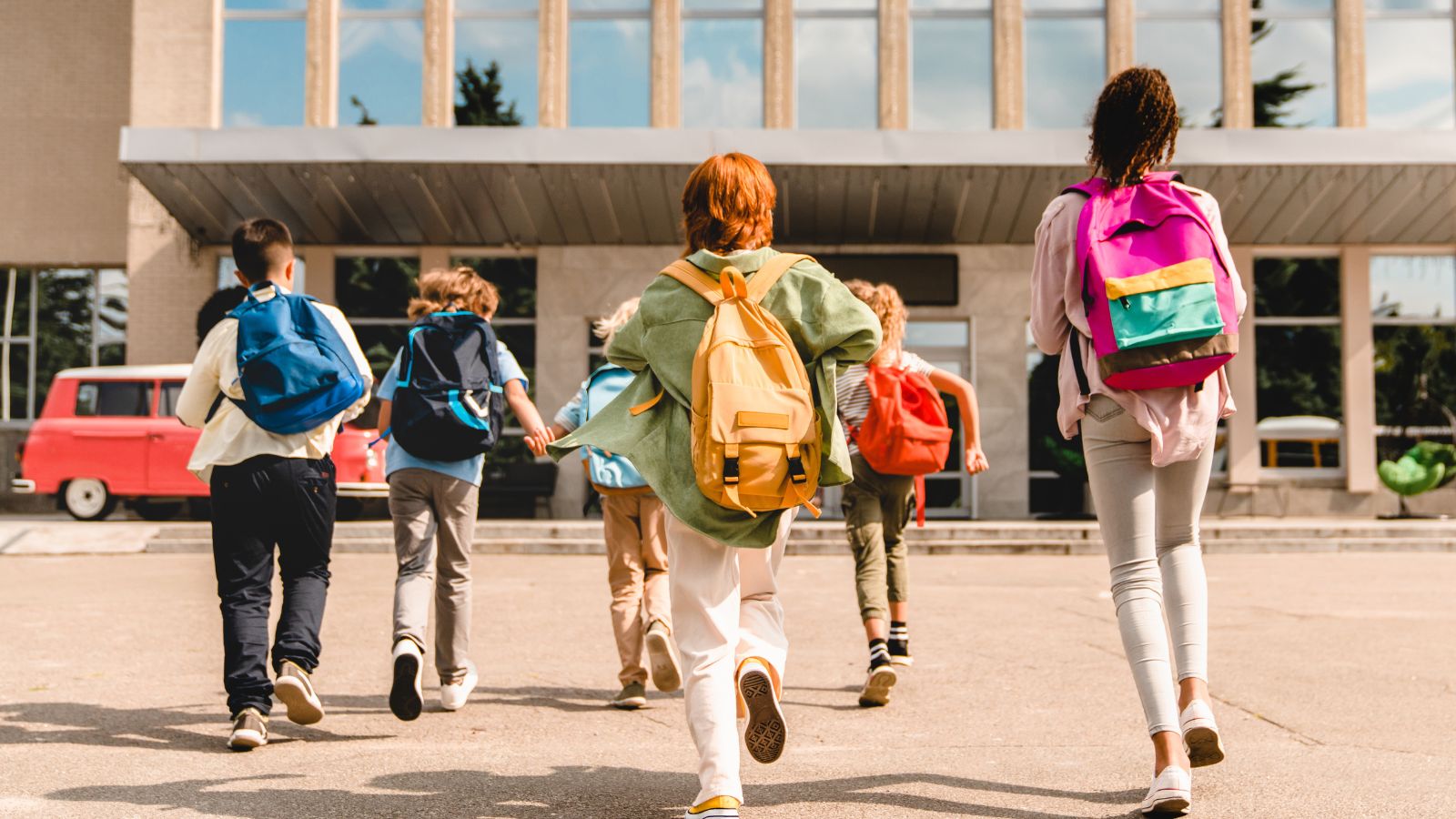
Public schools educate the overwhelming majority of Canadian children, and international comparisons still place Canadian students among relatively strong performers. Statistics Canada recorded more than 5.2 million students in public schools in 2021–2022, compared with roughly 441,000 in private schools, while the agency separately tracks a smaller home-schooling population. Public education therefore remains firmly dominant rather than being displaced by alternatives.
What is changing is the willingness of some families to investigate those alternatives rather than assuming the local public school is the only realistic path. Private schools, home education, online programs, alternative public schools and specialized programs each come with different costs, requirements and trade-offs. Even parents who ultimately stay in the public system may compare options more actively than previous generations did. The important shift is less about abandoning public education than about demanding a clearer answer to a personal question: does the available school environment fit this particular child’s academic, social and developmental needs?
16 Costco Canada Habits That Could Be Costing Shoppers More Than They Save

The Executive Membership can feel like an obvious upgrade because the 2% annual reward sounds straightforward. For households that spend heavily at Costco Canada, the extra fee may be easy to justify. But the habit becomes costly when shoppers upgrade first and calculate later. A Gold Star Membership costs less, while Executive costs more and only pays off if eligible annual spending is high enough to offset the difference.
16 Costco Canada Habits That Could Be Costing Shoppers More Than They Save
